
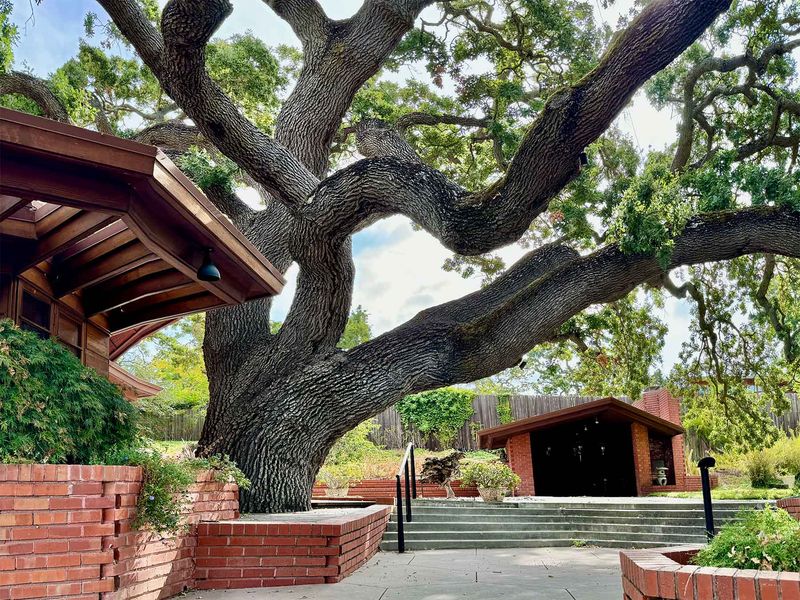
By late fall, many California trees have gone six months or more without real rain, and their roots are running on empty. Winter storms are on the way, but in many years they show up late, arrive weak, or barely soak past the topsoil.
One slow, deep watering now can help trees head into their winter growth season with moist roots instead of cracked, dusty ground. Here are eight common yard trees that may benefit most from that single, well-timed drink.
1. Coast Live Oak
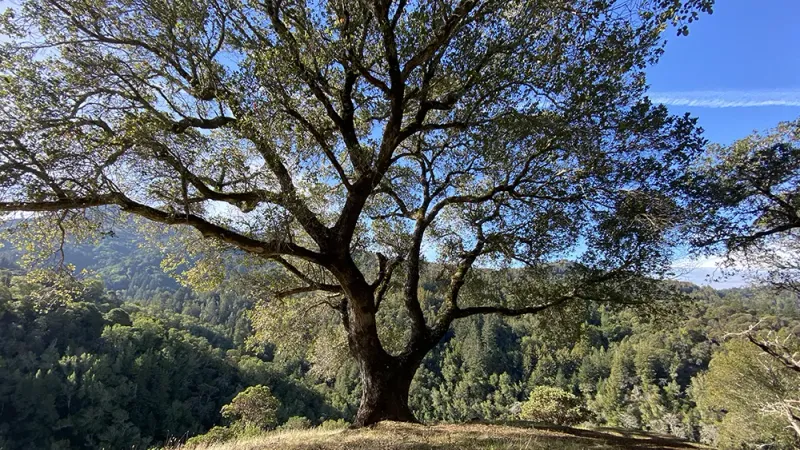
Ask any arborist about coast live oaks and you will hear a warning first: never water them all summer. Frequent summer irrigation near the trunk can invite oak root fungus and crown rot, which kill many beloved backyard oaks.
Late fall is different. After a long drought year, a single deep soak placed out at the drip line, not against the trunk, may help an established oak recover before rains settle in.
Aim for water that reaches 18 to 24 inches deep, then let the soil dry out again.
Keep the first few feet around the trunk dry and free of mulch piles. Oaks feed hundreds of insect species, which in turn feed birds like oak titmice and acorn woodpeckers, so a healthy tree supports a lot of backyard wildlife.
2. Valley Oak
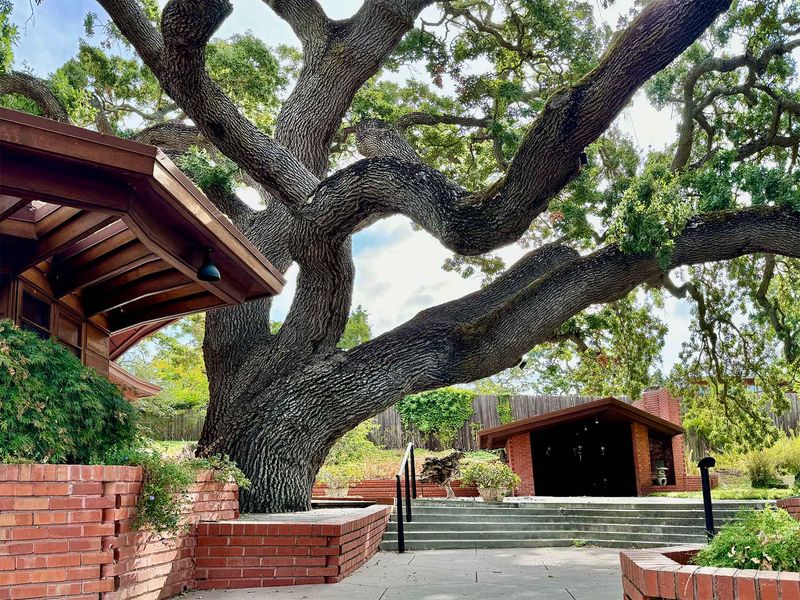
Valley oaks are giants that evolved to tap groundwater with roots that can plunge dozens of feet. In suburbs, though, falling water tables and paved yards can cut them off from those deep sources.
A slow trickle from a hose, moved around the outer canopy over a day or two, can push moisture well below the surface. Young valley oaks under about ten years old may benefit the most, since their roots have not reached deep water yet.
Skip fertilizer and avoid rototilling under the canopy. Just one generous drink, then let the season take over.
3. Coast Redwood
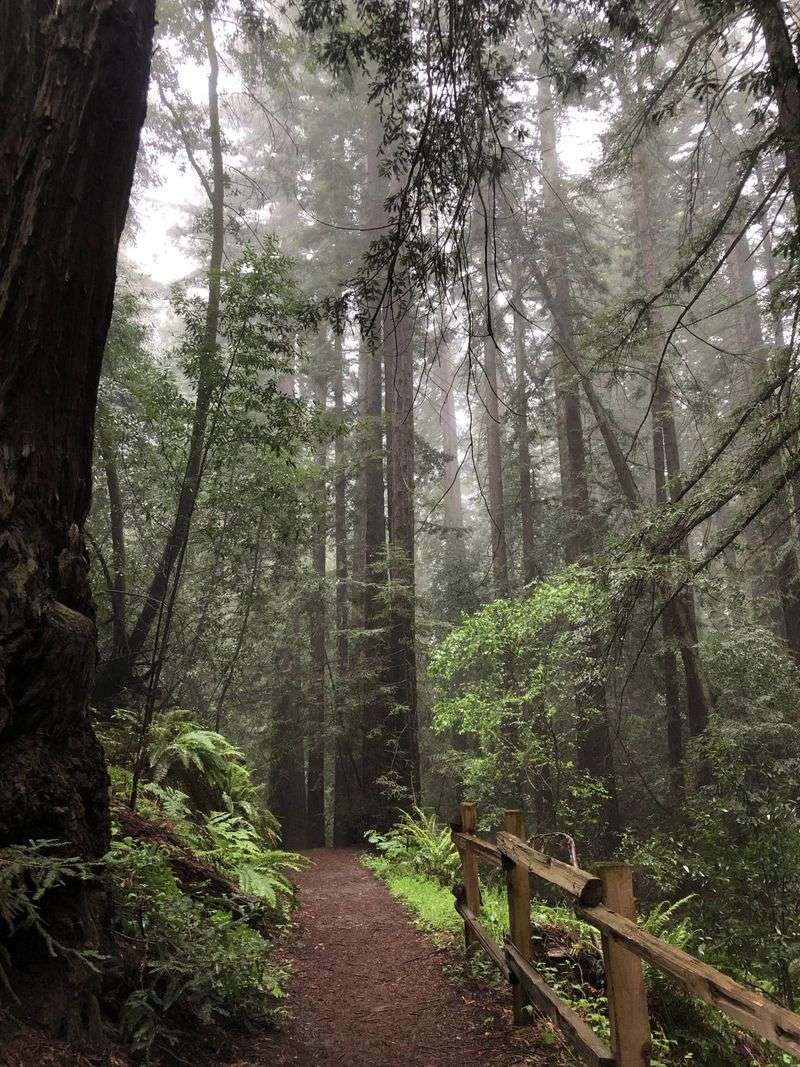
Picture a tree that drinks fog for breakfast, then plant it in Sacramento or the Inland Empire. That is the reality for many backyard coast redwoods, and by fall they often show it with browning inner needles.
Redwoods have shallow, wide roots, so a deep soak spread across a broad area works better than a puddle at the base. A soaker hose looped in rings under the canopy for several hours can reach the root zone where it counts.
A three-inch layer of shredded bark or redwood needles helps hold that moisture. Redwoods are less drought tolerant than many people assume, so this fall drink can make a visible difference come spring.
4. Japanese Maple
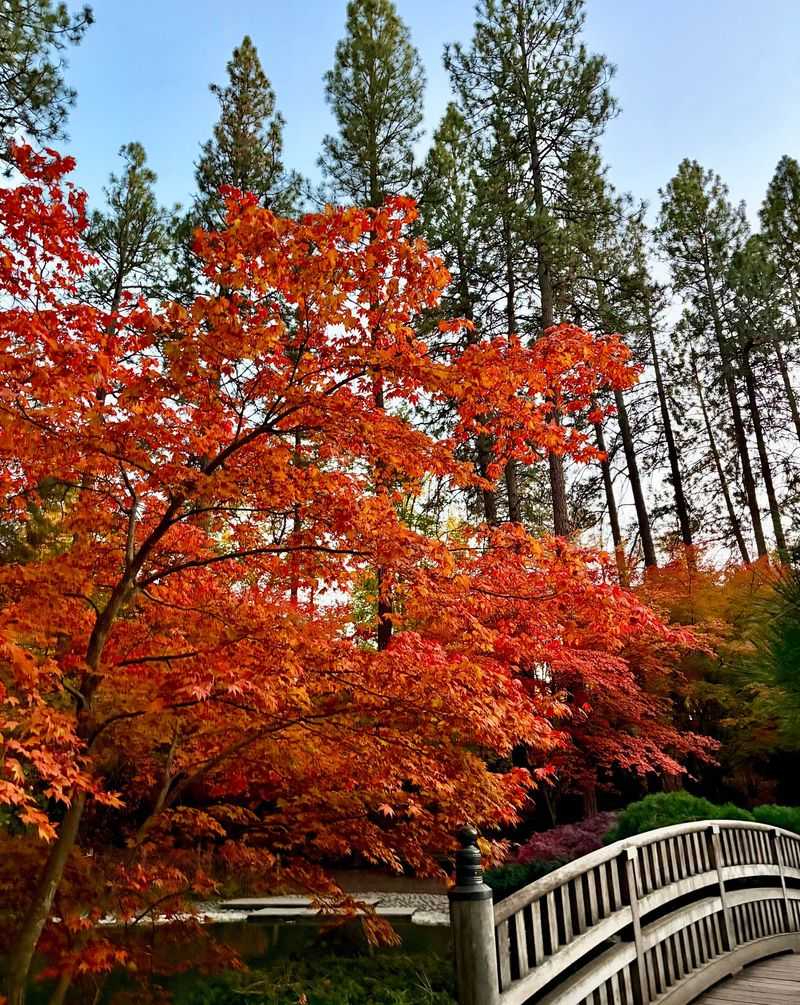
Crispy, brown leaf edges in August are a Japanese maple’s way of complaining. These graceful imports come from humid summers, and California’s dry heat and salty tap water can stress them badly.
A long, deep watering in late fall does two jobs. It rehydrates roots and flushes built-up salts below the root zone, which can help reduce next year’s leaf scorch.
Water slowly until the soil is moist about a foot down. If you rely on drip, run it longer than usual this one time rather than adding extra short cycles.
5. Citrus
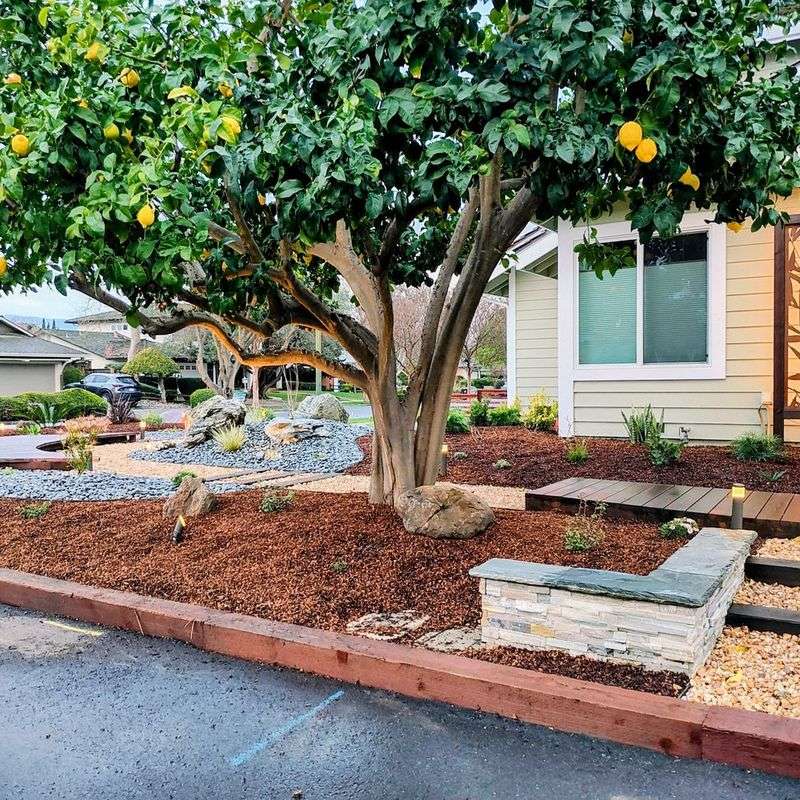
Here is a fun timing quirk: many citrus trees are ripening fruit just as rain is scarce. Lemons, mandarins, and navel oranges size up through fall and winter, and a dry root zone can lead to split or shriveled fruit.
Build a shallow basin out near the drip line and fill it slowly two or three times. That gives roots a deep reserve heading into the cooler months.
Moist soil also holds warmth better than dry soil, which may help a little during inland frosts. Just make sure the area drains well, since soggy citrus roots rot fast.
6. Western Redbud
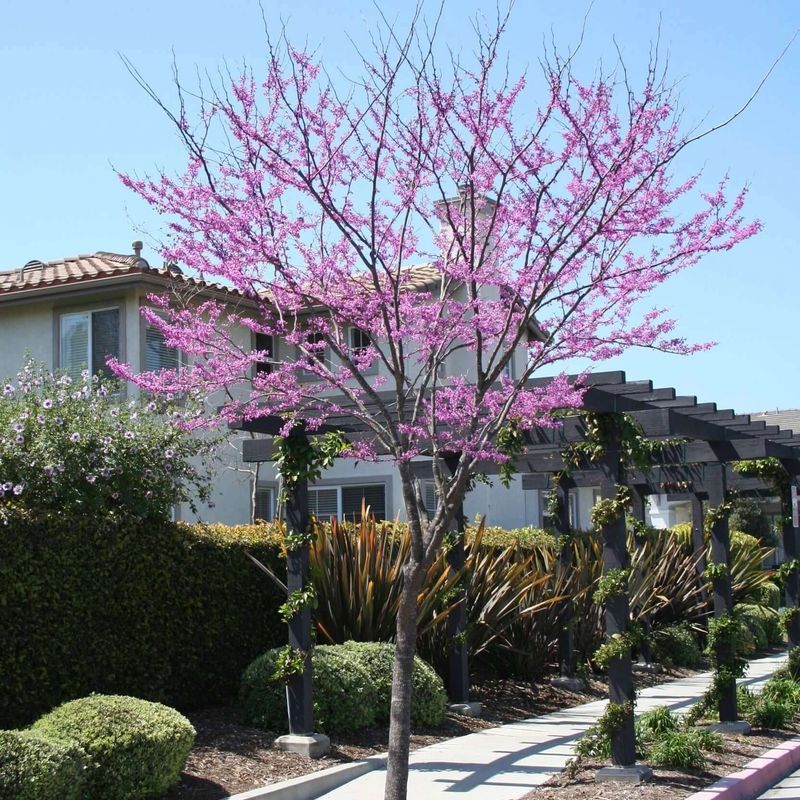
Gardeners plant western redbuds for that magenta spring show, and native bees adore the early flowers. Established redbuds can handle drought well, but young ones in their first three years often struggle through a long dry spell.
One deep soak in late October or November can help a young redbud set healthy flower buds for spring. Water slowly so it sinks down rather than running off clay.
After that, let winter rain do the work. Overwatering a mature redbud in summer can shorten its life, so save your attention for fall.
7. Fruitless Mulberry

Lots of California homeowners pulled out their lawns during drought rules and then noticed the big shade tree nearby started to sulk. Fruitless mulberries, common across valley suburbs, were often living off that lawn water for decades.
If your lawn is gone, a fall deep soak can help bridge the gap. Run a hose slowly in several spots around the canopy edge, giving each spot an hour or so.
Going forward, a couple of deep summer waterings may keep it from dropping limbs or thinning out. Losing a mature shade tree can raise cooling bills, so the effort pays off.
8. Avocado
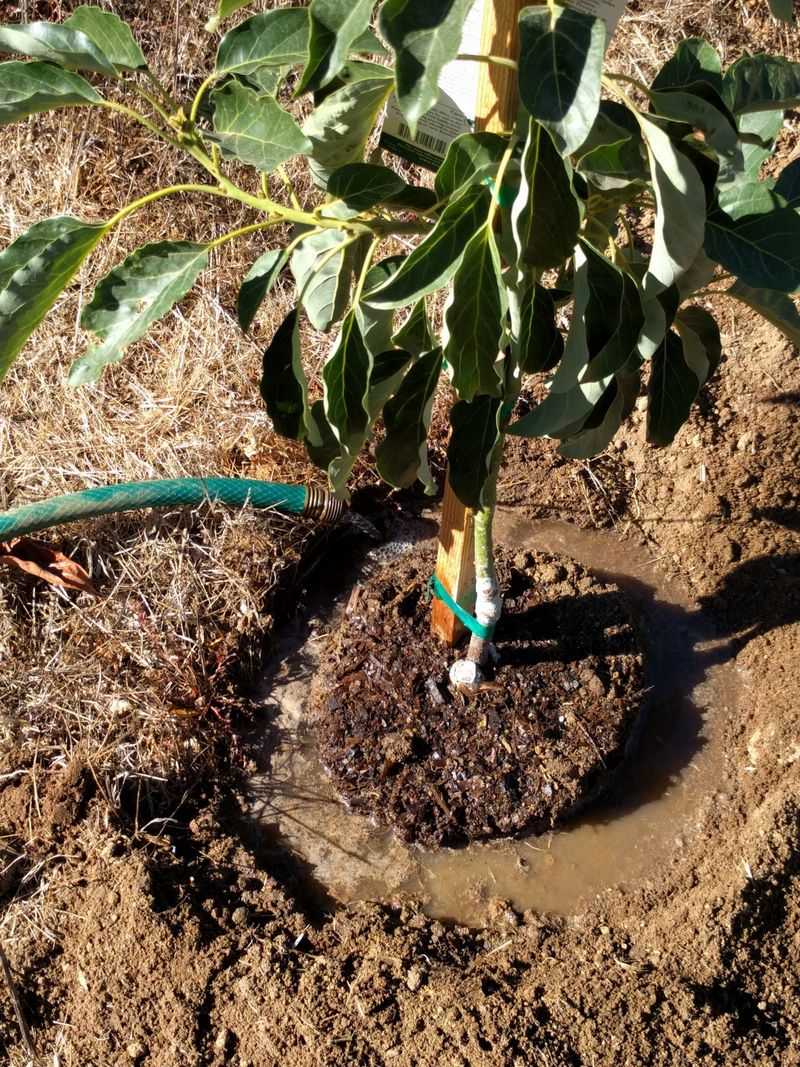
Avocados are thirsty, shallow-rooted, and quick to show stress with salt-burned leaf tips. Fall is often when salts from summer irrigation peak in the root zone.
A long, slow leaching irrigation can push those salts deeper and leave roots in fresher soil before winter. Leave the fallen leaves in place, since that natural mulch keeps roots cool and moist.
Do not overdo it on heavy soil, because avocado root rot loves soggy ground. One thorough soak, then wait for the rain.