
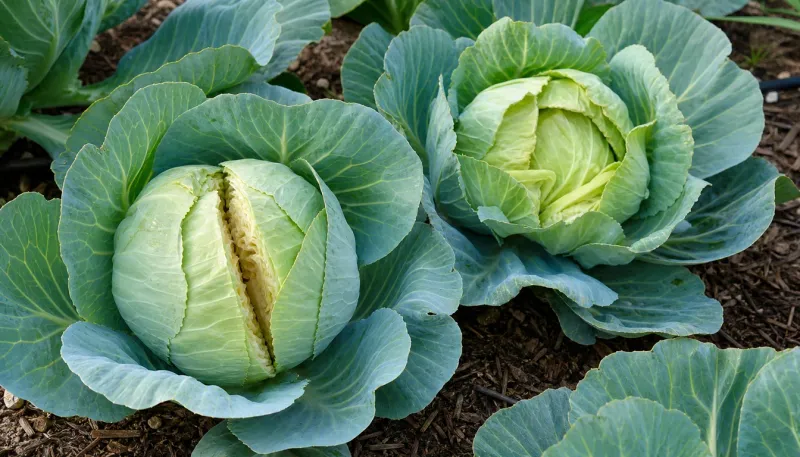
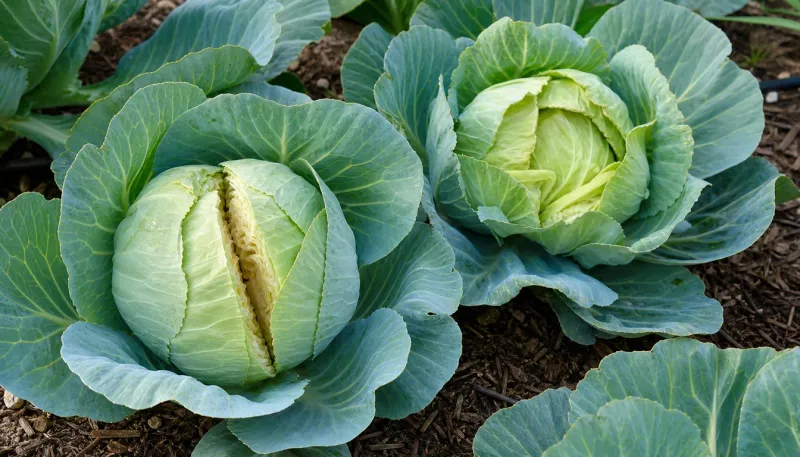
You walk out to check your late cabbage and find a firm, beautiful head cracked right down the middle. It is a frustrating sight, especially after weeks of care.
The good news is that splitting follows a pattern, and you have a few choices when a mature head is at risk. Here is how to decide whether to harvest now or wait a little longer.
Why mature cabbage heads split
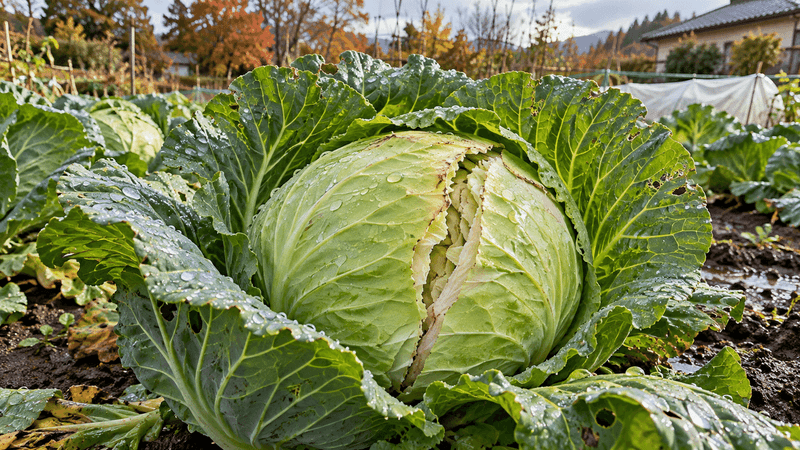
A split head is a sign that the cabbage took in more water than its leaves could handle. Inside, the head keeps growing from the center, and when a rush of water arrives, the inner leaves swell faster than the outer ones can stretch.
The result is a crack, sometimes small and sometimes right through the heart.
Mature, firm heads are the ones most at risk. According to Utah State University Extension, heads that are ready but still standing can split when they take up water quickly, and a heavy rain or a deep irrigation is a common trigger.
The risk can be higher when that water follows a dry spell.
Notice that the pattern is about timing and water, not one kind of weather. Iowa State Extension points to heads left in the garden after they mature.
The longer a ready head sits, the more chances a big drink of water has to catch it.
Harvest a firm head when practical
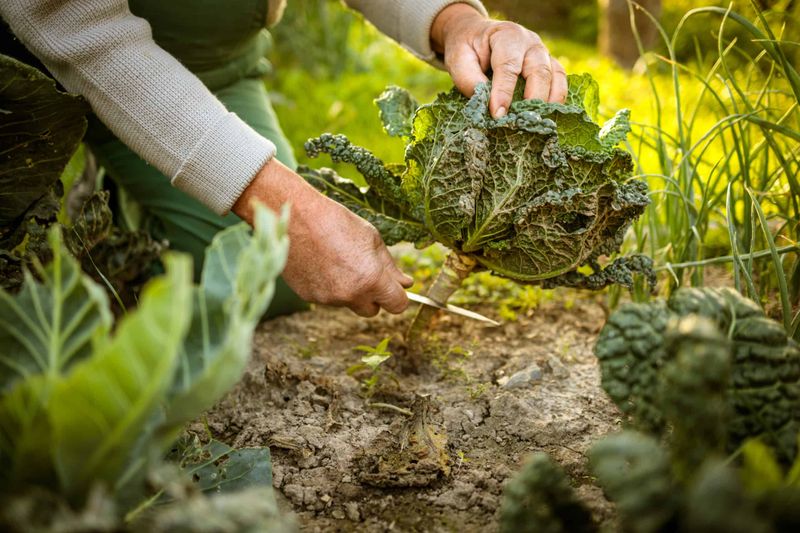
If a head is a usable size and feels firm when you squeeze it, cutting it is the simplest way to avoid trouble. A harvested cabbage can no longer split in the garden, and it is ready for the kitchen or the fridge.
Many gardeners find that a head sitting in the bed for a few extra weeks is the one that cracks.
The University of Minnesota Extension notes that leaving mature heads in the garden raises the chance of splitting. So when rain is in the forecast and a head feels solid, a quick harvest is often the calmest decision.
Sometimes harvest has to wait. You might be traveling, or the head may not be quite big enough.
For those cases only, a gentle partial root disturbance is a short-term option, covered in the next section.
Turn the plant gently to disturb some roots
The goal here is to slow how much water moves into the head by disturbing some of the roots below ground. Bending the stem above the soil does not do that.
What matters is what happens to the roots.
The University of Minnesota Extension suggests turning the head about a quarter-turn, or pushing a spade into the soil to shear roots on one side. Iowa State Extension describes gently lifting and twisting the plant.
Both aim to reduce the flow of water into the head.
Use this only on a mature head that you cannot pick yet. Work slowly, and stop once you feel the roots give a little.
Think of it as a way that may lower the chance of a split, not a fix that works every time.
Treat root disturbance as a short-term measure
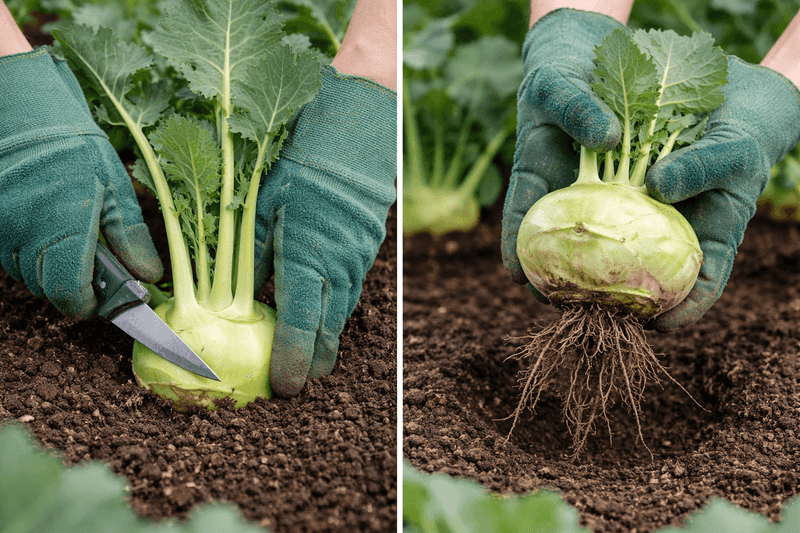
Cutting or breaking roots is not free. The plant loses some of its ability to take up water and nutrients, which is the whole point, but that also means it can be harmed.
Missouri Extension cautions that root damage hurts the plant and that the head should be harvested relatively soon afterward.
So set a plan before you try it. Pick a harvest day within the coming days, and check the head each time you walk by.
A cracked head can still happen, since this method may reduce or delay splitting but cannot promise protection.
Skip the idea of doing it again and again, or doing it to every plant in the row. Once is a stopgap for a head that is ready but stuck waiting.
After that, the better move is to cut it.
Keep moisture reasonably consistent as cabbage grows
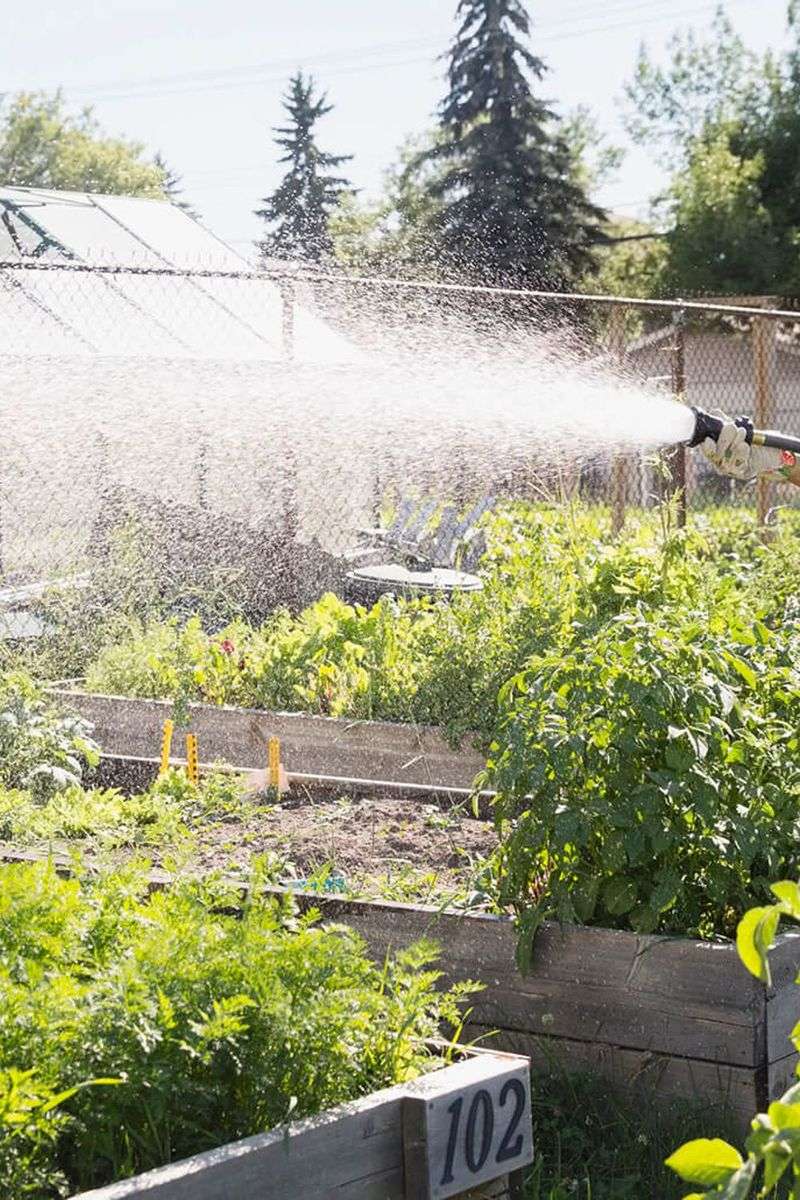
Cabbage grows best with steady, adequate moisture. Letting plants dry out hard can hurt head quality, and withholding water all season is poor advice.
Even watering through the growing months gives you firmer, better-formed heads.
The trouble starts when a big surge of water arrives near maturity. The University of Minnesota Extension notes that cabbage needs adequate soil moisture, while a sudden increase in water can contribute to splitting.
A few habits may help. Water on a regular schedule, add mulch to slow drying, and avoid soaking a very dry bed all at once when heads are close to ready.
Consistent watering can lower the odds, but it does not guarantee a head will never crack.
Late-season harvest timing varies by region and variety
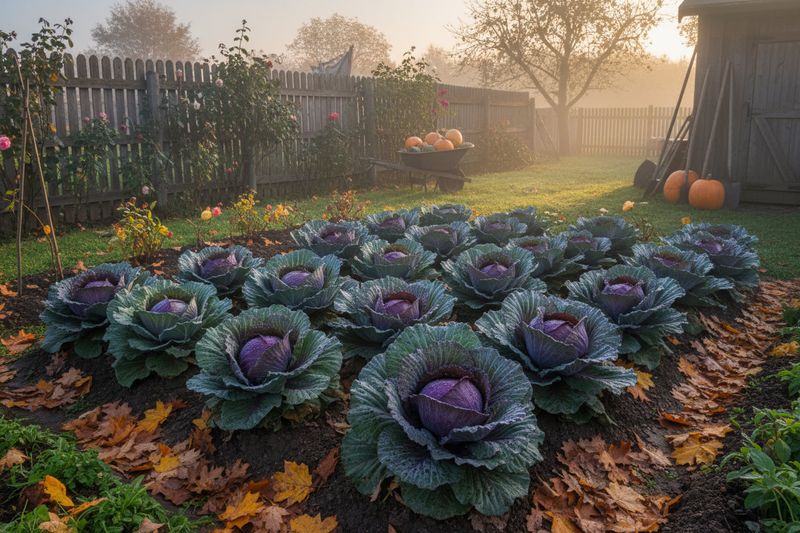
There is no single winter calendar for cabbage. Where you live, how the weather behaves this year, and which variety you planted all shape how long a head can wait.
Local conditions matter more than any national date.
For example, the University of Minnesota Extension says fall cabbage there should be picked before a hard freeze. Virginia Cooperative Extension gives a lower cold-tolerance range.
The two differ, which is why you should not borrow someone else’s freeze number.
Varieties also differ. Some hold well in the field, and others crack sooner once they are ready.
Keep notes on what you grew, and check with your local Extension office for timing that fits your area.
Harvest and use a split head promptly
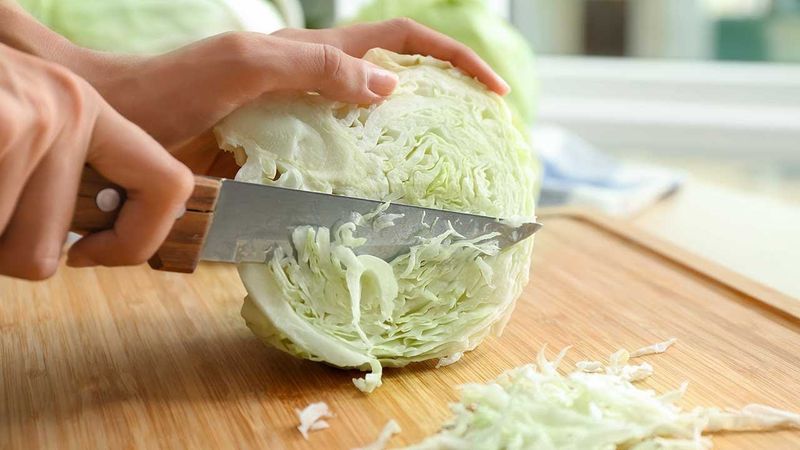
A split head is not a lost cause. Cut it, trim away any damaged outer leaves, and use it soon.
The University of Saskatchewan advises harvesting split cabbages and using them right away.
Look closely at the crack first. If you see slime, discoloration, or mold, discard the cabbage.
If the inside looks clean and crisp, slaw, soup, or a quick sauté are good ways to use it.
Splits open the head to the weather, so waiting turns a small problem into a spoiled one. A cracked cabbage is simply telling you it is ready for the kitchen today.