

Florida sand drains so fast that water and nutrients can slip past plant roots in a hurry. Coffee grounds sound like an easy, cheap answer, and plenty of gardeners have heard they work wonders.
The research tells a more careful story. Here is how grounds can still earn a place in your garden, as long as they go through the compost pile first.
Florida sand needs organic matter, not a quick fix

Anyone who has dug a hole in a Florida yard knows the feeling: the sand pours back in, and a hard rain seems to vanish in minutes. That speed is the problem.
UF/IFAS soil management guidance explains that sandy soils generally hold water and nutrients poorly, so both can wash below the root zone.
Organic matter is the long-term answer. It acts like a sponge in the soil, helping hold moisture and nutrients where roots can reach them.
UF/IFAS Gardening Solutions points to compost as one of the best ways to build that organic matter, and the key word is build. Expect gradual improvement over seasons, not a one-weekend repair.
That is where coffee grounds enter the conversation, and where some headlines go too far. Spent grounds are not a proven, dependable fix for sandy beds.
Whether your local café has grounds to spare, and whether it will hand them over, is something you would need to ask in person, because nothing guarantees a free supply.
The more useful way to think about grounds is as one possible ingredient in a bigger soil-building plan. Fresh grounds sprinkled straight onto a bed, grounds mixed into a compost pile, and finished compost worked into the soil are three very different things.
The next sections pull them apart so you know which one to use, and which one to skip.
What happens when spent grounds go straight onto soil?
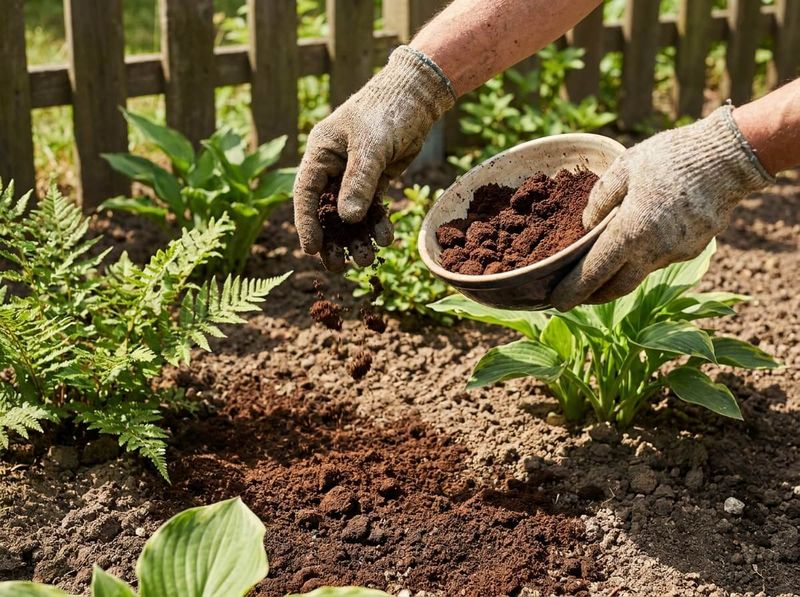
Here is the surprise. A peer-reviewed study by Hardgrove and Livesley tested spent coffee grounds applied directly to urban garden soils.
The grounds did raise the soil’s water-holding capacity. Yet growth dropped in all five garden plants tested.
The slowdown showed up in sandy soil too, and it appeared at every application rate the researchers tried, from 2.5% up to 25%. Even the smallest dose did not get a pass.
The effect also held across different soil textures and fertilizer treatments.
Notice what happened there: more water held in the soil, but worse plant growth. A higher water number does not automatically mean a healthier garden.
Roots care about the whole package, and fresh grounds clearly did something in the soil that plants did not like.
One honest limit: the study was not done in Florida, so it cannot predict every result in your yard. Still, it is direct evidence against the popular advice to rake fresh grounds around your plants.
If you have been doing that, a good next step is to stop adding more, watch how your plants respond, and shift your grounds into a compost pile instead.
Fresh grounds are not a dependable fertilizer or acidifier
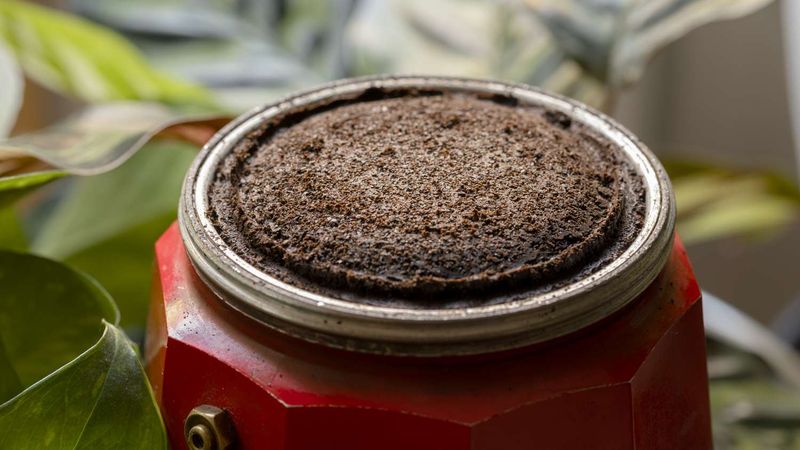
Two other myths ride along with coffee grounds: that they feed plants like fertilizer, and that they make soil acidic. Neither holds up well.
Penn State Extension specifically warns against using used grounds to acidify soil.
The reason is simple chemistry. Brewing pulls most of the acidity out, so spent grounds tend to be near neutral, and their pH can vary from batch to batch.
The University of Arizona Cooperative Extension review describes the same variability. So grounds are not a reliable pick for blueberries, azaleas, or other acid-loving plants.
As for feeding, grounds do contain nutrients. But University of Missouri Extension recommends composting them and notes they do not replace soil testing or an appropriate fertilizer.
Your practical next move is to test before you guess. A soil test tells you the actual pH and what your bed needs, which beats hoping a bucket of grounds does the job.
Treat grounds as a modest compost ingredient, and let test results guide any fertilizer or pH adjustments.
Make café grounds one part of a balanced compost pile
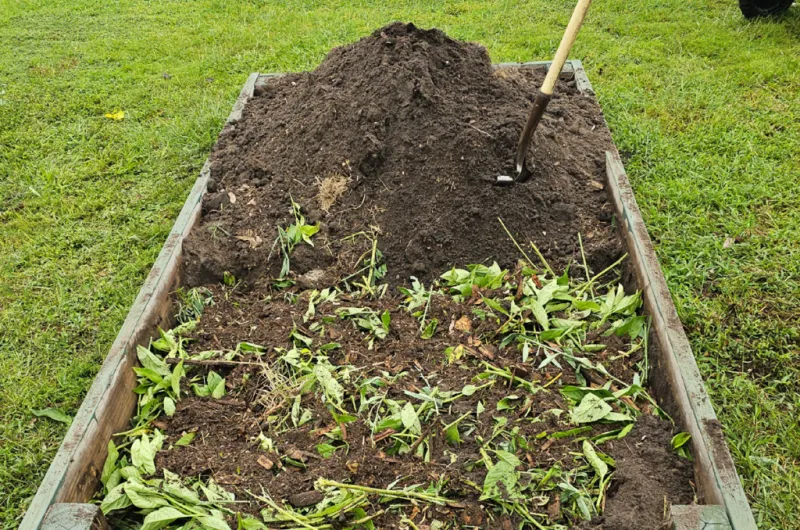
Composting gives grounds a much safer job. Instead of landing on your plants raw, they get mixed in with other materials and broken down over time.
UF/IFAS’s home composting guide lists coffee grounds as an ingredient and stresses three habits: keep the pile moist, turn it regularly, and balance different materials.
Balance matters most here. Grounds are fine and wet, so pair them with coarse, dry material like fallen leaves or shredded brown yard waste.
Mix them in rather than dumping a thick layer on top, where they can clump.
How much is too much? A University of Arizona Cooperative Extension review recommends keeping grounds at or below 20% of total compost volume, and reports that higher shares have often been harmful.
Think of that as general guidance, not a recipe tested in Florida. It gives you a sensible ceiling to start from.
If you want grounds from a café, ask politely and confirm whether any are available, since supply is not something to assume. Even a small bag can work in a pile.
Keep the pile damp like a wrung-out sponge, turn it every so often, and let it finish before it goes anywhere near your beds.
How should finished compost go into a sandy bed?
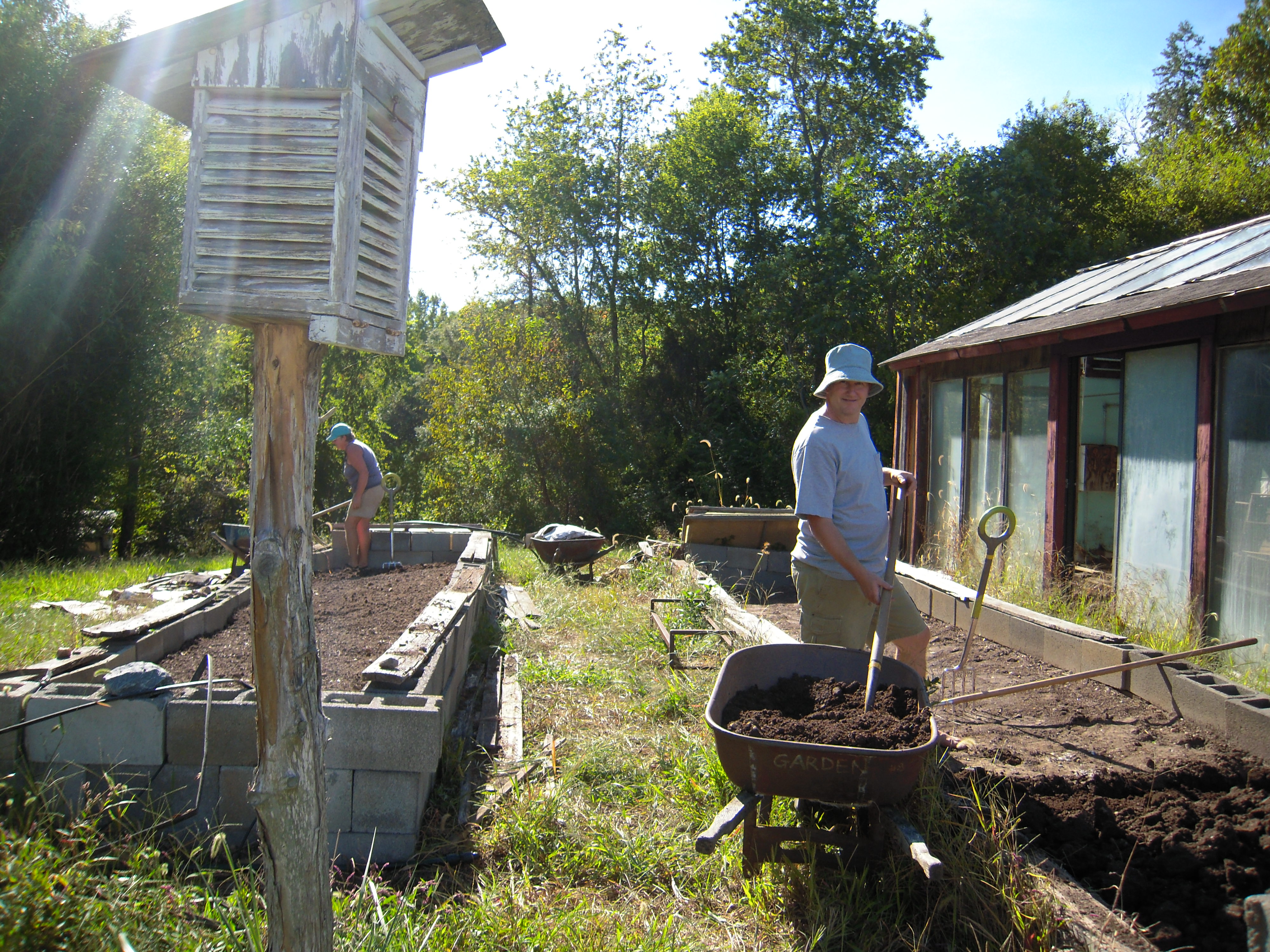
Once your compost looks dark, crumbly, and earthy, it is ready for the bed. UF/IFAS compost tips say to use only finished compost as a soil amendment in Florida garden beds.
That rules out fresh grounds and unfinished compost for this job.
The method is straightforward. Spread a layer of finished compost 1 to 3 inches deep across the bed surface.
Then mix it into the top 4 to 6 inches of soil with a garden fork or tiller so it blends with the sand instead of sitting in a separate layer.
Do this before planting when you can, since it is far easier to work a bed that is empty. In an established bed, mix gently around existing plants to avoid damaging roots.
Do not expect one round to change your soil for good. Sandy soil loses organic matter quickly in Florida’s warm, wet climate, so improvement comes from repeating the habit over time.
A good clue that it is working: the bed stays damp a little longer after watering, and plants stop wilting as fast between rains.
Compost also works as a surface mulch
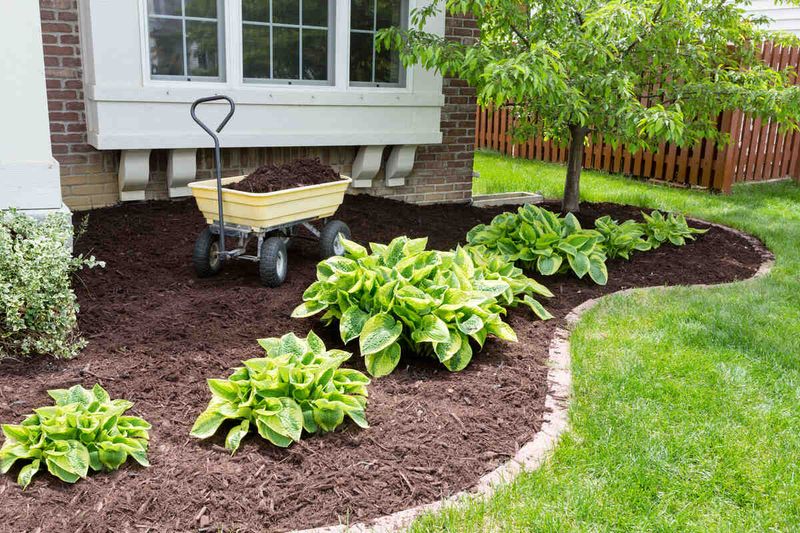
Mulching is a different move from amending. Instead of mixing compost into the soil, you leave it on top as a blanket.
UF/IFAS Extension Sarasota County says finished or unfinished compost can serve as mulch, applied 3 to 4 inches deep.
Keep the layer 2 to 3 inches away from plant stems, so moisture does not sit against the bark or crown. Plan to replenish it yearly, because the compost keeps breaking down and feeding the soil below.
So the rule of thumb is simple. Finished compost only for mixing into the bed, but finished or unfinished compost is acceptable as a surface layer.
Pick based on whether you want to change the soil itself or protect its surface.
What about spreading grounds alone as mulch? Skip it.
Their fine texture can compact into a crust that sheds water. The University of Arizona review advises against using pure grounds as mulch, and suggests that if you must, keep the layer to no more than half an inch and cover it with coarser organic mulch.
The useful role for grounds is in the compost pile
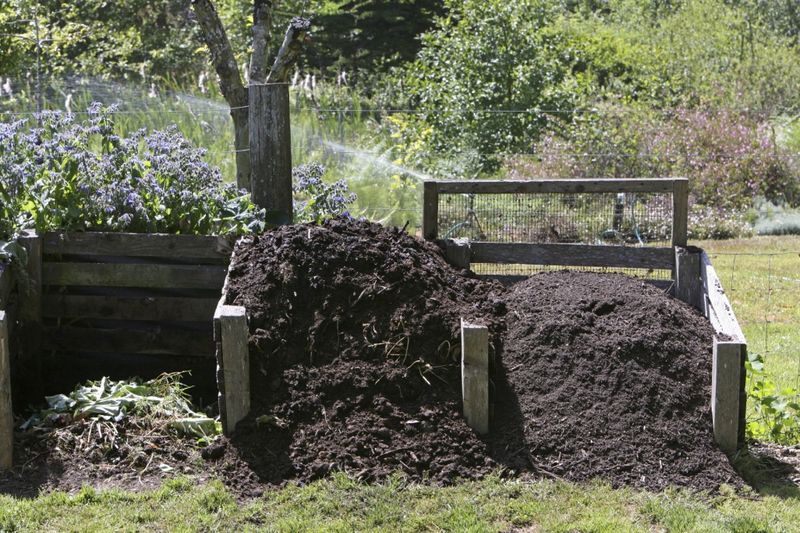
If you can get your hands on coffee grounds, add them in moderation to a balanced pile, following UF/IFAS composting advice. When the compost is finished, mix it into beds or lay it down as mulch using the UF/IFAS directions for finished compost.
Grounds are a pinch of seasoning, not the whole meal. The real payoff in Florida sand comes from the compost they help make.