
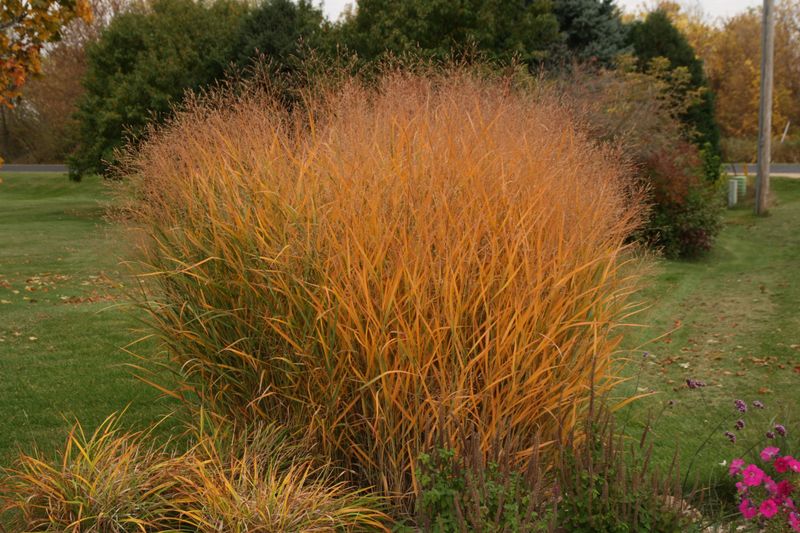
Switchgrass is a North Carolina native grass that keeps seed and cover standing in the yard when many other plants have gone dormant. Its seedheads are a winter snack for songbirds, and its tall stems give small birds a place to tuck in out of the wind.
Many homeowners skip right past it at the garden center. Here is how to find the right spot for it, care for it through the seasons, and keep your home safe while you do.
Switchgrass offers winter seed and cover
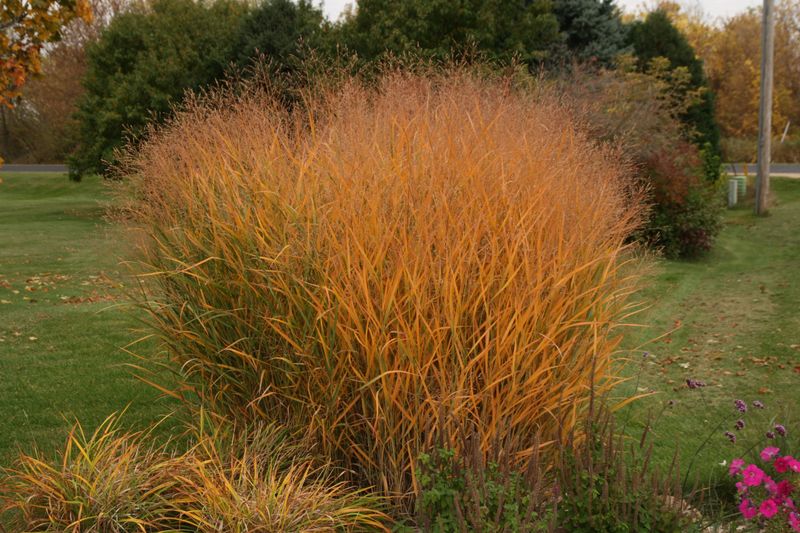
Switchgrass (Panicum virgatum) is the native grass that fits this story. NC State’s Plant Toolbox lists it for all three North Carolina regions: the mountains, the Piedmont, and the Coastal Plain.
That means it is a true local, not an imported ornamental that happens to look nice.
The main draw is the seed. According to NC State, songbirds and small mammals eat switchgrass seeds in winter.
After the plant sets seed, the airy flower plumes hold those seeds up where wildlife can reach them, which is why the advice is to leave the seedheads on the plant instead of trimming them off in fall.
The standing foliage can help too. Dense clumps of tall stems can offer cover, a spot where small birds may shelter from wind or slip out of sight.
NC State’s guide to landscaping for wildlife points to native plants like this as a way to supply both food and shelter.
Do not expect a picture-perfect winter display every year. Switchgrass foliage fades to brown as the cold sets in, and how it looks and holds up depends on the plant and the conditions.
Some clumps stay fairly upright, while others lean or flop after heavy rain, ice, or wind. Even a slightly rumpled clump can still hold seed and give small birds some cover, so a little messiness is part of the deal.
What one planting can—and cannot—do
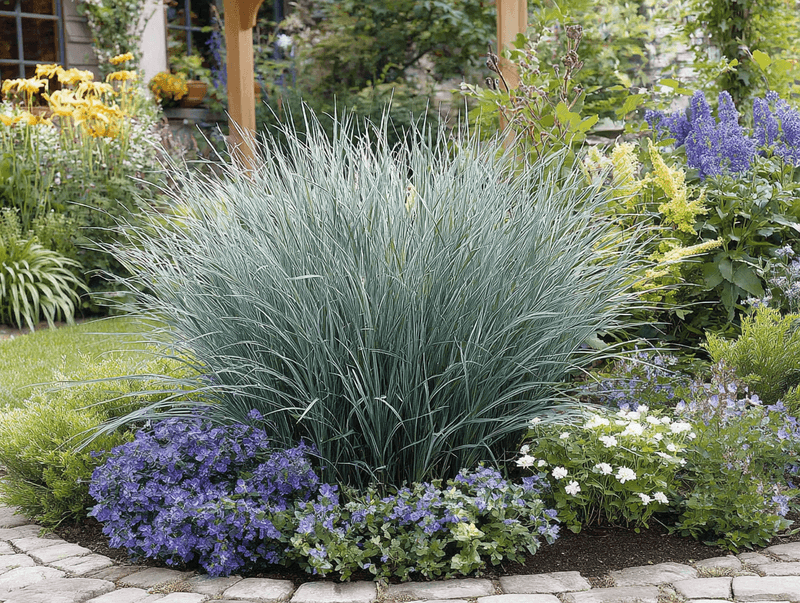
A clump of switchgrass is a useful piece of habitat, but it is not a bird magnet. Whether a bird uses it depends on the species, the neighborhood, and what else is nearby.
NC State notes that wildlife use of plants varies from region to region, so a plant that is popular with birds in one part of the state may get less attention in another.
Think of it as a potential pantry and shelter, not a guaranteed restaurant. Seeds and cover are there if birds decide to use them.
Sparrows or finches may visit one yard often and skip the next one entirely.
It also cannot be a complete winter food supply. Birds need a range of foods, and one planting only covers a small part of that.
NC State’s advice on managing backyards for birds is to grow a diversity of plants so food is available at different times of year.
A good way to set your expectations is to watch for a season. If you see birds working the seedheads, great.
If you do not, the plant is still adding structure and seed to a yard that, combined with other native plants, can serve wildlife better. The NC State native plant wildlife guide makes the same point about using many plants together.
Will switchgrass fit your North Carolina yard?
Before you buy a plant, look at the spot. Switchgrass is a warm-season perennial that wants full sun, so a shady corner under oaks is not the place for it.
Pick a location that gets a good stretch of direct light most of the day.
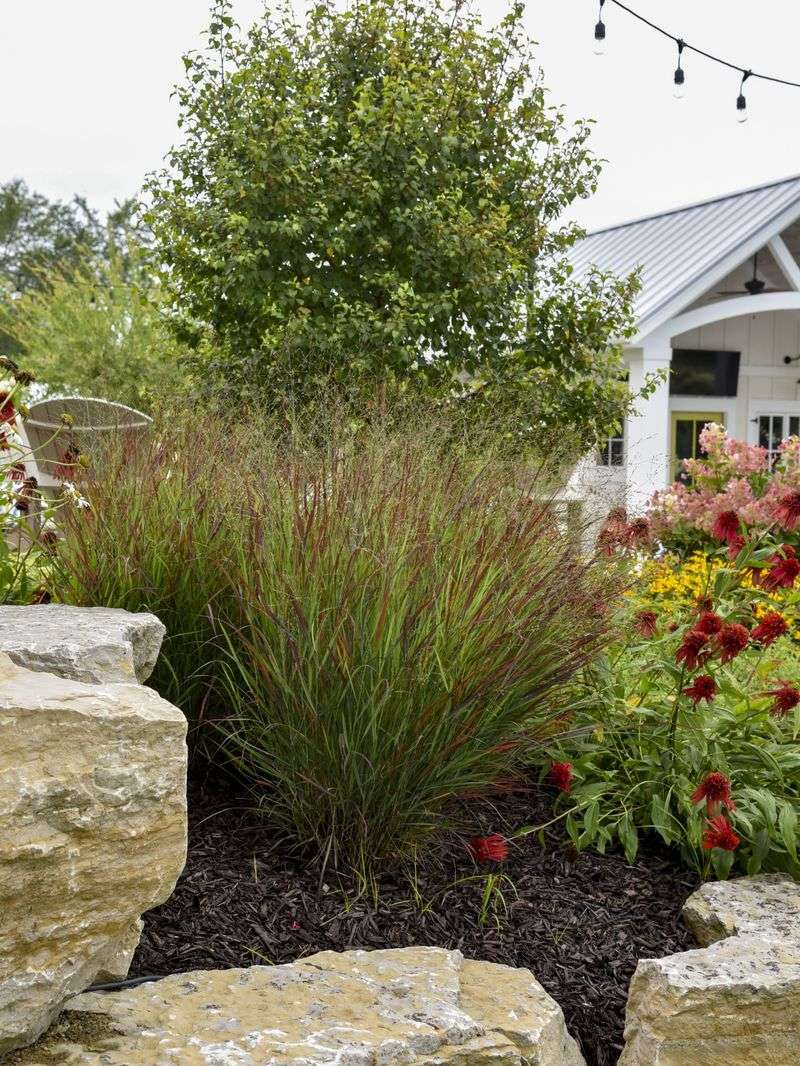
Plan for size, too. According to NC State’s Plant Toolbox, switchgrass can reach about 3 to 7 feet tall including its flower plumes.
That is big enough to block a view or crowd a small bed, so give it room at the back of a border or along a fence line.
The good news for soil is that NC State says it can grow in clay or sandy soils. That covers a lot of ground, from Piedmont red clay to Coastal Plain sand.
The listing also covers all three regions, so location within the state is not the main limit.
Moisture is where yards differ. Switchgrass preferences vary, and a wet low spot, a dry slope, and an average bed can each give different results.
Walk your yard after a heavy rain and again in a dry spell to see how each area behaves. Then match the plant to the spot instead of assuming it will thrive everywhere.
If you are unsure, start with one plant and watch how it does.
Leave stems standing through winter, then prune
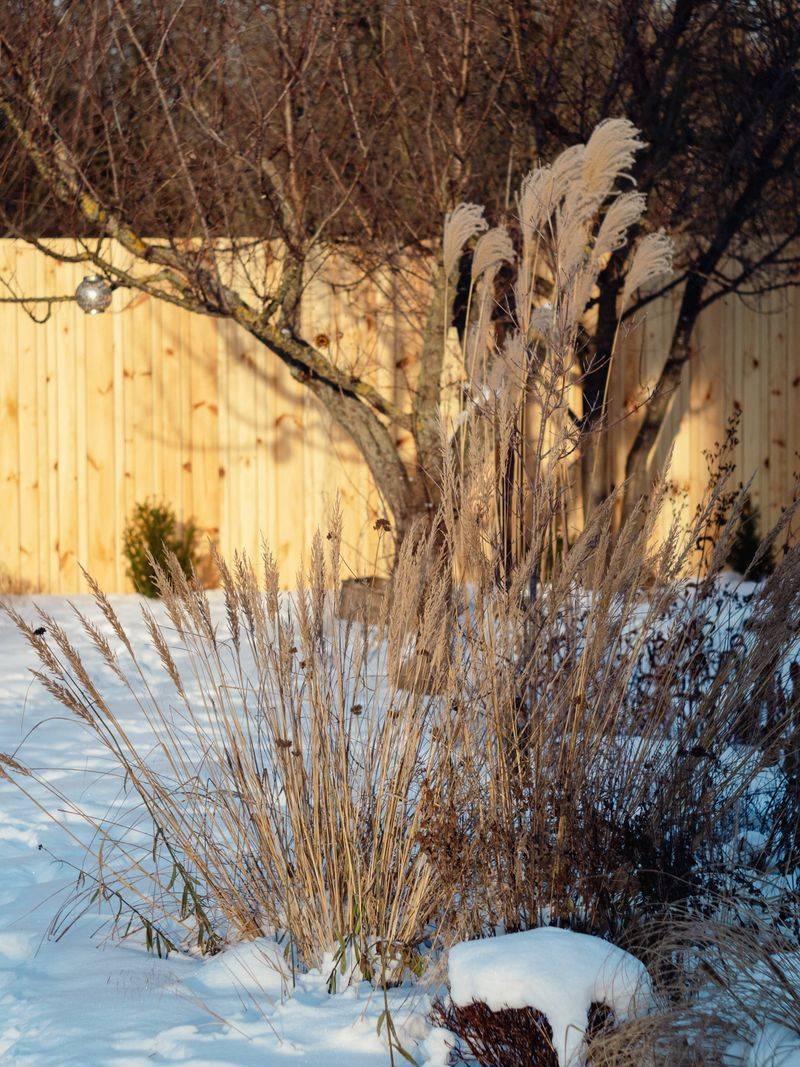
The care plan is simple and mostly means waiting. Once switchgrass sets seed, leave the seedheads and foliage standing through winter.
That keeps the seed within reach of songbirds and leaves the stems in place as possible cover.
Then comes cleanup. Prune in late winter or early spring, before new growth gets going.
Cutting it back at that point clears out the old brown stems so fresh green shoots can come up cleanly.
NC State’s switchgrass profile gives this guidance. The profile for the ‘Northwind’ cultivar backs up the timing by recommending foliage stay through winter and be cut back in late winter or early spring.
Treat that as a second opinion on timing only, since cultivars differ in other ways.
Standing does not mean standing forever. If a clump has collapsed under ice or looks ragged by February, it is fine to cut it earlier in the late winter window.
Use sharp pruners or hedge shears, and consider bundling the stems with twine first so cutting is easier. Leave a few inches of stubble, and compost the clippings.
Build a broader winter habitat around the grass
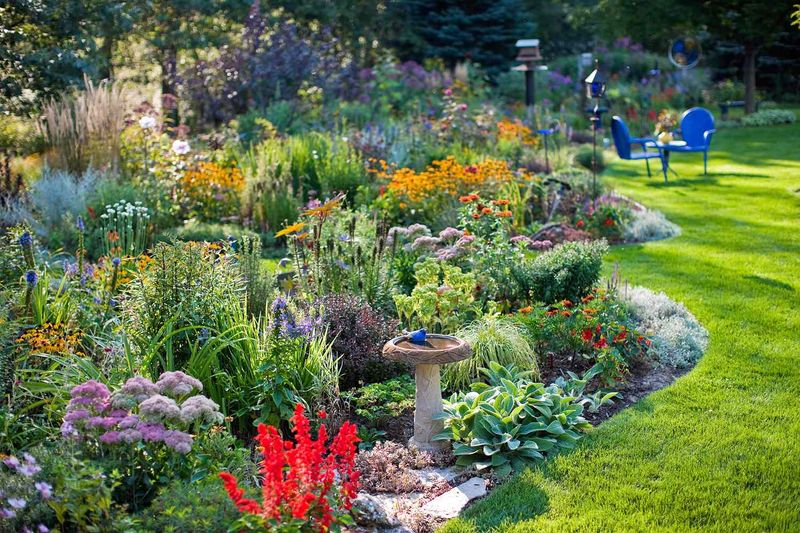
Switchgrass works best as one part of a bigger plan. Birds eat different things at different times, so a yard with only one food source runs out of options quickly.
NC State’s guidance on managing backyards for birds recommends a diversity of plants with food available at different times of year.
Aim for a mix. Seeds come from grasses and flowering perennials, fruits come from native shrubs and trees, and cover comes from dense plantings and evergreens.
Winter-resident birds use fruits and seeds that persist on plants or on the ground, so having several of these in the yard gives them more to find.
You do not need to turn the whole yard over. Try adding one native shrub that produces fruit, letting a few perennials keep their seedheads, and leaving the grass beside them standing.
Each addition fills a different gap.
NC State also suggests leaving some space unmowed or unmanicured. A back corner with leaf litter and uncut growth gives birds places to forage and hide.
Keep any messy areas away from your house, and remember that these choices build habitat. They do not promise a steady stream of visitors, but they do improve the odds that your yard is useful.
Keep ornamental grasses outside defensible space

Here is the catch every homeowner should know. NC State’s fire-resistant landscaping guidance classifies switchgrass and ornamental grasses as highly flammable.
Dry, brown stems burn easily, and that is exactly what standing winter grass looks like.
Because of that, NC State advises against planting ornamental grasses within defensible space, particularly near a home or other structures. Defensible space is the cleared and carefully managed area around a building that helps slow a fire’s approach.
Grass in that zone works against it.
That means the habit of leaving stems standing all winter does not apply everywhere. Do not leave dry grass standing next to your foundation, deck, shed, or fence.
If you already have ornamental grass close to a building, consider moving it or removing it.
If you live in a wildfire-prone area, such as dry woodland edges or places with a history of brush fires, check with your local fire department or county forestry office. They can tell you what distance is right for your property.
Where the guidance rules out standing grass, you can still feed birds with other native plants placed farther from the house.
Choose a site and time the seasonal cleanup

Start with the site: a sunny spot that suits your soil and moisture, with room for a 3 to 7 foot plant, and well away from buildings. Pair it with other plants so food shows up at different times of year.
Leave stems standing through winter only where fire guidance allows, then prune in late winter or early spring.
Seed and cover are possible benefits, not promises. A good clump is a quiet invitation, and the birds decide the rest.