
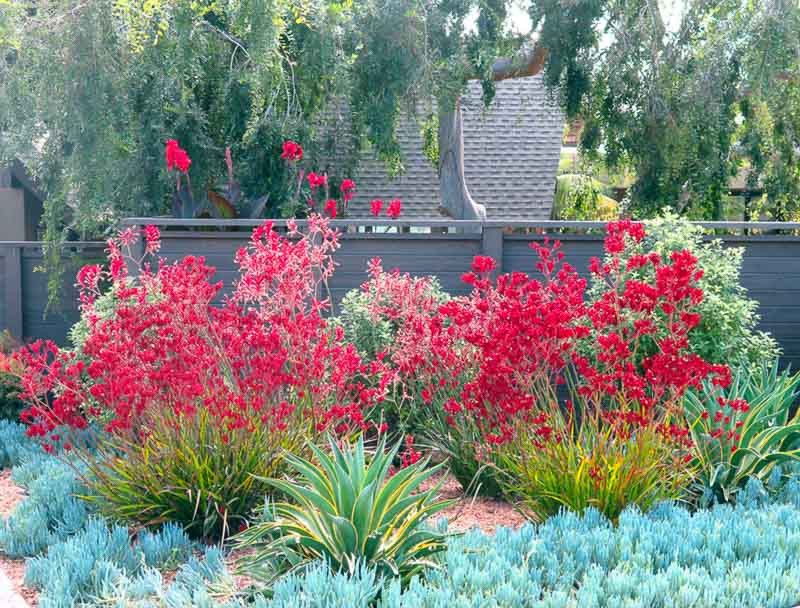
Winter in California is not a time for gardens to sleep. When the rains finally arrive, many native and climate-friendly plants wake up and start putting on a show.
If your yard looks brown and empty from December to February, you are missing out on some of the best flowers of the year. Here are eight tough, water-wise bloomers that bring color, hummingbirds, and life back to your garden in the coolest months.
1. Manzanita
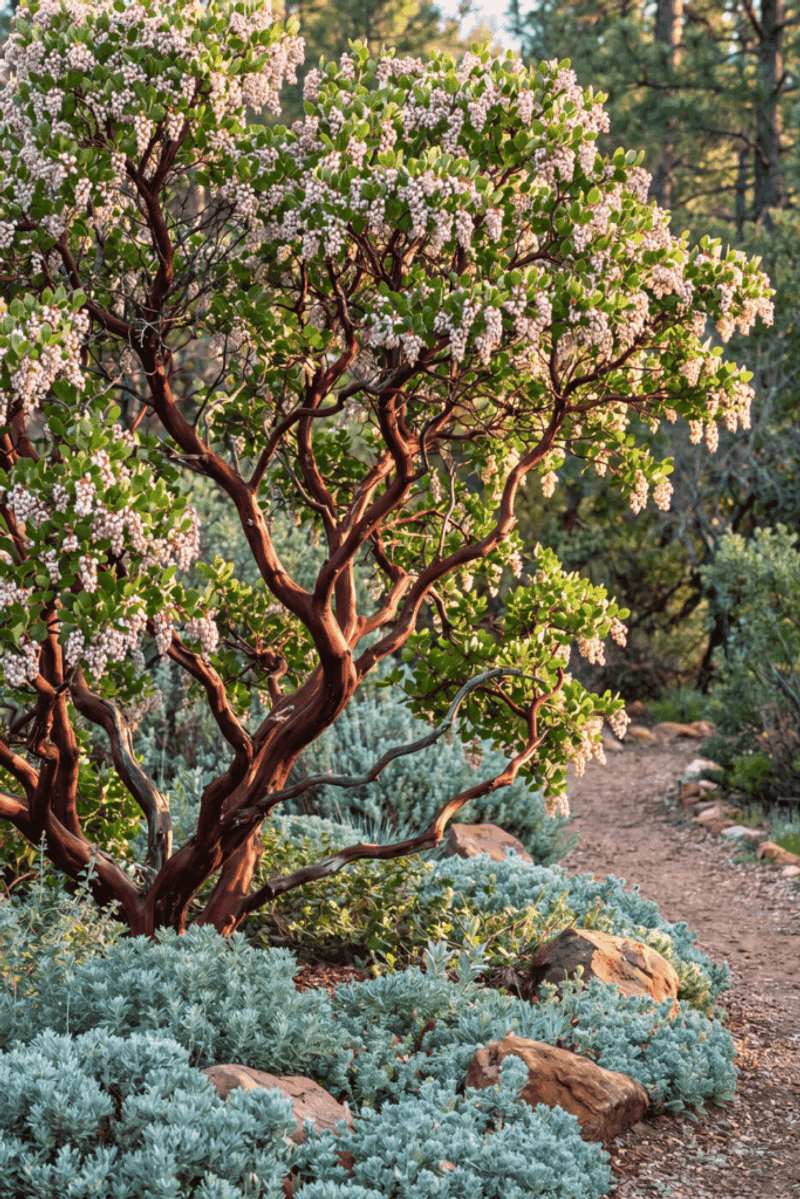
Picture smooth, cinnamon-red branches twisting like sculpture, then dotted with hundreds of tiny pink bells. Manzanita looks like it belongs in a museum, yet it thrives on almost no summer water.
Its bloom season often starts in December and runs into early spring.
Those little urn-shaped flowers are a lifeline for Anna’s hummingbirds, which stay in California all winter. Native bees also wake up on warm days to sip from them.
Later, the flowers turn into small berries that give the plant its name, which means little apple in Spanish.
Plant manzanita in fall so winter rain can settle its roots. Give it fast-draining soil and full sun, and skip summer watering once it is established.
Varieties like Howard McMinn and Sunset are forgiving choices for regular home gardens.
2. Pacific Coast Iris
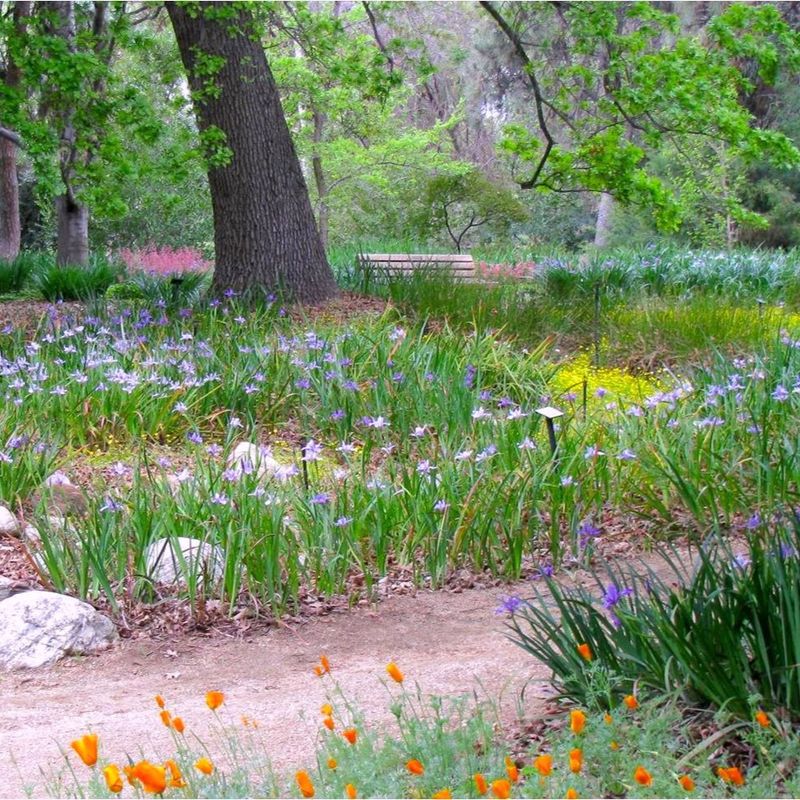
Got a shady spot under an oak where nothing seems to grow? Pacific Coast iris might be the answer you have been searching for.
These native irises start opening in late winter and keep going well into spring.
The colors are what make people stop and stare. You can find them in deep violet, butter yellow, creamy white, and even rusty bronze, often with fancy veining on the petals.
Gardeners have bred dozens of hybrids, so collecting them can become a happy habit.
Keep them in part shade inland or full sun near the coast. They like winter rain and a dry summer rest, which makes them perfect partners for oaks that hate summer irrigation.
Divide clumps in fall, never in the heat.
3. Ceanothus (California Lilac)
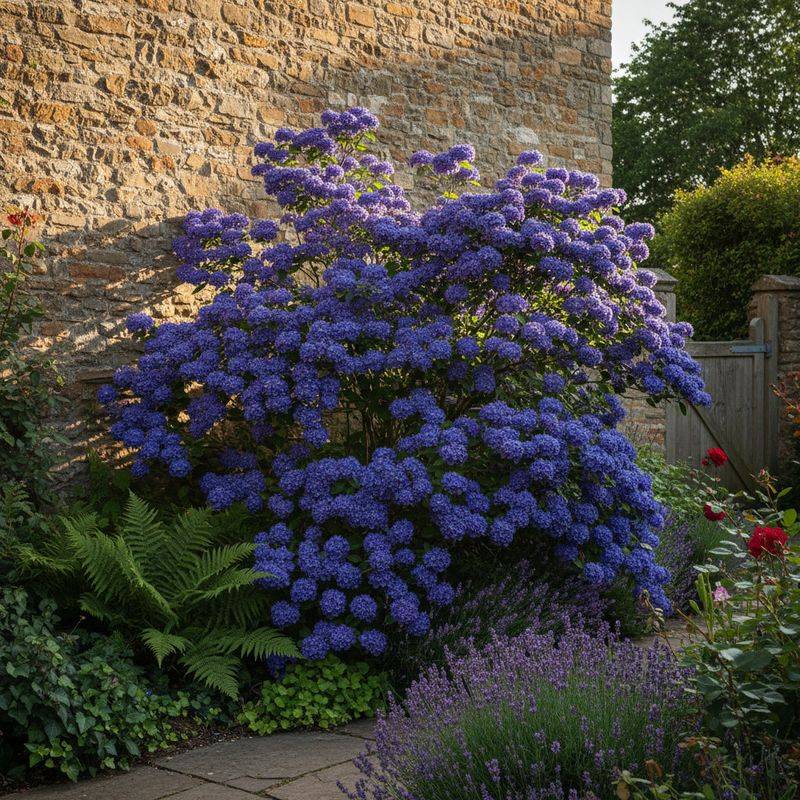
Fun fact: some early ceanothus types can turn a whole hillside blue by late January. Often called California lilac, this shrub is not related to true lilacs at all.
It just shares the same knack for stopping traffic.
Flowers come in shades from powder blue to deep cobalt, and bees go wild for them. Early bloomers like Ray Hartman and Dark Star kick off the season while most other shrubs still look dull.
Many ceanothus also fix nitrogen in the soil, so they feed the ground around them.
Sizes range from low groundcovers that hold slopes to small trees good for privacy screens. Plant in full sun with excellent drainage.
Water deeply but rarely in the first year, then mostly leave it alone.
4. Aloe
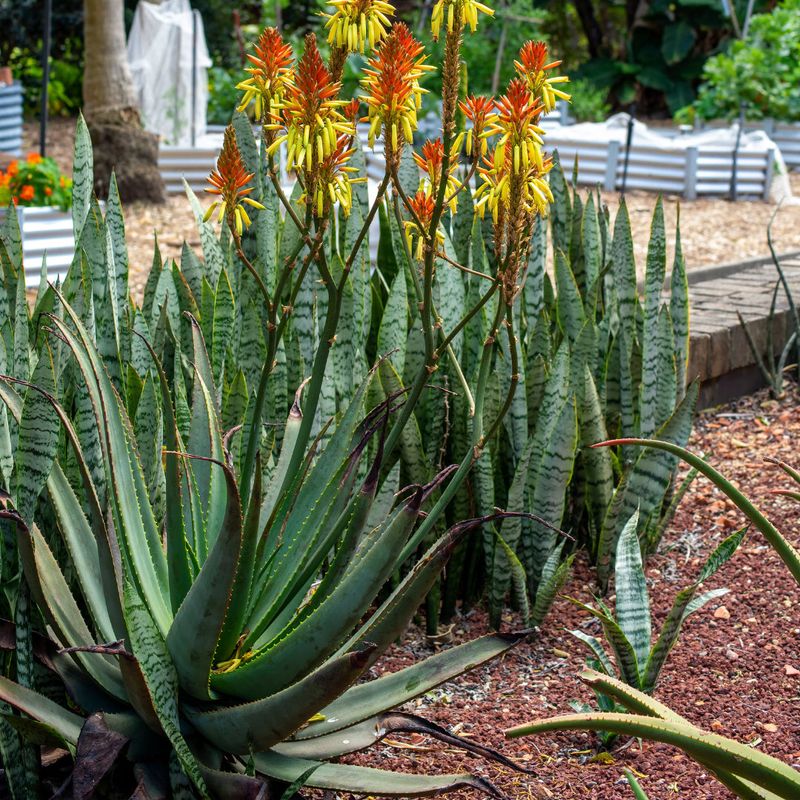
Aloes are the rock stars of the winter succulent garden. While most flowers hide from cold, these plants shoot up tall candles of orange, red, and yellow right in the middle of December.
Hummingbirds treat them like a buffet line.
They are not California natives, but they come from South Africa, which has a very similar climate. That means they handle our dry summers and wet winters with ease.
Try Aloe arborescens for a big shrubby look or Aloe striata for a smaller, tidy plant.
Give them sun, sandy soil, and almost no summer water. In frost-prone inland valleys, cover young plants on the coldest nights.
Specialty succulent nurseries usually carry the most exciting winter-blooming types.
5. Flowering Currant
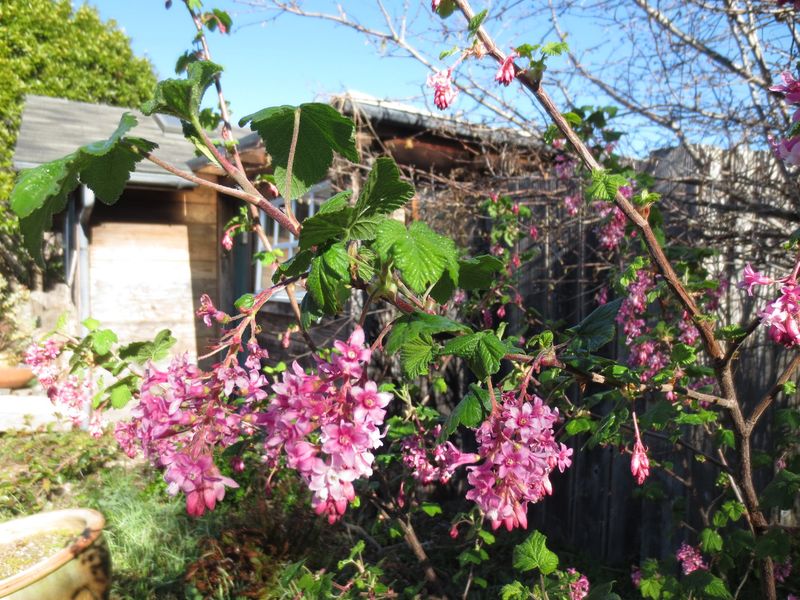
Long before the cherry trees even think about blooming, flowering currant hangs out its pink tassels. Ribes sanguineum, also called pink flowering currant, opens as early as January in mild areas.
The drooping clusters look almost like tiny chandeliers.
Hummingbirds time their spring migration around plants like this one. In fact, the rufous hummingbird often arrives just as currants open.
Watching that happen in your own yard feels a little like magic.
Currants prefer part shade and some water, especially in hot inland gardens. They lose their leaves in summer if they get too dry, so do not panic.
By the next winter, they are right back with a fresh round of blooms.
6. Calendula
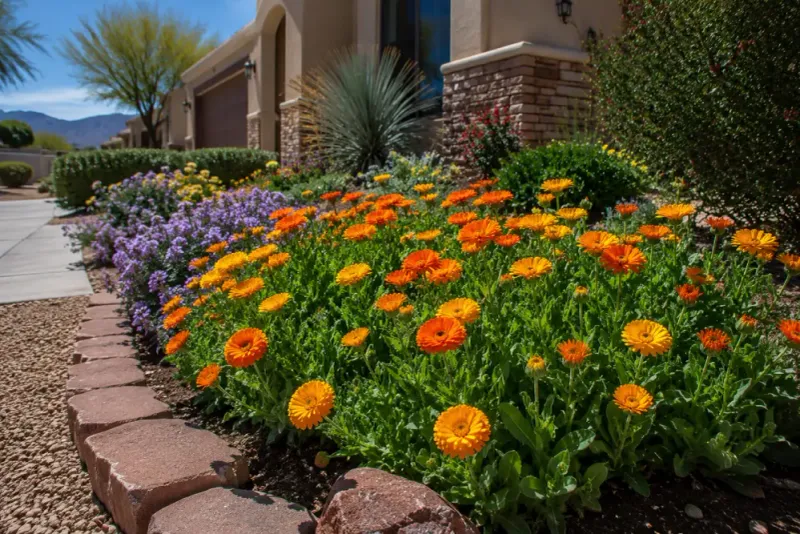
Calendula is the cheerful friend who shows up when everyone else cancels. Sow seeds in fall, and you will have orange and gold blooms all winter long in most of coastal and valley California.
Kids love growing it because the seeds sprout fast.
People have used calendula for centuries. Its petals were once called poor man’s saffron and were used to color soups and butter.
Today, many gardeners still toss the petals into salads for a pop of color.
Plant it in sun near your vegetables to draw in helpful insects. Deadhead the old flowers to keep new ones coming.
When summer heat returns, let a few go to seed, and they will often replant themselves for next year.
7. Grevillea
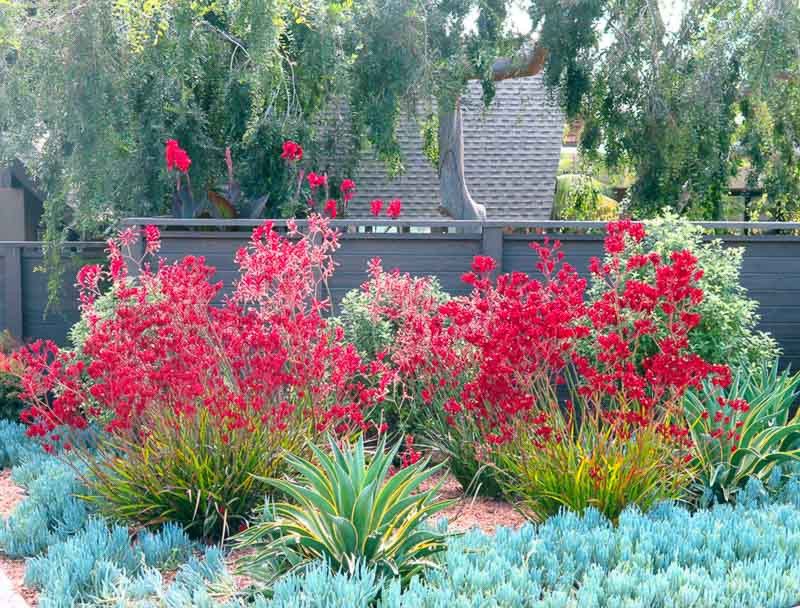
Spidery, curly, and a little bit wild, grevillea flowers look like something from another planet. Native to Australia, these shrubs feel right at home in California’s dry summers.
Many of them bloom almost nonstop through the winter months.
Varieties like Grevillea Long John and Austraflora Fanfare offer red, pink, or apricot blooms that hummingbirds adore. Some stay low and spread to cover banks, while others grow tall enough for a loose screen.
The fine, needle-like foliage adds texture even when flowers take a break.
One key tip: skip the fertilizer. Grevilleas dislike phosphorus and do best in lean, well-drained soil.
Treat them a little rough, and they will reward you.
8. Hummingbird Sage
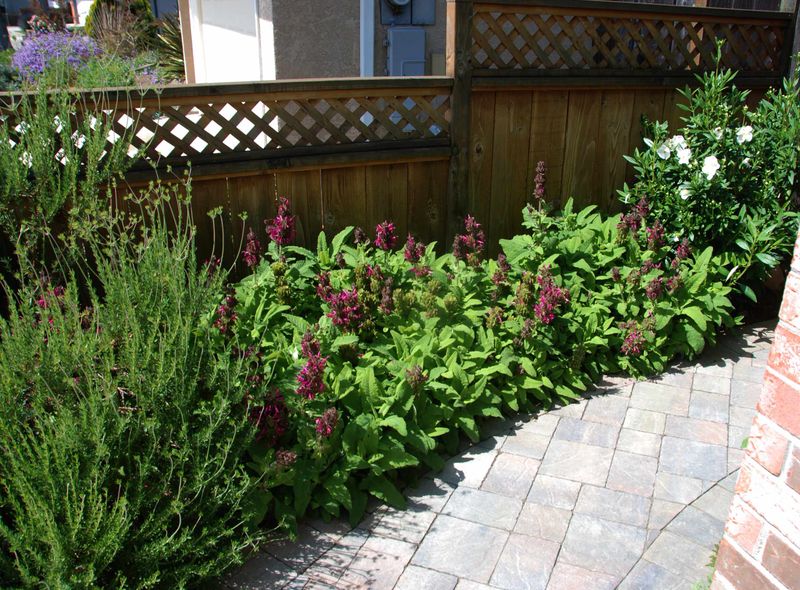
Brush your hand across the leaves, and a fresh, fruity scent fills the air. Hummingbird sage, or Salvia spathacea, is one of the few California sages that loves shade.
Its magenta flower spikes start rising in late winter.
As the name promises, hummingbirds cannot resist those rosy blooms. The plant spreads slowly by underground runners, forming a soft carpet that helps hold soil on shady slopes.
It is a great pick for those tricky dry areas beneath trees.
Give it part shade and only occasional summer water. Cut back old flower stalks after bloom to keep it neat.
Look for it at local California Native Plant Society sales, where it often sells out early.