
Woody herbs like rosemary, sage, and thyme can take weeks to grow roots, and plenty of gardeners give up waiting. But some of the plants you saved from frost last fall are far quicker to multiply.
Snip a few stems in late winter, set them on a bright windowsill, and you could have dozens of free plants ready by spring. Here are nine overwintered favorites that root so fast they almost feel like cheating.
1. Geraniums
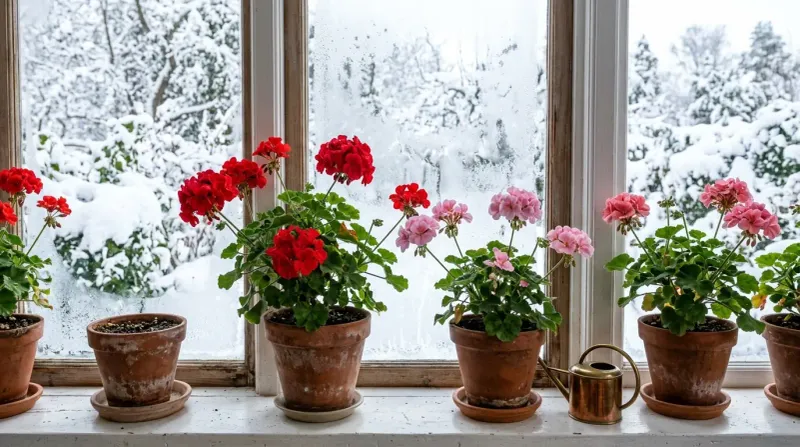
Grandma probably kept a row of geraniums lined up on her windowsill all winter, and she knew exactly what she was doing. Zonal geraniums are some of the most forgiving cuttings you will ever take.
A 4-inch tip snipped just below a leaf node can push out roots in as little as ten days.
Strip off the lower leaves and any flower buds so the stem puts its energy underground. Let the cut end dry for a few hours, since geraniums hold a lot of moisture and can rot if planted too soon.
Then tuck the cutting into a gritty mix of potting soil and perlite.
Skip the plastic bag dome with these. Geraniums actually root better in drier air, which makes them perfect for a warm, sunny sill.
Water lightly only when the top of the soil feels dry to the touch.
Fun fact: the plants we call geraniums are really Pelargoniums from South Africa, which explains their love of sunshine and dislike of soggy feet. One overwintered mother plant can easily give you eight to ten new starts.
That means a full window box by May without spending a dime at the garden center.
2. Coleus
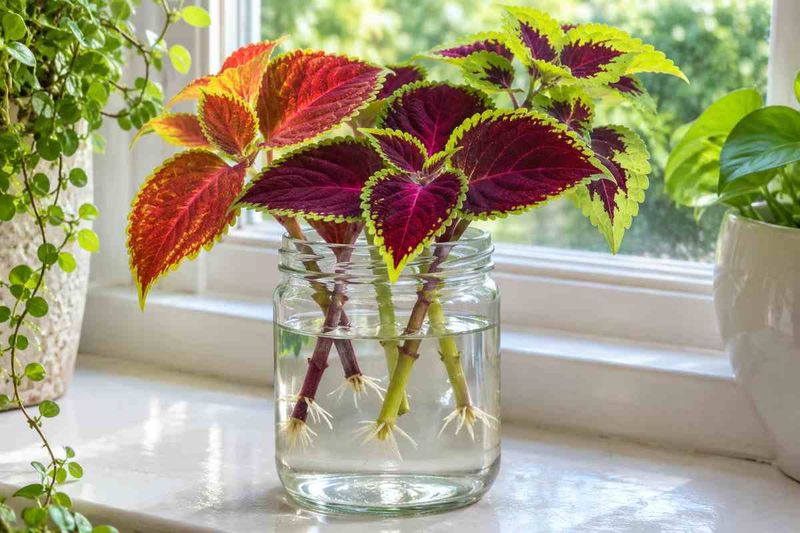
Blink and you might miss it. Coleus cuttings dropped into a glass of water often show tiny white root bumps within four or five days, making them the speed champions of this whole list.
Choose a healthy stem about 4 to 6 inches long and pinch off everything except the top two or three sets of leaves. A clear jar works beautifully because you get to watch the roots form, which is a fun project for kids or anyone who needs a little winter cheer.
Change the water every few days to keep it fresh.
Once the roots reach about an inch long, move each cutting into a small pot of moist soil. Waiting much longer can make the transition harder, since water roots are more fragile than soil roots.
Coleus loves bright light, but a south window in late winter can bleach some of the darker varieties. If leaves start looking washed out, slide the jar a foot back from the glass.
Here is the bonus. Each new plant can be pinched and cut again in a few weeks, so one overwintered pot can turn into a whole flat of colorful foliage by planting time.
3. Fuchsias
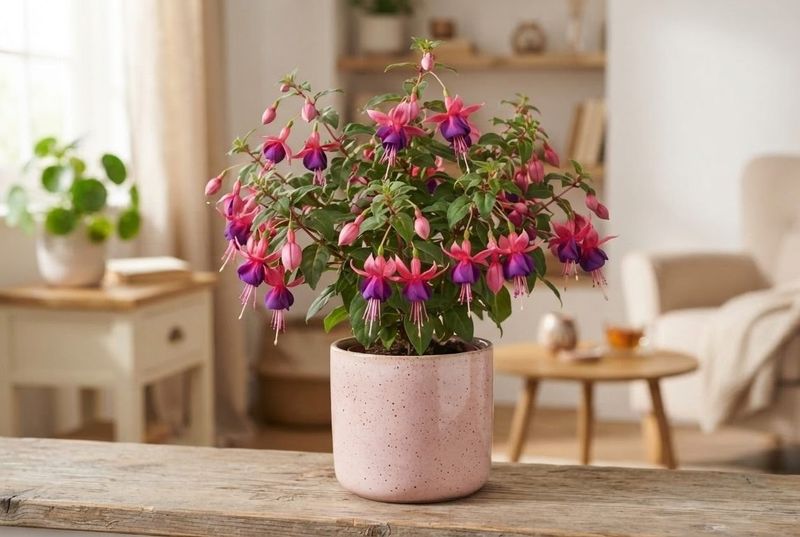
Anyone who babied a hanging basket of fuchsias through winter in a cool garage deserves a reward. Here it is: those dormant plants wake up in late winter with soft new shoots that are practically begging to become cuttings.
Wait until the fresh growth is about 3 inches long, then snip it just above a leaf pair on the parent plant. Remove the bottom leaves and dip the end in rooting hormone if you have it, though fuchsias often root fine without it.
Most will show roots in two to three weeks.
Unlike geraniums, fuchsias appreciate humidity. A clear plastic cup turned upside down over the pot, or a simple seed tray dome, keeps the leaves from wilting while roots develop.
Crack the cover open daily to let fresh air in and prevent mold.
Bright, filtered light is ideal. An east window is perfect, or a south window with a sheer curtain in front of it.
Pinch the tips of your new plants once they settle in. That one small step encourages branching, which means far more of those dangling, ballerina-like blooms come summer.
Hummingbirds will thank you for the effort.
4. Fig Trees
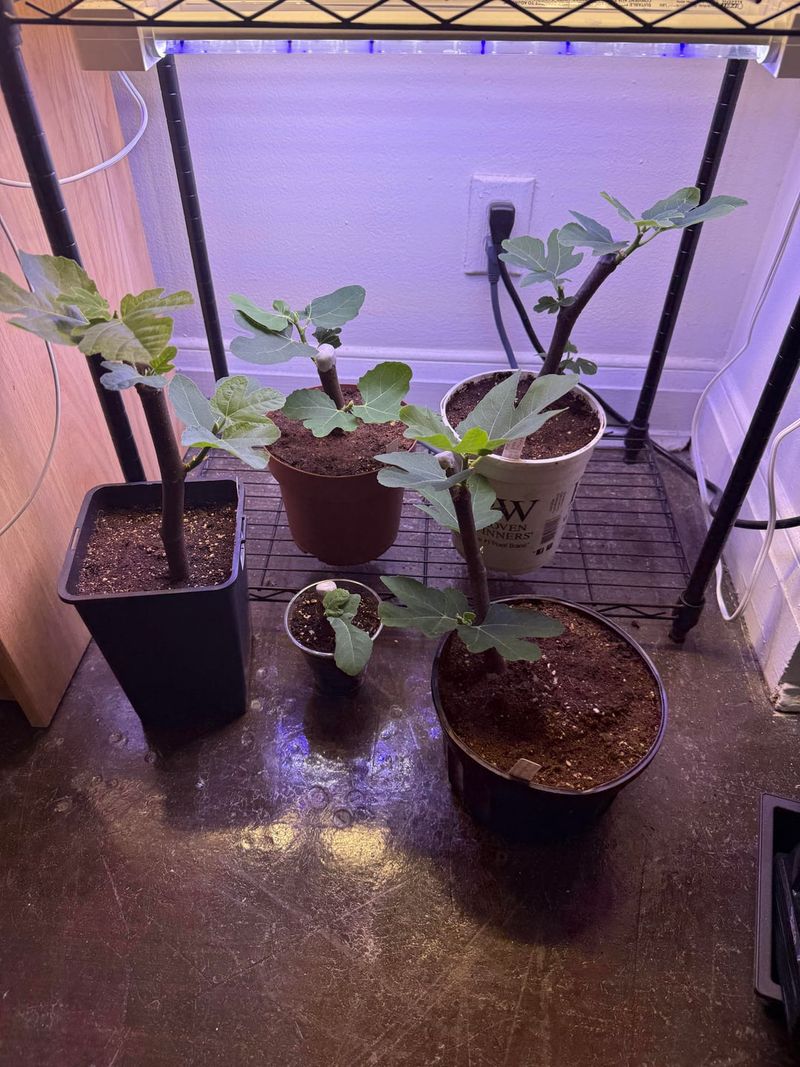
Ever heard of rooting a fig stick in a tub of damp sand? It sounds like an old wives’ tale, yet it works remarkably well, and plenty of backyard fig lovers swear by it.
If you protected a potted fig indoors over winter, take pencil-thick cuttings about 8 inches long from last year’s growth. Make sure each piece has at least three buds.
Push them halfway into a container of clean, barely damp sand or a sand and perlite blend.
Set the container in a warm, sunny spot. Figs love heat at their base, so a windowsill above a radiator or a seedling heat mat speeds things up nicely.
Leaves usually appear first, sometimes within two weeks, but don’t be fooled into thinking roots have formed yet.
Give a gentle tug after about four to six weeks. Resistance means roots have grabbed hold.
Then you can move each cutting into its own pot of regular soil.
Figs are one of the oldest cultivated fruits on Earth, grown by people for more than 11,000 years. Turning one overwintered tree into several new ones is a wonderful way to share that history with friends and neighbors.
5. Mums
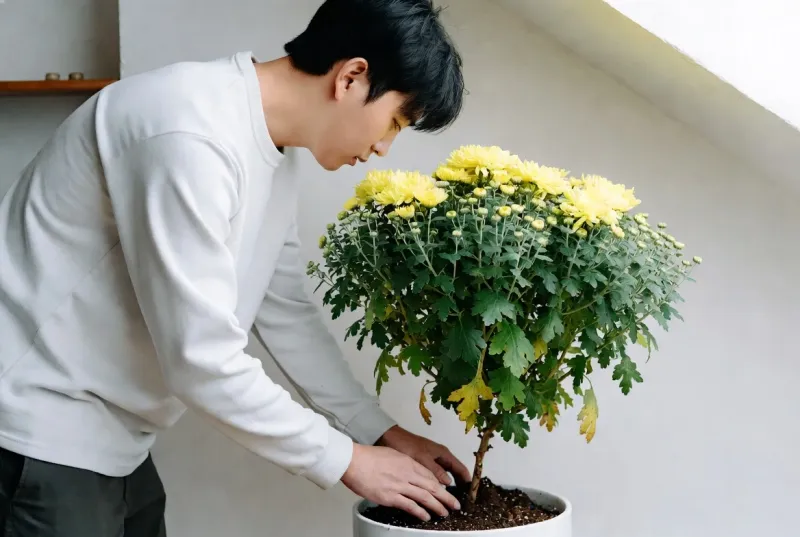
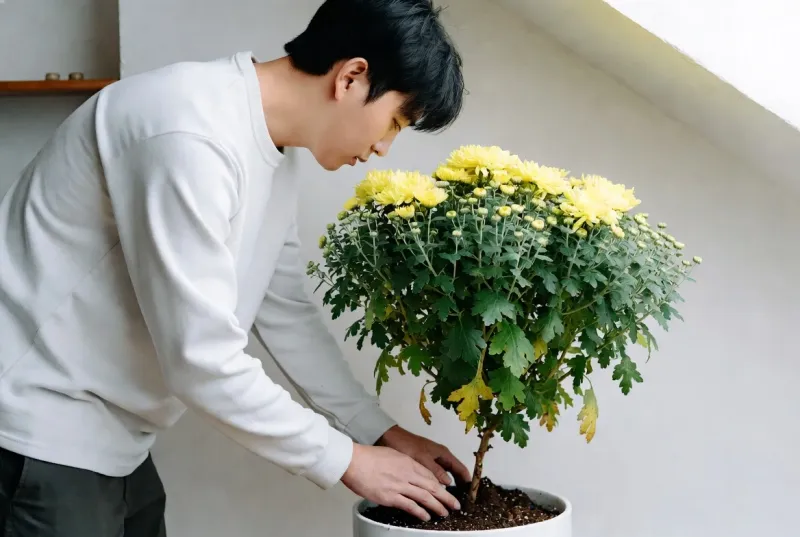
Most people toss their fall mums in the compost by Thanksgiving. Smart gardeners tuck them into a cool basement or garage instead, because those tired-looking stumps are a goldmine of free plants come late winter.
Bring the pot into a bright room about six weeks before your last frost. Within a couple of weeks, fresh green shoots will sprout from the base.
When they reach 3 to 4 inches, snap them off cleanly and you have perfect cuttings.
Chrysanthemums root fast, usually in about two weeks. Stick them in moist seed-starting mix, keep the soil evenly damp, and set them on a sunny sill.
A light mist on the leaves for the first few days helps them settle in.
Young cuttings actually grow into tidier, more vigorous plants than the old clump would have. Mums decline in flower power as they age, so starting fresh each spring keeps them blooming heavily.
Pinch the new plants every few inches of growth until early July. That routine creates the classic mounded shape you see at garden centers.
By autumn, you will have a porch full of color that started as a few humble green shoots.
6. Begonias
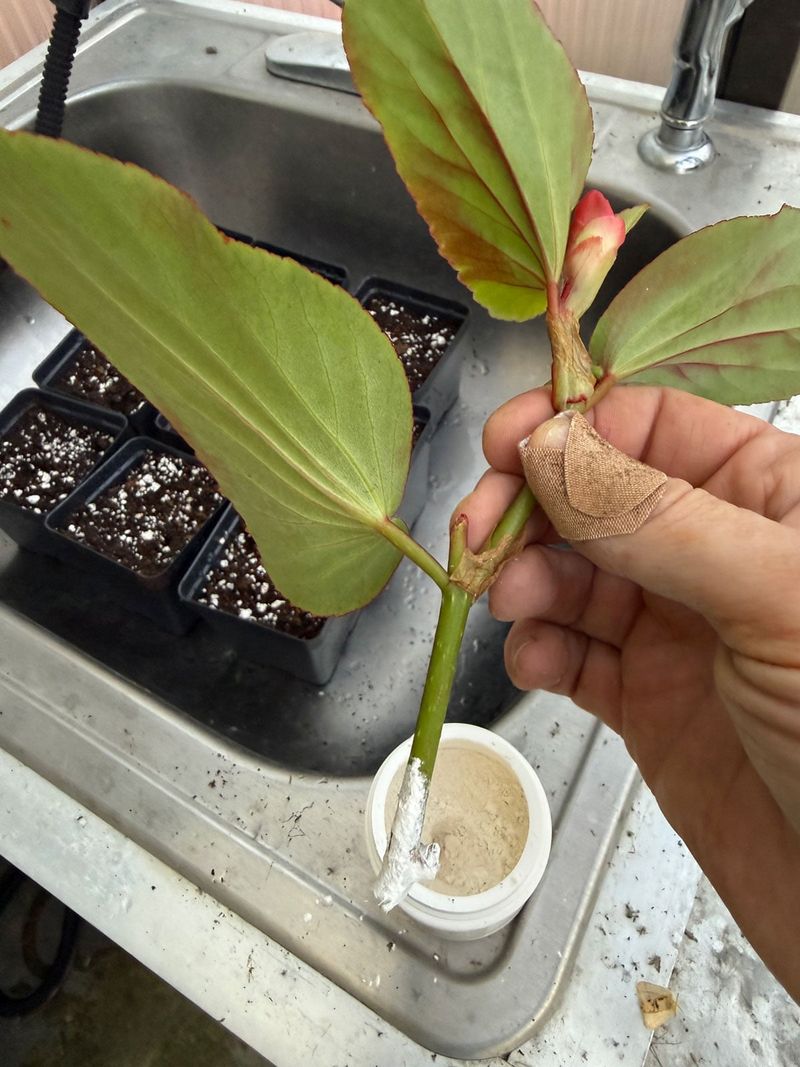
Begonias are the quiet overachievers of the windowsill. Wax begonias, angel wings, and dragon wings all root so willingly that a broken stem knocked off by accident often ends up as a new plant.
Snip a 3 to 4 inch piece of stem with a few leaves attached. You can root it in a jar of water or in a moist mix of potting soil and perlite.
Water rooting usually shows results in about a week, while soil takes roughly two.
Begonia stems are juicy and prone to rot, so avoid overwatering. Soil should feel like a wrung-out sponge, never soggy.
Bright light without harsh midday rays keeps them happy, which is why an east-facing window is a sweet spot.
Angel wing types are especially rewarding. Their spotted, wing-shaped leaves and dangling flower clusters make each little cutting look impressive from day one.
A neat trick for rex begonias: lay a leaf flat on damp soil, make small cuts across the main veins, and pin it down. Tiny plantlets can sprout from each cut.
It feels a bit like garden magic, and it turns one leaf into a whole family of plants.
7. Sweet Potato Vine
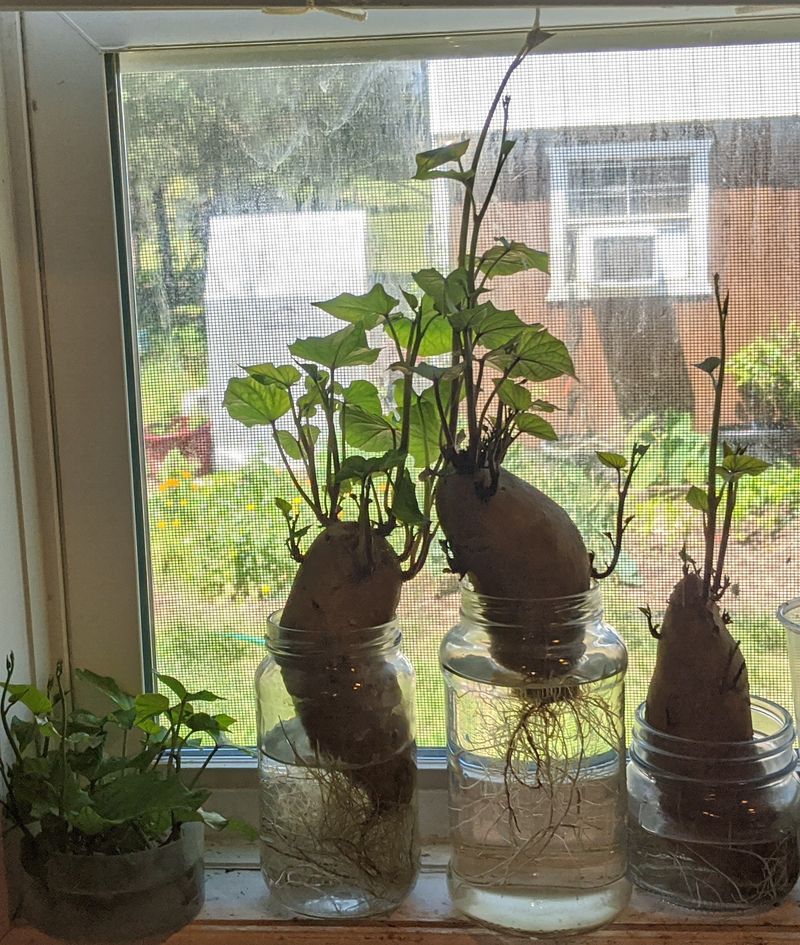
Picture this: you drop a few vine tips into an old jelly jar on Monday, and by the weekend roots are curling around the bottom. Ornamental sweet potato vine is that eager.
Those chartreuse and deep purple trailing plants that spilled out of summer containers are easy to save. Keep a potted vine or even a stored tuber indoors over winter, and it will send out long runners by February.
Cut 5 to 6 inch pieces, strip the lower leaves, and set them in water.
Roots form along the buried nodes almost overnight. In warm rooms with lots of sun, you may see growth in just three days.
Pot them up once the roots reach a couple of inches.
Sweet potato vines are hungry for light and warmth. A south window is ideal, and they will sulk in a chilly spot near drafty glass.
Here is a fun bit of trivia. Ornamental varieties belong to the same species as the sweet potatoes on your dinner plate, Ipomoea batatas.
Their tubers are edible but usually bland and stringy, so stick to growing them for that showy foliage instead.
8. Impatiens
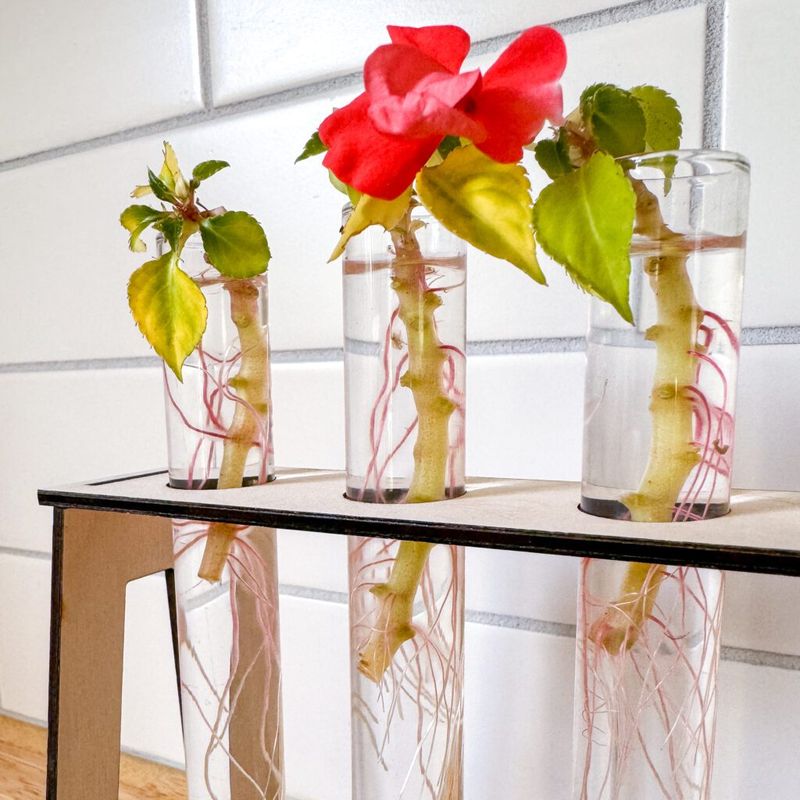
Few garden flowers wear their thirst so openly. Impatiens stems are nearly see-through, packed with water, and that very juiciness is why they root so quickly.
Overwintered New Guinea impatiens or standard bedding types both work. Take 3 to 4 inch tips, remove the lower leaves, and place them in a glass of water.
Within a week, you will often spot little white roots poking out from the stem.
Those quick roots also make impatiens a budget saver. A single flat at the nursery can cost a surprising amount, yet one healthy indoor plant can provide enough cuttings to fill a shady bed.
Keep them in bright, indirect light. Too much direct sun through glass can scorch their tender leaves, so a north or east window often works better than a south one for this plant.
When moving rooted cuttings to soil, water them well and keep them out of strong light for a few days while they adjust. Before long they will be covered in buds.
Gardeners who struggled with downy mildew on impatiens in past years may want to choose New Guinea types, which resist the disease much better.
9. Lantana
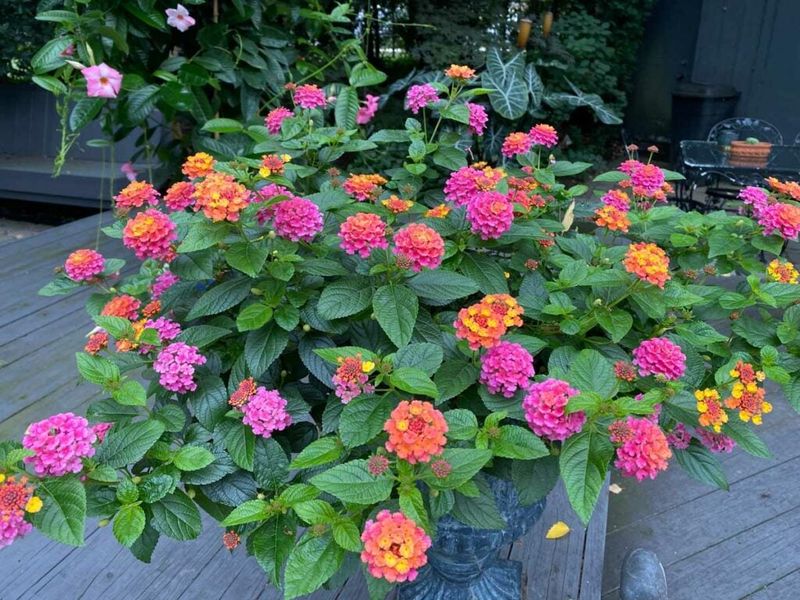
Butterflies go wild for lantana, and so do gardeners who love plants that shrug off heat and drought. The good news is that an overwintered pot can give you a full summer border for free.
Lantana roots a little slower than coleus, usually in two to three weeks, but still beats rosemary by a wide margin. Look for soft, green new growth rather than woody older stems.
Cut 4 inch tips, strip the bottom leaves, and dip them in rooting hormone for best results.
Plant the cuttings in a light, well-draining mix. Lantana hates wet feet, so a blend with plenty of perlite or coarse sand is ideal.
A sunny south window gives it the warmth it craves.
Wear gloves while handling it. The leaves can irritate sensitive skin, and all parts of the plant, especially the green berries, are toxic to pets and people if eaten.
Once rooted, pinch the tips to encourage bushy growth. By early summer your young plants will be loaded with clusters of orange, pink, and yellow blossoms.
Each little flower changes color as it ages, giving every cluster that cheerful sunset look.