
That big pile of branches and leaves at the edge of your yard looks harmless in December. But in North Carolina, brush piles become winter hideouts for snakes, stinging insects, and other surprises.
Pulling one apart without a plan can lead to bites, stings, cuts, or even a fire. Here are nine hidden hazards to watch for so your cleanup stays safe and your holidays stay happy.
1. Sluggish Copperheads Tucked Deep Inside
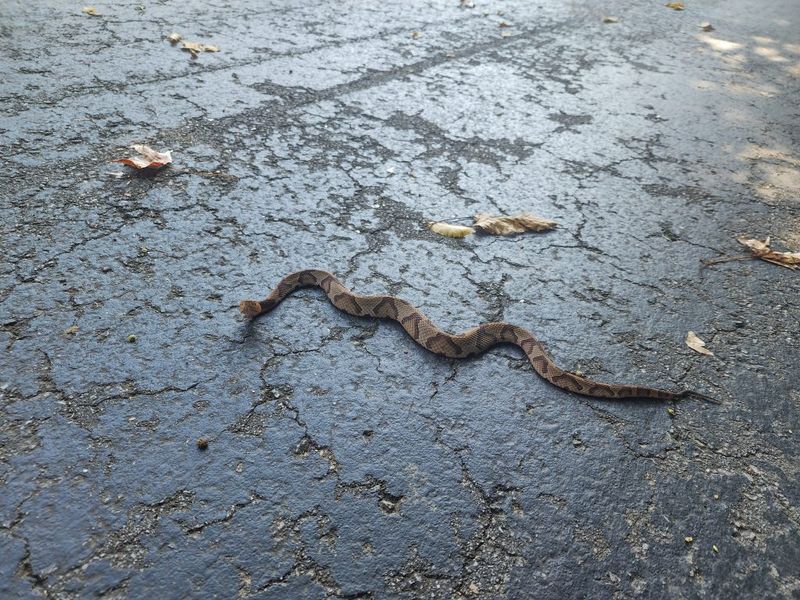
Cold weather does not make copperheads disappear. In North Carolina, these snakes often slip into brush piles, rotting logs, and leaf heaps when temperatures drop, looking for a protected spot to wait out the chill.
A cold snake moves slowly, which sounds like good news. The trouble is that a slow snake may not slither away when you reach in, and its tan and copper bands blend perfectly with dead leaves.
On a mild December afternoon in the 60s, a copperhead can also warm up surprisingly fast.
Never reach into a pile with bare hands. Use a long rake or pitchfork to pull material toward you, and wear thick gloves and boots.
If you spot a snake, back away and let it be, since copperheads are not aggressive and most bites happen when people grab or step on them.
2. Yellow Jacket Nests Hiding Underground
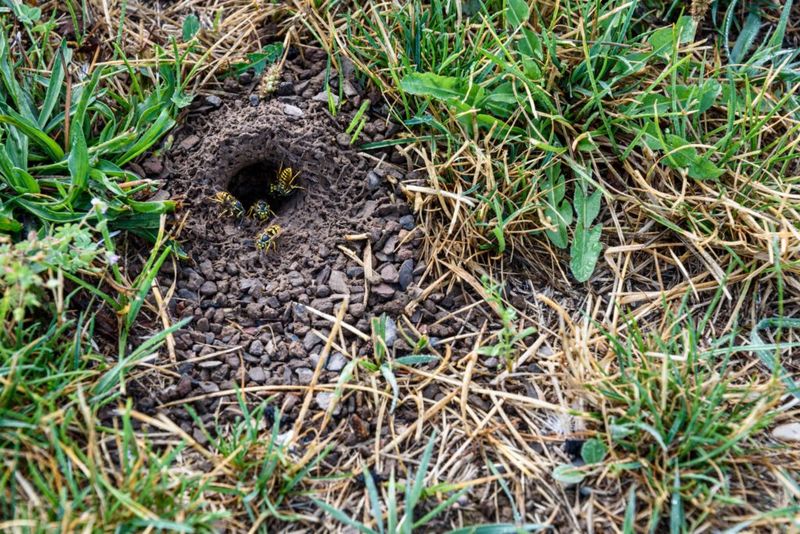
Picture this: you drag out a heavy limb, and a buzzing cloud rises from the ground. Yellow jackets love to build nests in old rodent burrows and loose soil under brush piles.
Most colonies die off after a few hard freezes, leaving only queens to overwinter. But North Carolina winters are often mild, and in warm years some nests stay active well into December, especially on the coast and in the Piedmont.
Before you start, stand back and watch the base of the pile for a few minutes on a sunny day. Any steady traffic in and out of a hole means you should wait for colder weather or call a pro.
3. Black Widow Spiders in Dry Crevices
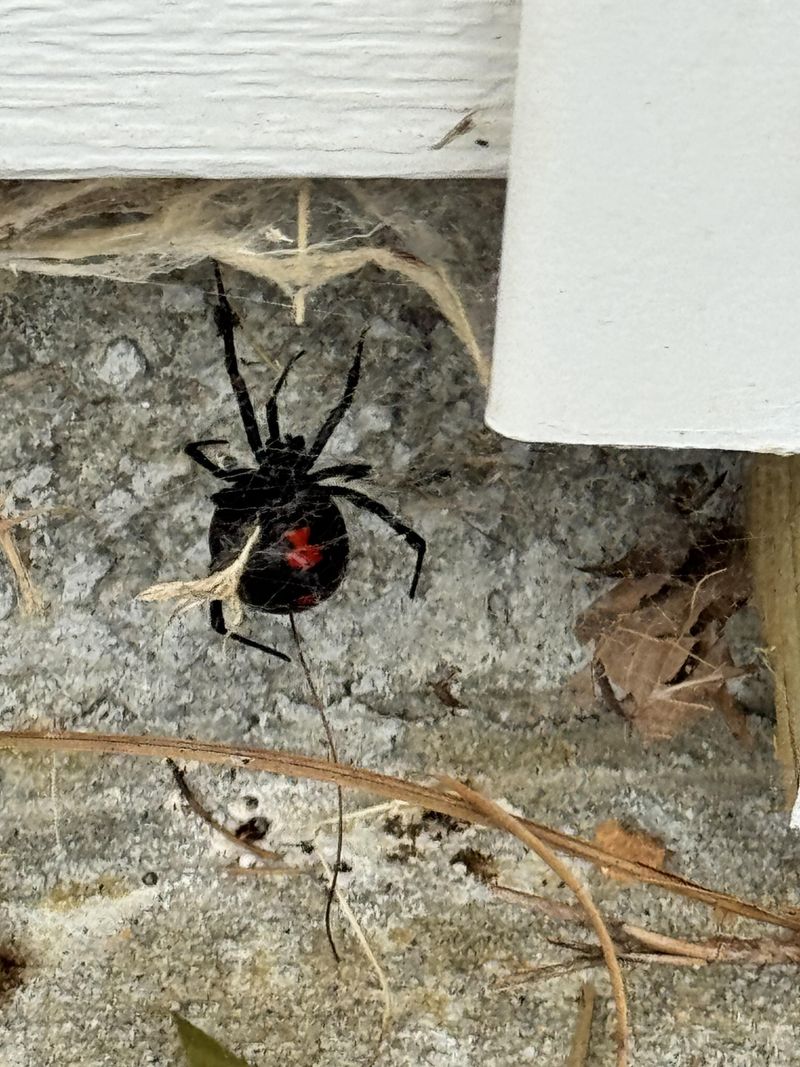
Shiny, black, and shy, the southern black widow is one of North Carolina’s most common venomous spiders. It favors dark, dry, undisturbed places, and the gaps in a stacked brush pile fit the bill.
Black widows rarely bite unless pressed against skin. That is exactly what happens when someone hugs an armload of sticks to carry them to the curb.
Wear long sleeves and leather gloves, and shake out any gloves left outside overnight. A fun fact: that famous red hourglass sits on the belly, so you often will not see it until the spider is upside down in its messy, tangled web.
4. Poison Ivy Vines You Cannot Recognize
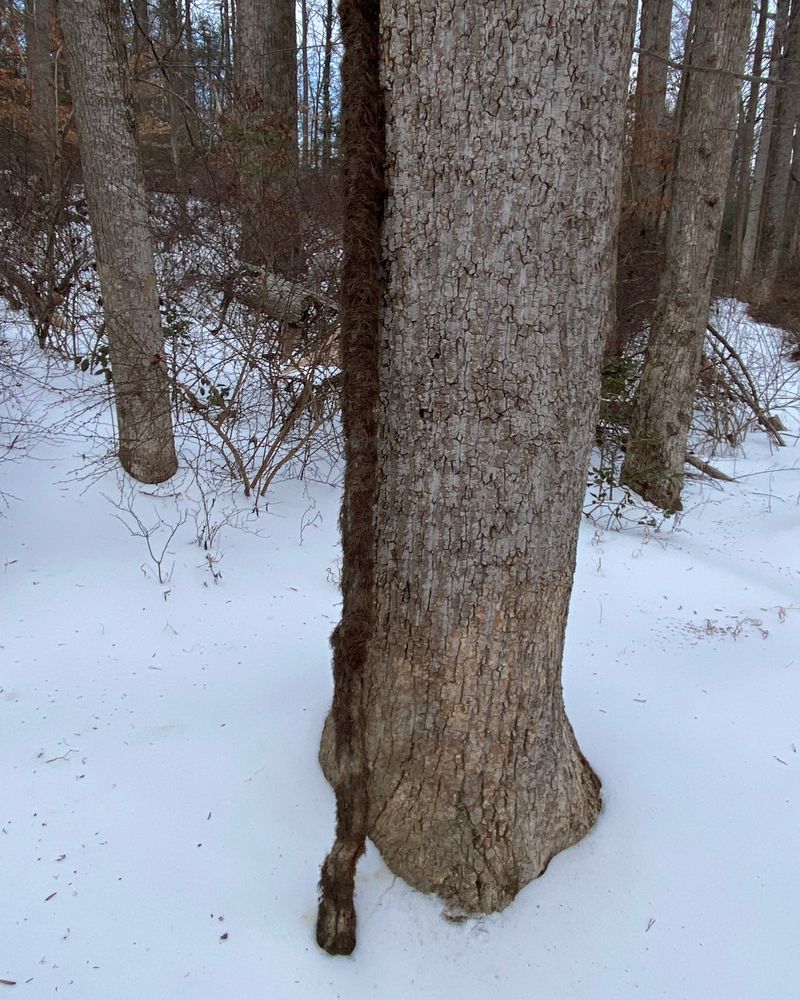
Leaves of three, let it be. That rhyme works great in summer, but in December poison ivy has no leaves at all, and that is what makes it sneaky.
Bare vines and roots still carry urushiol, the oily compound that causes the itchy rash. Old vines look like fuzzy, hairy ropes clinging to tree trunks, and pieces often end up tangled in brush piles after storm cleanup.
Treat any hairy vine as guilty until proven innocent. Wash gloves, tools, and clothes after working, because the oil can linger on surfaces for months.
Most important of all, never burn it. Smoke from burning poison ivy can carry the oil into your lungs and cause a serious reaction.
5. Burn Bans and Runaway Fire Risk
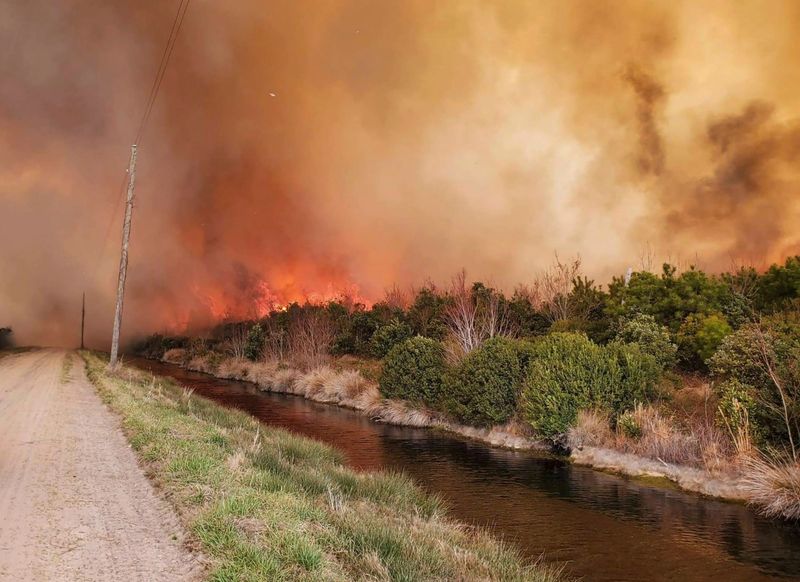
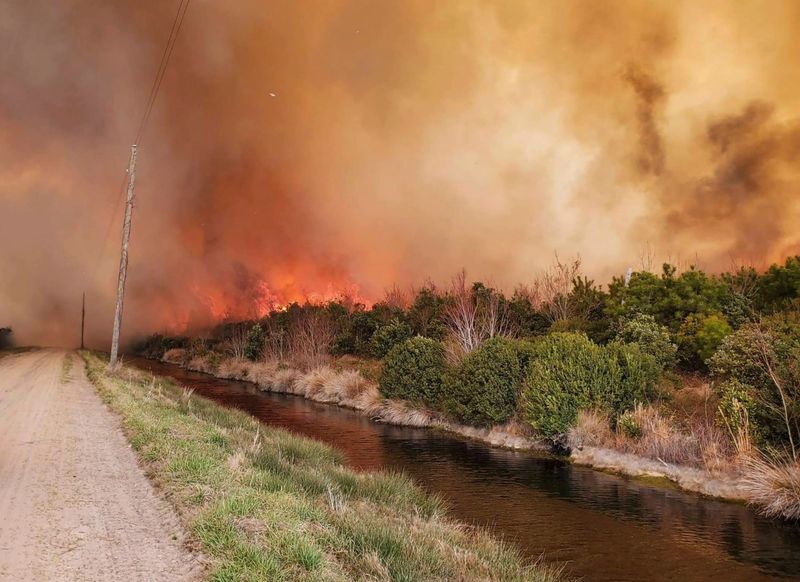
Winter in North Carolina can be surprisingly dry and windy, and that combination turns a simple brush fire into a wildfire risk. The NC Forest Service reports that debris burning is one of the leading causes of wildfires in the state.
Before lighting anything, check whether your county has a burn ban. If you live more than 100 feet from an occupied dwelling and outside city limits, you may need a burn permit, which you can get online or from a local agent.
Keep the pile small, have a hose and shovel ready, and stay with the fire until it is completely out. Many towns also ban open burning entirely, so check local rules first.
6. Rabbits, Toads, and Other Sleeping Wildlife
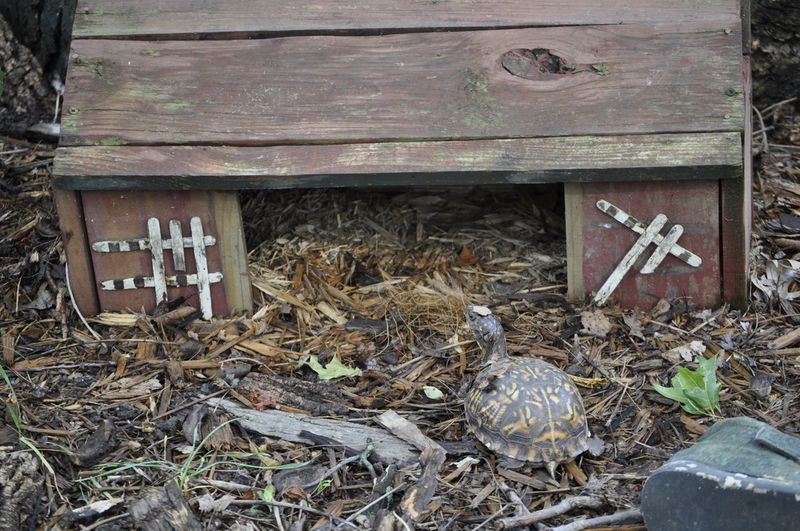
Not every hidden guest is a danger to you. Sometimes you are the danger to them.
Brush piles shelter cottontail rabbits, box turtles, toads, salamanders, and wintering songbirds like wrens and towhees. Box turtles in particular bury themselves under leaf litter and stay still until spring, so a careless shovel can hurt one.
If you burn, rebuild the pile on a fresh spot right before lighting so animals do not have time to move in. You might also consider leaving one small, tidy pile in a back corner as a wildlife shelter.
7. Thorny Briars and Rotten Branches
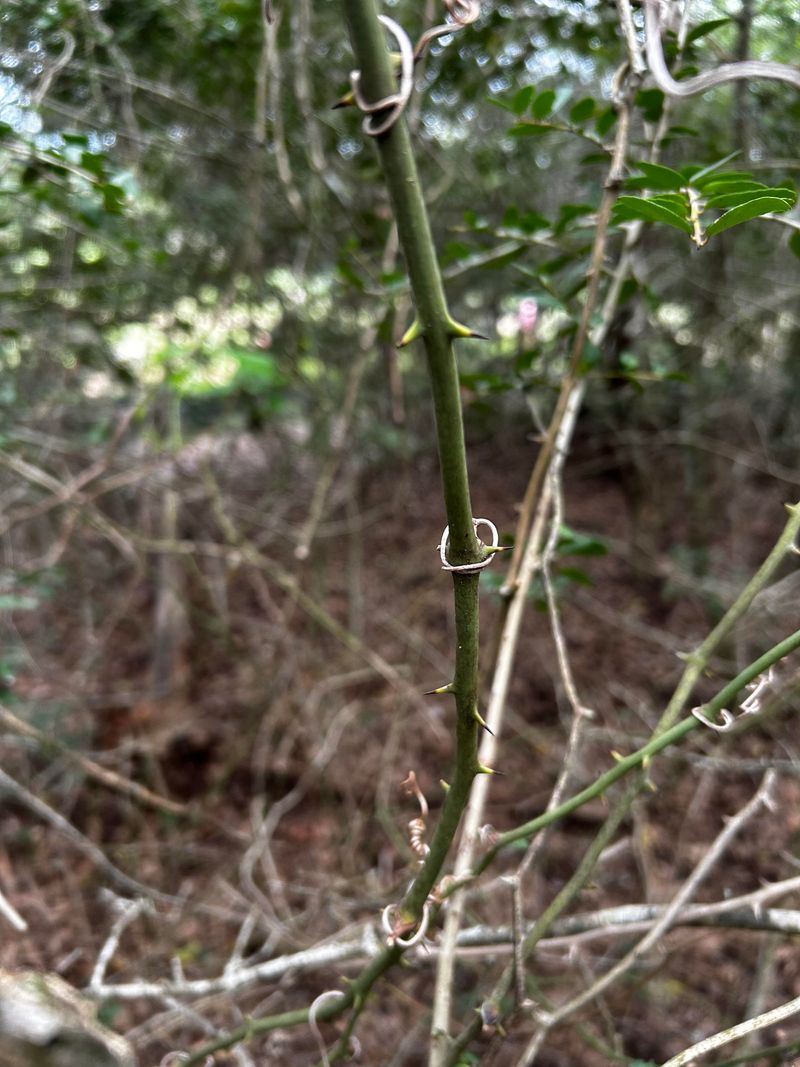
Greenbrier has torn more jackets in this state than any thorn bush deserves. Its green, prickly vines weave through brush piles along with blackberry canes, and they grab skin and fabric with surprising force.
Rotten branches bring a different problem. A limb that looks solid can snap while you pull, sending you backward or whipping a jagged end toward your face.
Safety glasses, heavy gloves, and thick canvas pants make this job much less painful. Cut long tangles into short pieces with loppers instead of yanking them free.
8. Fire Ants Hiding Under the Debris
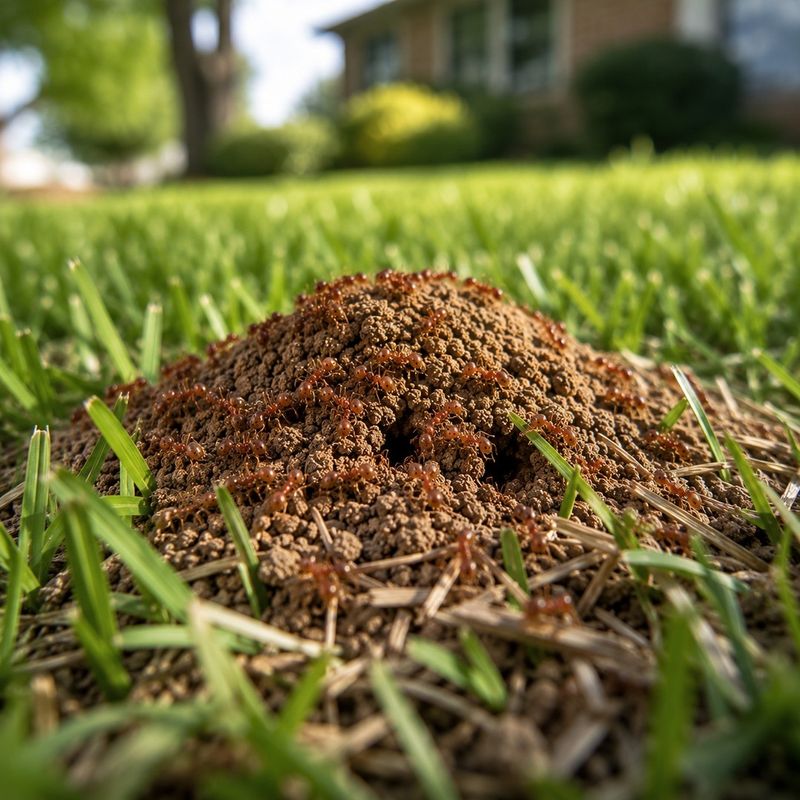
Red imported fire ants have spread across much of central and eastern North Carolina. In cool weather, their mounds often sit low and hidden under leaves and debris, where the soil stays a bit warmer.
You may not notice the mound until you set a boot right on top of it. On a sunny winter afternoon, the ants can still swarm and sting quickly.
Tuck pant legs into boots and scan the ground as you work. Treating mounds with bait works better in spring and fall, so make a note of any you find for later.
9. Strained Backs and Chainsaw Slips

Ask any ER nurse about December yard work and you will hear stories. Holiday cleanup sends plenty of people in with sore backs, sprained ankles, and chainsaw cuts.
Heavy, wet limbs are much harder to lift than they look. Bend at the knees, split big loads into smaller ones, and use a wheelbarrow or tarp to drag material instead of carrying it.
If you use a chainsaw, wear chaps, eye and ear protection, and never cut above shoulder height. Short daylight hours also matter, so finish before dusk when tired hands and poor light lead to mistakes.