
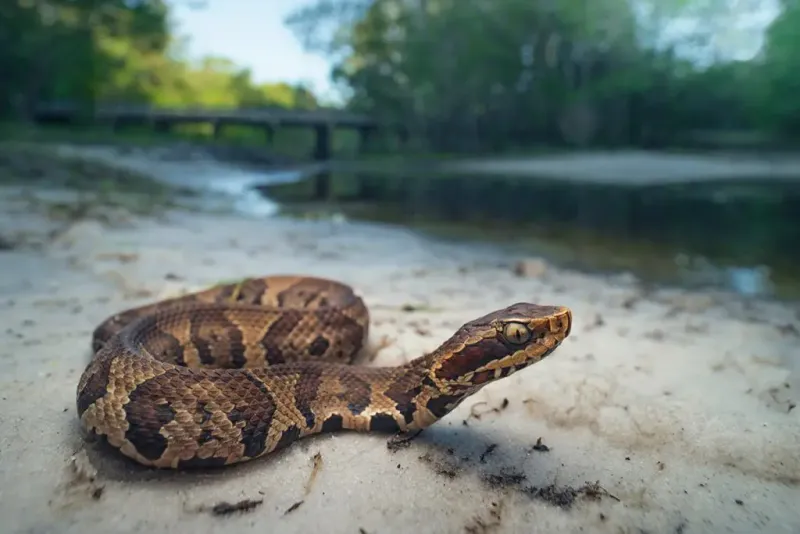
A cottonmouth bite hurts right away, and a rattlesnake bite while you pull palm fronds can be just as serious, so it deserves real respect. The danger is not the fronds themselves.
It is reaching into a pile and surprising a snake you cannot see. Here is what is known, what is not, and how to clean up your Florida yard with care.
What the evidence says about bites and yard cleanup
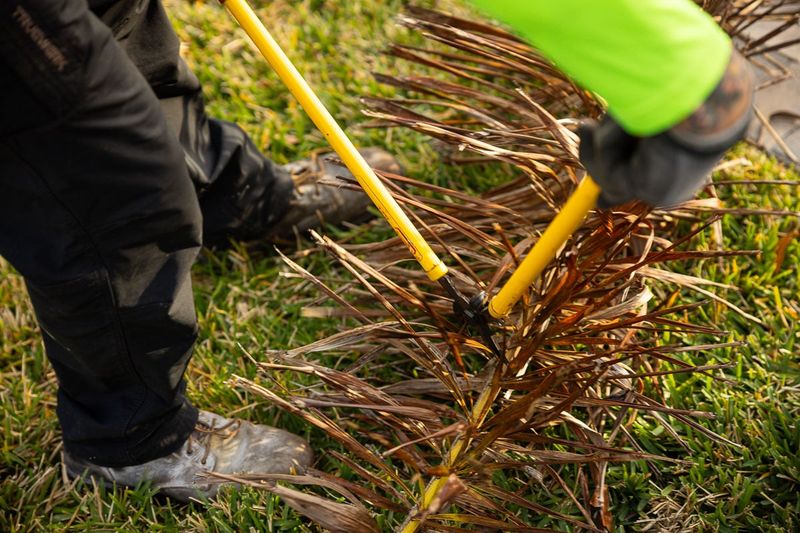
Anytime you drag away brush, wood, or fallen fronds, you can end up close to a snake you never saw. That is the real yard-work risk, and it is worth planning for before you pick up a rake.
Here is a point that surprises people: MedlinePlus says both rattlesnake and cottonmouth bites are usually painful right away. So immediate pain does not tell you which snake bit someone, and a rattlesnake bite is not a slow-pain version of a cottonmouth bite.
Coral snakes are the exception to remember, because their bites can cause significant symptoms later, so a lack of pain is not reassuring after a suspected bite.
Is one bite worse than the other? The available sources do not establish a general severity ranking between rattlesnake and cottonmouth bites. “Worse” depends on what you measure, and no source reviewed compared the two side by side.
What we do have is a registry study of 31 cottonmouth envenomations. Swelling happened in every case, 84 percent of patients received antivenom, and 61 percent stayed in the hospital longer than 24 hours.
That shows cottonmouth bites can be serious, but the study did not compare them with rattlesnake bites, so it should not be stretched further.
The practical lesson is simple. You cannot predict severity from the chore, the snake’s looks, or early symptoms, so Florida’s poison control centers advise getting emergency care for a suspected venomous bite rather than waiting or trying to identify the snake.
Why yard debris can conceal snakes in Florida
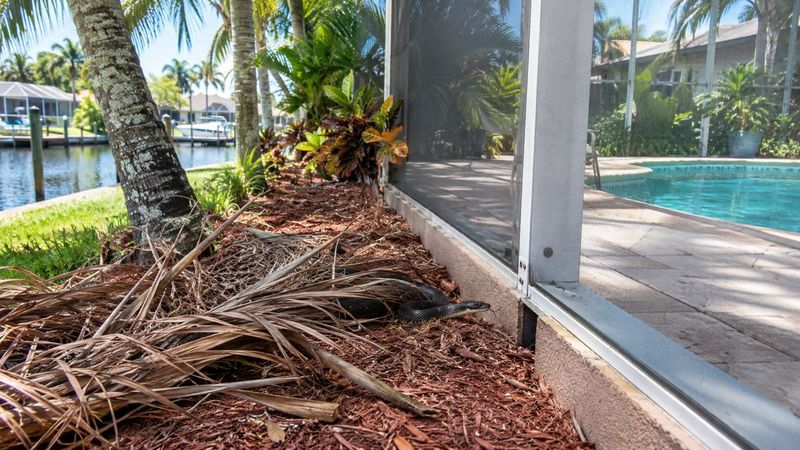
Snakes look for cover, and a messy corner of a yard offers plenty. UF/IFAS Extension points to brush, wood, and other ground-level clutter as places snakes can hide.
Disturb that cover and you may find yourself very near an animal that was trying to stay out of sight.
Florida context helps keep this in proportion. According to the Florida Fish and Wildlife Conservation Commission, most snakes in the state are not venomous.
Six native species are: the eastern coral snake, southern copperhead, cottonmouth, eastern diamondback rattlesnake, timber rattlesnake, and dusky pygmy rattlesnake.
Habitat details vary by species. Florida’s poison control centers say cottonmouths occur statewide and that pygmy rattlesnakes live in much of the state, including palm hammocks and urban areas.
Eastern diamondbacks turn up statewide in suitable habitat.
For diamondbacks, FWC advises giving them space and watching around stumps, burrows, and fallen trees.
Where do palm fronds fit? A heap of fallen fronds can be one example of ground-level cover, so applying the general guidance to it is reasonable.
But that is an inference. No source reviewed shows that palm-frond piles attract rattlesnakes, cause bites, or make an encounter likely.
Prepare before moving fronds, brush, or wood
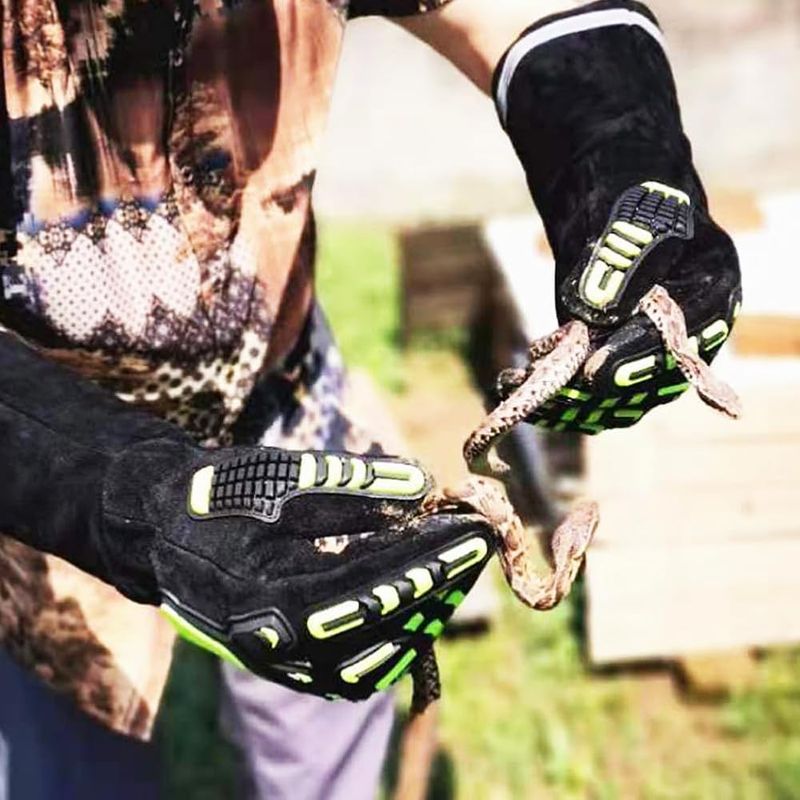
Ten minutes of preparation changes how the whole job goes. Start with sturdy closed footwear, long pants, and leather gloves, which is the kind of outfit CDC/NIOSH recommends for outdoor work where snakes may be present.
Next, slow down and use your eyes. Scan the ground before each step, and look over a spot before you put a hand or foot near it.
Miami-Dade Fire Rescue advises looking before reaching around logs or rocks and using caution when cleaning up debris.
Good light helps, so work in daylight rather than at dusk. A long-handled tool can let you move lighter material from a bit more distance, but keep your body back and never use it to poke around in a pile hoping to flush out a snake.
Gear is a backup, not a license to take chances. Gloves and boots do not make it safe to reach blindly into a heap, and they certainly do not make it safe to handle a snake.
If you spot a snake, or something that might be one, stop what you are doing, step back, and leave that part of the pile for later. The job can wait, and you can carry on elsewhere in the yard.
Manage hiding cover without stripping the yard
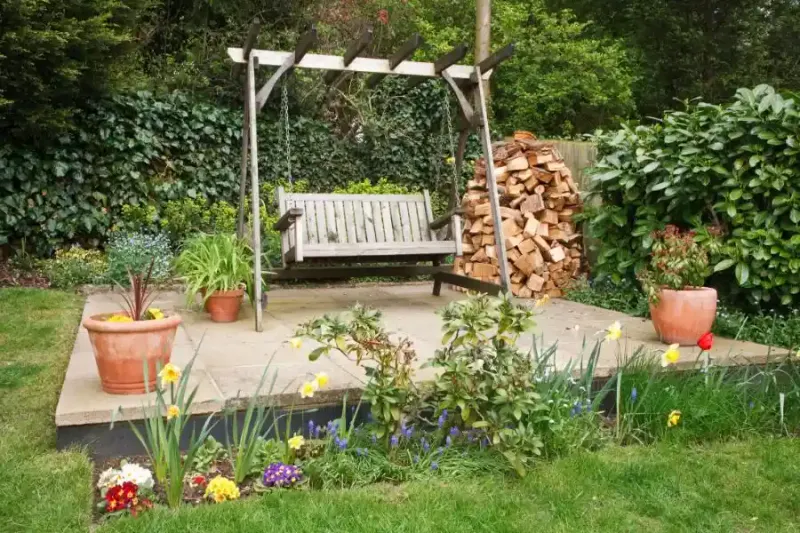
A little tidiness near the places your family spends time goes a long way. Clear avoidable clutter such as scrap lumber, loose debris, and old piles close to the house and play areas, and stack firewood neatly off the ground rather than leaving it in a heap on the soil.
UF/IFAS guidance on preventing encounters supports this kind of habitat management.
Notice the word is manage, not eliminate. The same extension advice cautions against stripping all vegetation and habitat from a yard, and UF/IFAS frames snakes as part of the local wildlife.
A bare yard is not the goal.
A sensible approach is to zone your property. Keep the areas near doors, patios, and play spaces open and orderly.
Let any brush or fallen material you keep sit farther from those high-use spots.
Move fallen fronds on a regular schedule so they do not build into large heaps by the house. This is simply about avoiding clutter, and no specific palm-care practice is required.
None of this guarantees you will never see a snake. It only reduces the number of convenient hiding spots right where people walk and play.
If you see a snake, give it space
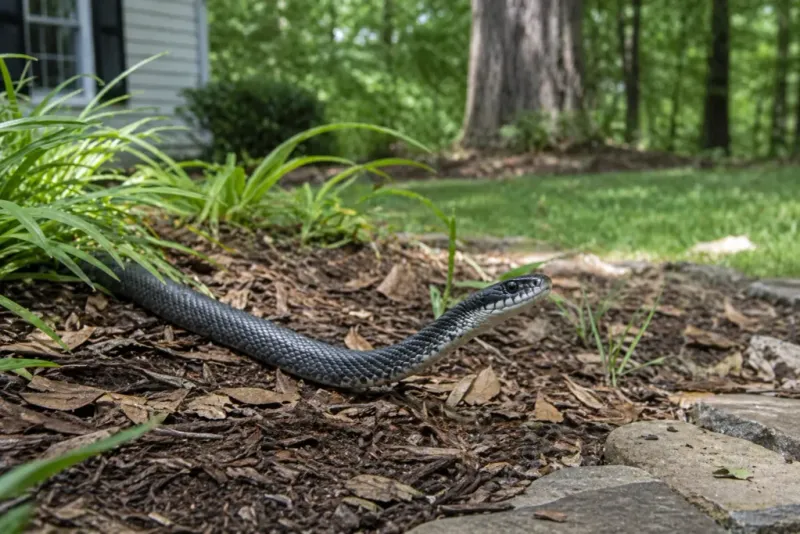
Freeze, then back away slowly. A snake that is left alone will usually move on, and distance is your best protection.
Do not step closer to figure out what kind it is. Venomous and harmless species can be hard to tell apart, and getting near to check is how many bites happen.
FWC’s snake guidance is clear that people should leave snakes alone and not try to kill them.
Do not try to catch, trap, or handle the animal either. UF/IFAS Gardening Solutions likewise advises contacting a professional if a snake needs to be removed.
Bring children and pets inside or well away from the area while you wait. Note where the snake was, then call a wildlife removal professional if it is in a spot where it cannot be avoided, such as near a door or a play area.
If it is simply passing through the yard, the best plan is often no plan: give it room and let it go on its way.
After a suspected venomous bite, get emergency care now
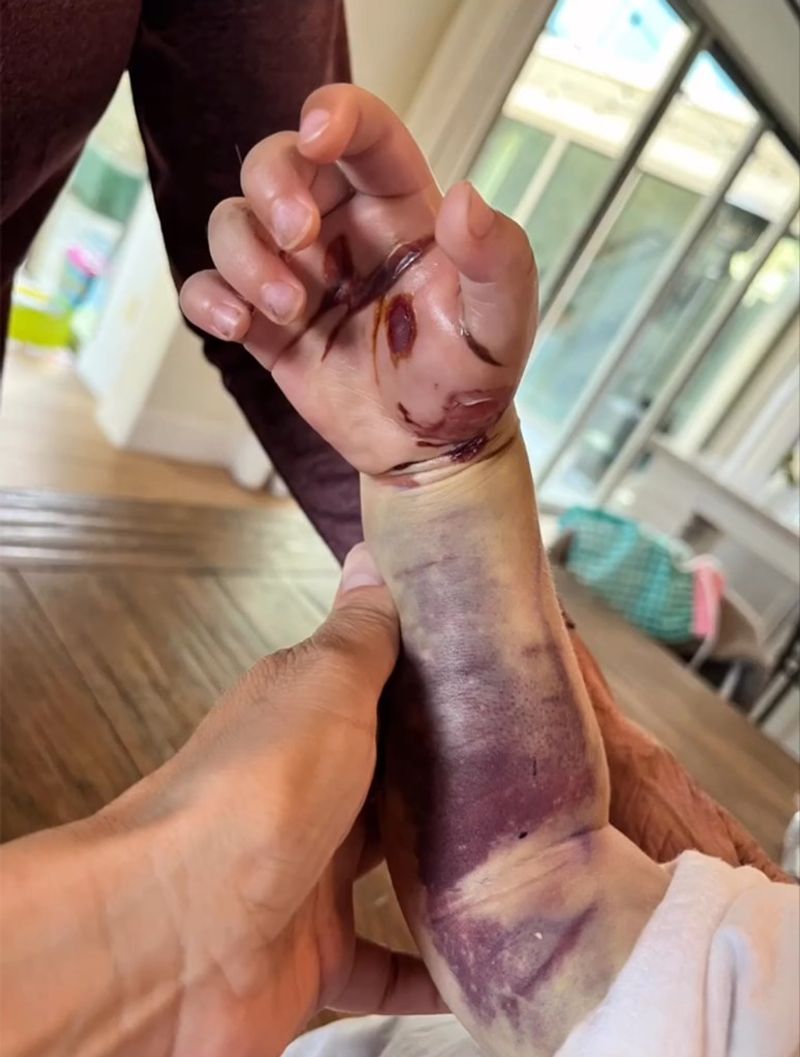
Call 911 first. A suspected venomous bite needs urgent assessment, and Florida’s poison control centers advise getting emergency care right away.
Do not wait to see whether pain or swelling develops, and do not spend time trying to identify the snake.
While help is on the way, keep the person calm and as still as possible. Remove rings, watches, or other tight items before swelling begins, as Miami-Dade Fire Rescue advises, and follow whatever the dispatcher or medical team tells you.
Published advice on limb position differs a little, with some sources saying to keep the bite at or below heart level and CDC/NIOSH saying to keep it in a neutral, comfortable position. Do not get stuck on that detail.
Calling 911 and limiting movement matter most.
Some well-known home remedies are harmful. Do not apply ice, do not use a tourniquet, do not cut the wound, and do not try to suck out venom.
Florida Poison Control, at 1-800-222-1222, is an extra resource, but calling it must never delay emergency care. Severity cannot be predicted from the chore, the snake, or early symptoms, so treat every suspected bite as an emergency.
A yard can wait for another day. A bite cannot.