
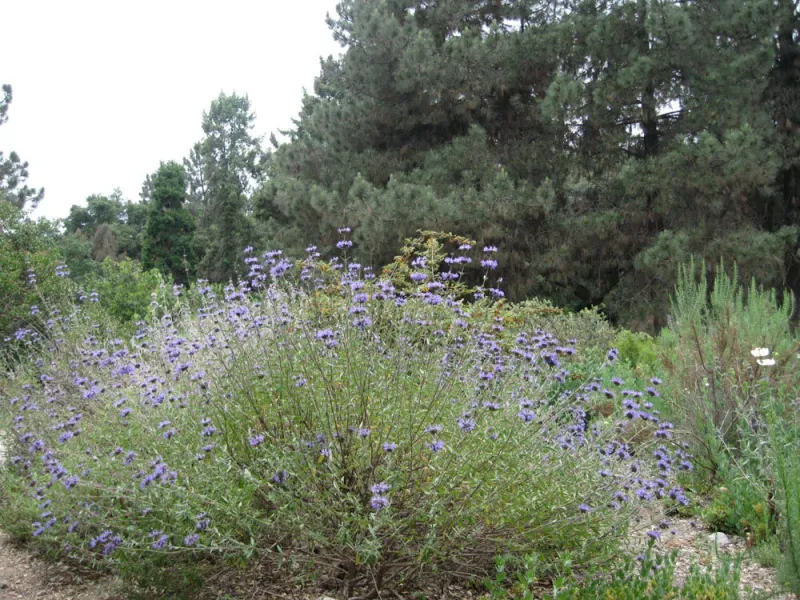
Winter rain wakes up California gardens, but most yards end up smelling like mud and soggy leaves. A few clever plants save their best perfume for the cold, wet months, when bees and people need it most.
Picking the right ones means you get sweet, spicy, or citrusy scents drifting across your yard from December to March. Here are seven plants that do the job beautifully, many of them natives that need little water once summer comes back.
1. Winter Daphne
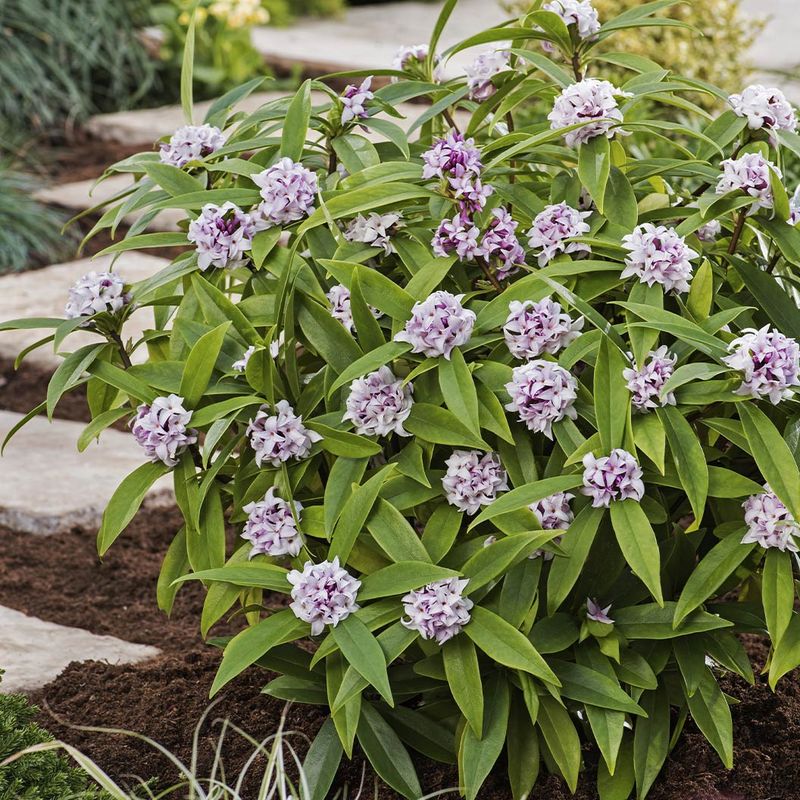
Walk past a blooming winter daphne on a cold January morning and you will stop in your tracks. The scent is sweet, lemony, and strong enough to fill a whole side yard from one small shrub.
Gardeners often call it the best smell of the entire year.
Daphne odora is not a native, but it grows happily in coastal and mild inland California. It likes morning sun, afternoon shade, and soil that drains fast.
Soggy roots are its biggest enemy, so plant it a little high or on a slight mound.
Keep it near a doorway or walkway so you actually catch the fragrance. Once it settles in, leave it alone, since daphne hates being moved.
A little patience pays off with years of pink winter blooms.
2. Pink-Flowering Currant

Hummingbirds seem to know the exact day a pink-flowering currant opens. Long, dangling clusters of rosy flowers appear in late winter, and the whole shrub gives off a spicy, almost resin-like smell.
Some people compare it to cloves mixed with fresh pine.
Ribes sanguineum var. glutinosum is a true California native from the coast ranges. It handles dry summers well and even tolerates the root zones of oaks.
Partial shade keeps it looking its best in hotter areas.
Fun fact: the leaves are scented too, so brushing past them on a damp day releases an extra puff of fragrance. Plant one along a fence where kids and pollinators can both enjoy it.
3. Sweet Box
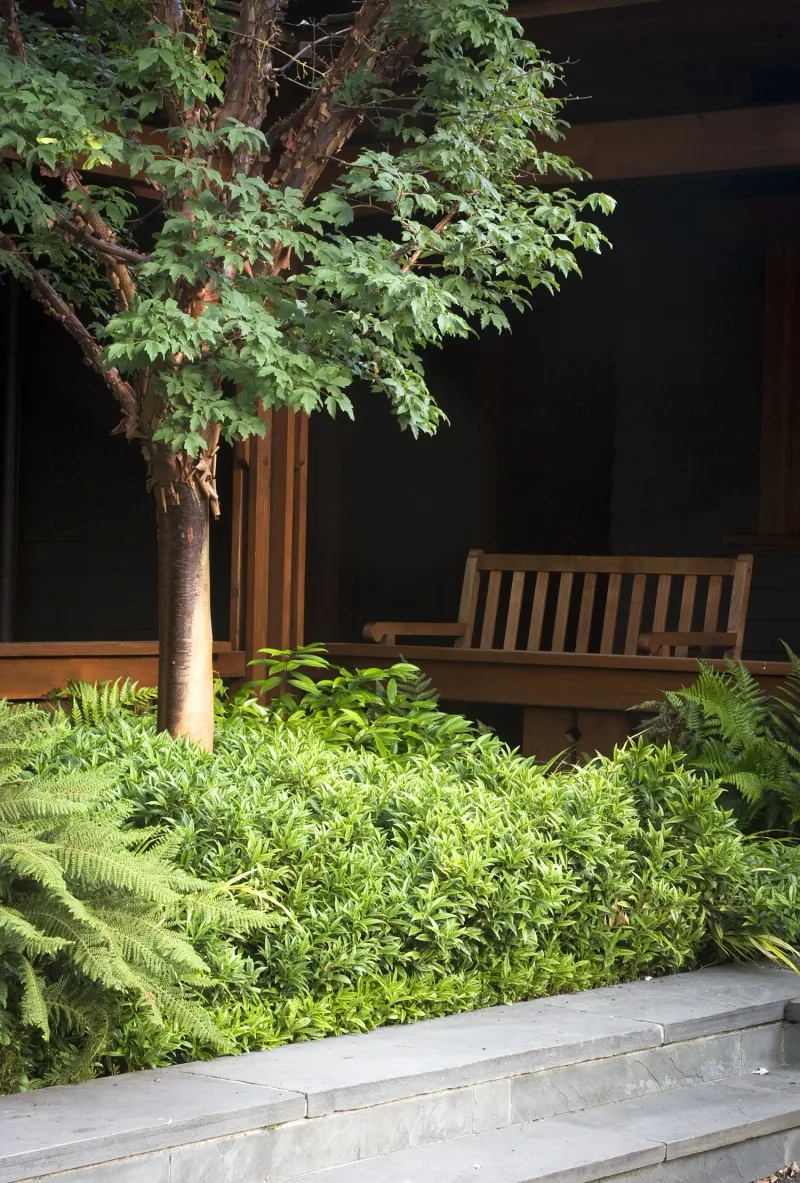
Sweet box is the plant for that dark corner where nothing else blooms. Its flowers are tiny, white, and easy to miss.
Your nose will find them long before your eyes do.
The vanilla-honey scent of Sarcococca carries surprisingly far on still winter air. Visitors often wander around the yard trying to figure out where the smell is coming from.
Then they spot a low, glossy evergreen tucked under a tree and laugh.
It thrives in deep shade and stays tidy at two to four feet tall. Water it regularly in summer, especially in inland gardens, because it does not love heat.
Deer usually leave it alone, which is a bonus in hillside neighborhoods.
4. Coyote Mint
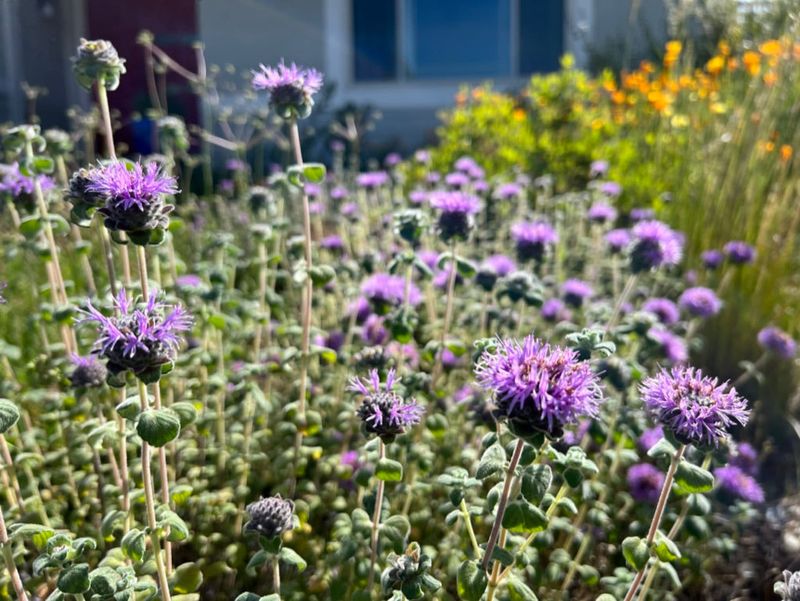
Not every winter fragrance comes from flowers. Coyote mint packs its perfume into fuzzy, gray-green leaves, and a light rain or a quick touch sets it loose.
The smell is minty with a hint of oregano, clean and bright.
Monardella villosa is a small native that loves sun and quick-draining soil. It stays low, making it a good pick for slopes, rock gardens, and the edges of paths.
In summer it adds lavender flower puffs that butterflies adore.
Run your hand over it every time you head to the mailbox. Cut it back lightly after flowering to keep it bushy.
Too much water in clay soil can rot it, so let nature handle the irrigation in winter.
5. Cleveland Sage
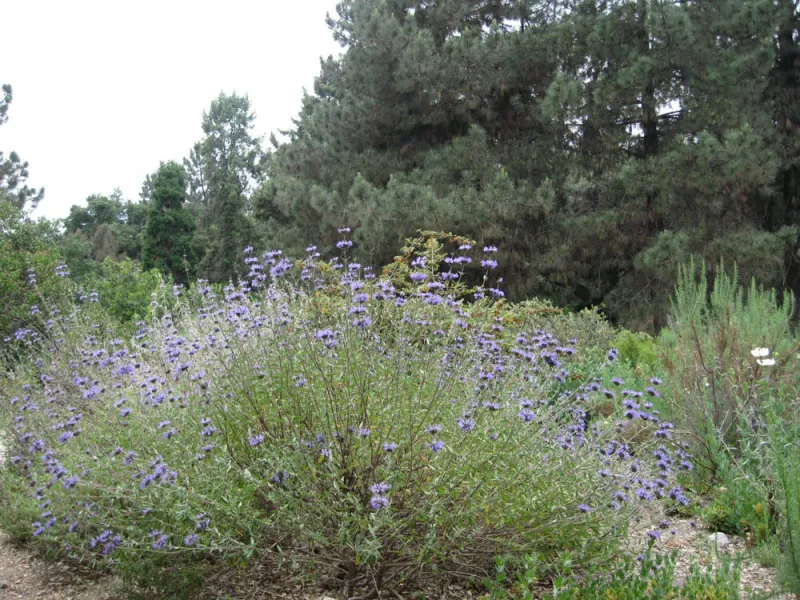
Ask any native plant fan which sage smells best, and many will say Cleveland sage without blinking. In winter the silvery leaves give off a rich, resinous aroma whenever rain hits them.
One whiff and you are standing on a Southern California hillside after a storm.
Salvia clevelandii comes from dry chaparral near San Diego and Baja. That means it needs full sun, almost no summer water, and soil that never stays wet.
Overwatering is the fastest way to lose it.
Purple flower whorls arrive in spring, but the winter leaf scent is the real reason to plant it. Place it where rain runoff will brush past, or near a patio bench.
It also works well on slopes to help hold soil.
6. Meyer Lemon
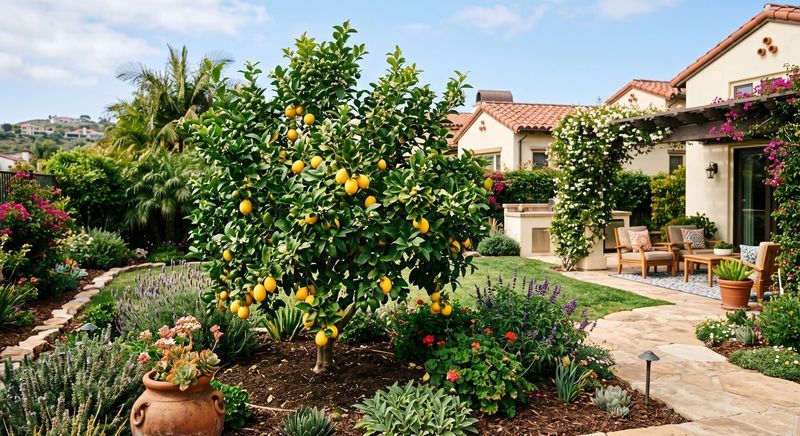
Picture yellow fruit and white blossoms on the same tree in the middle of winter. Meyer lemons often bloom off and on through the cool season, and their flowers smell like orange blossom with a sweet, honeyed edge.
On a damp patio, that perfume hangs in the air for hours.
Meyer lemon is a cross between a lemon and a mandarin, brought to the United States from China in 1908. It stays fairly compact and grows well in large pots.
Coastal and valley gardens both suit it.
Give it full sun and steady water, then let the top inch of soil dry. Bring the fruit inside for cooking while the flowers keep working outdoors.
It is a scent and a snack in one plant.
7. Fragrant Pitcher Sage
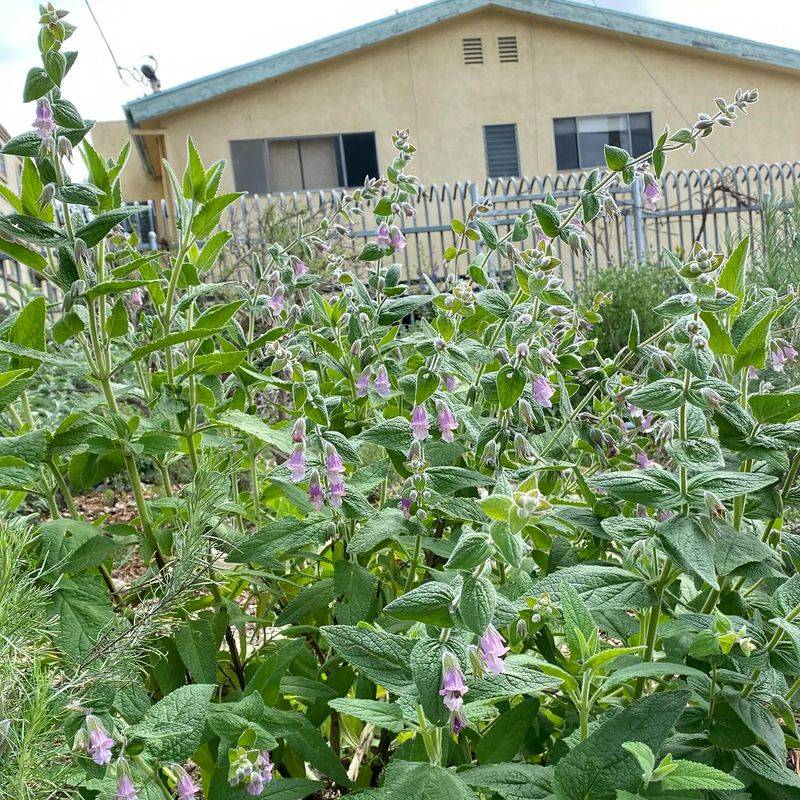
Here is a native most people have never heard of, and that is a shame. Fragrant pitcher sage, Lepechinia fragrans, grows wild in the Santa Monica Mountains and Channel Islands.
Its soft leaves smell like a blend of sage, apple, and warm spice.
Winter rain brings out the aroma, and the plant fills open spaces quickly. It handles part shade better than many sages, so it fits under high oak canopy or along an east-facing wall.
Pale lavender, cup-shaped blooms follow in spring.
Look for it at a California Native Plant Society sale, where rare natives like this often show up. Once established, it needs only an occasional deep summer soak.
Grow it and you will have the most interesting-smelling yard on the block.