
A Florida yard can look lovely by day and still offer fireflies almost nowhere to live. Bright lights, bare soil, and frequent spraying can make those tiny flashes harder to find.
A few small changes can rebuild the dark, sheltered spaces they need, especially where fireflies still live nearby. Their return is never guaranteed, but making room for them starts closer to your back door than you might think.
1. Give the Night Its Darkness Back
One porch bulb can change the whole mood of a backyard, especially for an insect trying to send a tiny light signal. Many flashing fireflies use patterns of light to find mates, and artificial lighting can interfere with that exchange.
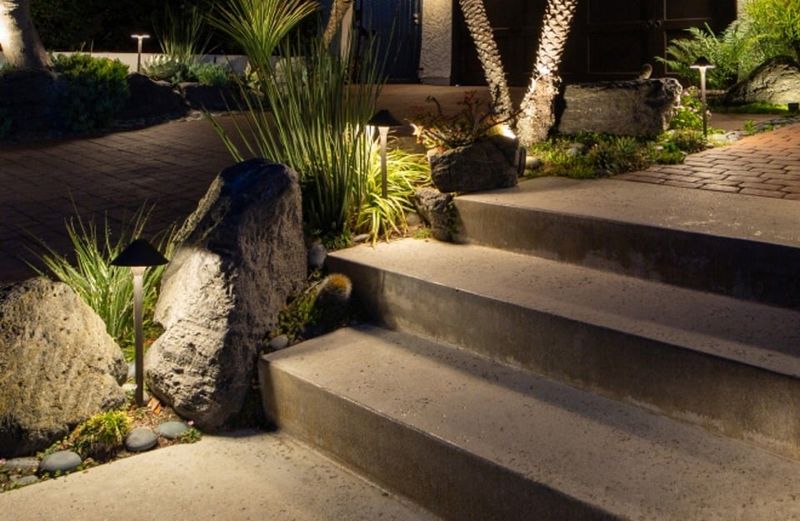
Start by switching off decorative lights when nobody is outside. Put necessary entry lights on motion sensors or short timers, and aim fixtures down toward steps rather than across planting beds.
Where lighting must stay, choose the lowest useful brightness and a warm amber tone. No color is completely harmless to wildlife, so reducing the amount of light and the hours it runs matters more than simply buying a different bulb.
Walk outside after your eyes adjust and look for light spilling from windows, pool areas, and garage fixtures. Close a curtain or redirect a lamp before buying anything new.
Keep walkways safe, but try to leave one planted corner truly dark. That small nighttime refuge is a practical first step, not a promise of an instant light show.
2. Keep a Patch of Fallen Leaves
That scruffy handful of oak leaves may be doing more useful work than another bag of decorative mulch. For many firefly species, the longest part of life happens near the ground, where larvae hunt and shelter before becoming adults.
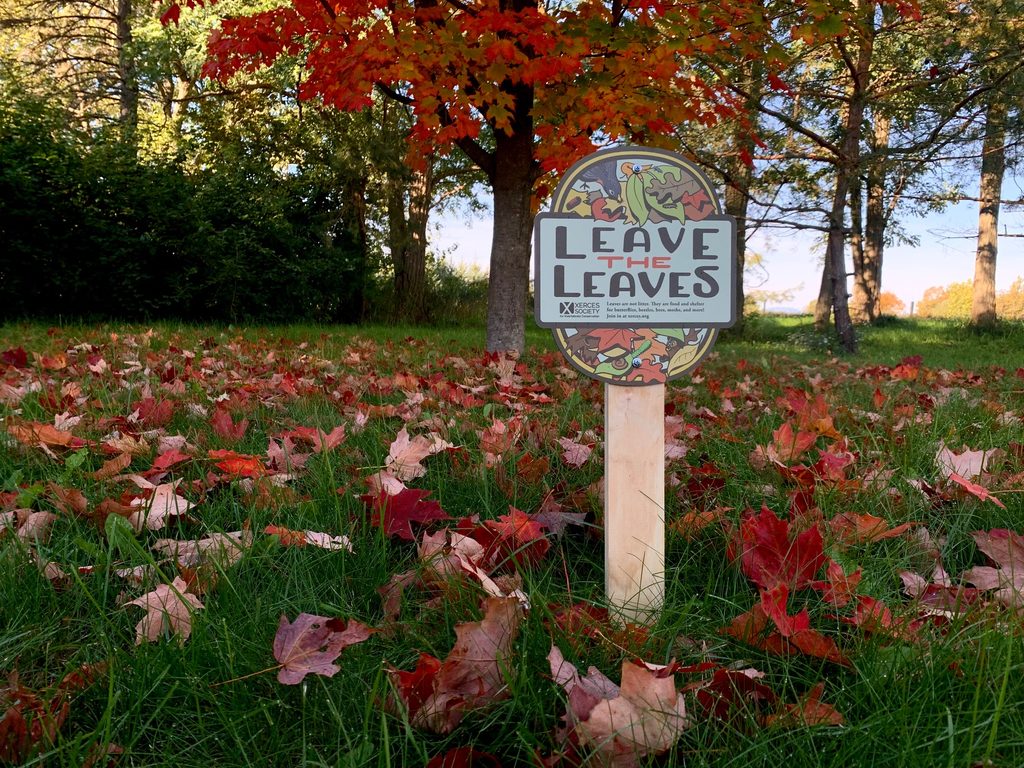
Instead of bagging every leaf, save a loose layer beneath trees or along a shaded shrub border. Fallen leaves help slow moisture loss and support the small creatures that make up a healthy soil community.
Keep the layer airy rather than piling wet leaves into a heavy mat. Leave drainage paths clear, avoid covering plant crowns, and keep material away from siding and wooden structures.
A crisp bed edge makes the patch look planned, which can help in neighborhoods where a very tidy appearance is expected. There is no need to cover the entire lawn.
Choose one quiet bed and leave it largely undisturbed through the seasons. The goal is lasting ground cover, not a temporary leaf pile that disappears during the next weekend cleanup.
3. Trade Routine Spraying for Targeted Pest Control
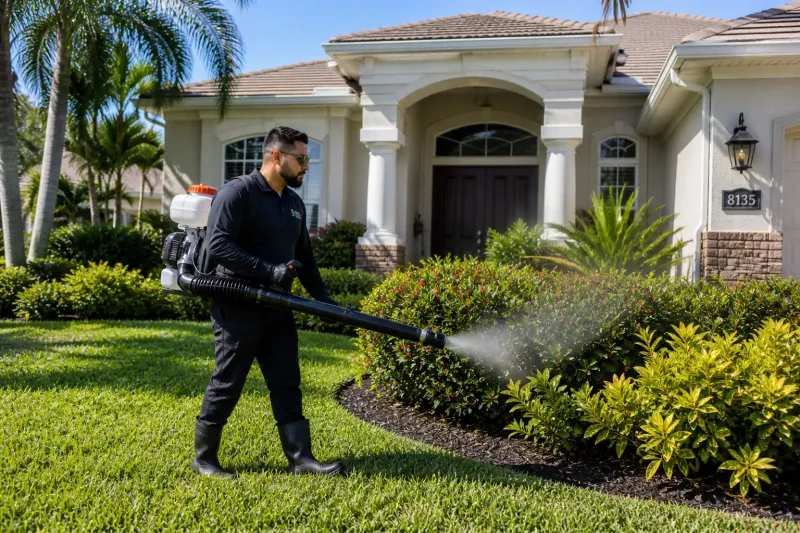
A mosquito-free evening sounds wonderful, but a blanket yard treatment can reach far beyond mosquitoes. Broad-spectrum insecticides can harm other insects, and treatments that land on shrubs or soil may overlap with places fireflies use.
Review what is being applied around your home, including lawn treatments and recurring pest-service visits. Ask the provider about non-target effects, where products land, and whether routine applications can be replaced with monitoring and treatment only when needed.
For mosquitoes, begin with their breeding water. Empty saucers, clear clogged gutters, refresh birdbaths regularly, and keep screens in good repair.
When standing water cannot be removed, ask your local UF/IFAS Extension office whether a labeled Bti product fits the situation. Follow the label exactly, and follow local public-health guidance when mosquito-borne illness is a concern.
Skip homemade yard sprays and products advertised as harmless simply because they contain essential oils. A firefly-friendly approach means identifying the actual pest first, then choosing the narrowest effective response rather than treating every leafy surface on a schedule.
4. Replace One Lawn Corner With Layered Native Plants
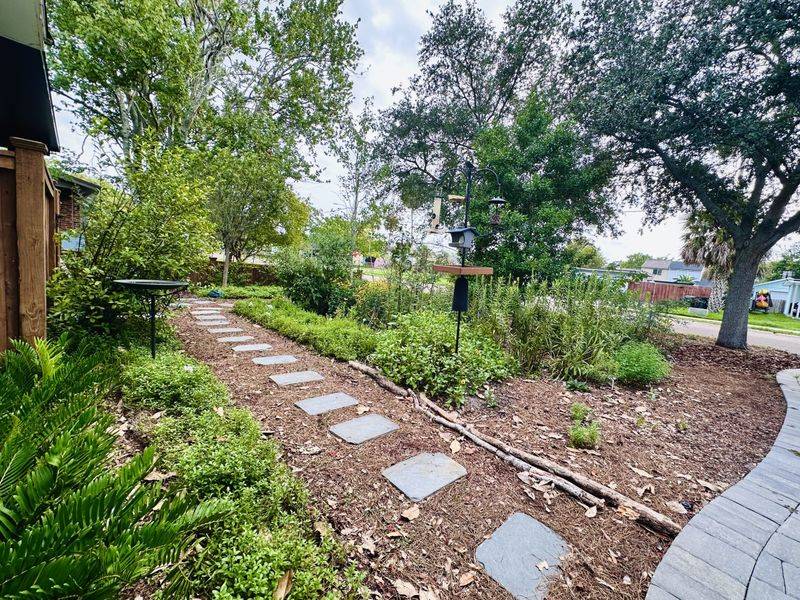
Picture a firefly crossing a flat, brightly lit lawn with nowhere to pause. A small planting bed can offer a very different setting, with shaded soil below and leaves and stems above.
Convert a corner that is awkward to mow rather than tackling the entire yard. Combine locally suitable native shrubs with lower plants, leaving some sheltered ground between them instead of packing every inch.
Beautyberry may suit some partly shaded sites, while native sedges can work in certain moist or shaded spots. Plant choices must match your region, soil, drainage, and light, because a South Florida coastal yard is not the same as an inland Panhandle lot.
Use your county Extension office or a reputable native nursery to build a short, site-specific list. Avoid assuming that any plant labeled native belongs in every Florida landscape.
The benefit is the structure and shelter, not a special flower that summons flashing insects. A healthy, layered bed can make a small yard more livable for wildlife while still looking cared for from the street.
5. Hold Soil Moisture Without Creating Mosquito Water
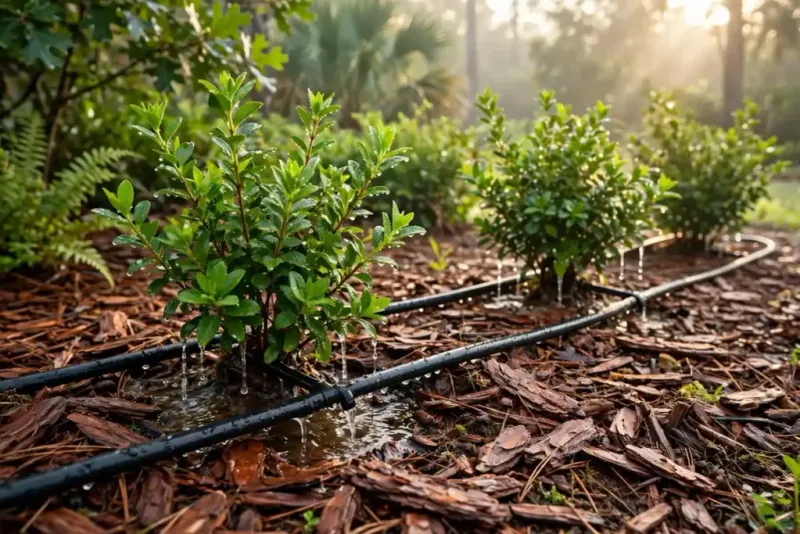
Damp ground and a bucket of stagnant water are two very different things. Many fireflies depend on moist places during part of their lives, but adding containers of water is not a useful shortcut to better habitat.
Help soil retain the moisture it already receives by shading it and keeping a loose layer of leaves or suitable mulch. In Florida’s sandy soils, exposed ground can dry quickly between rains, even during a season that feels humid.
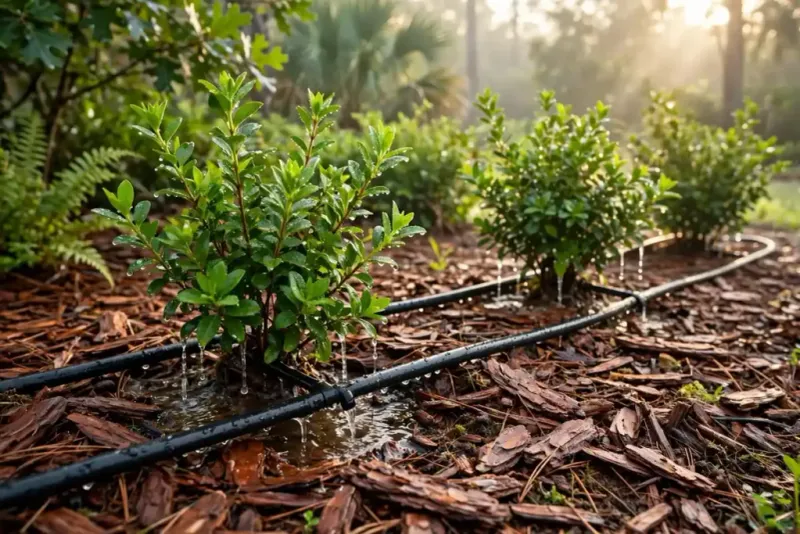
Water new plants according to their needs and local watering rules. Where irrigation is needed, drip systems can deliver water near roots without routinely soaking paths, walls, or the whole lawn.
Check the bed after a heavy storm. Persistent puddles against the house or water trapped in pots call for drainage fixes, not celebration as a new wildlife feature.
Do not try to turn a naturally dry yard into a swamp. Protecting an existing shady, moisture-holding pocket is usually more sensible than using extra water to force the entire landscape into a habitat it cannot sustain.
6. Leave a Small Refuge Out of the Mowing Route
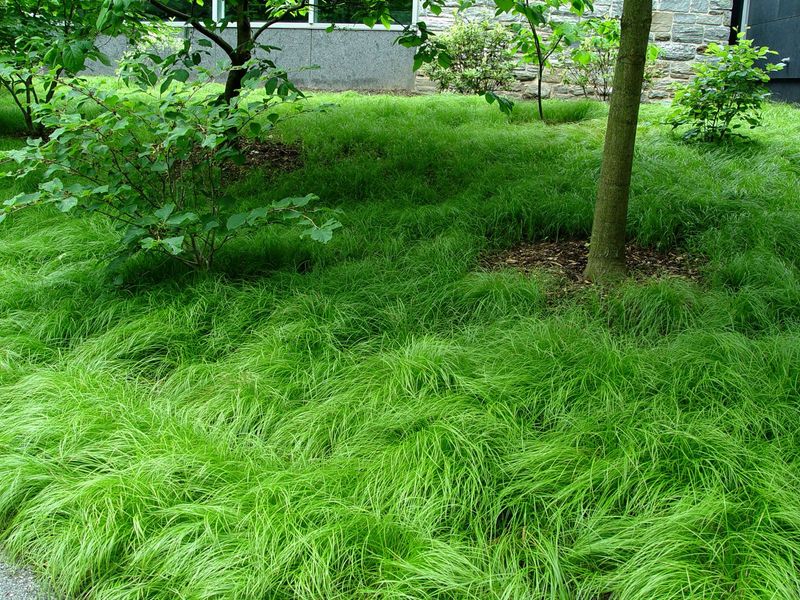
The mower does not need access to every square foot of your property. A protected planting strip can keep some resting insects, low vegetation, and sheltered soil out of the weekly cutting cycle.
Choose a narrow border beside shrubs or under an existing tree, then define it with edging or a clean mowing line. Plant it intentionally rather than simply letting invasive weeds take over.
Locally appropriate sedges, low native groundcovers, or bunchgrasses may fit, depending on sunlight and drainage. Give new plants enough room to mature without spilling across sidewalks or blocking sightlines near the driveway.
Leave that refuge out of routine mowing and string trimming. When maintenance is necessary, work in portions rather than cutting everything back on the same day, and avoid disturbing the area at dusk when flashing adults may be active.
Check HOA and local landscape rules before changing a visible front-yard strip. A tidy border can protect habitat without making the whole property look abandoned, and even a small reduction in repeated disturbance gives insects a more stable place to live.
7. Save a Little Decaying Wood in a Safe Spot
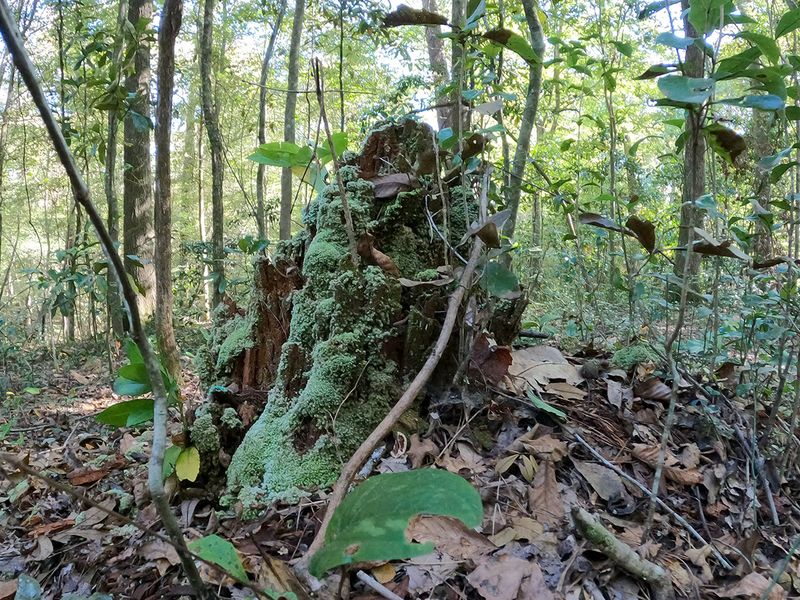
A weathered branch can be a tiny apartment building, even if it looks like yard waste. Decaying wood holds moisture and supports small animals and fungi, adding another useful layer to a sheltered garden.
If you have a suitable spot, leave a modest piece of untreated fallen wood in a shaded bed. Some firefly species use decaying wood or nearby sheltered spaces, while others depend on different conditions, so think of this as added habitat variety rather than a universal requirement.
Keep wood away from the foundation, siding, fences, and places where termite inspection access is needed. Never stack debris against the house or use wood with paint, preservatives, or an unknown treatment history.
Florida storm safety still comes first. Avoid unstable piles, keep drains open, and remove material that could become hazardous during severe weather.
A single low piece tucked behind shrubs is enough to start. Leave it alone as it breaks down instead of turning it over every few days to check for insects, since repeated disturbance defeats much of its value.
8. Protect the Small Hunters Underfoot
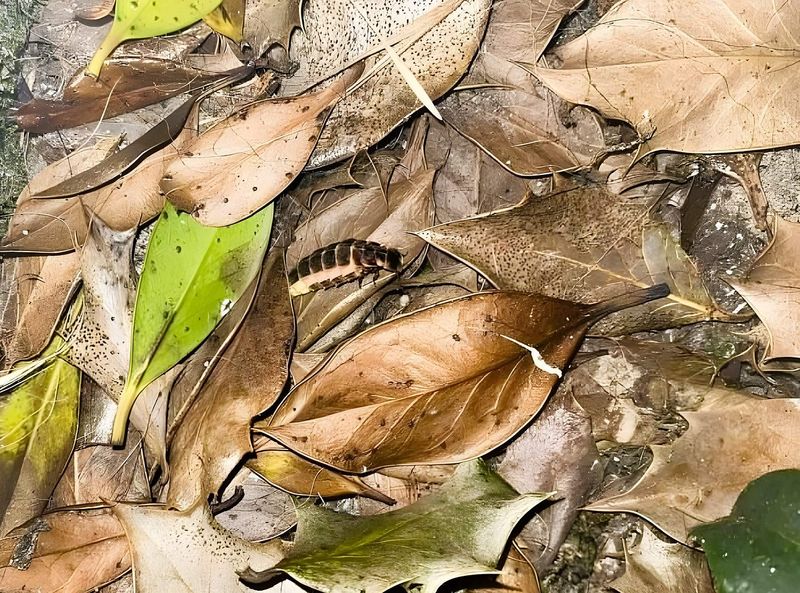
Long before the evening flashes, many young fireflies are busy hunting in the soil and leaf litter. Depending on the species, their prey may include snails, slugs, worms, or other small invertebrates.
That hidden food supply is one reason a spotless, heavily treated yard can fall short. Avoid scattering slug and snail bait across a habitat bed, and do not assume a product is harmless to every other animal because its label sounds reassuring.
If something is damaging prized plants, identify the culprit and target that problem. Hand removal, barriers, or a change in plant placement may help in some cases, while other situations need advice from your county Extension office.
Do not release purchased worms, snails, or other animals to feed fireflies. Moving wildlife can introduce unwanted species or disease, and a healthy garden should build its own food web.
Leave the soil in your refuge bed mostly unturned. Supporting the quiet life beneath the leaves is a longer-lasting approach than adding a decorative feature that helps adults but ignores their early stages.
9. Link Your Habitat Patch With Nearby Shelter
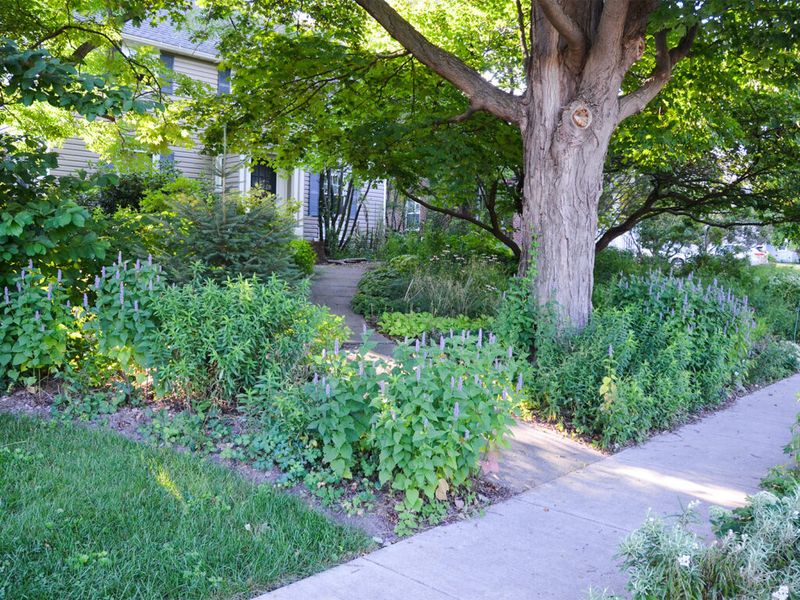
Your fence line is not the edge of a firefly’s world. A good backyard patch has a better chance of being used when nearby gardens, wooded lots, or protected natural areas also offer suitable habitat.
Look for a way to connect existing shelter within your property. Extending a shrub bed toward a tree or reducing a brightly lit gap may create a more protected route than an isolated island in the middle of turf.
Then consider a friendly conversation with the neighbor who already likes gardening. Sharing one idea, such as switching off unused floodlights or saving leaves beneath a hedge, is often more welcome than presenting a full wildlife checklist.
Respect property boundaries, drainage easements, and public land. Never dump leaves into wetlands or alter a ditch to make a connection.
Some firefly species disperse poorly, and suitable populations may be too far away to reach an improved yard. Connected habitat can improve the odds, but it cannot guarantee recolonization or make up for the loss of a nearby wetland or woodland.
10. Watch Patiently and Keep a Simple Flash Log
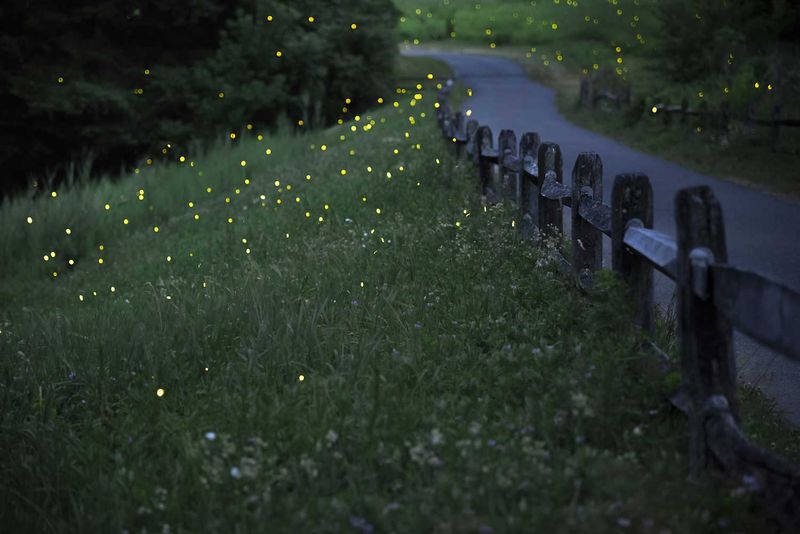
Sometimes the most useful garden tool is a chair and a little patience. Once you have improved the habitat, spend quiet evenings watching instead of making another round of changes.
Florida has many firefly species, and they do not all flash, appear in summer, or follow the same evening schedule. Depending on location and species, activity may occur in spring or other warm periods, so one empty July evening tells you very little.
Start around dusk and allow your eyes to adjust without a phone screen or flashlight. Record the date, recent rain, approximate time, and where you notice flashes, then repeat your visits across the local season.
Some fireflies spend a year or more in immature stages, so habitat work may take multiple seasons to show results. Photograph sightings without flash when possible, and consider sharing records with a community science project such as Firefly Atlas.
Never buy or relocate fireflies to stock the yard. If no flashes appear, the darker nights, healthier soil, and reduced spraying still leave you with a more welcoming Florida garden.