
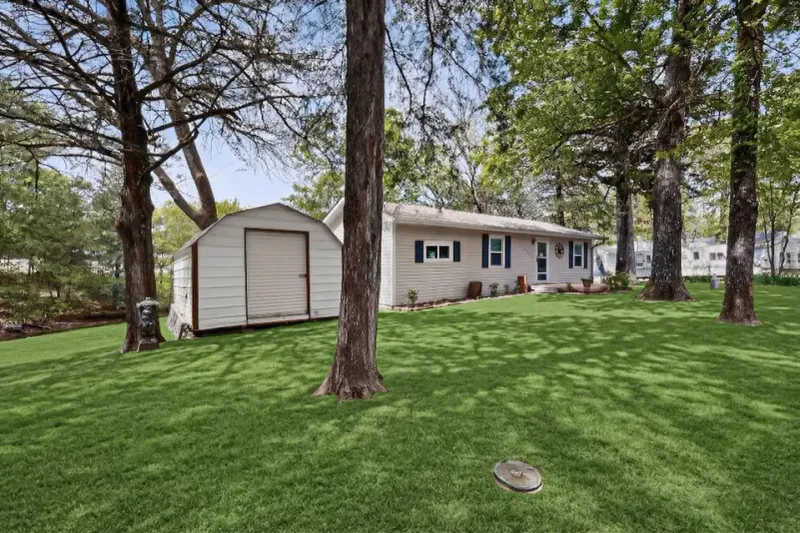
A pair of owls hunting near your home can take rodents off the menu in your yard, and that may mean fewer rats around your shed. Winter is a smart time to get a nest box ready, since the next nesting season is not far off.
Owls are not a guarantee, though, and a few simple steps around your shed matter just as much. Here is how to invite owls in and keep rodents out at the same time.
Owls can take rodents, but a box cannot promise shed control
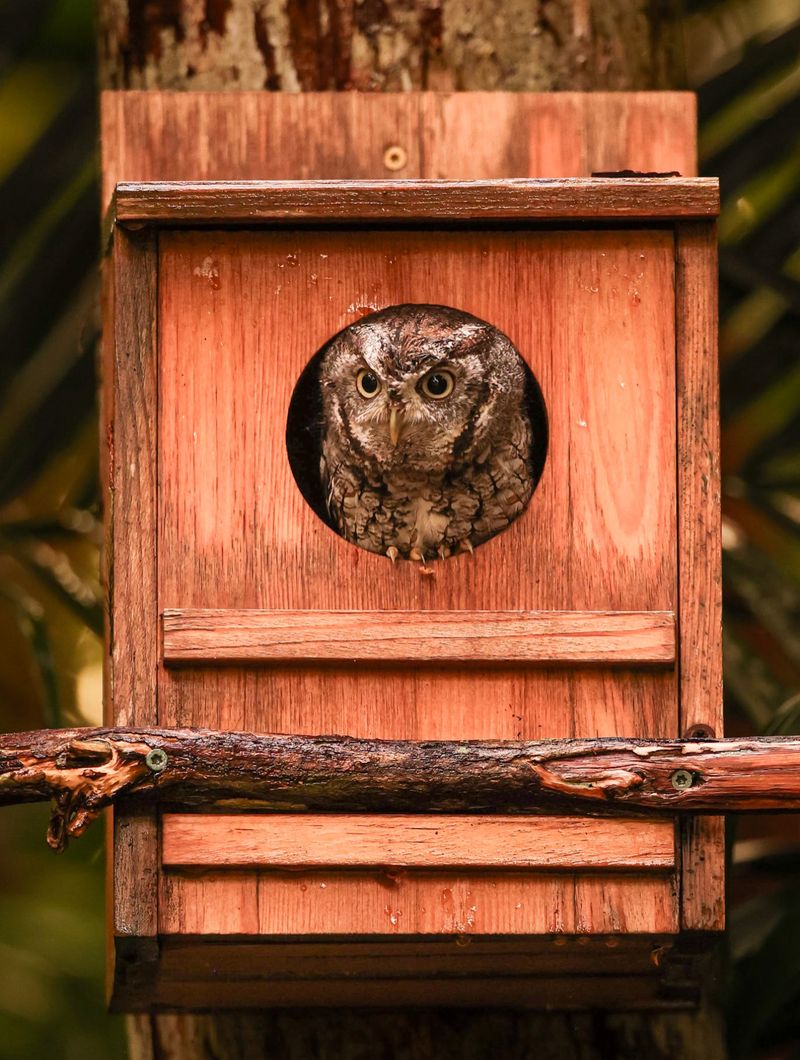
Owls eat rodents, and a pair hunting near your home may remove some of that prey from the neighborhood. Texas Parks and Wildlife notes that Eastern Screech-Owls eat large insects and small mammals, along with other prey.
That is a real benefit, and it is the reason so many homeowners get curious about owl boxes.
A box, however, is only an invitation. It offers a place to nest, but it does not mean owls will move in, hunt right beside your shed, or cut down the rats living inside it.
Owls eat a mix of foods and roam over wide areas, so your shed is just one small stop on the menu.
Even wildlife agencies that promote owl boxes stay cautious. California’s pesticide regulators say owls alone will not eliminate a rodent problem and suggest pairing them with trapping and exclusion.
Think of owls as a helpful extra, not the main tool.
This guide takes both sides seriously. You will learn which owls use which nest sites, why winter is a good time to prepare, how to build and place a box for screech-owls, and what farm studies really tell us.
The last section covers the shed repairs and trapping choices that go after rodents directly, without harming the very owls you hope to attract.
Different Texas owls use different nest sites
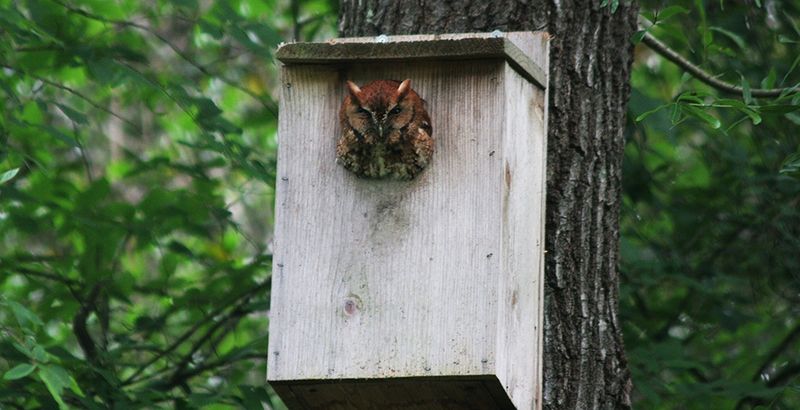
Picture three owls, and you get three very different homes. Eastern Screech-Owls tuck into tree cavities and old woodpecker holes, and TPWD says they sometimes accept specially designed boxes.
That makes them the most realistic box tenant for a typical Central Texas yard.
Great Horned Owls play by other rules. According to the Texas Breeding Bird Atlas, they generally take over an abandoned nest built by a hawk or another large bird, though they can use cavities and other sites.
A small wooden box will not tempt one.
Barn Owls do use cavities and nest boxes, and the atlas notes they live in Texas year-round with a long, variable breeding season. They need a much larger box and open hunting ground, which suits a ranch or farm better than a small suburban lot.
The takeaway is simple. A screech-owl box is not a general-purpose owl house, and it will not draw every species.
If you have big old trees with stick nests nearby, leave them alone, because a Great Horned Owl may already be using one.
Winter is a practical time to prepare a screech-owl box
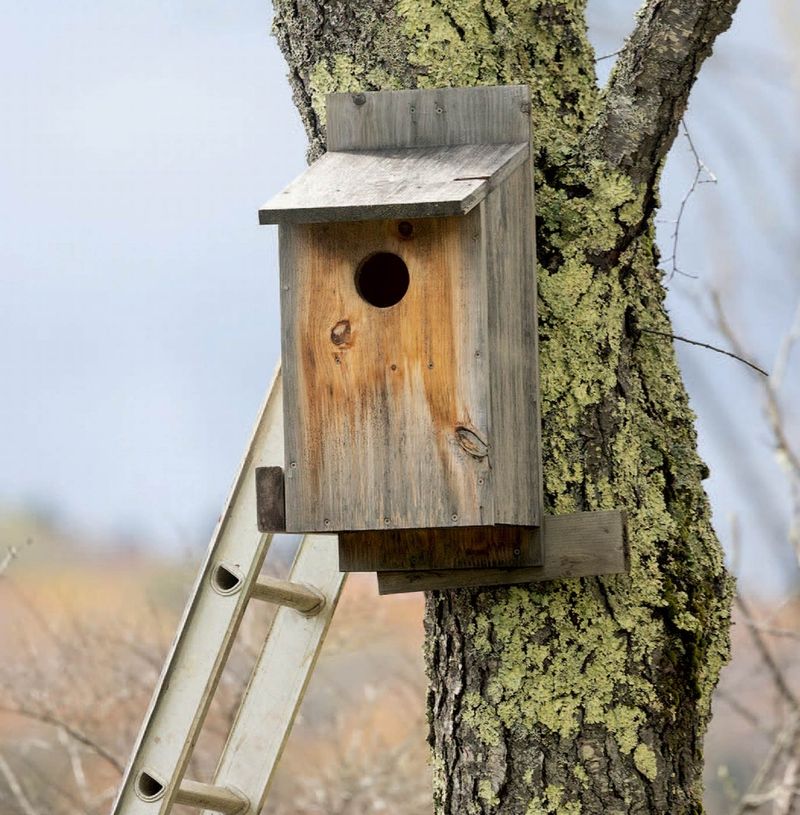
Timing is where many articles overreach. Not every Texas owl picks a nest site in winter, so think of winter as a setup window rather than a deadline.
Putting a box up now means it is weathered, quiet, and ready if a pair goes house hunting.
For the species this box targets, the calendar points to spring. The Texas Breeding Bird Atlas records Eastern Screech-Owl egg laying in Central Texas mostly from early March to early May, though recorded dates stretch wider.
Owls may scout cavities before that, so a box in place by late winter gives them time to find it.
Other owls keep different schedules. Great Horned Owls can begin nesting much earlier, which is one more reason to keep your distance from big stick nests in winter.
Barn Owl breeding is prolonged and variable, so there is no single month to circle.
A cool weekend is also easier on you than a triple-digit July afternoon on a ladder. Use the time to pick a spot, gather materials, and mount the box carefully.
Build the box for Eastern Screech-Owls
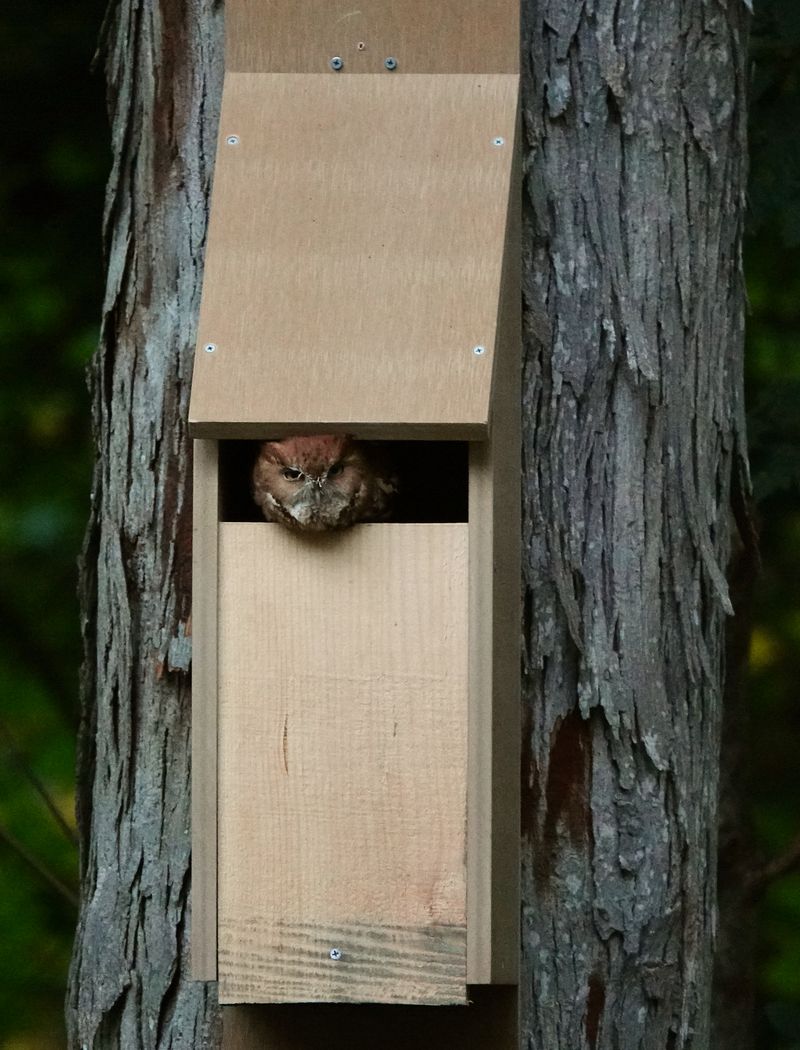
Size matters, and these numbers are for one species. A Central Texas TPWD and USFWS habitat guide lists screech-owl box specifications: an 8-by-8-inch floor, a cavity 12 to 15 inches deep, a 3-inch entrance hole, and a mounting height of 10 to 30 feet.
Those measurements fit a bird about the size of a soda can. They are not a plan for Barn Owls or Great Horned Owls, which need very different spaces or nest types.
Using them for other owls would just leave you with an empty box.
Build with untreated wood that is thick enough to insulate against both cold snaps and summer heat. Add drainage holes in the floor and some ventilation near the top, and keep the inside rough or add grooves below the entrance so young owls can climb out later.
Remember that screech-owls only sometimes accept boxes. Following the specs gives them a good nesting opportunity, not a promise.
Squirrels, bees, or wood ducks may check it out first, and that is just part of backyard wildlife.
Place the box near cover and leave nesting birds undisturbed
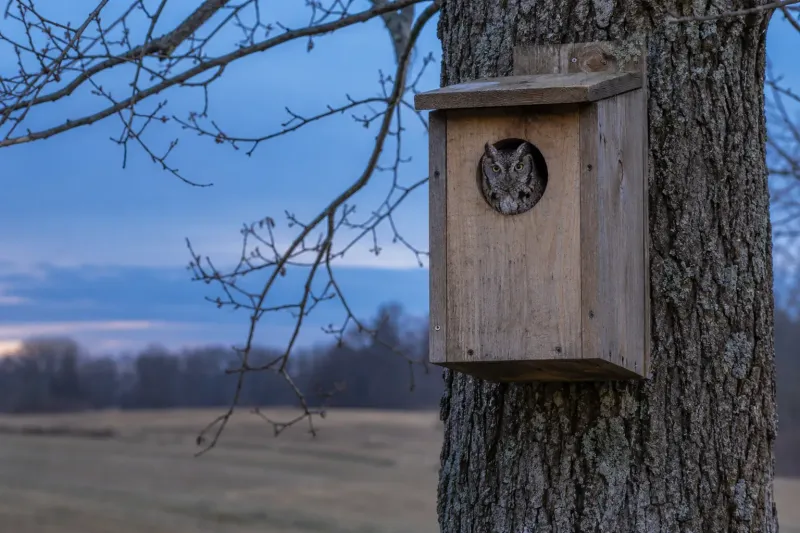
Where you hang the box counts as much as how you build it. Cornell’s NestWatch suggests placing it under a tree limb near a woodland edge, ideally with fields or wetlands close by.
The limb gives shade and cover, and the open ground gives hunting room.
Spread 2 to 3 inches of wood shavings on the floor, since screech-owls do not bring in much nesting material. If the box goes on a pole instead of a trunk, add a predator guard so snakes and raccoons cannot climb up.
Keep the entrance clear of branches that act like ladders for climbers.
Once the box is up, give it space. NestWatch cautions against disturbing nesting females, especially early in the nesting cycle.
Watch from a distance and skip the flashlight peeking.
Wildlife laws also come into play. The U.S.
Fish and Wildlife Service explains that nests, eggs, and birds of protected species have legal protections, and the details depend on the situation. Texas also treats owls as protected, and TPWD’s law enforcement FAQ addresses owls specifically.
If an active nest is in a bad spot, call your local wildlife agency before touching anything.
Farm studies show potential, not a backyard guarantee
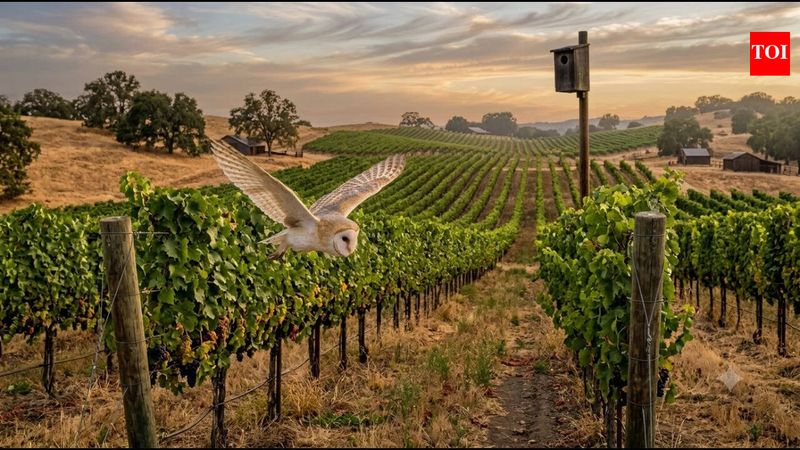
Most of the hard data on owl boxes comes from farms. In a Napa vineyard study of Barn Owl boxes, sites with occupied boxes were associated with lower gopher activity.
The decline in mice, however, could not be significantly credited to the boxes, and the researchers found voles hard to sample.
Another California vineyard project looked at what owls actually carried home. That study found voles, mice, and gophers made up most identified prey, while rats were a small share of the rest.
Prey removed is not the same as rats removed from a shed.
These results come from vineyards, with Barn Owls, in California. They do not tell us what a screech-owl pair will do around a Central Texas shed, and they should not be stretched that far.
Even the vineyard researchers see limits, and California pesticide regulators say, as their owl box guidance puts it, that owls work best alongside trapping and exclusion.
So the fair reading is hopeful but modest. Owls can be one piece of a rodent plan.
Whether a pair settles near you, and whether your shed rats become part of their diet, is something only time will show.
Seal the shed and keep rodent poison away from owls
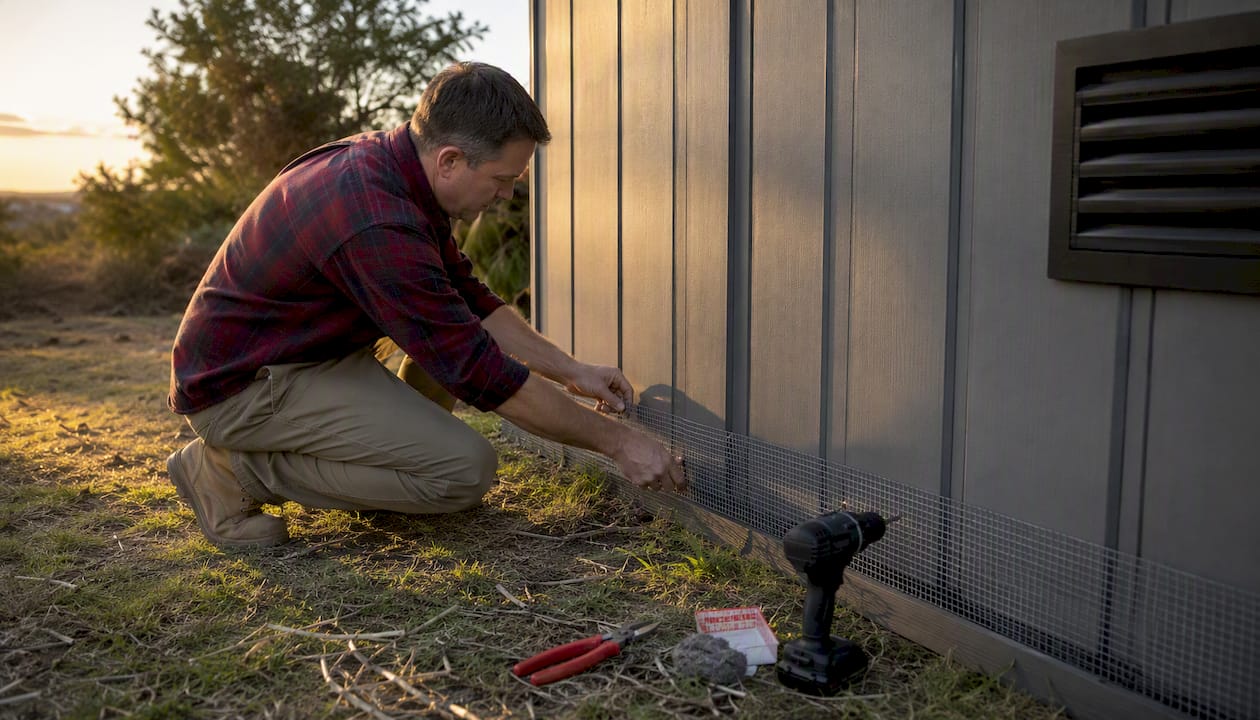
Quarter-inch gaps are enough to let mice in. CDC guidance says mice can squeeze through openings about that size, and it recommends sealing gaps around sheds and garages, securing food and garbage, and removing food and water sources that attract rodents.
Check door bottoms, vents, and where pipes or wires pass through walls, then patch with metal mesh or sealant.
Store birdseed, pet food, and compost scraps in lidded metal or heavy plastic bins. Fix dripping spigots and keep brush piles away from the shed walls.
These steps work whether or not an owl ever shows up.
Skip rodent poison. TPWD recommends traps instead of poisons, because owls can be poisoned by eating contaminated prey.
A poisoned rat moves slowly and is an easy meal.
Texas testing shows why this matters. A study of owls in Texas found anticoagulant rodenticide residues in 27 of 53 sampled owl livers.
That was a small, non-random sample, so it documents exposure but cannot tell us how common it is among all Texas owls.
A nest box is a welcome extra, not a substitute for a tight shed. Close the gaps first, and the owls get to be a bonus.