
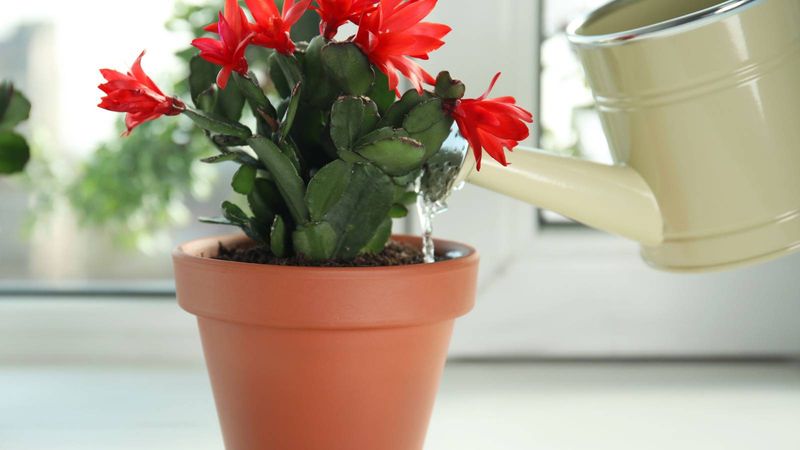
Your Christmas cactus sat green and quiet all fall, and now the holidays are getting close with not a single bud in sight. The good news is that this plant is easier to nudge than most people think.
A few simple changes to light, temperature, and care can wake it up fast. Here are eight tricks that can still bring those bright pink, red, or white flowers just in time for the season.
1. Give It Long, Total Darkness Every Night
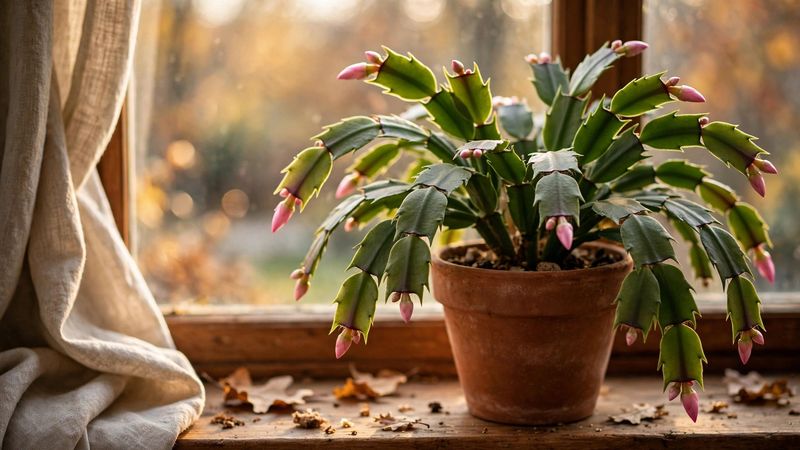
Picture your plant tucked into a dark closet like a kid at bedtime. Christmas cacti are short-day plants, which means they set buds when nights grow long and truly dark.
Even a lamp switched on in the living room for an hour can confuse them.
Aim for 12 to 14 hours of uninterrupted darkness each night for about six weeks. A spare closet, an unused bedroom, or a cardboard box placed over the pot all work well.
Just remember to move it back into bright, indirect light during the day so it can keep making energy.
Streetlights and TV glow count as light too, so check the spot after sunset. If you see a glow on the leaves, that location will not do the job.
Consistency matters more than perfection, so set a phone reminder for the same time every evening.
Most growers see tiny pink or red nubs forming at the stem tips within three to six weeks. Once those buds appear, you can relax the routine a bit.
The plant has already received the message it was waiting for, and nature takes over from there.
2. Chill It Down With Cool Nights
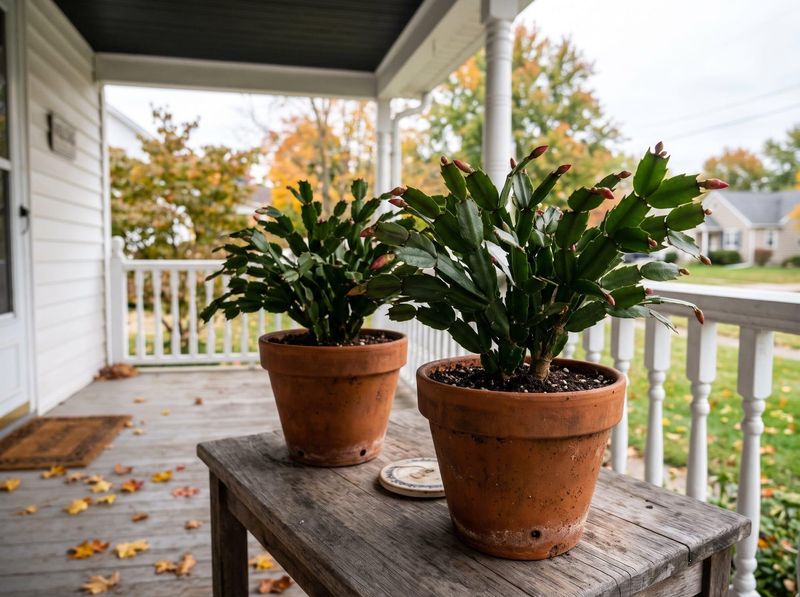
Cool air works like a secret password for blooming. If your home stays toasty all day and night, the plant may never feel the seasonal shift it needs.
Dropping the temperature can trigger buds even when darkness alone falls short.
Look for a spot where nights fall to roughly 50 to 60 degrees Fahrenheit. An enclosed porch, a chilly guest room, or a window in a cool basement can be ideal.
Daytime temperatures in the mid-60s are perfectly fine.
Here is a fun bonus. When nights hold steady near 50 to 55 degrees, many Christmas cacti will set buds regardless of how much light they get.
That makes cool temperatures a great backup plan if a dark closet is hard to manage.
Just watch for frost. Anything below 45 degrees can damage the fleshy stems, and freezing will kill them outright.
Keep the pot away from drafty doors that swing open to winter air, and skip spots right against icy glass. A cheap indoor thermometer takes the guesswork out of the whole process and helps you find the sweet spot.
3. Cut Back on Watering for a Few Weeks
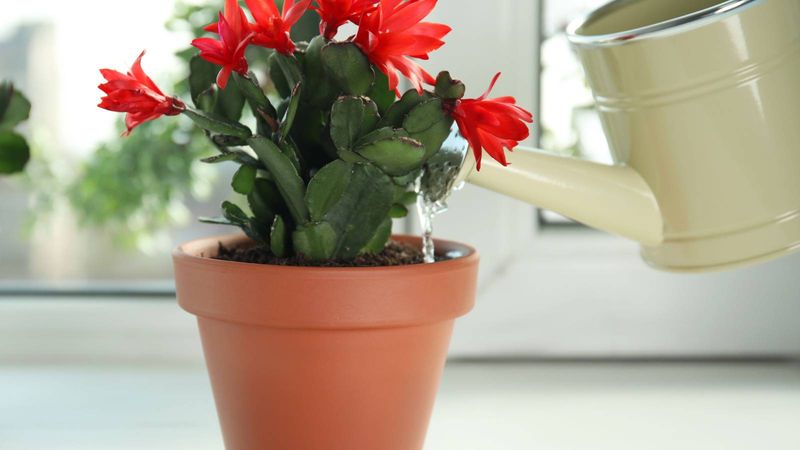
A little thirst goes a long way. In the wild, these plants grow on trees in Brazilian mountain forests, where a drier stretch hints that flowering time is near.
Copying that pattern at home tells your plant to stop growing leaves and start thinking about flowers.
For about four to six weeks, let the top inch or two of soil dry out before watering again. Give a moderate drink, let the extra drain away, and then wait.
The stems may soften slightly, and that is okay.
Never let it sit bone dry for weeks on end, though. Shriveled, wrinkled pads mean you have pushed too far.
A quick, gentle soak will usually plump them back up within a day or two.
Soggy soil is actually the bigger danger. Wet roots rot quickly in cool rooms, and a rotting plant has no energy left for blooms.
Always use a pot with drainage holes and empty the saucer after watering.
Once buds appear, return to regular, even moisture. Developing flowers need steady water to swell and open properly, so this dry spell is only a short chapter in the plant’s year.
4. Stop Feeding Fertilizer Until Buds Show
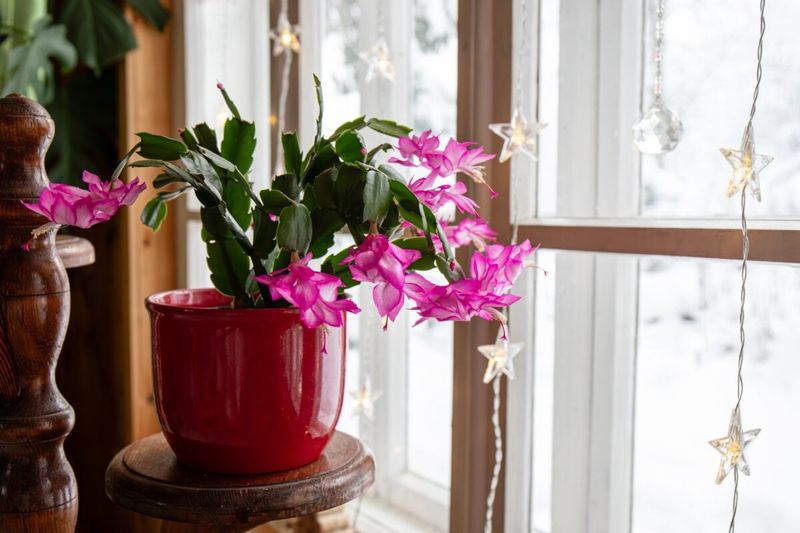
Sometimes love comes in the form of doing less. Plenty of gardeners keep feeding their Christmas cactus all autumn, thinking extra nutrients will help.
In reality, steady fertilizer encourages fresh green growth instead of flowers.
Put the plant food away by early fall, or right now if you have not stopped yet. Without that nitrogen boost, the plant shifts its focus from building new pads to creating buds.
It is a simple swap that costs nothing.
Many people notice a big difference with this trick alone. A plant that looked lush but flowerless for years suddenly sets buds once the feeding ends.
The change feels almost too easy to be true.
You can restart fertilizing after blooming finishes, usually in late winter or early spring. A balanced houseplant formula at half strength every few weeks through summer keeps it strong for next year.
Some experienced growers also give a light dose of Epsom salt during the growing season. Christmas cacti seem to appreciate extra magnesium.
Just skip it during the bud-setting window, because the goal right now is rest, not a growth spurt that delays your holiday show.
5. Find the Right Bright, Indirect Light
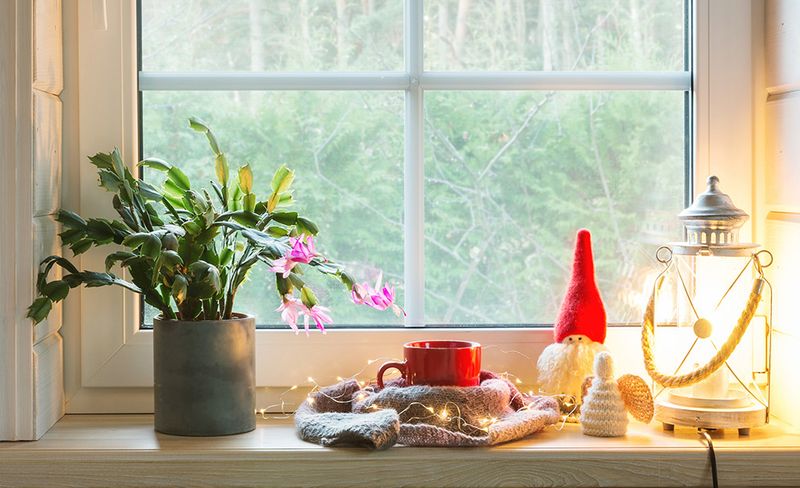
Ever notice how some plants flourish in one window and sulk in another? Light during the day still matters, even while you are managing those long, dark nights.
Your plant needs energy to build buds, and that energy comes from daylight.
Bright, indirect light works best. An east-facing window with gentle morning sun is a favorite spot.
A south or west window can work if you filter the light with a sheer curtain.
Harsh direct sun can scorch the stems and turn them reddish or purple. That color change is a stress signal, not a sign of health.
Moving the pot a few feet back from the glass usually solves the problem.
On the other hand, a dim corner leaves the plant too weak to flower. If your home is short on natural light, a small grow light for several hours during the day can help.
Just be sure it turns off well before evening.
Think of it as a balance between sunny days and truly dark nights. Get both right, and you are giving your cactus the same rhythm it would feel growing in its forest home.
6. Keep It Snug in Its Pot
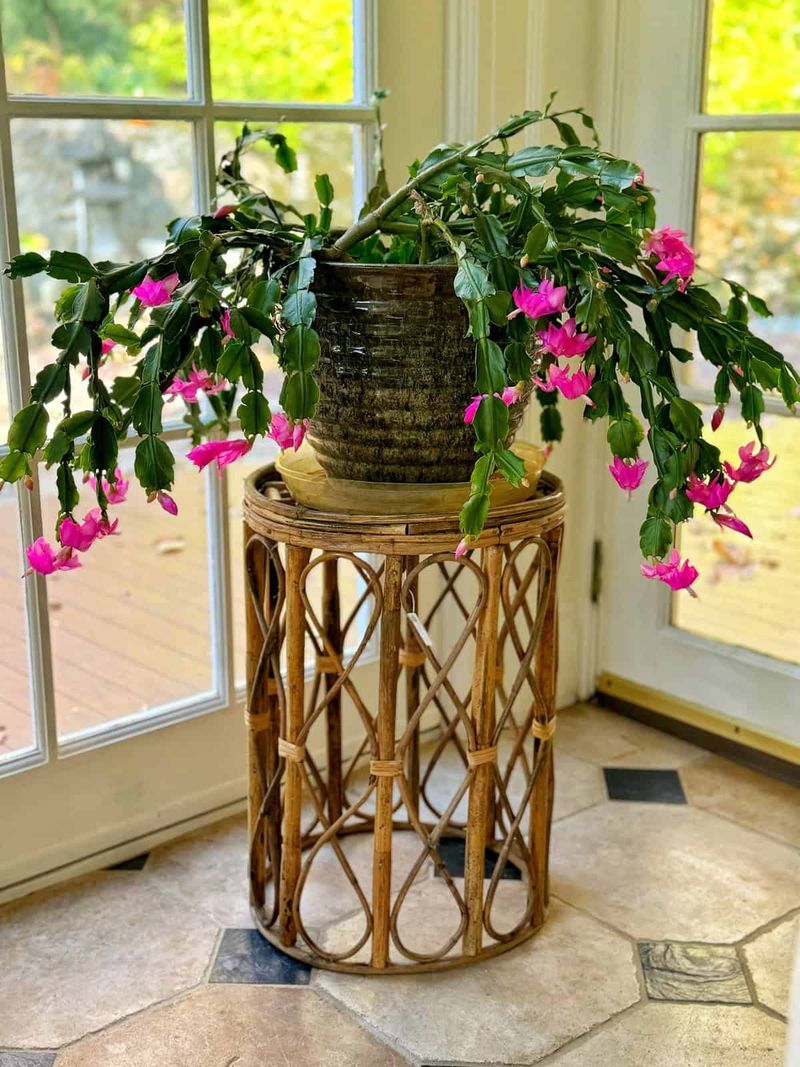
Bigger is not always better, especially when it comes to pots. Christmas cacti actually like being a bit crowded.
A snug root system tends to push the plant toward flowering instead of spreading roots into extra soil.
If you were planning to repot this fall, hold off. Repotting now disturbs the roots and can stall bud formation for months.
Spring, right after blooming ends, is the safer time.
When you do eventually repot, go up only one size. A jump from a four-inch pot to a six-inch pot is plenty.
Use a loose, fast-draining mix, such as cactus soil blended with some orchid bark or perlite.
Here is a sweet bit of history. Many families pass down Christmas cacti for generations, and some plants are over 100 years old.
Those heirloom treasures often live in the same modest pots for years and keep blooming reliably.
So if your plant looks a little tight in its container, take that as good news. It is probably right where it wants to be.
Leave it alone this season and let it put every ounce of strength into flowers.
7. Avoid Moving It Once Buds Appear
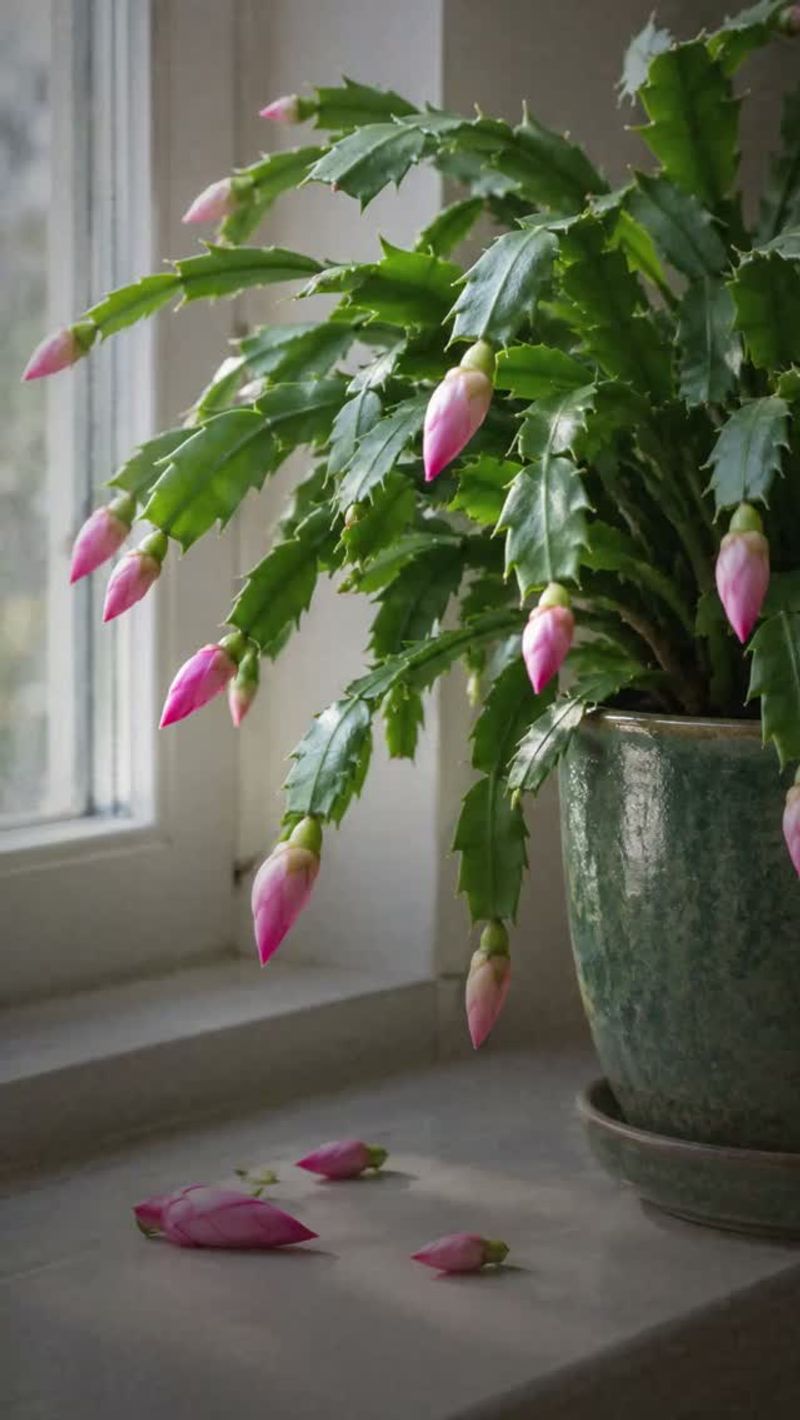
Those first tiny buds are thrilling, and the urge to show them off is real. Resist it.
Christmas cacti are famously fussy about sudden changes once flowers start forming.
Moving the pot to a new room, a different window, or even turning it around can cause buds to drop. Shifts in light direction, temperature, or humidity all add up to stress.
The plant reacts by letting go of the buds it was working so hard to build.
Pick a final display spot before buds form, if you can. That way you can enjoy the show without risking it.
If you must move it, do so gently and choose a place with similar light and warmth.
Also keep it away from heat vents, fireplaces, and drafty doors. Hot, dry air from a furnace is one of the most common bud-drop culprits during the holidays.
A cool, steady room is far kinder.
Be patient as the buds grow. They can take several weeks to swell and open, moving from tiny nubs to dangling, colorful blossoms.
Once they bloom, a single plant can stay in flower for weeks, rewarding your patience handsomely.
8. Boost Humidity Around the Plant
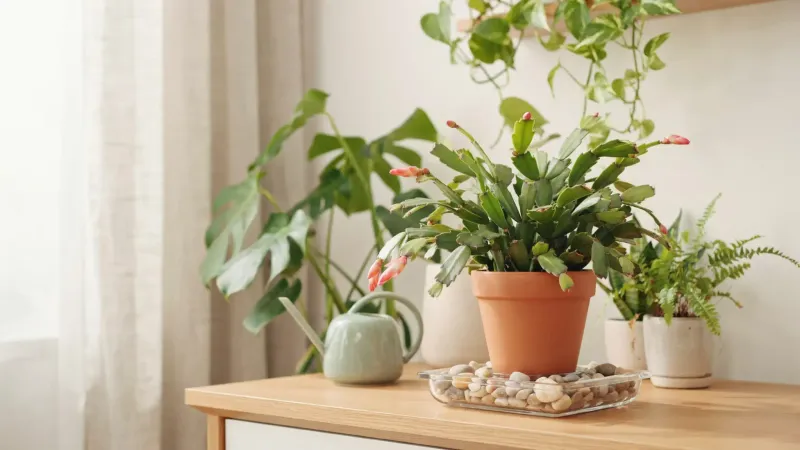
Winter air indoors can be drier than a desert, which surprises folks who assume a cactus loves dryness. Despite the name, this plant comes from humid cloud forests, not sandy deserts.
Dry air can leave buds shriveled or cause them to fall before opening.
A pebble tray is an easy fix. Fill a shallow dish with pebbles, add water just below the top of the stones, and set the pot on top.
As the water evaporates, it creates a moist pocket of air around the leaves.
Grouping houseplants together helps too, since they release moisture and share it with their neighbors. A small room humidifier is another great option, especially in homes heated by forced air.
Misting gives only a brief bump and can encourage leaf spots if overdone, so lean on the tray or humidifier instead. Aim for humidity around 50 percent if possible.
An inexpensive hygrometer will tell you exactly where things stand.
With moist air, cool nights, and steady care, your plant has every reason to burst into color. Soon you may have a holiday centerpiece that looks like it came straight from a florist.