
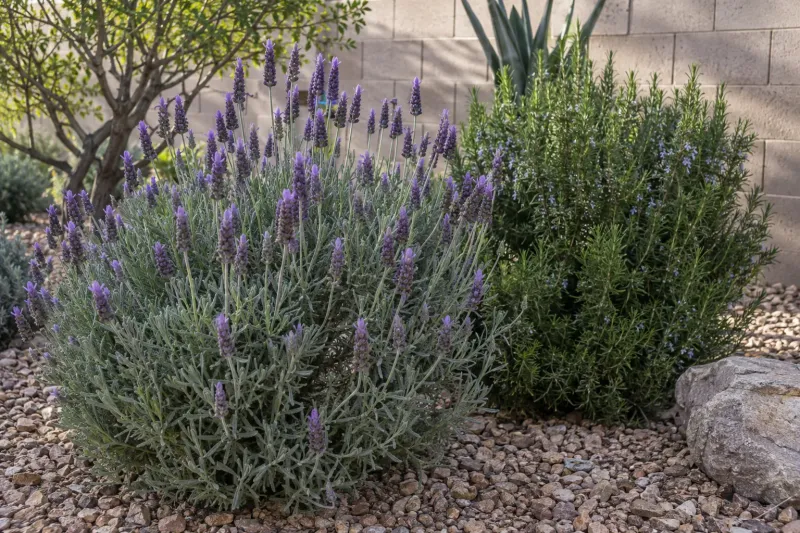
Pruning leaves you with a pile of fragrant stems that could become free plants. Many gardeners use a glass of water, but some swear by sand instead.
Sand can work for rosemary and lavender, though it is not proven to beat water. Here is how to try it with household supplies and realistic expectations.
Sand can root these herbs, but its speed advantage is unproven
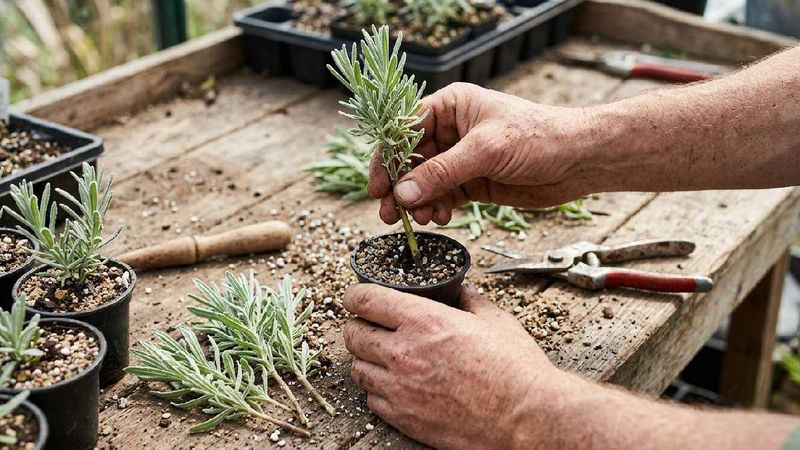
Sand is a cheap, credible rooting medium for woody herbs. In an Auburn University greenhouse trial, 82% of lavender cuttings and 93% of rosemary cuttings rooted in sand.
Those numbers come with big limits. The researchers used rooting hormone and misted the cuttings every 20 minutes.
They also compared sand only with other solid media, and water was never tested.
So the trial shows that sand can work. It does not show that sand is faster than water, and it says nothing about a jar on a windowsill.
Please do not treat those percentages as what a home setup will deliver.
Water is not a bad choice either. A University of California rosemary fact sheet lists water as an option next to moist medium.
Think of sand as one more tool to try, not an upgrade that always wins.
Choose healthy shoots and match the season to the herb
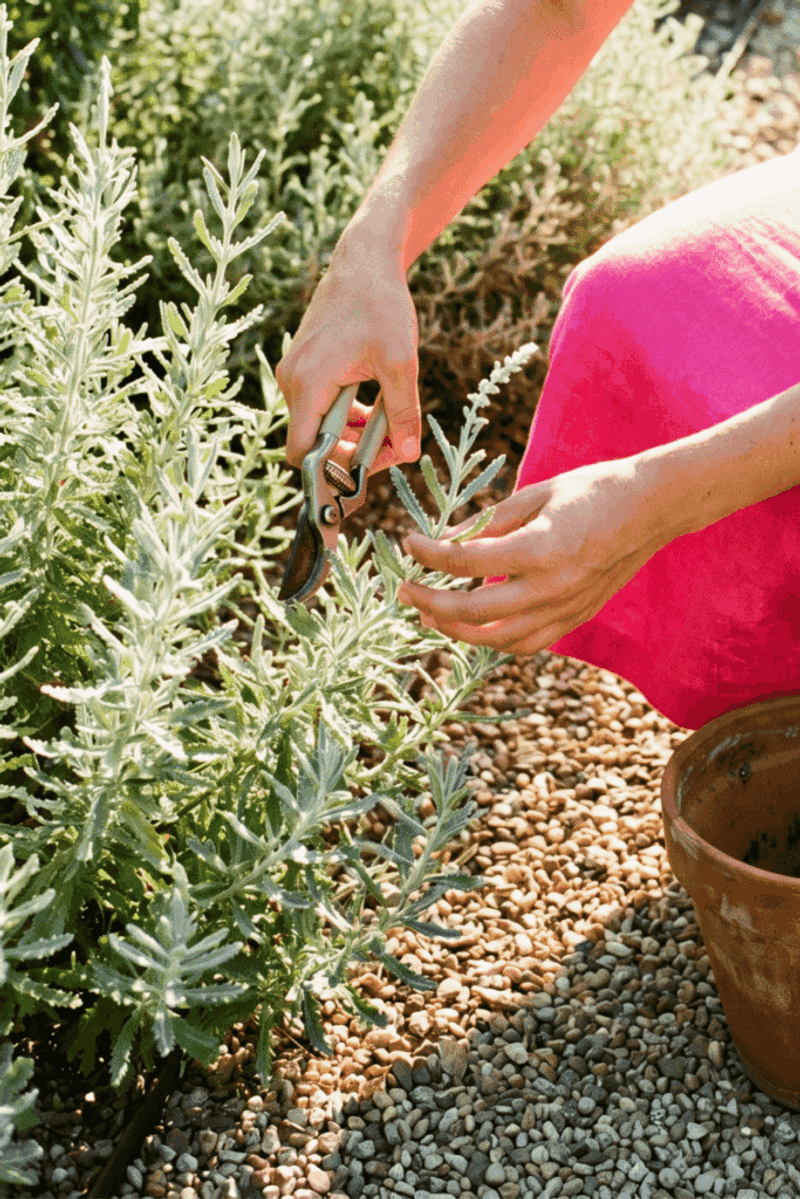
Not every pruned stem makes a good cutting. Pick healthy shoots that are not flowering, since they put their energy into roots instead of blooms.
Skip anything woody, limp, pest-chewed, or spotted.
Lavender has a seasonal pattern. University of California guidance suggests softwood cuttings in early spring or semi-hardwood cuttings in late summer to autumn.
Cultivars differ too, so some lavenders root more willingly than others. Iowa State Extension notes that non-flowering shoots root readily in well-drained media.
Rosemary guidance favors non-flowering, soft new growth.
Cutting type matters as well, and the two herbs do not agree. In the Auburn trial, lavender rooted better from terminal cuttings, while rosemary did better from medial ones.
Treat each herb on its own terms.
Give sand moisture, air, and a way to drain
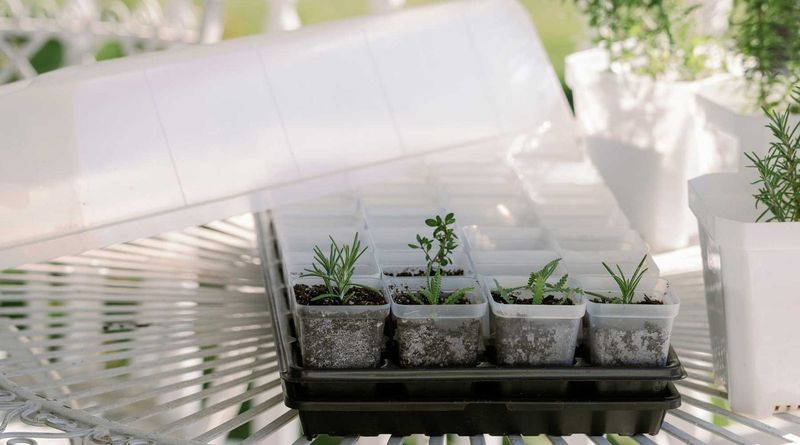
Start with clean, coarse sand. University of Florida guidance points toward coarse material, because very fine sand packs tight and limits air around the stem.
Cuttings need a medium that is moist and aerated, not soaked. NC State Extension stresses both moisture and aeration.
Lavender in particular can rot when drainage is poor, as UC guidance warns.
Use a clean container with drainage holes. If you love watching a glass jar, set a perforated inner pot or cup inside it, then check the jar and pour out any runoff.
A sunny sill alone does not guarantee good conditions. The drainage and moisture routine matters more than the location.
Prepare each cutting without treating the herbs as identical
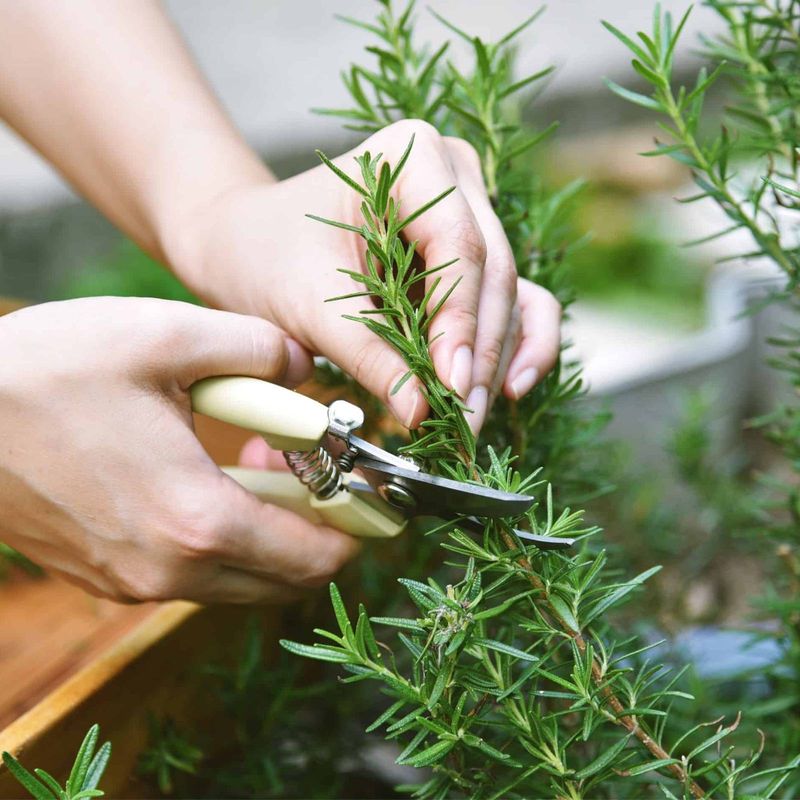
For rosemary, the University of California fact sheet describes cuttings of 4 to 5 inches from non-flowering branches. Strip the lower leaves so no foliage sits in the sand.
That length is documented for rosemary only. The sources here do not give an exact length for lavender, so use the same clean-cut, leaf-stripped approach and stay with healthy non-flowering shoots.
Do not assume one style fits both herbs. The Auburn trial found lavender favored terminal cuttings and rosemary favored medial ones.
If you have plenty of material, try both styles and see what your plants prefer.
Use clean snips, and set each cutting into pre-moistened sand. NC State Extension warns that cuttings can dry out before roots form, so work quickly.
Keep cuttings humid and bright without waterlogging them
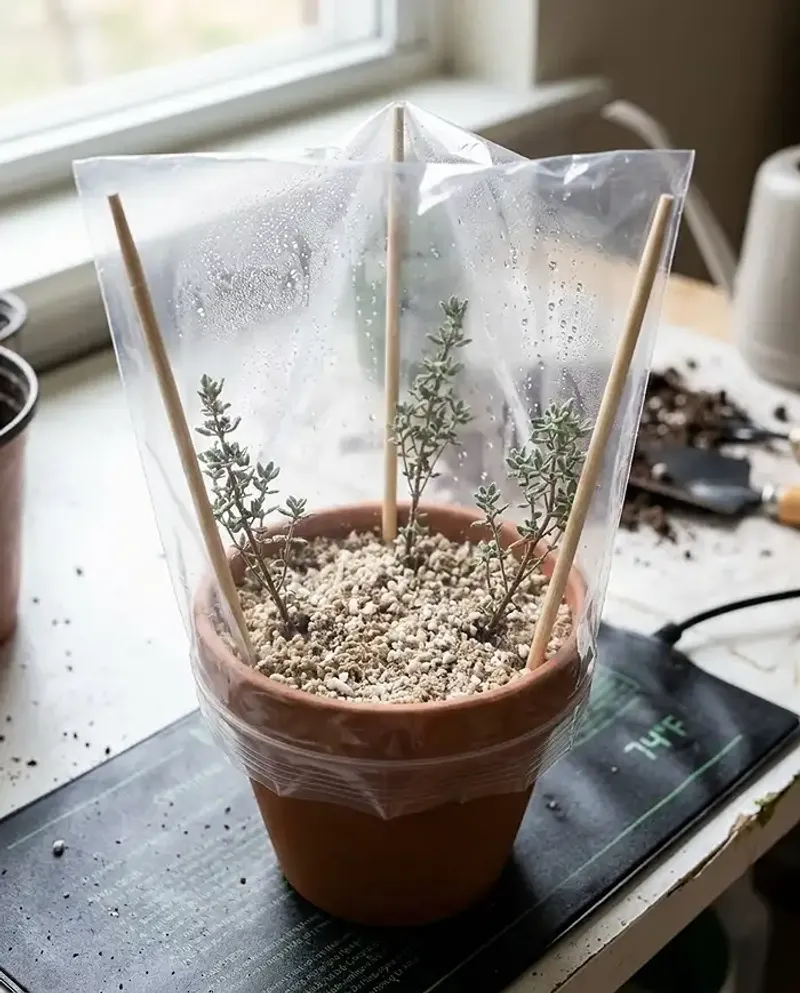
Cuttings have no roots yet, so they lose water faster than they can drink it. Humidity helps, and bright, indirect light fuels the process without cooking the leaves.
A clear cover can hold humidity, but too much light beneath it can damage foliage, as Iowa State Extension explains. If leaves look scorched, move the pot back from the glass.
Lift the cover now and then for fresh air.
Moisture is a short-term need. Established rosemary and lavender like well-drained soil, and UC guidance links excess moisture to rot in lavender.
Aim for sand that feels like a wrung-out sponge, never a puddle.
NC State Extension backs the balance of moisture and air. Black or mushy stems mean the sand is too wet.
Allow weeks for roots and take more cuttings than you need
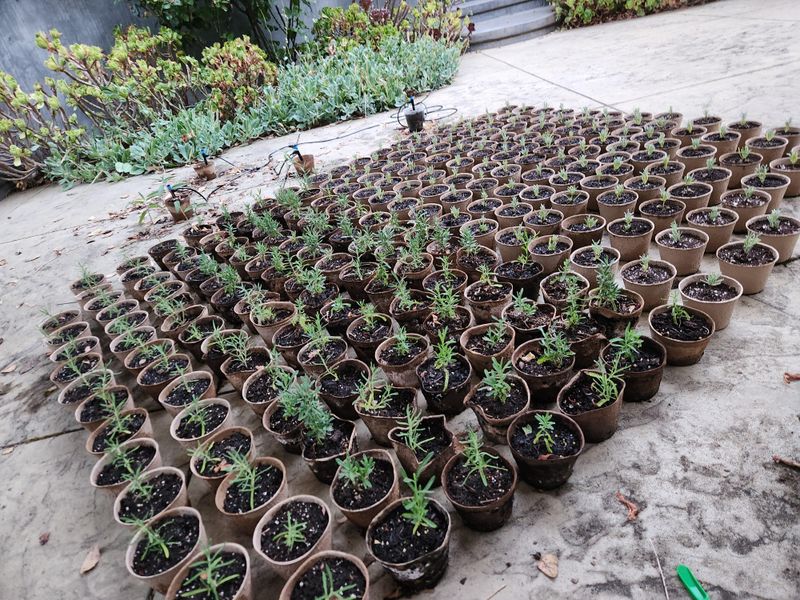
Patience pays here. UC guidance gives lavender about 4 to 6 weeks, with differences among cultivars.
For rosemary, the UC fact sheet reports 2 to 5 weeks for softwood cuttings.
Treat those as reference points. They do not promise results in a household sand setup, and season, light, and warmth can stretch the timeline.
Take extras. A North Carolina Extension rosemary guide estimates 30 to 50% success for its own method and suggests taking two to three times as many cuttings as you want.
That figure is not a rule for all rosemary, lavender, or sand at home.
Finally, roots are only step one. A cutting with roots still needs time to grow new leaves and strength before it counts as a plant.
Treat spring planting as a possibility, then harden plants off
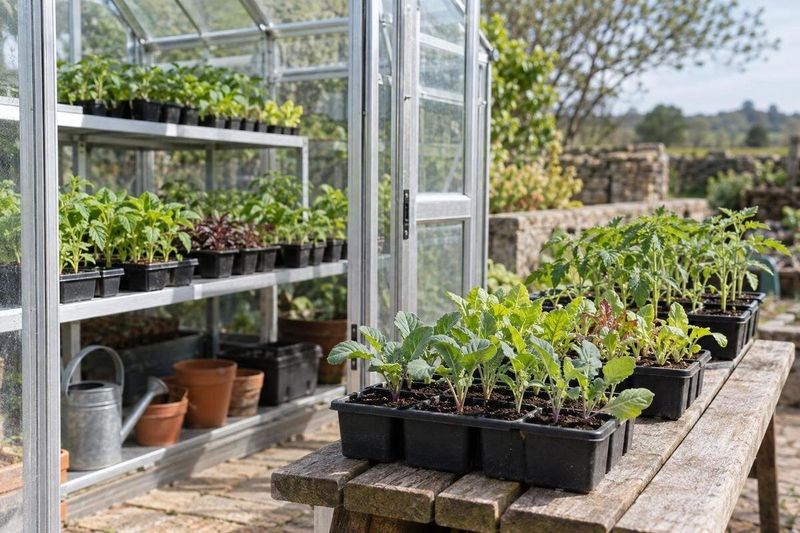
Rooting during the cool months could line up with spring planting, but it is a hope, not a schedule. Species, cultivar, season, light, and moisture all shift the timing, and some cuttings will not make it.
A rooted cutting has lived in sheltered, humid air. Wind, direct sun, and temperature swings can shock it.
NC State Extension describes gradual hardening off for plants raised under protection.
Start with an hour or two of shade outdoors, then add time and sunlight over a week or more. Hold off if a cold snap threatens.
Once planted, give lavender especially the drainage UC guidance recommends.
Sand is an inexpensive method to try, not a proven shortcut past water. A few pots of sand cost almost nothing, and one thriving rosemary pays you back.