
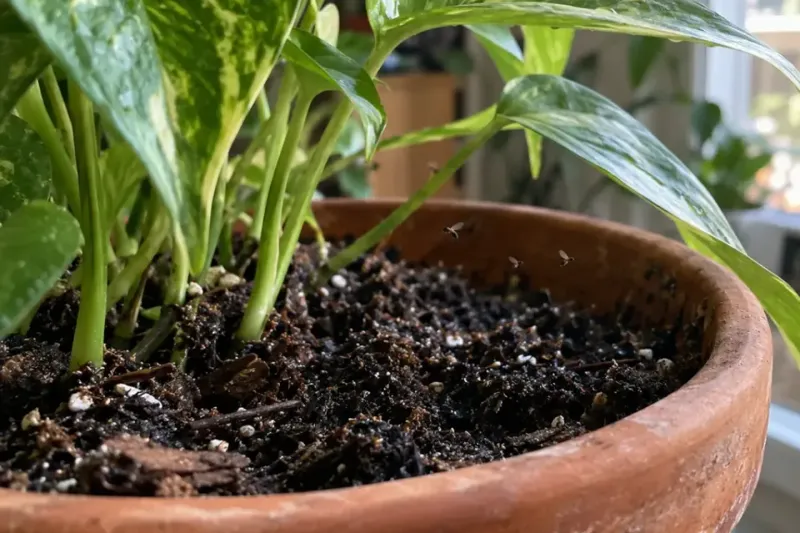
Saving used coffee grounds for your houseplants feels like a smart, thrifty habit. Then tiny flies start hovering over the pots, and the grounds get the blame.
The real story is more about damp soil and decaying material than about coffee. Here is what to check, what to remove, and what to do instead.
Coffee grounds are not a proven fungus-gnat attractant
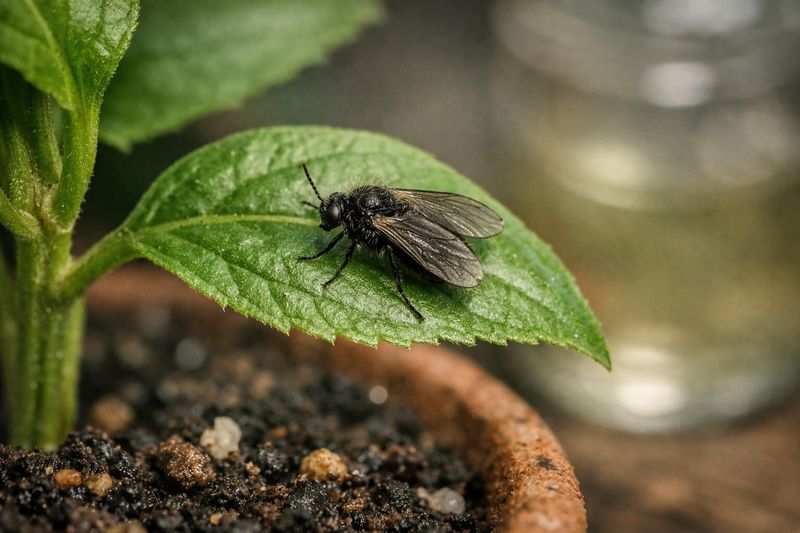
Plenty of people notice tiny flies soon after adding coffee grounds to a pot, so it is easy to see why the grounds get blamed. UC IPM describes fungus gnats as insects that breed in moist potting media and decomposing organic material.
Their larvae feed mainly on fungi and organic matter, and sometimes on roots.
What the sources reviewed do not show is that coffee grounds specifically attract or feed fungus gnats, or that sprinkling them starts an infestation. A Washington State University Extension review found no published evidence that grounds attract or repel garden pests in general.
The narrower point still matters. Used grounds are organic material that can hold moisture, so adding them to soil that is already damp is not a proven remedy and may make control harder.
One caution: not every small fly near a plant is a fungus gnat. The advice in this article fits fungus gnats you have identified or strongly suspect, and may not suit other insects.
Why winter can leave potting mix wet for longer
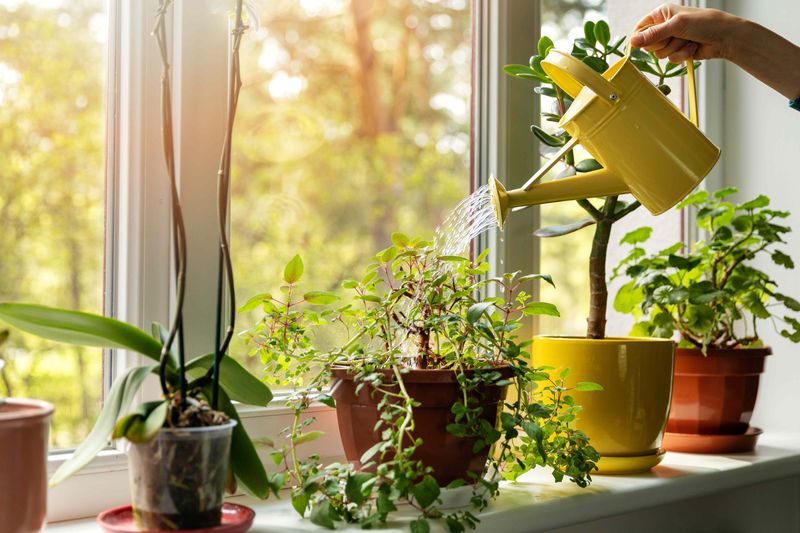
Shorter days and cooler rooms change how plants behave. With lower light, many plants grow more slowly and drink less, so a pot watered the way you did in July may stay wet far longer.
That lingering moisture is the condition Colorado State University Extension ties to fungus gnat problems in houseplants. Winter does not cause gnats by itself.
Gnats may also just seem more obvious because we spend more time indoors.
Needs differ by species, pot size, pot material, and the conditions in your home. A cactus on a cold sill and a fern in a warm bathroom will not dry out on the same timeline.
University of Minnesota Extension stresses that growing-media moisture is a key lever, which is why checking the soil beats following a calendar.
Remove the grounds and decaying debris first
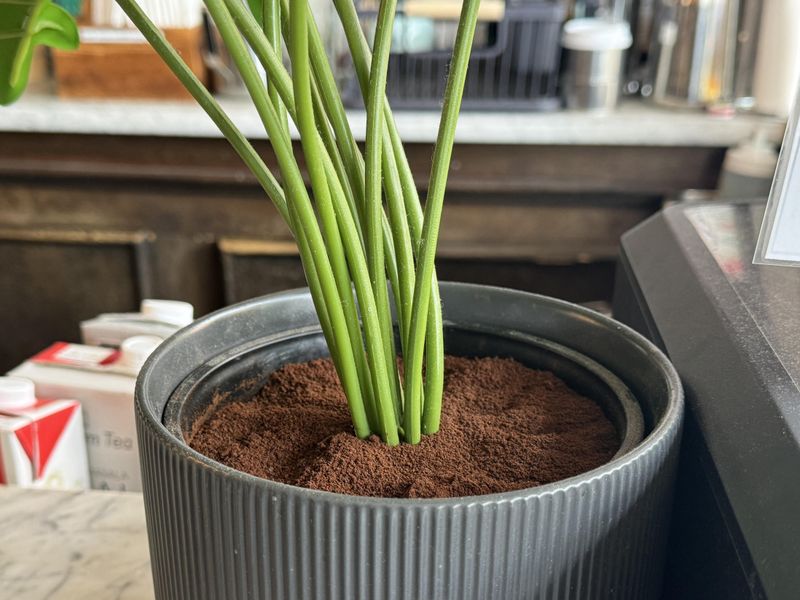
Start with the easiest step. Scrape the coffee grounds off the soil surface of any affected pot, and toss them in the trash or a compost pile rather than back onto the plants.
Next, pick off dead leaves, spent blooms, and any other rotting bits on top of the soil. UC IPM recommends cleaning up organic debris and avoiding incompletely composted organic material in potting media.
While you are dealing with gnats, hold off on burying food scraps or adding other organic amendments to your pots.
Cleanup takes away food and breeding spots you do not need, but it is not a guaranteed cure. Think of it as the first move, paired with the watering changes in the next section.
Water for the plant, not the calendar
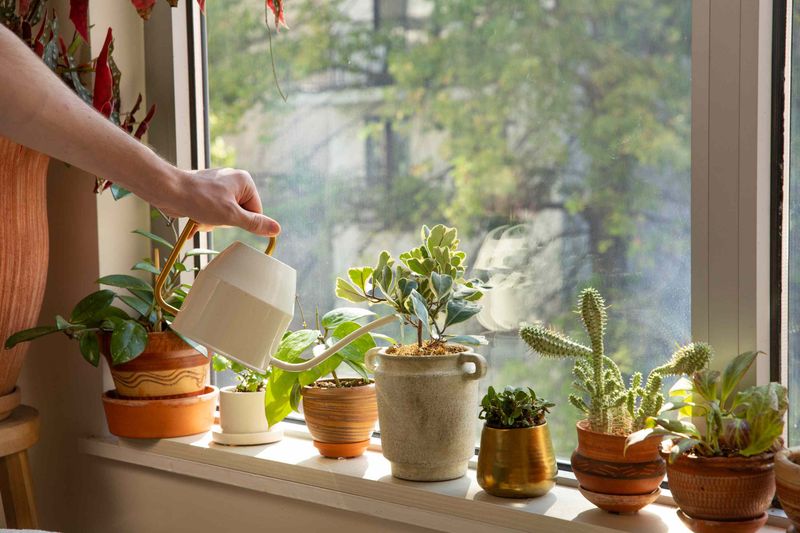
Skip the fixed schedule. A rule like water every ten days ignores the plant, the pot, and the room, so check the soil itself before reaching for the watering can.
Where the plant can tolerate it, let the soil surface dry between waterings. University of Minnesota Extension advises drying the surface as much as possible without letting the plant wilt.
Moisture-loving plants like ferns may need a lighter touch than this, and plenty of plants should never dry out completely.
Drainage matters too. Make sure pots have holes, and empty any water that collects in saucers soon after watering, since standing water keeps the lower soil damp.
UC IPM also points to drainage and careful watering as part of gnat management.
A simple test is to push a finger an inch or two into the mix. If it feels wet, wait a day or two and check again.
Sticky cards catch adults, but larvae need a soil-level response
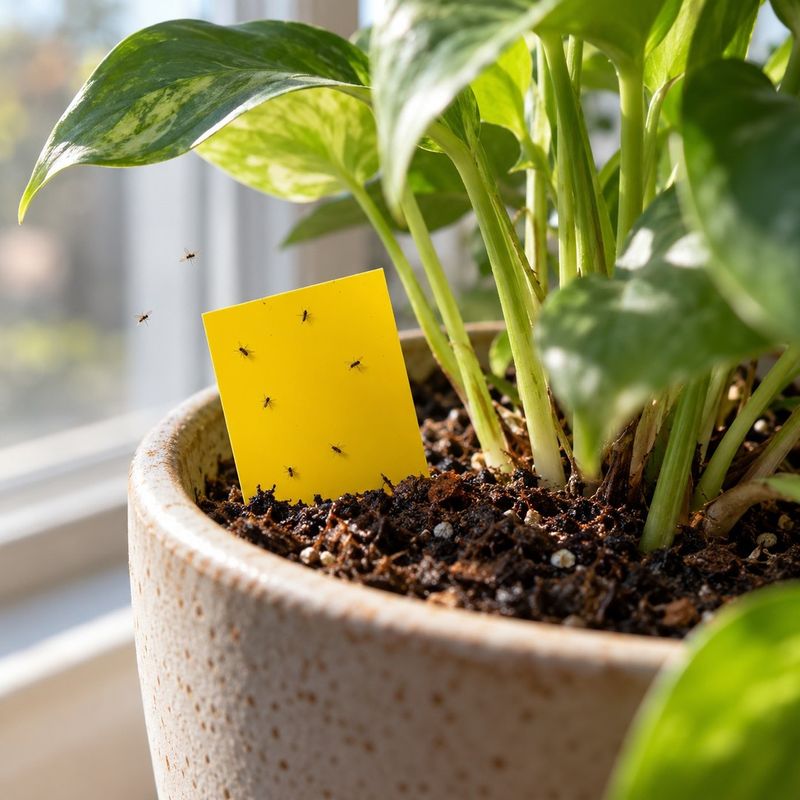
Yellow sticky cards are handy for seeing what you are dealing with. They catch some adult gnats and show whether numbers are rising or falling, but the larvae living in the soil are not touched.
To check for larvae, lay a slice of raw potato on the soil for a day or two, then look underneath for tiny worm-like critters. University of Minnesota Extension describes both the traps and the potato trick.
If the problem persists, UC IPM lists Bti as an option. It targets larvae, not adult flies, and repeat applications may be needed.
Only use a product whose label covers your intended indoor use, and follow its current directions. The EPA label for Mosquito Bits shows how specific those directions can be.
Skip homemade chemical mixes or off-label pesticides.
Compost coffee grounds instead of applying them fresh
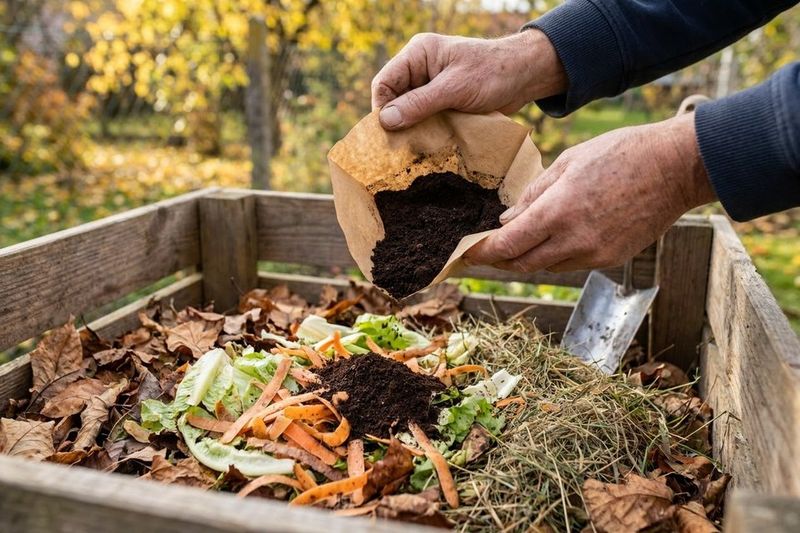
Here is the swap. Keep saving your grounds, but send them to a compost pile instead of your pots.
Washington State University Extension recommends composting grounds rather than using them fresh as a soil amendment or mulch.
That advice is about gardens and landscapes. It is not a tested houseplant fertilizer recipe, and composting grounds will not cure a gnat problem.
Fresh grounds can also be hard on plants in some cases. One peer-reviewed study found slower growth when spent grounds were applied directly to several outdoor-grown species.
Those results do not prove the same effect for every houseplant or every amount.
Also skip the idea that grounds reliably make soil acidic. Their pH varies, so do not count on them for that.
Most fungus-gnat infestations are a nuisance, not a crisis
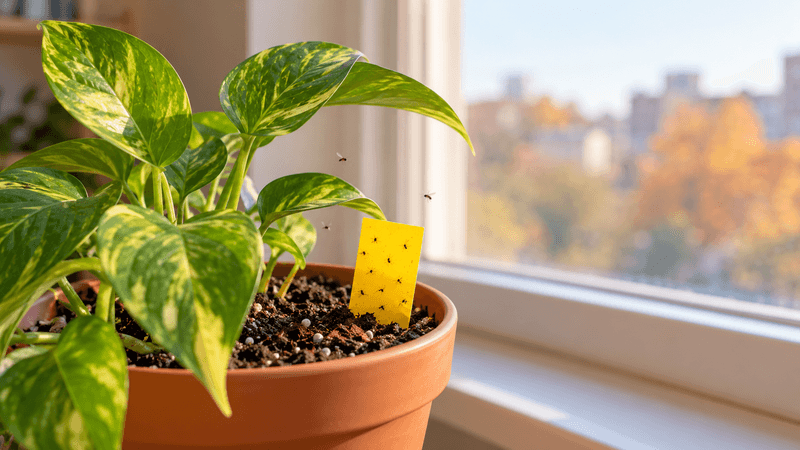
Few things are more irritating than gnats drifting up from a plant you care about, but they are rarely a disaster. University of Minnesota Extension says they rarely damage indoor plants.
UC IPM notes that larvae can harm roots in some cases, especially on young plants or when numbers are high.
The routine is simple: clear off debris, water to fit each plant, watch adults with sticky cards, and consider a labeled larval product if they hang around. It may take a few weeks to see a difference.
A gnat cloud is a moisture clue, not a verdict on your plant care.