
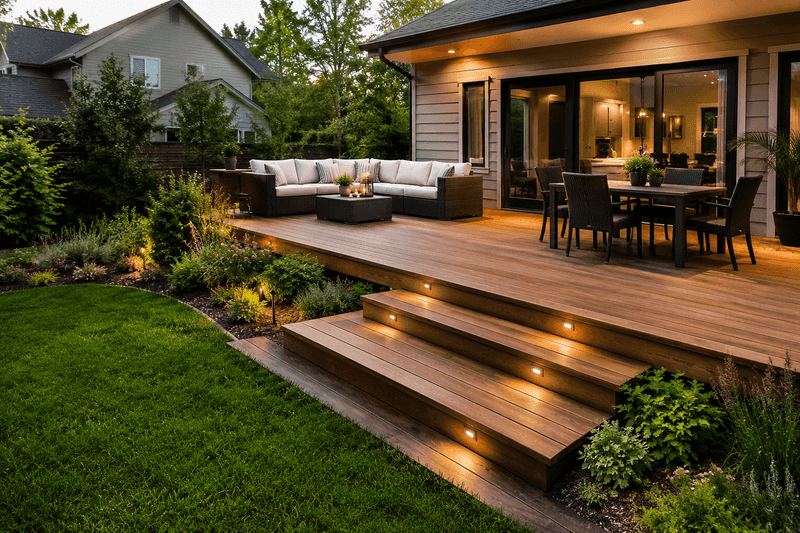
You own the land, so you should be able to build whatever you want on it, right? Not quite, at least not in most Texas cities.
Plenty of common backyard upgrades need a city permit first, and skipping that step can mean fines, stop-work orders, or trouble when you sell your house. Here are eight yard projects to check with your city before you grab a shovel.
1. Fences Over a Certain Height
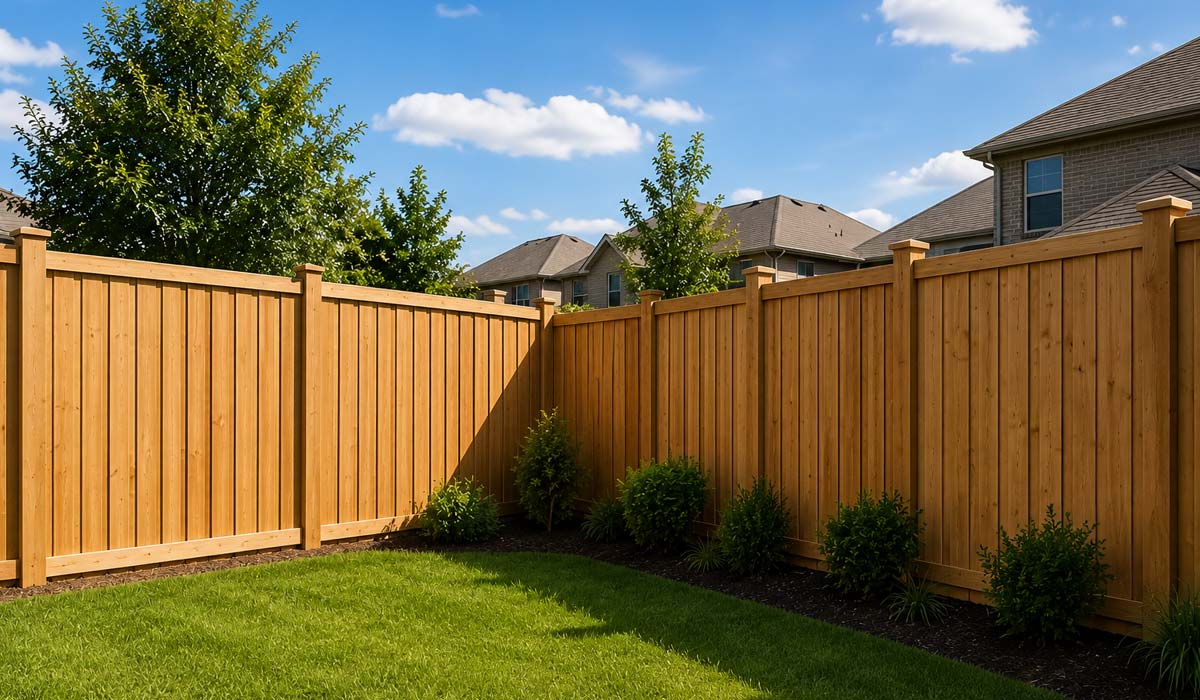
Picture a brand-new eight-foot cedar fence, stained and gorgeous, and then a code officer knocking on your door the next week. That happens more often than you would think in Texas suburbs.
Cities like Austin, Dallas, and Houston usually allow fences up to about six or seven feet without much fuss, but many still want a permit for any new fence or replacement. Go taller, put it in a front yard, or build near a corner where drivers need to see, and the rules get stricter fast.
Call your city’s permit office before ordering lumber. Also check your HOA rules, since they often have their own height and material limits on top of city code.
2. Swimming Pools and Spas
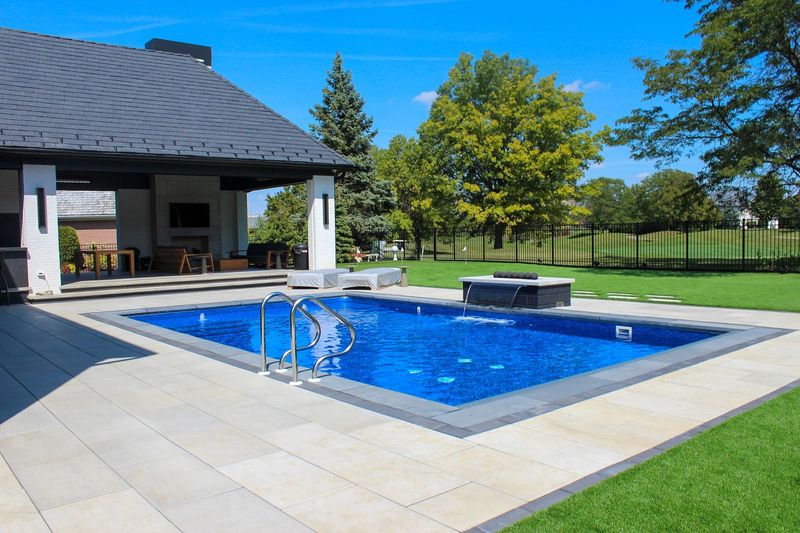
Nothing beats a pool during a 105-degree August in Texas. Almost nothing needs more paperwork, either.
In-ground pools nearly always require building, electrical, and plumbing permits. Texas also has safety barrier rules, so you will likely need a fence of a certain height with self-closing, self-latching gates around the water.
Even some above-ground pools and hot tubs need a permit once they pass a certain depth or need new wiring. A good pool builder usually pulls permits for you, but ask to see them before digging starts.
3. Storage Sheds and Workshops
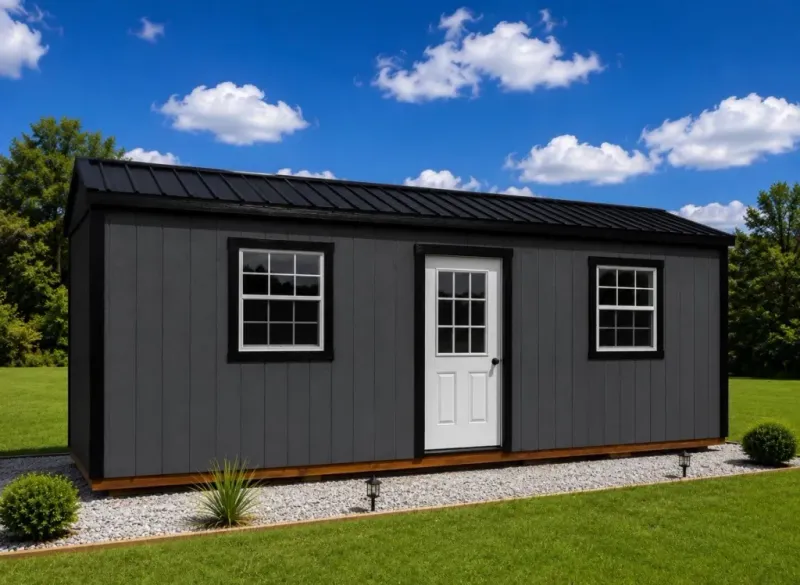
Sheds seem harmless. It is just a little box for the mower and the holiday decorations, after all.
Size is the catch. Many Texas cities let small sheds slide, often under 120 or 200 square feet, but anything bigger usually needs a building permit.
Add electricity for a workshop, and you will need an electrical permit too.
Setbacks matter as well. Most cities require sheds to sit a few feet from property lines and away from utility easements, so measure before you pour any foundation.
4. Decks and Raised Patios
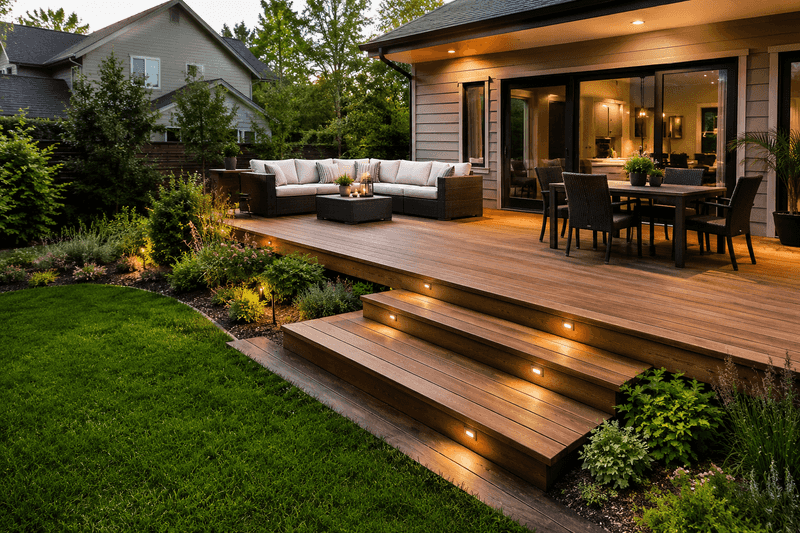
Here is a fun bit of trivia: many building codes use 30 inches as the magic number for decks. Build a deck more than 30 inches off the ground, and you will usually need a permit and railings.
Decks attached to your house almost always need review, since a poorly fastened ledger board is one of the top reasons decks collapse. Inspectors check footings, beam sizes, and stair rises to keep everyone safe.
Low, freestanding patios on the ground often skip permits. Still, a quick phone call beats tearing apart weekend work later.
5. Pergolas, Patio Covers, and Carports
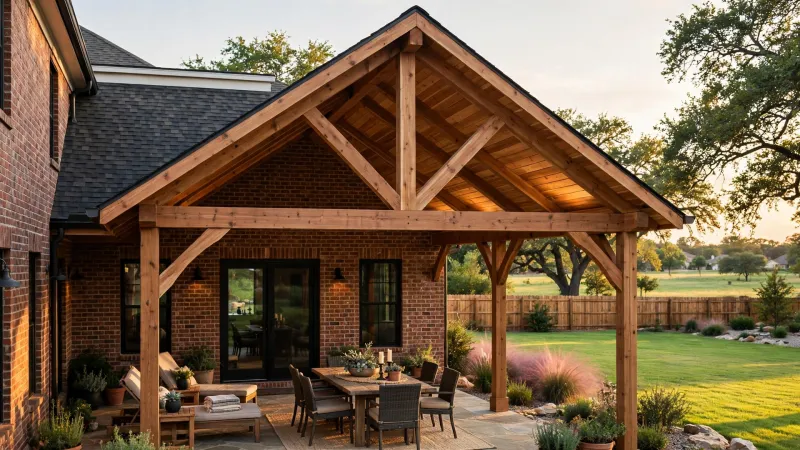
Shade is gold in Texas, which is why patio covers are popping up across every neighborhood from San Antonio to Plano. Cities noticed.
Open pergolas sometimes get a pass, but solid-roof patio covers and carports almost always need a building permit. They have to handle wind loads, and Texas storms can turn a weak cover into a flying sail.
Adding lights or ceiling fans means electrical work, which brings its own permit. Plan for both from the start.
6. Retaining Walls
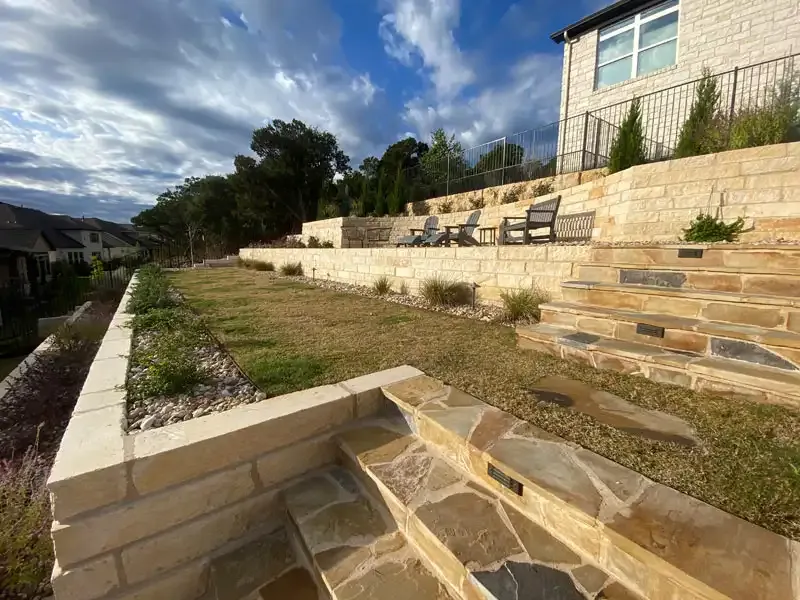
Sloped yards in the Hill Country look amazing with stacked limestone terraces. Taller walls, though, are serious engineering.
Many Texas cities require a permit for retaining walls over about three or four feet tall, and some ask for an engineer’s stamp. Our clay soil swells when wet and shrinks during drought, which pushes hard against walls.
Walls can also change how rainwater flows onto a neighbor’s yard. That drainage issue is a big reason cities want to look first.
7. Irrigation and Sprinkler Systems

Plenty of homeowners are surprised to learn this one. Texas actually requires licensed irrigators for most sprinkler installs, and many cities require a permit too.
The big concern is backflow. Without a proper backflow preventer, lawn chemicals and dirty water can slip into the city’s drinking supply, so cities often want an inspection and yearly testing.
Keeping that St. Augustine green is great. Just make sure the system protecting it is legal and tested.
8. Outdoor Kitchens and Gas Fire Pits
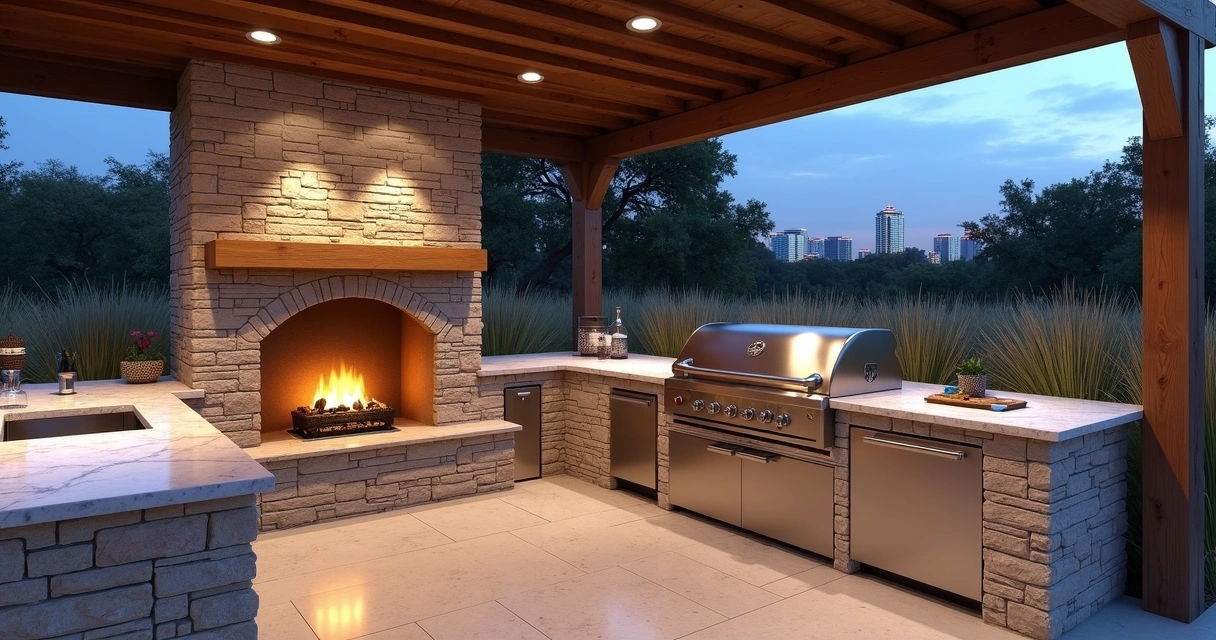
Brisket, friends, and a cool evening by the fire pit. Ask any Texan, and that sounds like heaven.
Running a gas line to a built-in grill or fire pit requires a plumbing or gas permit nearly everywhere. Sinks, outlets, and lighting can trigger plumbing and electrical permits as well.
Fire pits also have spacing rules from houses and fences, and some cities ban wood burning during drought. Check burn bans and permits before you light up.