
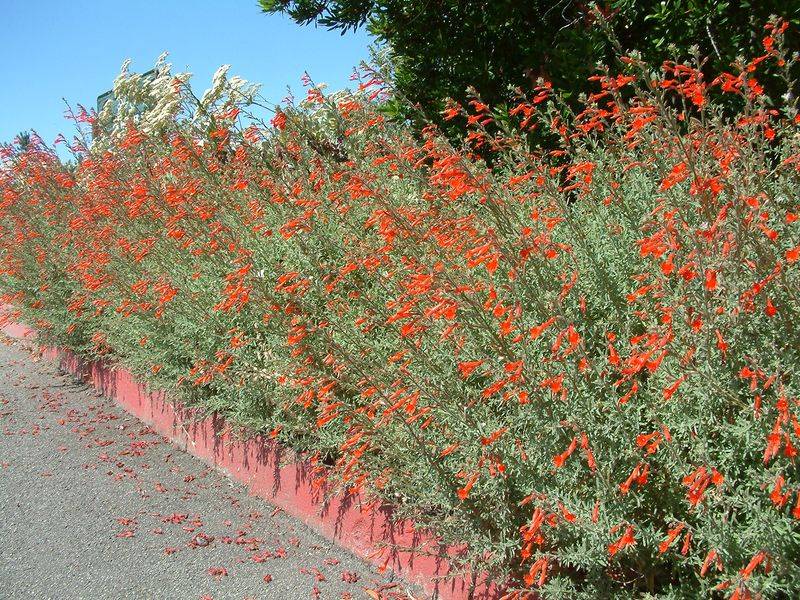
That skinny strip of dirt between the sidewalk and the street is one of the toughest spots in any California yard. It bakes in the sun, gets stepped on, and usually ends up full of weeds or dead lawn.
The good news is that some plants from right here in California love those exact conditions. Plant the right ones, and that hot strip can turn into a thick, low carpet that crowds out weeds and barely needs water.
1. Carmel Creeper (Ceanothus griseus horizontalis ‘Yankee Point’)
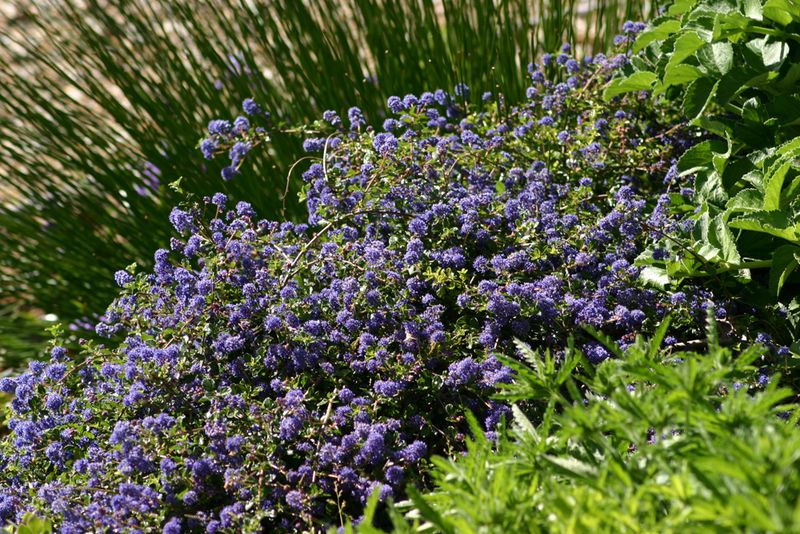
Picture a sheet of glossy green leaves that bursts into sky-blue flowers every spring, right next to the curb. ‘Yankee Point’ is a coastal form of California lilac that grows only about two to three feet tall but spreads eight feet or more. One plant can cover a big chunk of parkway on its own.
The leaves grow so densely that weed seeds rarely find a gap of light. Bees go wild for the blooms, so expect a gentle buzz in March and April.
Once established, it needs little more than an occasional deep soak in summer.
Give it full sun and good drainage, and skip the sprinklers that spray every day. Ceanothus hates soggy roots, so drip irrigation or hand watering works best.
Plant it a couple of feet back from the sidewalk edge so you trim less often.
2. Dwarf Coyote Brush (Baccharis pilularis ‘Pigeon Point’)
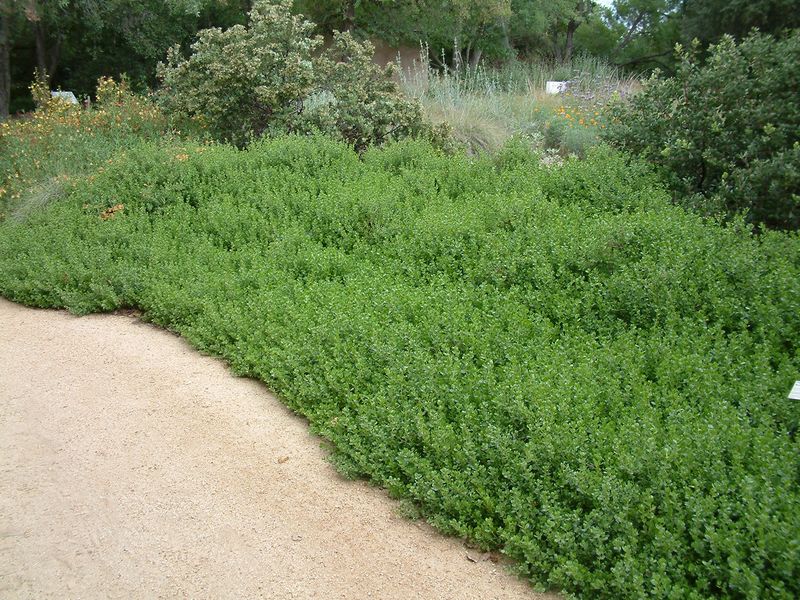
Ask any landscaper who works on freeway slopes about tough plants, and coyote brush comes up fast. Caltrans has planted it along highways for decades because it survives heat, wind, and neglect. ‘Pigeon Point’ brings that grit to your curb in a neat, low form.
It forms a bright green mat about a foot or two tall and up to ten feet wide. The small leaves knit together so tightly that weeds struggle underneath.
It also stays green through summer with very little water once its roots settle in.
A quick shear every year or two keeps it fresh and low. Choose a male selection like ‘Pigeon Point’ to avoid fluffy seed heads.
3. California Fuchsia (Epilobium canum)
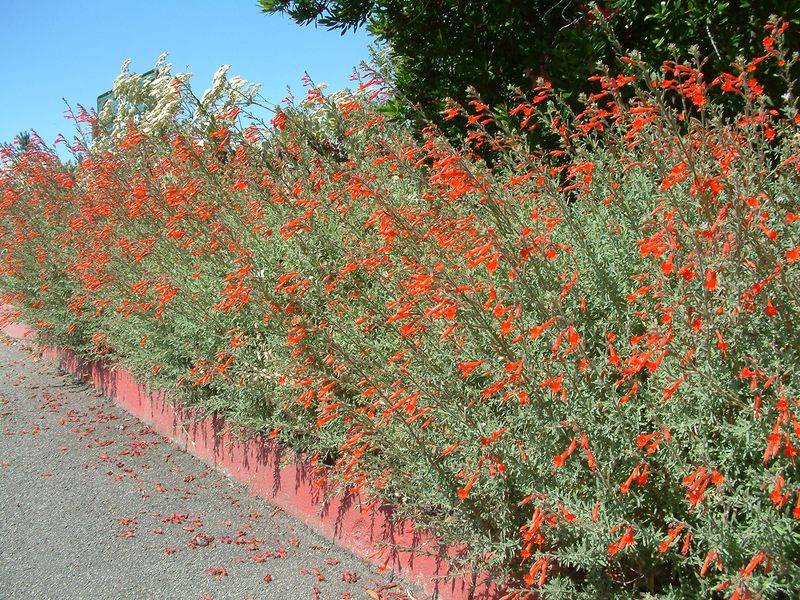
Late August is when most parkways look tired. California fuchsia waits for that moment to explode in scarlet trumpet flowers.
Hummingbirds treat it like a roadside diner during their fall travels.
Low forms such as ‘Everett’s Choice’ or ‘Route 66’ stay under a foot tall and spread by underground roots. That spreading habit is what lets it fill bare soil and push weeds out.
Its gray leaves also reflect heat, so it shrugs off the reflected warmth from pavement.
Cut it back hard in late fall or winter. It may look scruffy for a few weeks, then comes back thick in spring.
4. Creeping Sage (Salvia sonomensis)
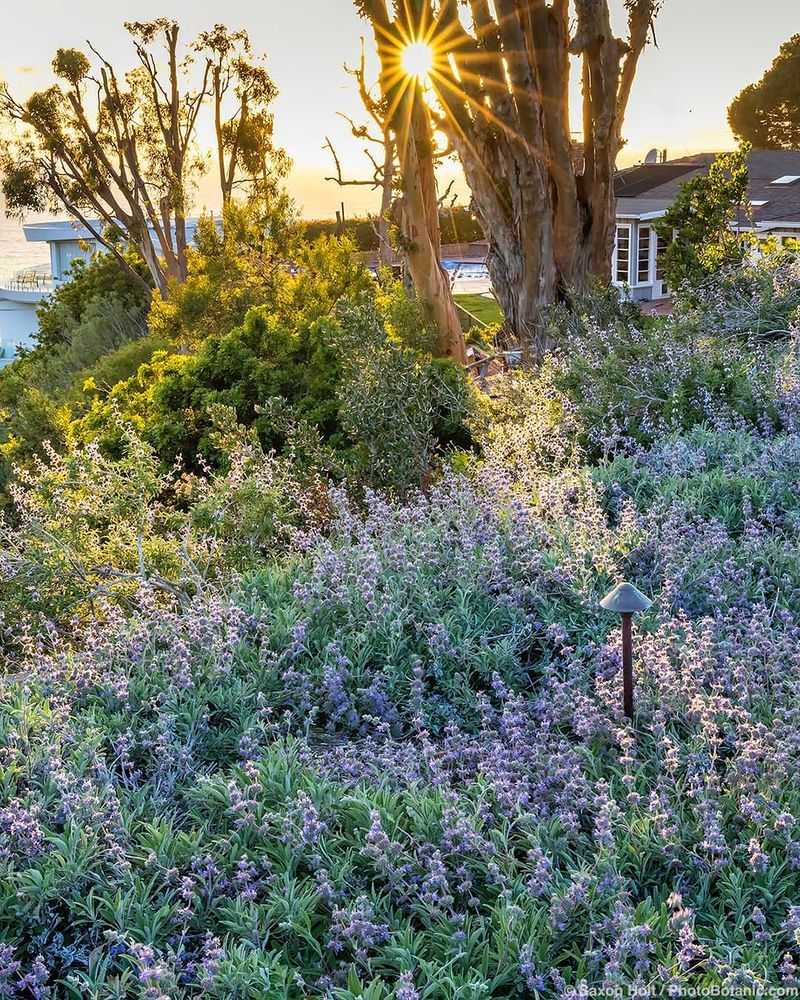
Brush your shoe against creeping sage and the whole strip smells like a hiking trail in the hills. That scent is one reason deer and rabbits usually leave it alone.
It hugs the ground at only six to twelve inches tall.
In spring, lavender-blue flower spikes rise above the leaves and pull in native bees. The foliage forms a tight mat that shades the soil and blocks weed sprouts.
Hybrids like ‘Bee’s Bliss’ are even easier and spread wider.
Here is the main rule: water rarely once it is established. Too much summer water can rot it, so keep it away from lawn sprinklers.
5. Manzanita ‘Emerald Carpet’ (Arctostaphylos ‘Emerald Carpet’)
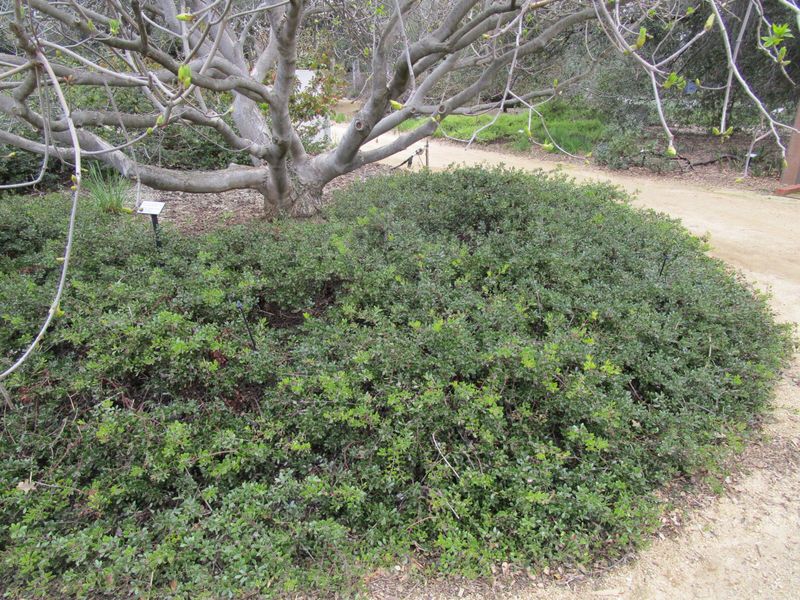
Some groundcovers sprawl, but this one behaves like a well-trimmed rug. ‘Emerald Carpet’ stays about a foot tall with tiny, shiny leaves packed close together. In late winter, small pink bells dangle from the stems.
It does best near the coast or with a bit of afternoon shade inland. In hot valley parkways, pair it with a spot that gets some shade from a street tree.
Good drainage matters a lot, so avoid heavy clay that stays wet.
Growth is slow at first, so mulch well between plants for the first year. Once it fills in, very little gets through.
Fun fact: manzanita means little apple in Spanish, named for its tiny fruits.
6. Seaside Daisy (Erigeron glaucus)
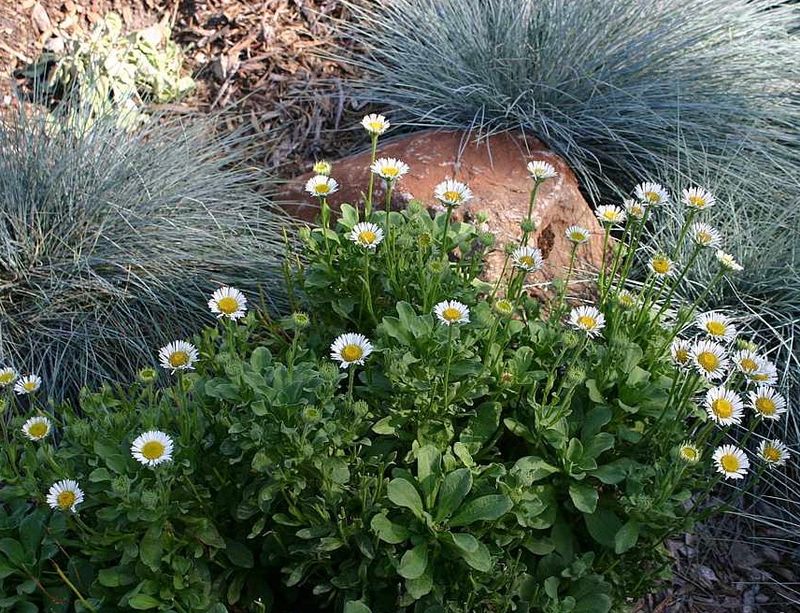
Cheerful is the only word for seaside daisy. Pinkish lavender petals with sunny yellow centers bloom off and on for much of the year near the coast.
Kids walking to school tend to stop and point.
It grows in low clumps about a foot tall that slowly spread. Plant them about eighteen inches apart and they will meet within a season or two.
It is happiest in coastal and bay areas where summer fog softens the heat.
Deadhead spent flowers to keep it blooming and tidy. Inland, give it a little afternoon shade and a weekly drink in summer.
7. Yarrow (Achillea millefolium)
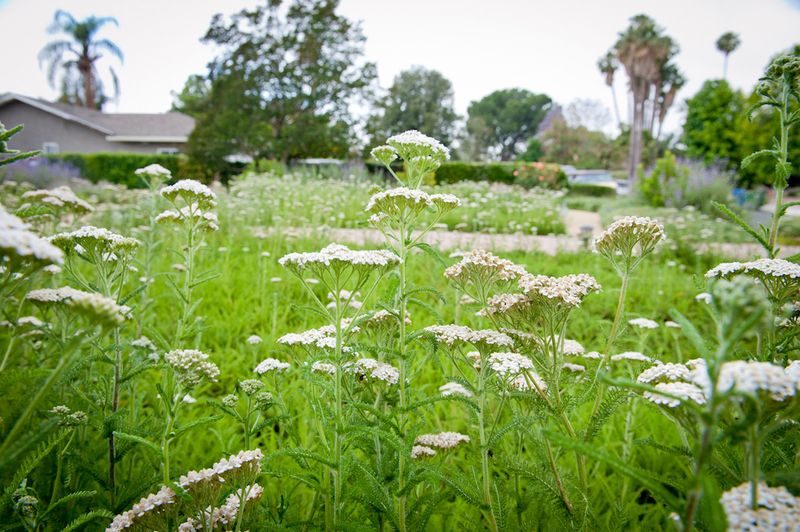
Want something you can actually walk on? Native yarrow is the closest thing to a lawn on this list.
Its soft, feathery leaves can handle light foot traffic from people getting out of parked cars.
You can mow it a few times a year to keep a tight green carpet, or let it bloom with flat clusters of white flowers. It spreads by underground runners, which fills gaps quickly.
That fast fill is your best weapon against weeds.
Yarrow uses far less water than turf but looks greener with a deep soak every couple of weeks in summer. It grows in almost every California region, from coast to mountains.
8. Silver Carpet (Dymondia margaretae) Alternative: Beach Strawberry (Fragaria chiloensis)
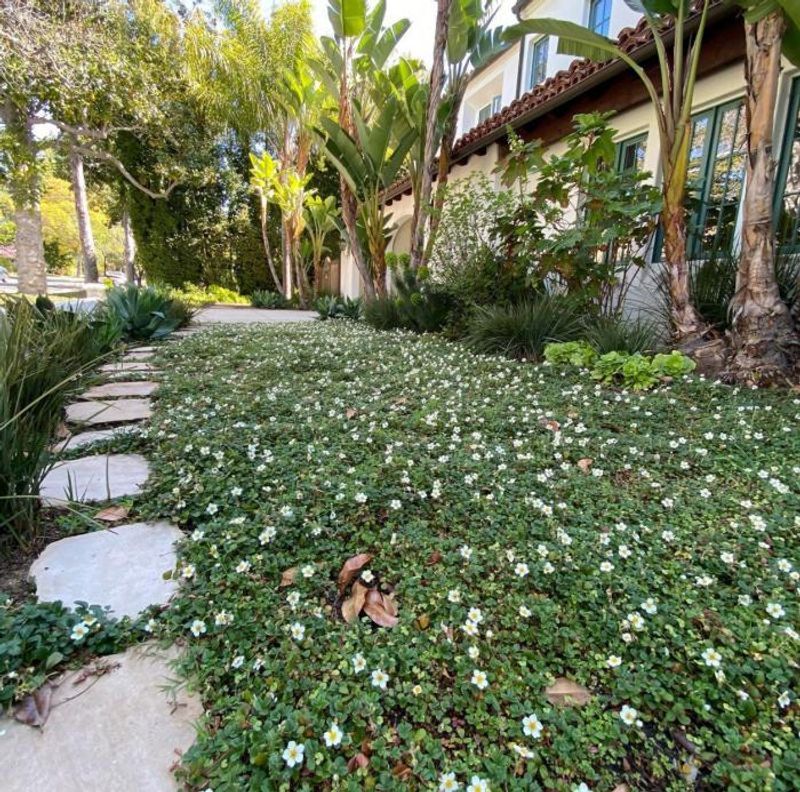
Plenty of people plant dymondia in parkways, but it hails from South Africa. Beach strawberry gives you a true California option with the same low, walkable mat.
Its glossy, dark leaves look polished all year near the coast.
White flowers appear in spring, followed by small berries that birds usually grab first. Runners shoot out in every direction and root wherever they touch soil.
In a few months, bare dirt disappears.
It likes a bit more water than the toughest natives, so keep it for coastal strips or shadier spots. Inland heat will scorch it without regular drinks.
9. Blue Grama Grass (Bouteloua gracilis)
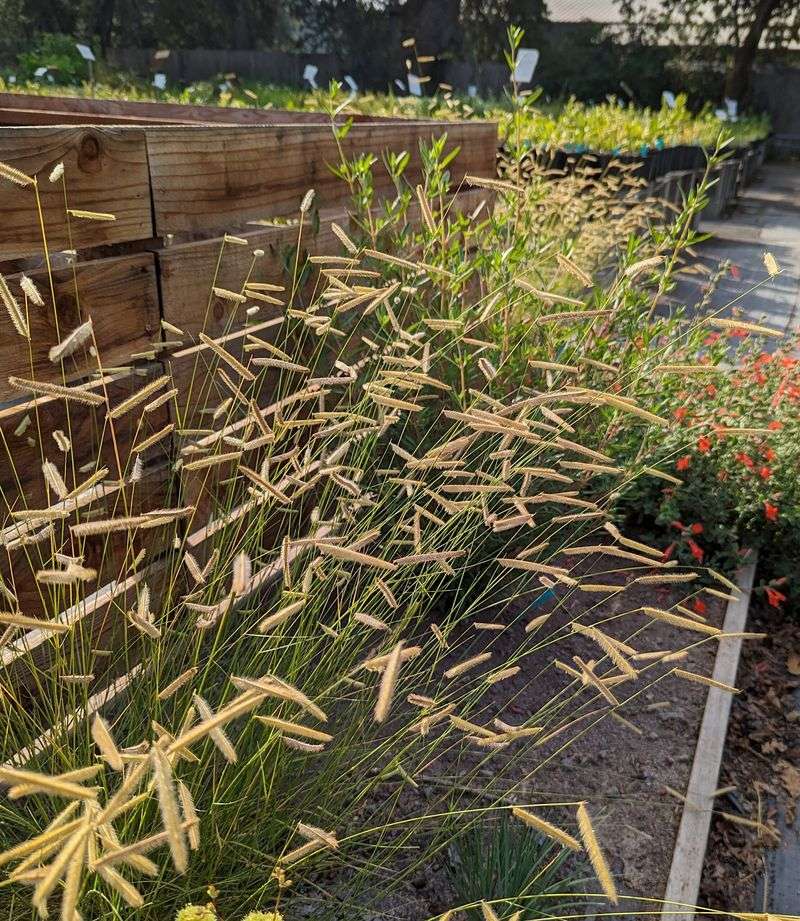
Those little seed heads look exactly like eyebrows or eyelashes, and that quirky shape wins people over. Blue grama is native to parts of Southern California and much of the West. ‘Blonde Ambition’ is a popular, showier variety.
Planted close together, it forms a fine-textured meadow that can be mowed short or left natural. It loves heat and handles reflected warmth from pavement without complaint.
Water needs drop sharply after the first summer.
Plant plugs about a foot apart in fall. Hand pull weeds the first year until the grass knits together.
10. Prostrate Coyote Mint (Monardella villosa)
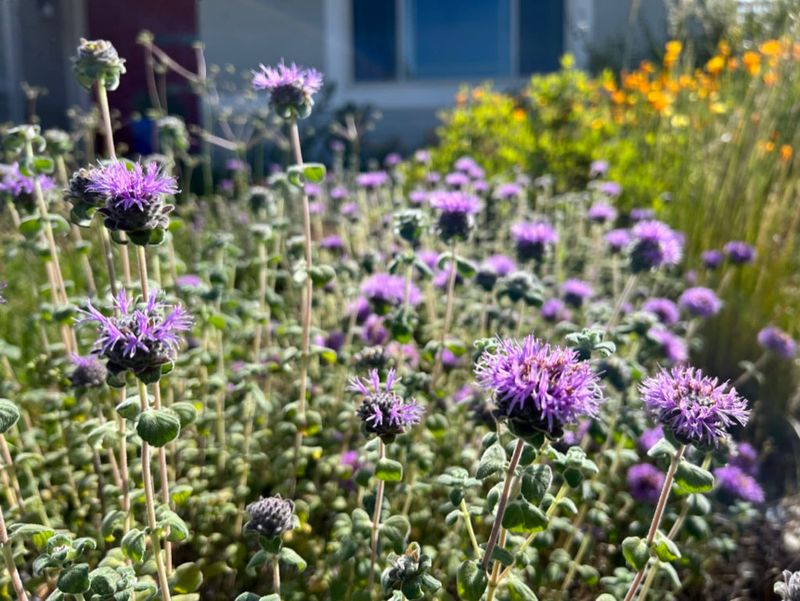
Butterflies seem to find coyote mint before you even finish planting it. Round, pom-pom flowers in soft lavender appear in early summer.
Crush a leaf and you get a fresh, minty scent.
It grows low and mounded, about a foot tall, and fits nicely along the edges of the strip. Mix it with creeping sage or California fuchsia for blooms from spring into fall.
Together they leave weeds very little room.
Coyote mint wants sun, drainage, and only light summer water. Trim it after flowering to keep it compact and full.