
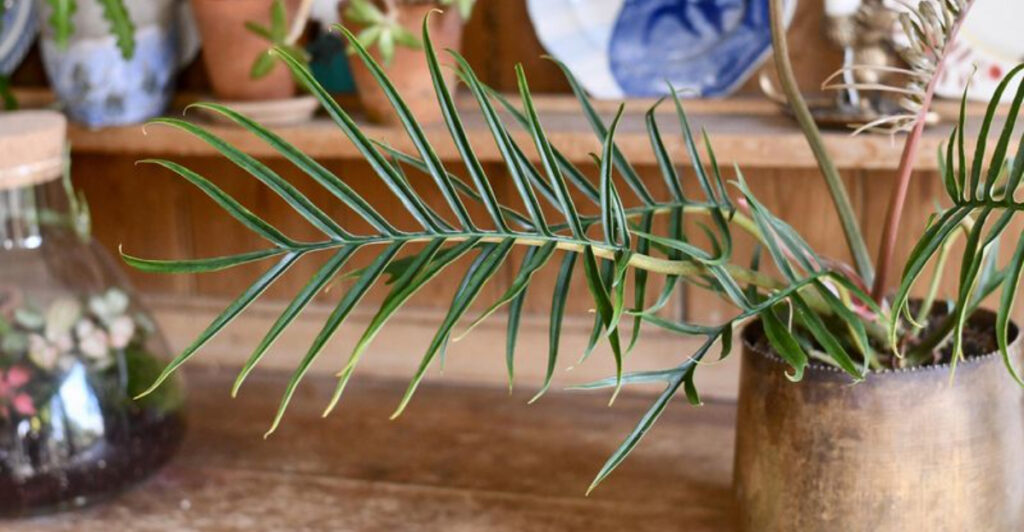
Philodendron Tortum, with its striking palm-like leaves and exotic allure, is a plant enthusiast’s dream.
This rare beauty demands precise care but rewards with unmatched elegance. Here, we unfold 12 expert tips to help you cultivate this treasure in your own home.
1. Bright, Indirect Light
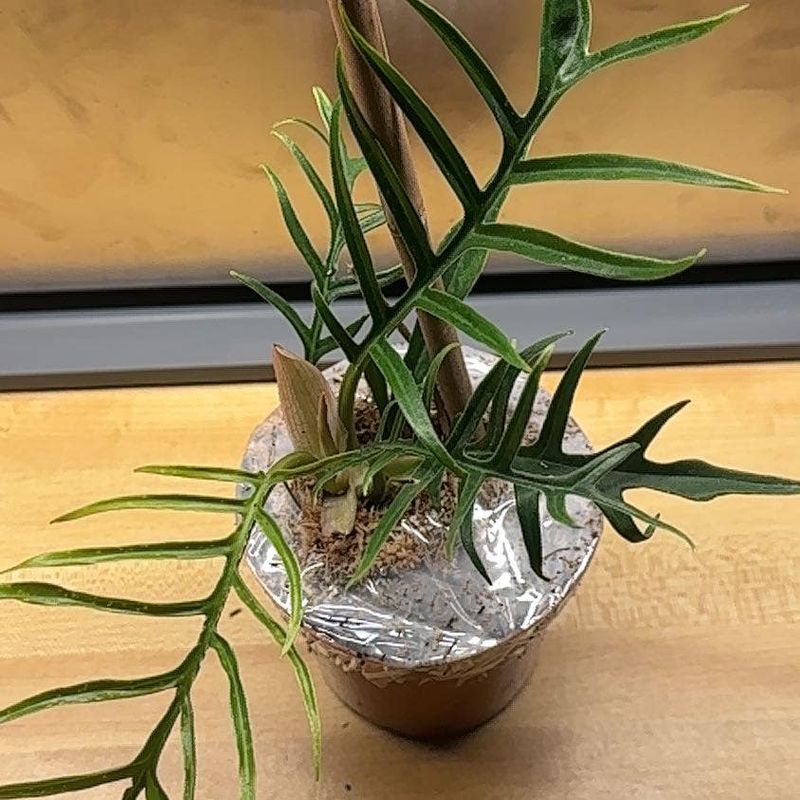
Imagine your Philodendron Tortum lounging like a sunbather, enjoying filtered sunlight through a delicate curtain. This plant loves bright, indirect light, a condition that mimics its natural habitat. Direct sunlight can be harsh, scorching its delicate foliage.
Position it near an east or north-facing window for the ideal light levels. When placed correctly, its leaves unfurl beautifully, showcasing their intricate patterns. If you notice the leaves turning pale, it might be yearning for more light.
A simple move can transform its health and appearance, making it a centerpiece of your indoor garden.
2. Warm and Tropical Conditions
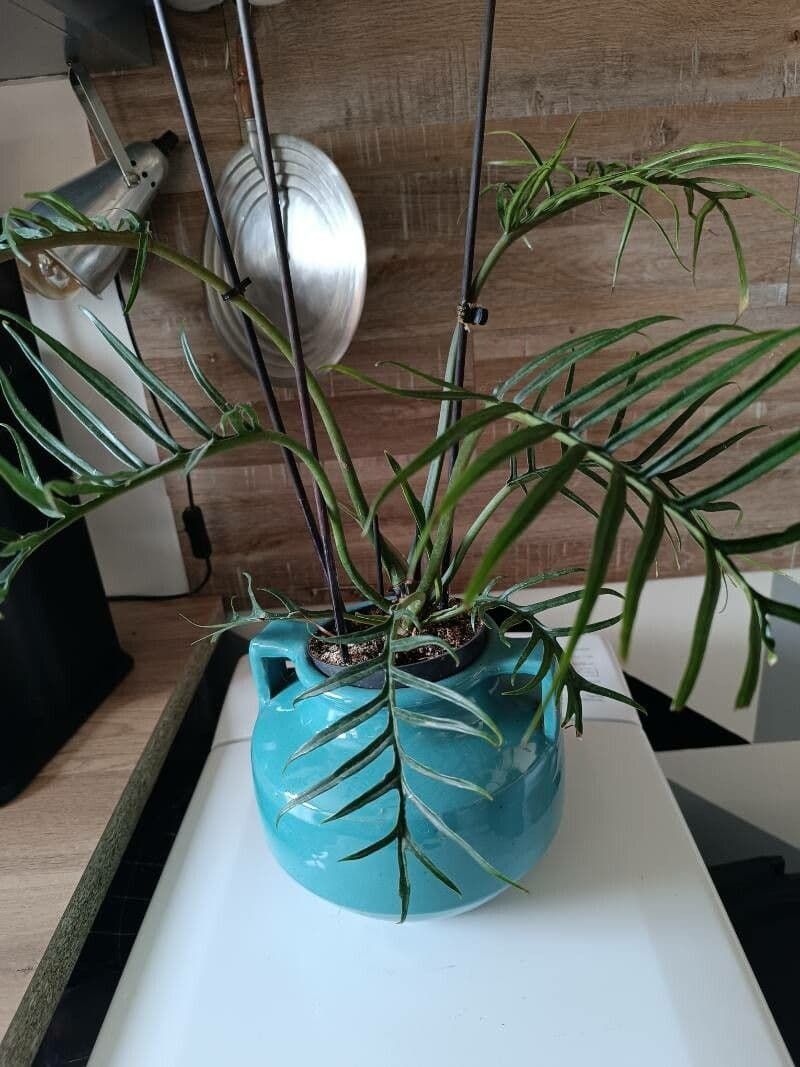
Picture a cozy, tropical retreat where temperatures range between 65°F and 85°F. Your Philodendron Tortum thrives in warmth reminiscent of its native jungle environment. Cold drafts and abrupt temperature changes are its nemeses. Ensure it’s positioned away from chilly windows or air vents.
Maintain a consistent climate to keep it flourishing. In the winter, consider moving it to a warmer spot to avoid stress. A steady temperature is vital for its growth, helping it mimic the soothing warmth of tropical breezes. This attention to detail creates a lush, thriving oasis.
3. High Humidity Levels
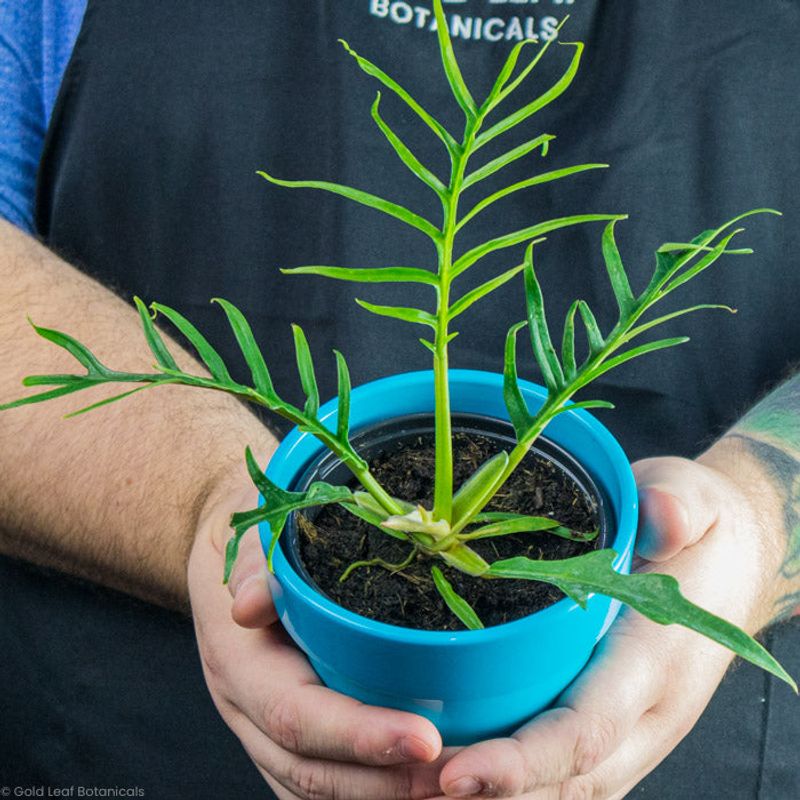
Envision a steamy rainforest, where moisture kisses every leaf. Philodendron Tortum craves humidity above 60%, making it feel right at home. Use a humidifier to create a misty ambiance, or place it on a pebble tray with water.
Grouping it with other tropical plants also boosts humidity levels naturally. Notice the leaves unfurling more vividly, a sign of contentment. If the air is too dry, leaf tips might brown, a cry for more moisture. Keeping it hydrated ensures vibrant growth, transforming your space into a mini tropical haven.
4. Well-Draining, Chunky Soil
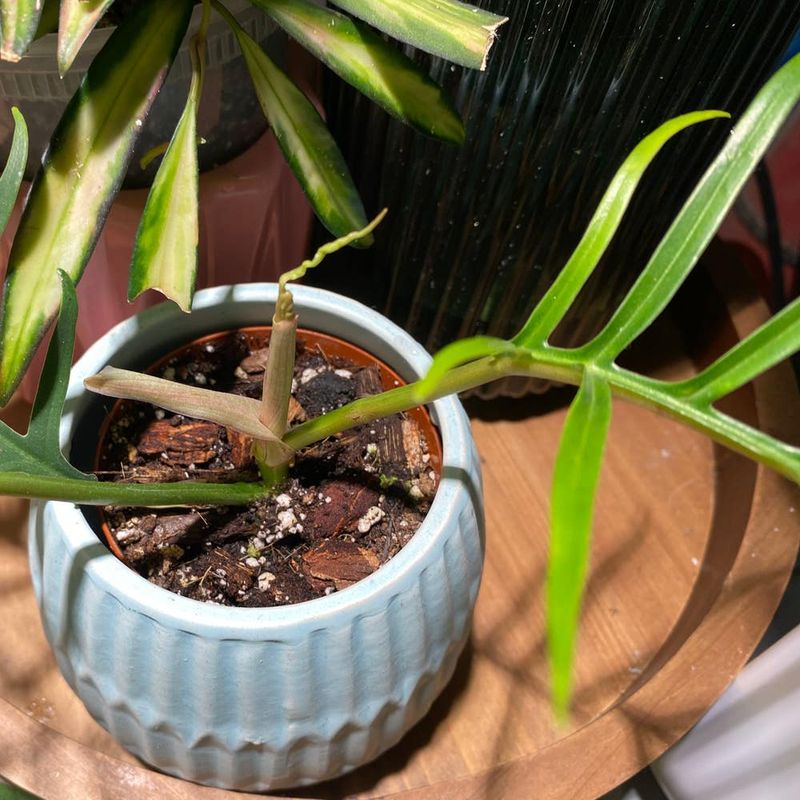
Imagine the forest floor, rich and textured, under your feet. Philodendron Tortum flourishes in well-draining, chunky soil that prevents root rot. Combine orchid bark, perlite, peat, and coco coir to create a breathable mix.
This concoction mimics its natural environment, allowing roots to stretch and breathe. Proper drainage is crucial; stagnant water spells disaster. Check the soil regularly to ensure it remains airy and light.
This foundation supports robust growth, giving your plant the foundation it needs to thrive. A healthy root system reflects a thriving plant.
5. Watering When Dry
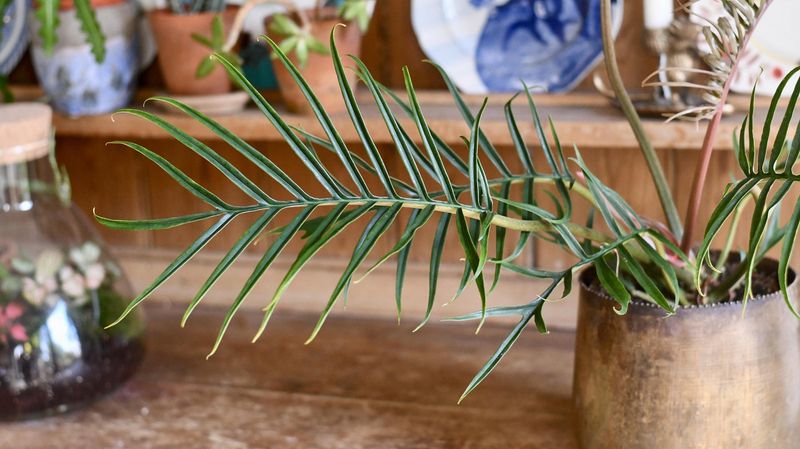
Visualize the ritual of testing the soil, feeling the earth between your fingers. Philodendron Tortum requires watering only when the top inch of soil is dry. Overwatering is a common pitfall, leading to root rot. Allowing the soil to dry slightly mimics natural cycles, supporting healthy growth.
Use your finger to gauge moisture, a simple yet effective technique. If the leaves begin to droop, it might be thirsty. Adjusting your routine ensures lush, radiant foliage. Embrace this tactile interaction, connecting with your plant’s needs and fostering a nurturing environment.
6. Monthly Fertilization
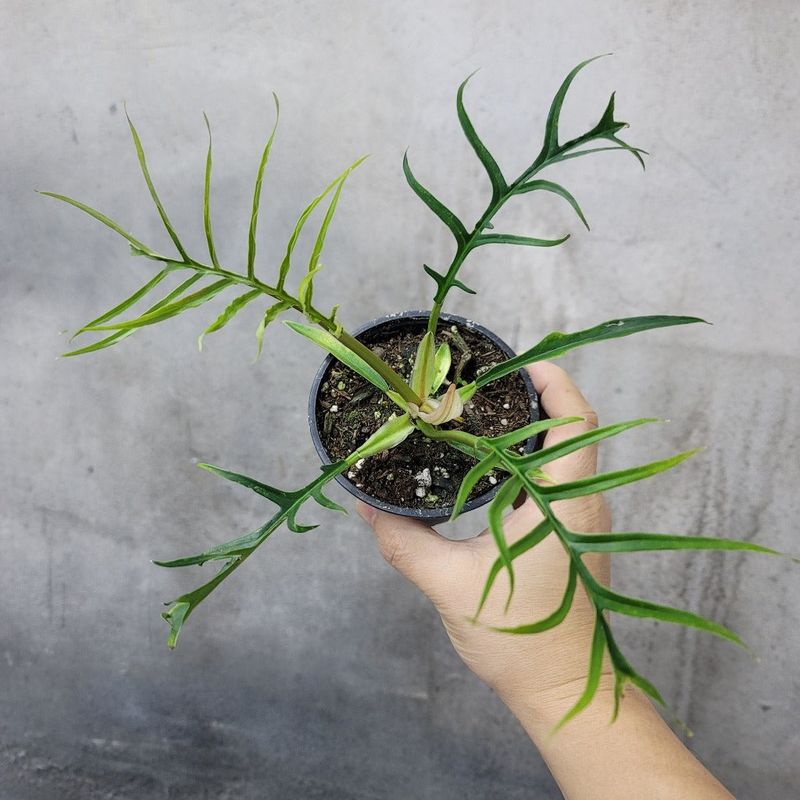
Imagine feeding your plant a nutrient-rich diet, enhancing its vigor. Philodendron Tortum benefits from monthly fertilization during the growing season. Use a balanced liquid fertilizer every 4–6 weeks in spring and summer.
This nutritional boost fuels its lush, green growth. Be cautious not to over-fertilize, which can harm roots. A consistent schedule ensures steady development, enriching its soil with essential minerals.
Notice the leaves’ vibrant sheen, a testament to its health. This practice supports its slow, yet steady growth, celebrating its exotic beauty and enhancing its presence in your home.
7. Regular Repotting
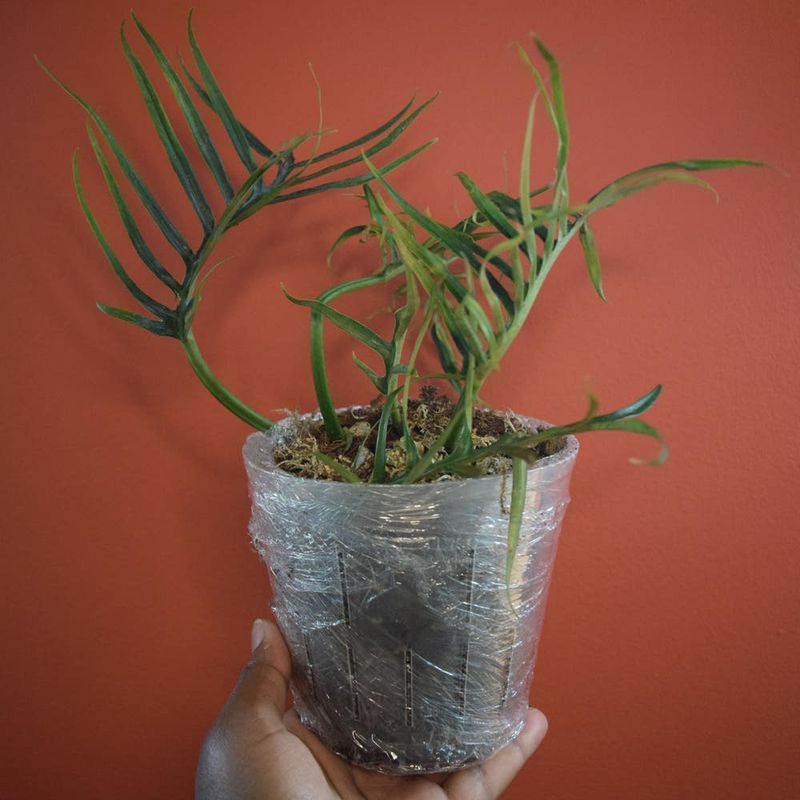
Picture the excitement of giving your plant a new home, allowing it room to grow. Philodendron Tortum needs repotting every 1–2 years as it outgrows its pot. Choose a container 1–2 inches larger in diameter to provide space for its expanding roots.
This practice prevents root-bound stress and encourages healthier growth. During repotting, refresh the soil, removing any compacted bits. This revitalizes the root system, promoting vibrant foliage.
A new pot signifies a new chapter, supporting its journey to becoming a mature beauty. It’s a rewarding ritual that enhances its longevity.
8. Climbing Support
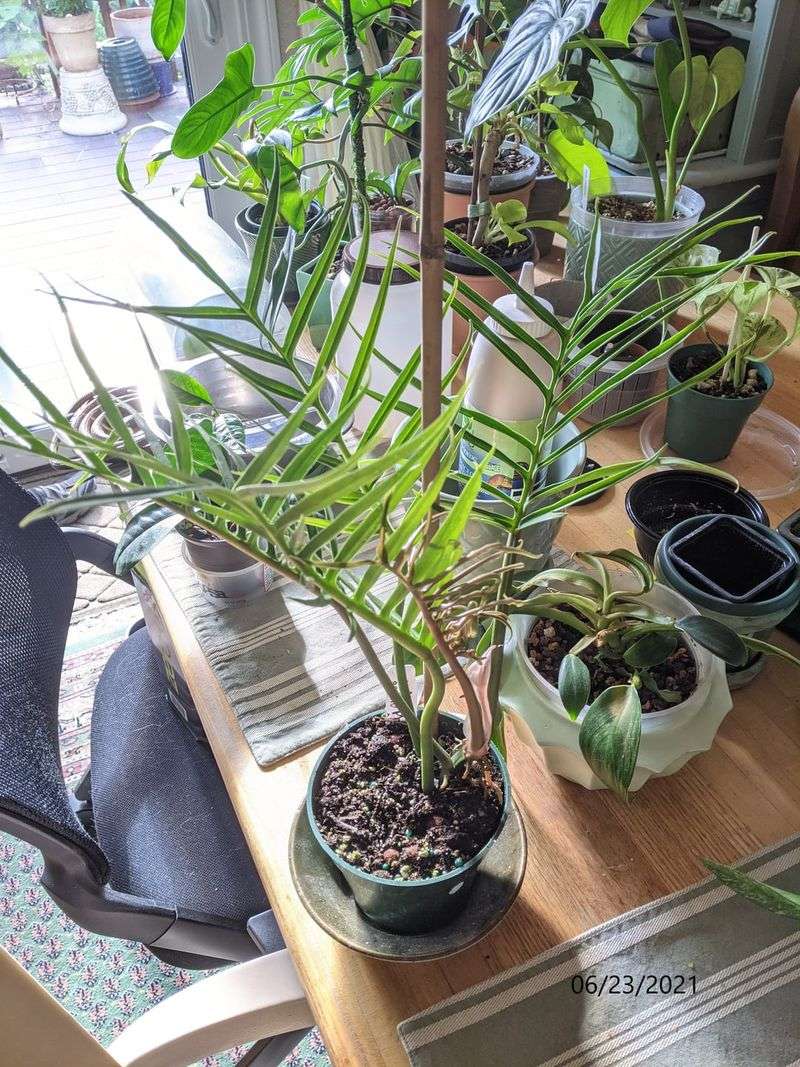
Imagine your Tortum reaching for the skies, its tendrils climbing gracefully. As a natural climber, it thrives with support from a moss pole or coco totem. This support encourages vertical growth, enhancing the elegance of its foliage.
Gently tie the stems as they grow, guiding them upward. This mimics its natural growth habits, resulting in a fuller appearance. Notice how it embraces the pole, creating a stunning vertical display.
Providing this structure not only supports physical growth but also enriches its visual appeal, making it a centerpiece in any room.
9. Pest Control Vigilance
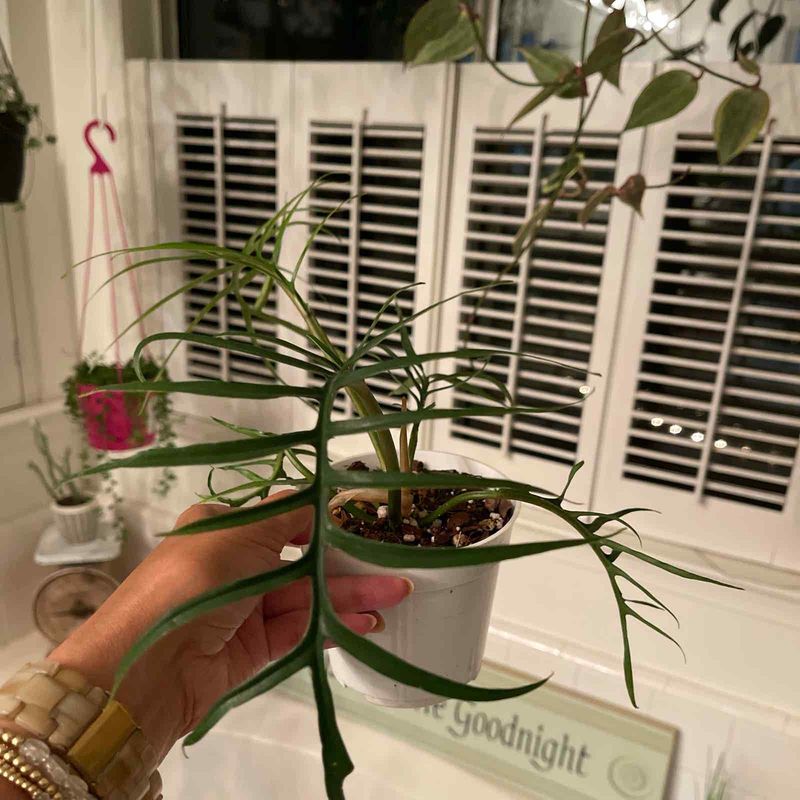
Visualize the meticulous care of inspecting each leaf, ensuring a pest-free haven. Philodendron Tortum is vulnerable to spider mites, mealybugs, and aphids. Regularly wipe its leaves with a damp cloth to remove dust and check for intruders.
If pests appear, treat with insecticidal soap or neem oil. This proactive approach prevents infestations, keeping your plant healthy. Notice how it thrives, its leaves vibrant and untouched.
Regular vigilance creates a sanctuary for growth, free from pesky invaders. A pest-free environment ensures your plant’s longevity, allowing it to flourish undisturbed.
10. Stem Cutting Propagation
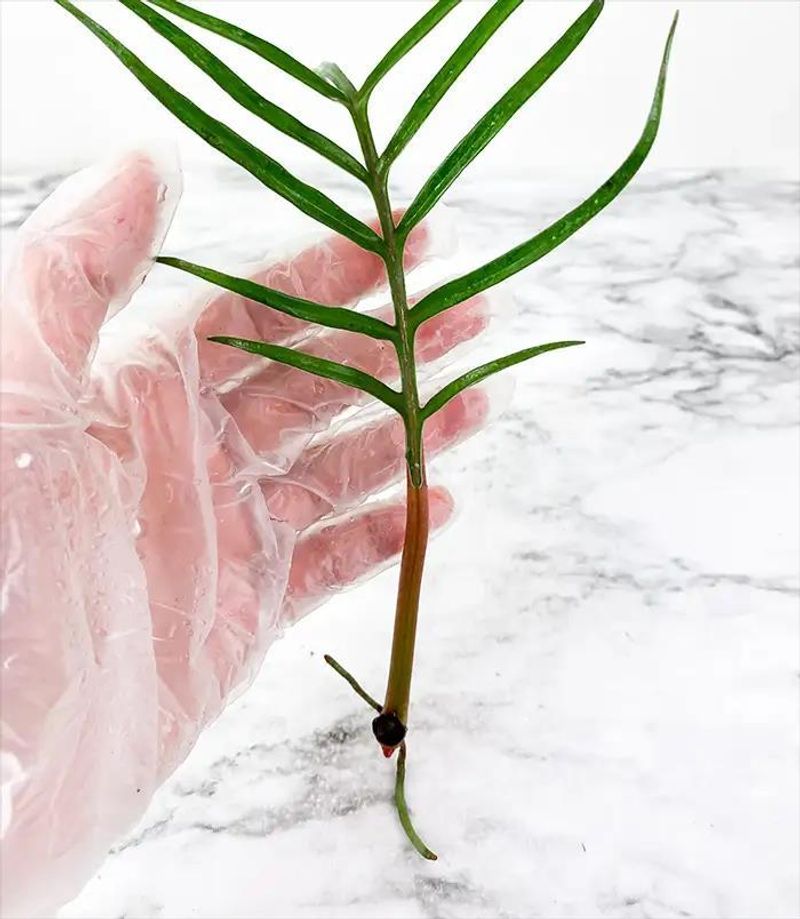
Imagine the excitement of creating new life from a single cutting. Propagating Philodendron Tortum with stem cuttings is a rewarding endeavor. Cut just below a node and place the cutting in water or moist sphagnum moss.
Watch as roots begin to form, a testament to its resilience. This method allows you to expand your collection or share with fellow plant lovers. Ensure the cutting receives adequate light and warmth for optimal growth.
Patience and care are key to success. Propagation not only multiplies your plant but also deepens your connection with its life cycle.
11. Regular Rotation
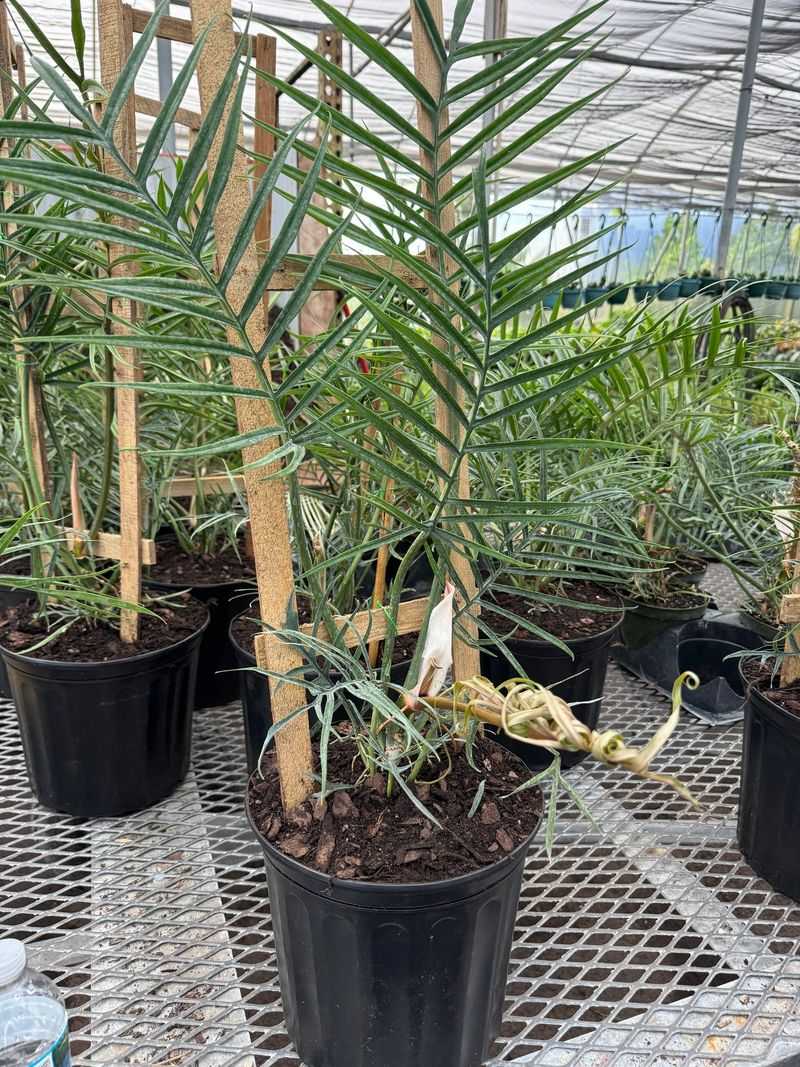
Envision a gentle turn, ensuring even sunlight caresses each leaf. Rotate your Philodendron Tortum regularly for balanced growth. A quarter-turn every week or two prevents it from leaning towards the light source.
This practice encourages symmetrical development, showcasing its graceful form. Notice how it stands tall, evenly illuminated. This simple yet effective routine supports its health, promoting even foliage distribution.
It’s like a dance with the light, keeping your plant vibrant and centered. Regular rotation enhances its aesthetic appeal, making it a focal point in your indoor garden.
12. Patience for Growth

Imagine the quiet satisfaction of watching your plant’s slow, steady progress. Philodendron Tortum is a slow grower, demanding patience and consistent care. Celebrate each new leaf as a small victory.
This journey encourages mindfulness, appreciating each stage of development. Avoid rushing its growth; instead, focus on providing optimal conditions. With time, it rewards with lush, intricate foliage.
This slow pace adds to its allure, inviting you to savor the process. Keeping a growth journal can enhance this experience, marking milestones and deepening your connection with this elegant plant.