
Gardening enthusiasts, rejoice! Embrace the beauty and utility of edible evergreens, offering year-round bounty and aesthetic appeal to your landscape.
From culinary herbs to fruit-bearing shrubs, these plants promise not only perpetual greenery but also a delightful addition to your kitchen.
1. Rosemary
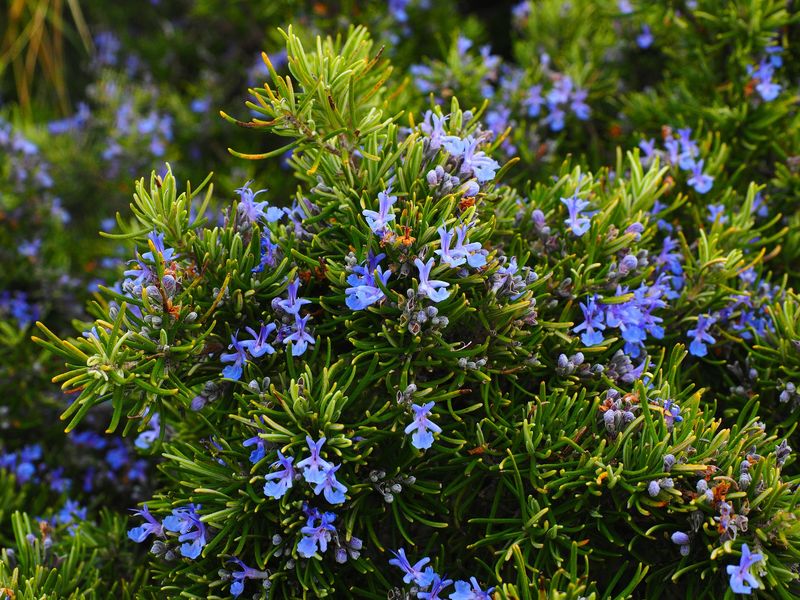
Rosemary is an exceptional evergreen herb, cherished for its hardy nature and aromatic properties. This plant thrives in diverse climates, making it an adaptable addition to any garden. Its needle-like leaves are perfect for flavoring dishes and infusing oils.
Beyond its culinary uses, rosemary acts as a natural insect repellent, protecting other plants from pests. For optimal growth, it prefers well-drained soil and a sunny location.
Regular pruning helps maintain its shape and encourages denser foliage, enhancing its ornamental appeal. Propagate it easily through cuttings to expand your rosemary garden.
2. Bay Laurel
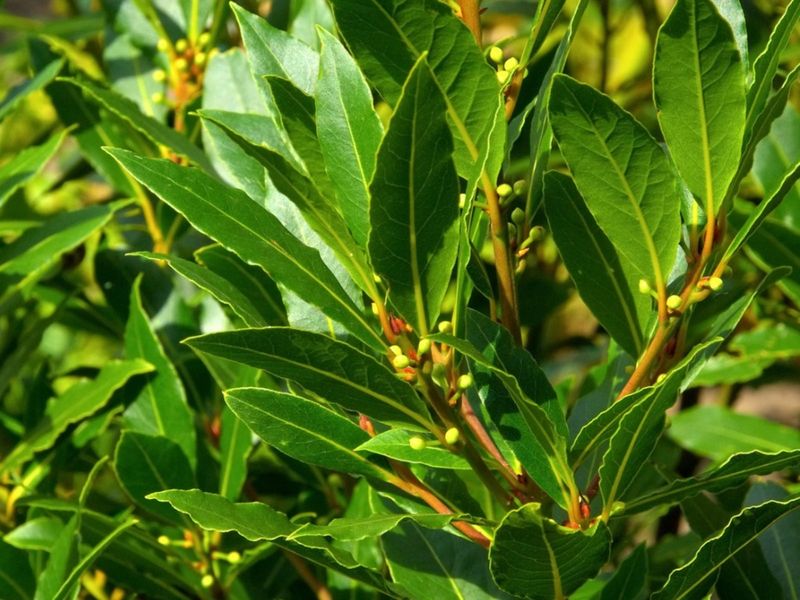
Bay Laurel is renowned for its glossy, aromatic leaves, a staple in Mediterranean cuisine. This evergreen shrub or small tree flourishes in warm climates, making it a versatile garden addition. Its leaves, when dried, are used to flavor soups, stews, and sauces.
Growing bay laurel requires minimal effort, thriving in well-drained soil and full sun. Regular pruning promotes dense growth, keeping it manageable for small gardens.
In colder regions, container-growing allows for easy transport indoors during winter. Its resilient nature makes it a delightful, long-lasting garden companion.
3. Strawberry Tree (Arbutus unedo)
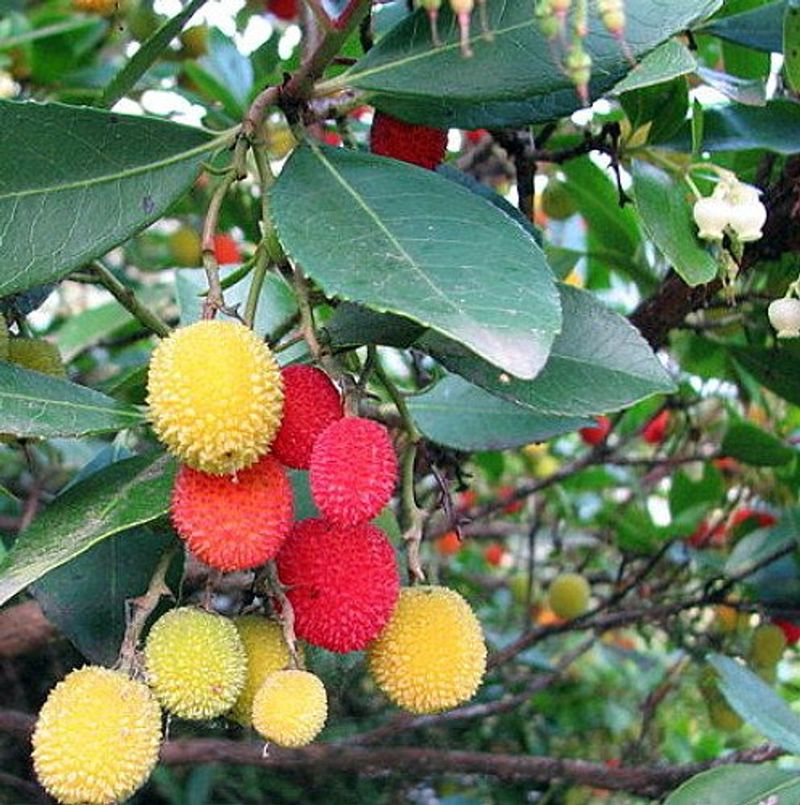
The Strawberry Tree, or Arbutus unedo, is a striking evergreen known for its ornamental appeal and edible fruit. Its small, sweet fruits ripen in autumn, offering a tangy treat directly from your garden.
This evergreen thrives in well-drained soil and full sun, adapting well to various climates. It’s not only a fruit supplier but also attracts pollinators with its white, bell-shaped flowers.
Regular watering during the growing season ensures abundant fruiting. Its attractive bark and foliage make it a standout in any landscape.
4. Olive Tree
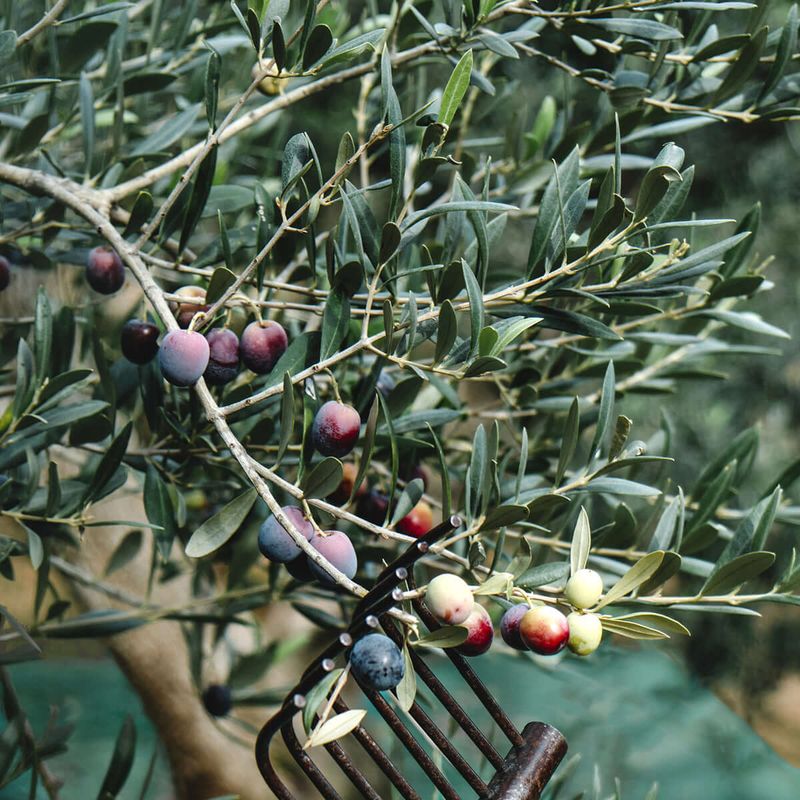
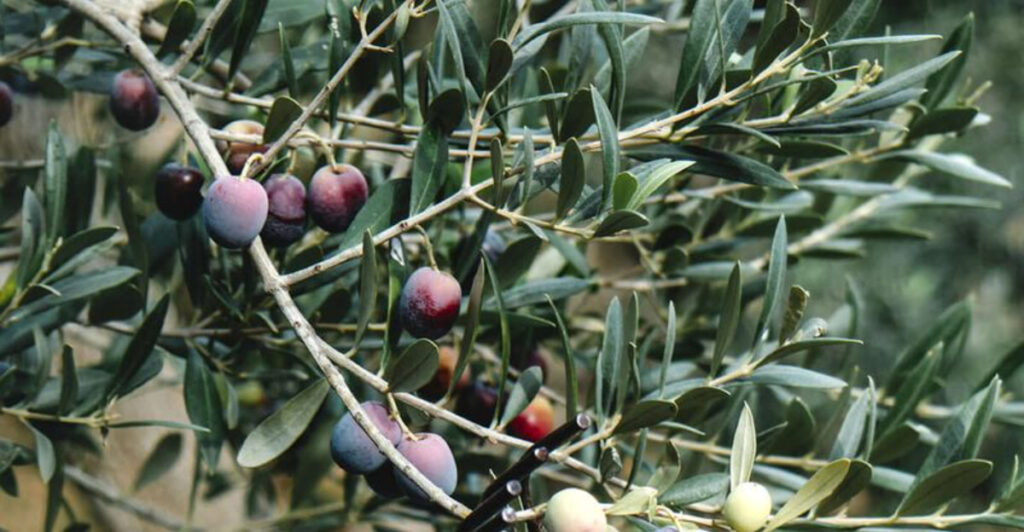
The Olive Tree epitomizes Mediterranean landscapes, offering both ornamental beauty and delicious fruit. As an evergreen, it maintains its lush foliage year-round, with olives ripening in fall.
For successful growth, it requires well-drained soil and full sun. The tree’s drought tolerance makes it ideal for arid regions. Regular pruning enhances fruit production and maintains its structure.
Harvesting olives opens the door to home-curing or pressing for oil. This ancient tree adds historical charm and culinary rewards to gardens.
5. Tea Plant (Camellia sinensis)
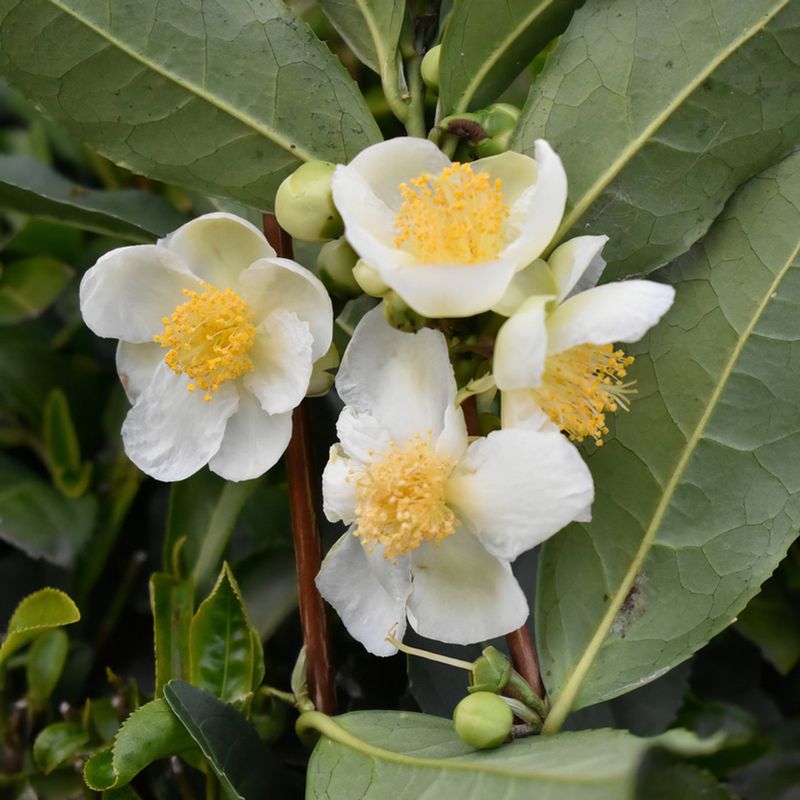
The Tea Plant, or Camellia sinensis, is the source of green, black, and white tea, making it an invaluable addition to any garden. This evergreen thrives in well-drained, acidic soil, requiring a temperate climate to flourish.
Its glossy leaves and delicate, fragrant flowers add aesthetic appeal alongside practicality. Regular pruning encourages a bushy growth habit, ideal for harvesting the young leaves needed for tea production.
Whether grown in containers or garden beds, it provides a rewarding experience for tea enthusiasts.
6. Myrtle (Myrtus communis)
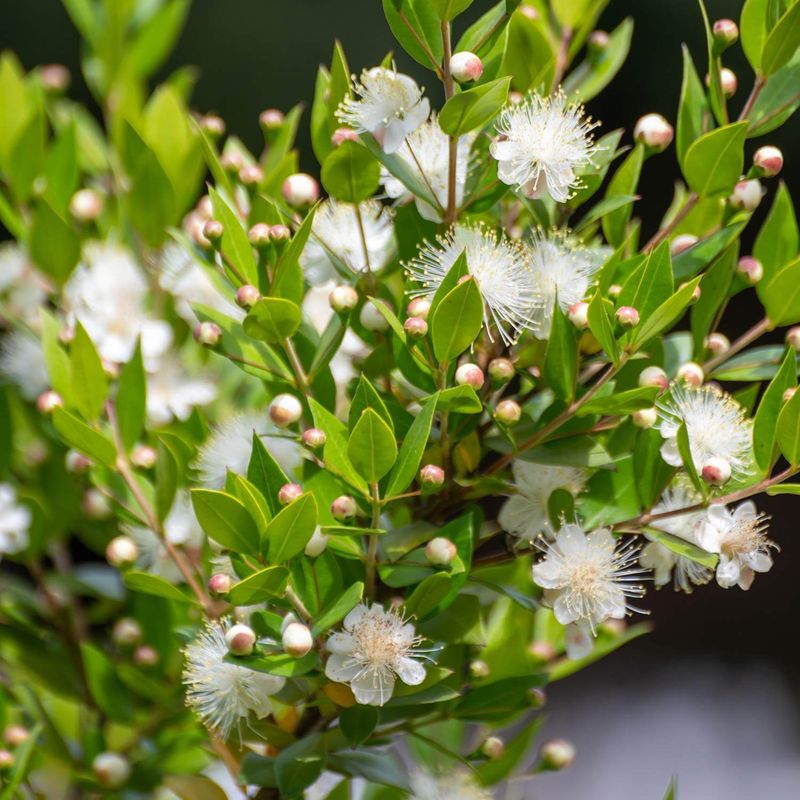
Myrtle, or Myrtus communis, is a fragrant evergreen native to the Mediterranean region. It’s cherished for its aromatic leaves and berries used in culinary and medicinal applications.
This shrub thrives in well-drained soil and full sun, with regular pruning encouraging denser foliage. Its white, star-like flowers and glossy leaves make it a visual delight.
Myrtle’s drought resistance and adaptability to various soil types make it a low-maintenance yet rewarding garden choice. Use its leaves and berries to enhance Mediterranean dishes with a unique flavor.
7. Juniper (Juniperus communis)
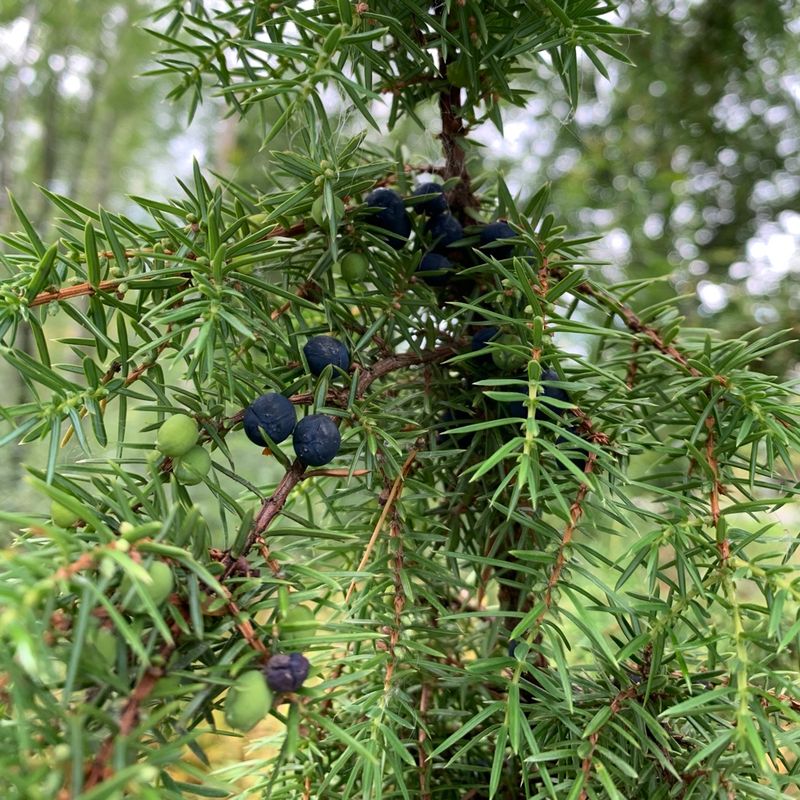
Juniper is a versatile evergreen known for its needle-like foliage and aromatic berries. Its berries are famously used for seasoning and gin production, offering a distinctive flavor.
Thriving in well-drained soil and full sunlight, junipers are adaptable to various climates, including cold and arid environments. They require minimal water once established, making them perfect for water-wise gardens.
Pruning is seldom necessary, but it can help maintain shape and health. This evergreen adds structure and utility to any garden.
8. Pine (Pinus spp.)
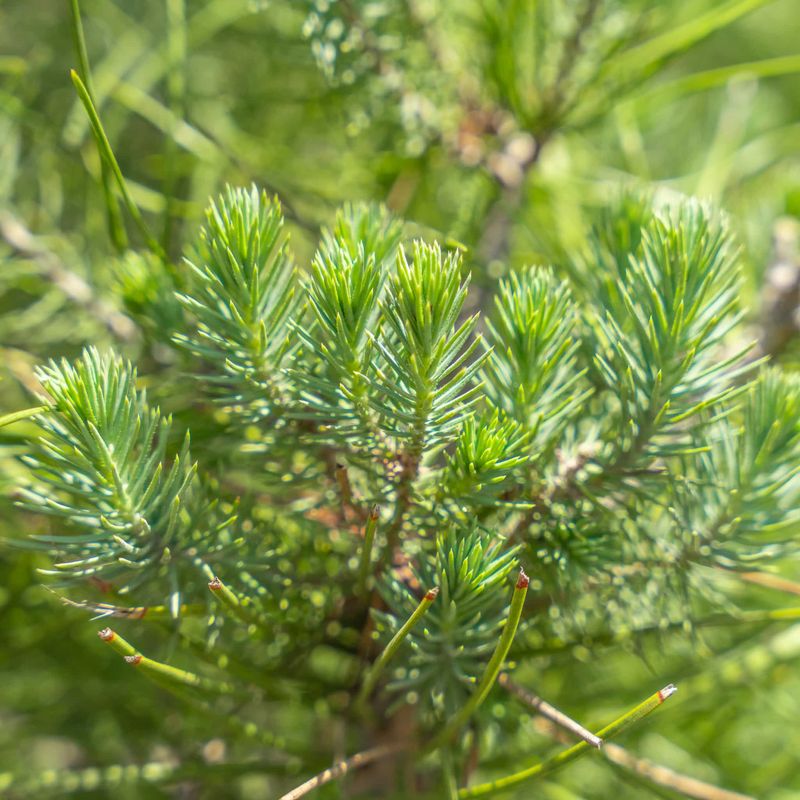
Pine trees, from the Pinus genus, are robust evergreens that provide year-round greenery. Their needles are not only decorative but can be brewed into a vitamin C-rich tea.
These trees thrive in well-drained soil and full sun, making them adaptable to various climates. They’re often used for windbreaks or as focal points in landscapes.
Minimal maintenance is required, except for occasional pruning of dead branches. Their cones provide seeds for wildlife, adding ecological value. Enjoy a refreshing pine needle tea from your own backyard.
9. Wintergreen (Gaultheria procumbens)
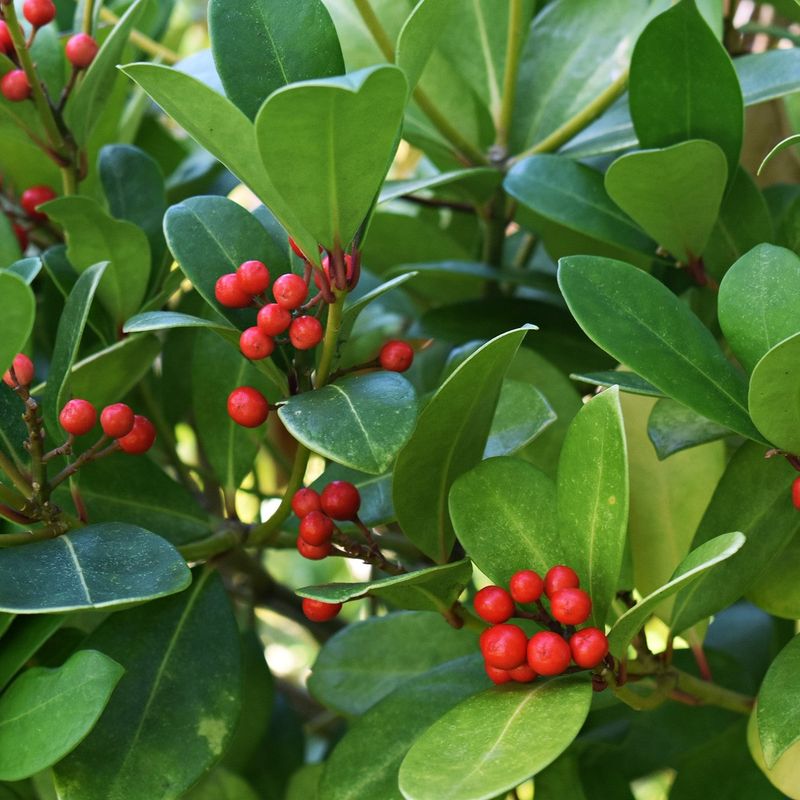
Wintergreen, or Gaultheria procumbens, is a low-growing evergreen with aromatic leaves and bright red berries. These mint-flavored berries are a treat in winter months.
Preferring acidic, well-drained soil and partial shade, wintergreen is ideal for forest gardens. It spreads via underground rhizomes, forming a lush ground cover.
Minimal maintenance is needed, apart from occasional watering during dry spells. Its vibrant berries not only provide seasonal interest but are also edible, adding a minty twist to dishes.
10. Oregon Grape (Mahonia aquifolium)
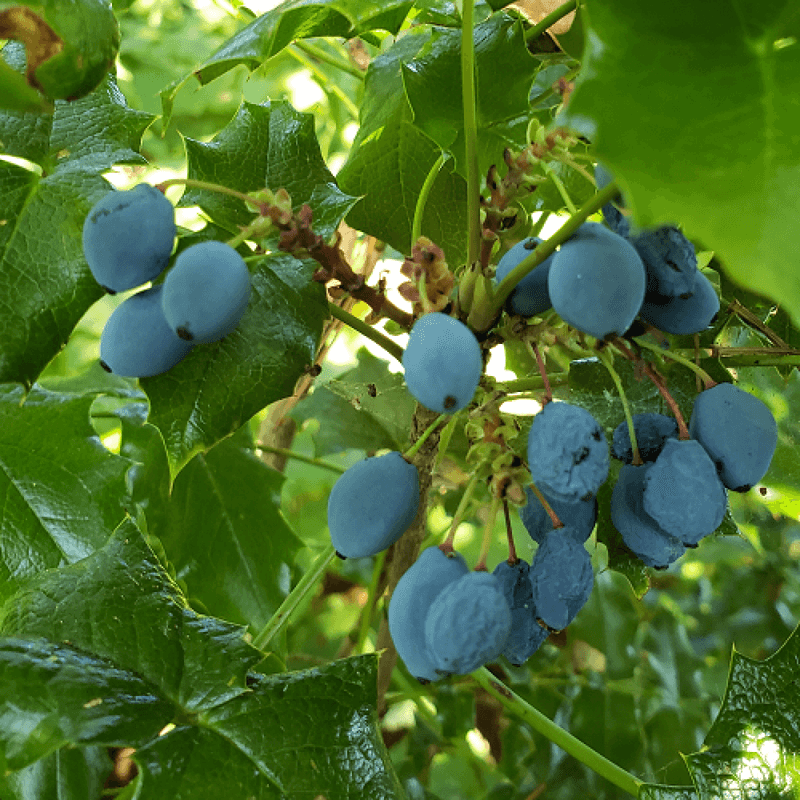
Oregon Grape, or Mahonia aquifolium, is an evergreen shrub known for its holly-like leaves and edible berries. These tart berries transform into delightful jellies and wines.
Thriving in shady areas with moist, well-drained soil, it’s a versatile addition to any garden. Its yellow flowers attract pollinators, while its berries feed local wildlife.
Regular pruning keeps it tidy and promotes healthy growth. Beyond its culinary uses, it serves as an effective ground cover and erosion control. Enjoy both its beauty and bounty year-round.