

Unlock the secrets to achieving vibrant creeping phlox blooms that are sure to turn heads in your neighborhood.
With the right fertilizer hacks, you can boost the health and beauty of your creeping phlox, ensuring they flourish season after season.
From choosing the right fertilizer to applying it at the perfect time, these hacks will help you make the most of your garden.
1. Choose the Right Fertilizer

Selecting the right fertilizer is key to ensuring your creeping phlox thrives. Opt for a balanced, slow-release fertilizer such as 10-10-10 or 5-10-10. These ratios provide an even distribution of essential nutrients that support robust blooms.
Make sure to apply the fertilizer according to the package instructions to avoid over-fertilization, which can lead to nutrient burn. When choosing a fertilizer, consider your soil’s existing nutrient levels, and tailor your choice to complement these.
Well-chosen fertilizers will nourish your plants throughout the growing season, resulting in lush, colorful blooms.
2. Apply at the Right Time
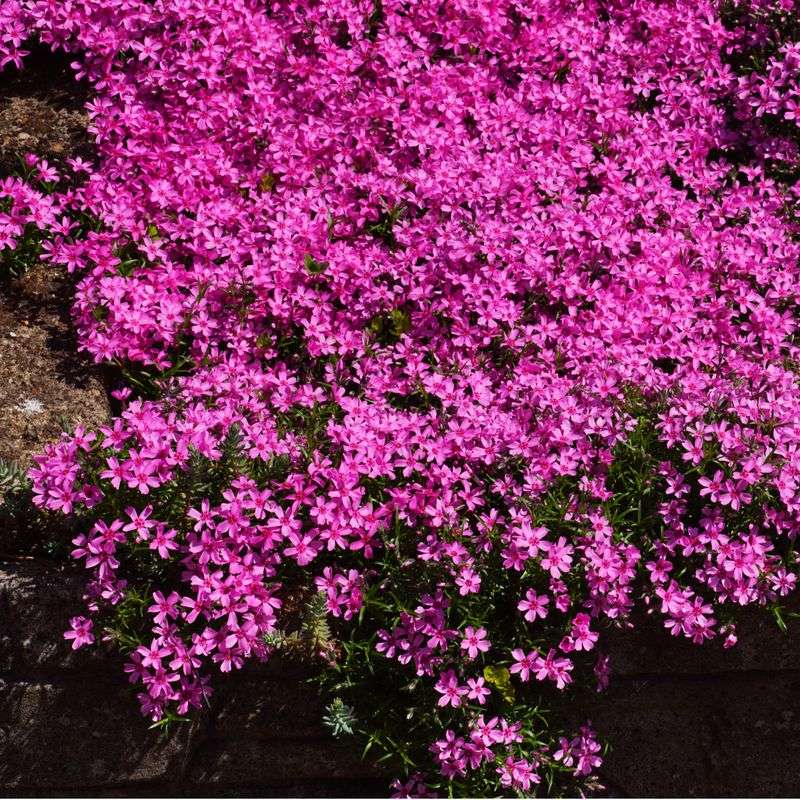
Timing is everything when it comes to fertilizing creeping phlox. The ideal time to apply fertilizer is early spring, just as new growth begins to emerge. This ensures that your plants receive nutrients at a critical stage of development, promoting vigorous growth and flowering.
By fertilizing at the right time, you set the foundation for a thriving garden. Use a light hand when applying, and follow up with gentle watering to help the nutrients penetrate the soil.
Proper timing syncs nutrient availability with the plant’s growth cycle, maximizing bloom potential.
3. Use Organic Options
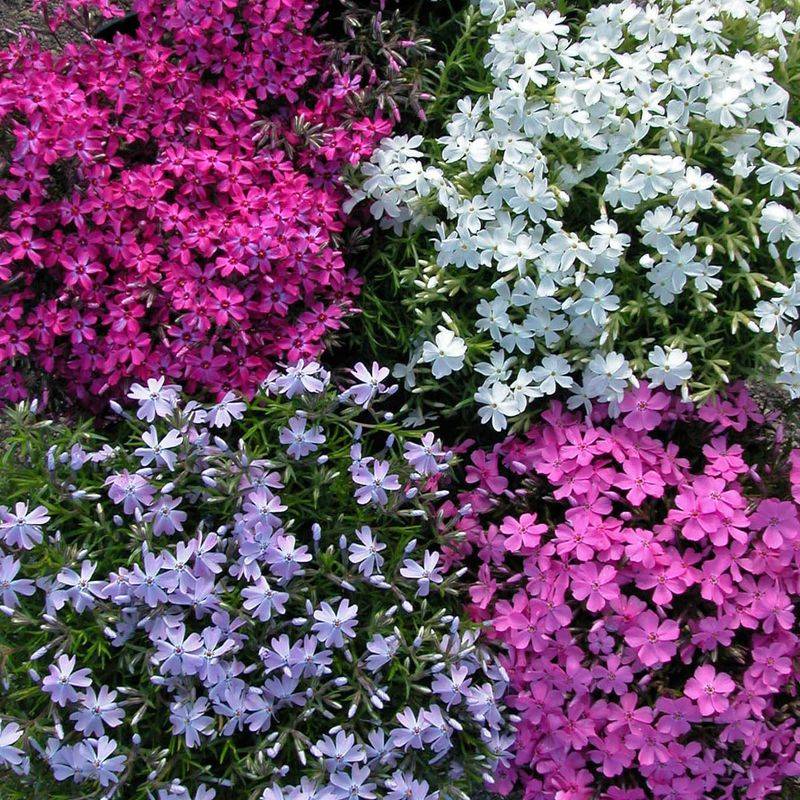
Embrace organic fertilization methods for a natural boost to your creeping phlox. Options like compost, aged manure, and fish emulsion provide eco-friendly nutrient sources.
Compost enriches your soil with organic matter, improving its structure and moisture retention. Aged manure adds essential nutrients while enhancing soil health. Fish emulsion delivers a quick nutrient boost that’s gentle on plants.
These organic options nurture your phlox without the harsh chemicals found in synthetic fertilizers, ensuring a healthier garden ecosystem. Choose organic for a sustainable approach that benefits both your plants and the environment.
4. Avoid High Nitrogen Fertilizers
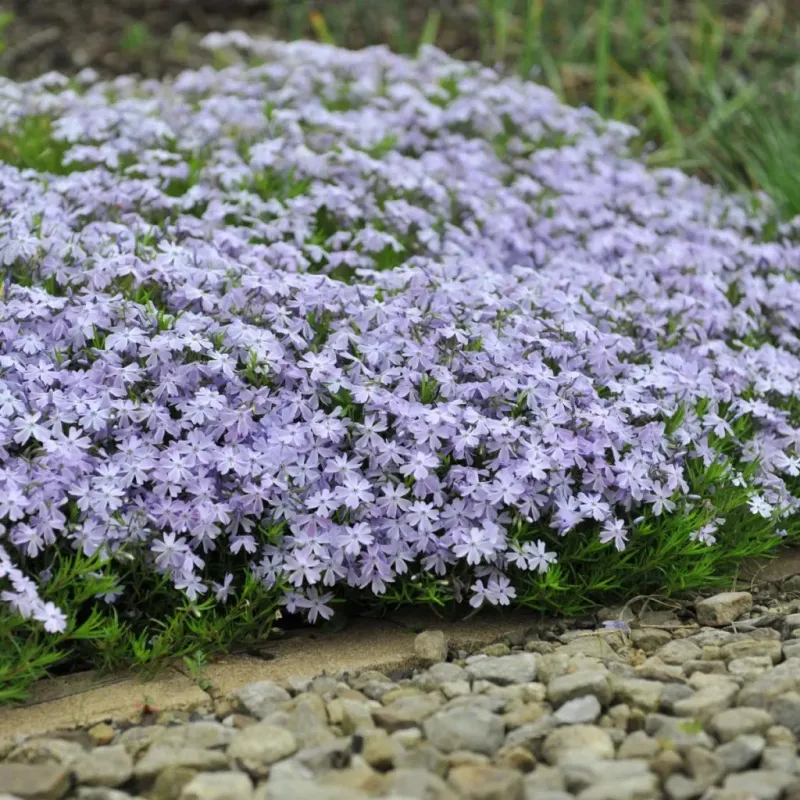
High nitrogen fertilizers can be detrimental to your creeping phlox, promoting excessive foliage at the expense of blooms. To encourage flowering, focus on balanced fertilizers with moderate nitrogen content.
Overuse of nitrogen leads to lush leaves but fewer flowers, diminishing the aesthetic appeal of your garden. Instead, choose formulations with balanced nutrients that support both foliage and bloom development.
Observing your plants’ response to fertilizer can guide adjustments for optimal health. Prioritizing balanced nutrients over high nitrogen ensures a vibrant display of flowers, delighting your senses and those of your neighbors.
5. Spread Evenly
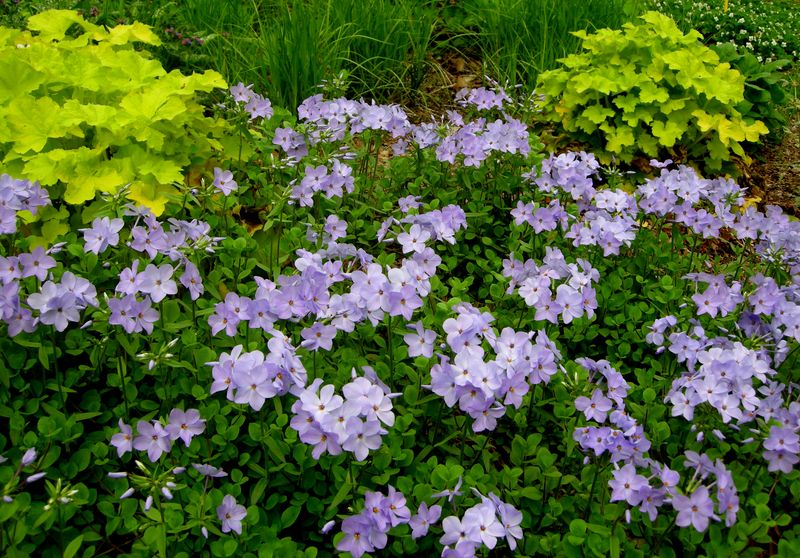
Proper fertilizer application is crucial to avoid damaging your creeping phlox. Lightly scatter the fertilizer around the base of the plant, taking care to avoid direct contact with stems and leaves.
Uneven application can lead to uneven growth or nutrient burn, so strive for consistency. Use a gentle hand and consider using a spreader for large areas to maintain uniformity.
After spreading, gently rake in the fertilizer to integrate it into the soil, enhancing nutrient uptake. This method promotes even growth and flowering, giving your garden a well-balanced, healthy appearance.
6. Water After Fertilizing
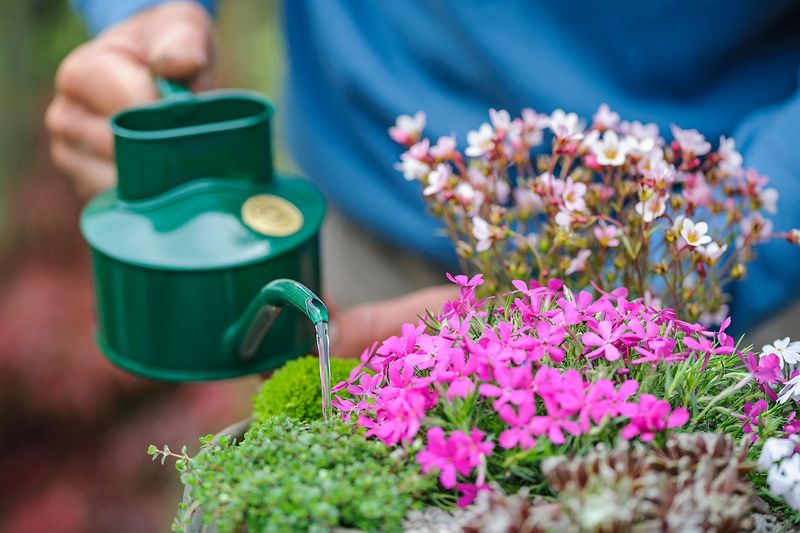
Watering after fertilizing is essential to ensure nutrients reach the roots of your creeping phlox. Gently water the area to help dissolve the fertilizer, allowing it to soak into the soil and become accessible to plant roots.
Use a soft spray to avoid washing away the fertilizer or damaging delicate blooms. This step enhances nutrient absorption and prevents fertilizer burn. Consistent watering, paired with proper fertilization, supports healthy growth and vibrant blooms.
Remember, the goal is to moisten the soil without causing waterlogging, achieving a balanced environment for your phlox to flourish.
7. Mulch for Extra Nutrients
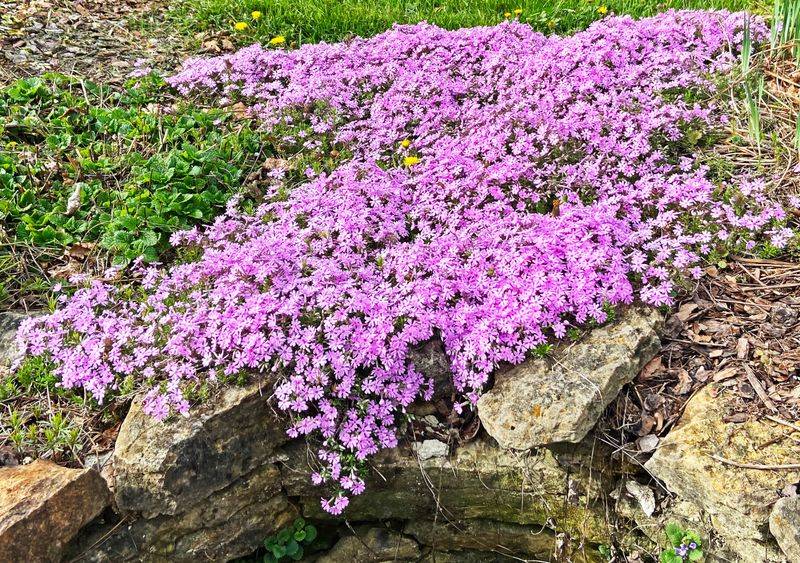
Mulching is a valuable practice for enhancing soil health and providing extra nutrients to your creeping phlox. Apply a layer of compost or organic mulch around the plants to retain moisture and suppress weeds.
As the mulch breaks down, it releases nutrients slowly, feeding your plants over time. This method not only enriches the soil but also stabilizes soil temperature, fostering a favorable environment for growth.
Mulching reduces the need for frequent watering, conserving resources while promoting lush blooms. Choose organic materials for an eco-friendly approach that benefits your garden’s ecosystem.
8. Monitor Growth

Keep a watchful eye on the growth and health of your creeping phlox throughout the season. If your plants appear weak or have fewer blooms than expected, consider applying a second light feeding in mid-spring.
This additional nutrient boost can invigorate your plants, promoting more robust growth and flowering. Monitor leaf color and overall plant vigor to assess nutrient needs. Timely interventions ensure your garden remains vibrant and healthy.
Adjust your fertilization approach based on plant performance, ensuring they receive the right support to thrive and produce eye-catching blooms.
9. Deadhead Spent Flowers
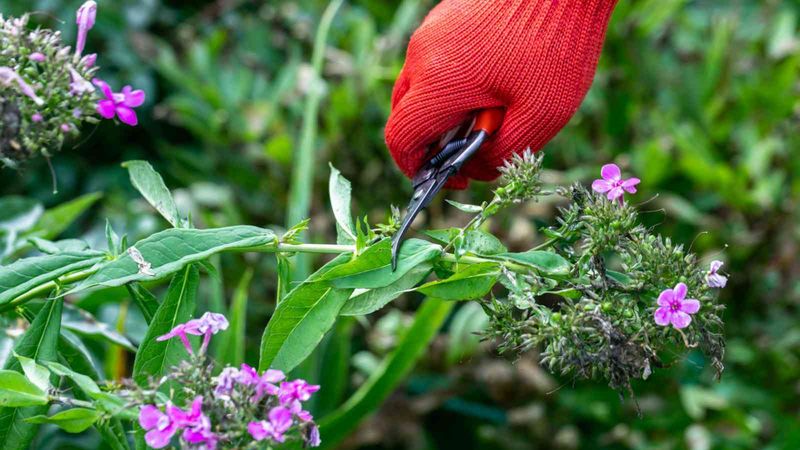
Regularly removing spent flowers, known as deadheading, is crucial for encouraging continuous blooms in your creeping phlox. By cutting back faded blooms, you redirect the plant’s energy from seed production to new growth and flowering.
This simple practice extends the blooming period and enhances the overall appearance of your garden. Use clean, sharp scissors or pruners to prevent damage. Besides enhancing aesthetics, deadheading reduces the risk of disease and promotes healthier plants.
Incorporating this practice into your garden routine ensures your phlox remain vibrant and floriferous throughout the growing season.
10. Prepare for Next Season
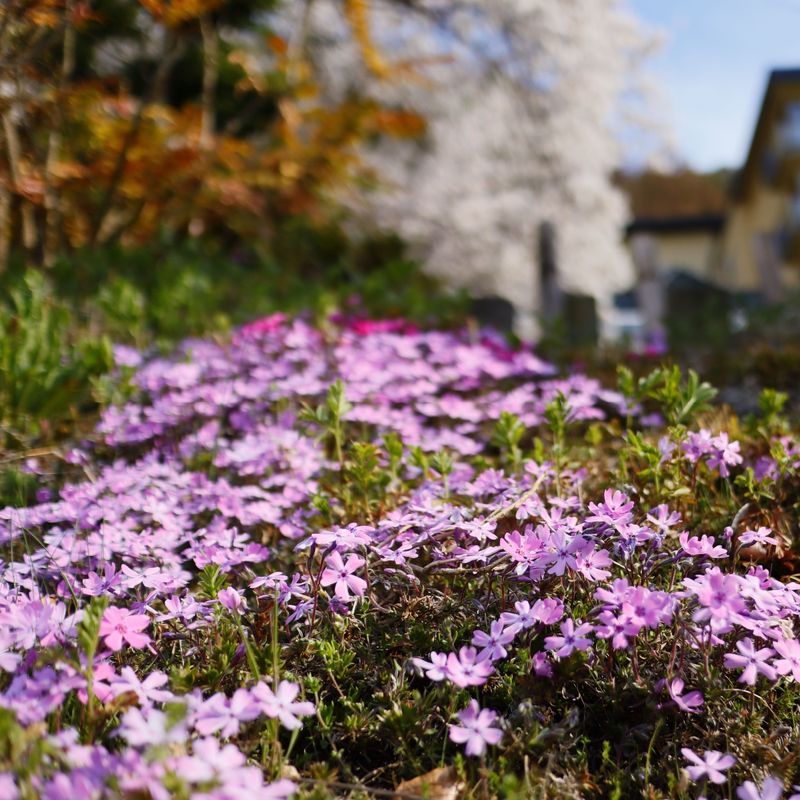
Prepare your creeping phlox for the coming year by applying a final dose of fertilizer in late fall. This supports strong root development during the winter months, setting the stage for vigorous growth in spring.
Choose a fertilizer that emphasizes root health, ensuring your plants have the reserves needed for early growth. Apply as per instructions, considering local weather conditions to avoid nutrient leaching.
This seasonal preparation ensures your phlox are well-equipped to face winter challenges. By investing in their health now, you guarantee a robust and colorful display when the growing season returns.