
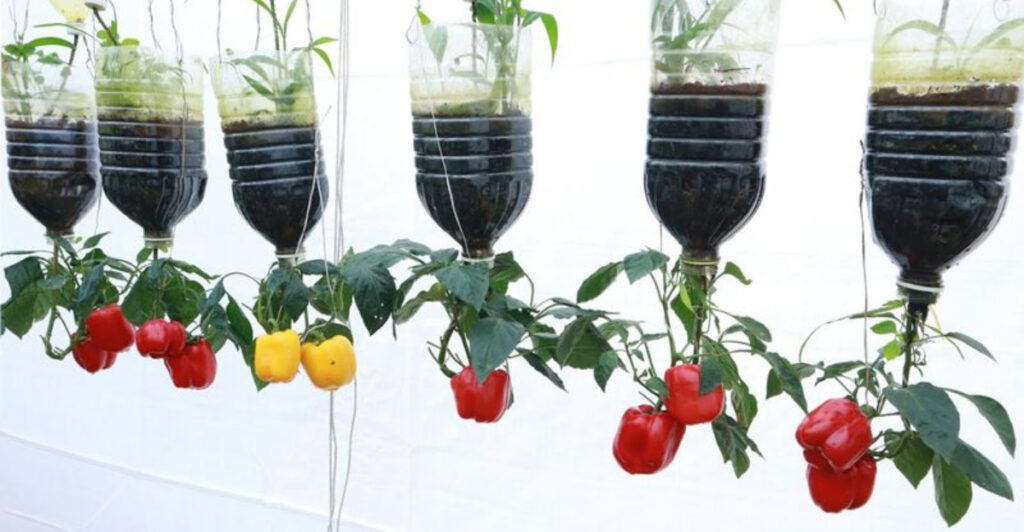
Upside-down gardening is an innovative and fun way to cultivate vegetables, especially when your space is limited.
This method allows for easier access, improved drainage, and can lead to healthier plants.
Whether you’re hanging planters from a balcony or suspending them in a sunny backyard, these 20 vegetables are perfect candidates for your upside-down garden.
1. Tomatoes (Cherry & Patio Varieties)
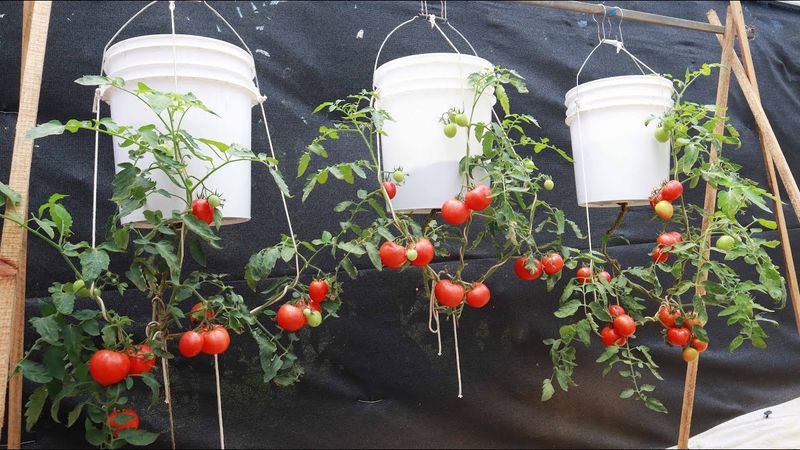
Cherry and patio tomatoes are compact and prolific, making them perfect for upside-down gardens. These varieties thrive in containers, benefiting from improved drainage and air circulation.
Positioned in sunny spots, they offer easier access for harvesting. With their robust growth and resistant nature, these tomatoes adapt well to the unique conditions of hanging planters.
They’re not just functional but also visually appealing, adding a splash of color to your garden. Regular watering and occasional fertilization will ensure a bountiful yield of these delicious fruits throughout the growing season.
2. Eggplants (Small Varieties)
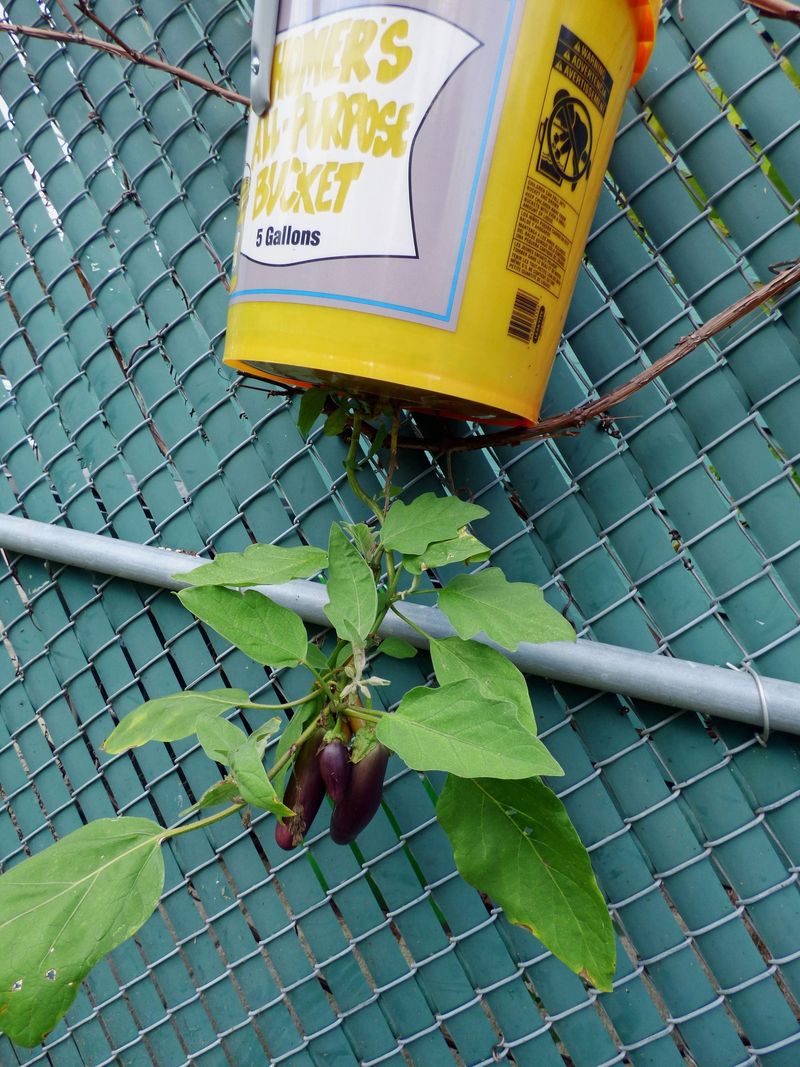
Small eggplant varieties are excellent for upside-down gardening. Their ability to adapt to limited soil depth allows them to produce flavorful fruits in hanging containers.
These plants prefer warm temperatures and ample sunlight, making them suitable for outdoor suspended gardens. Regular care, including consistent watering and fertilization, ensures healthy growth and abundant fruiting.
The glossy purple fruits add a touch of elegance to your setup, contributing both beauty and delicious produce to your garden. These compact plants maximize limited space, providing a rich harvest.
3. Cucumbers (Dwarf or Bush Types)
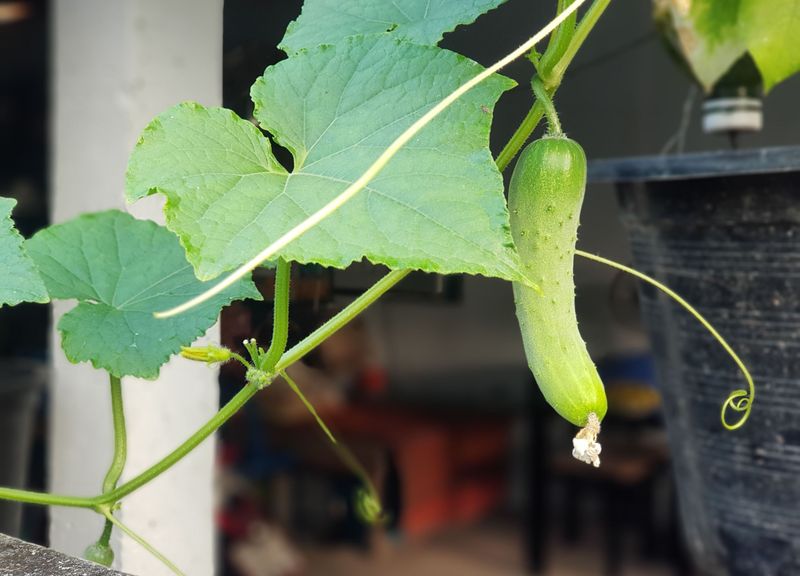
Dwarf or bush cucumbers are a perfect match for upside-down gardening. These varieties thrive in constrained spaces, offering fresh fruits even in non-traditional setups.
Their bushy growth habit makes them manageable in hanging containers, where they utilize vertical space efficiently. Planting them in a sunny spot and ensuring regular watering will promote healthy development.
The crisp fruits are easy to harvest and make a refreshing addition to salads. With proper care, these cucumbers can provide a continuous yield throughout the growing season.
4. Bush Beans
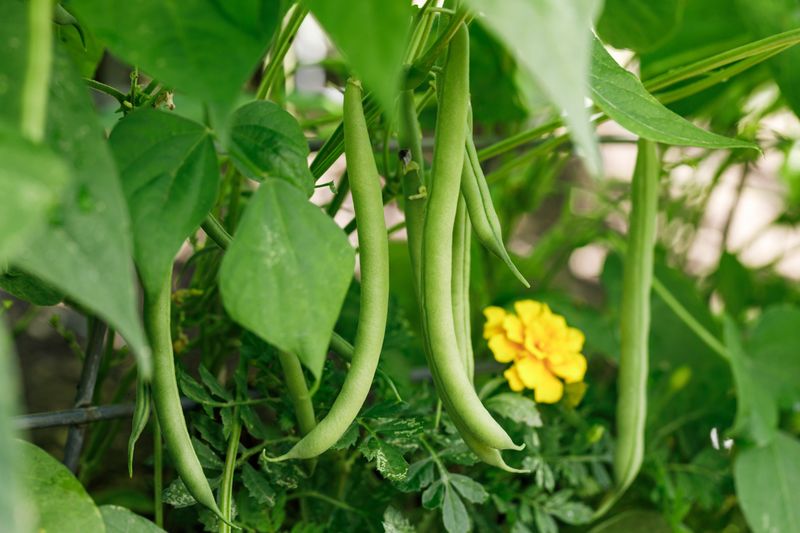
Bush beans are a great choice for upside-down gardening due to their bushy growth habit. They adapt well to container environments, utilizing the available space efficiently.
These beans thrive in warm conditions, and their compact nature makes them suitable for hanging planters. Regular watering and sunlight exposure will lead to a thriving plant.
The beans are easy to pick and provide a nutritious addition to your meals. Their lush foliage and green pods add visual interest to your garden, making them both functional and decorative.
5. Herbs (Basil, Parsley, Cilantro)
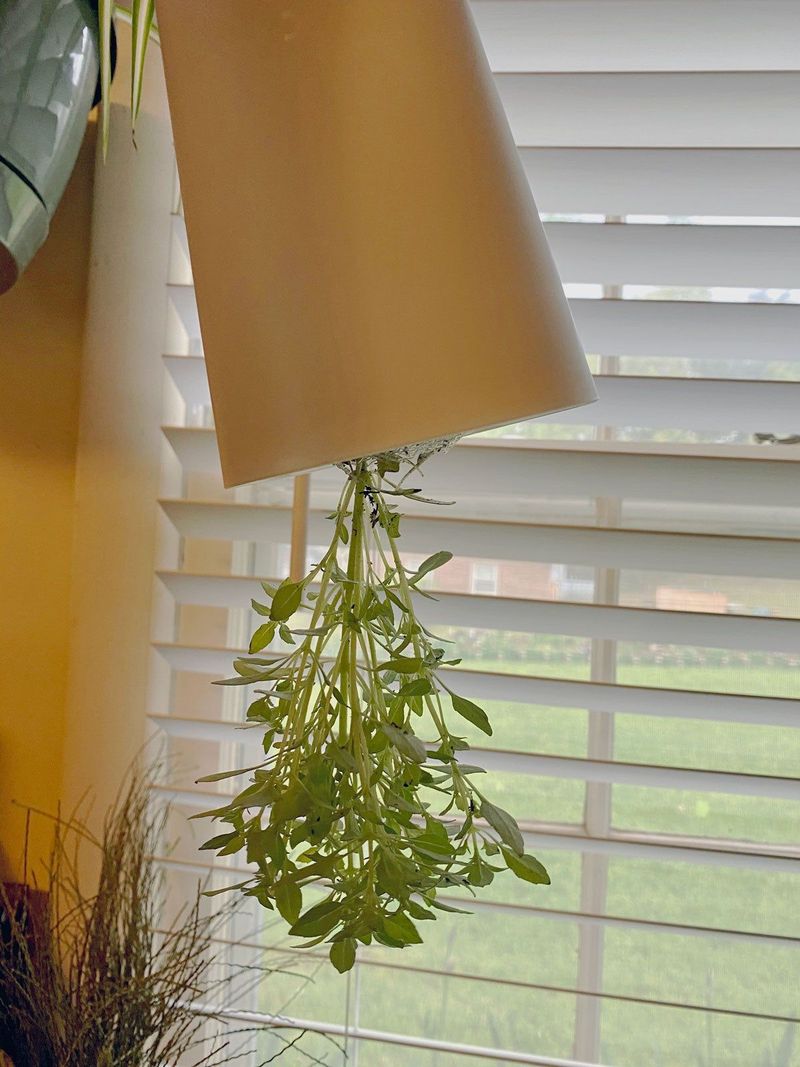
Herbs like basil, parsley, and cilantro are ideal for upside-down gardens. Their compact root systems thrive in limited soil, offering flavorful additions to your culinary creations. These herbs are easy to grow and require minimal maintenance.
Placing them in a sunny spot ensures vigorous growth and rich flavors. Regular harvesting encourages new growth, allowing for a continuous supply of fresh herbs.
Their aromatic leaves not only enhance your dishes but also add a delightful scent to your garden. They are a practical and aesthetic choice for any gardener.
6. Peppers (Bell, Chili, & Jalapeño)
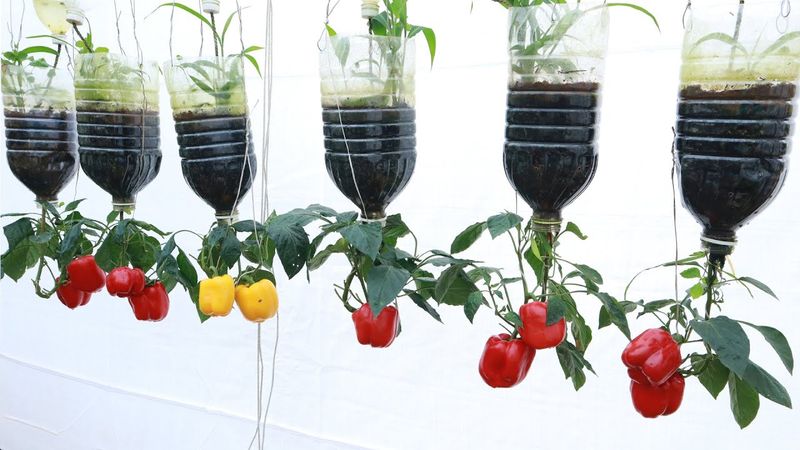
Peppers are sturdy plants that produce steadily, making them ideal for upside-down setups. The bell, chili, and jalapeño varieties can adapt to the unique growing conditions provided by these planters.
Their structure allows for efficient use of space, with fruits hanging freely and easily accessible for picking. Peppers thrive in warm conditions and will do well in a sunny location.
Regular watering and a balanced fertilizer will support their growth, leading to a plentiful harvest. These colorful vegetables add both flavor and aesthetic appeal to your garden.
7. Spinach
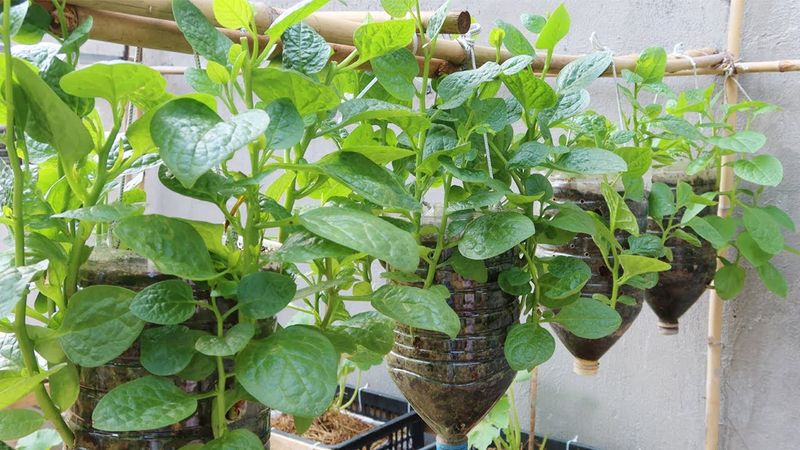
Spinach is a fast-growing leafy green that thrives in shallow containers, making it perfect for an upside-down garden. Its rapid growth and resilience allow for a quick harvest.
Growing spinach in a shaded area with consistent watering will yield tender leaves. It’s a nutritious addition to salads and smoothies, offering a plentiful supply throughout the season.
Spinach’s ability to grow in limited soil makes it a versatile choice for space-constrained gardening. Its lush, green foliage adds a refreshing look, while providing essential vitamins and minerals.
8. Microgreens
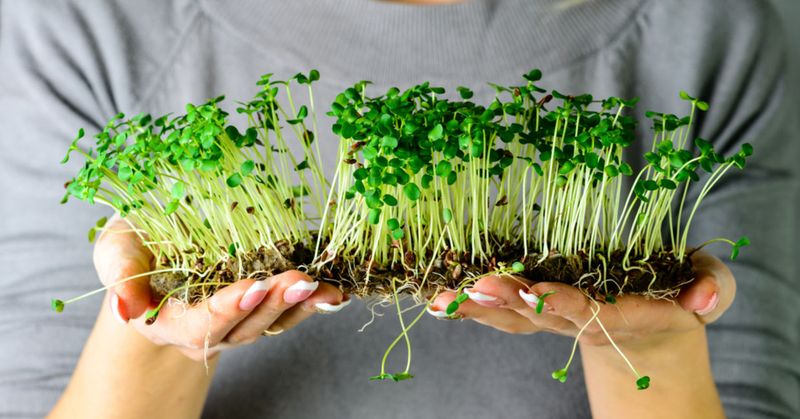
Microgreens are nutrient-packed young vegetables that flourish in small containers, making them suitable for upside-down gardens. These miniature greens are harvested early, offering a concentrated burst of flavor.
Growing microgreens indoors near a sunny window provides the light they need to thrive. They require minimal soil and space, making them easy to manage.
Their rapid growth allows for multiple harvests, ensuring a constant supply of fresh greens. Microgreens not only enhance the taste of dishes but also add a colorful and healthful touch to your meals.
9. Arugula
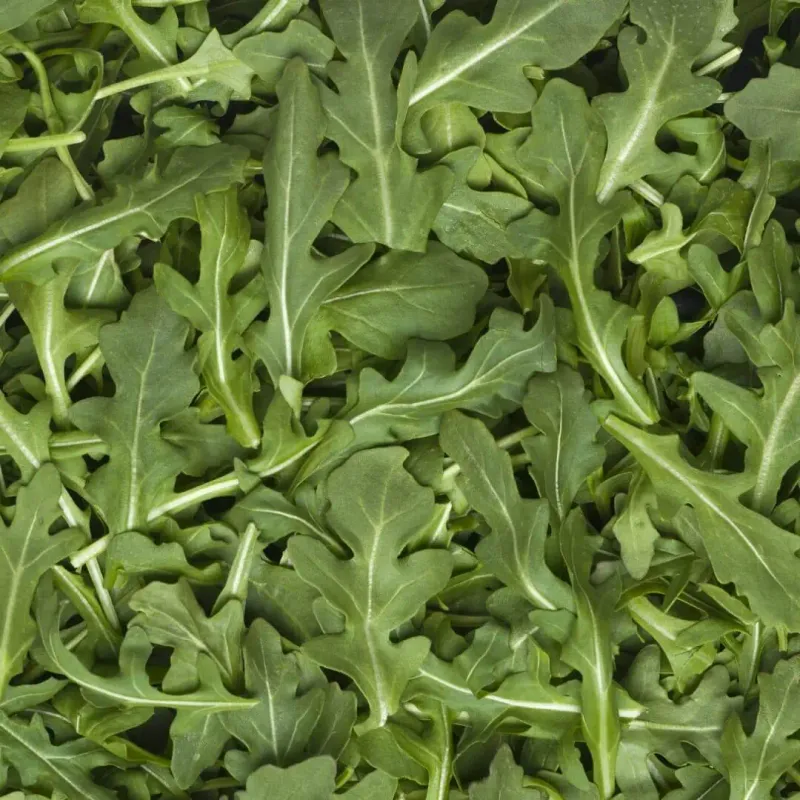
Arugula is a peppery salad green that thrives in shallow soil, making it suitable for upside-down gardening. Its rapid growth allows for continuous harvesting throughout the season.
This leafy green prefers a partially shaded location with regular watering. Arugula’s unique flavor adds a zesty kick to salads and sandwiches. Its ability to grow in limited space makes it a practical choice for small garden setups.
The fresh, green leaves provide a vibrant visual appeal, while enhancing the taste and nutritional value of your meals.
10. Swiss Chard
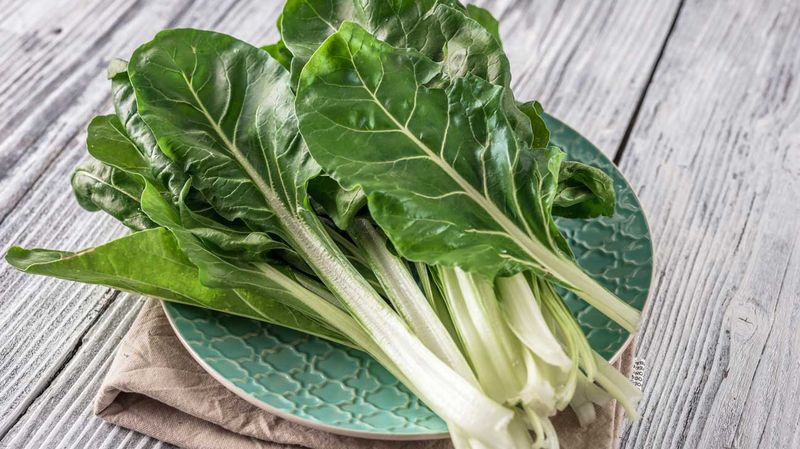
Swiss chard is known for its colorful leaves and shallow roots, adapting well to container gardening. This makes it an excellent choice for an upside-down garden. The vibrant stalks and lush leaves add a striking visual element to your garden.
Swiss chard thrives in sunny spots, requiring regular watering to maintain its health. It offers a continuous harvest, providing a nutritious addition to meals.
Whether steamed, sautéed, or raw, Swiss chard is versatile and flavorful. Its resilience and beauty make it a favorite among gardeners.
11. Mustard Greens
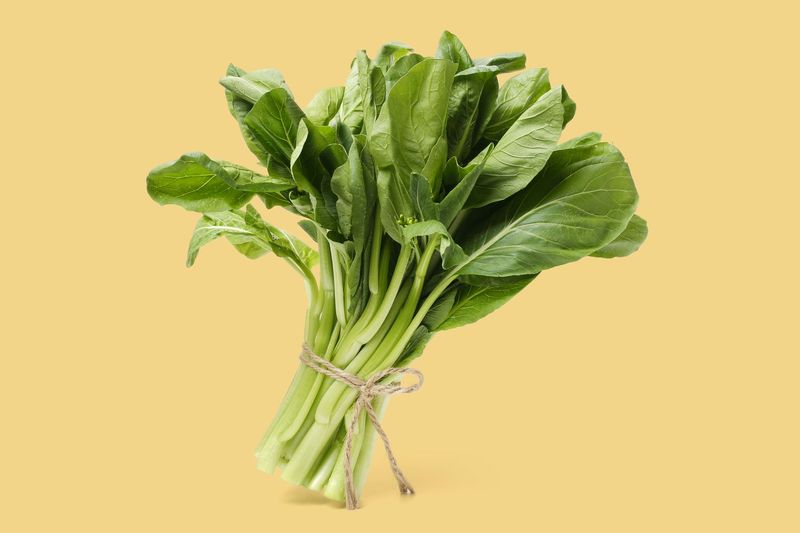
Mustard greens are quick-maturing and add a zesty flavor to your salads and stir-fries. Their adaptability to upside-down gardening makes them a smart choice for small spaces.
These greens prefer sunny locations and ample watering to support their rapid growth. The broad leaves offer a continuous harvest, enriching your dishes with bold flavors.
Mustard greens are not only tasty but also nutritious, providing essential vitamins and minerals. Their vibrant appearance and robust taste make them a delightful addition to any garden setup.
12. Bush Peas
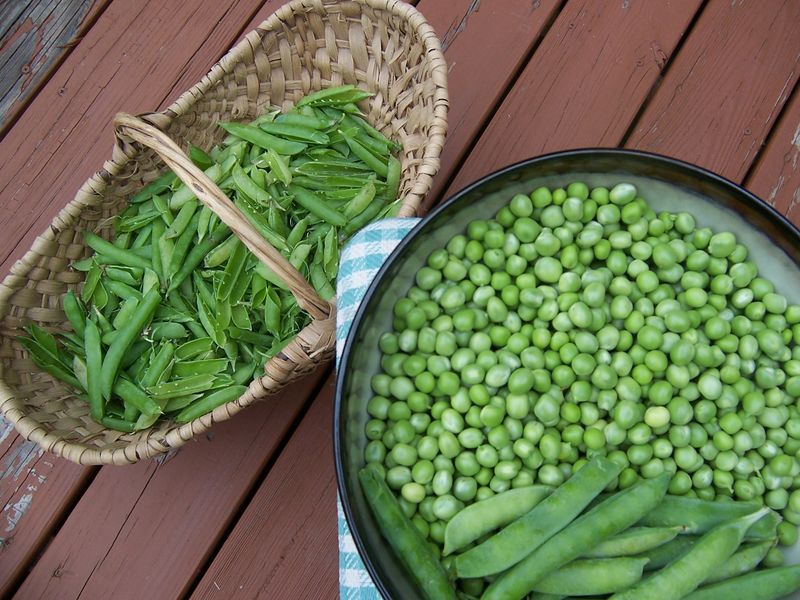
Bush peas are compact and not only produce delicious peas but also enrich the soil with nitrogen. Their suitability for upside-down gardening makes them an excellent choice for space-constrained areas.
These plants thrive in sunny spots with regular watering. The green pods are easy to pick and offer a sweet addition to meals. Bush peas’ dual benefits of providing food and improving soil health make them valuable for any gardener.
Their lush foliage adds beauty to your garden, while their productivity ensures a consistent yield.
13. Green Onions (Scallions)
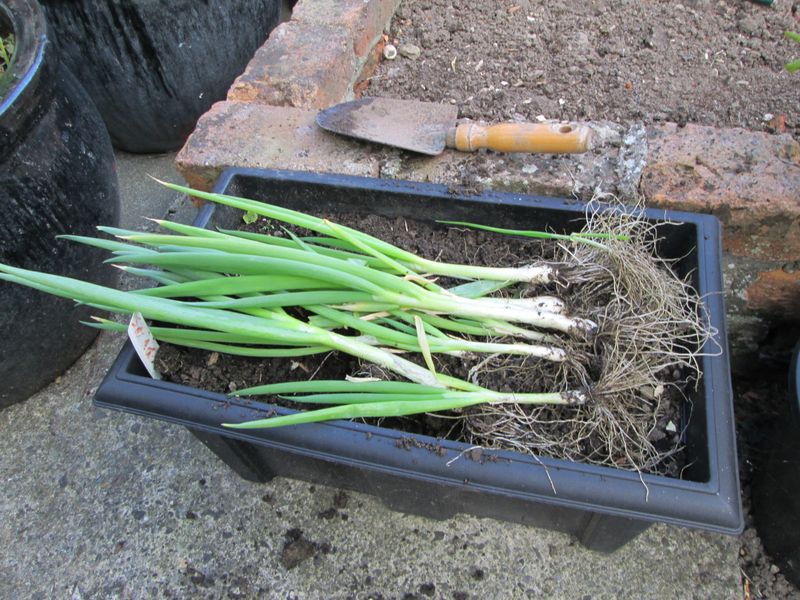
Green onions are ideal for upside-down gardens due to their minimal space requirements and rapid growth. These slender stalks add a fresh, mild onion flavor to dishes.
They thrive in sunny locations and need regular watering to maintain their lush appearance. Green onions are easy to harvest, offering a continuous supply for your culinary needs.
Their ability to grow in confined spaces makes them practical for small gardens. Whether used as a garnish or a main ingredient, they enhance the taste and visual appeal of your meals.
14. Baby Carrots (Dwarf Varieties)
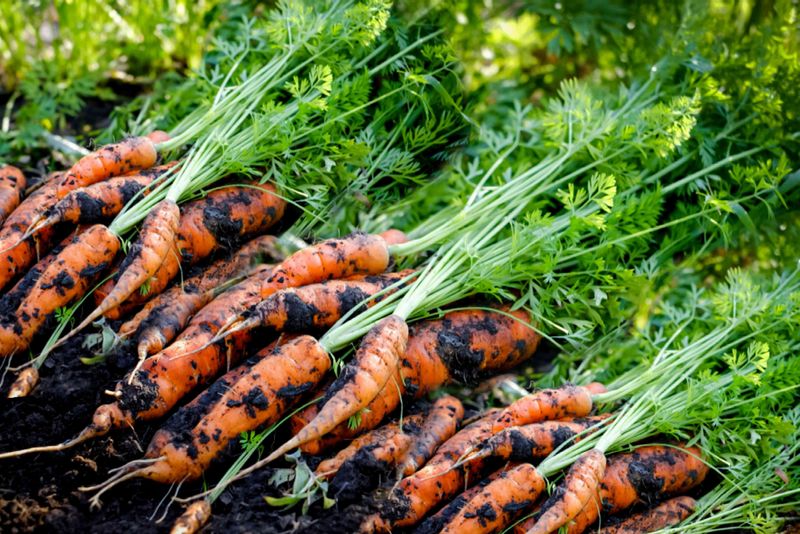
Dwarf baby carrots can thrive in container settings when given enough soil depth. These carrots are perfect for upside-down gardens, providing a sweet and crunchy snack. They require a sunny location and consistent watering to ensure healthy growth.
The vibrant orange roots and green tops add a splash of color to your garden. Baby carrots’ compact size allows for efficient use of space, making them a practical choice for any gardener.
They’re not only delicious but also nutritious, offering a fun and rewarding harvest.
15. Dwarf Okra
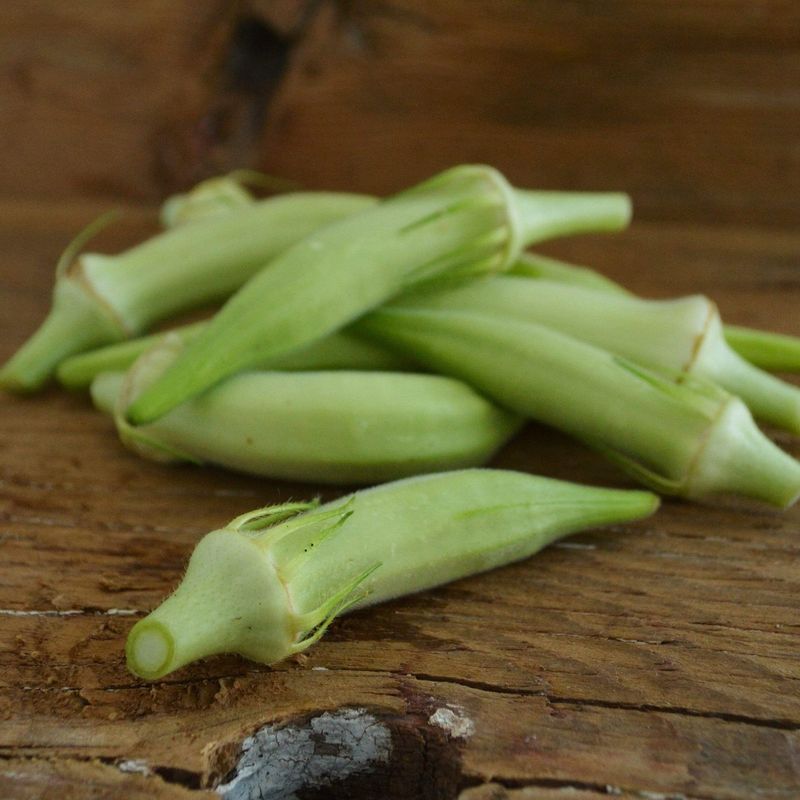
Dwarf okra is a smaller variety that can succeed in sunny container setups, making it suitable for upside-down gardening. These plants offer a unique and tasty addition to your meals.
They thrive in warm, sunny locations with regular watering to support their growth. The green pods are easy to harvest and can be used in various dishes.
Dwarf okra’s compact nature allows for efficient use of space, while its productivity ensures a plentiful yield. This versatile vegetable adds both flavor and beauty to your garden.
16. Turnips (Baby Varieties)
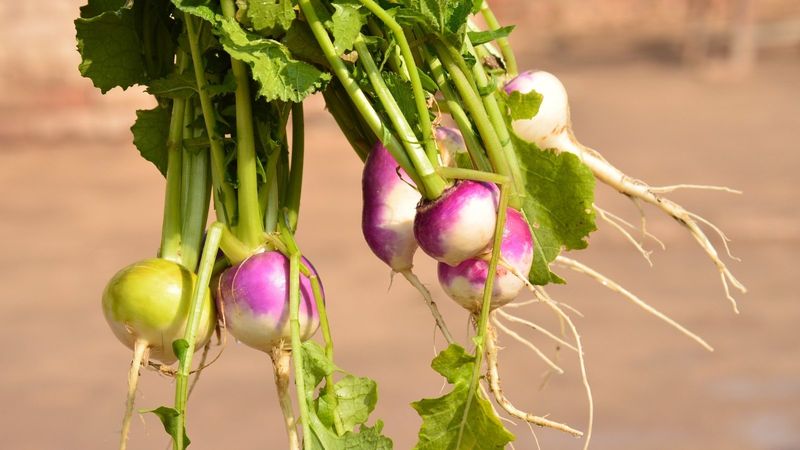
Baby turnips are small varieties that offer both tender roots and nutritious greens, making them ideal for upside-down gardening. Their rapid growth allows for a quick and rewarding harvest.
These plants prefer sunny locations and require regular watering to maintain their health. The white roots and green tops add a fresh and vibrant look to your garden.
Turnips are versatile in the kitchen, adding flavor and texture to dishes. Their dual-purpose nature makes them a valuable addition to any garden setup.
17. Beet Greens
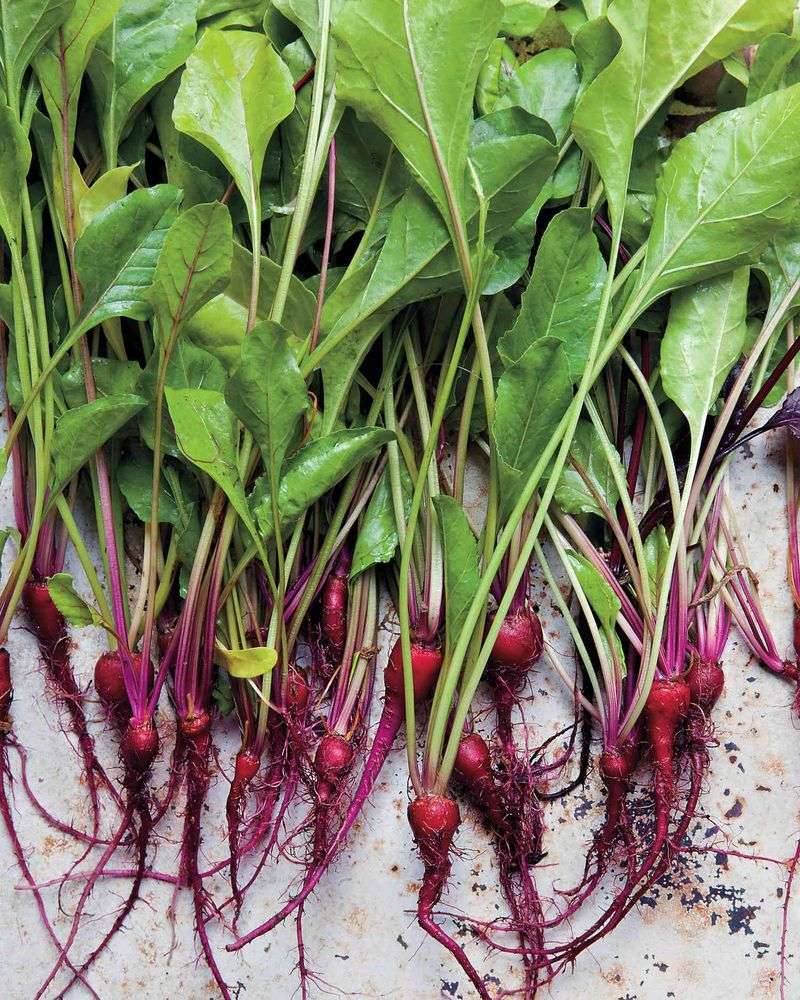
Beet greens focus on harvesting the tender, nutrient-rich greens while managing space in your planter. Their adaptability makes them suitable for upside-down gardening.
These greens thrive in sunny locations with regular watering to support their lush growth. The vibrant leaves add color and nutrition to your meals, providing a healthy and tasty addition.
Beet greens’ ability to grow in limited space makes them a practical choice for small gardens. Their resilience and productivity ensure a continuous supply of fresh greens throughout the season.