
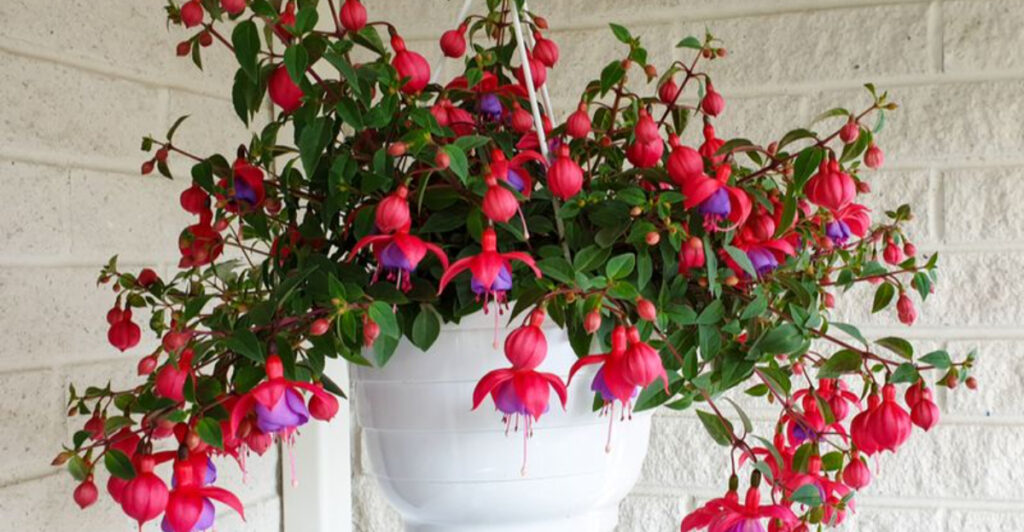
Hanging baskets filled with vibrant flowers can transform your garden into a hummingbird paradise.
Unlike feeders, these flowers offer natural nectar, color, and an organic appeal that attract these enchanting creatures.
Here are 20 stunning flowers perfect for creating a hummingbird haven in your garden.
1. Petunia
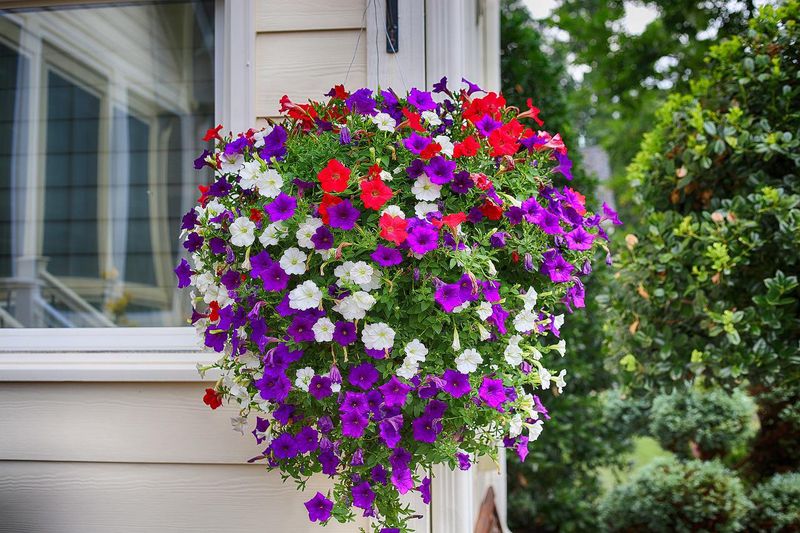
Petunias, with their trumpet-like blooms, are a favorite among both gardeners and hummingbirds. The wide array of colors, from soft pastels to bold purples, adds a splash of vibrancy to any space.
These flowers exude a delicate fragrance that beckons winged visitors throughout the summer.
They’re sun-loving plants, thriving in bright spots with well-drained soil. Regular deadheading extends their blooming period, ensuring a continuous nectar source.
Petunias’ cascading forms make them perfect for hanging baskets, where they spill over the edges, creating a floral waterfall that’s hard to resist.
2. Lantana
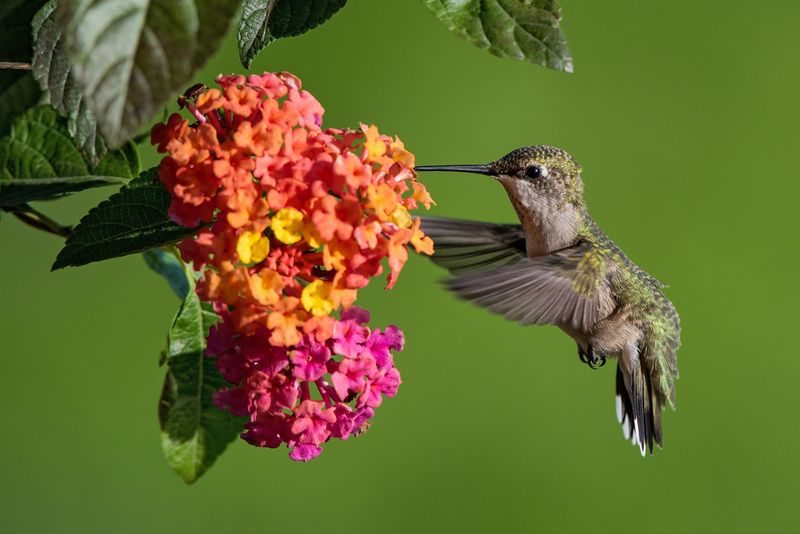
Lantana is a burst of sunshine in a hanging basket, with flowers that resemble colorful fireworks. The clusters change hues as they mature, providing a dynamic palette that attracts hummingbirds. Known for their resilience, lantanas thrive in full sun and tolerate drought well.
Their long blooming season, from spring to fall, ensures a consistent nectar supply. Pruning helps maintain their shape and encourages more blooms.
Lantana’s vibrant colors and ease of care make them a wonderful choice for gardeners looking to attract hummingbirds without much fuss.
3. Begonia
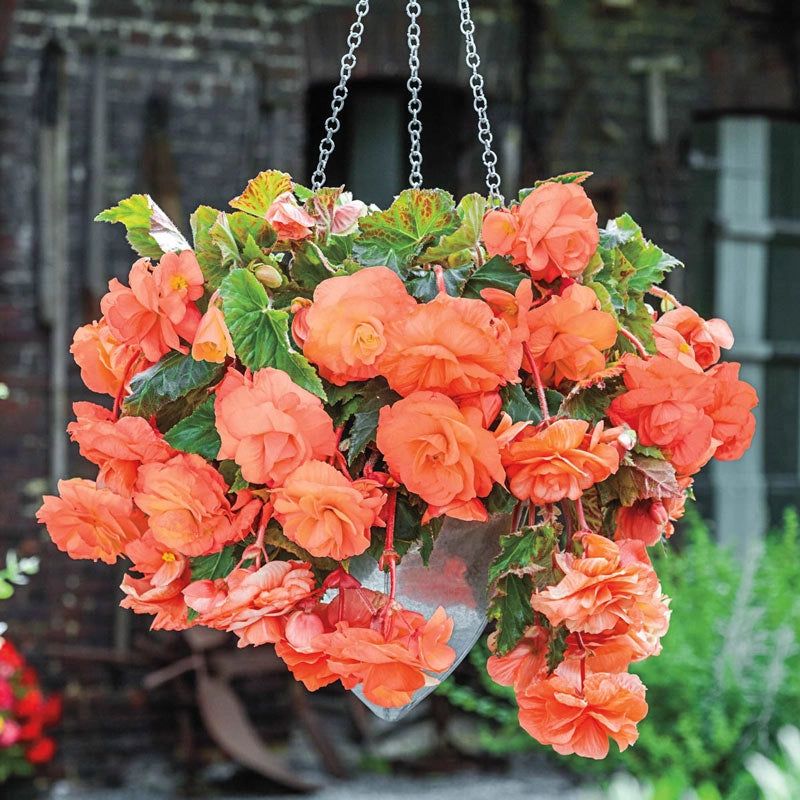
Begonias, with their lush foliage and bright blooms, are a charming addition to any hanging basket. These flowers come in various shapes and colors, from soft whites to fiery reds, appealing to the visual and olfactory senses of hummingbirds.
They prefer shady spots and require regular watering to maintain their vibrant appearance. The blooms last from summer to fall, offering a reliable nectar source.
Begonias are relatively low-maintenance, making them ideal for novice gardeners seeking to create a hummingbird-friendly environment with minimal effort.
4. Nasturtium
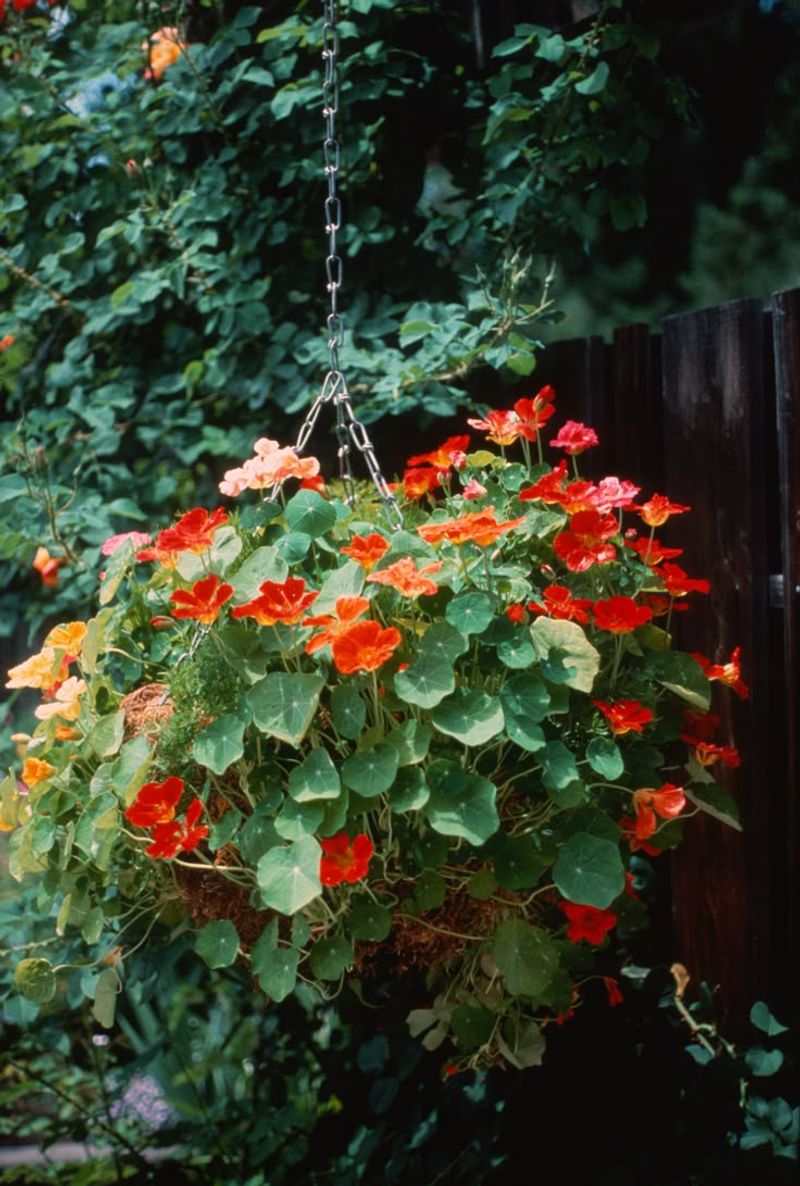
Nasturtiums bring a touch of whimsical charm with their bright, cheerful blooms. These flowers are not only attractive to hummingbirds but are also edible, adding a peppery zest to salads. Their trailing vines spill elegantly over basket edges, creating a lively spectacle.
Thriving in sunny conditions, they are easy to grow from seed and are drought-tolerant once established. Nasturtiums bloom from late spring to early fall, ensuring a steady nectar flow.
These resilient flowers are a favorite among gardeners who appreciate both aesthetics and practicality, providing visual delight and culinary perks.
5. Verbena
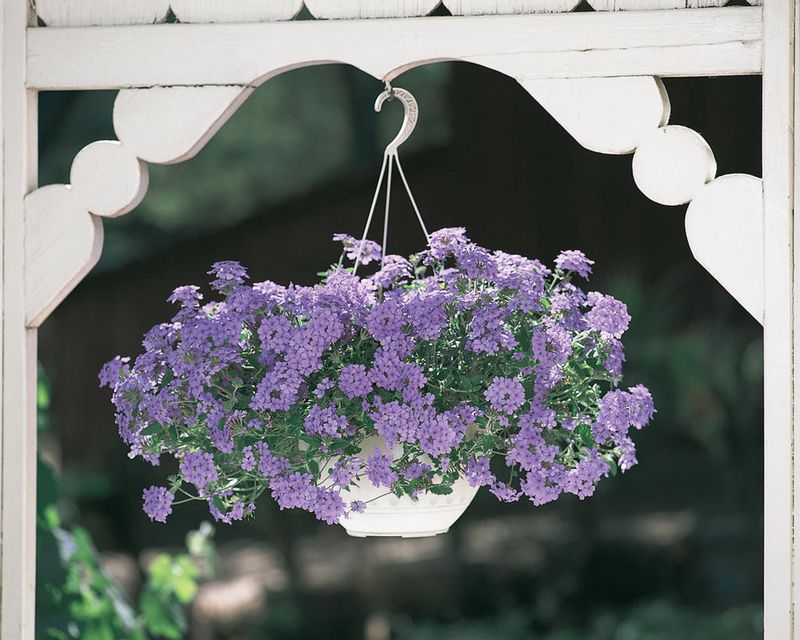
Verbena, with its clusters of small, vibrant flowers, is a magnet for hummingbirds. These charming plants bloom profusely, offering an abundant nectar source throughout the growing season. Their colors range from soft pinks to rich purples, adding a splash of color to any garden.
Verbena thrives in full sun and well-drained soil, making it a low-maintenance choice for busy gardeners. Regular deadheading encourages continuous blooming.
With its hardy nature and vibrant hues, verbena transforms hanging baskets into lively, hummingbird-attracting displays, perfect for adding life to any garden space.
6. Calibrachoa
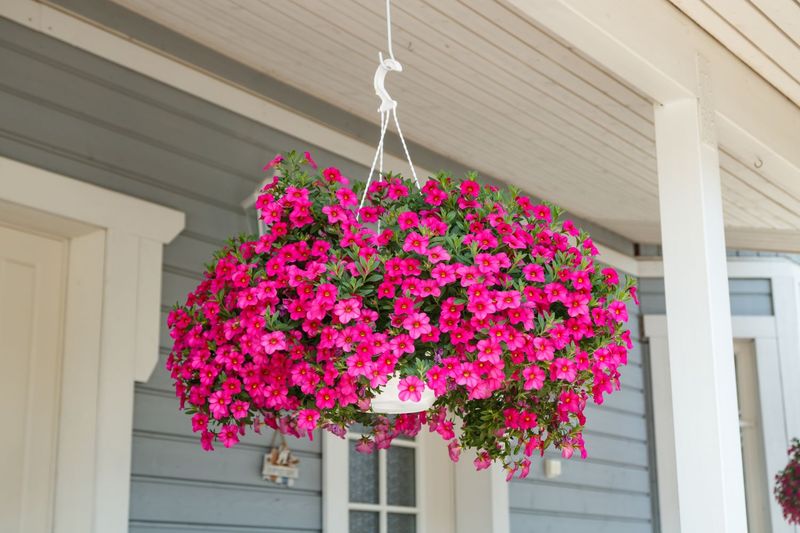
Calibrachoa, often called “mini petunias,” feature small, trumpet-shaped flowers that bloom profusely. These delightful blooms come in a myriad of colors, from sunny yellows to deep purples, creating a colorful tapestry.
Hummingbirds find the nectar abundant and irresistible, making calibrachoa a popular choice. They thrive in sunny locations with well-drained soil, blooming from spring to frost.
Calibrachoa’s compact, mounding habit makes them perfect for hanging baskets, where they cascade beautifully over the sides. This low-maintenance plant requires little more than regular watering and occasional fertilization to keep them thriving.
7. Impatiens

Impatiens offer a burst of color and are particularly suited for shaded areas. These flowers, with their delicate petals, come in various shades, including pinks, reds, and whites. Their soft, gentle blooms are a favorite among hummingbirds seeking nectar.
They thrive in shady spots, making them ideal for areas where sun-loving plants might not flourish. Regular watering is essential to keep impatiens vibrant.
Their long blooming season, from spring through summer, ensures a steady visit from hummingbirds. Impatiens’ soft allure and easy care make them a staple in many gardens.
8. Geranium
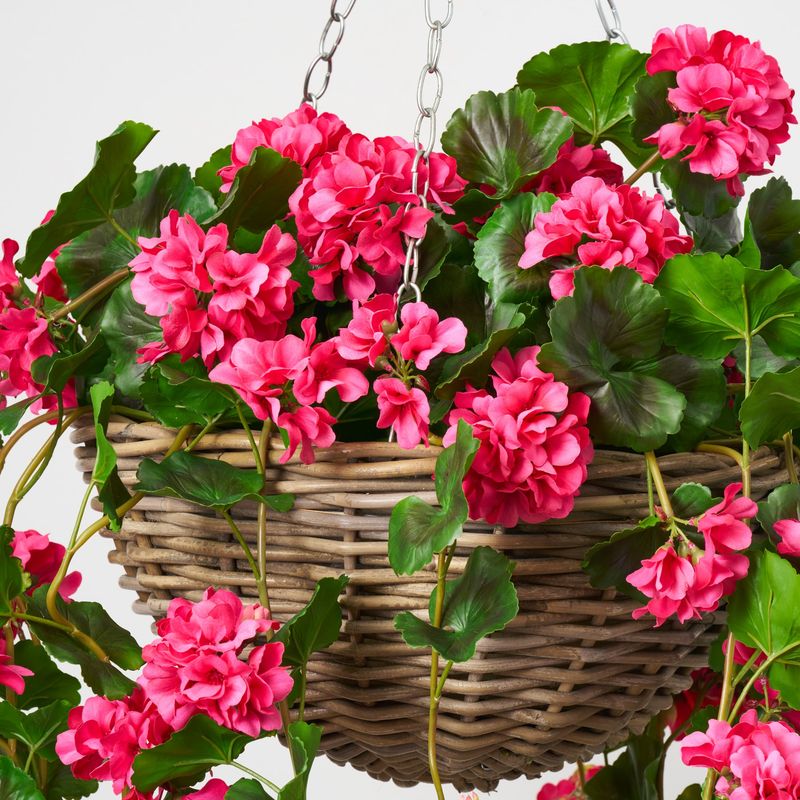
Geraniums are a classic choice for hanging baskets, known for their sturdy stems and clusters of vivid blooms. These sun-loving plants are available in a variety of colors, including reds and pinks, which are particularly appealing to hummingbirds.
They thrive best in sunny conditions with well-drained soil. Deadheading helps prolong their blooming period, offering nectar-rich flowers from spring to frost.
Geraniums’ bright colors and robust nature make them a reliable choice for gardeners eager to welcome hummingbirds into their outdoor spaces, providing both beauty and a practical nectar source.
9. Salvia
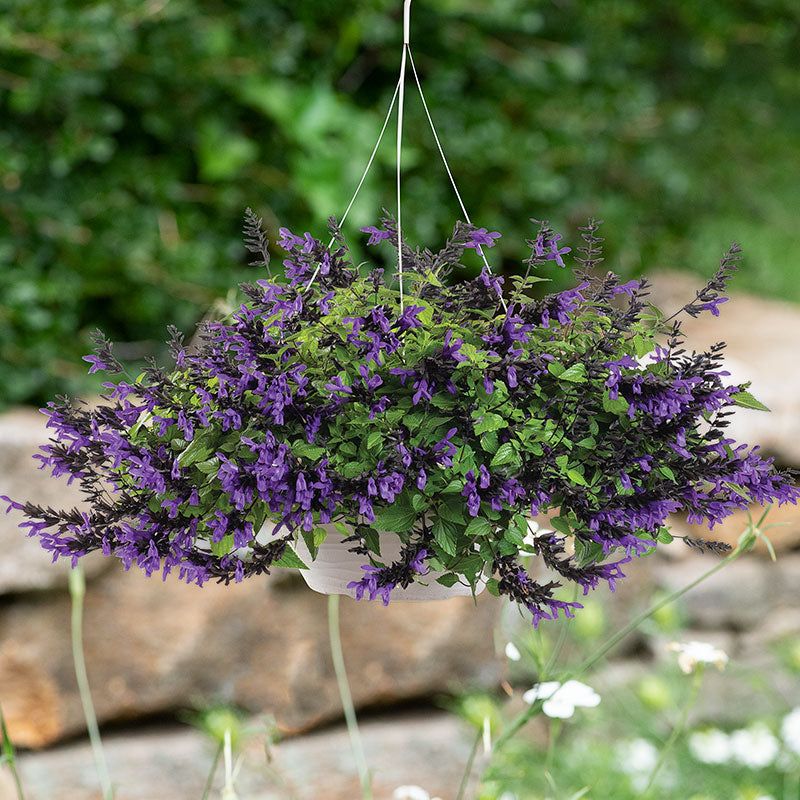
Salvia, with its spiky blooms, is a beacon for hummingbirds, offering plentiful nectar. These flowers come in various colors, with blues and reds being particularly striking. Salvia is easy to care for, thriving in sunny spots with well-drained soil.
They bloom from late spring to autumn, ensuring a lengthy nectar season. Regular pruning encourages new blooms and maintains a tidy appearance.
With its bold colors and easy-going nature, salvia is a must-have for creating a hummingbird-friendly garden. Its vertical spikes add height and interest to hanging baskets.
10. Cuphea
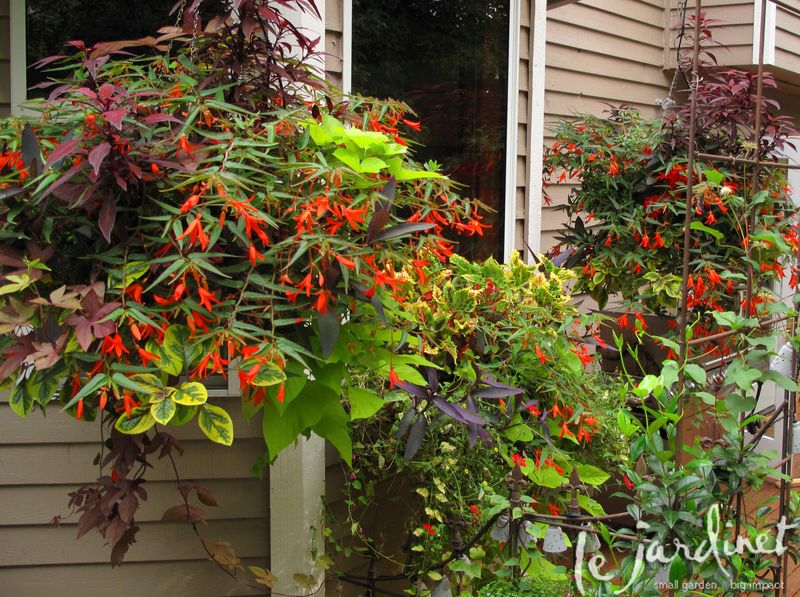
Cuphea, often known as “cigar plant,” is a quirky addition to any garden. Its tubular flowers, in shades of red and orange, resemble tiny cigars, enticing hummingbirds with their abundant nectar.
These sun-loving plants thrive in bright conditions and well-drained soil, requiring minimal care. They bloom continuously from spring through fall, providing a consistent floral display.
Cuphea’s unique shape and vibrant colors make it an eye-catching and functional choice for hanging baskets, ensuring that your garden becomes a favored spot for hummingbird visits.
11. Honeysuckle
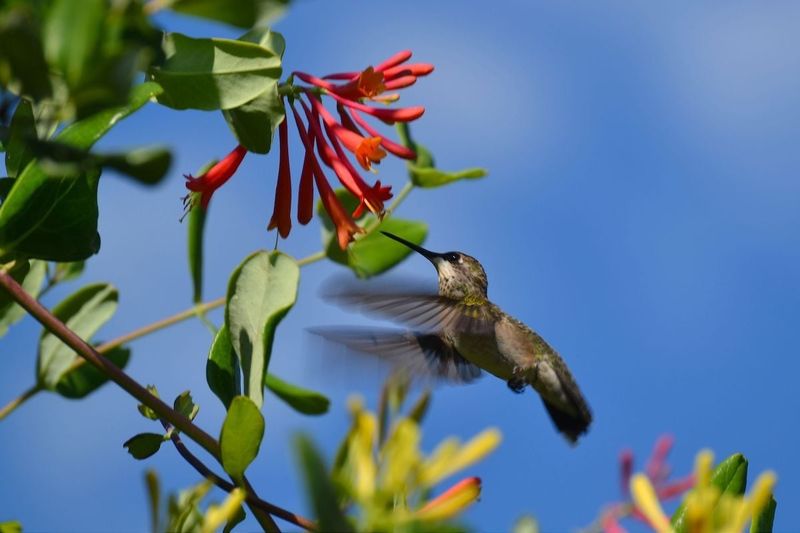
Honeysuckle offers a fragrant invitation to hummingbirds, with its sweetly scented blooms. These flowers, ranging from creamy whites to soft pinks, provide a feast for both the eyes and the senses.
Honeysuckle is a climber, often trained to spill gracefully over hanging baskets. They thrive in sunny locations and bloom from late spring to early fall.
The combination of aromatic allure and visual beauty makes honeysuckle a cherished choice for gardeners aiming to create a romantic, hummingbird-friendly environment.
12. Lobelia
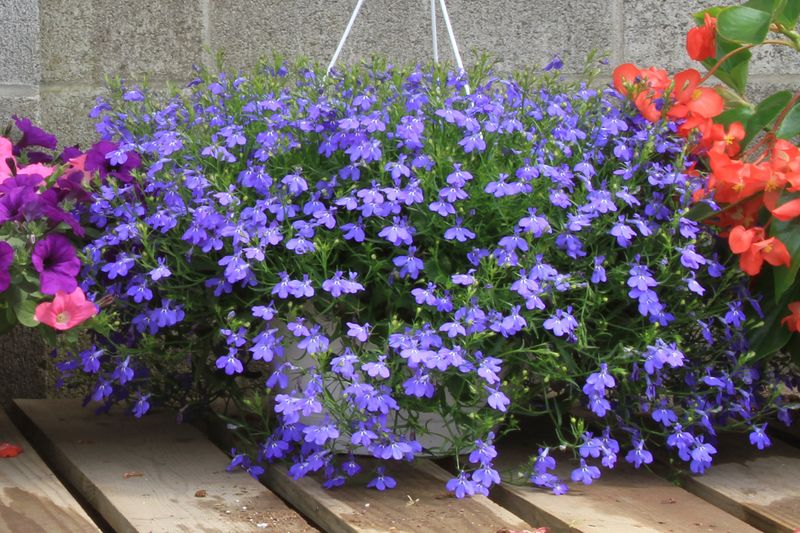
Lobelia, with its cascading flowers, brings a touch of elegance to hanging baskets. The striking blue and purple blooms are a magnet for hummingbirds, offering a rich nectar source.
These plants prefer a sunny to partially shaded location and require regular watering to maintain their lush appearance. Lobelia blooms from spring to late summer, ensuring a long-lasting display.
Their graceful, trailing habit makes lobelia an excellent choice for gardeners looking to add both color and movement to their outdoor spaces, providing a serene spot for hummingbird visits.
13. Morning Glory
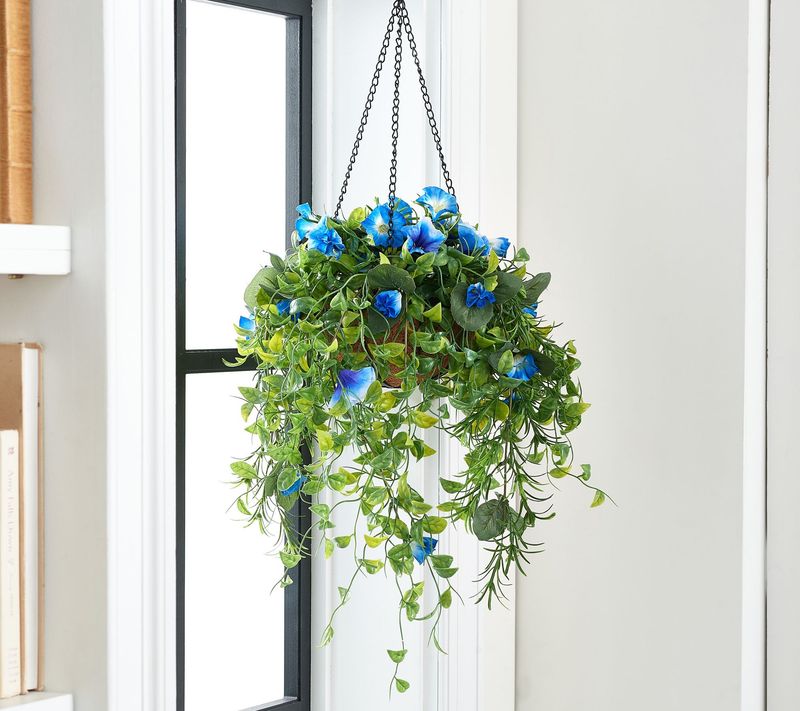
Morning Glory, with its trumpet-shaped flowers, is a joyful sight in any garden. The blooms unfurl with the morning sun, offering a vibrant display of blues and purples that’s hard to miss.
These fast-growing climbers thrive in sunny locations and are perfect for hanging baskets. Regular watering and support for their vines help maintain their exuberant growth.
Morning Glory’s enchanting blooms and rapid growth make it a delightful choice for gardeners eager to attract hummingbirds, filling the garden with color and life.
14. Bacopa
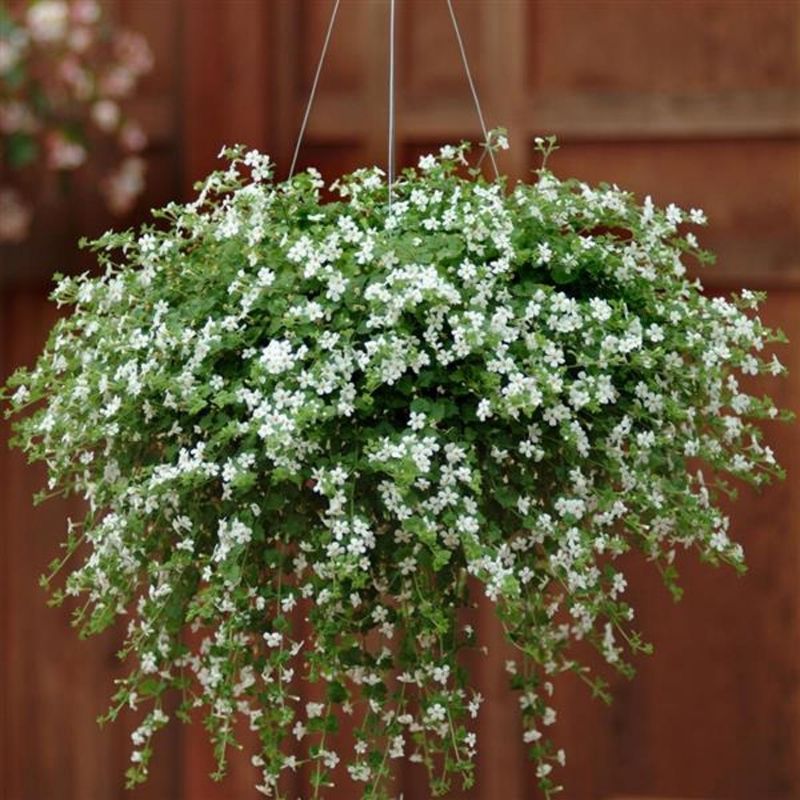
Bacopa, with its petite, star-shaped blooms, adds a delicate charm to hanging baskets. The flowers, typically white, create a serene backdrop that highlights the vibrant colors of visiting hummingbirds.
These plants prefer sun to partial shade and well-drained soil, thriving with minimal care. Bacopa blooms continuously from spring to fall, ensuring a steady supply of nectar.
With its understated beauty and ease of maintenance, bacopa is a perfect choice for gardeners looking to create a tranquil and hummingbird-friendly garden space.
15. Sweet Alyssum
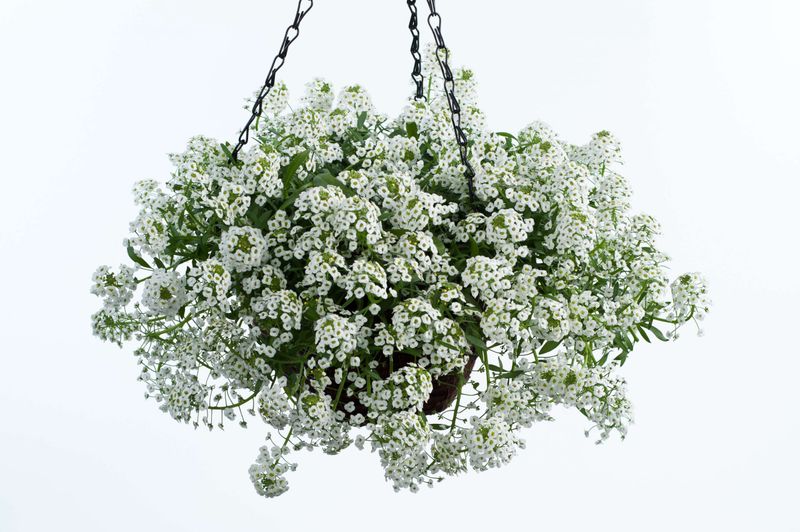
Sweet Alyssum, with its clusters of tiny, honey-scented flowers, creates an inviting atmosphere. These blooms, typically white or purple, are a gentle yet effective lure for hummingbirds seeking nectar.
Thriving in sunny conditions, sweet alyssum requires little more than regular watering. They bloom profusely from spring through fall, providing a continuous floral display.
The combination of sweet fragrance and delicate beauty makes sweet alyssum a favorite among gardeners wanting to attract hummingbirds without overwhelming their outdoor spaces.
16. Mandevilla
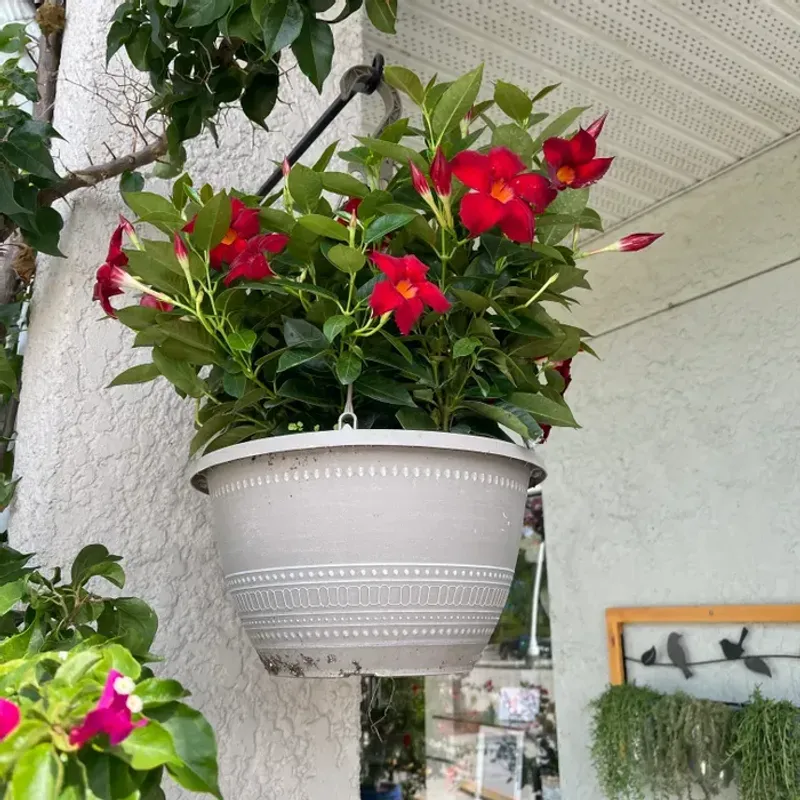
Mandevilla, with its trumpet-shaped blooms, adds a tropical flair to hanging baskets. These flowers, in shades of pink and red, are a delightful attraction for hummingbirds.
They thrive in sunny conditions and require regular watering to maintain their lush appearance. Mandevilla’s climbing habit makes them perfect for adding height and interest.
Their long blooming period, from spring to frost, ensures a steady nectar supply. Mandevilla’s showy flowers and robust nature make them an excellent choice for vibrant and hummingbird-friendly gardens.
17. Diascia
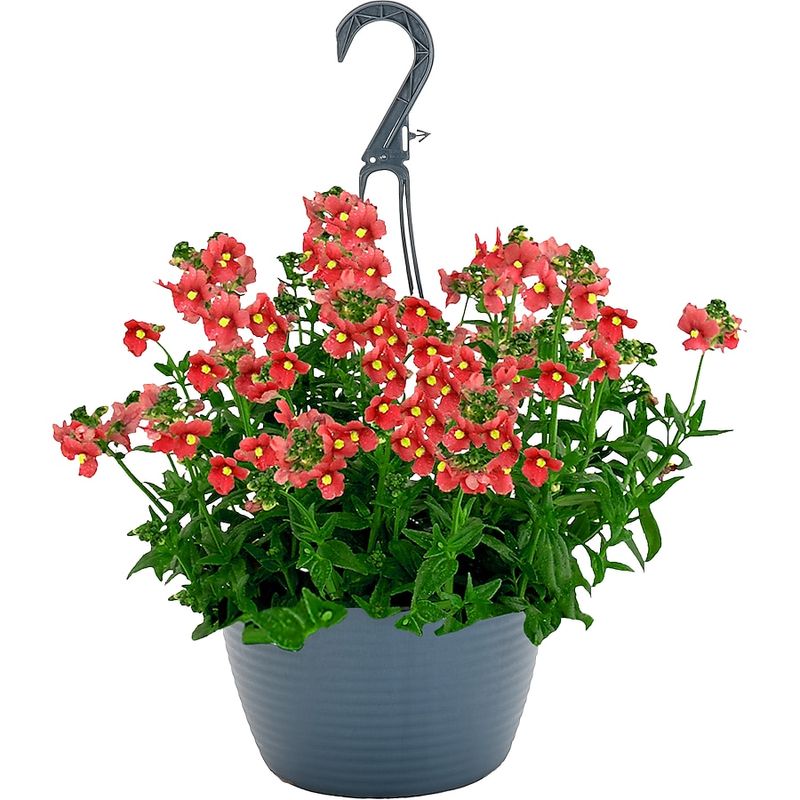
Diascia brings a soft touch with its pastel blooms, offering a gentle invitation to hummingbirds. These flowers, in shades of pink and coral, create a calming atmosphere.
They thrive in sunny to partially shaded areas, blooming from spring to fall. Regular deadheading keeps them looking their best and encourages new blooms.
Diascia’s delicate appearance and long flowering period make them a charming choice for gardeners looking to attract hummingbirds with subtle elegance.
18. Scaevola
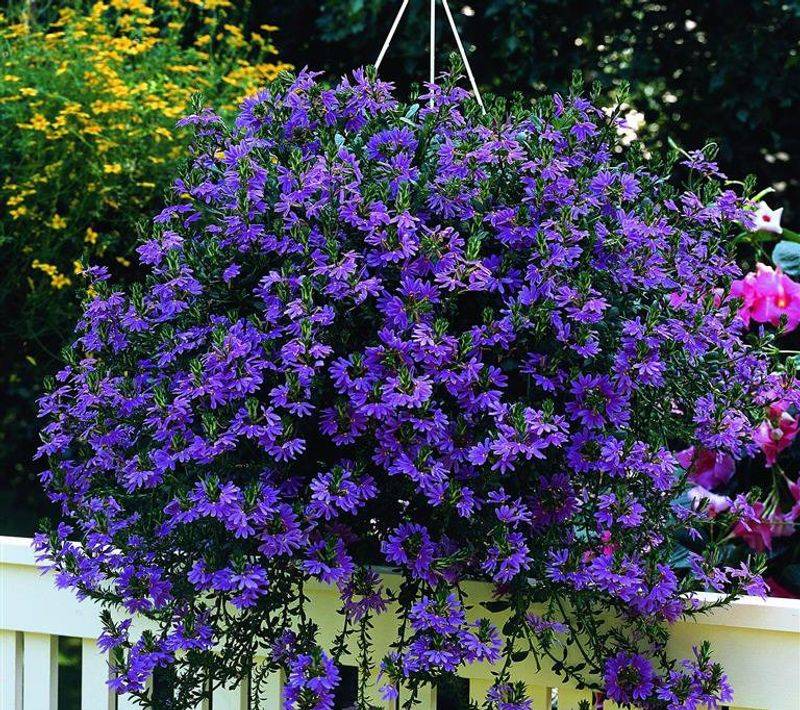
Scaevola, known for its fan-shaped flowers, adds a unique touch to hanging baskets. The blooms, in shades of purple and blue, are a favorite among hummingbirds, offering ample nectar.
These low-maintenance plants thrive in sunny conditions and are drought-tolerant, making them perfect for busy gardeners. They bloom continuously from spring to frost.
With its striking form and vibrant colors, scaevola is an ideal choice for creating a lively and hummingbird-friendly garden environment.
19. Nemesia
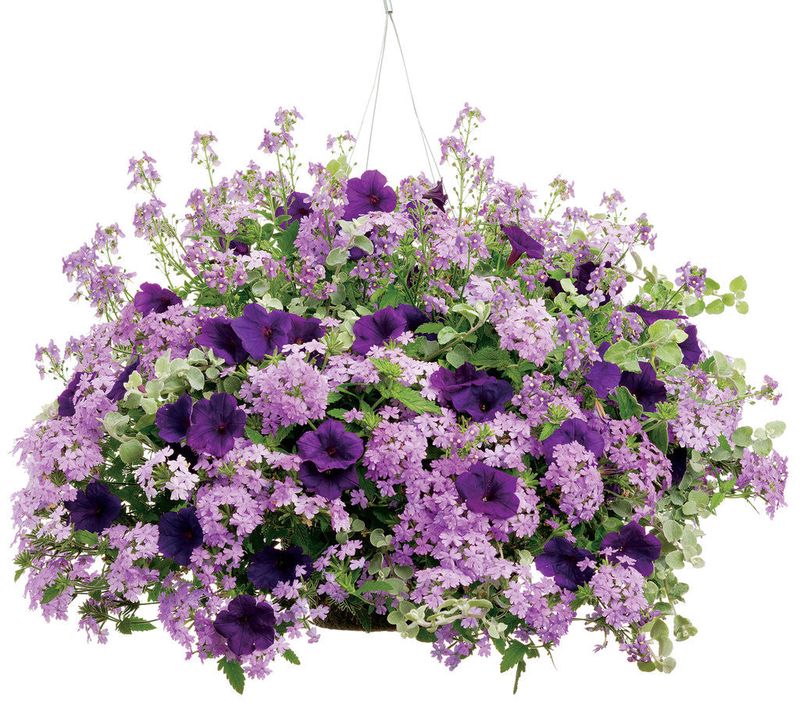
Nemesia, with its cheerful blooms, brings a burst of color to hanging baskets. These flowers, in vibrant yellows and oranges, are not only visually appealing but also a nectar-rich treat for hummingbirds.
They thrive in sunny to partly shaded locations, requiring regular watering to flourish. Nemesia blooms from spring through fall, providing a long-lasting display.
Their lively colors and easy care make nemesia a brilliant choice for gardeners looking to attract hummingbirds and add brightness to their outdoor spaces.
20. Fuchsia
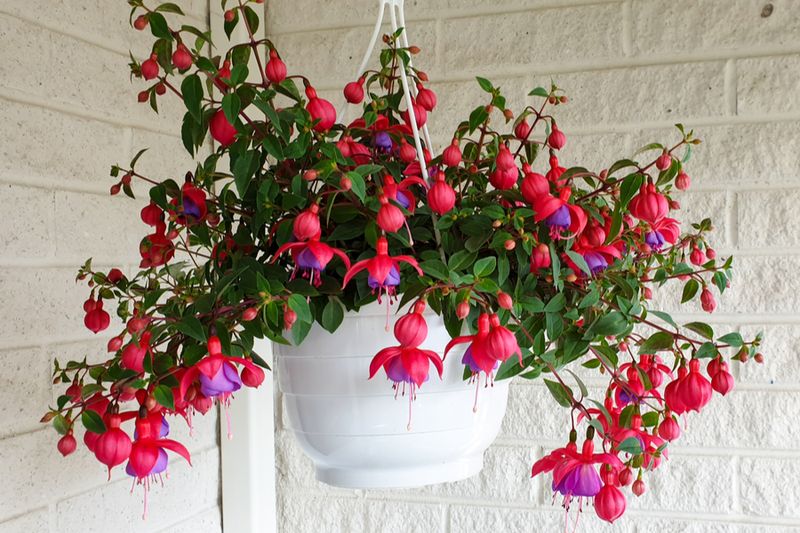
Fuchsia, with its elegant, drooping blooms, is a perennial favorite for attracting hummingbirds. The flowers, showcasing deep reds and purples, create a striking visual contrast.
These plants prefer cool, shaded environments, flourishing in hanging baskets. Regular watering and deadheading are key to maintaining their vibrant blooms.
Fuchsia’s long flowering season, from spring to autumn, makes them a dependable choice for gardeners seeking to create a hummingbird-friendly haven with minimal effort.