
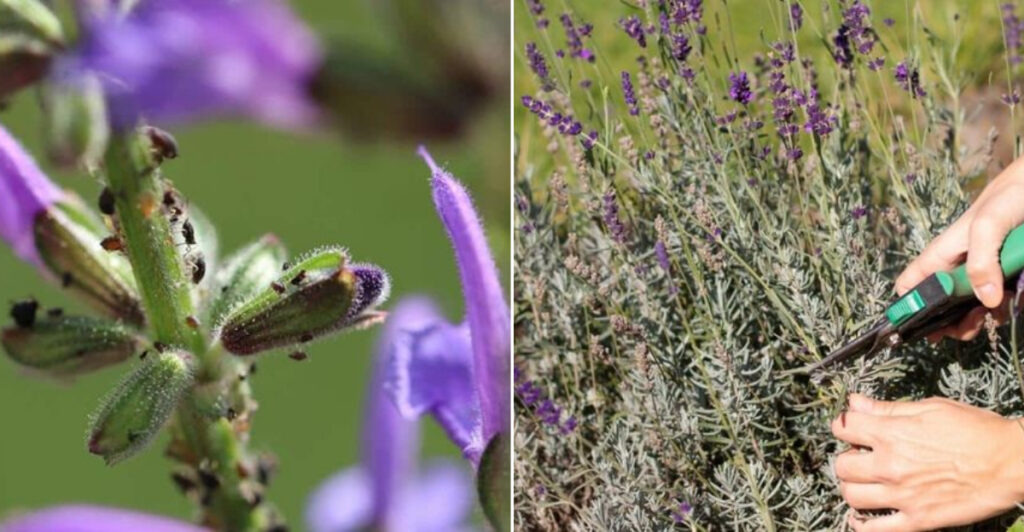
Lavender is a cherished plant for its aromatic fragrance and vibrant blossoms, but it requires thoughtful care to thrive.
These 17 expert tricks offer valuable insights into nurturing your lavender back to health or enhancing its growth, ensuring your garden remains a fragrant haven.
From soil requirements to pruning techniques, these tips cater to every gardener looking to master the art of lavender care.
1. Proper Sunlight
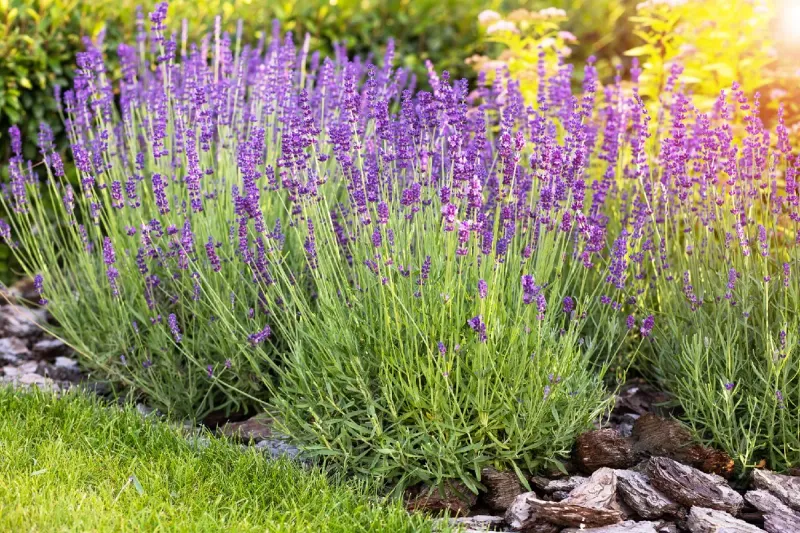
Lavender thrives under the loving embrace of the sun. Ensure your plants receive at least six to eight hours of direct sunlight daily.
Position them in a garden spot where they can bask in uninterrupted rays. If you’re working with limited space, consider planting lavender in containers that can be moved to sunnier areas. Remember, their Mediterranean origins make them sun-lovers.
Without sufficient light, plants may become leggy or produce fewer flowers. This small adjustment can lead to a remarkable transformation in your lavender’s health and beauty.
2. Well-Draining Soil
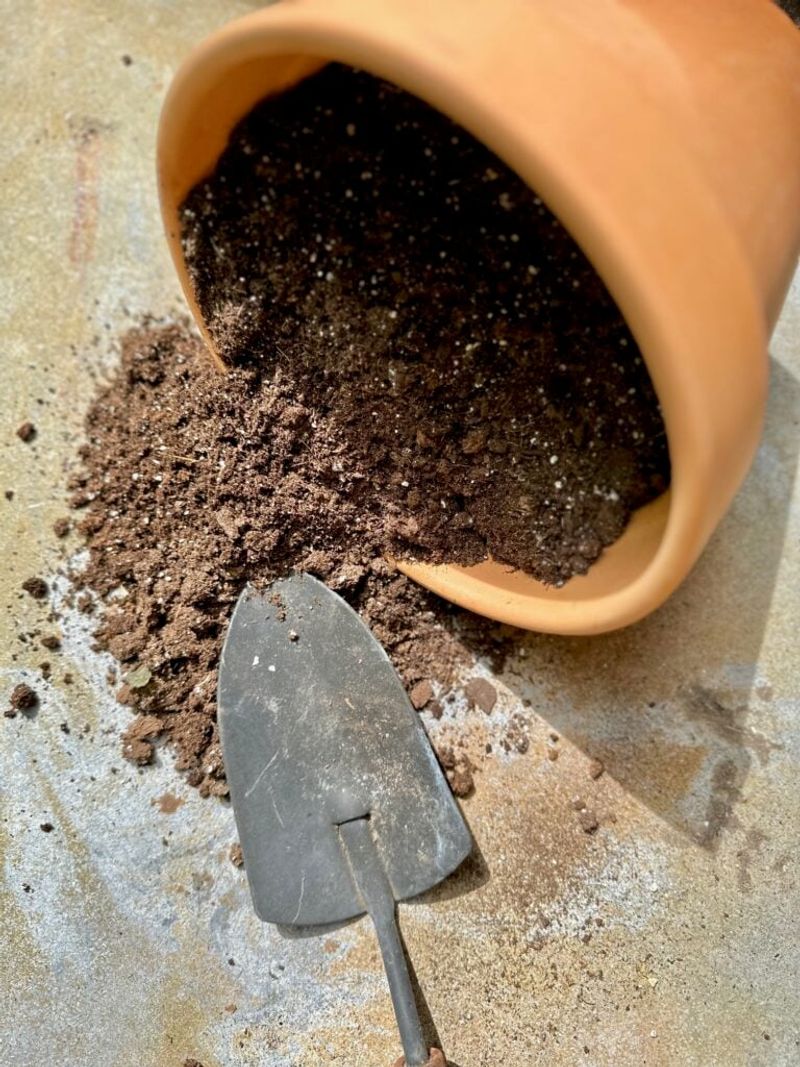
Lavender detests waterlogged roots. Opt for well-draining soil by mixing sand or gravel into your planting area. If planting in pots, ensure they have drainage holes. This soil adjustment eradicates the risk of root rot and other moisture-related diseases.
Consider raised beds if your garden is prone to retaining water. The key is to mimic their native rocky habitats.
By ensuring water doesn’t linger, your lavender will reward you with robust growth and plentiful blooms. A simple soil test can reveal if adjustments are necessary.
3. Pruning Techniques
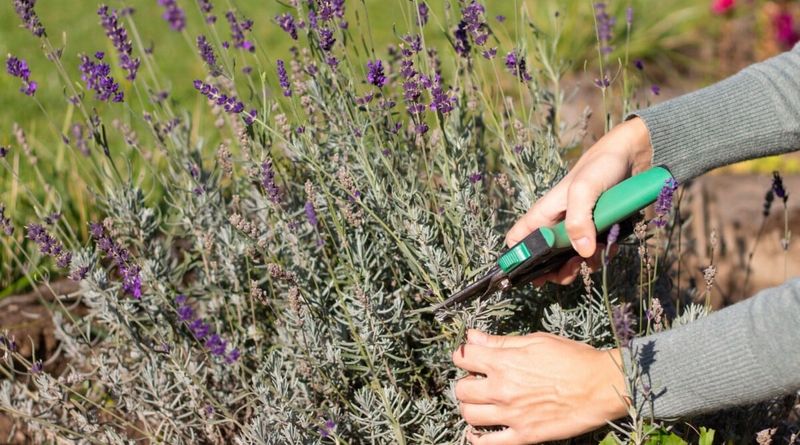
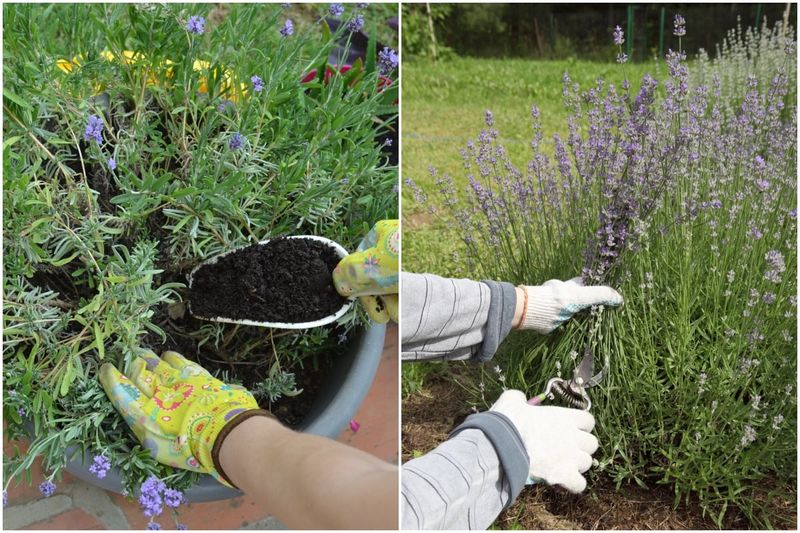
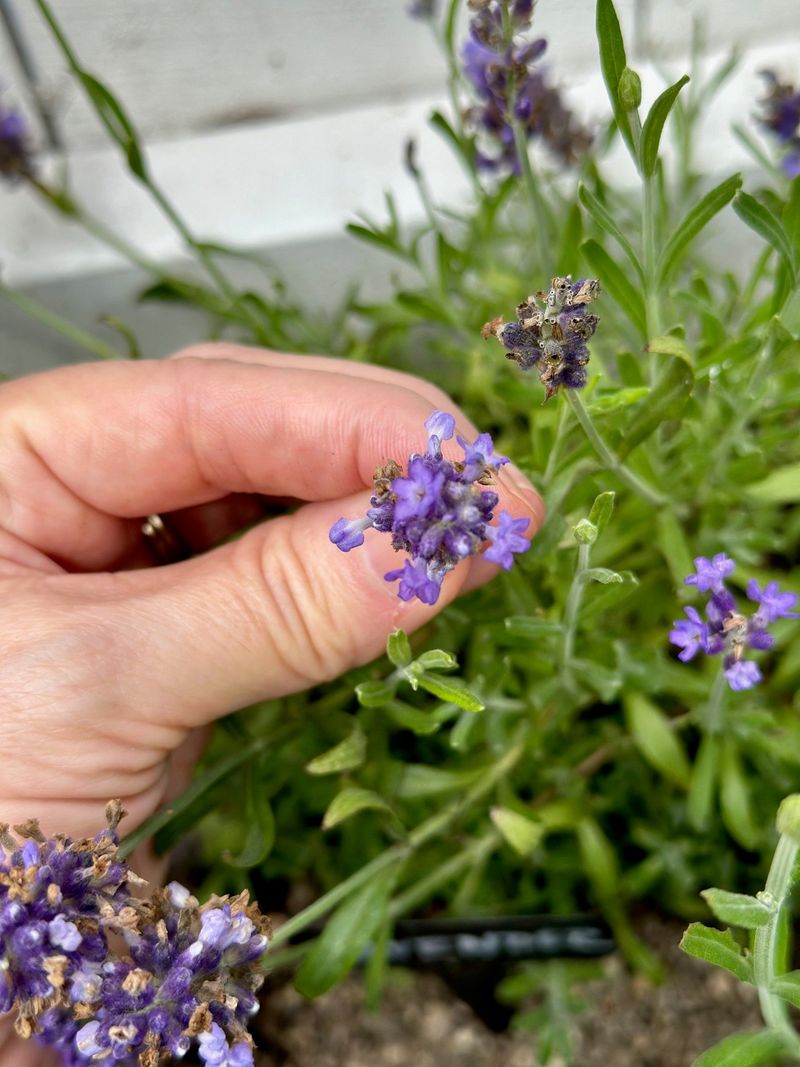
Pruning is essential for healthy lavender. Trim your plants in early spring or after blooming ends. Focus on removing spent flowers and one-third of the green growth, avoiding cutting into the woody stems.
This practice encourages bushier growth, prevents legginess, and stimulates future blooms. Use sharp, clean shears to prevent damage.
Regular pruning also reduces the risk of diseases. While it may seem daunting, embracing this technique ensures your lavender remains vibrant, with a compact form that delights throughout the seasons.
4. Avoid Overwatering
Lavender’s resilience is compromised by overwatering. Water sparingly, letting soil dry out between sessions. Check soil moisture by inserting a finger a couple of inches deep—if it feels dry, it’s time for a drink.
Overwatering leads to root rot and stressed plants. During rainy seasons, further reduce watering frequency. Remember, lavender’s natural habitat is dry, so mimic those conditions.
This trick not only safeguards against common ailments but also encourages a delightful abundance of blooms, making your garden a fragrant sanctuary.
5. Pest Management
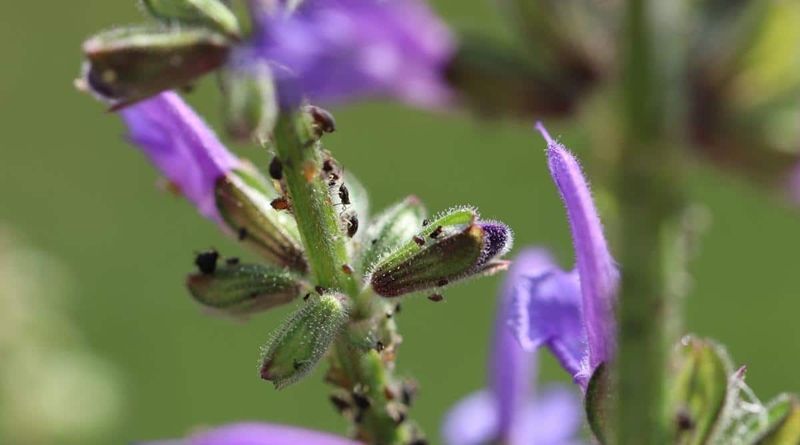
Lavender is generally pest-resistant, but it’s not immune. Encourage beneficial insects like ladybugs to control aphids and other pests. You can also use organic sprays if infestations occur. Monitor plants regularly for signs of distress.
A healthy lavender plant is your best defense; robust plants naturally ward off invaders. Maintaining good hygiene, like clearing fallen leaves, also helps.
By fostering a balanced ecosystem, you’ll keep your lavender flourishing with minimal intervention, allowing its natural beauty to shine without the worry of pesky intruders.
6. Fertilization Basics
Lavender requires minimal fertilization, thriving on lean soil. However, a light application of organic compost in spring can boost growth. Avoid high-nitrogen fertilizers; they promote excessive greenery at the expense of flowers.
Focus on balanced, slow-release options. Over-fertilization weakens the plant, making it susceptible to disease.
By keeping the soil nutrients in check, you can enjoy a lush display of blossoms without compromising their integrity. This balance keeps your lavender hearty and resilient, ready to impress with its aromatic presence.
7. Mulching Benefits
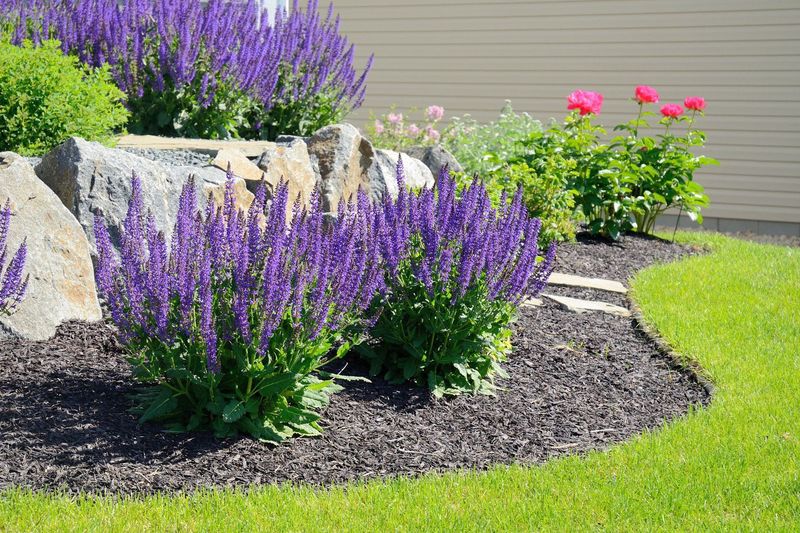
Mulching around lavender offers numerous benefits, from moisture retention to weed suppression. Choose organic mulch like wood chips or straw, applying a thin layer around the base.
This practice is especially useful in hot climates, preserving soil moisture and keeping roots cool. Avoid covering the crown to prevent rot. Mulching also enriches the soil as it breaks down, providing a gentle nutrient boost.
It’s an easy step that enhances both the health and appearance of your lavender, creating a thriving environment for these fragrant beauties.
8. Companion Planting
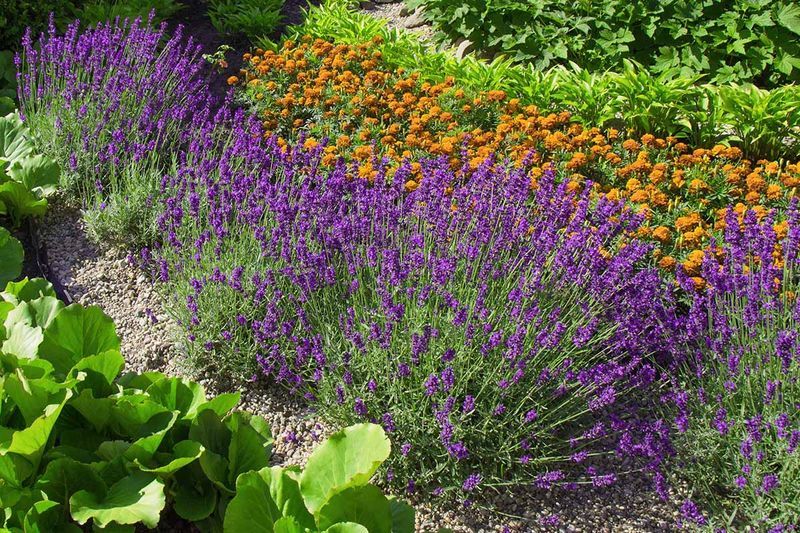
Lavender enjoys the company of certain plants. Pair it with rosemary or thyme for a harmonious garden bed. These companions share similar soil and sunlight preferences, enhancing each other’s growth.
Avoid crowding, allowing each plant space to breathe. Companion planting deters pests and enriches biodiversity, leading to a more resilient garden. It also creates a visually stunning arrangement, drawing beneficial insects.
This simple strategy maximizes your garden’s potential while keeping lavender robust and fragrant, inviting both human admirers and helpful pollinators alike.
9. The DIY Garlic Spray
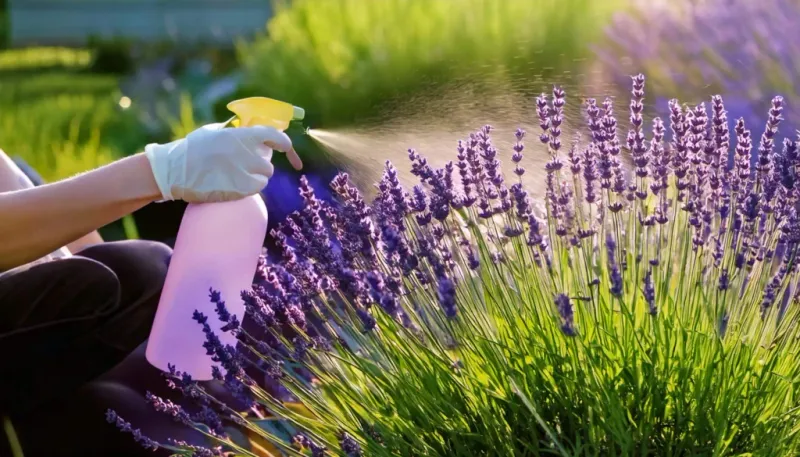
A touch of garlic can transform your culinary creations, but did you know it can also be a game-changer for your garden? The DIY Garlic Spray is an effective natural insect repellent, ideal for keeping pests at bay while giving your lavender a fighting chance to flourish.
To make the spray, blend garlic cloves with water and strain the mixture into a spray bottle. Regular application can deter many common garden pests without the need for harmful chemicals.
With each spray, you provide your lavender the protection it needs against pesky invaders. This eco-friendly solution not only preserves the integrity of your garden environment but also ensures your lavender continues to enchant with its beauty and aroma.
10. The Clay Pot Magic
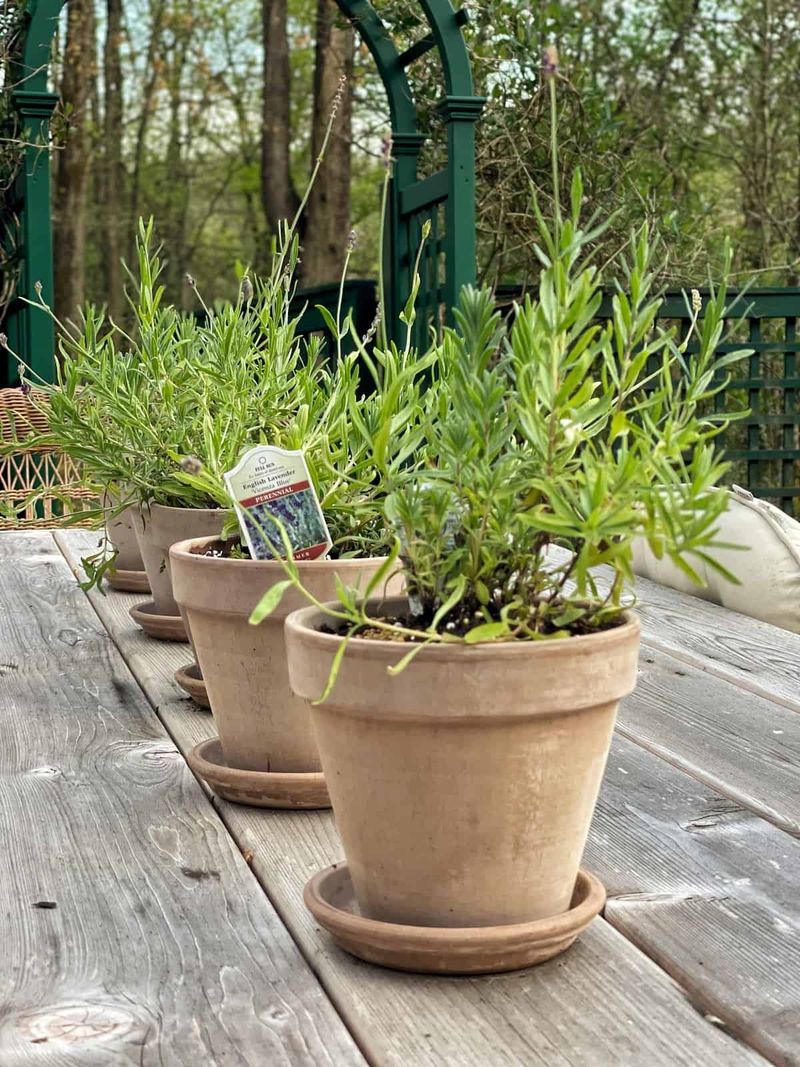
Sometimes, tradition holds secrets to success. Planting lavender in a classic clay pot can work wonders for its health. These pots breathe, allowing excess moisture to escape, which is ideal for lavender’s aversion to sogginess.
Place your clay pot in a sunny spot, letting the sun’s rays seep through the porous material, warming the roots naturally. This method mimics the Mediterranean environment lavender loves.
The rustic charm of clay pots also adds character to your garden. Who knew such a simple switch could unlock the key to healthier lavender?
11. Coffee Grounds Boost
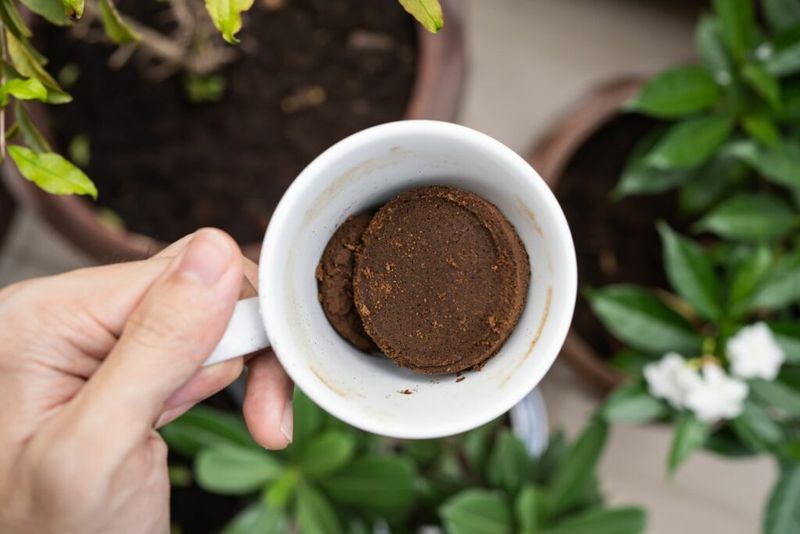
Coffee lovers, rejoice! Your morning brew has more benefits than just a caffeine kick. Spread used coffee grounds around your lavender plants to enrich the soil.
This practice helps improve drainage, a crucial factor for lavender’s growth. The slight acidity in coffee grounds also tailors the soil’s pH to better suit lavender’s needs.
Not only does this trick recycle waste, but it ensures your lavender receives the nutrients it craves, naturally boosting its vibrancy and growth.
12. The Epsom Salt Solution
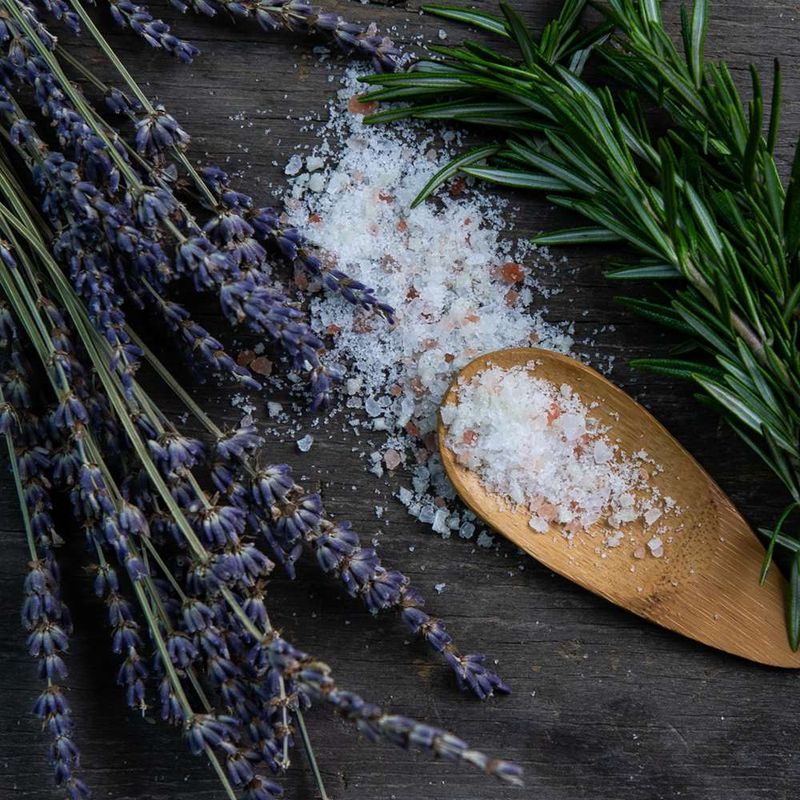
Epsom salt isn’t just for soaking tired muscles; it’s a secret weapon for gardeners too. Adding a sprinkle around your lavender plants provides the magnesium boost they often crave.
Magnesium is essential for chlorophyll production, enhancing the plant’s deep green color. It also aids in flower blooming, ensuring your lavender not only survives but thrives magnificently.
For best results, dissolve Epsom salt in water and apply during watering. Watch as your lavender revitalizes, singing praises to this simple yet effective remedy.
13. The Hydrogen Peroxide Trick
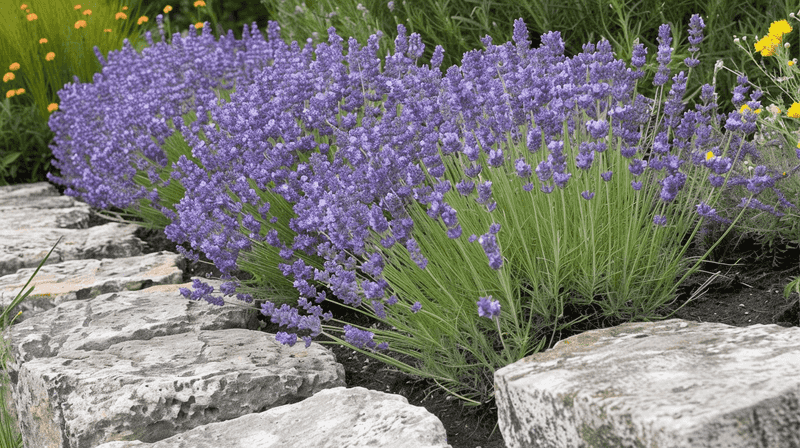
Hydrogen peroxide isn’t just for first aid kits; it’s a gardener’s ally too. Mixing it with water creates a solution that helps oxygenate the soil around your lavender plants.
This oxygen boost combats harmful bacteria and promotes healthy root growth. It’s especially beneficial for lavender struggling in compacted or clay-heavy soils.
Applying this trick creates a more welcoming environment for your lavender, allowing it to flourish without hindrance. A little science goes a long way in the garden!
14. Eggshell Advantages
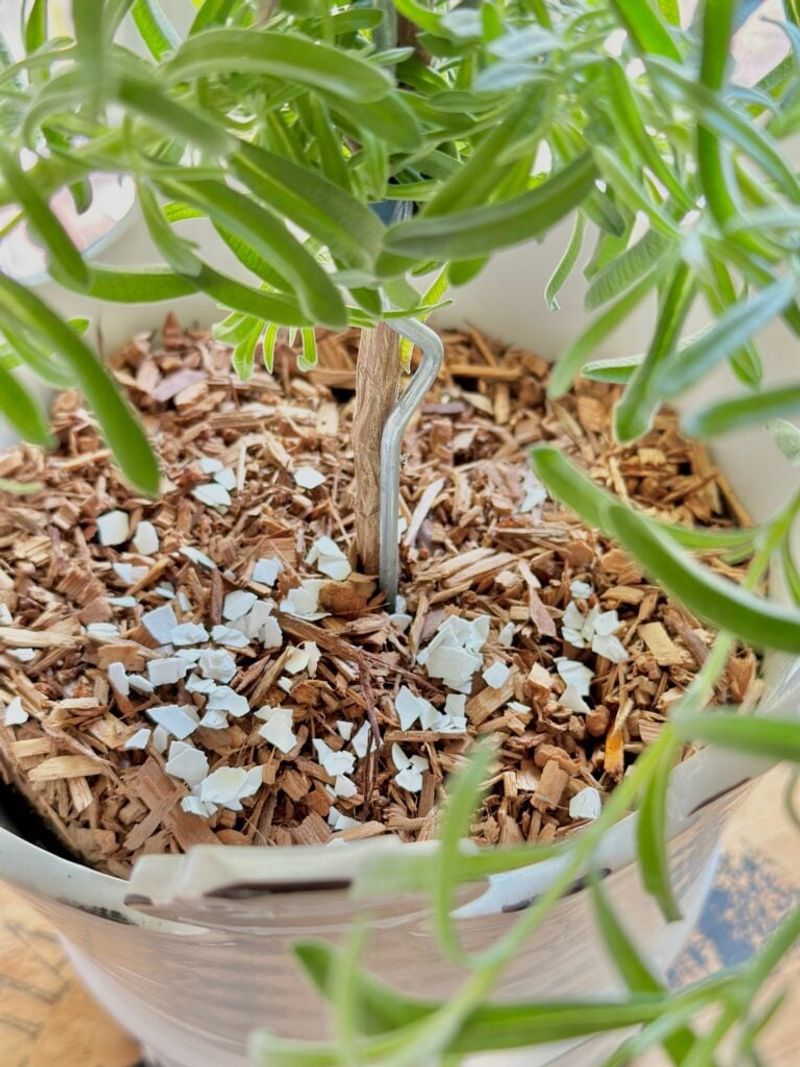
From breakfast plate to garden, eggshells offer surprising benefits for lavender care. Crushed eggshells sprinkled around plants act as a barrier against pests and enrich the soil with calcium.
This natural pest deterrent also provides a slow-release fertilizer effect. As the shells decompose, they nurture the soil, enhancing lavender’s growth and resilience.
This sustainable trick turns everyday waste into a garden asset, reflecting the beauty of nature’s cycles and providing lavender with the support it needs to thrive.
15. The Cinnamon Fungicide
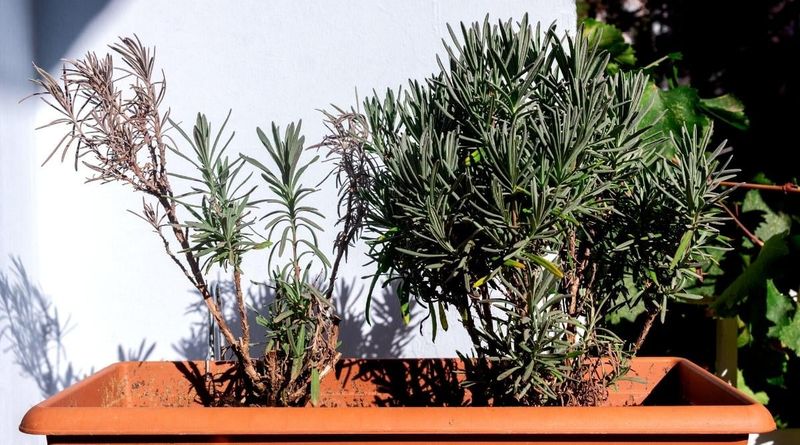
Unleash the power of your spice rack with the Cinnamon Fungicide. Cinnamon isn’t just for baking; it’s a potent anti-fungal agent that can protect your lavender from unwanted fungal infections. Dust a little cinnamon on the soil surface and let its natural properties work wonders.
This method is simple yet effective, providing a safeguard against diseases that can compromise your lavender’s health. The aromatic spice acts as a barrier, preventing pests and fungi from making a home in your plants.
Not only does this trick add a subtle spiced scent to your garden, but it also allows you to utilize natural and eco-friendly solutions. Embrace this approach for a healthier, more resilient lavender garden.
16. Winter Protection
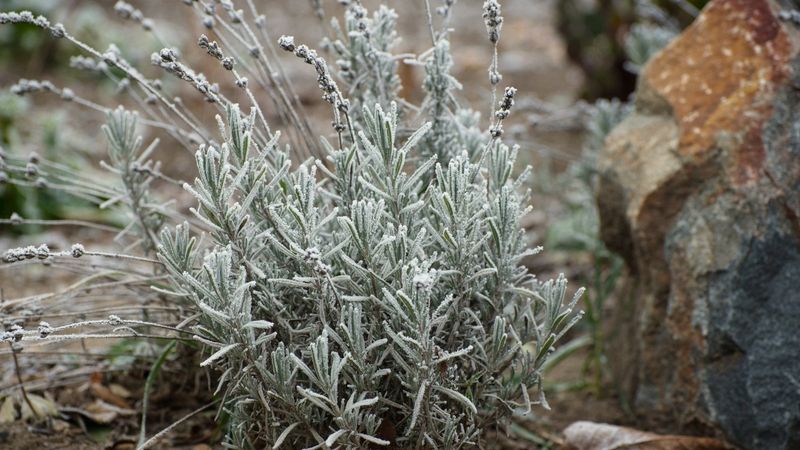
Winter can be harsh on lavender, especially in colder climates. Provide protection by applying a thick layer of mulch to insulate roots. In extremely cold regions, consider using burlap wraps or cold frames.
This shields the plants from frost and wind damage. Keep in mind, not all lavender varieties are equally hardy; choose varieties suited to your climate.
By preparing your lavender for winter, you ensure its survival and vitality, ready to bloom with vigor come spring. This care keeps your garden lively year-round.
17. Propagation Tips
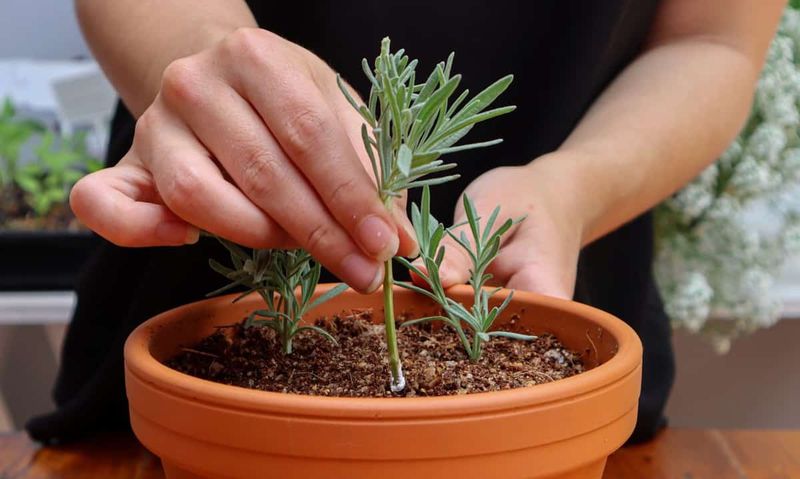
Propagating lavender is a rewarding endeavor. Use stem cuttings from healthy plants, choosing non-flowering shoots. Snip about four-inch cuttings, remove lower leaves, and dip in rooting hormone.
Plant in well-draining soil and maintain moisture until roots form. Spring and early summer are ideal times for propagation. This method ensures genetic consistency, keeping your favorite lavender traits alive.
Not only does propagation expand your garden, but it also offers a satisfying sense of accomplishment. Your lavender legacy can thrive across multiple seasons with these simple steps.