
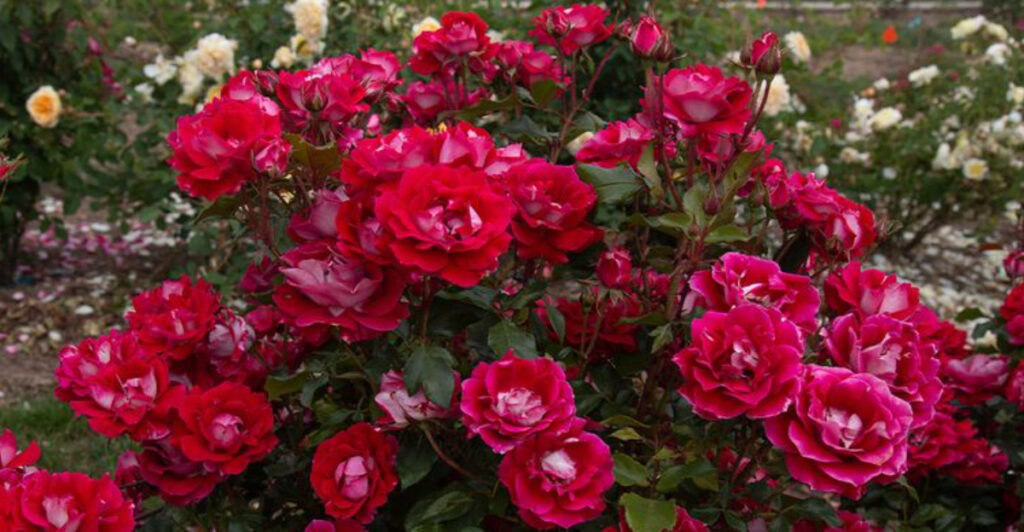
Creating a stunning rose garden is a dream for many gardening enthusiasts. The vibrant colors, delightful fragrances, and timeless elegance of roses make them a favorite choice for landscapes.
Whether you’re a beginner or an experienced gardener, understanding the intricate details of planting and maintaining these beautiful flowers is essential.
In this blog post, we’ll uncover some of the best tips and secrets to help you cultivate a breathtaking rose garden. From choosing the right varieties to mastering the art of pruning, we’ve got you covered with expert advice and inspiration.
1. Choose the Right Rose Varieties

Selecting the perfect rose varieties is the first step in creating a captivating garden. With over 150 species and thousands of hybrids, your options are endless. Consider your climate and the amount of sunlight your garden receives to choose roses that will thrive. Hybrid teas, floribundas, and climbers all offer unique beauty and characteristics.
Think about the color palette you want to achieve. Do you dream of classic red roses or a mix of pastel hues? Researching and planning will ensure your garden is a visual delight.
Remember, the right choice can make or break your rose garden’s success.
2. Site Preparation and Soil Quality

The foundation of a thriving rose garden lies in proper site preparation and soil quality. Roses require well-drained soil rich in organic matter. Start by selecting a sunny spot, as roses need at least six hours of sunlight daily.
Test the soil pH, aiming for a slightly acidic range of 6.0 to 6.8. Improve poor soil by adding peat moss, compost, or well-rotted manure.
Breaking up compacted soil will enhance root growth. Providing the right environment from the beginning sets the stage for healthy, vibrant roses that will flourish for years.
3. Planting Techniques for Success
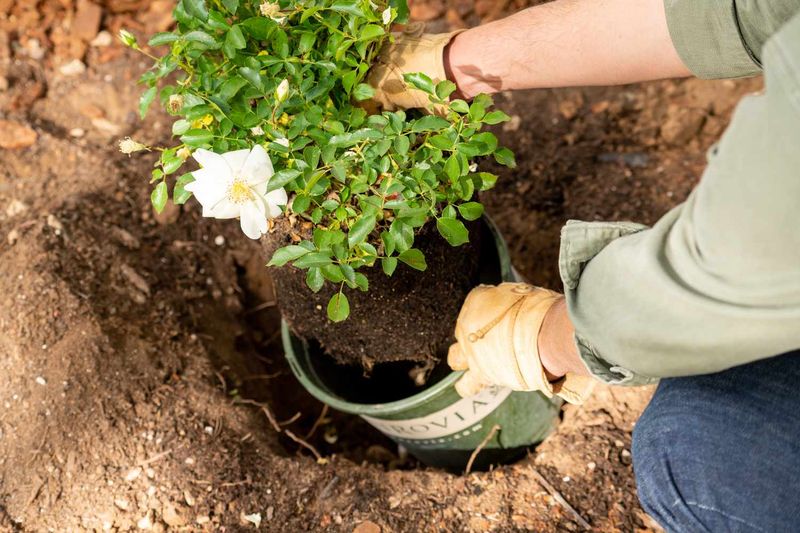
Mastering the art of planting roses is crucial for their long-term success. Begin by digging a hole twice as wide and as deep as the root ball. Gently spread the roots, and position the plant so the graft union is just above the soil.
Spacing is key; allow enough room for air circulation to prevent disease. Water the plant thoroughly after planting, ensuring the soil settles around the roots.
An initial layer of mulch will conserve moisture and regulate temperature. These techniques will give your roses the best start in their new home.
4. Pruning for Health and Beauty
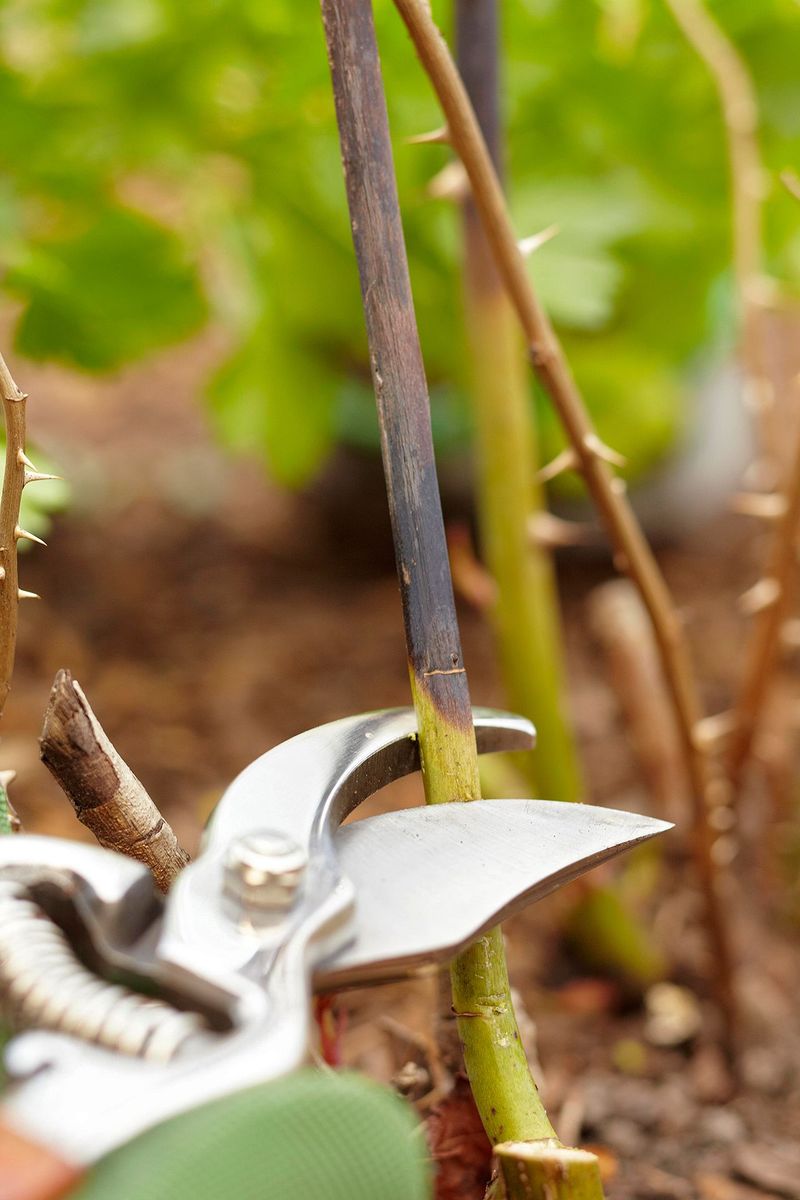
Pruning is an essential task that promotes healthy growth and enhances your rose garden’s appearance. Use sharp, clean shears to remove dead or diseased wood. Focus on shaping the bush to encourage an open center, allowing sunlight and air to reach all parts.
Timing is vital; late winter to early spring is ideal for most varieties. Regular pruning encourages more blooms and maintains the plant’s vigor.
Approach each cut with confidence, knowing that this practice ensures your roses’ longevity and beauty.
5. Watering Wisely
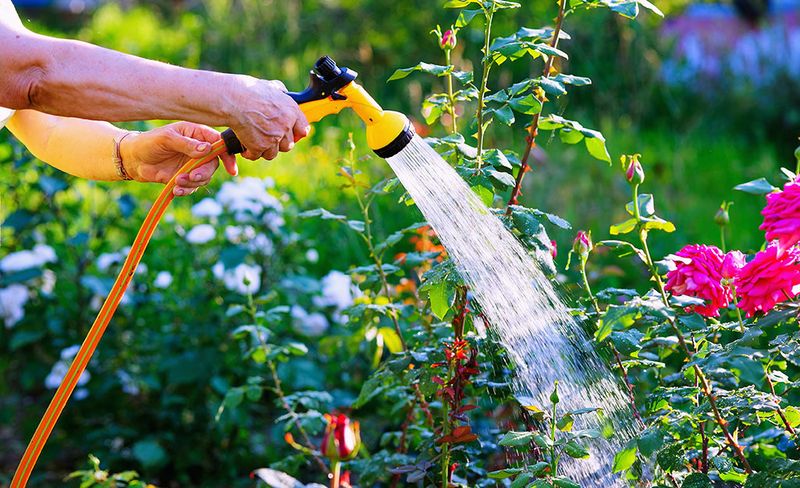
Watering is a vital aspect of rose care, requiring balance and attentiveness. Roses prefer consistent moisture, but overwatering can lead to root rot. Aim to water deeply, allowing the soil to dry slightly between sessions.
Focus on the roots rather than the leaves to prevent fungal diseases. Employing soaker hoses or drip irrigation provides precise control.
During hot weather, adjust your watering schedule to meet increased demand. Remember, a well-hydrated rose is a happy rose, displaying vibrant blooms and lush foliage.
6. Fertilizing for Vibrant Growth
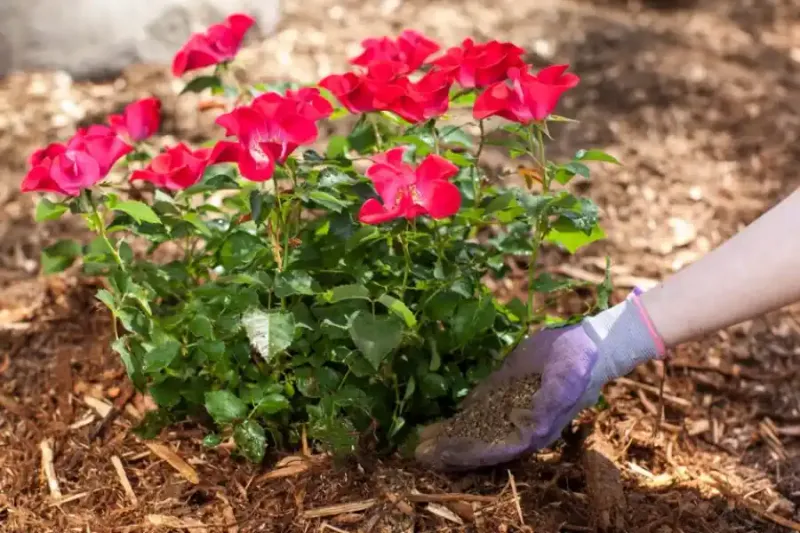
Fertilizing roses is crucial for robust growth and abundant blooms. Begin in early spring with a balanced, slow-release fertilizer. Tailor the nutrients to your garden’s specific needs, ensuring a mix of nitrogen, phosphorus, and potassium.
Follow up with monthly applications during the growing season, observing how your roses respond. Organic options like bone meal and fish emulsion provide gentle nourishment.
Proper feeding fuels your roses’ development, enhancing color and resilience. With the right care, your garden will be a testament to nature’s brilliance.
7. Pest and Disease Management
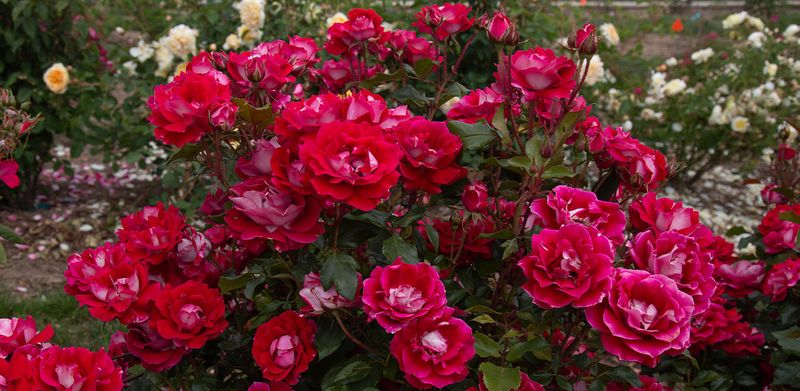
Protecting your roses from pests and diseases is essential for maintaining their beauty. Regular inspections will help identify issues early. Aphids, spider mites, and black spot are common concerns.
Implementing natural remedies, like neem oil or insecticidal soap, can be effective. Encourage beneficial insects that prey on pests by planting companion plants nearby.
Consistent care and vigilance are your best allies in keeping roses healthy. This balance between prevention and intervention ensures your garden remains a joyful sanctuary.