
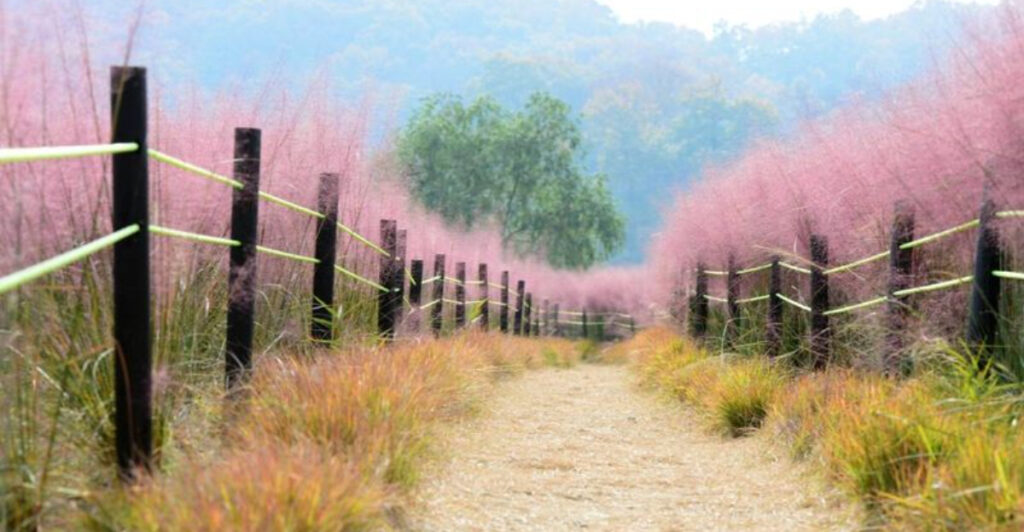
Discover the beauty and functionality of living fences and natural borders as we explore twelve stunning alternatives to traditional wood and wire fencing. These natural solutions not only provide privacy and security but also enhance the aesthetic appeal of any landscape. Each option offers unique characteristics, from vibrant seasonal colors to wildlife-friendly environments. Embrace nature’s touch and transform your outdoor space with these creative and environmentally friendly options.
1. Hornbeam Hedge (Carpinus betulus)
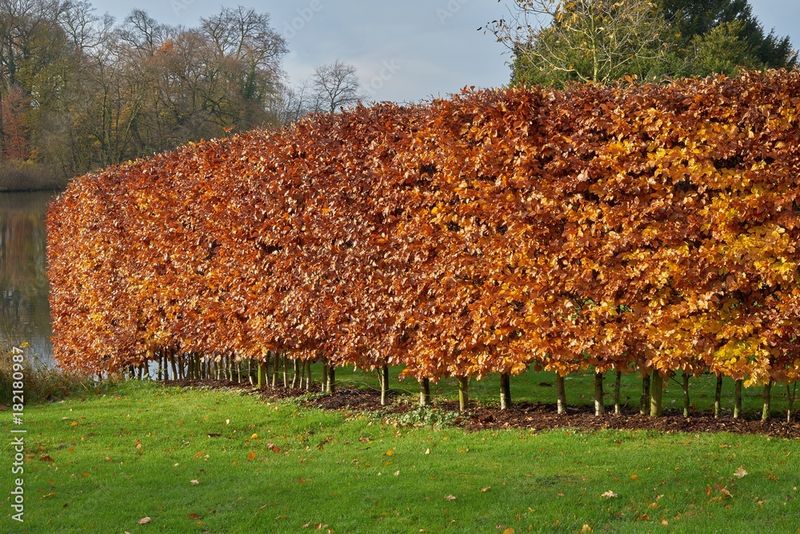
Hornbeam hedges, known for their dense, stately foliage, offer a striking visual appeal throughout the seasons. As autumn approaches, the leaves turn a captivating golden-bronze, holding onto their beauty well into winter. This seasonal transformation ensures year-round interest for any garden.
Hornbeam is not only aesthetically pleasing but also practical. Its robust structure provides excellent screening and windbreak capabilities. Thanks to its adaptability, hornbeam thrives in various soil types and conditions.
Whether lining a pathway or serving as a boundary, a hornbeam hedge brings a touch of elegance and timeless charm to any landscape.
2. Common Beech (Fagus sylvatica)
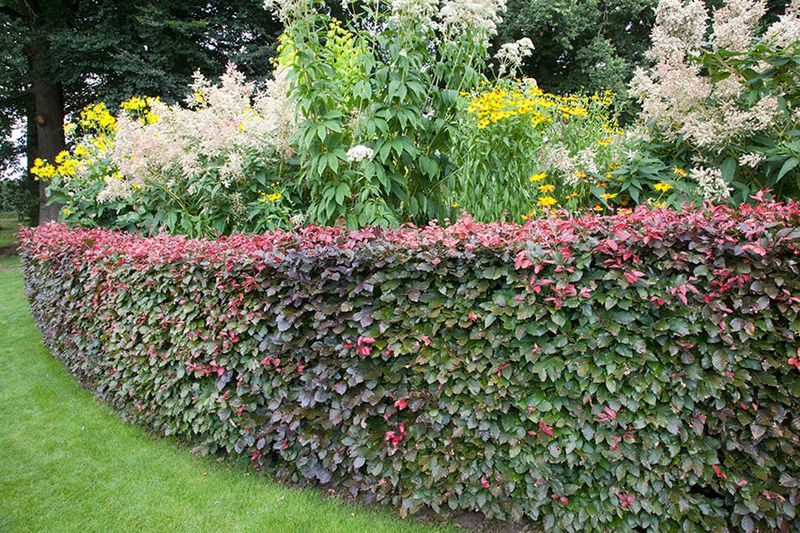
The common beech hedge is a horticultural classic, cherished for its seasonal foliage transformations. In spring, new leaves emerge with a coppery hue, gradually shifting to a lush green in the summer months.
As the year progresses, the leaves take on a russet tint, clinging to bare branches through winter, providing continuous visual interest. This unique characteristic makes beech hedges particularly popular in European gardens.
Aside from its beauty, the beech hedge offers remarkable versatility, easily pruned to desired shapes and sizes, making it an ideal choice for both formal and informal garden settings.
3. Privet (Ligustrum ovalifolium)
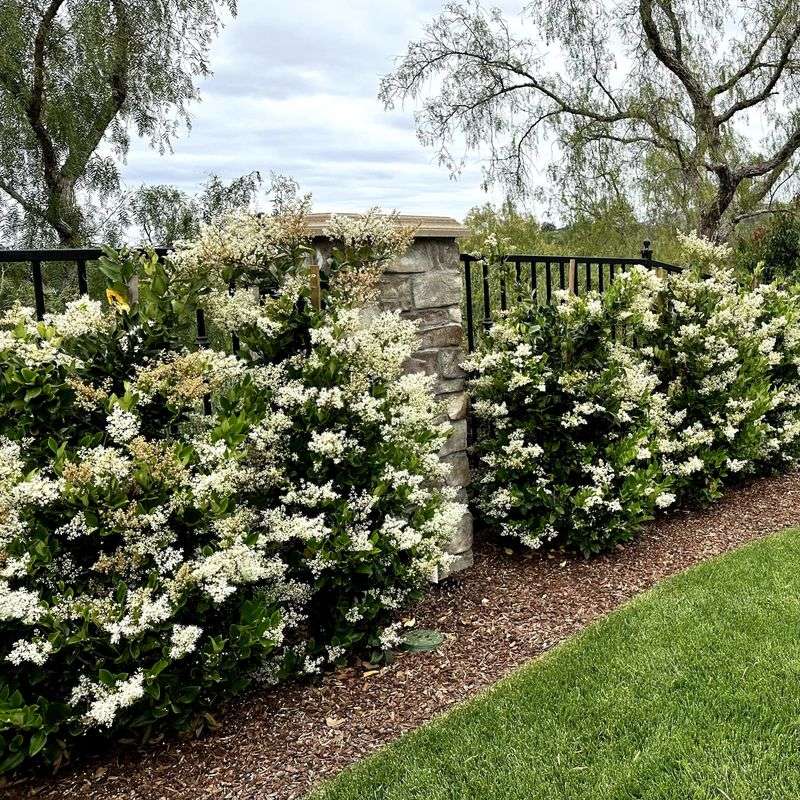
Fast-growing and versatile, the privet hedge is a favorite among gardeners seeking quick results. In mild climates, its evergreen nature ensures lush greenery year-round.
Come spring, clusters of small, fragrant white flowers adorn the branches, attracting a variety of pollinators. This fleeting floral display adds an enchanting touch to any garden setting.
With its ability to thrive in diverse conditions, privet is perfect for use as a privacy screen or windbreak. Whether trimmed to a neat shape or left to grow naturally, it’s a resilient and reliable choice for any landscape.
4. Boxwood (Buxus sempervirens)
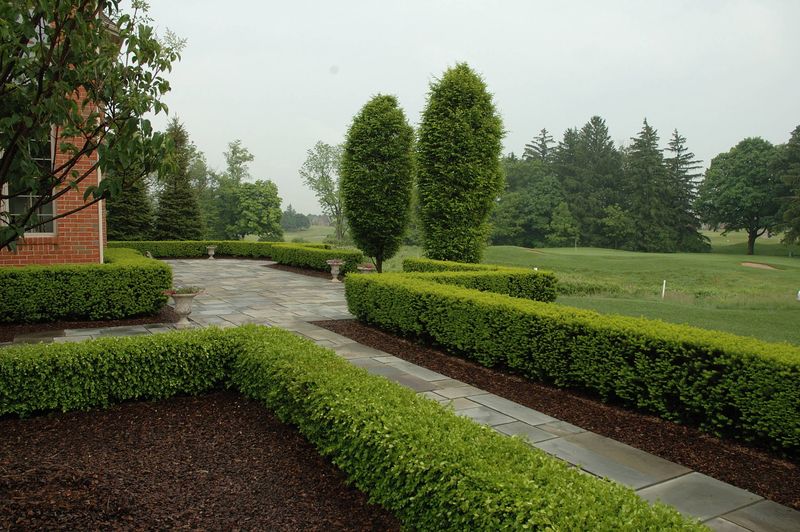
Boxwood is synonymous with elegance, often seen gracing the grounds of stately homes and formal gardens. Its small, glossy leaves and compact growth habit make boxwood an ideal candidate for topiary and formal hedging.
The ability to shape boxwood into precise geometrical forms or whimsical figures has made it a favorite among garden designers. Despite its refined appearance, boxwood is surprisingly hardy, withstanding various soil types and climates.
Whether used to delineate garden spaces or create intricate patterns, boxwood remains a timeless choice for those seeking a touch of sophistication.
5. Cherry Laurel (Prunus laurocerasus)
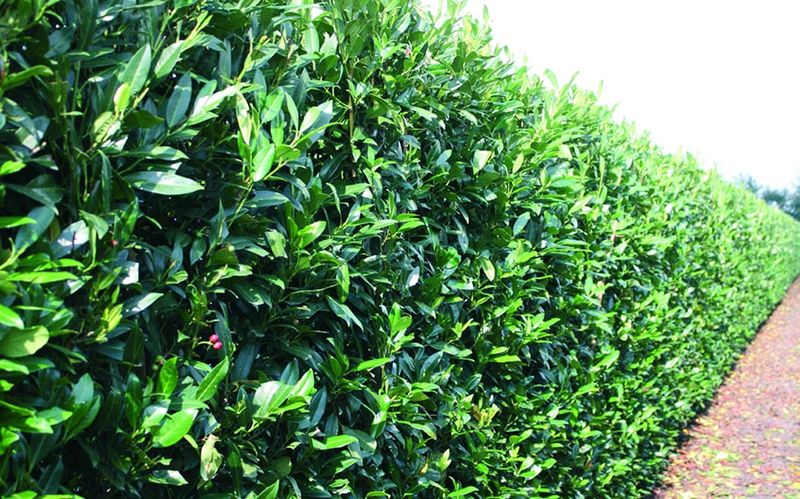
Cherry laurel stands out with its broad, glossy evergreen leaves, forming an impenetrable screen perfect for privacy and noise reduction. This robust plant is a popular choice for urban gardens, where space and tranquility are at a premium.
Aside from its practical uses, cherry laurel offers visual appeal, with the leaves’ rich green color adding vibrancy to any setting. The plant’s adaptability allows it to thrive in various conditions, from full sun to dense shade.
Reliable and visually striking, cherry laurel is a top contender for those seeking both functionality and aesthetics in their garden design.
6. English Yew (Taxus baccata)
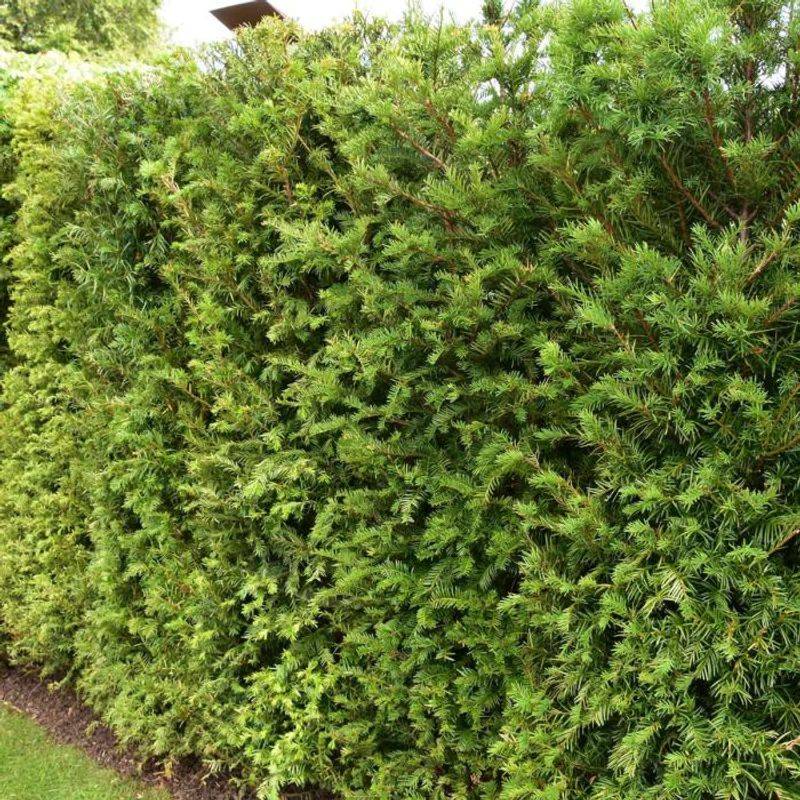
English yew, with its dark green needles and dense growth habit, is an emblem of timeless beauty in garden design. Renowned for its incredible longevity, some yews have been part of historic landscapes for centuries.
Shade tolerance is another hallmark of the English yew, allowing it to thrive where other hedges may struggle. It responds well to hard pruning, making it possible to create finely sculpted shapes and intricate designs.
Whether forming an elegant boundary or a stately topiary, English yew offers both heritage and versatility in one impressive package.
7. Espaliered Fruit Trees (e.g. Malus domestica, Pyrus communis)
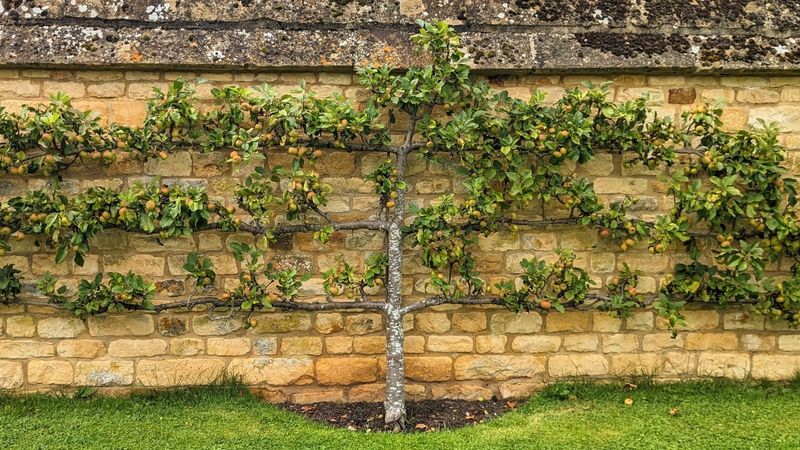
Espaliered fruit trees combine functionality with ornamental appeal, providing a living barrier that also yields seasonal harvests. By training trees like apple and pear along a wall or freestanding frame, gardeners create a unique and space-efficient feature.
The art of espalier allows for better sunlight exposure and air circulation, which can lead to improved fruit quality and yield.
Aside from their practical benefits, these trees bring charm to any outdoor space. Whether lining a walkway or serving as a garden backdrop, espaliered fruit trees offer both beauty and bounty.
8. Willow Wattle Fences (Salix spp.)
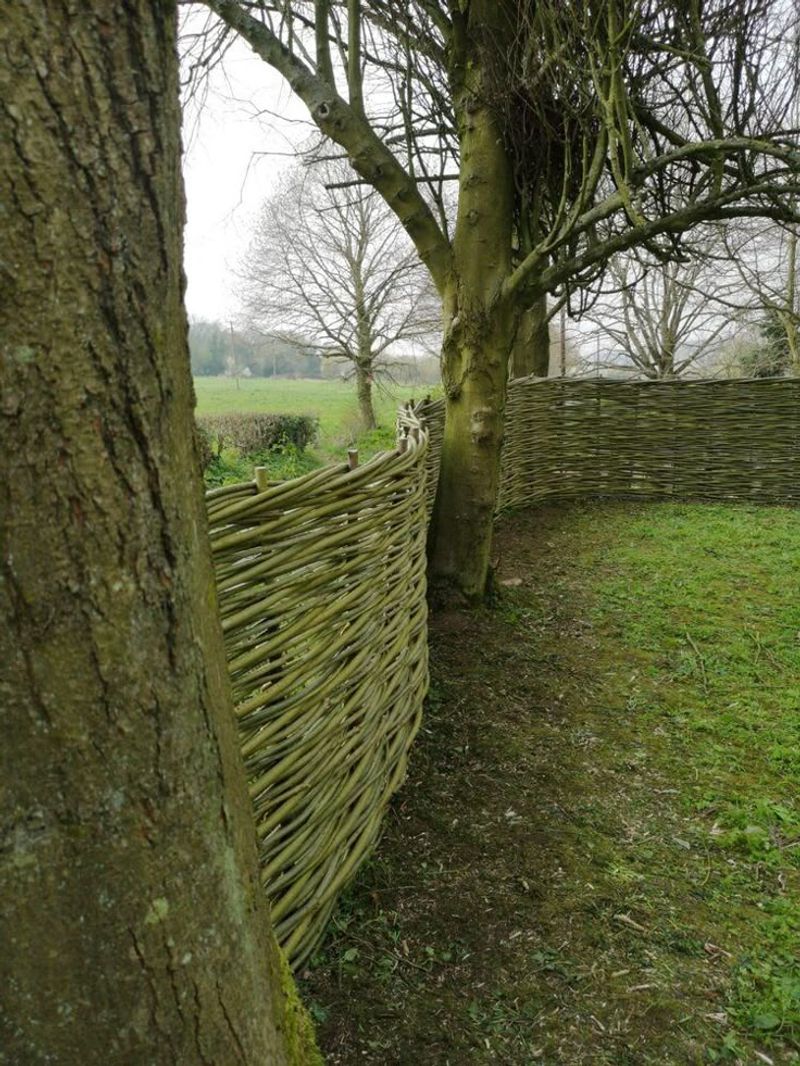
Willow wattle fences embody rustic charm, utilizing young willow rods woven between sturdy stakes. Over time, these pliable structures root and thicken, creating a living fence that’s both biodegradable and beautiful.
This ancient technique offers a sustainable fencing solution that harmonizes with natural landscapes. As the willow grows and matures, the fence becomes more robust, able to withstand the elements.
Ideal for cottage gardens or eco-friendly landscapes, willow wattle fences provide a charming and functional alternative to traditional fencing methods, blending craft with nature seamlessly.
9. Bamboo Screen (Phyllostachys aurea or clumping species)
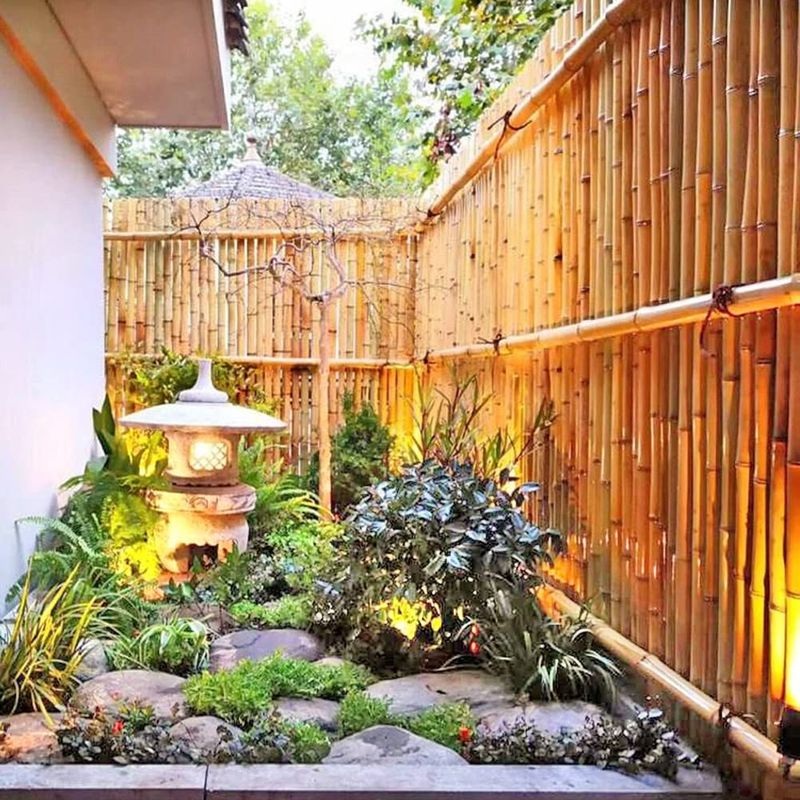
Bamboo screens offer an exotic touch with their tall, elegant canes and rapid vertical growth. Ideal for creating a thin yet effective barrier, bamboo is often chosen for its aesthetic appeal and functionality.
Selecting non-invasive clumping varieties ensures a manageable, contained growth pattern that won’t overwhelm the garden. Bamboo’s unique structure makes it a perfect choice for privacy screens or windbreaks.
Whether swaying in the breeze or standing tall against the sky, bamboo screens provide a serene and sophisticated option for those looking to elevate their outdoor space.
10. Mixed Native Hedgerow
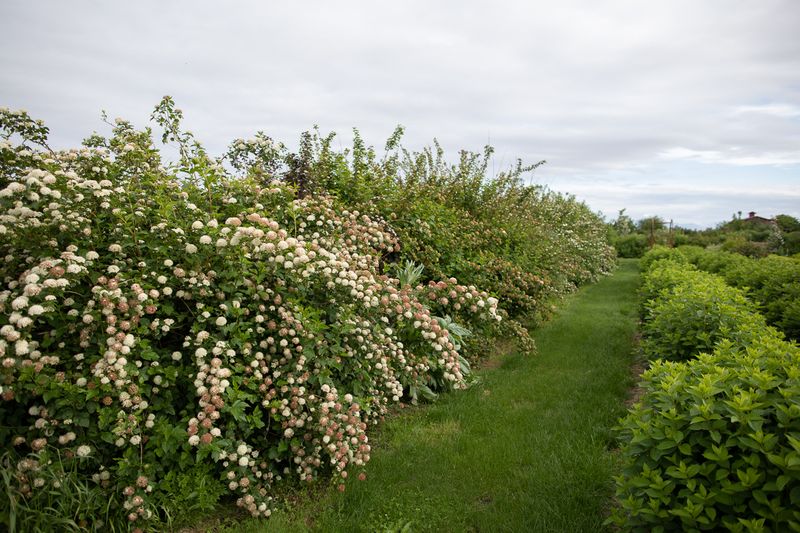
Mixed native hedgerows are a celebration of biodiversity, combining species like hawthorn, dog-rose, spindle, and field maple to create a vibrant tapestry. This blend offers year-round interest with spring blossoms, summer berries, and autumn foliage.
Beyond their beauty, these hedgerows provide essential habitats for wildlife, supporting birds, insects, and small mammals. The native plant mix ensures adaptability to local conditions, promoting ecological balance.
Ideal for rural settings or wildlife-friendly gardens, mixed native hedgerows offer a harmonious blend of function and form, enriching landscapes with natural diversity.
11. Box Elder (Acer negundo) Pleached Alley
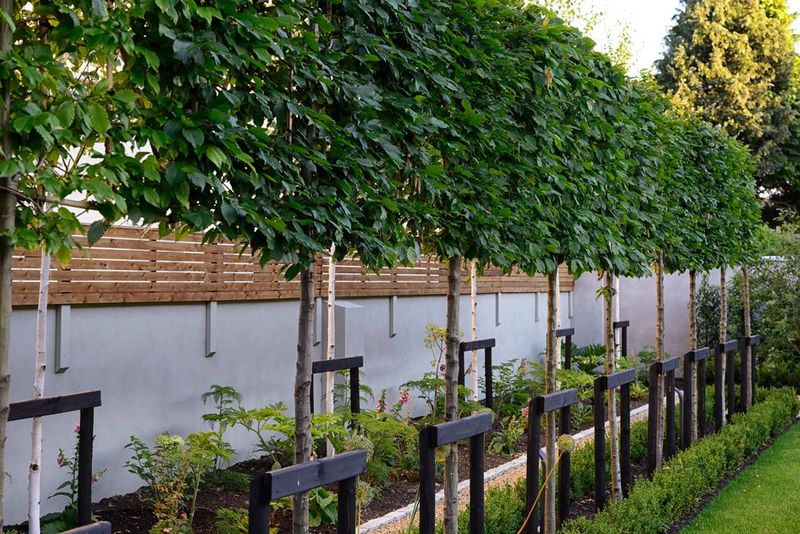
Box elder, when pleached, forms a striking green avenue that filters sunlight beautifully. This formal approach involves training trees to grow on a frame, creating a living tunnel or corridor.
The dense, upright form of pleached box elder offers a unique architectural element that defines space with elegance. Its fine foliage adds texture and depth, enhancing garden aesthetics.
Whether leading to a focal point or enclosing a garden room, pleached box elder alleys provide a sophisticated touch, melding formality with nature’s grace seamlessly.
12. Ornamental Grass Screen (e.g. Miscanthus sinensis, Calamagrostis × acutiflora)
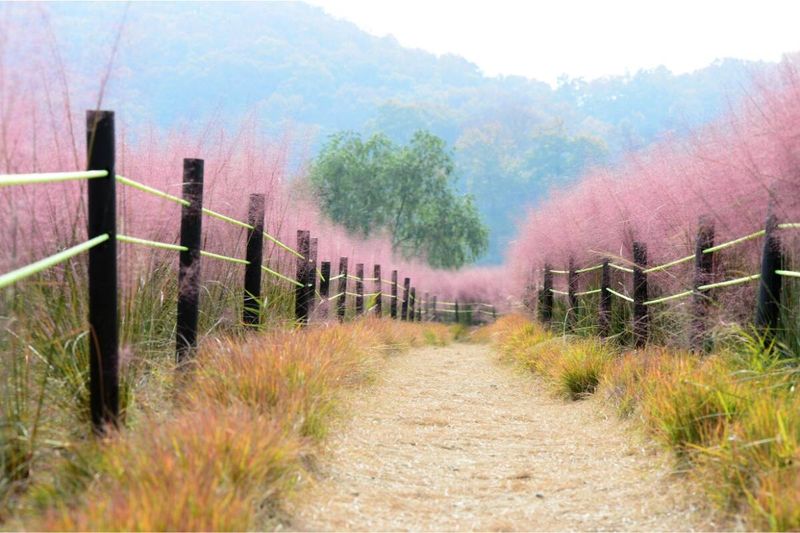
An ornamental grass screen is a dynamic choice, bringing movement and texture to garden spaces. Tall clumps of grasses like Miscanthus sinensis and Calamagrostis × acutiflora sway gracefully in the breeze, creating a natural dance.
These grasses offer seasonal interest, with feathery plumes that catch the light beautifully, remaining attractive throughout winter. Their low-maintenance nature and adaptability to various soil conditions make them a practical choice.
Perfect for adding height and depth to landscapes, ornamental grass screens provide a serene, ever-changing backdrop with an emphasis on simplicity and elegance.