
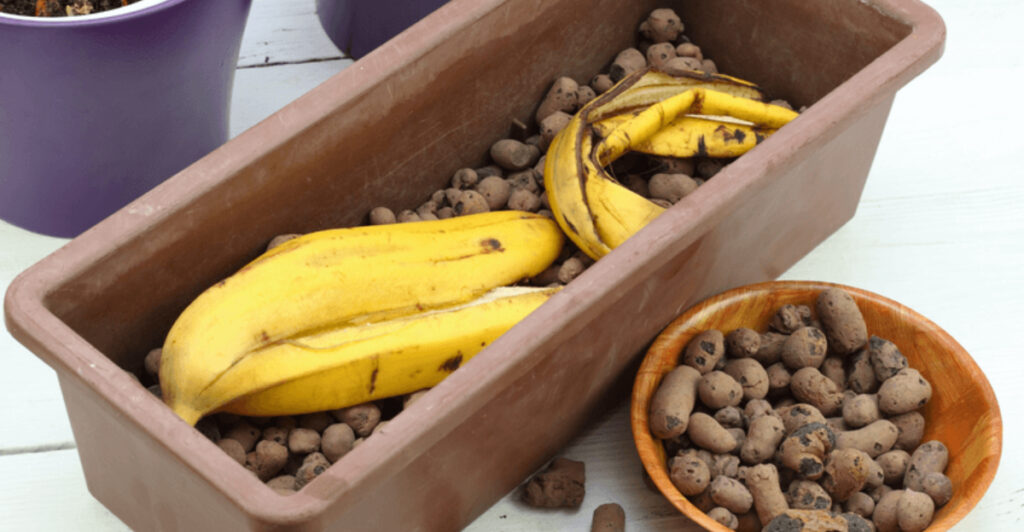
Gardeners have long extolled the virtues of banana peels, a simple yet powerful addition to any garden. Beyond their humble appearance, banana peels offer a treasure trove of nutrients that enhance plant growth, deter pests, and enrich the soil.
Whether you’re a novice or an experienced gardener, there’s something about banana peels that can transform your gardening experience into a flourishing oasis. Here are seven reasons why banana peels are a gardener’s best friend.
1. Natural Fertilizer
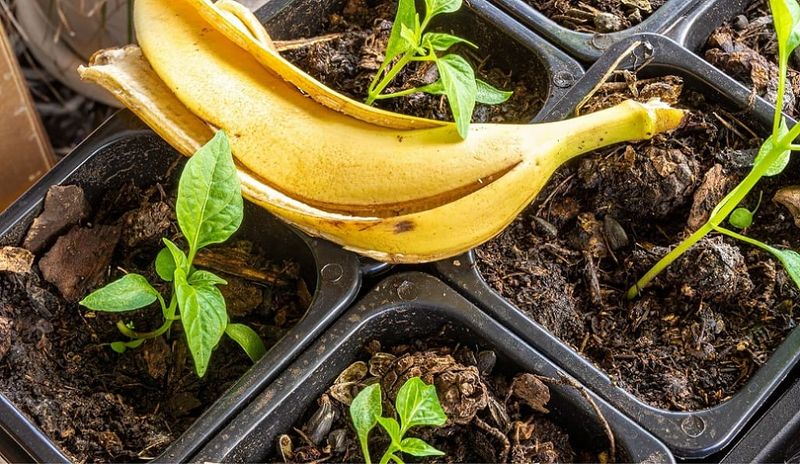
Banana peels are nature’s gift to gardeners, packed with essential nutrients like potassium, phosphorus, and calcium. These elements fortify plant roots and boost flower development. Simply burying them near plant roots can make a significant difference. Alternatively, blend them into compost tea for an enriched fertilizer solution. Their decomposition is swift, making results noticeable relatively quickly. With their nutrient-rich composition, banana peels provide a natural boost that keeps plants lush and vibrant.
2. Compost Booster
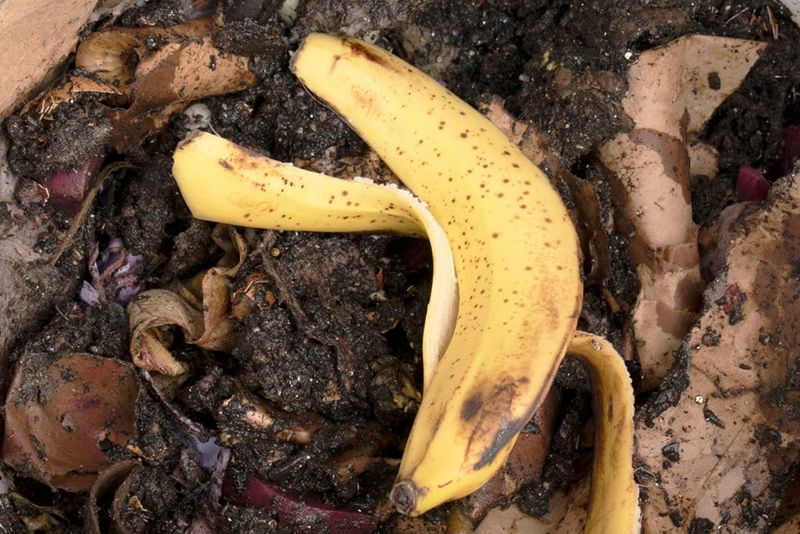
In the world of composting, banana peels play a star role. They break down swiftly, balancing nitrogen-heavy materials, like grass clippings, to accelerate decomposition. This quick breakdown enhances the nutrient value of the compost pile. As banana peels decompose, they release vital nutrients, turning your compost into a powerhouse of nutrition for your garden. By incorporating banana peels, gardeners can achieve a richer, more balanced compost that supports robust plant growth.
3. Slow-Release Nutrient Source
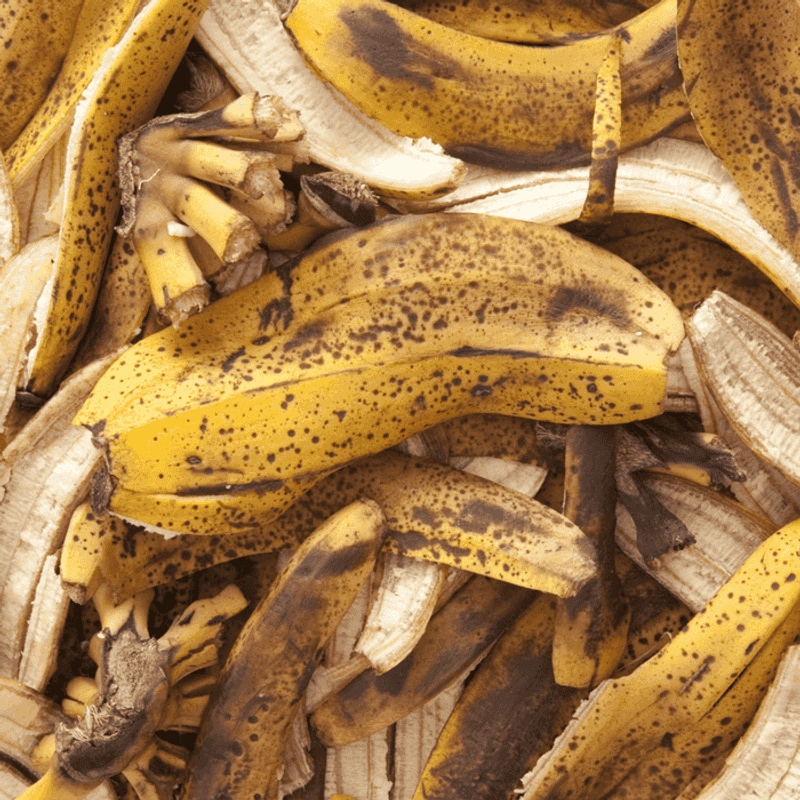
Imagine a nutrient source that keeps on giving. Buried under mulch, chopped banana peels decompose gradually, offering a steady nutrient release. This slow process is ideal for plants like tomatoes, roses, and peppers, which benefit from consistent nourishment. As the peels break down, they slowly enrich the soil, ensuring plants receive continuous support. This method is especially beneficial during growing seasons, providing a reliable nutrient source that adapts to your garden’s needs.
4. Pest Repellent
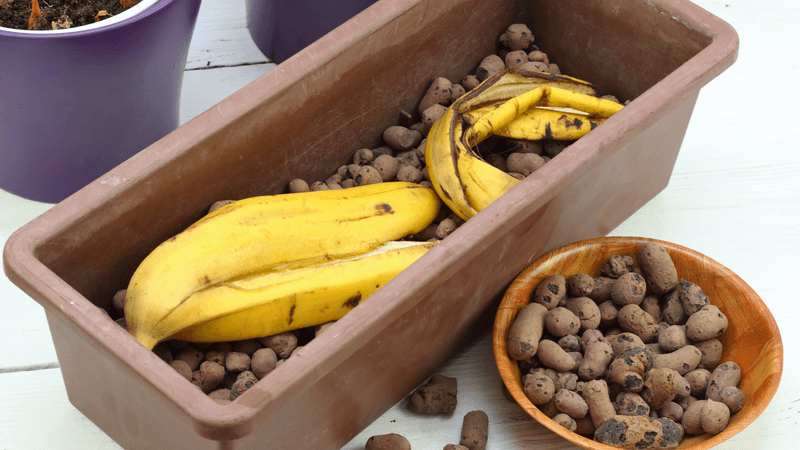
Who knew banana peels could double as a pest control method? When chopped and spread around plants, they emit natural compounds that disrupt pests like aphids. These compounds deter harmful insects without affecting beneficial ones, making banana peels a smart choice for eco-friendly gardening. Gardeners can enjoy healthier plants and reduced pest issues while maintaining a balanced ecosystem. It’s a simple yet effective strategy for managing garden pests organically.
5. Pollinator Attractant
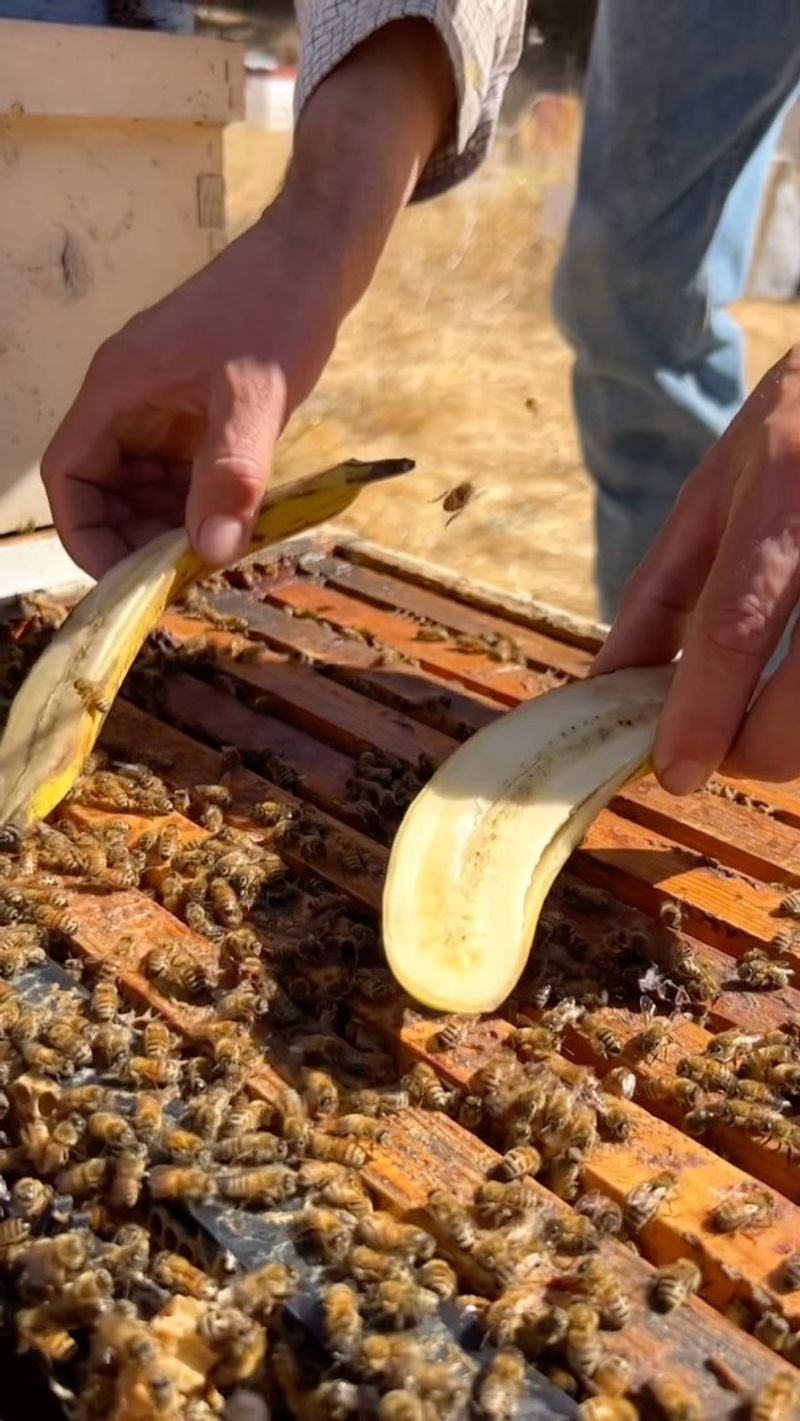
In the dance of nature, banana peels attract key pollinators like bees and butterflies. The sugars in the peels are irresistible, especially when placed in shallow dishes near flowering plants. This natural lure enhances pollination, boosting flower productivity and health. Gardens become more vibrant with the increased activity of these essential creatures. By using banana peels, gardeners can create a welcoming environment that fosters biodiversity and supports thriving plant life.
6. Soil Conditioner
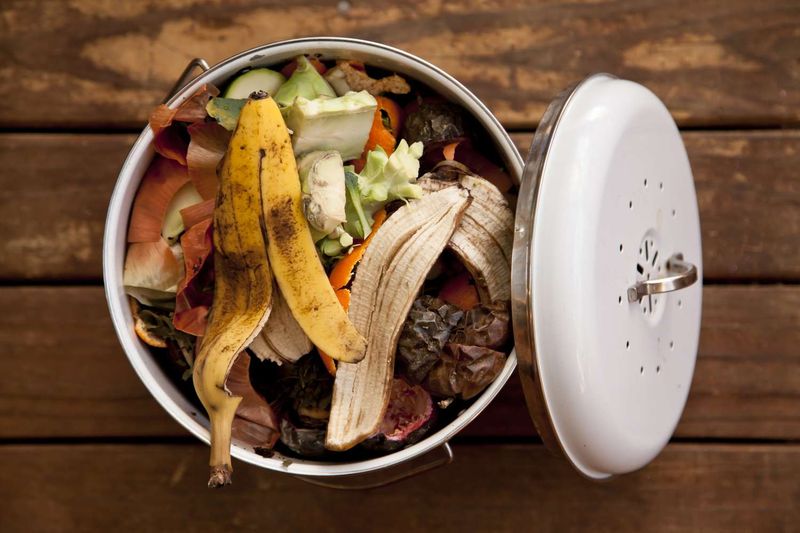
As banana peels break down, they transform ordinary soil into a gardener’s dream. Improved aeration and moisture retention result from their decomposition, enhancing root development. This soil conditioning process helps plants grow more robustly, providing essential support for their growth. With banana peels, gardeners can achieve a healthier, more fertile soil environment, paving the way for a thriving garden. The transformation is both subtle and profound, leading to long-term gardening success.
7. Homemade Fertilizer Tea
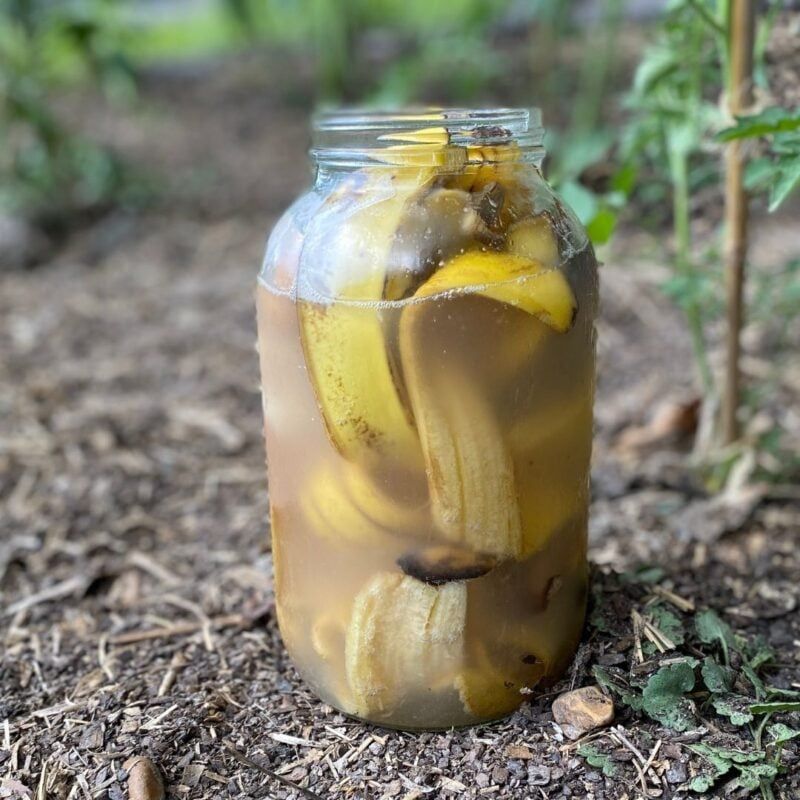
Creating a homemade fertilizer tea from banana peels is a gardener’s joy. Simply soak the peels in water for a few days, and a liquid fertilizer is ready for use. This gentle nutrient boost can be poured directly onto plants, providing immediate nourishment. It’s an easy and effective way to enhance plant health, offering an alternative to commercial fertilizers. With this DIY approach, gardeners can ensure their plants receive the best care, tailored to specific garden needs.