
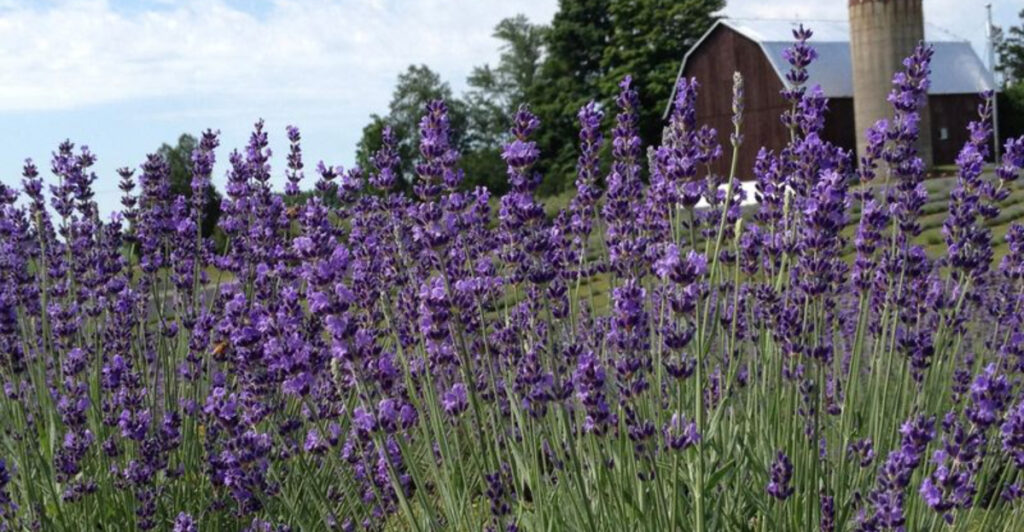
Gardening enthusiasts often face the challenge of selecting the right plants for their soil type. Alkaline soil, known for its higher pH levels, can be both a blessing and a hurdle. Certain plants thrive in such conditions, showcasing vibrant blooms and healthy foliage, while others struggle, showing signs of distress. Understanding which plants are suited to alkaline soils can make all the difference in achieving a flourishing garden.
1. Lavender
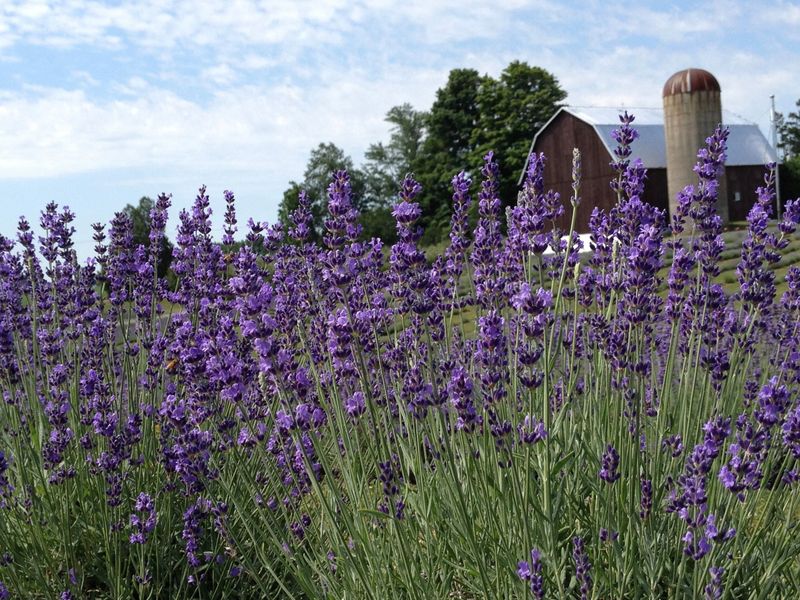
Lavender, with its calming fragrance and elegant spikes of purple, thrives in alkaline soil. The plant’s resilience to drought and preference for well-draining soil make it ideal for gardens with higher pH levels. Its silvery leaves reflect sunlight, adding a touch of charm.
In ancient times, lavender was used for its soothing properties. Today, it’s a staple in aromatic gardens. This perennial not only adds beauty but also attracts pollinators, making it a gardener’s delight. Its ability to flourish in less-than-ideal soil speaks to its hardy nature.
2. Clematis
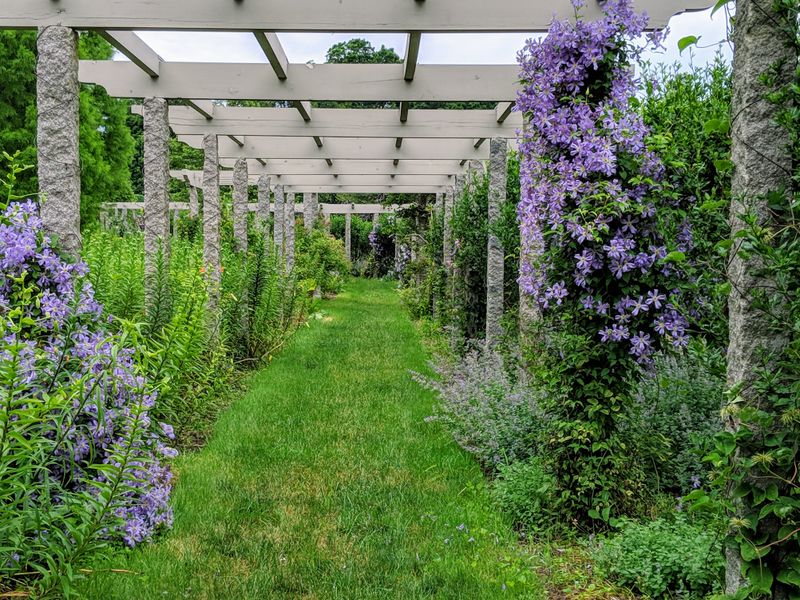
Clematis, often dubbed the ‘queen of climbers,’ finds its reign in alkaline conditions. Its large, showy flowers can turn any garden into a visual paradise. This vine’s capacity to adapt to different climates makes it highly sought after.
Gardeners cherish clematis for its long blooming period and diverse color palette. In Victorian times, it symbolized ingenuity. Today, it graces many trellises and fences. With the right care, clematis can become a perennial staple, offering a cascade of blossoms year after year.
3. Lilac
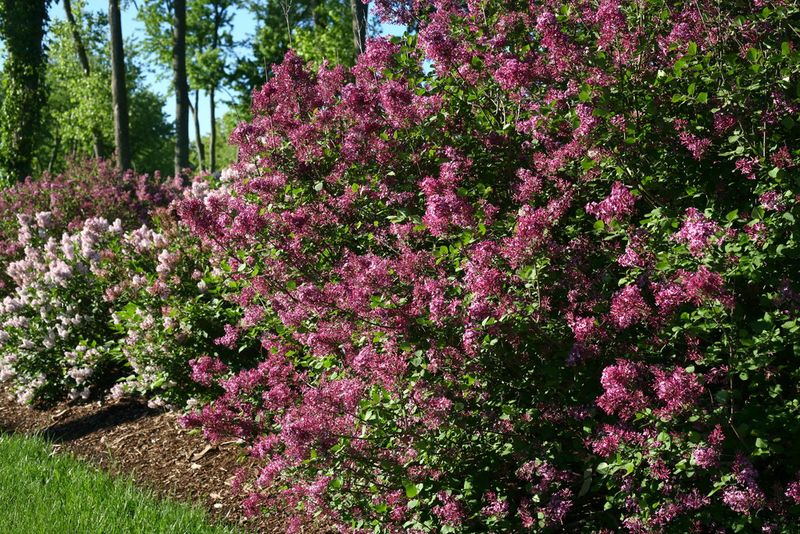
Lilacs, with their intoxicating scent and nostalgic charm, love alkaline soils. These shrubs are synonymous with spring, their blossoms creating a fragrant cloud that delights the senses. Lilacs are known for their resilience and longevity.
Historically, they symbolize love and purity, often found in old gardens and homesteads. Their lush blooms attract butterflies, adding to their allure. Lilacs flourish with minimal care, rewarding gardeners with a profusion of flowers that can last for decades.
4. Honeysuckle
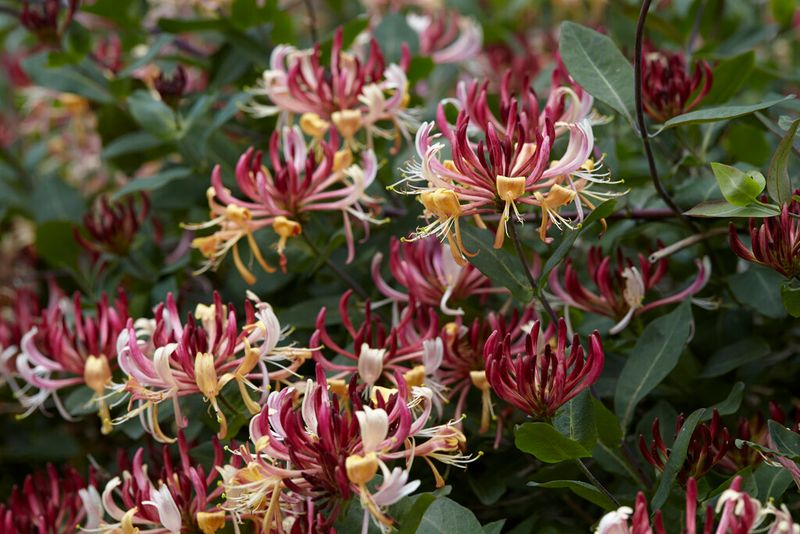
Honeysuckle’s sweet nectar and vigorous growth make it a favorite among gardeners. Thriving in alkaline soil, this vine offers both beauty and fragrance. Its tubular flowers are a magnet for hummingbirds and bees.
Cultivated for centuries, honeysuckle evokes memories of warm summer nights. Its ability to cover walls and trellises with a blanket of blossoms makes it invaluable in landscape design. With proper pruning, honeysuckle can be a vibrant addition to any garden.
5. Hydrangea
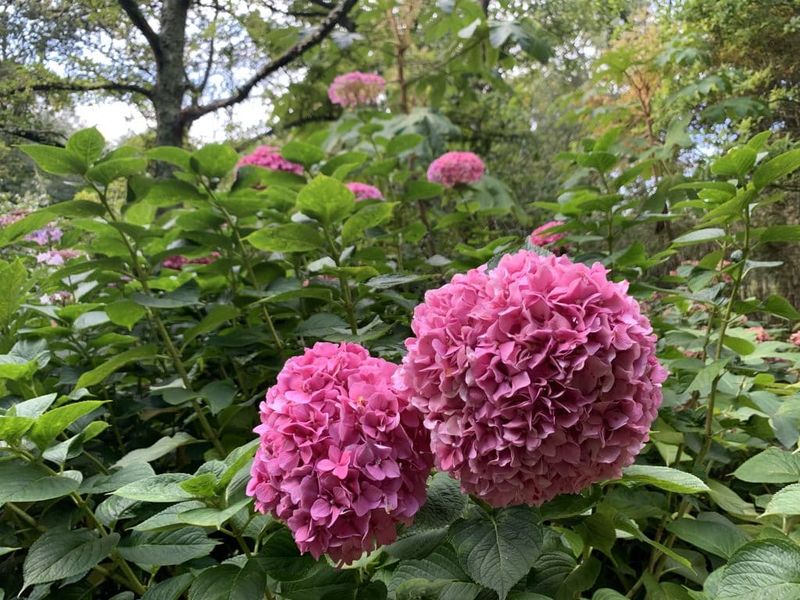
Hydrangeas are known for their captivating blossoms that change color based on soil pH. In alkaline soil, they display shades of pink and red, adding warmth to garden landscapes. Their voluminous blooms create a striking visual impact.
Historically, hydrangeas symbolize gratitude and understanding. They have adorned gardens worldwide, loved for their majestic presence. Hydrangeas require regular watering and partial shade to truly flourish, but their beauty is well worth the effort.
6. Wisteria
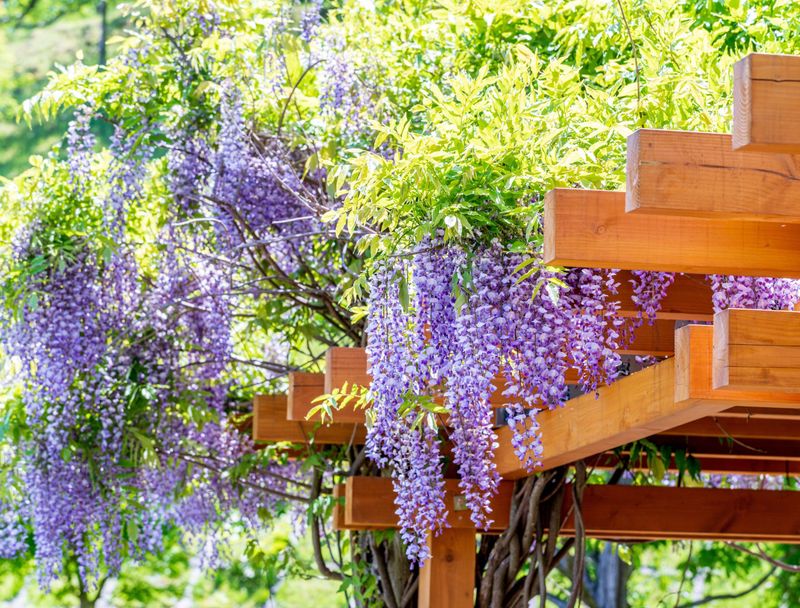
Wisteria, with its cascading clusters of blossoms, finds a happy home in alkaline soil. Its vigorous growth can cover large areas, providing shade and beauty alike. Gardeners prize wisteria for its dramatic floral displays.
This plant’s enchanting fragrance and elegant appearance have made it a garden favorite for centuries. Wisteria is a symbol of love and devotion, adding a touch of romance to any outdoor space. Proper support and pruning enhance its beauty and longevity.
7. Rosemary
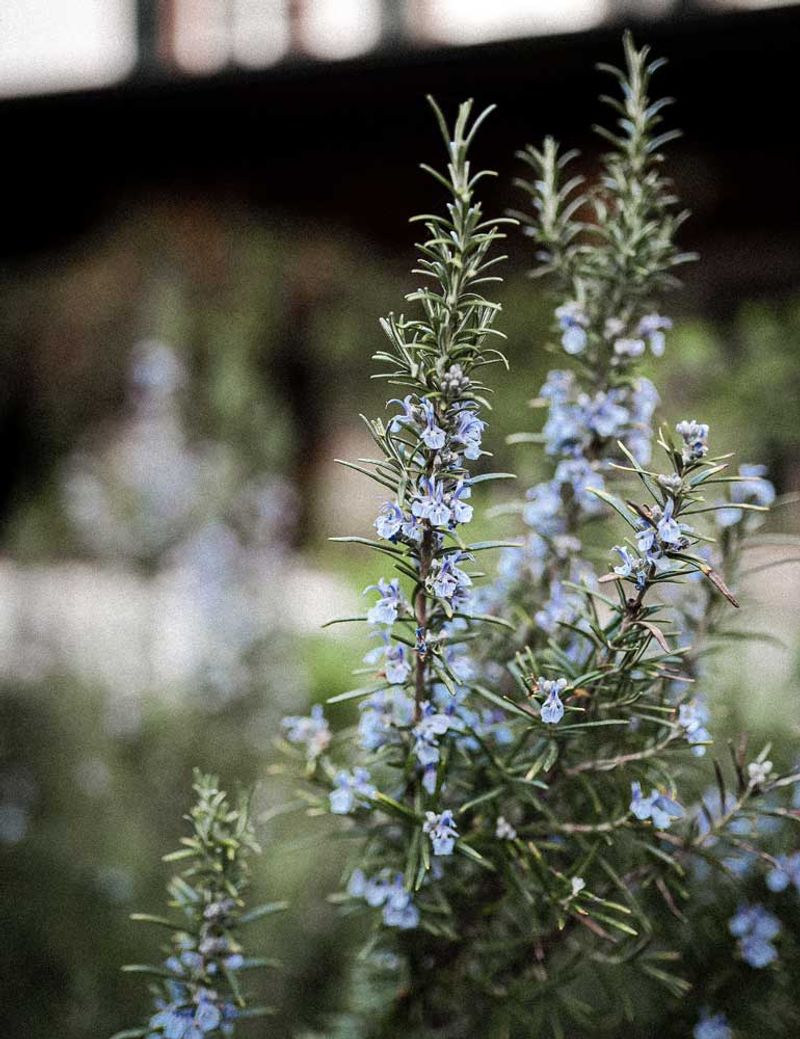
Rosemary, with its aromatic foliage and culinary appeal, thrives in alkaline soils. Its needle-like leaves and woody stems add texture to gardens, while its delightful scent enhances culinary dishes.
Symbolic of remembrance, rosemary has been cherished since ancient times. This hardy herb requires little water and enjoys basking in sunlight. Rosemary’s evergreen nature provides year-round interest, making it an essential addition to herb gardens.
8. Boxwood
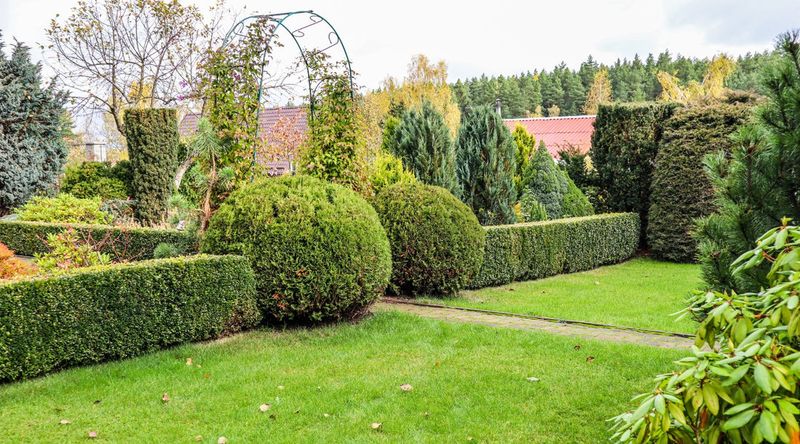
Boxwood, with its dense, evergreen foliage, is a staple in formal gardens. Its adaptability to alkaline soil and ability to be shaped into hedges or topiaries make it versatile.
Historically, boxwood symbolized strength and permanence. Its use in hedge mazes and garden designs dates back to ancient Rome. With careful pruning, boxwood provides structure and elegance to garden spaces year-round.
9. Sweet Pea
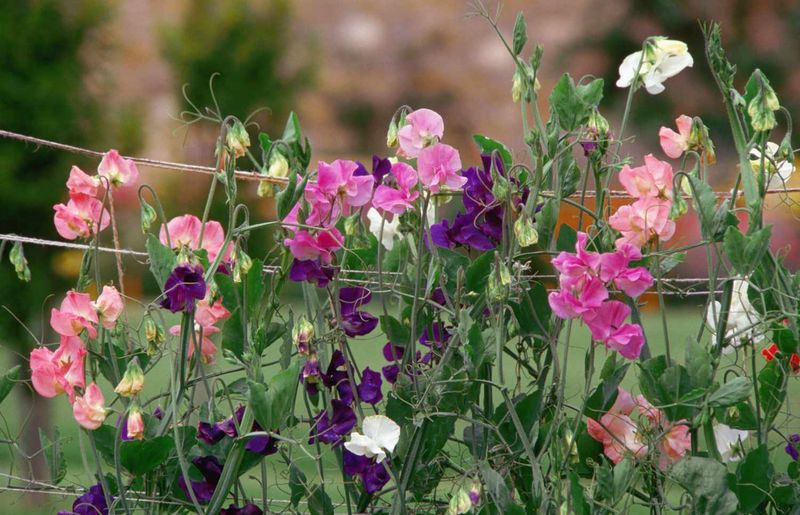
Sweet peas, with their enchanting fragrance and delicate blooms, add charm to alkaline gardens. These climbers offer a delightful array of colors, reminiscent of springtime.
Sweet peas have been beloved for centuries, often found in cottage gardens. Their scent captures the essence of nostalgia, while their blossoms attract pollinators. Trellis support enhances their ability to brighten garden corners.
10. Peony
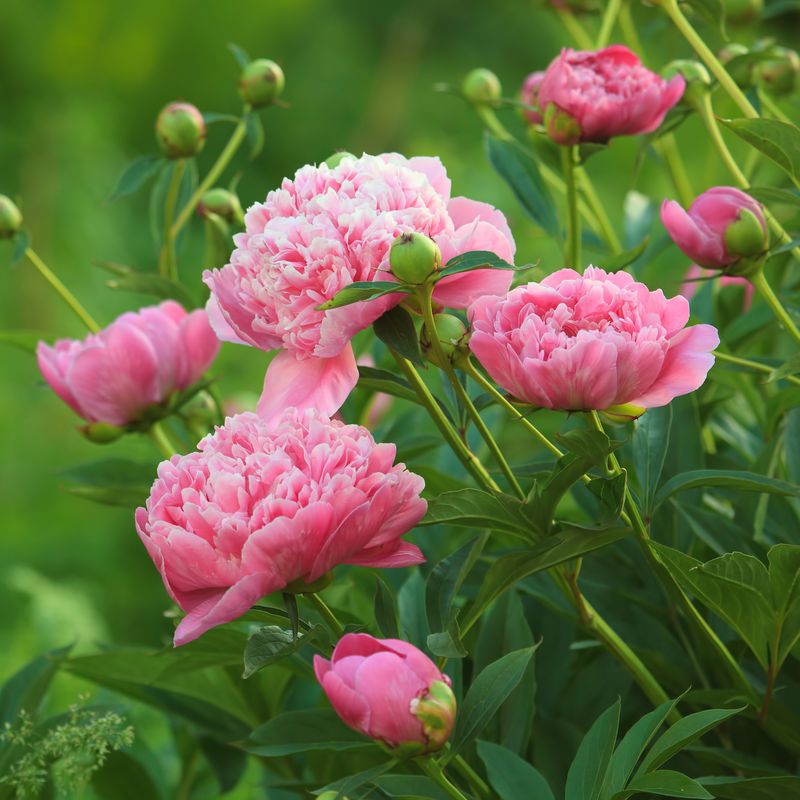
Peonies, with their opulent, lush blooms, thrive in alkaline soils. These perennials symbolize prosperity and honor, often gracing wedding bouquets and celebratory arrangements.
Their large, fragrant flowers draw admiration and are a favorite among gardeners. Peonies require well-draining soil and abundant sunlight to truly flourish. With proper care, they offer a stunning display year after year.
11. Azalea
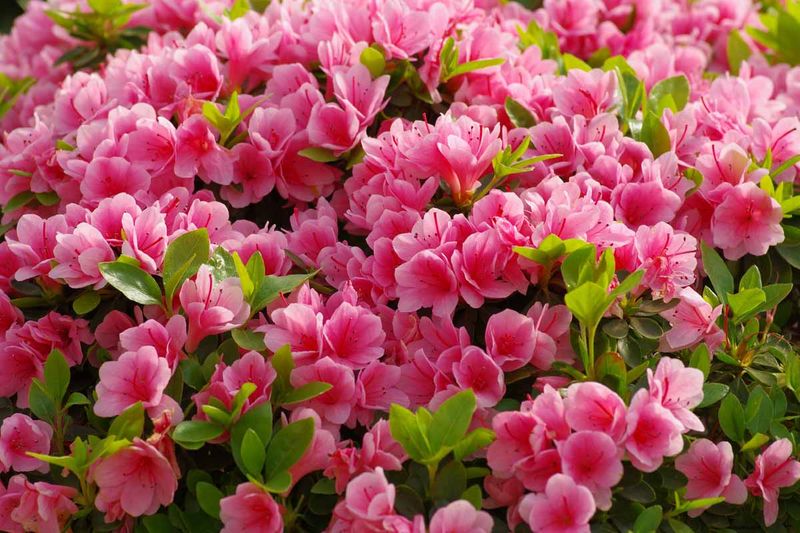
Azaleas, with their bold, bright flowers, struggle in alkaline soils. These shrubs prefer acidic environments, where their vivid blooms can truly shine. Gardening enthusiasts often find them challenging to maintain in high pH settings.
Historically, azaleas symbolize temperance. Gardeners should amend alkaline soils to suit azalea needs, ensuring vibrant spring displays. Their beauty, though demanding, is a rewarding sight to behold.
12. Gardenia
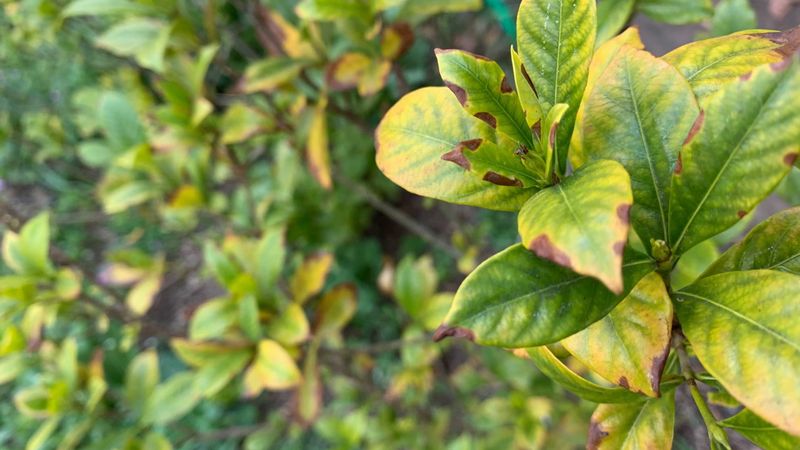
Gardenias, known for their intoxicating fragrance and creamy blooms, prefer acidic soil conditions. In alkaline soils, they often exhibit yellowing leaves, indicating distress.
Originating from tropical regions, gardenias are synonymous with secret love and purity. They require careful soil amendments to thrive, rewarding gardeners with stunning, fragrant blooms. Their beauty, though high-maintenance, adds elegance to any garden setting.
13. Rhododendron
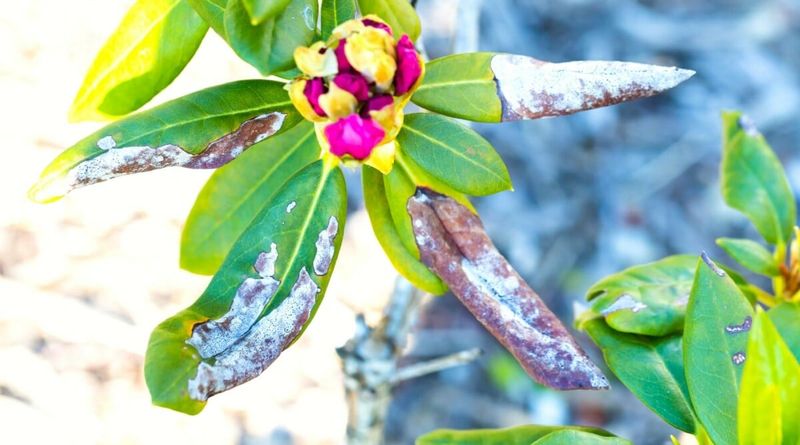
Rhododendrons, with their showy blooms and evergreen leaves, are ill-suited for alkaline soils. These shrubs demand acidic environments to showcase their full beauty.
With origins in Asia, rhododendrons have long symbolized caution and danger. In alkaline conditions, they often suffer from nutrient deficiencies, requiring careful soil management to thrive. Despite their challenges, their blooms are a sight to behold in suitable settings.
14. Camellia
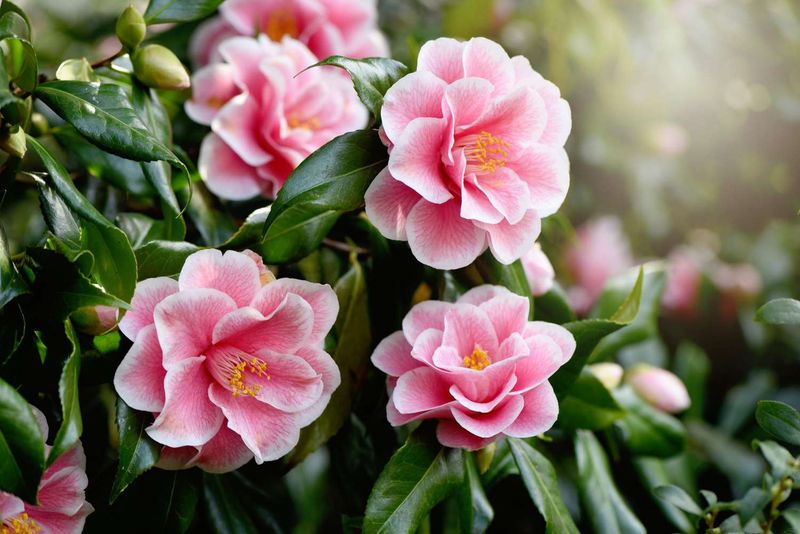
Camellias, known for their beautiful blooms and glossy foliage, struggle in alkaline soils. These plants prefer acidic conditions to maintain their vigor and vibrant flowers.
Symbolizing admiration and perfection, camellias have a rich history in Asian gardens. In alkaline environments, they often exhibit poor growth and discolored leaves, requiring soil amendments for success. Despite their challenges, their blooms are worth the effort for enthusiasts.
15. Magnolia
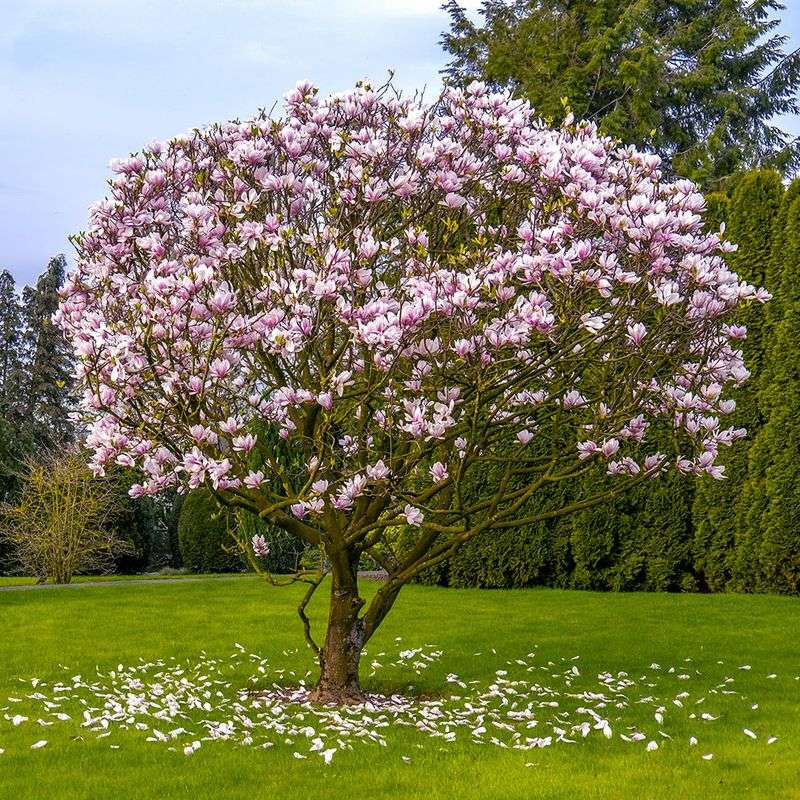
Magnolias, with their grand, fragrant blooms, are ill-equipped for alkaline soils. These trees thrive in acidic settings, where their flowers can truly flourish.
Originating from ancient lineages, magnolias symbolize dignity and nobility. In alkaline conditions, they often show signs of stress, needing careful soil adjustments. Their breathtaking blooms, however, make the effort worthwhile for dedicated gardeners.
16. Blueberry
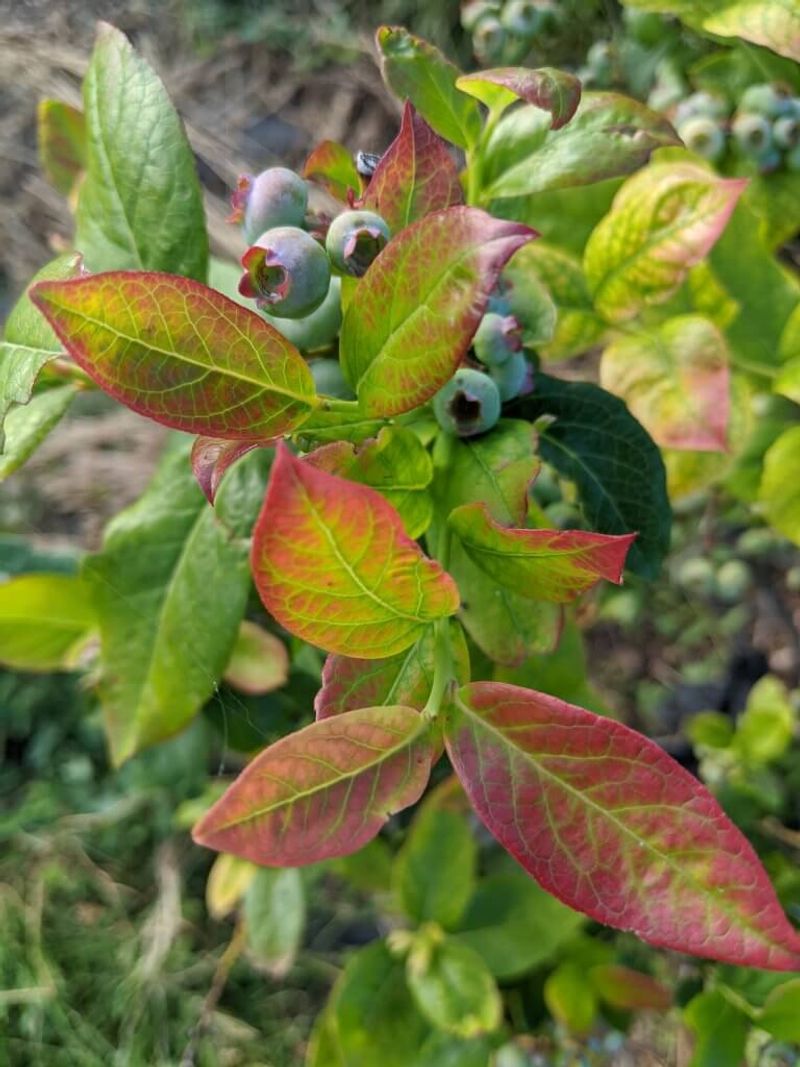
Blueberries, cherished for their delicious fruit, need acidic soils to thrive. In alkaline settings, they often face nutrient deficiencies and poor growth, challenging gardeners to meet their needs.
Symbolizing purity and health, blueberries have long been a staple in diets. Their demand for specific soil conditions requires diligent care, but their bountiful harvest is a sweet reward for those who manage their environments carefully.
17. Holly
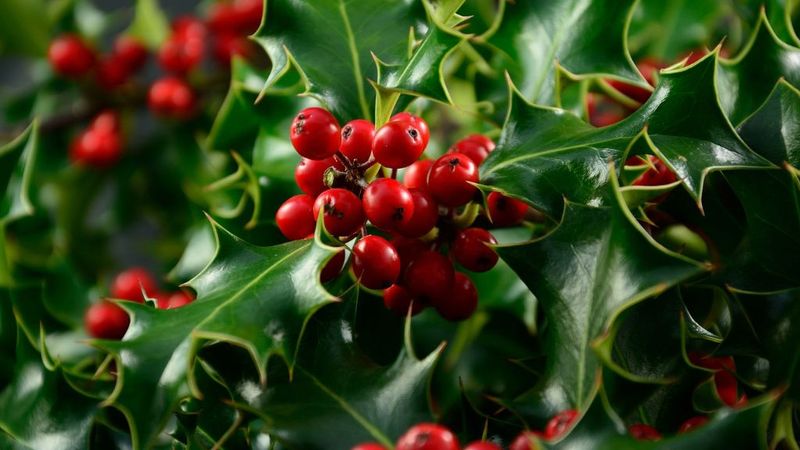
Holly, often associated with festive cheer, prefers acidic soils to maintain its bright berries and lush foliage. In alkaline conditions, it may suffer, needing soil amendments to thrive.
Symbolic of protection and defense, holly has a storied history in folklore. Its vibrant appearance and association with winter celebrations make it a favored garden plant, despite its specific soil preferences.
18. Fuchsia
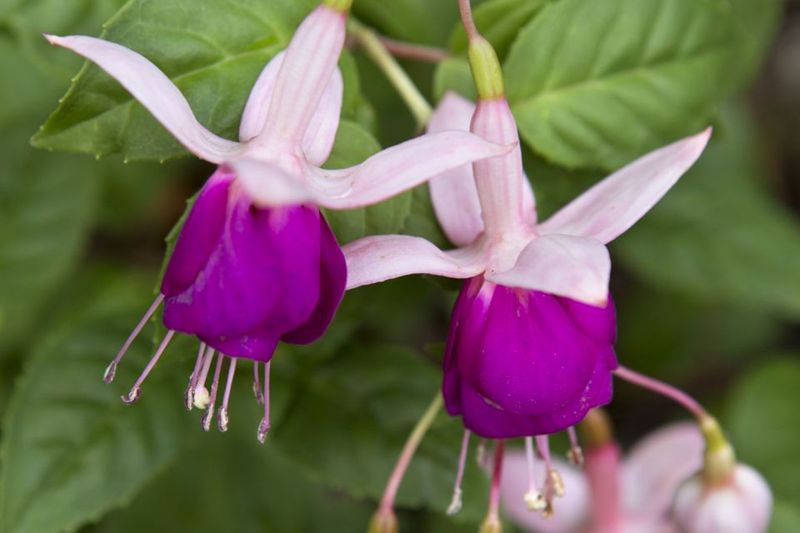
Fuchsias, with their ornate, dangling blooms, prefer acidic environments to showcase their vibrant colors. In alkaline soils, they may struggle, requiring careful soil management for optimal growth.
These flowers, reminiscent of ballerinas, bring elegance to garden corners. Their sensitivity to soil pH makes them a challenge, yet their beauty endears them to gardeners worldwide.
19. Heathers
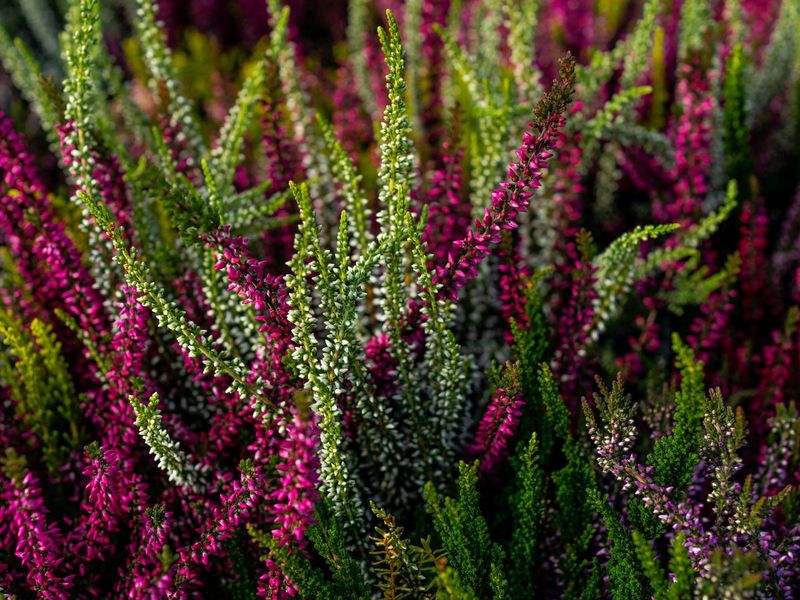
Heathers, known for their resilience and charming blooms, prefer acidic soils to fully thrive. In alkaline environments, they may exhibit stunted growth, challenging gardeners to adjust soil conditions.
Symbolic of good luck and admiration, heathers have graced moorlands for centuries. Despite their soil preferences, they offer year-round interest and are beloved for their hardiness and beauty.
20. Japanese Maple
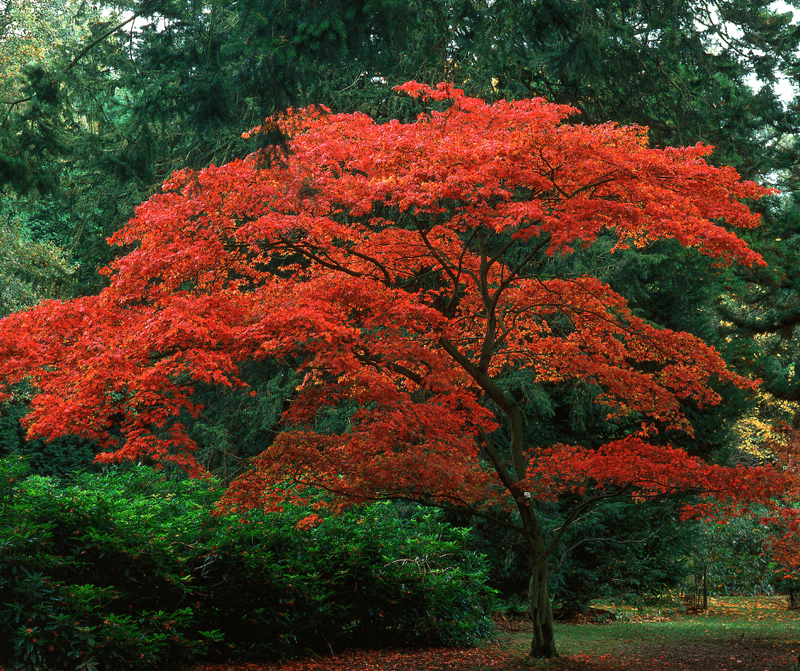
Japanese maples, renowned for their stunning foliage and graceful form, require acidic soils for optimal health. In alkaline conditions, they often show leaf discoloration and poor growth, necessitating soil amendments.
These trees symbolize peace and serenity, often found in traditional Japanese gardens. Their seasonal color shifts and delicate appearance make them a treasured addition, though demanding in their soil requirements.