
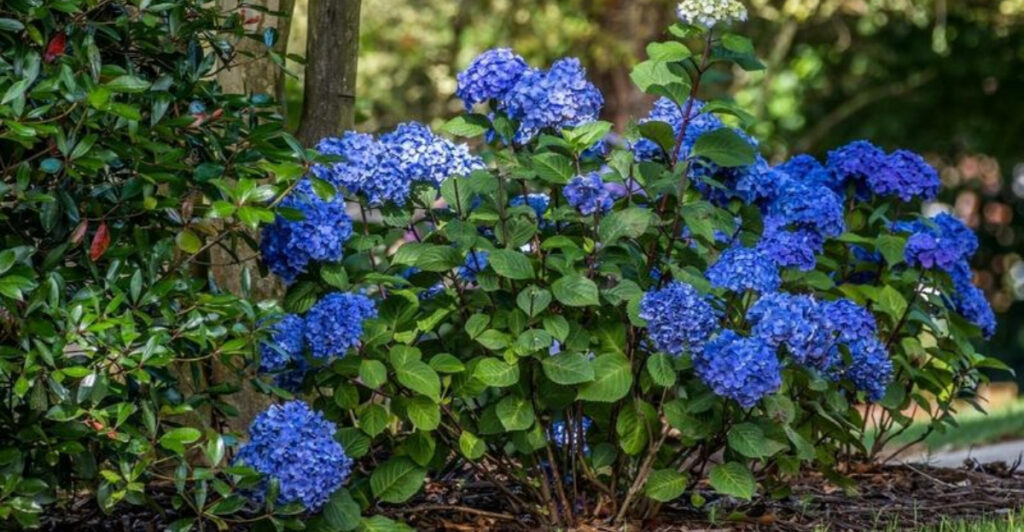
Tree stumps can be unsightly remnants in a garden, but they also offer a unique opportunity to create a vibrant planting space. By planting the right flora, you can transform a stump into a focal point of beauty and biodiversity. Here are 20 plants that thrive on or around tree stumps, each bringing its unique charm to your garden.
1. Moss
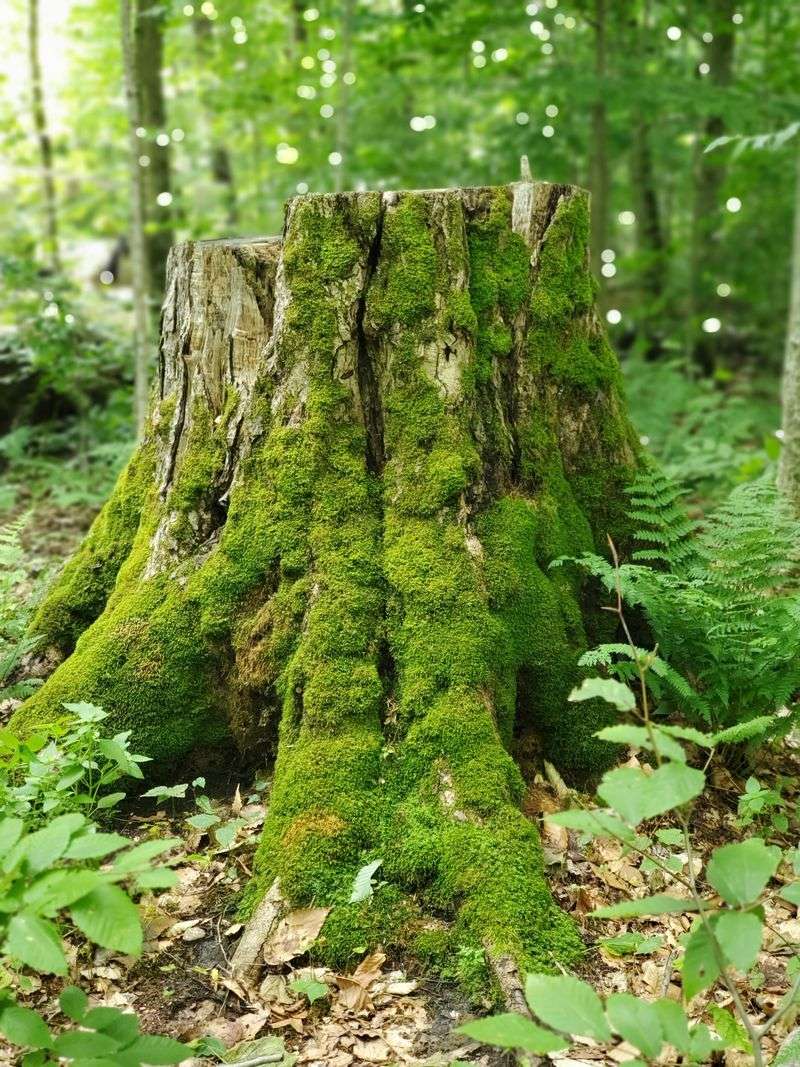
Nature’s softest carpet, moss, brings tranquility and a touch of magic to any garden. Its velvety texture creates a serene spot that invites contemplation. Moss thrives in shaded, moist environments, making it perfect for covering tree stumps.
Its low-maintenance nature means it requires little care once established. Just ensure it receives ample shade and consistent moisture. Moss can also prevent soil erosion around the stump, adding an ecological benefit.
Its diverse shades of green create a calming oasis, while its gentle growth pattern complements any garden style.
2. Hostas
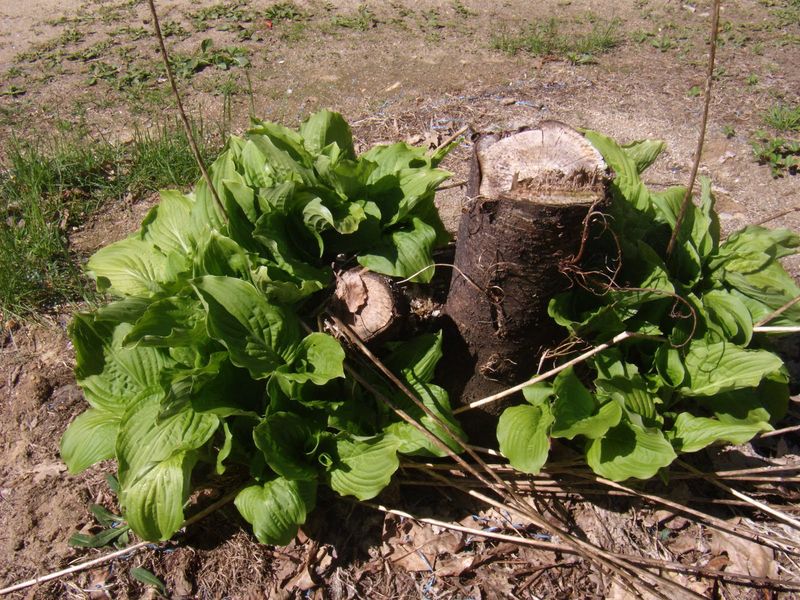
Hostas, with their grandiose leaves and diverse colors, breathe life into shaded areas. These resilient perennials are beloved for their ability to thrive in low-light conditions.
Plant hostas around your tree stump to create a lush, verdant border. Their leaves vary from deep blue-green to vibrant yellow, offering a rich tapestry of textures and hues.
Beyond their aesthetic appeal, hostas are remarkably easy to care for. Simply provide them with shade and regular watering to witness their robust growth. Hostas also improve soil quality by retaining moisture.
3. Ferns
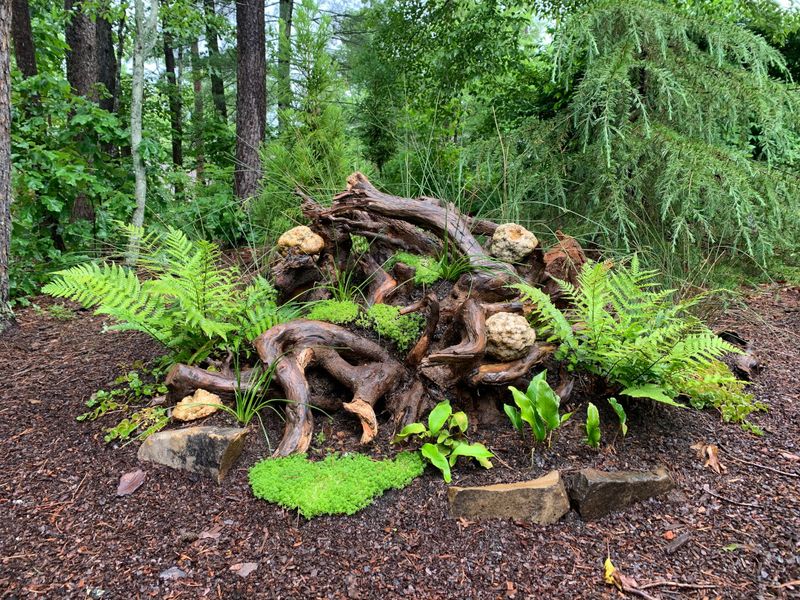
With their graceful fronds, ferns evoke a sense of timelessness and elegance. Perfect for shaded spots, they flourish in the rich, moist soil often found around stumps.
Ferns offer a variety of shapes and sizes, from the delicate maidenhair to the bold ostrich fern. Their lush greenery provides a natural backdrop for more colorful blooms.
These plants are not only visually appealing but also practical, as they help retain soil moisture and prevent erosion. Ferns require minimal upkeep, making them a gardener’s dream.
4. Sedum
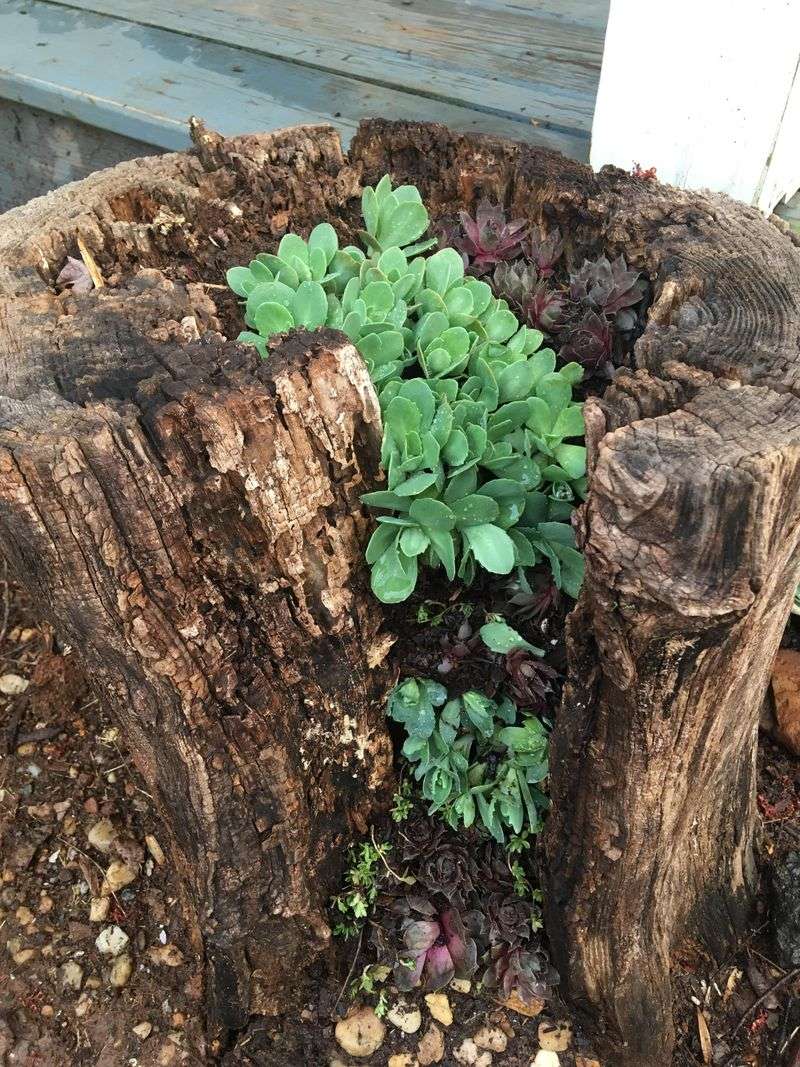
Sedum, also known as stonecrop, is the epitome of resilience and versatility. These succulents thrive in sunny, dry conditions, making them ideal for stumps in open areas.
Their fleshy leaves come in captivating colors, from deep greens to striking reds. Sedum’s star-shaped flowers add a splash of brightness during blooming season.
Low-maintenance and drought-tolerant, sedum requires minimal care. Just ensure it receives adequate sunlight and well-drained soil. Its ability to attract pollinators like bees further enhances its garden value.
5. Hydrangeas
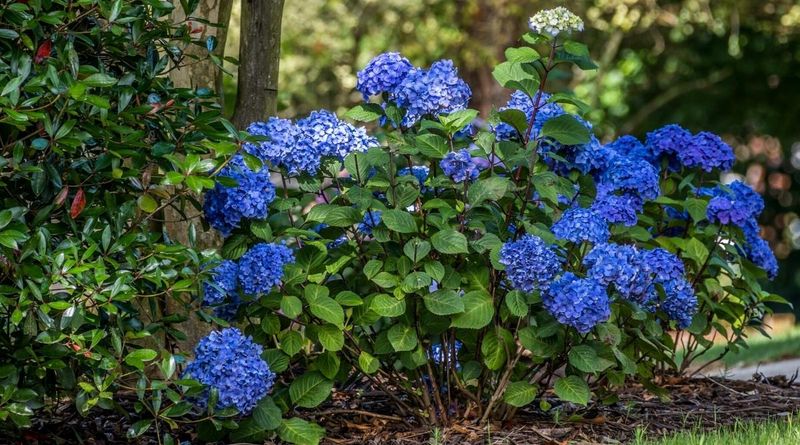
Hydrangeas, known for their voluminous blossoms, offer a spectacle of color and form. These shrubs thrive in the partial shade and rich soil found near tree stumps.
With colors ranging from blush pink to sky blue, hydrangeas create a dynamic visual impact. Their blooms evolve with the season, providing continuous interest.
While they require regular watering, the effort pays off with their stunning floral display. Hydrangeas also improve soil drainage and create a vibrant habitat for birds and insects.
6. Ivy
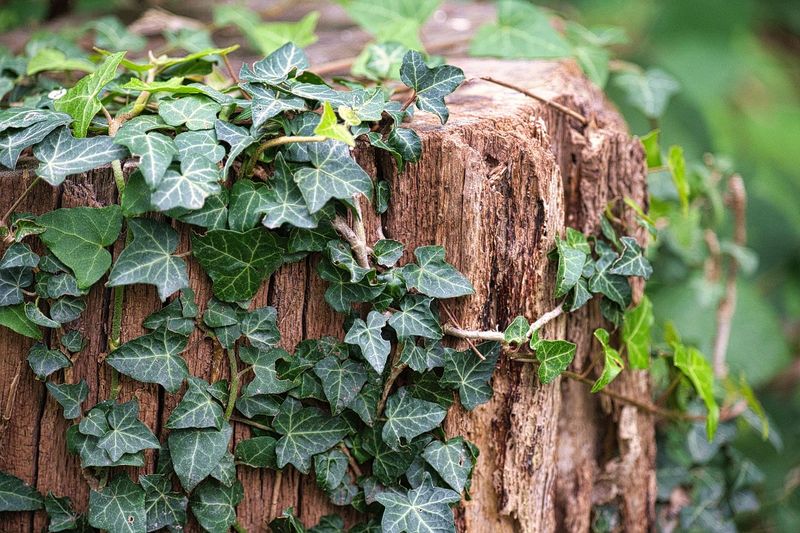
Ivy, with its trailing vines and lush foliage, brings a touch of old-world charm to any garden. It’s perfect for covering and softening the harsh lines of a tree stump.
This evergreen offers year-round beauty with minimal effort. Ivy thrives in various conditions but prefers shaded, moist environments for optimal growth.
While ivy is low-maintenance, it requires occasional pruning to prevent overgrowth. Its dense coverage can provide shelter for small wildlife, enhancing garden biodiversity.
7. Lavender
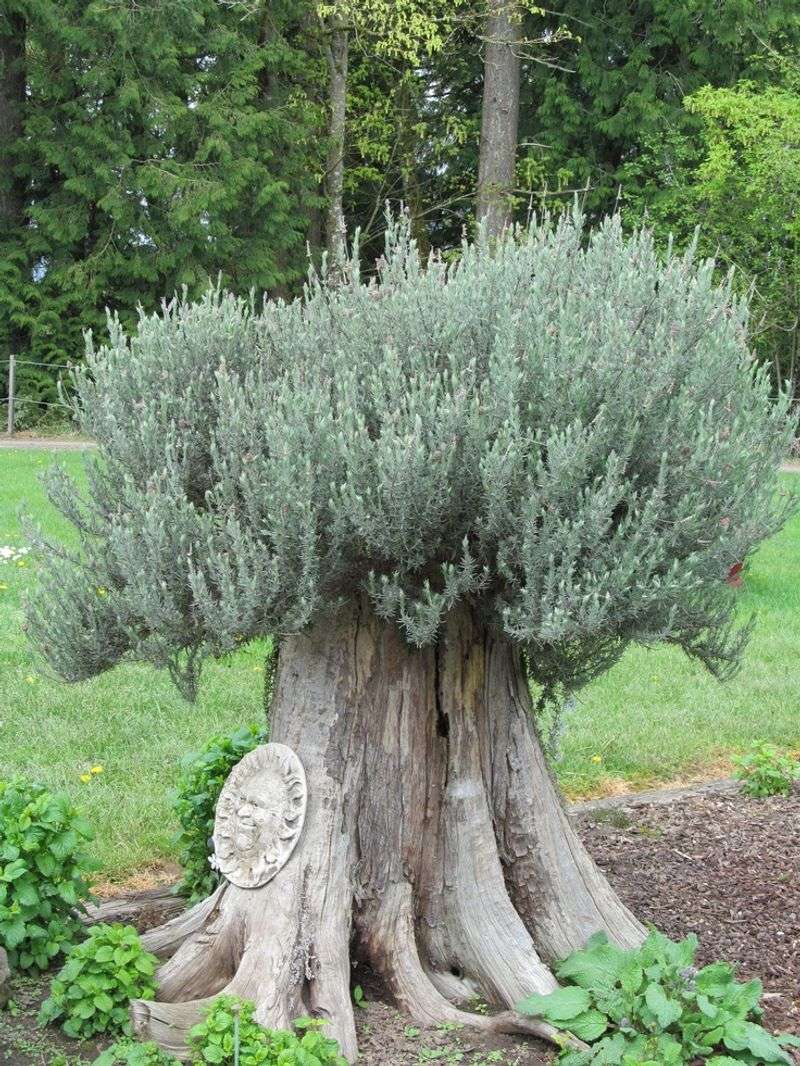
Lavender, with its fragrant blooms and silvery foliage, is a beloved garden classic. This sun-loving plant thrives on stumps located in well-drained, sunny spots.
Its aromatic scent and purple flowers attract pollinators, adding life to your garden. Lavender’s blooms can be harvested for personal use, from sachets to culinary delights.
While it requires regular pruning to maintain shape, lavender’s low-water needs make it a sustainable choice. Its presence evokes a sense of calm and relaxation, reminiscent of summer days in Provence.
8. Heuchera
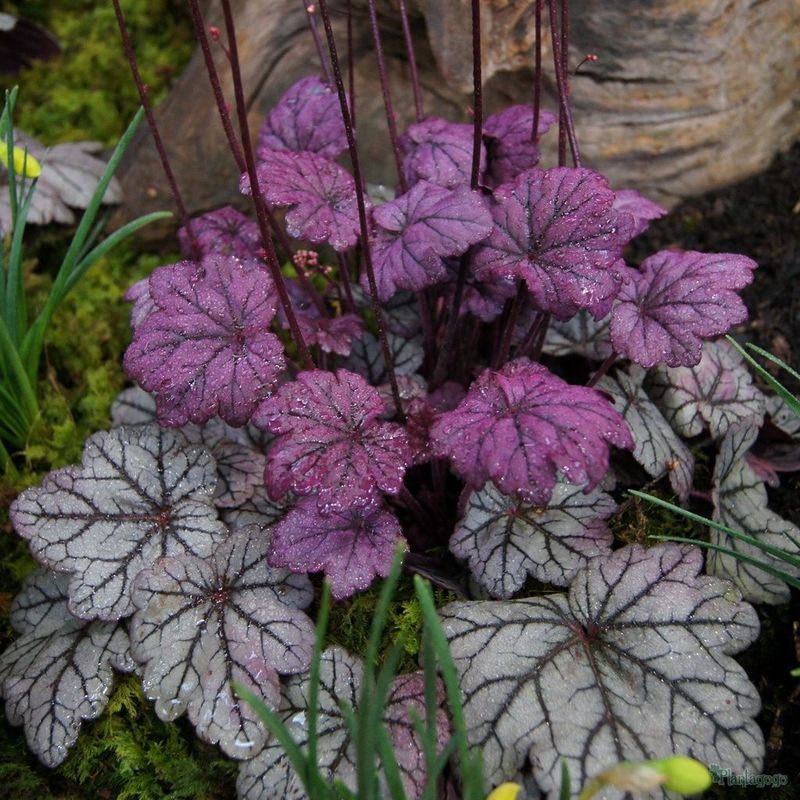
Heuchera, also known as coral bells, captivates with its colorful foliage and delicate flowers. Ideal for shaded areas, it thrives around tree stumps with rich, well-drained soil.
The leaves of heuchera come in a stunning array of colors, from deep purples to bright oranges, providing continuous visual interest. The small, bell-shaped flowers add a whimsical touch.
While it requires occasional watering, heuchera rewards with its resilient nature and vibrant display. It’s a fantastic choice for adding texture and color to shaded garden spots.
9. Wildflowers
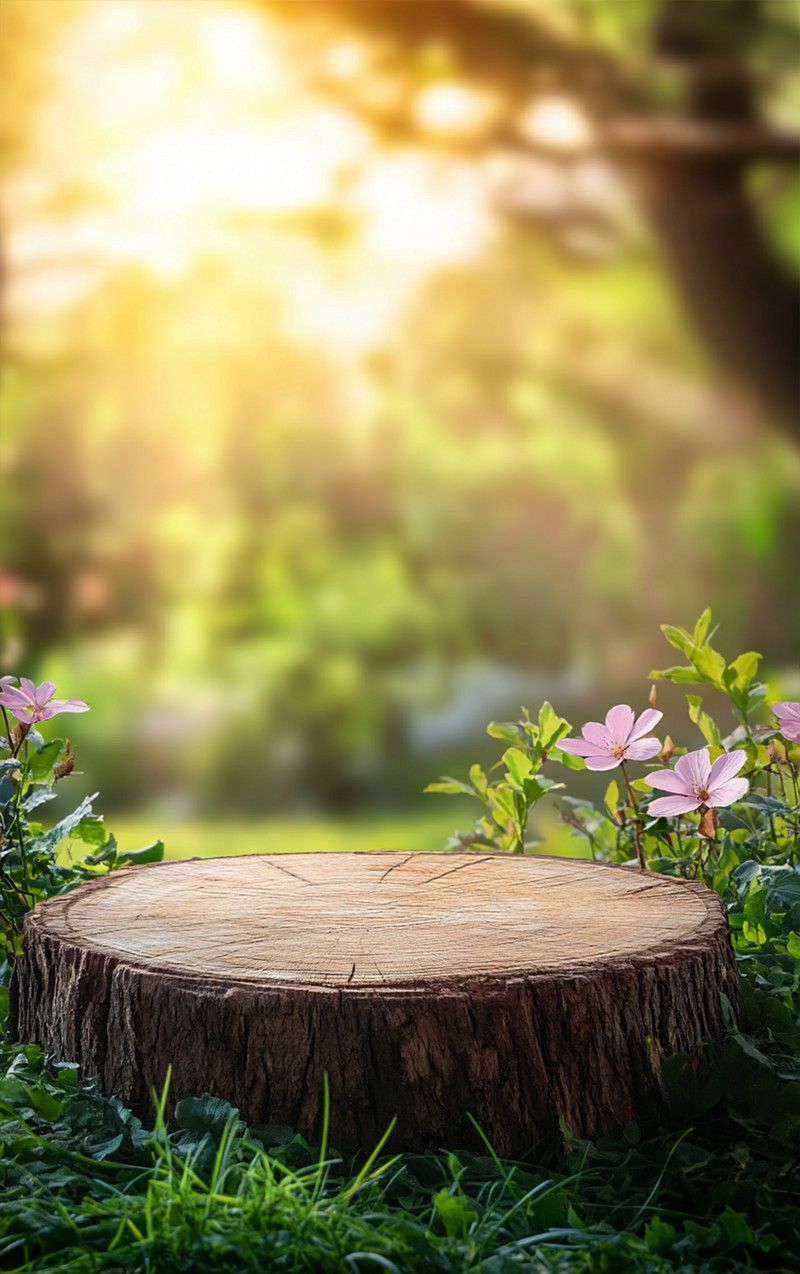
Wildflowers bring spontaneous beauty and ecological benefits to your garden. Plant them around a tree stump to create a vibrant, lively display that evolves with the seasons.
These flowers attract pollinators, enhancing biodiversity in your garden. They’re adaptable, thriving in various light and soil conditions, making them a versatile choice.
Wildflowers require minimal care, allowing nature to take its course. Their ever-changing blooms ensure continuous interest, while their roots help stabilize the soil around the stump.
10. Succulents
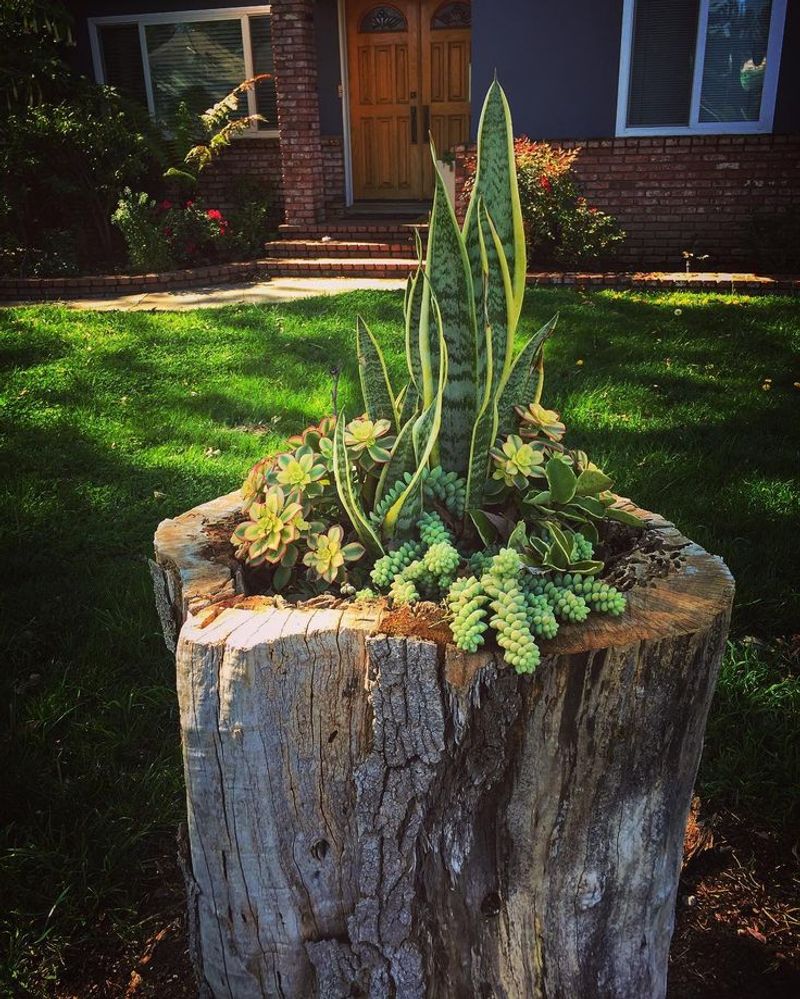
Succulents, known for their striking appearance and low-water needs, are perfect for sunny, dry stumps. Their architectural forms add a contemporary flair to any garden.
With a wide range of colors and shapes, succulents offer endless design possibilities. From rosettes to trailing varieties, they create a dynamic visual impact.
Succulents require minimal care, needing only well-drained soil and occasional watering. Their ability to store water makes them drought-tolerant, while their unique forms add intrigue and interest.
11. Violets
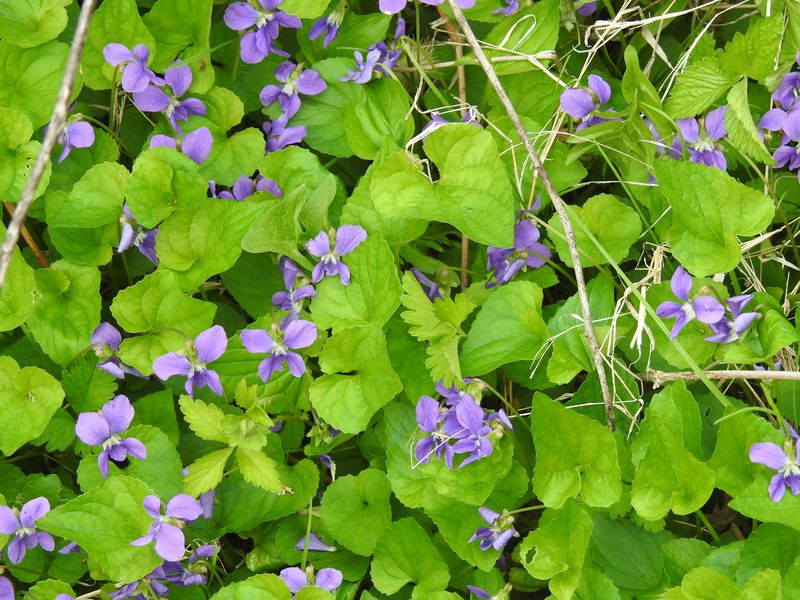
Violets, with their charming, delicate blooms, add a touch of whimsy to any garden. Ideal for shaded areas, they thrive in the moist, fertile soil often found around stumps.
These perennials offer delightful pops of color, ranging from deep purple to soft blue. Their heart-shaped leaves add to their enchanting appeal.
Violets require little attention, making them perfect for busy gardeners. Their flowers attract pollinators, contributing to a healthy garden ecosystem while adding visual interest throughout the growing season.
12. Primroses
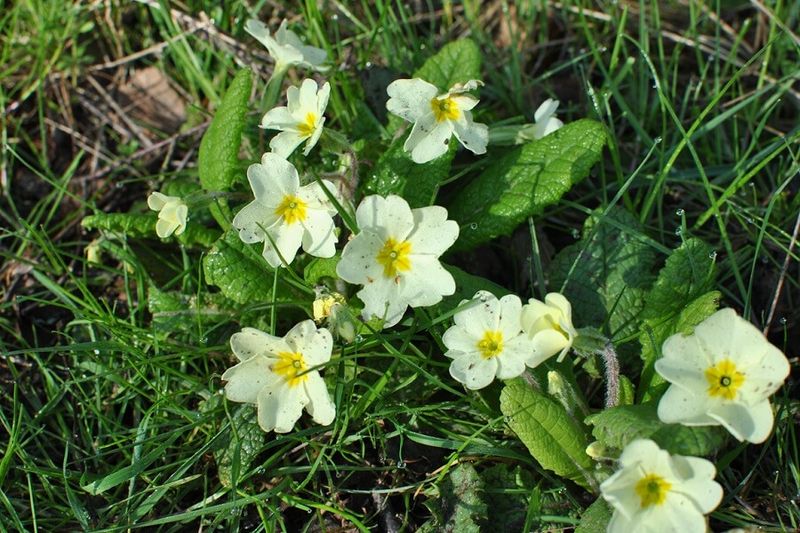
Primroses, with their cheerful blooms, bring a splash of color to early spring gardens. These hardy perennials thrive in the dappled shade of tree stumps.
Their flowers come in a rainbow of colors, from sunny yellows to deep reds, brightening any space. Primroses are easy to grow, requiring minimal care and attention.
These plants flourish in well-drained soil with consistent moisture. Their early blooms provide essential nectar for pollinators emerging from hibernation, supporting garden biodiversity.
13. Marigolds
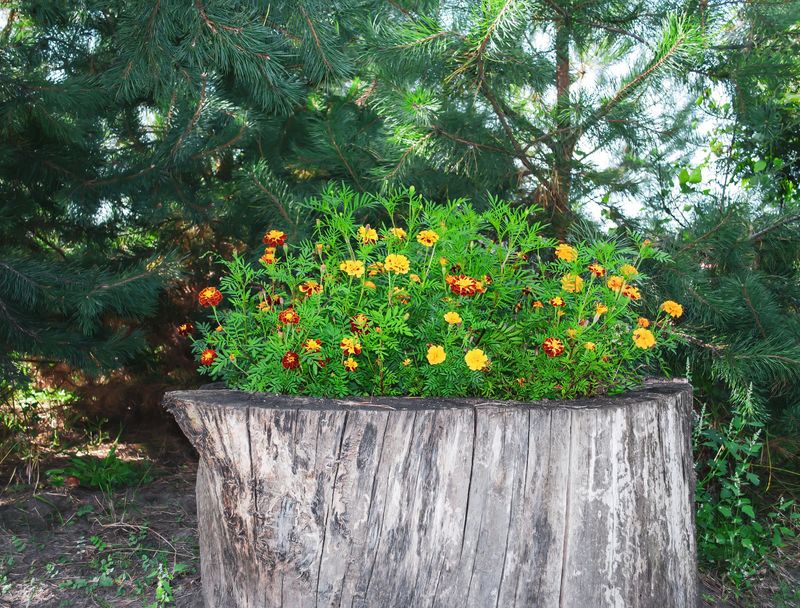
Marigolds, with their vibrant blooms and distinctive scent, are garden favorites. These cheerful annuals thrive in sunny locations, making them ideal for stumps in open areas.
Their flowers range from bright orange to sunny yellow, providing a burst of color that lasts all season. Marigolds are also known for their pest-repelling properties, making them a practical choice.
With minimal water needs and easy growth habits, marigolds are perfect for novice gardeners. Their long-lasting blooms create a lively and inviting garden atmosphere.
14. Begonias
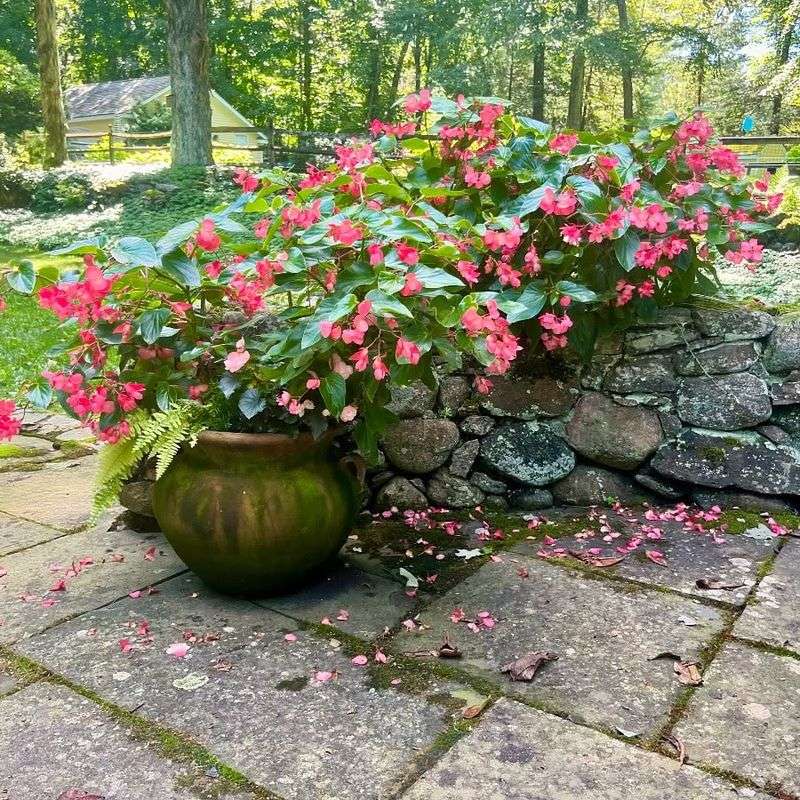
Begonias, renowned for their vibrant blooms and lush foliage, bring elegance to any garden. These adaptable plants thrive in the partial shade of tree stumps.
With flowers in shades of red, pink, and white, begonias offer a burst of color throughout the growing season. Their glossy leaves add texture and depth.
Begonias require regular watering but reward with a stunning floral display. They’re also easy to propagate, making them a favorite among gardeners looking to expand their collection.
15. Lily of the Valley
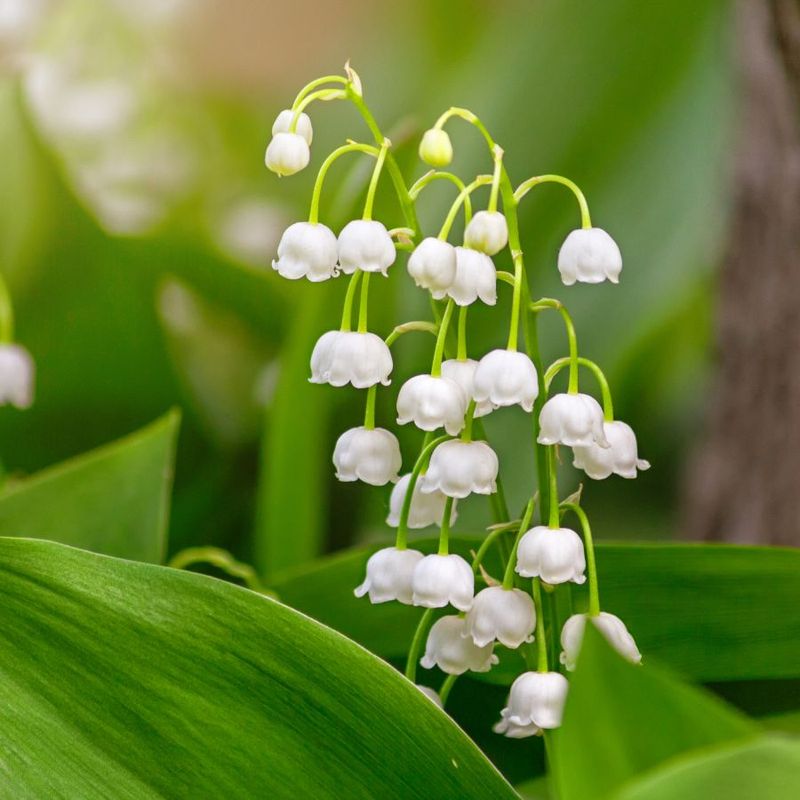
Lily of the Valley, with its fragrant bell-shaped flowers, adds a touch of grace and nostalgia to gardens. This plant flourishes in the cool, shaded areas around tree stumps.
Its sweet scent and delicate white blooms create a serene atmosphere. The lush green leaves provide contrast and year-round interest.
Easy to care for, Lily of the Valley requires minimal intervention once established. It’s an excellent choice for adding a classic, timeless feel to shaded garden spaces.
16. Japanese Anemones
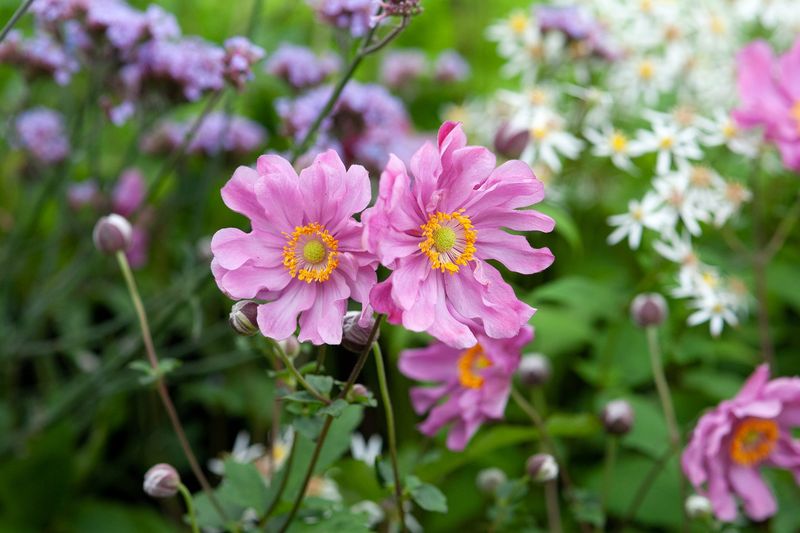
Japanese anemones bring elegance and late-season color to gardens. These tall perennials thrive in the partial shade near tree stumps.
With blooms in shades of pink and white, they create a stunning display from late summer into autumn. Their swaying flowers add movement and grace.
Japanese anemones require little care, needing only regular watering and well-drained soil. They attract pollinators and provide a splash of color when many other plants have faded.
17. Daisies
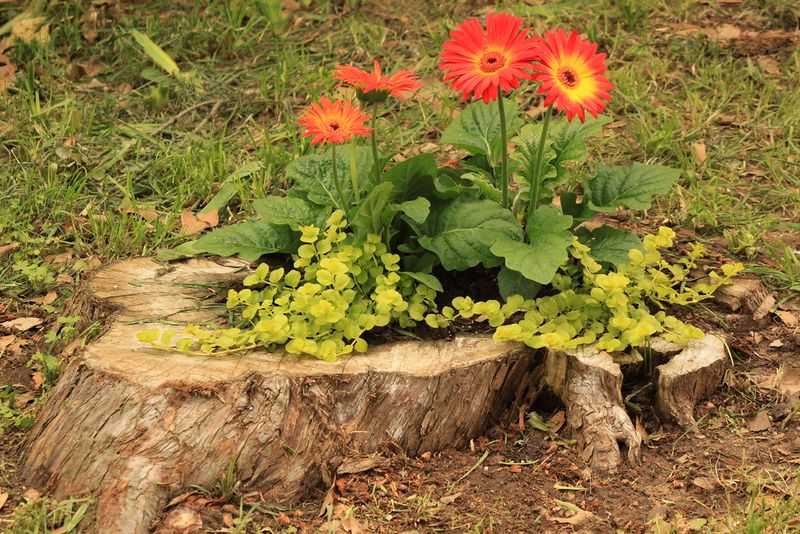
Daisies, with their sunny faces and carefree nature, are garden classics. Ideal for sunny spots, they bring charm and simplicity to stumps in open areas.
These perennials offer bright white petals with sunny yellow centers, creating a timeless look. Daisies are easy to grow, requiring little more than sunlight and occasional watering.
Beyond their beauty, daisies attract pollinators, supporting garden health. Their long blooming season ensures continuous color and joy throughout the warmer months.
18. Creeping Thyme
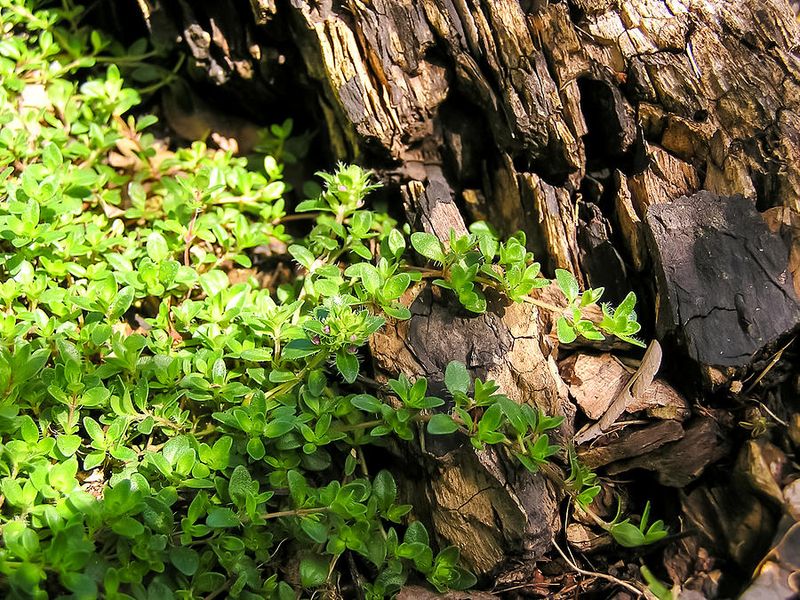
Creeping thyme, with its aromatic foliage and delicate blooms, forms a soft, fragrant carpet over tree stumps. Ideal for sunny, well-drained areas, it adds charm and functionality.
This ground cover produces tiny, purple flowers that attract pollinators and add a touch of color. Its scent enhances the sensory experience in gardens.
Creeping thyme is drought-tolerant and requires minimal maintenance. Its dense growth pattern helps prevent weeds, making it both beautiful and practical for garden beds.
19. Daylilies
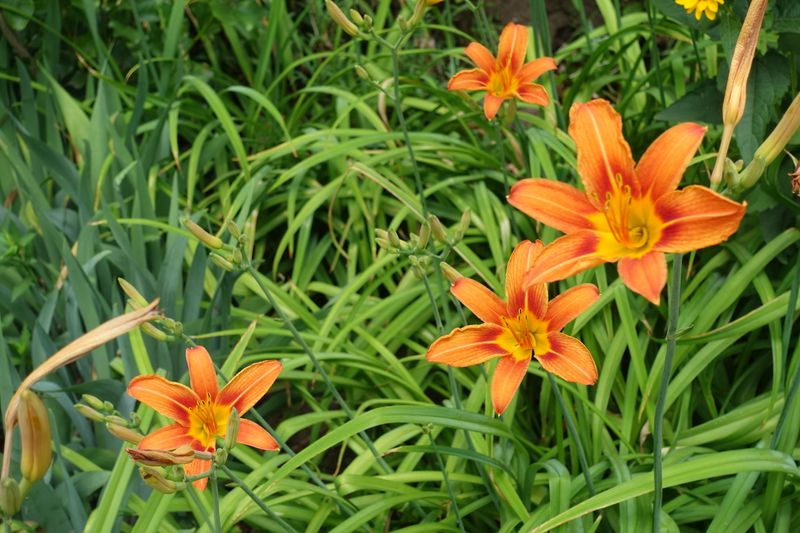
Daylilies, known for their striking flowers and robust growth, bring vibrancy to gardens. These perennials thrive in sunny areas, making them perfect for stumps in open spaces.
With a wide range of colors, from fiery reds to sunny yellows, daylilies offer continuous blooms throughout the summer. Their resilience and adaptability are unmatched.
Daylilies require minimal care, needing only occasional watering. Their ability to thrive in various soils makes them a versatile choice for gardeners seeking reliable, long-lasting beauty.