
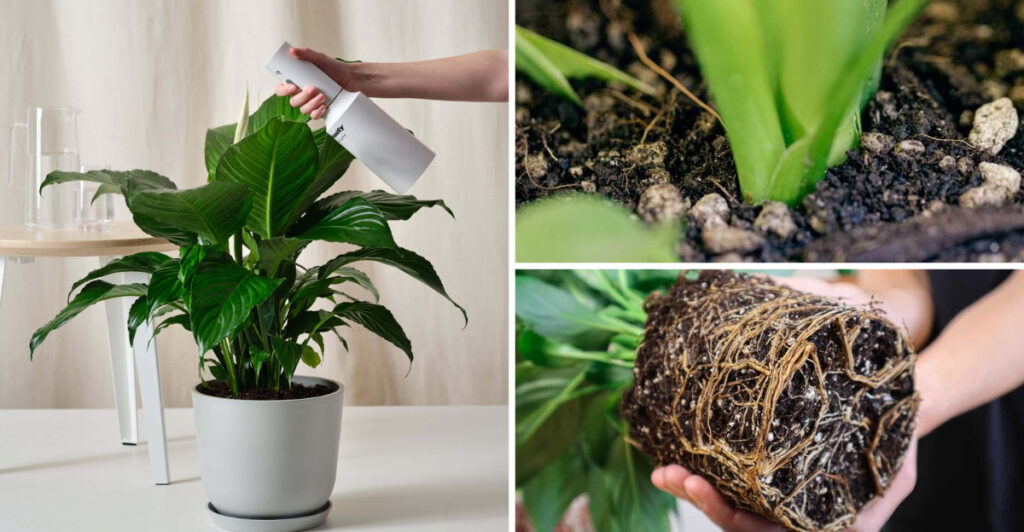
Peace lilies are cherished for their lush foliage and elegant blooms, making them a popular choice among plant enthusiasts. However, these beautiful plants require specific care to thrive. Many enthusiasts, both novice and experienced, often make mistakes that could prove fatal to their peace lilies. This blog post highlights seven common mistakes and offers guidance on how to avoid them, ensuring your peace lily remains healthy and vibrant. By understanding these pitfalls, you can ensure that your peace lily flourishes, bringing tranquility and charm to your home.
Overwatering Woes
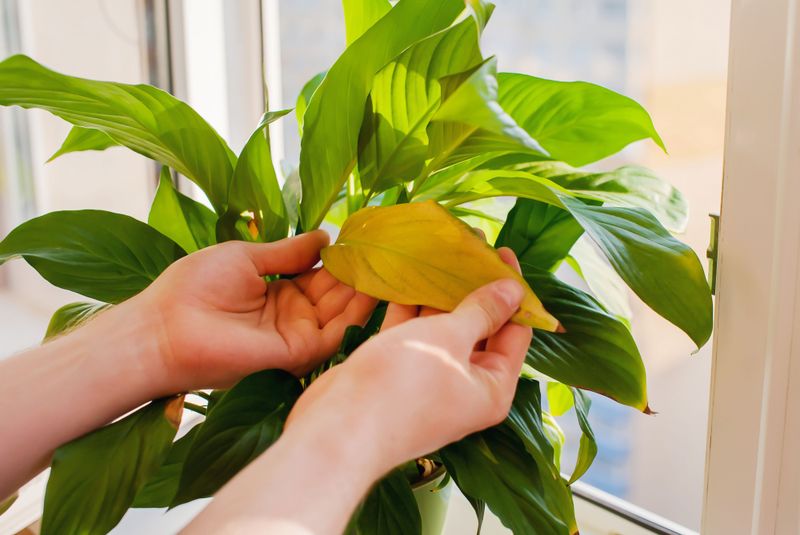
Overwatering is a frequent misstep. Peace lilies prefer slightly moist soil, but excessive watering leads to root rot. Notice yellowing leaves? It’s a sign of too much water. Allow the soil to dry between waterings. Feel the top inch of soil before watering again. Place your finger into the soil; if it feels dry, it’s time to water. This simple check avoids over-saturation. Remember, peace lilies are resilient but not waterlogged. They thrive on attention to detail and understanding their natural rhythm. A lack of drainage can compound this issue, so ensure pots have drainage holes.
Neglecting Humidity Needs
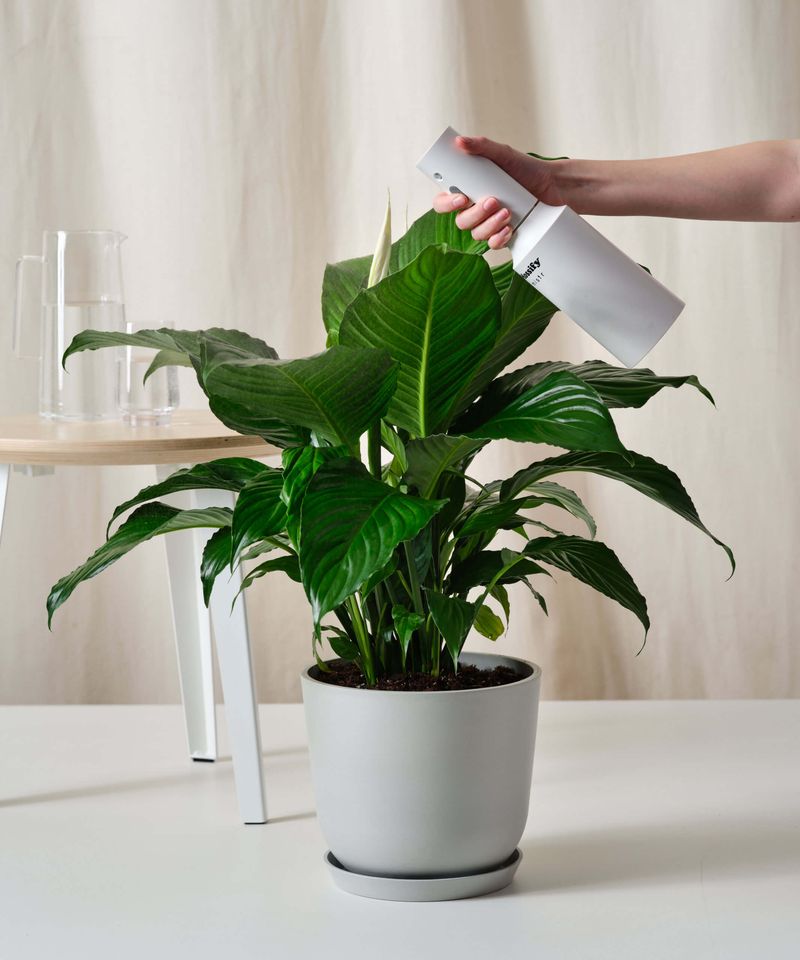
Peace lilies originate from tropical regions, enjoying high humidity. Dry air can cause leaf tips to brown. Mist the leaves regularly or place the plant near a humidifier. Grouping plants can also increase humidity. Pay close attention to your home’s air quality, especially during winter when indoor air tends to be drier. Proper humidity levels ensure lush, healthy leaves. Tropical plants like peace lilies thrive in conditions that mimic their natural habitats. Ignoring humidity needs can lead to stress and reduced growth. By maintaining ideal humidity, your peace lily will flourish beautifully.
Insufficient Light Exposure
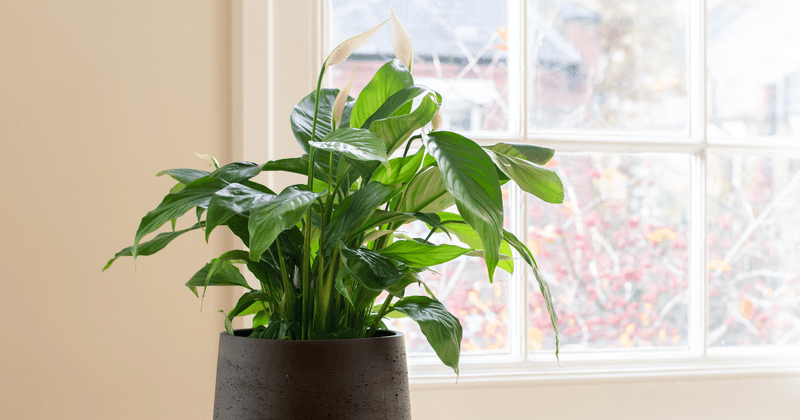
Peace lilies do well in low light but need some indirect sunlight to blossom. Too little light affects flowering. Consider placing them in a spot with gentle morning sun or filtered light. Avoid direct sunlight; it can scorch the leaves. Light levels influence not just growth, but the overall health of the plant. Insufficient light might lead to leggy growth and lackluster leaves. Create a balanced environment where your peace lily can soak up just the right amount of light. This balance is key to achieving vibrant flowers and robust health.
Incorrect Temperature Settings
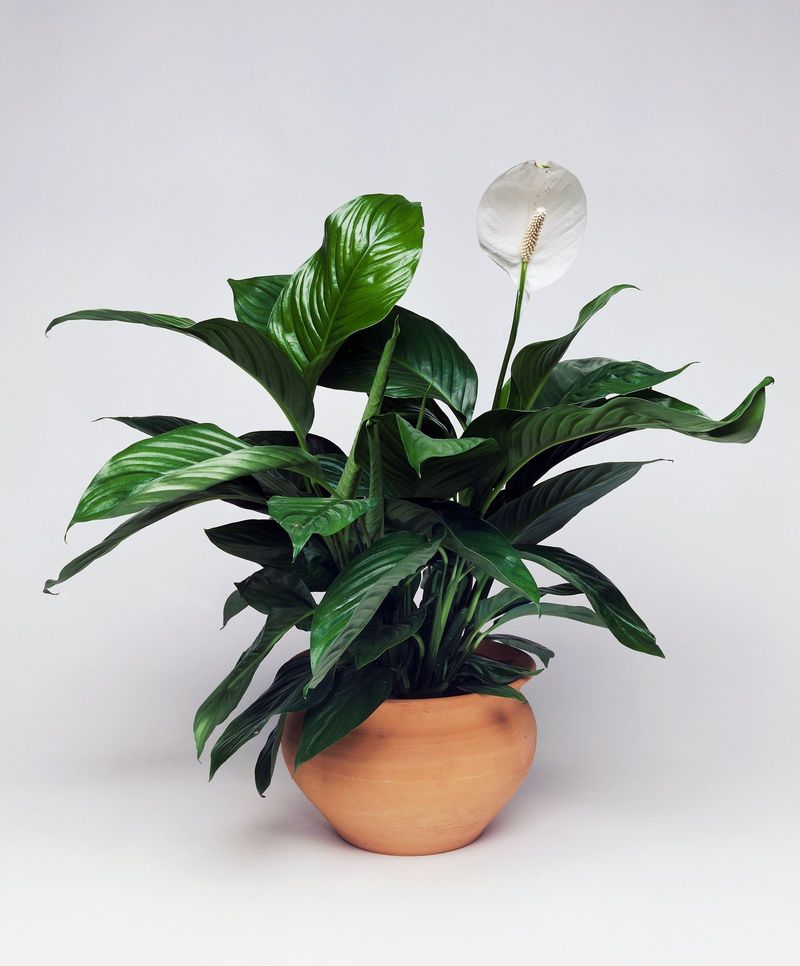
Temperature plays a crucial role in the health of peace lilies. They prefer stable temperatures, ideally between 65-80°F. Avoid placing them in drafts or near heating vents. Sudden temperature changes can cause wilting or stunted growth. Monitor room temperature, especially in transitioning seasons. Peace lilies thrive in stable conditions. These tropical plants find comfort in consistency. A stable environment mimics their natural habitat, promoting lush growth and vibrant blooms. Sudden cold or heat exposure can harm them. Understanding your home’s temperature dynamics is vital for their well-being.
Using the Wrong Potting Mix
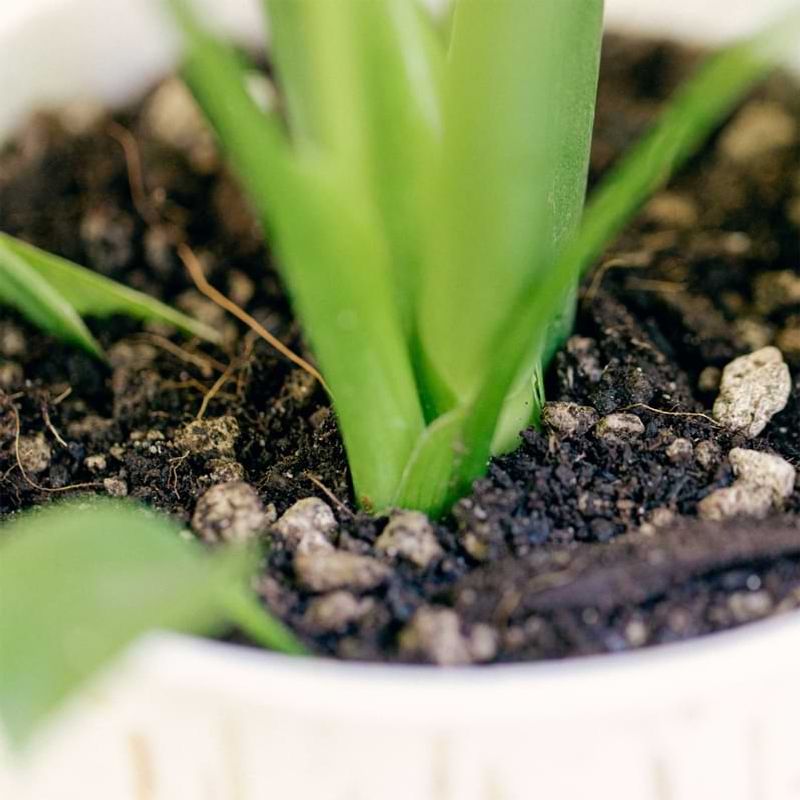
Choosing the right potting mix is vital. Peace lilies need a well-draining soil mix to prevent waterlogging. A blend with peat moss, bark, and sand works best. This mix allows roots to breathe while retaining necessary moisture. Avoid dense, compacted soils that hinder growth. Potting mix affects water retention and nutrient availability. An inappropriate mix can restrict development and lead to root rot. By selecting a suitable potting mix, you enhance the overall health of your peace lily, aiding in its natural growth cycle and ensuring robust vitality.
Ignoring Pest Infestations
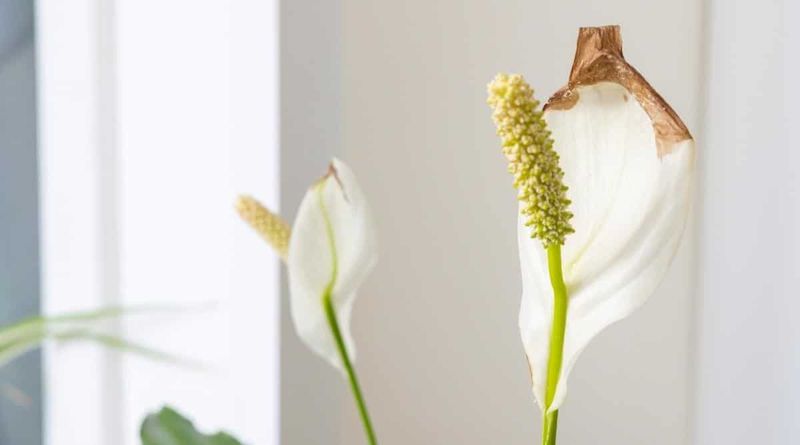
Pests like spider mites can attack peace lilies. Regularly inspect leaves for signs of infestation. Tiny webs or discolored spots indicate trouble. Keep an eye out for these tiny intruders as they can quickly spread. Use insecticidal soap or neem oil for treatment. Vigilance is key. A healthy peace lily is less susceptible to pests, but ignoring a small infestation can lead to bigger problems. Regular care and inspection prevent these issues. Maintaining cleanliness and monitoring plant health ensures your peace lily stays pest-free and thriving.
Improper Fertilization Practices
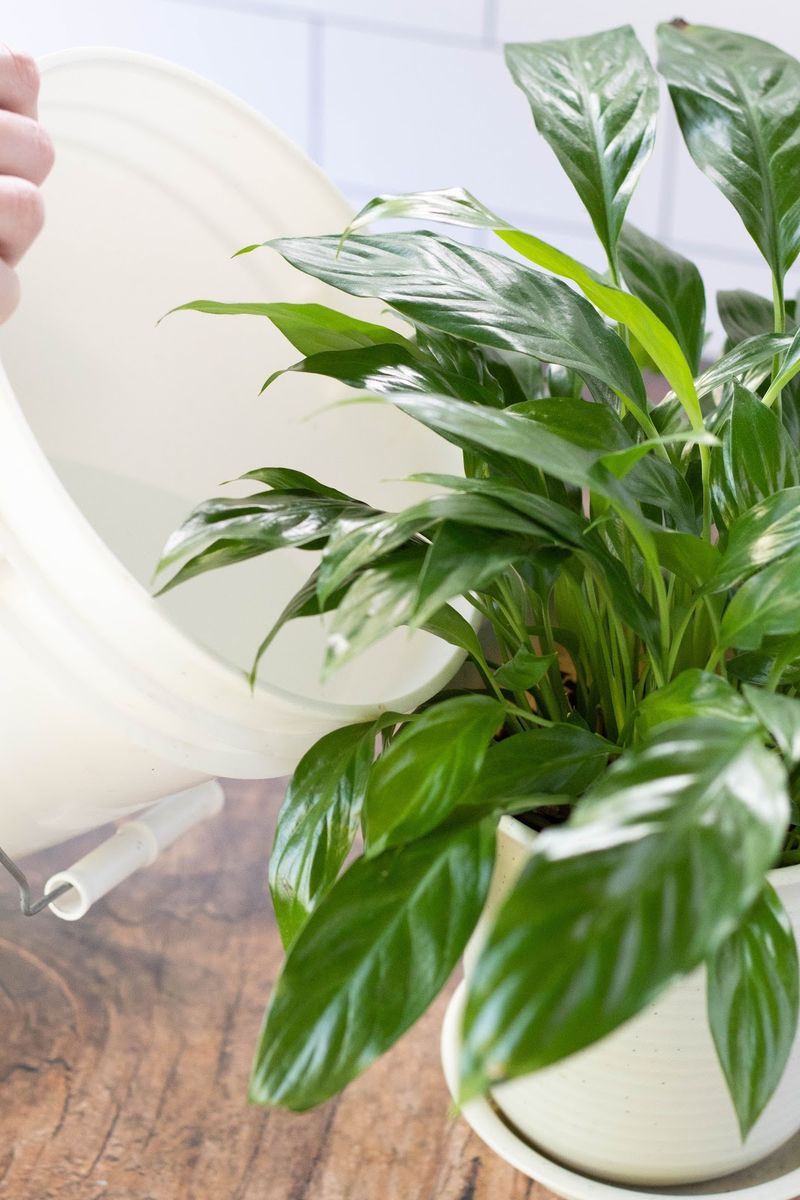
Balancing fertilization is crucial for peace lilies. Over-fertilization can lead to brown leaf edges and toxicity. Use a balanced, water-soluble fertilizer sparingly. Fertilize monthly during growing seasons but reduce or stop in winter. Nutrient balance is essential for growth. Too much fertilizer can harm, while too little restricts development. Understanding your plant’s needs helps maintain its health and beauty. Peace lilies flourish with careful feeding. By adhering to a good fertilization routine, your plant will reward you with lush growth and vibrant flowers, enhancing its natural allure.
Excessive Leaf Cleaning
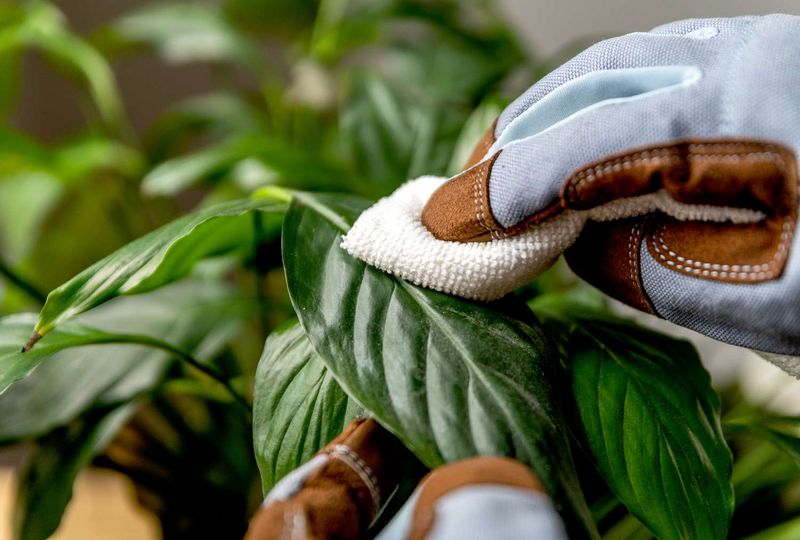
Regularly cleaning peace lily leaves with a damp cloth is essential, but excessive cleaning can damage the plant. Overzealous wiping might remove essential leaf coatings, impacting photosynthesis. It’s best to clean once a month or when visibly dusty.
Remember, peace lilies naturally shed dirt through natural processes. Frequent cleaning can inhibit this, leading to stressed plants. A gentle touch ensures healthy leaves and a thriving plant.
The goal is balanced maintenance, allowing the plant’s natural self-cleaning mechanisms to function smoothly while keeping it aesthetically pleasing.
Exposing to Direct Sunlight
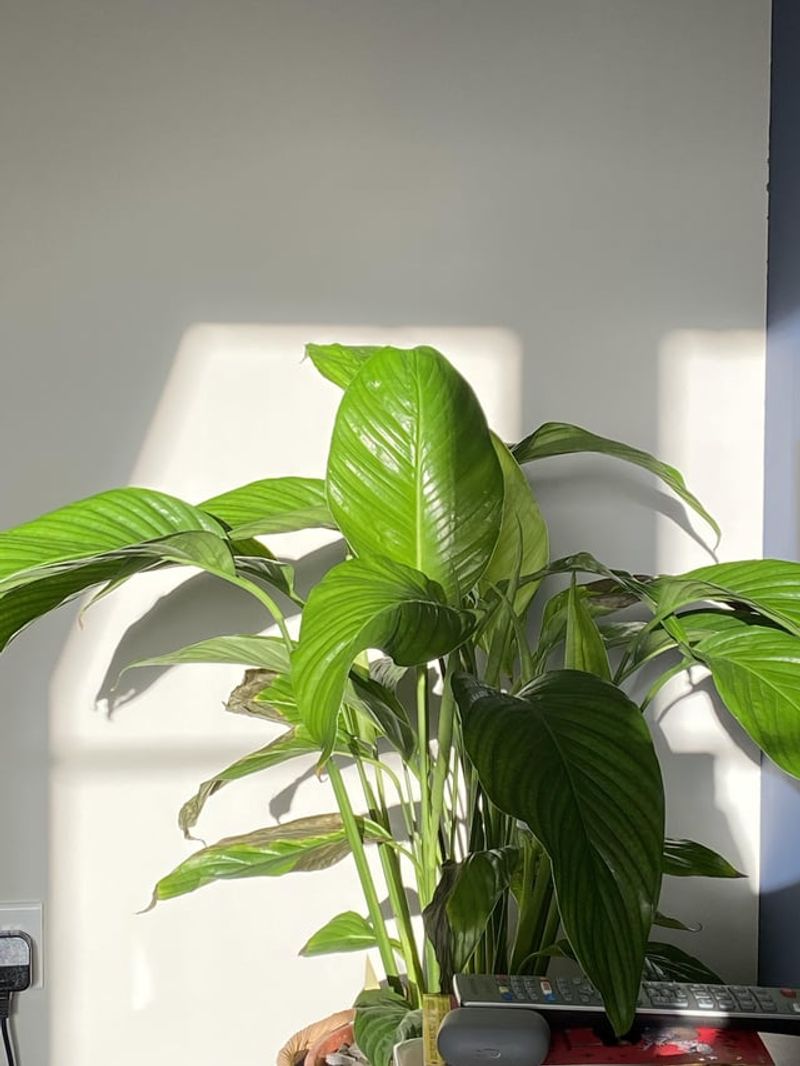
While peace lilies enjoy bright light, direct sunlight can scorch their delicate leaves. This exposure leads to brown tips and stunted growth.
Position your peace lily in a location with indirect sunlight to promote healthy development. South-facing windows covered with sheer curtains often provide ideal conditions.
Consider rotating the plant occasionally to ensure even light exposure. This simple adjustment can make a significant difference in the health and appearance of your peace lily.
Ignoring Root Bound Issues
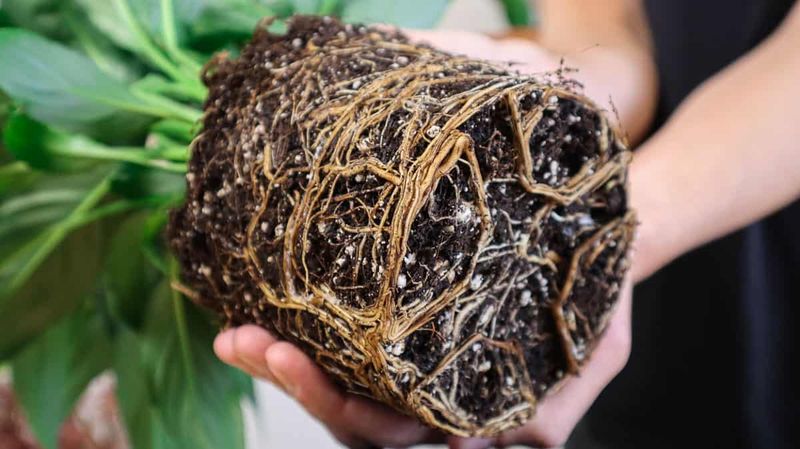
Peace lilies thrive when slightly root-bound, but prolonged neglect can lead to stress. Overcrowded roots struggle to access nutrients and water, affecting overall health.
Observe for signs like wilting despite watering or roots growing out of drainage holes. Repotting into a slightly larger pot with fresh soil can invigorate the plant.
Regular checks prevent long-term damage and ensure your peace lily continues to flourish, maintaining lush, vibrant foliage.
Using Cold Water
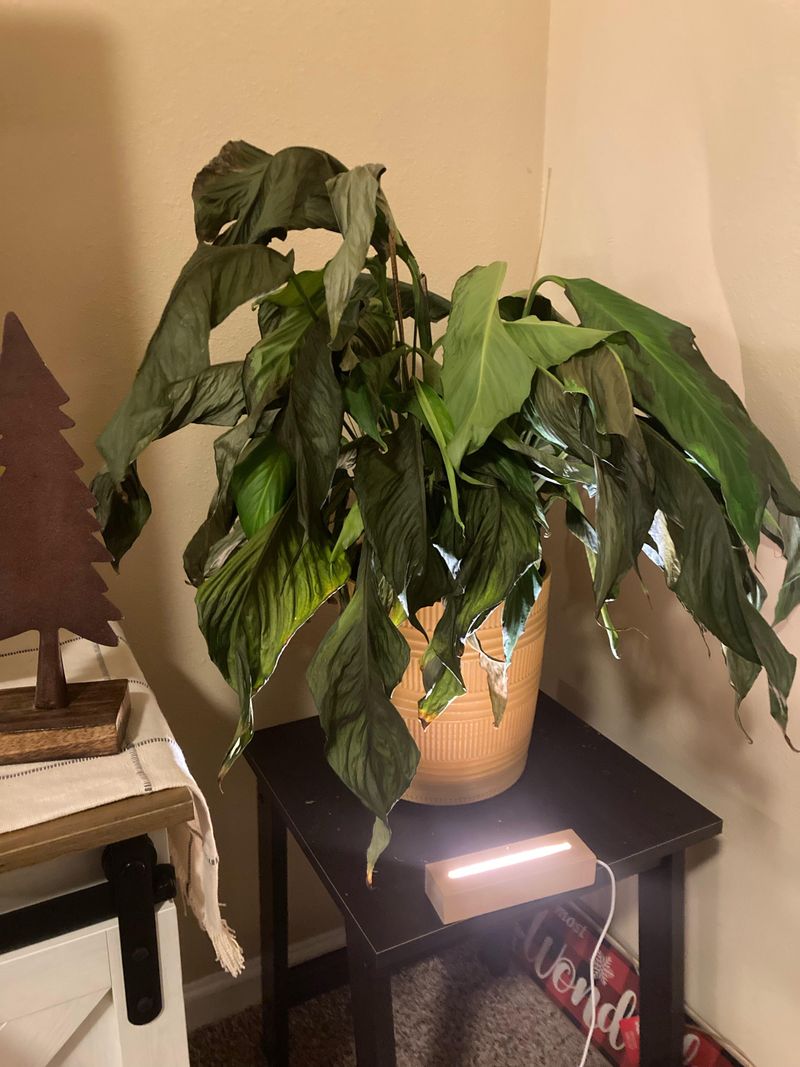
Cold water shock can harm peace lilies, leading to droopy leaves and poor health. Always use lukewarm water to avoid temperature stress.
Cold water inhibits nutrient uptake and can cause root damage. Let water sit at room temperature, allowing chlorine to dissipate.
Proper watering practices ensure the plant remains robust and vibrant. Transitioning to room temperature water is a simple yet effective step.
Crowded Plant Placement
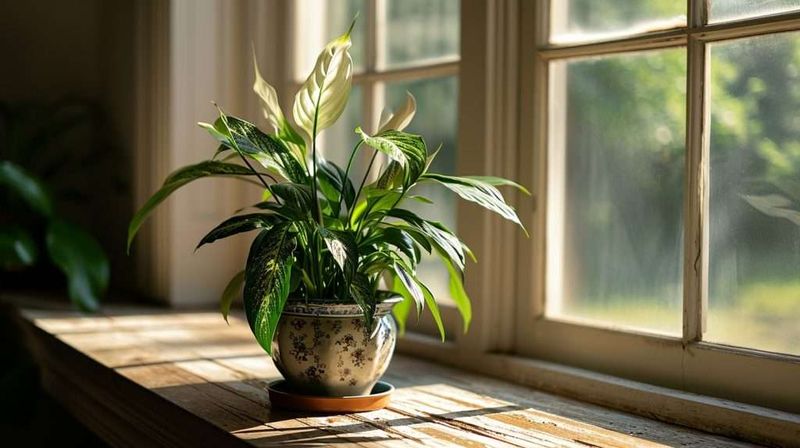
Peace lilies need space for air circulation to prevent fungal infections. Overcrowding can lead to mold growth and poor air quality.
Arrange plants with adequate spacing, even on small shelves, to ensure healthy air flow. Good circulation helps in keeping diseases at bay and promotes overall plant vigor.
This thoughtful arrangement not only enhances the aesthetic appeal but also contributes to the health and longevity of your peace lilies.
Forgetting to Prune
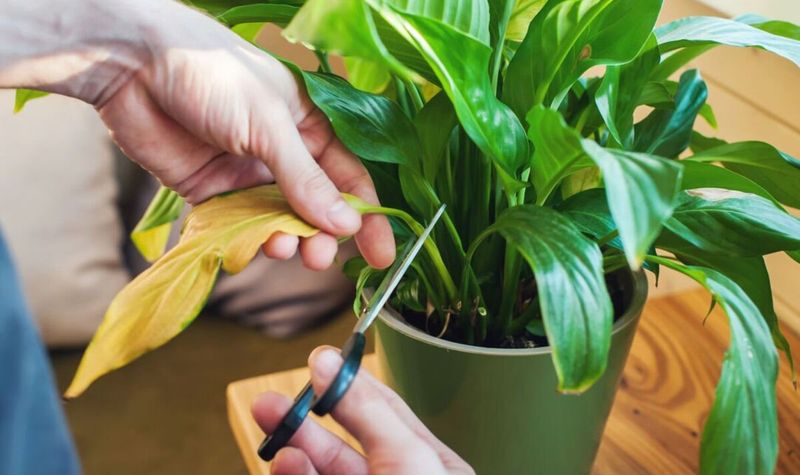
Pruning peace lilies promotes healthy growth by removing dead or yellowing leaves. Neglecting this practice results in wasted energy on non-productive parts.
Regular pruning encourages new growth and maintains the plant’s shape. Use sharp scissors to make clean cuts close to the base.
This task not only tidies the plant but also boosts its vitality, ensuring your peace lily remains lush and appealing.
Not Monitoring Water Quality
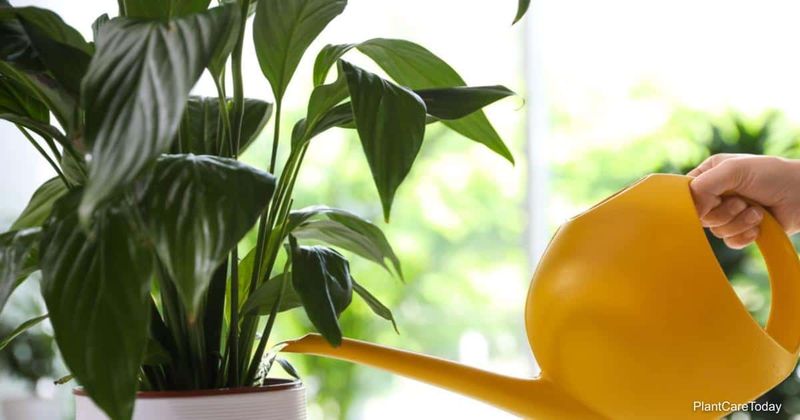
Water quality plays a vital role in peace lily care. High chlorine or salt levels can cause leaf discoloration and hinder growth.
Test your water source if issues arise. Consider using filtered or distilled water for sensitive plants like peace lilies.
Ensuring water purity contributes to robust health and vibrant foliage, enhancing the beauty of your peace lily collection.
Moving Plants Too Often
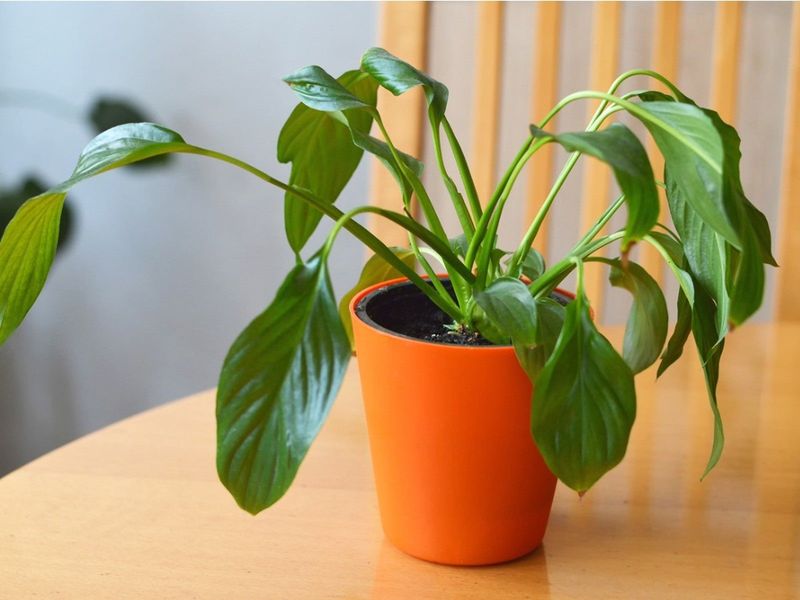
Frequent relocation can stress peace lilies, leading to drooping leaves and slowed growth. These plants adapt to their environment; sudden changes cause stress.
Find a stable, suitable spot with consistent conditions. This helps the plant acclimate and thrive, reducing the likelihood of shock.
A peaceful, consistent location fosters a healthy environment for your peace lily to flourish without interruptions.
Ignoring Dust Build-Up
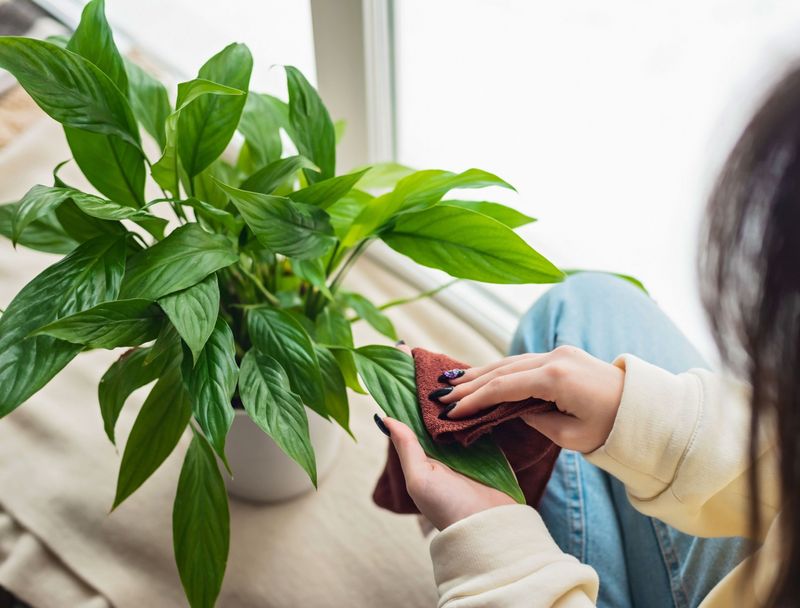
Dust accumulation blocks light and air access, hindering peace lily growth. Regularly wipe leaves with a damp cloth to remove dust.
This simple maintenance task enhances light absorption and airflow, crucial for photosynthesis. Without it, the plant’s vitality decreases.
Keeping leaves clean ensures they remain vibrant and healthy, showcasing your peace lily’s natural beauty.
Using Decorative Pots Without Drainage
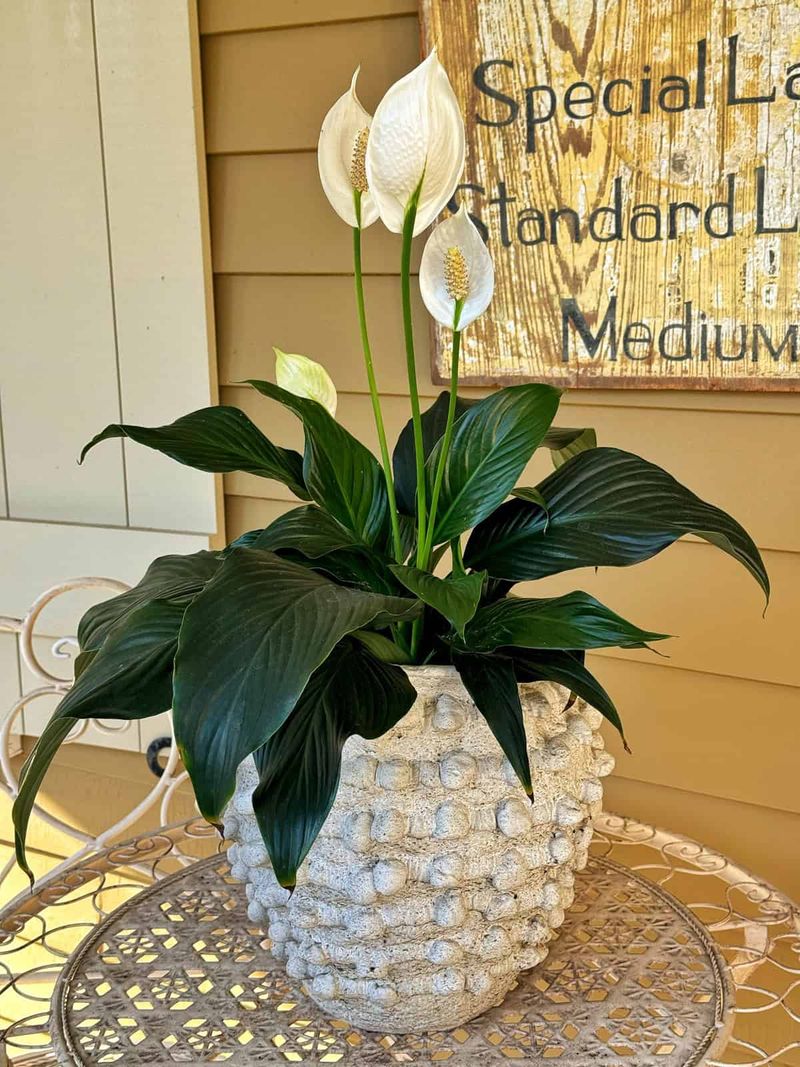
Decorative pots often lack drainage, causing water to accumulate and roots to rot. Peace lilies need well-drained soil to thrive.
Choose pots with drainage holes or use liners to prevent waterlogging. Proper drainage is key to healthy roots and plant vigor.
This consideration helps maintain balance between aesthetics and functionality, ensuring your peace lily’s longevity.