
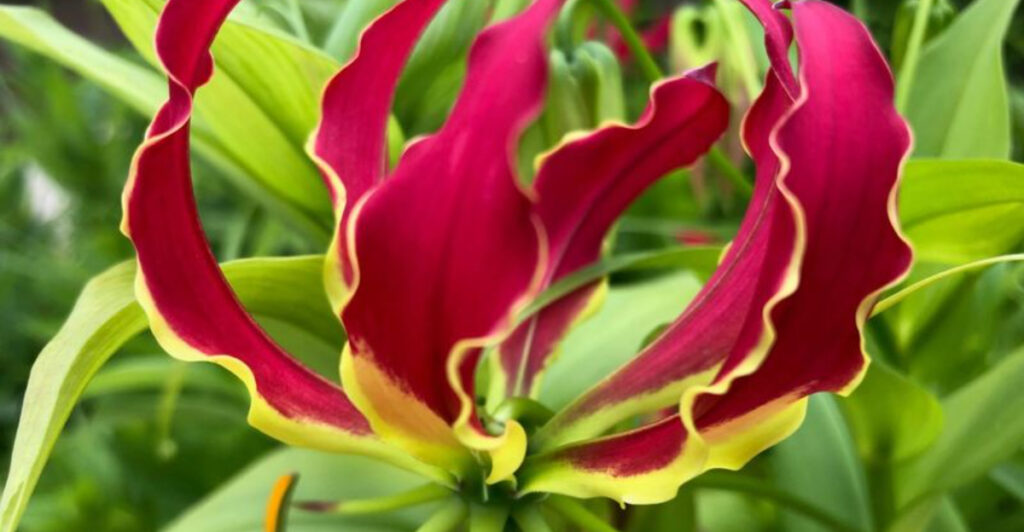
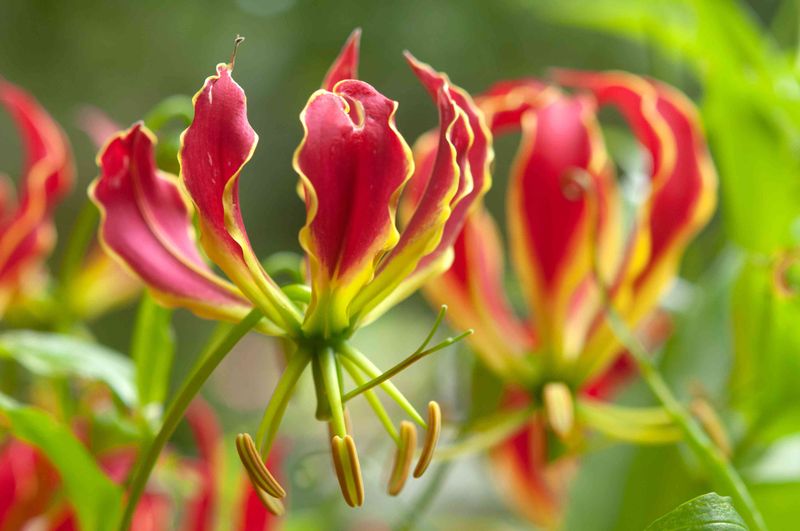
The Gloriosa Lily, also affectionately known as the Fire Lily, captivates with its vibrant, flame-like petals.
This stunning plant not only adds a fiery splash of color to any garden but also comes with unique growing requirements and cultural significance.
Whether you’re an experienced gardener or just starting, these 8 tips will guide you on how to successfully cultivate and enjoy this extraordinary plant.
1. It Looks Like a Flame, and That’s No Coincidence
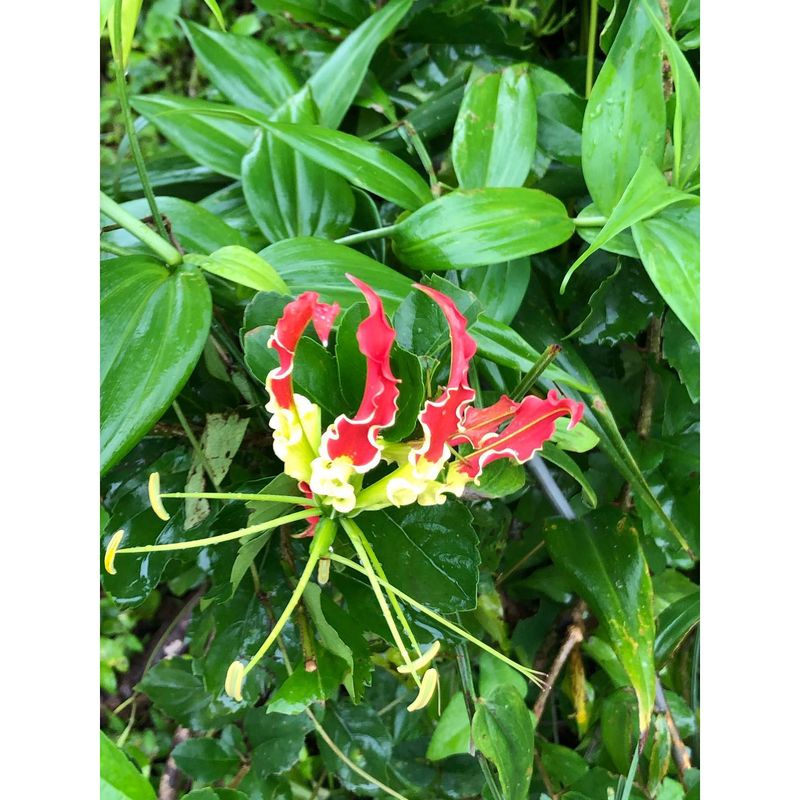
The Gloriosa Lily is a botanical marvel with its petals curling backward, resembling flames. Its vibrant red, orange, and yellow colors make the flower appear as if it’s glowing in the sunlight. This visual drama makes it a showstopper in any garden setting.
Imagine a garden full of these fiery blooms swaying gently in the breeze. The resemblance to licking flames is not just a coincidence but a signature characteristic that has earned it the nickname Fire Lily.
Its unique beauty makes it a must-have for gardeners looking to add an exotic touch.
2. It’s Technically a Climbing Vine
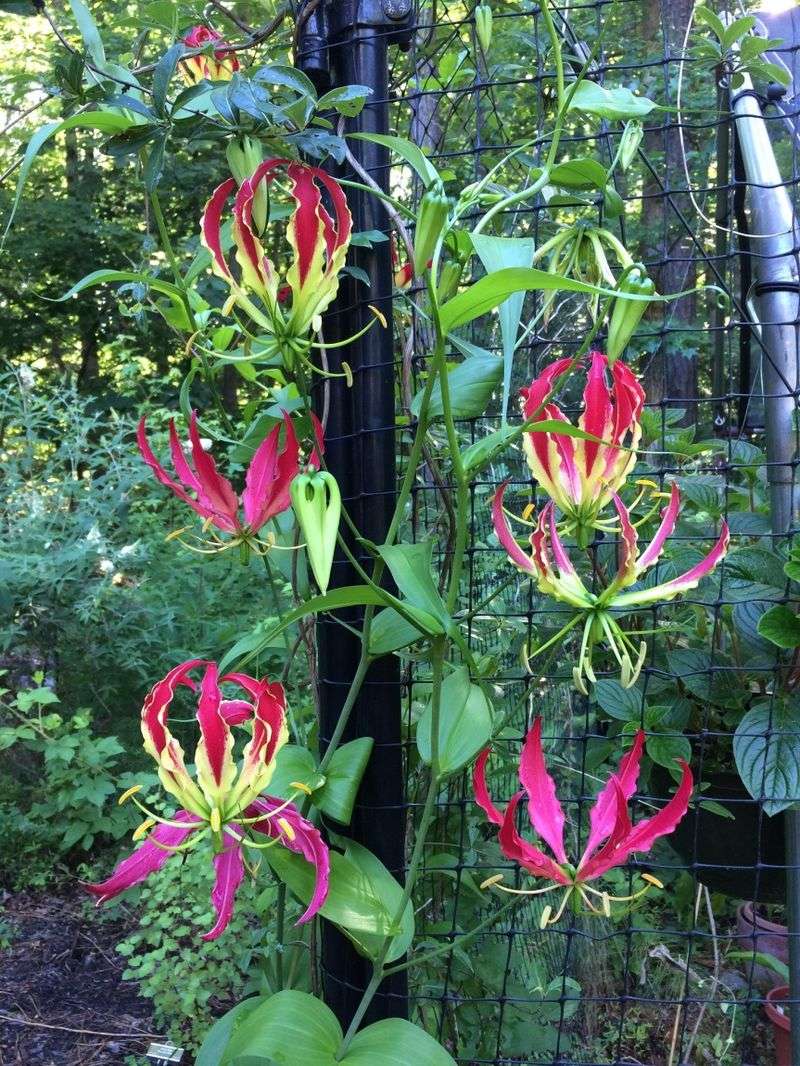
Though commonly referred to as a lily, the Gloriosa is actually a perennial climbing vine. Its vine-like nature allows it to ascend gracefully, requiring support like a trellis to reach its full height potential.
This climbing ability adds a vertical dimension to garden landscapes, making it perfect for fences or trellises. Its tendrils latch onto structures, providing a dynamic display that changes as it grows.
Gardeners will find joy in training this plant, watching it stretch upward, offering a continuous show of blooms. It’s a vibrant vertical addition to any garden.
3. It’s Native to Africa and Asia
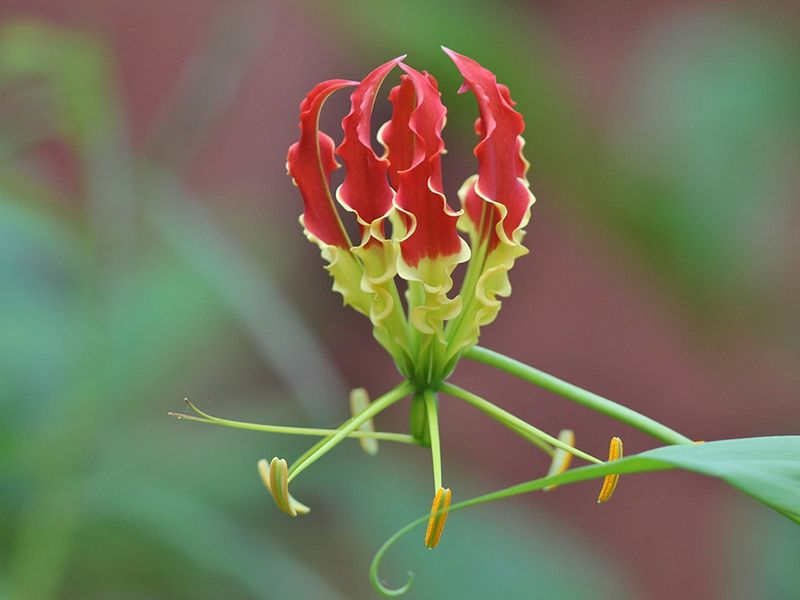
The roots of the Gloriosa Lily trace back to the warm regions of Africa and Asia. Its native habitat is rich with humidity and warmth, ideal conditions for its growth.
This tropical origin means that it thrives best in similar environments, demanding attention to soil and climate conditions. Well-draining soil is crucial to prevent tuber rot, a common issue in damp soil.
Its exotic origin adds an element of adventure to the gardening experience, connecting the grower to the distant lands where it naturally flourishes. A truly global citizen in the plant world!
4. It Grows from Tubers—Handle With Care
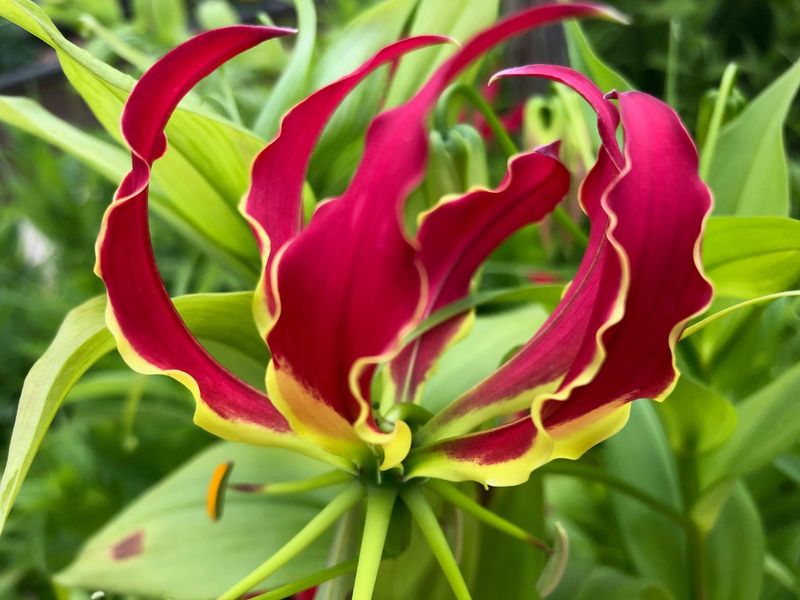
Growing from tubers, the Gloriosa Lily needs careful handling. These tubers are the heart of the plant, similar to dahlia tubers, but come with a cautionary note.
Every part of the plant is toxic if ingested, containing colchicine, a potent compound. Gardeners should handle the tubers with care, wearing gloves during planting.
This caution doesn’t overshadow its beauty, but adds a layer of respect for its powerful nature. With proper handling, these tubers will bloom into spectacular displays, a reward for the cautious gardener.
5. It’s a Late Bloomer
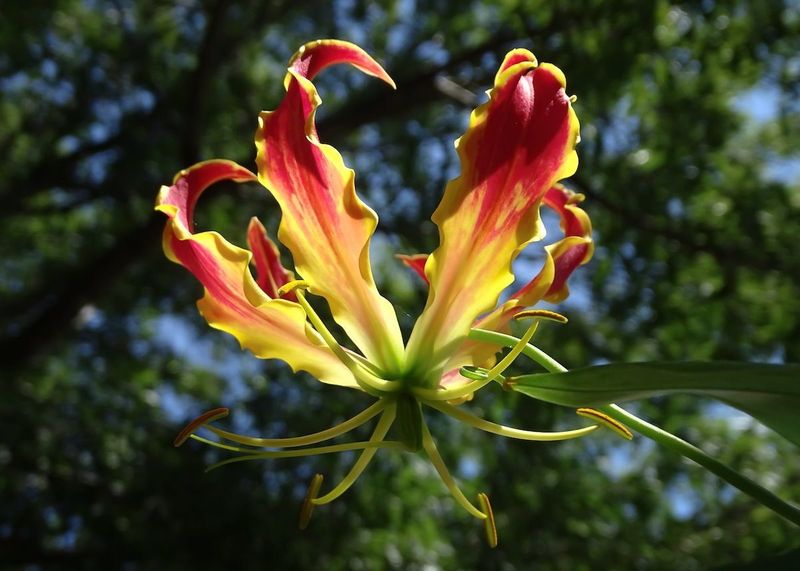
The Gloriosa Lily is a delightful addition to any garden, especially for those seeking late-season color. It typically blooms in mid-to-late summer, extending beyond the usual springtime floral displays.
Its blooming season, often from July through September, offers a vibrant burst of color when most gardens are winding down.
These late blooms make it a favorite among those looking to keep the garden lively well into the season. The anticipation of its late arrival ensures it remains a cherished part of the floral lineup, appreciated for its timing as much as its beauty.
6. You Can Grow It Indoors or in Containers
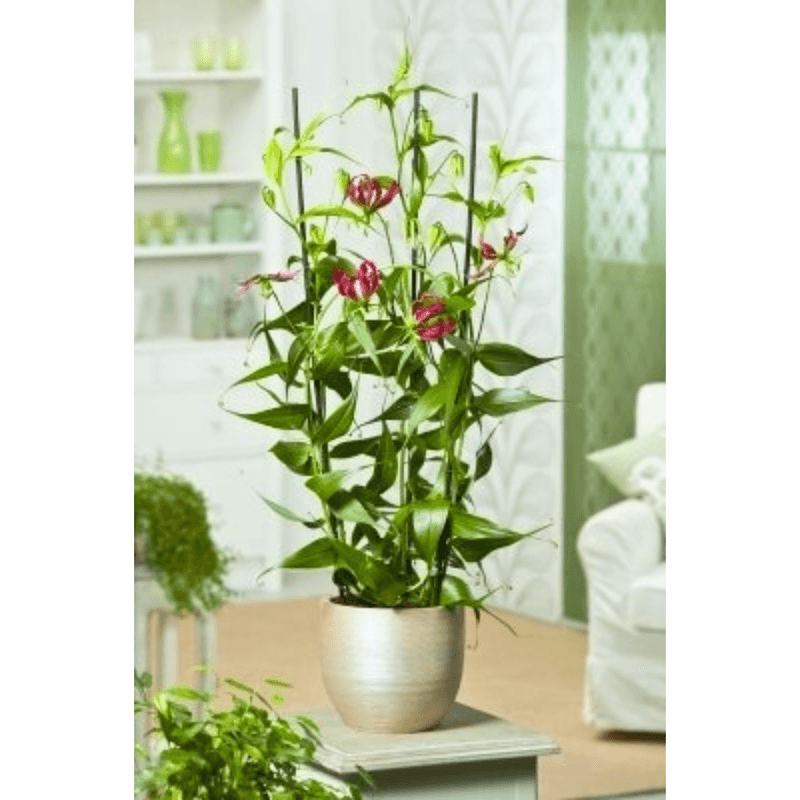
The versatility of the Gloriosa Lily shines through when grown in containers. For those in cooler climates (USDA Zones 8 and below), it offers an opportunity to enjoy its beauty indoors.
With bright indirect light and a warm environment, it thrives equally well on a sunny windowsill. This adaptability makes it accessible to urban gardeners and those with limited outdoor space.
Container gardening with Gloriosa allows for year-round enjoyment, bringing a touch of the exotic inside. Its ability to adapt to indoor conditions without losing its splendor is a testament to its resilience.
7. It Has a Cultural and Medicinal History
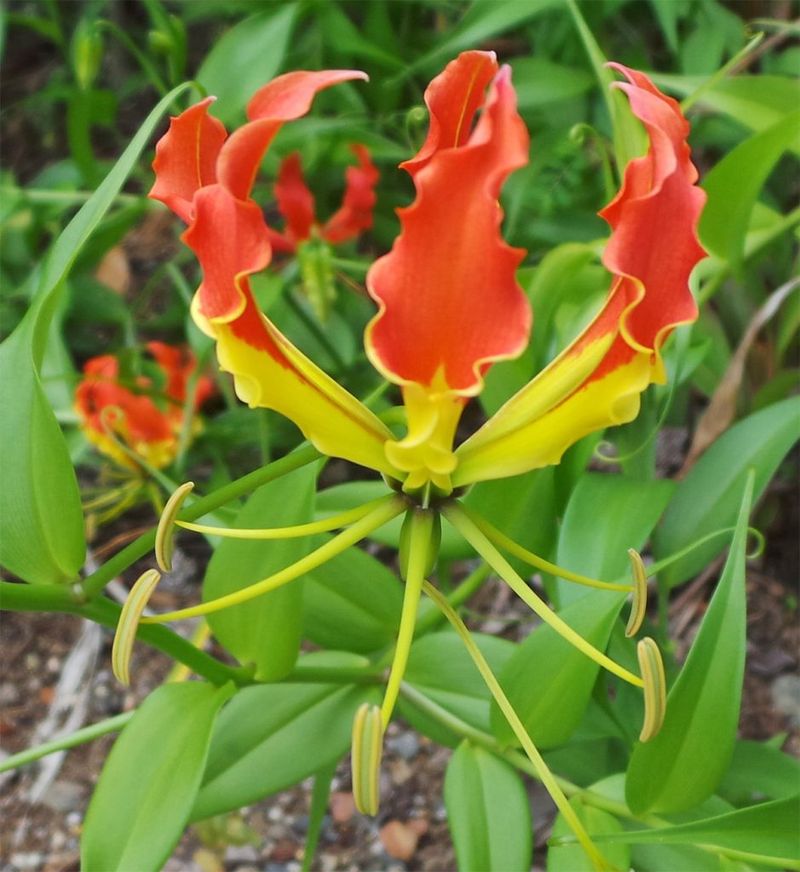
In addition to its beauty, the Gloriosa Lily holds cultural and medicinal significance. Revered in various cultures, it’s used in traditional medicine, though caution is key due to its toxicity.
It’s the national flower of Zimbabwe, symbolizing beauty and resilience. This rich history adds depth to its presence in gardens.
The plant’s dual nature—both a healer and a potential harm—reflects its complexity. Its story is woven into the cultural fabric of the regions it originates from, making it more than just a garden plant but a symbol of tradition and heritage.
8. Bonus Tip: Overwintering Gloriosa Lily
For gardeners in colder climates, overwintering the Gloriosa Lily is essential. As frost approaches, it’s time to dig up the tubers and store them in a cool, dry place.
This practice ensures that the tubers remain viable for the next planting season. Proper storage conditions help prevent rot and decay, which can damage the tubers.
By taking these steps, gardeners can enjoy the vibrant blooms year after year, preserving the plant’s legacy. Overwintering is a practical tip that aligns with the cycle of nature, ensuring continuity of beauty through seasons.