
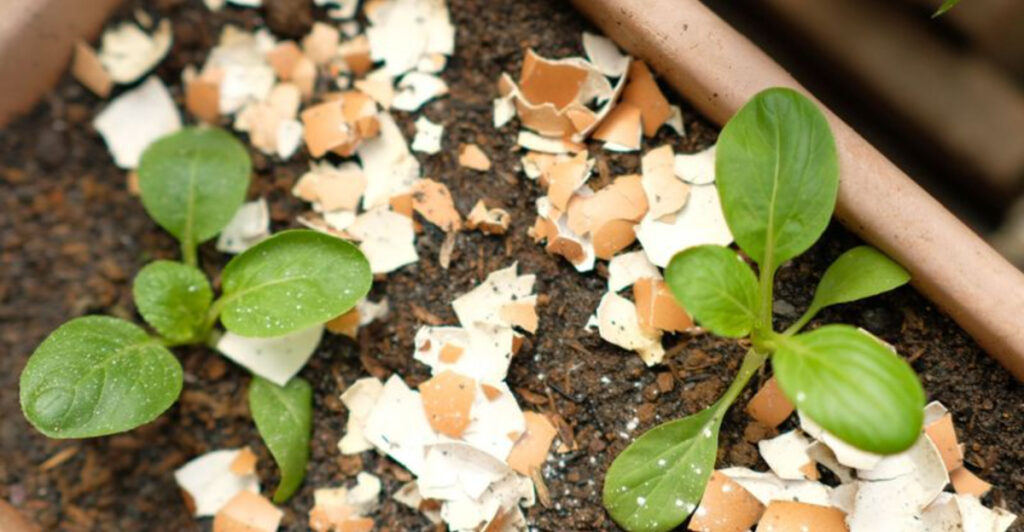
Baked eggshells, commonly discarded as kitchen waste, hold untapped potential as a powerful soil amendment. Through thoughtful integration with compost, these calcium-rich remnants can drastically improve soil quality.
This blog post uncovers twelve innovative techniques to leverage baked eggshells for enhanced soil fertility, offering gardeners practical methods to enrich their gardens sustainably.
1. Crush Before You Compost
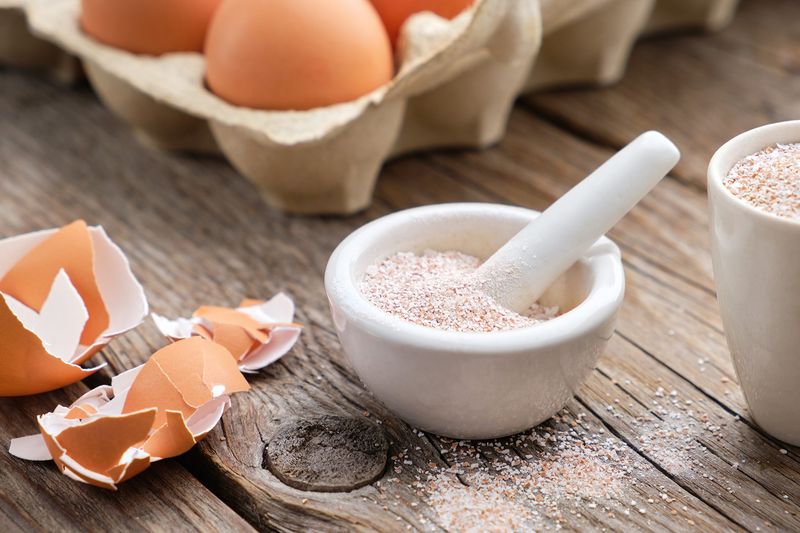
Baking and crushing eggshells before composting is essential. Baking sterilizes the shells while making them brittle, facilitating easier crushing. This process not only speeds up decomposition but also ensures a quicker release of nutrients. Imagine the satisfaction as you transform waste into a valuable resource in your kitchen. By incorporating this practice, you enhance your compost’s quality and contribute to a more sustainable gardening cycle.
2. Mix into the Center of the Pile
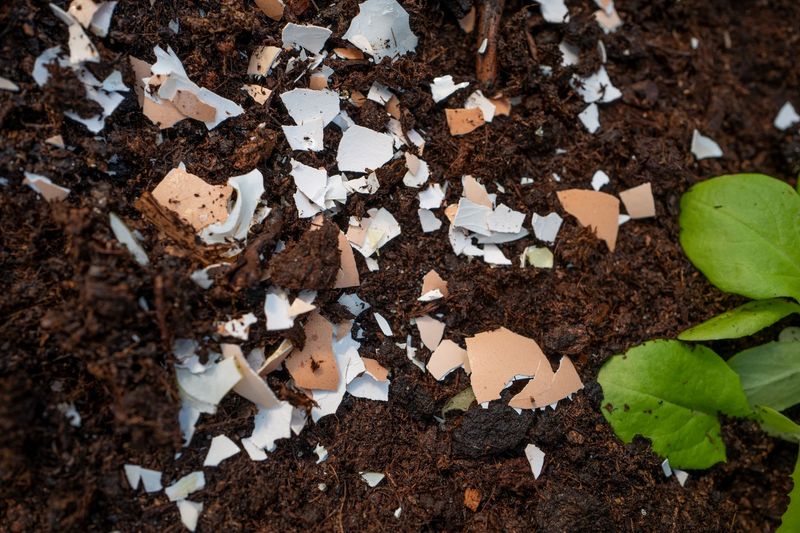
Placing eggshells in the compost pile’s core is a strategic move. Here, heat and microbial activity are at their peak, accelerating breakdown. Embrace this technique to maximize your compost’s potential. As you mix, visualize the transformation happening within the pile. This method not only hastens decomposition but also ensures a balanced nutrient distribution in your compost.
3. Combine with High-Nitrogen Materials
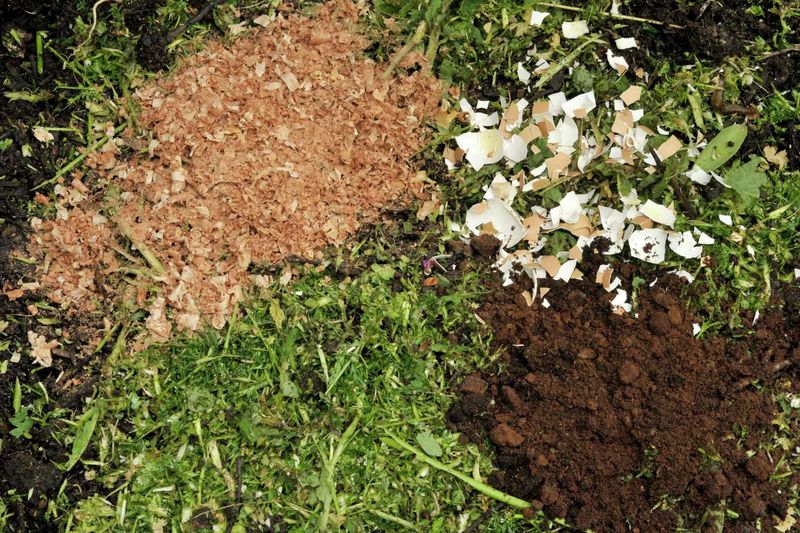
Eggshells are rich in calcium but lack nitrogen. Pairing them with high-nitrogen materials, like grass clippings or food scraps, creates a balanced compost blend. This combination fosters a symbiotic relationship, enhancing the compost’s overall quality. As you mix, appreciate the harmony between these elements. This practice not only benefits your compost but also supports healthier plant growth through improved nutrient availability.
4. Dry Them in Bulk
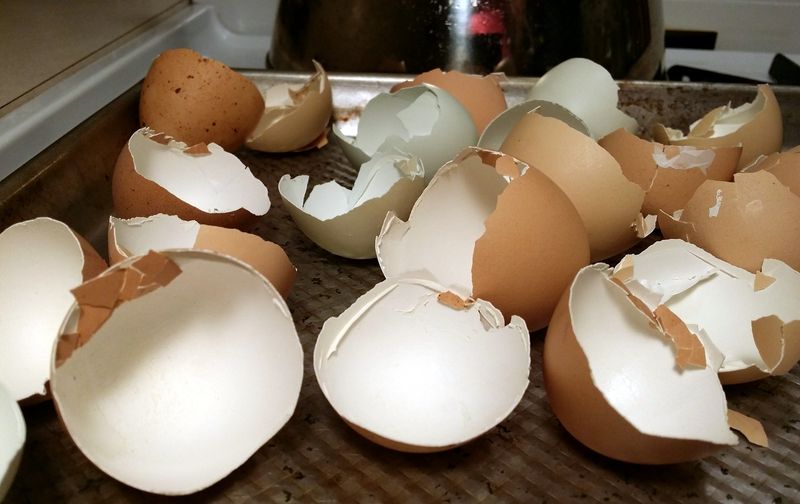
Drying eggshells in bulk saves time and ensures a steady supply for your composting needs. By baking large batches, you can store them in sealed containers for future use. This method streamlines your composting process, allowing for efficient garden maintenance. As you prepare batches, feel the gratification of contributing to a sustainable practice that benefits nature.
5. Pulverize for Finer Texture
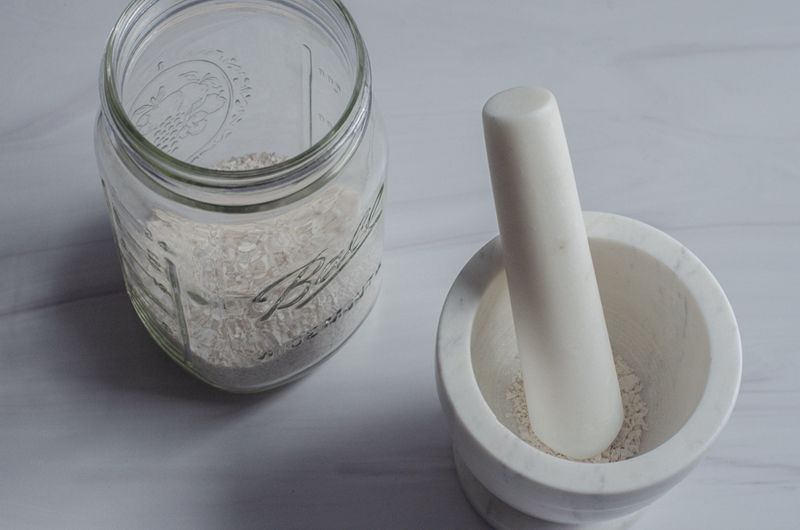
Turning eggshells into a fine powder accelerates their integration into compost and soil. Utilize tools like a coffee grinder or mortar and pestle for this task. The finer texture ensures quicker nutrient availability, promoting plant health. Feel the satisfaction as you witness the transformation from waste to a beneficial soil amendment. This simple technique can significantly impact your composting success.
6. Layer with Kitchen Scraps
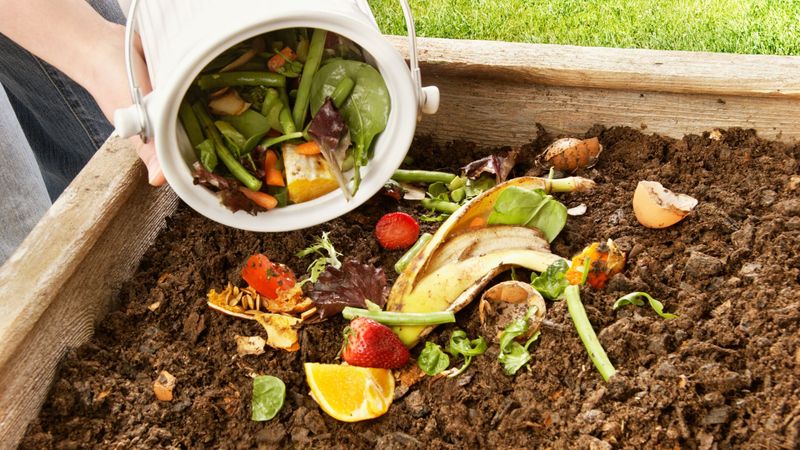
Alternating layers of eggshells with kitchen scraps creates an ideal compost environment. This layering boosts aeration and reduces odors, making your composting experience more pleasant. As you build these layers, consider the dynamic process at play. This technique not only enhances decomposition but also supports a balanced compost structure, contributing to robust plant growth.
7. Use in Worm Bins Sparingly
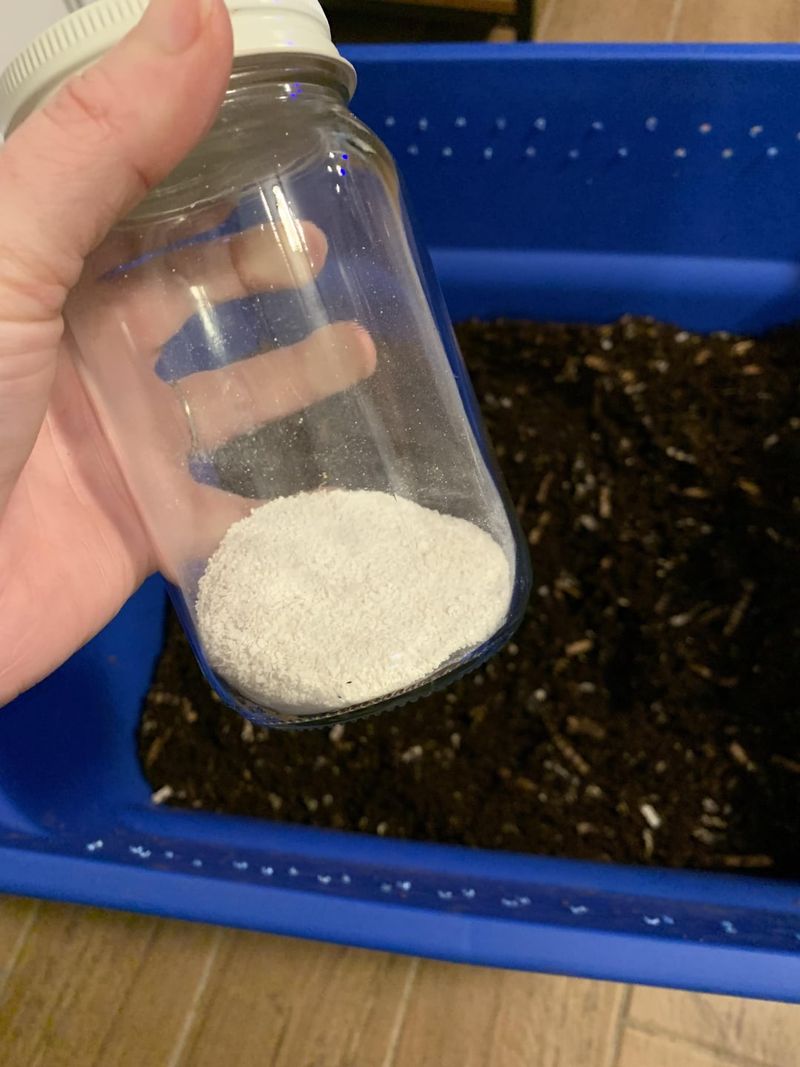
In vermicomposting, eggshells provide essential grit for worms, aiding digestion. However, moderation is key. Add small amounts to maintain balance in the worm bin. This practice supports worm health and, by extension, enhances compost quality. Imagine the miniature ecosystem thriving with your careful nurturing. This subtle yet impactful method can elevate your composting game significantly.
8. Add to Bokashi Composting
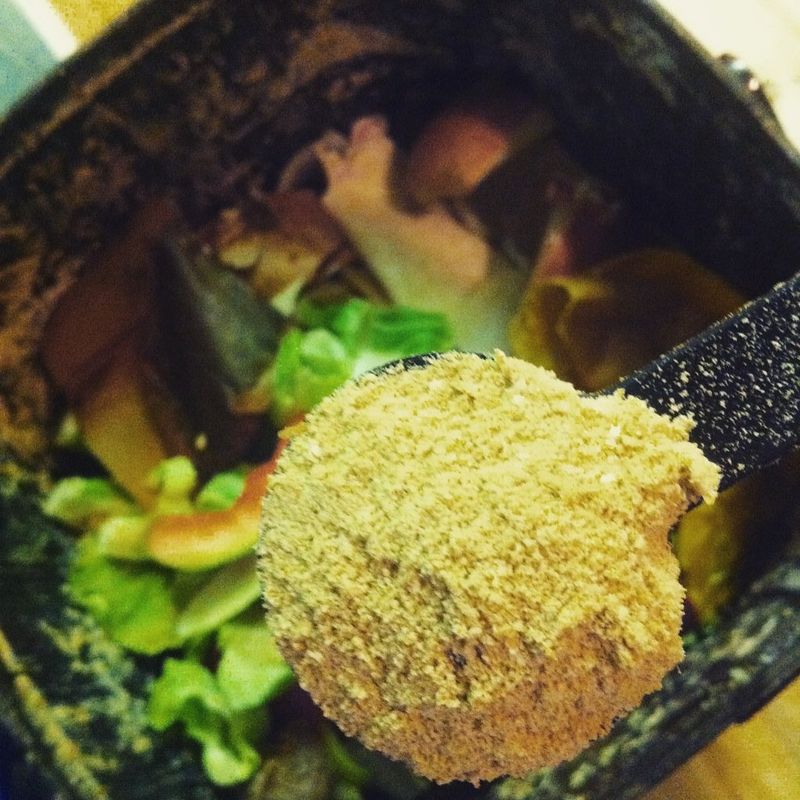
Eggshells are a valuable addition to bokashi composting, a fermentation-based method. They help neutralize acidity while offering beneficial minerals post-fermentation. Incorporating eggshells into this process enhances the compost’s nutrient profile. Picture the balance achieved within the bokashi bucket as you integrate these elements. This technique ensures a richer, more effective compost for your garden.
9. Neutralize Acidic Compost
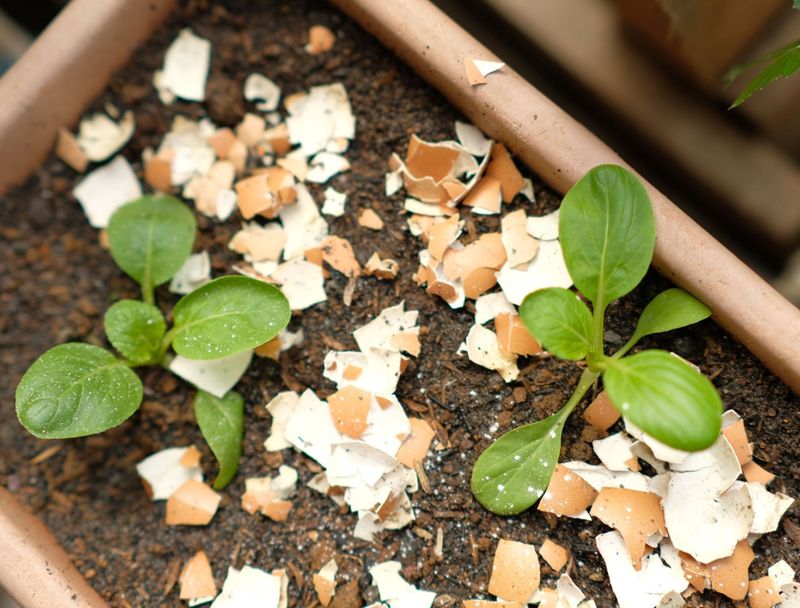
When compost becomes too acidic, eggshells act as a natural pH buffer. They help restore balance, ensuring an optimal environment for microbial activity. Feel the reassurance as you adjust your compost’s acidity with this natural remedy. This practice not only stabilizes compost conditions but also enhances nutrient availability, fostering healthier plant development.
10. Enhance Finished Compost
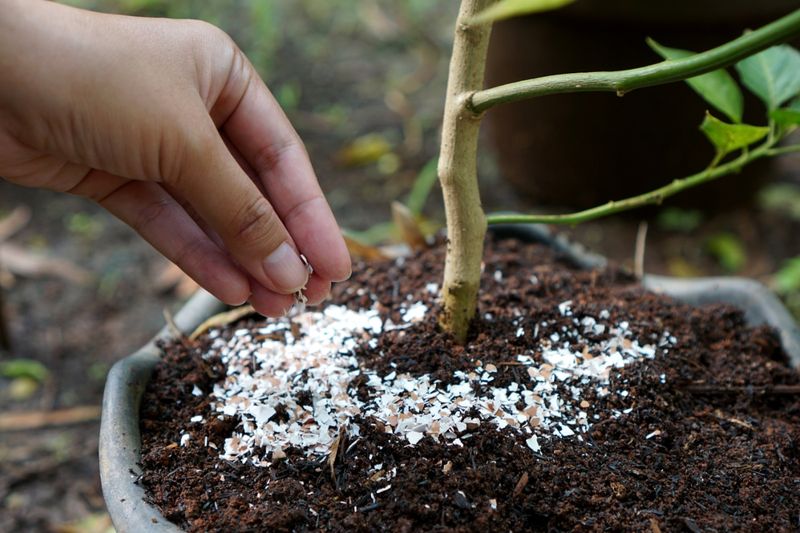
Before using mature compost, boost its calcium content by mixing in powdered eggshells. This addition supports plant health and growth. Envision the vibrant garden that flourishes with this enriched compost. By implementing this final touch, you ensure your plants receive an extra dose of essential nutrients, promoting robust development.
11. Store for Winter Use
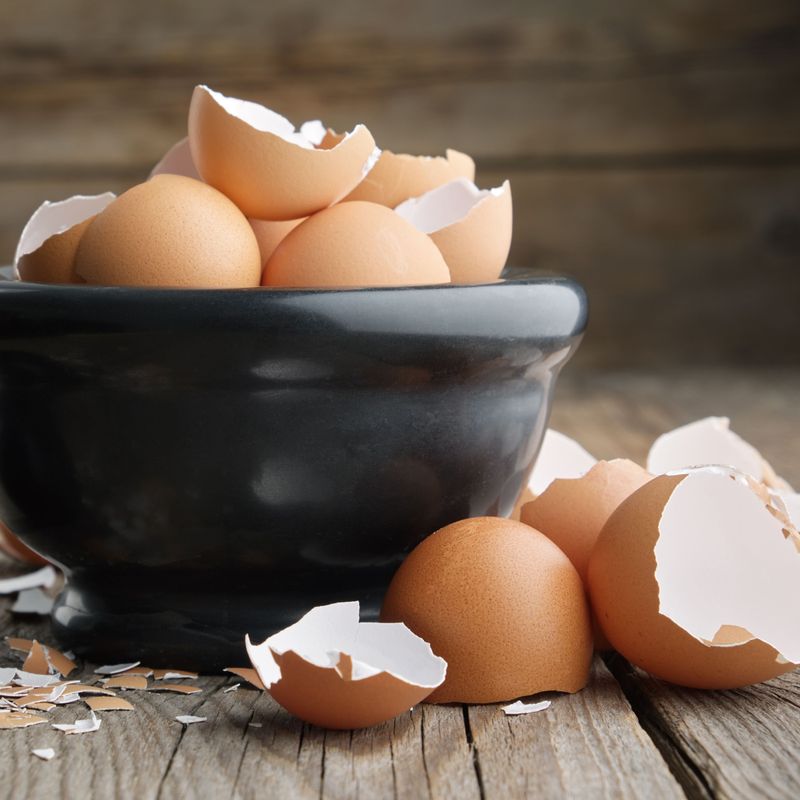
Even in winter, preparation for spring composting is possible. Store baked eggshells in sealed jars to have them ready when composting resumes. This foresight ensures a continuous supply of nutrients for your compost. Imagine the anticipation of spring gardening, knowing you’re well-prepared. This proactive approach contributes to efficient and sustainable gardening practices year-round.
12. Use Shells as Mulch or Side Dressing
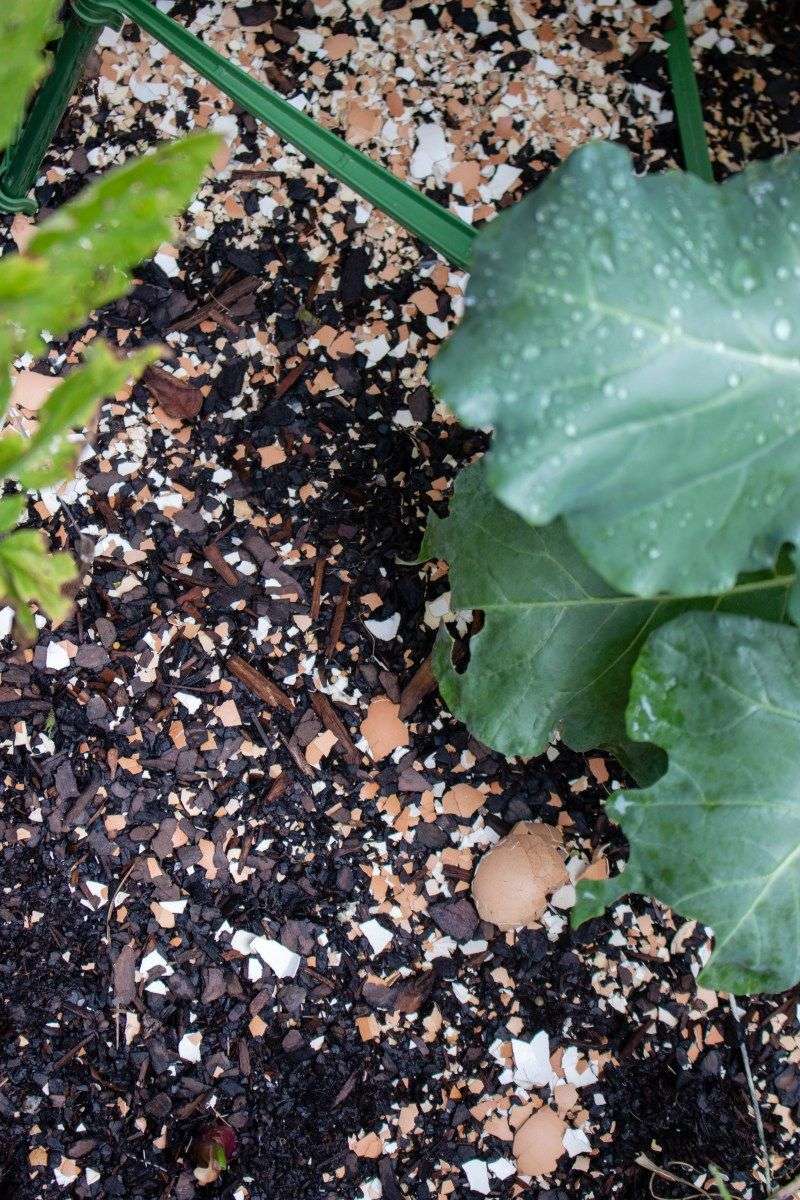
Beyond composting, eggshells serve as a valuable mulch or side dressing. Sprinkling them directly onto soil provides a slow-release calcium source. Picture the gradual nourishment your plants receive, enhancing their vitality. This method not only improves soil structure but also deters pests, supporting a thriving garden environment.