
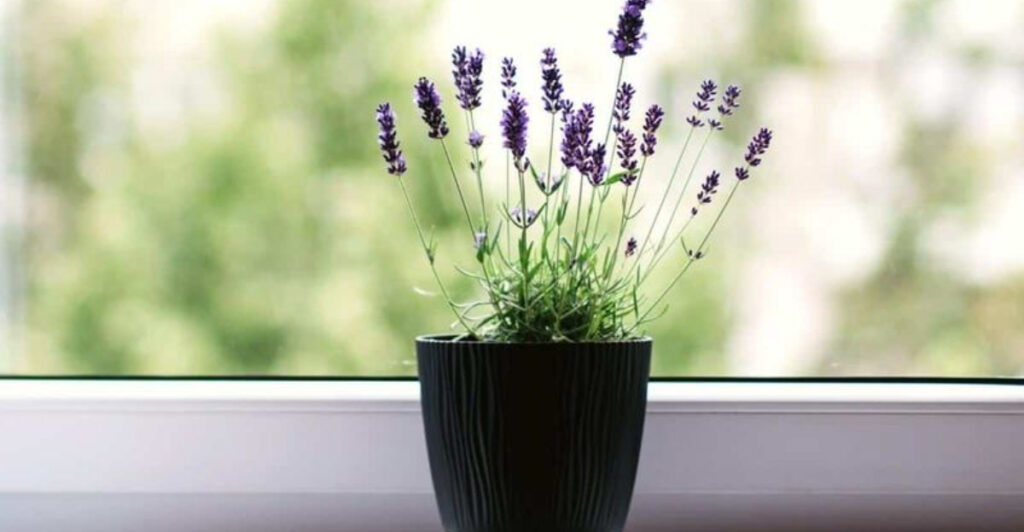
Growing lavender indoors throughout the year can bring the delightful fragrance and calming presence of this versatile herb into your home. Whether you live in a bustling city apartment or a quiet suburban house, nurturing lavender indoors is possible with the right techniques. This guide will walk you through seven essential steps to creating the perfect indoor environment for lavender, ensuring its vibrant growth and blooming success.
1. Selecting the Right Lavender Variety
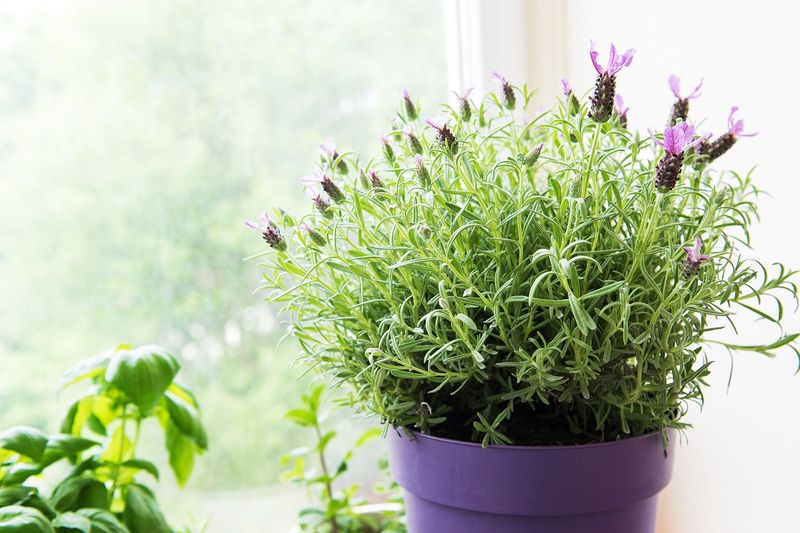
Choosing the right lavender variety is crucial for successful indoor growth. French Lavender is often recommended due to its adaptability in various indoor climates. Its compact nature makes it a perfect fit for smaller spaces.
Ensure you pick a variety that complements your home’s environment. Consider factors like humidity and sunlight when making your decision.
Did you know? French Lavender is renowned for its serrated leaves and unique fragrance. Research and pick a variety that truly thrives indoors.
2. Optimal Pot Selection and Preparation
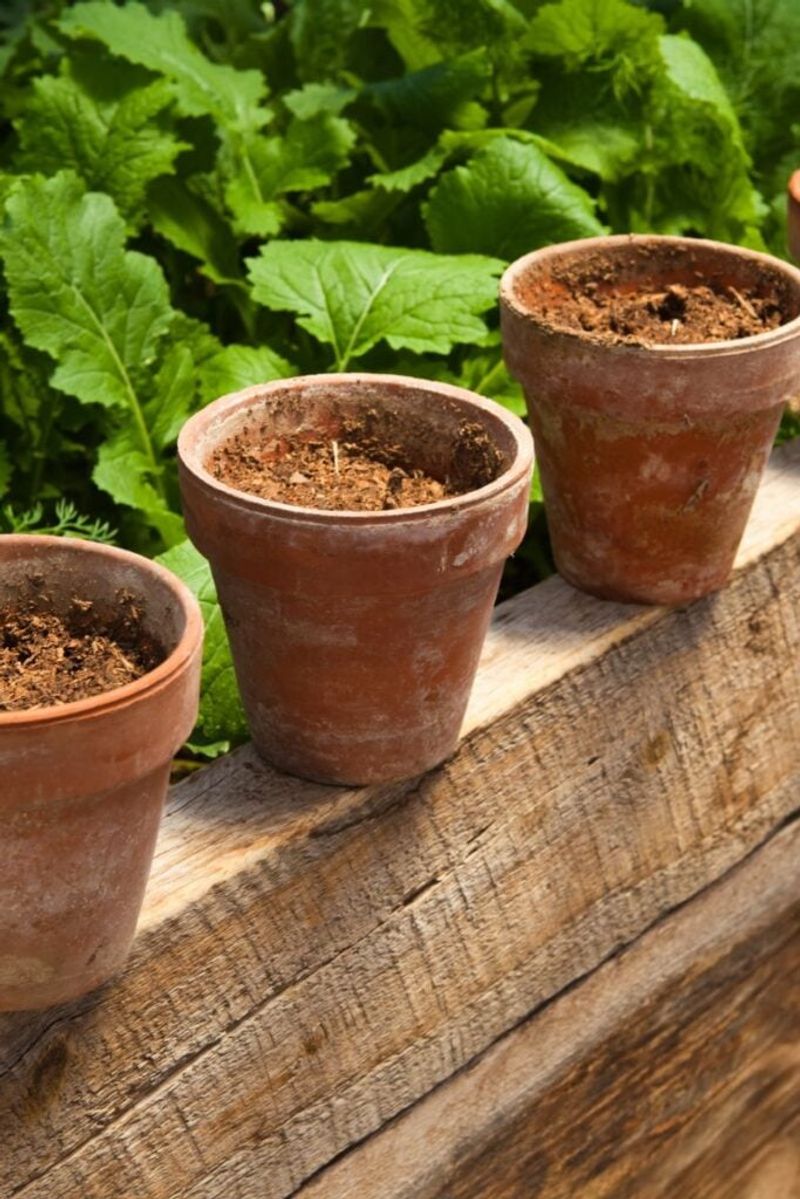
The pot you choose can make or break your lavender’s growth. Opt for a pot with excellent drainage to prevent waterlogging. Consider using terracotta pots as they allow the soil to dry out between waterings.
Preparing the right soil mix is equally important. A blend of sand, perlite, and potting soil works wonders.
Remember, lavender prefers slightly alkaline soil. Adding lime can enhance growth. A well-prepared pot and soil will set the stage for healthy lavender indoors.
3. Ensuring Adequate Sunlight
Sunlight is your lavender’s best friend, playing a vital role in its indoor survival. Place your plant in a south-facing window to ensure it receives six to eight hours of direct sunlight daily.
If natural light is insufficient, consider using grow lights to supplement. Adjust the light exposure to mimic natural day lengths.
Lavender thrives on sunlight, so prioritize its placement to maintain vibrant growth and fragrant blooms year-round.
4. Watering Strategies for Indoor Growth
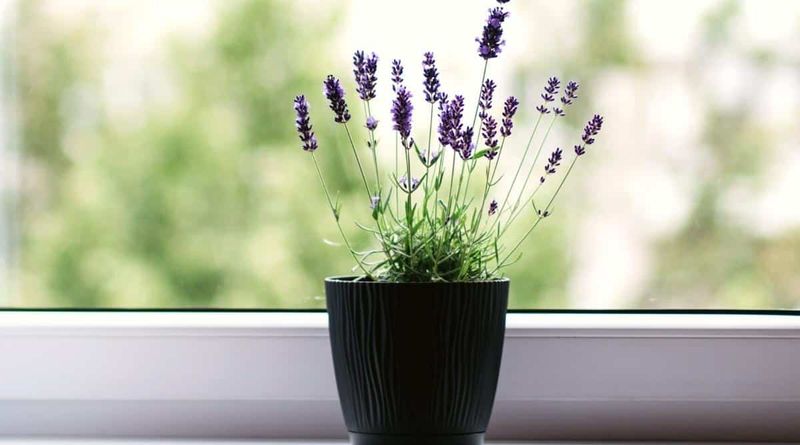
Watering lavender indoors requires a delicate balance. Overwatering can lead to root rot, while underwatering may stunt growth. Ensure the soil is dry before watering, promoting healthy root development.
Use room-temperature water to avoid shocking the plant. A consistent watering schedule will aid in establishing strong roots and lush foliage.
Did you know? Lavender prefers to be underwatered rather than overwatered. Developing the right watering habit is key to thriving indoor lavender.
5. Temperature and Humidity Control
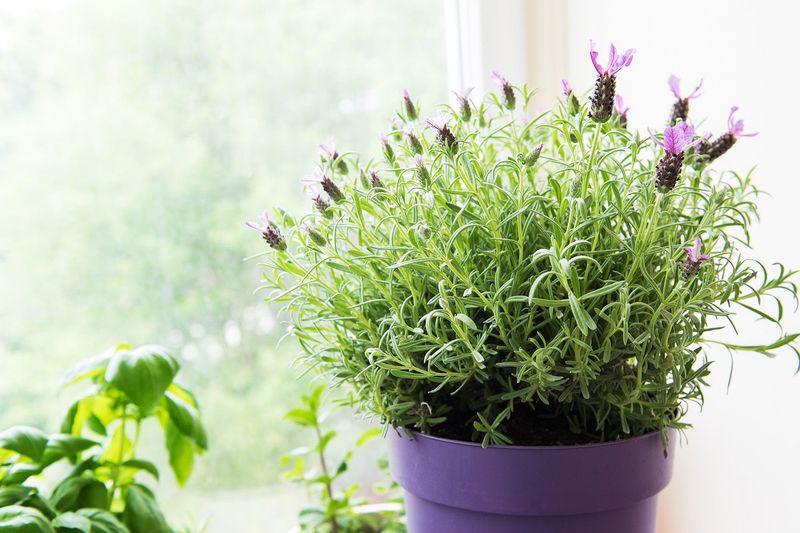
Lavender enjoys a stable climate, and indoor conditions can be perfect with some adjustments. Maintain temperatures between 60-70°F for optimal growth.
Humidity should be moderate; too high can cause fungal issues. A small humidifier can help maintain balance, especially in dry environments.
Fun fact: Ancient Egyptians used lavender in the embalming process. By controlling temperature and humidity, you keep your lavender healthy and fragrant.
6. Pruning Techniques for Indoor Lavender
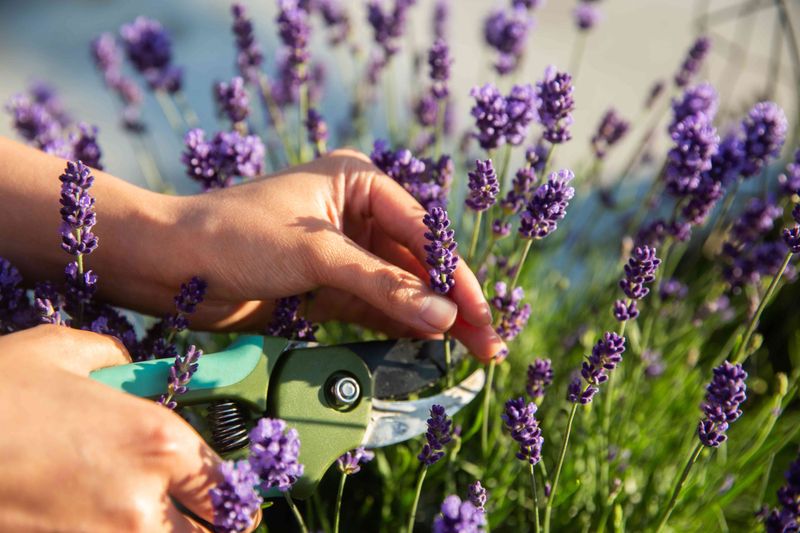
Pruning is essential for maintaining a bushy lavender plant. Regular trimming encourages new growth and prevents woodiness. Use sharp, clean shears to trim one-third of the plant in spring.
Focus on spent blooms and unruly branches to shape the plant. Pruning also boosts air circulation within the plant.
Did you know? Proper pruning can prolong the lifespan of your lavender plant, ensuring continuous blooms and a pleasant indoor presence.
7. Using Lavender Indoors
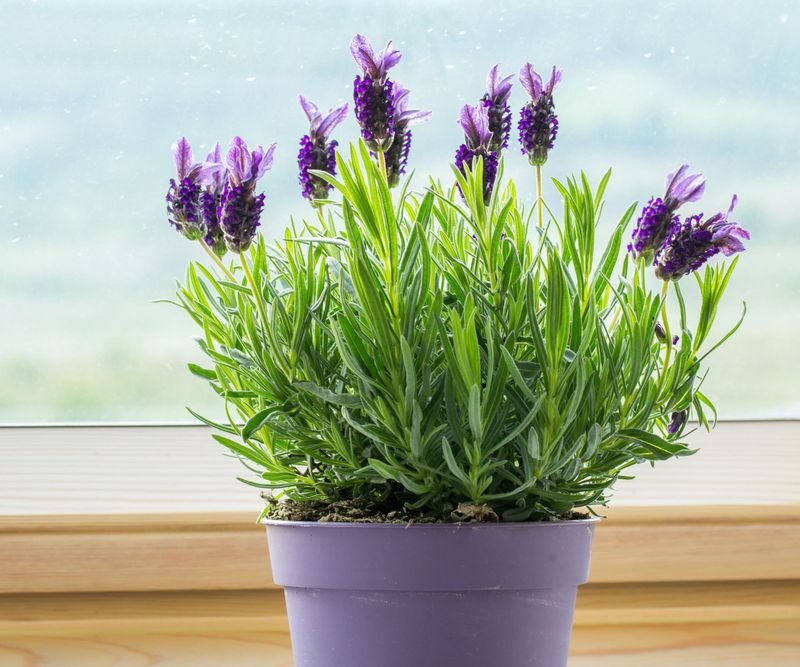
Lavender’s versatility extends beyond its beauty. Harvested blooms can be used in various ways indoors. Create sachets for closets, use dried lavender in potpourri, or distill essential oils for aromatherapy.
Lavender’s calming scent can enhance relaxation. Place it near sleeping areas or living spaces to maximize its benefits.
Fun fact: Lavender oil is known for its soothing properties, often used in spas and wellness centers worldwide. Embrace its multifaceted uses at home.
8. Creating a Lavender Microclimate
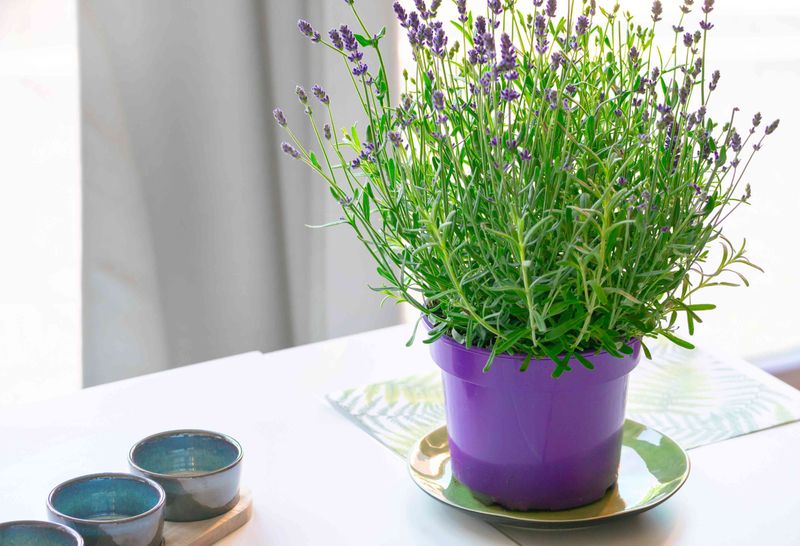
Imagine crafting a little slice of Provence right in your living room. Creating a microclimate involves adjusting humidity and temperature to mimic lavender’s natural environment.
Consider using a humidifier to maintain stable moisture levels. Pair it with a small fan to ensure gentle airflow, reducing the risk of mold.
LED grow lights can supplement natural sunlight, especially during winter months. With the right tools, your lavender will flourish, exuding its calming aroma throughout the year. Embrace the joy of watching your lavender thrive indoors.
9. Nutrient-Rich Soil Mixtures
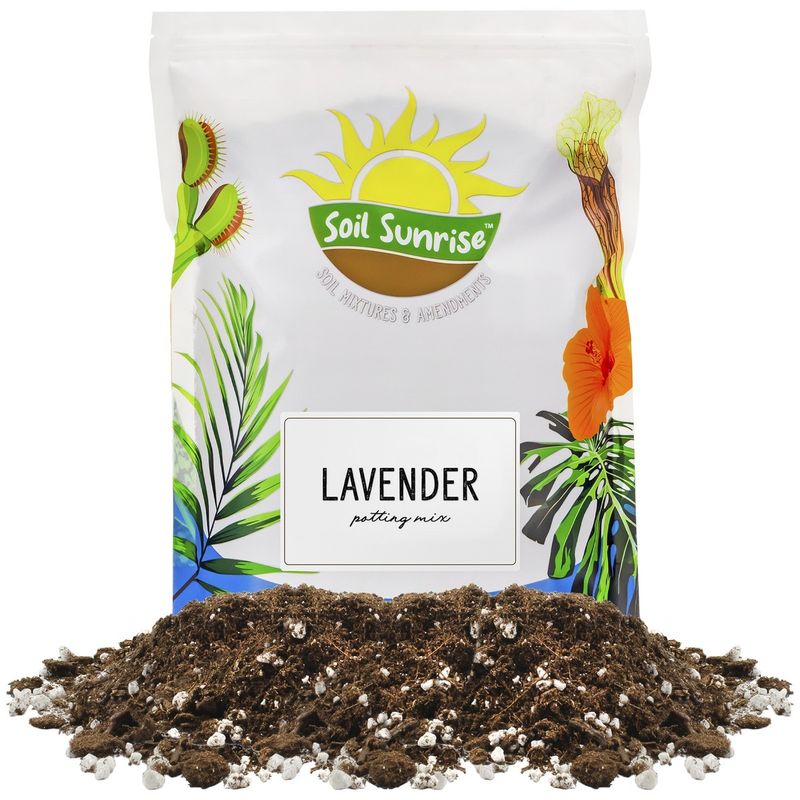
The foundation of any thriving plant is its soil. For lavender, a well-draining, nutrient-rich mixture is essential.
Combine organic matter with sand or perlite to enhance drainage while retaining essential nutrients. A pinch of lime can help maintain the soil’s pH balance, which lavender craves.
Consistency in soil quality will bolster the plant’s growth and resilience. With the right mixture, your lavender will stand tall and fragrant, a testament to your careful preparation. Your indoor garden will soon become a haven for this aromatic herb.
10. Companion Planting Indoors
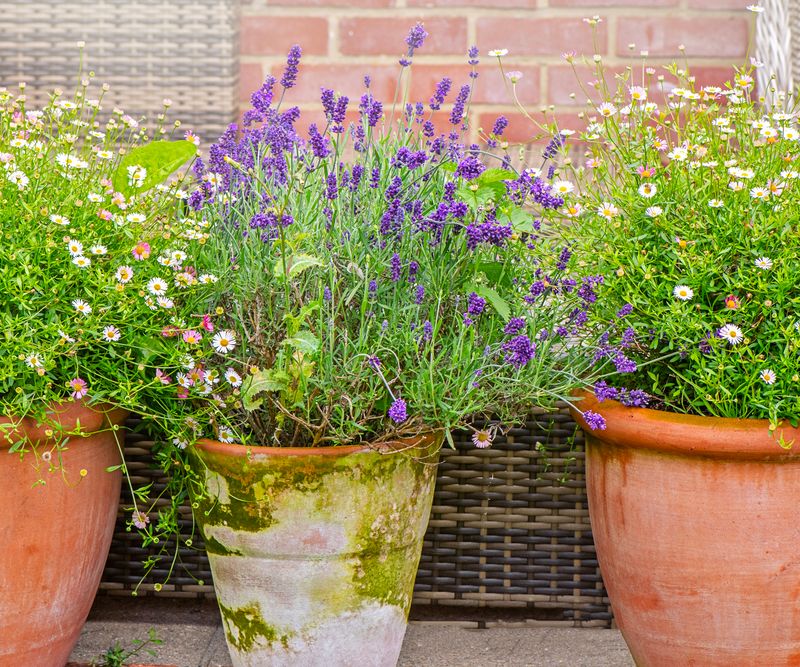
Lavender enjoys the company of certain plants that can complement its growth. Consider introducing rosemary and thyme alongside your lavender indoors.
These companions not only thrive in similar conditions but also create a beautiful aromatic display. Their combined fragrances can transform any room into a delightful sensory experience.
Additionally, they help deter pests naturally, creating a harmonious ecosystem. Embrace this gardening synergy, and watch your indoor greens flourish together, each contributing to the other’s well-being. It’s a small indoor garden of unity and fragrance.
11. Hydroponic Lavender Growth
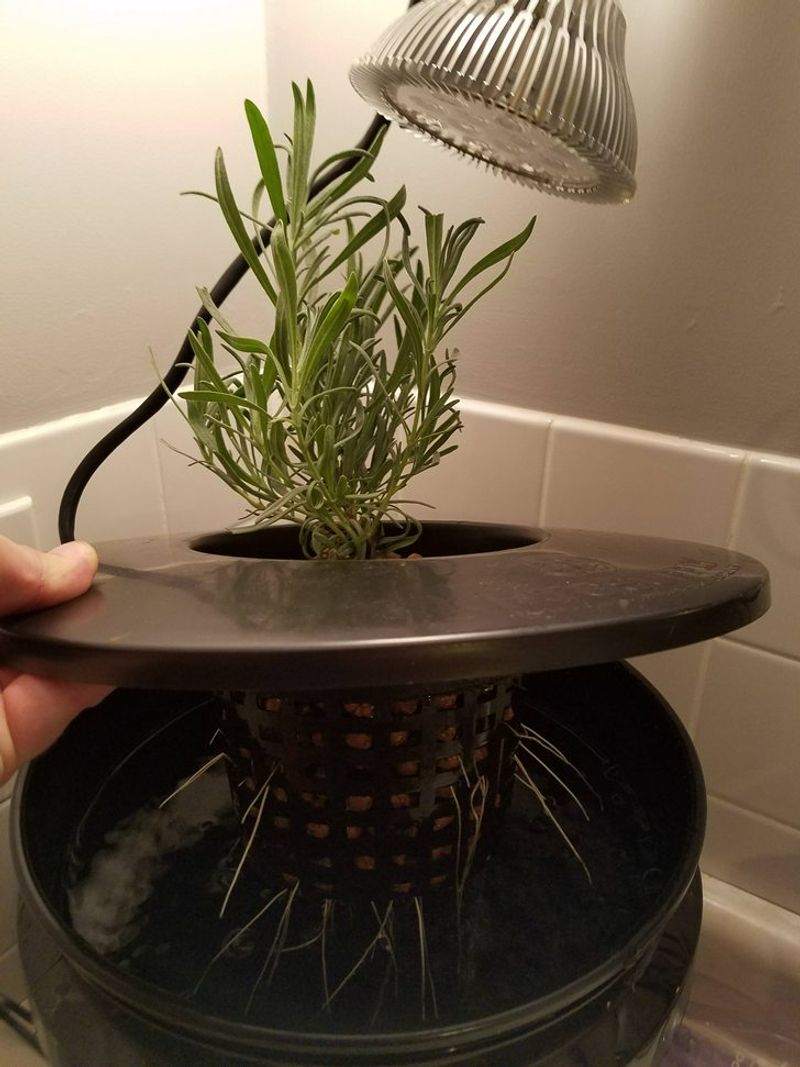
Have you thought about growing lavender without soil? Hydroponics offers an innovative way to cultivate this aromatic plant indoors.
This method allows for precise control of nutrients, water, and light, ensuring optimal growth conditions. It’s like a science experiment with nature as your collaborator.
The absence of soil reduces pests and diseases, freeing you to focus on nurturing. Soon, your hydroponic setup will be teeming with lush lavender, offering a fresh perspective on gardening. Dive into this clean, efficient way to grow lavender at home.
12. Integrating Lavender into Indoor Decor
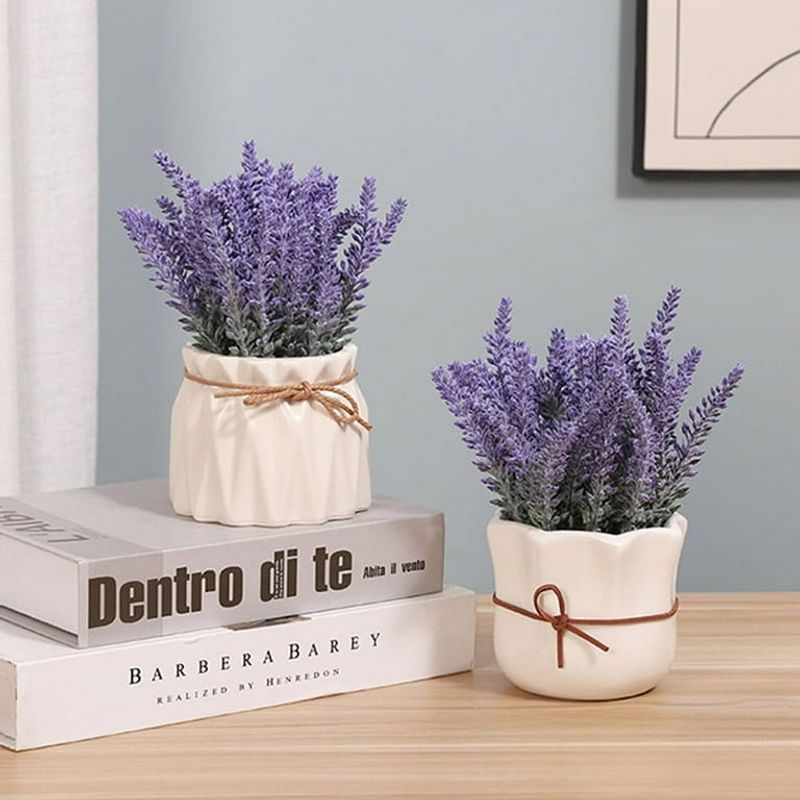
Lavender’s beauty extends beyond its fragrance and into the realm of interior design. Incorporating lavender into your decor can elevate any space.
Consider placing lavender in decorative pots that match your home’s aesthetic. Their soft purple hues can add a splash of color while purifying the air.
Arrange them near windows or on shelves to create focal points. Lavender’s presence can transform rooms into serene spaces, offering visual and olfactory pleasure. Let lavender be your natural decor piece, bringing elegance and tranquility indoors.
13. Scent Enhancement with Essential Oils
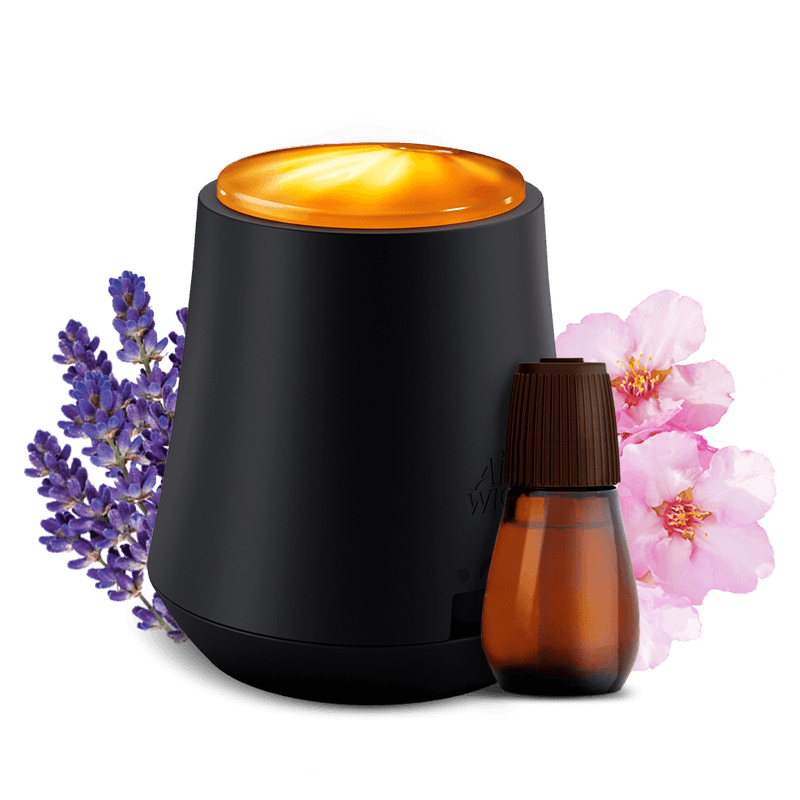
Why not amplify lavender’s calming scent with essential oils? Pairing your plants with a diffuser can enhance the aromatic experience.
A few drops of lavender oil can fill a room with its soothing fragrance, complementing the natural scent of your plants. It’s an invitation to relaxation and tranquility.
This combination can be especially comforting in bedrooms or meditation spaces, creating a holistic sensory retreat. Let the gentle aroma envelop you, a constant reminder of nature’s calming embrace inside your home.
14. Lavender in Culinary Uses
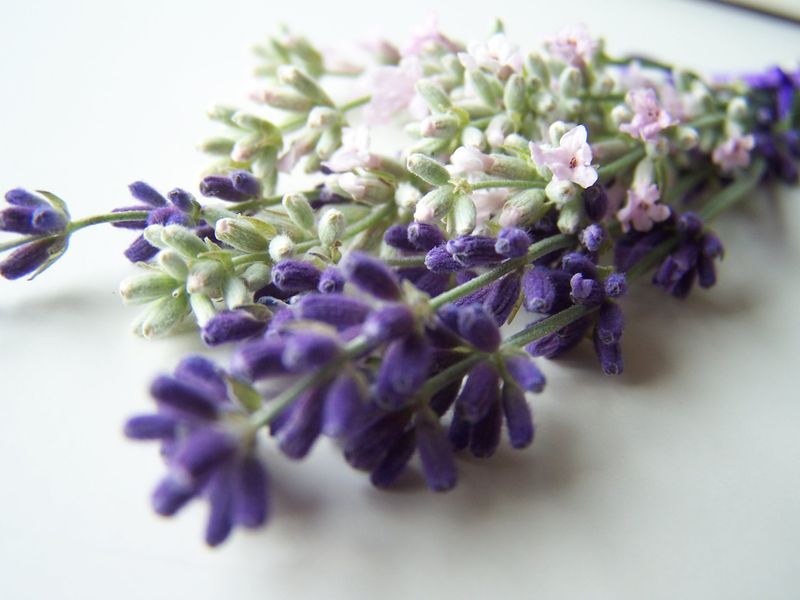
Lavender isn’t just a pretty face; it has culinary potential waiting to be explored. Imagine plucking fresh lavender to use in your kitchen creations.
Its floral notes can add a unique twist to desserts and teas, enhancing flavors with elegance. Keep your lavender plant within arm’s reach, and experiment with new recipes.
You might discover a new favorite dish or drink that surprises your taste buds. Celebrate lavender’s versatility, turning your indoor garden into a culinary adventure. It’s an exciting way to bring your plants into the heart of your home.
15. Pest Management with Lavender
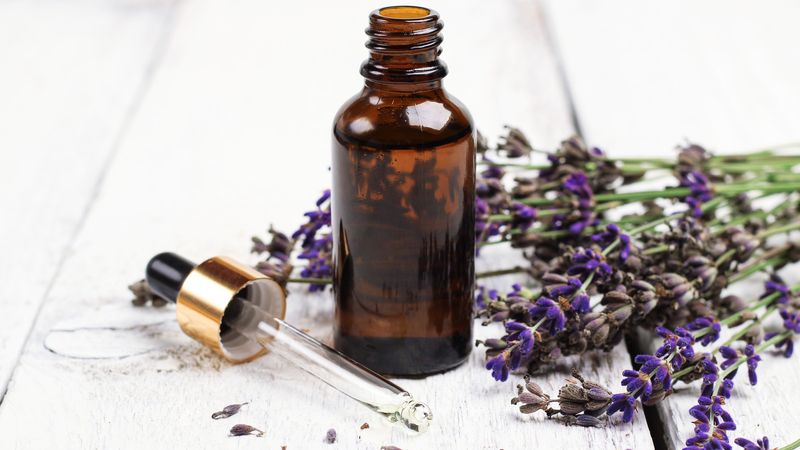
Lavender’s natural oils are a boon in pest management. Their aromatic properties are known to deter common indoor pests, like moths and mosquitoes.
Positioning lavender near entry points or windows can act as a fragrant barrier. It’s an eco-friendly approach to protect your indoor space without harsh chemicals.
By cultivating lavender, your home gains a natural defense system, keeping pests at bay. Enjoy a pest-free environment, basking in the gentle scent and vibrant presence of your lavender plants.
16. Lavender Propagation Techniques
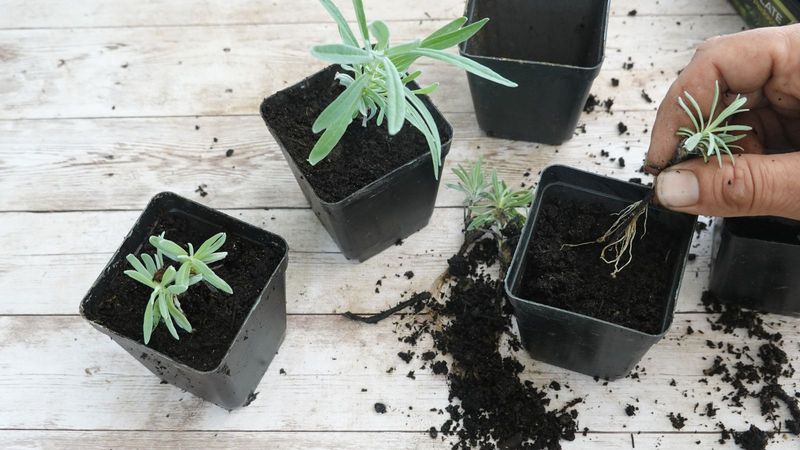
Ever thought of expanding your lavender collection? Propagation is the key to growing new plants from existing ones.
Cut healthy stems and place them in water or soil to encourage rooting. With care and patience, these cuttings will develop into robust plants.
This method allows you to multiply your lavender, enhancing your indoor garden. Watch as new life springs from your efforts, a testament to the cycle of growth and renewal. It’s a rewarding experience, fostering a deeper connection with your indoor greenery.