
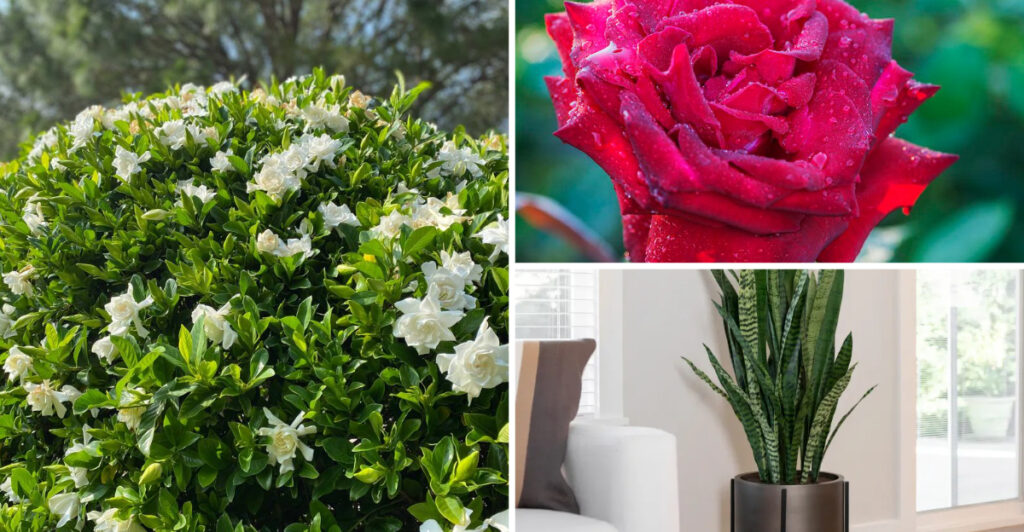
In the world of gardening, fragrance adds a unique dimension that elevates the overall ambiance of any space. While some plants may offer vibrant colors or intricate shapes, it is the aromatic varieties that truly captivate the senses. Here, we explore seven plants that, though beautiful, are scentless, and suggest 19 delightful alternatives that will envelop your garden in delightful aromas. From the intoxicating scent of roses to the refreshing aroma of lavender, discover the perfect aromatic plants to enrich your gardening experience.
1. Scentless Plant 1: Snake Plant
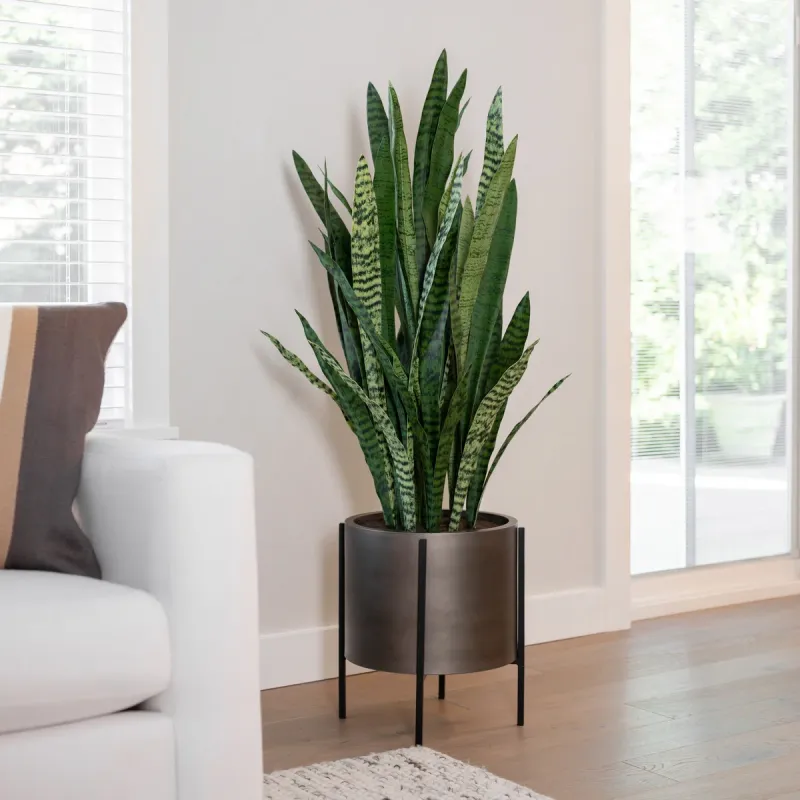
The snake plant, often hailed as a hardy indoor companion, stands out with its sword-like leaves and rich green tones. Despite its aesthetic appeal, it lacks fragrance, leaving the air unaltered. Considered a staple in modern decor, its easy care requirements make it a popular choice.
Known scientifically as Sansevieria, this plant is also referred to as “Mother-in-law’s Tongue” due to its sharp leaves. Its ability to purify air is celebrated, yet it offers no scent to enhance a room’s atmosphere. A great visual statement without aromatic engagement.
2. Aromatic Alternative 1: Jasmine
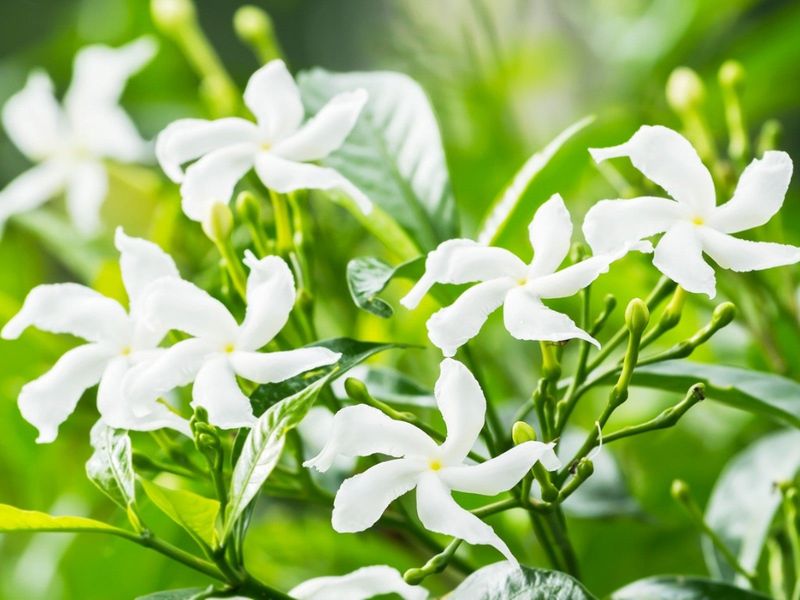
Jasmine, with its delicate white blooms, introduces a sweet, intoxicating scent that fills gardens with romantic allure. Its fragrance is most pronounced in the evening, adding mystery and charm.
This plant thrives in warmer climates and makes an ideal addition to any aromatic garden. Known for its use in perfumes, jasmine’s scent is both calming and invigorating.
Did you know that jasmine is often associated with love and beauty in various cultures? It’s an enchanting choice for anyone looking to add fragrance to their space.
3. Scentless Plant 2: Peace Lily
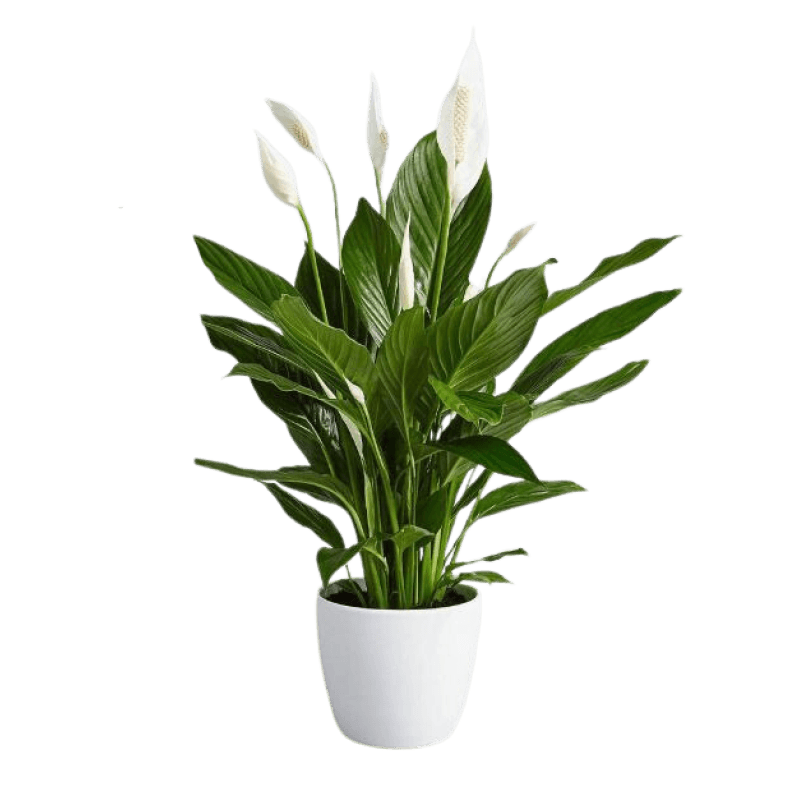
The peace lily, with its glossy leaves and pristine white flowers, adds elegance to any room. Despite its visual charm, it offers no fragrance, remaining silent in the scent department.
This plant is known for its air-purifying properties, making it a common household favorite. Its blooms resemble calla lilies, adding a touch of sophistication. Though it’s a visual delight, those seeking a fragrant plant may need to look elsewhere for olfactory satisfaction.
4. Aromatic Alternative 2: Lavender
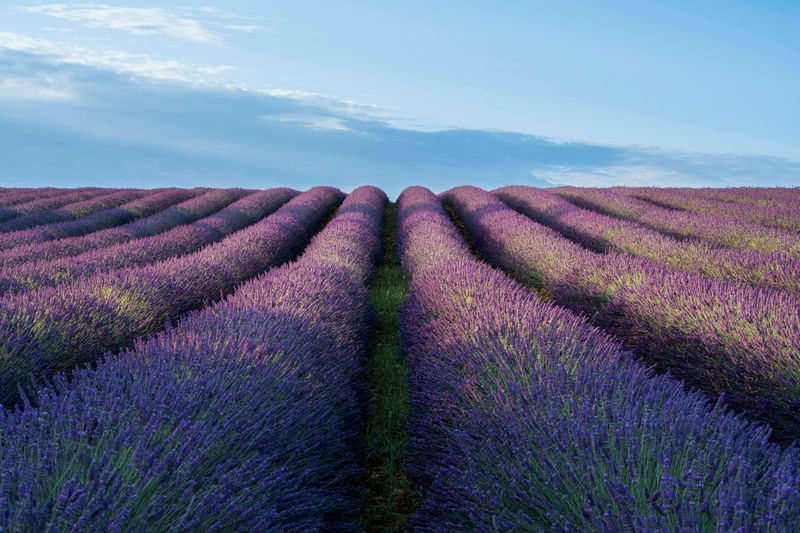
Lavender captivates with its iconic purple blooms and relaxing fragrance known to soothe the senses. Its scent is often used in essential oils to promote relaxation and sleep.
This plant thrives in sunny locations and permeates the air with its calming aroma. Lavender is a versatile choice, fitting well in gardens, pots, or as a border plant.
Historically, lavender has been used for centuries in herbal remedies and was even employed by the Romans to scent their baths. It’s a fragrant classic that never disappoints.
5. Scentless Plant 3: Spider Plant
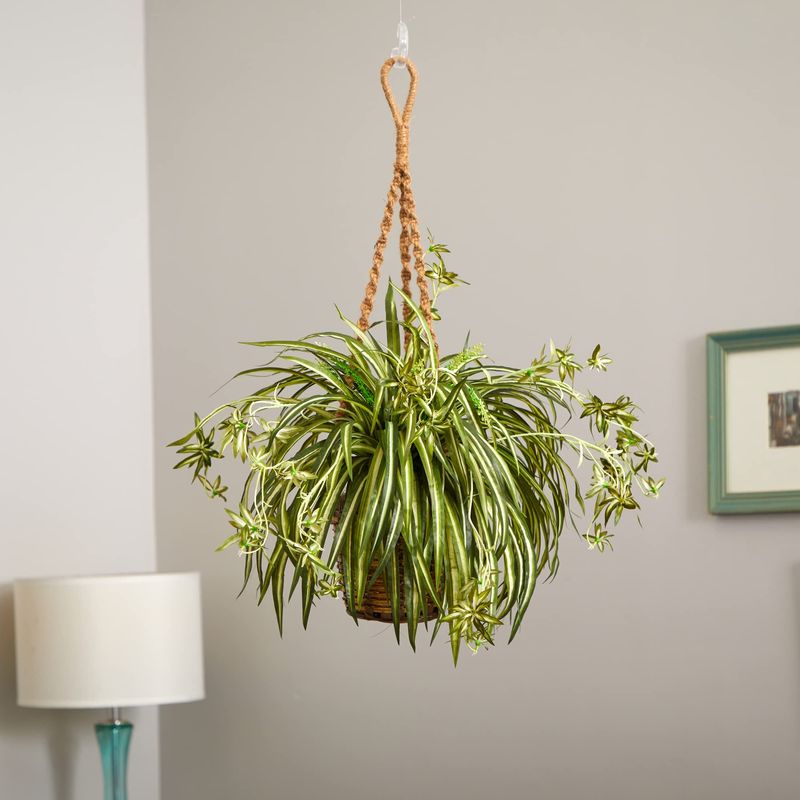
The spider plant, known for its cascading green and white striped leaves, is a popular choice for hanging baskets. While visually appealing, it doesn’t contribute any fragrance to your environment.
Easy to care for and propagate, this plant is perfect for beginners. Its vibrant foliage adds a touch of nature indoors but lacks aromatic presence.
Spider plants are also celebrated for their air-purifying capabilities, but when it comes to scent, they remain neutral, keeping the air fresh but fragrance-free.
6. Aromatic Alternative 3: Gardenia
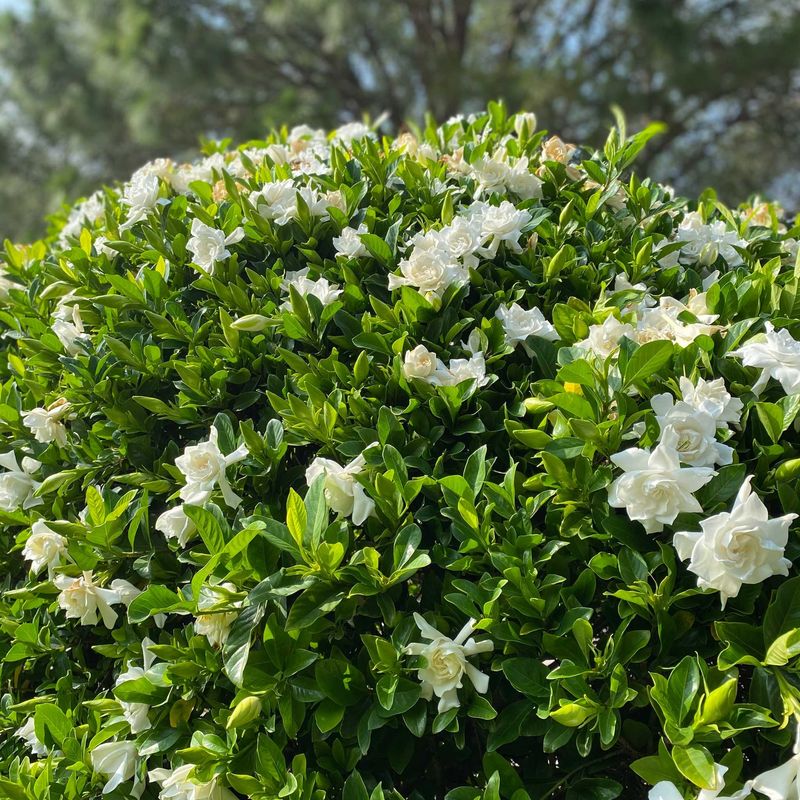
Gardenias are renowned for their lush, creamy white flowers and intoxicating fragrance that can transform any garden into a fragrant paradise.
This plant requires a little more care, thriving best in humid climates with acidic soil. Despite the extra effort, the reward is a bloom that’s rich in scent and beauty.
Gardenias are often used in bouquets and perfumes. Their scent is said to evoke memories of warm summer nights, making them a cherished choice for those who prioritize fragrance.
7. Scentless Plant 4: Rubber Plant
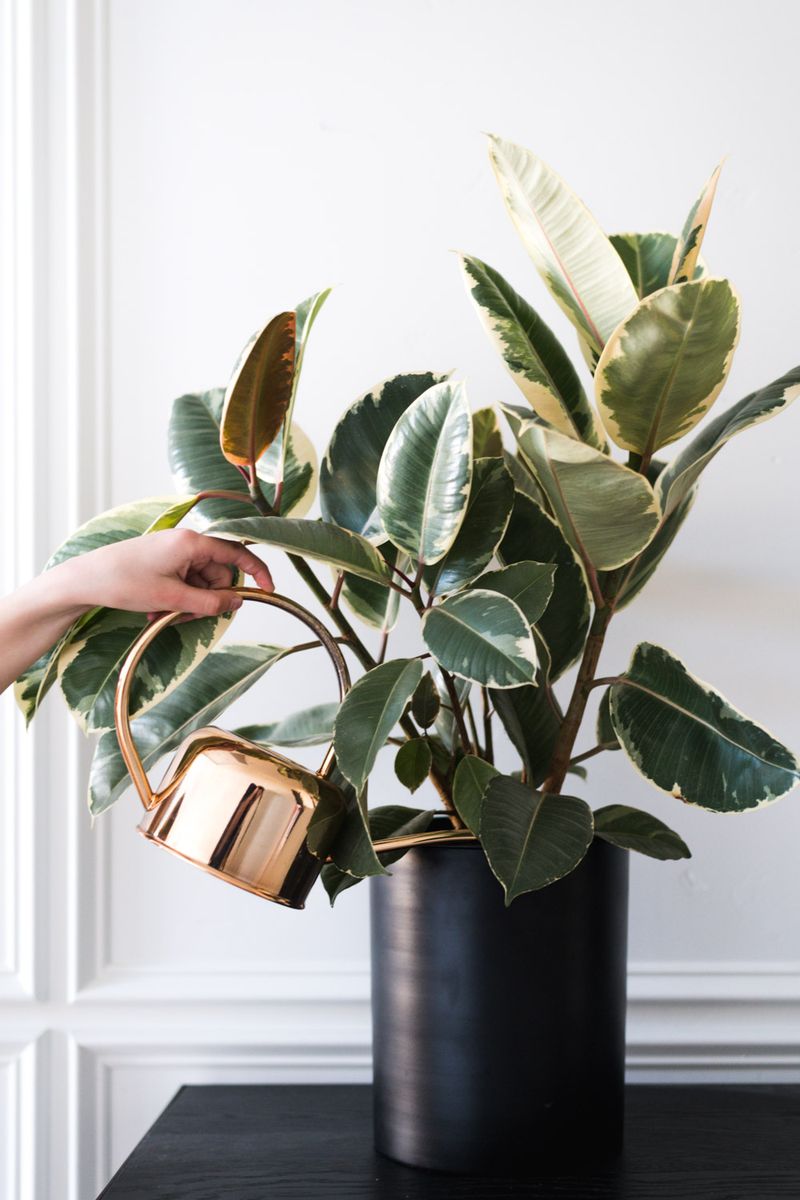
Rubber plants, with their broad, glossy leaves, are a staple in many homes for their striking appearance. They provide a bold aesthetic presence but do not deliver any fragrance.
This plant is admired for its easy maintenance and ability to grow to impressive heights. While it makes a strong visual impact, it leaves fragrance lovers wanting more.
Often used in office spaces, the rubber plant is a symbol of versatility and resilience, yet it offers no aromatic qualities to enhance its surroundings.
8. Aromatic Alternative 4: Rose
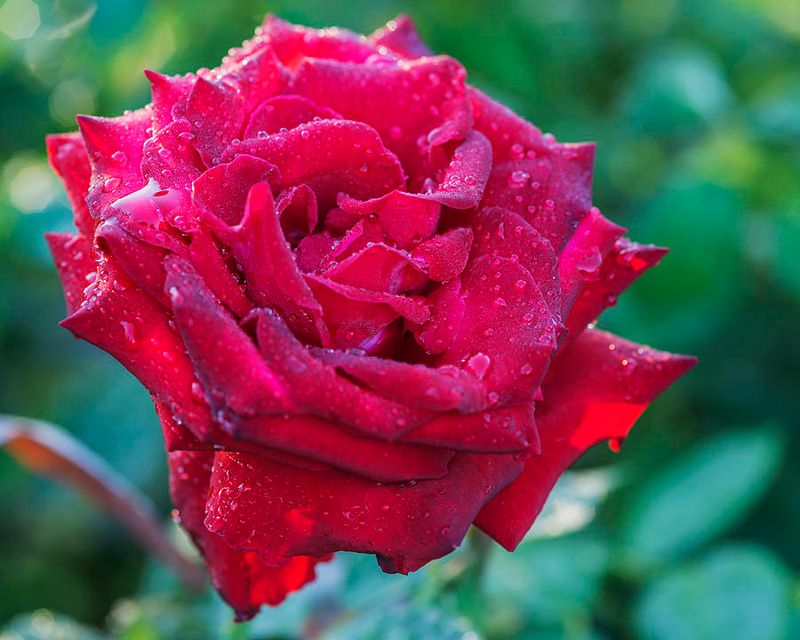
Roses are timeless symbols of love and beauty, renowned for their captivating scent. Each variety offers a unique fragrance, ranging from sweet to spicy, appealing to various preferences.
They thrive in well-drained soil with plenty of sunlight, providing a stunning and aromatic addition to any garden.
Did you know? Roses have been used since ancient times in perfumes and oils. Their scent is a classic choice for romantics and artists alike, making them a perennial favorite in fragrant gardens.
9. Scentless Plant 5: Boston Fern
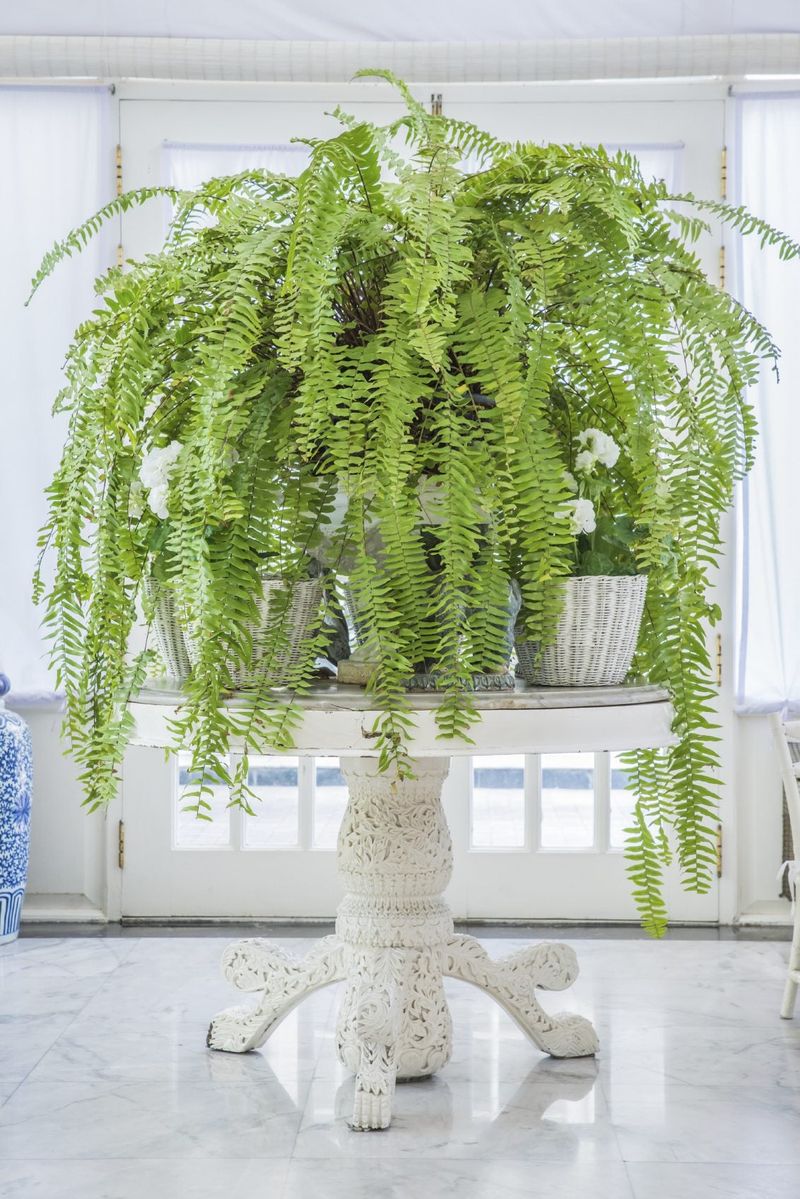
The Boston fern, with its lush, feathery fronds, adds a touch of greenery to any indoor setting. However, it doesn’t offer any fragrance to complement its visual appeal.
Known for its ability to purify the air, this plant is ideal for those who appreciate greenery without scent. Its dense foliage creates a verdant backdrop in homes.
While the Boston fern doesn’t contribute to the olfactory experience, its vibrant presence is a testament to nature’s pure beauty, offering visual refreshment and tranquility.
10. Aromatic Alternative 5: Rosemary
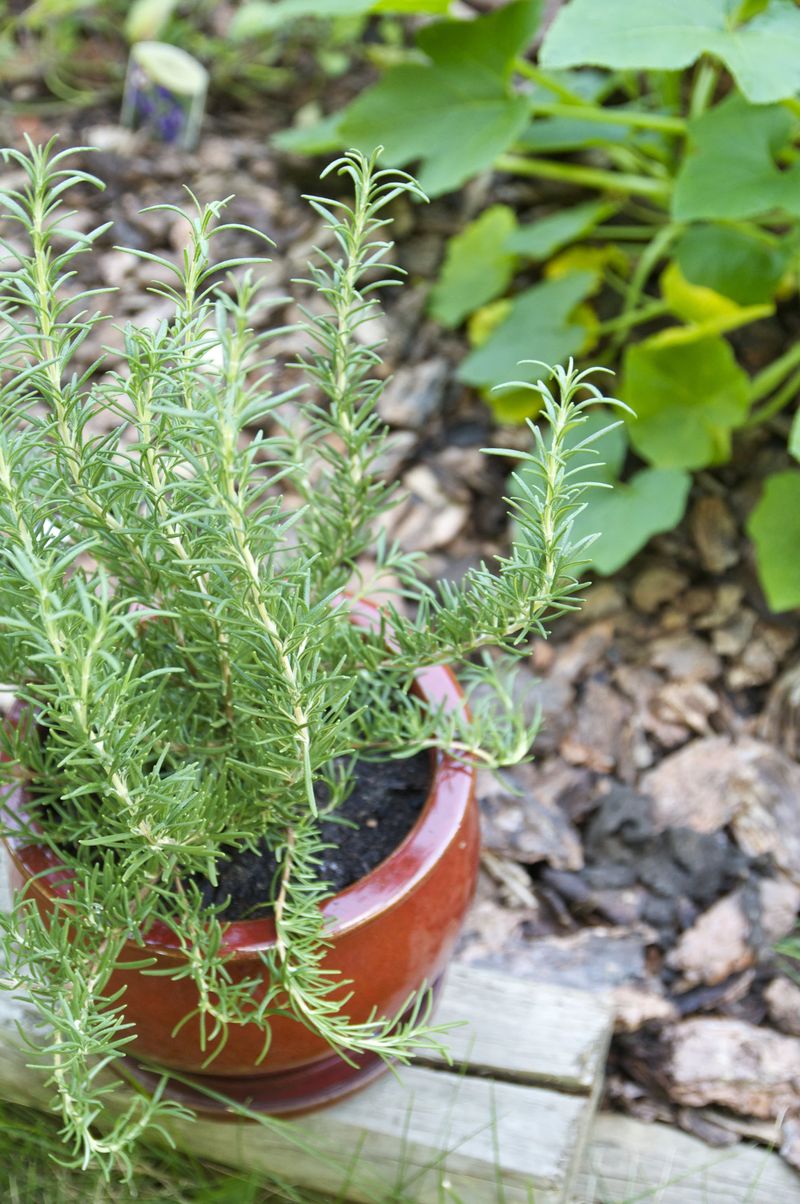
Rosemary, with its needle-like leaves and woody aroma, is a culinary delight that doubles as a fragrant garden addition. Its scent evokes a sense of warmth and homeliness.
This plant thrives in sunny spots and well-drained soil, making it a versatile choice for gardens and pots. Its fragrance enhances both food and space.
Historically, rosemary has been associated with memory and remembrance. It’s a favorite in Mediterranean cooking, bringing both taste and fragrance to kitchens and gardens alike.
11. Scentless Plant 6: Chinese Evergreen
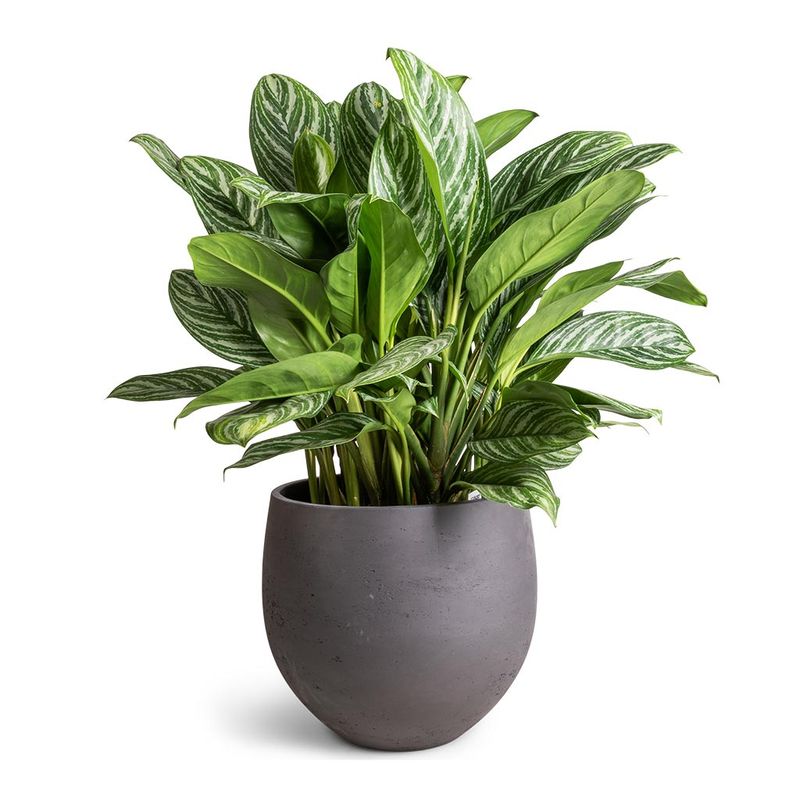
The Chinese evergreen, cherished for its variegated leaves and low-maintenance nature, brings a touch of elegance indoors. However, it is not known for its fragrance.
This plant is often chosen for its ability to thrive in low light, making it ideal for indoor settings. Its leaves, patterned with silver and green, create a serene atmosphere.
Although the Chinese evergreen adds aesthetic value, those seeking an aromatic experience will not find it here. It remains a visual beauty without a scent.
12. Aromatic Alternative 6: Lilac
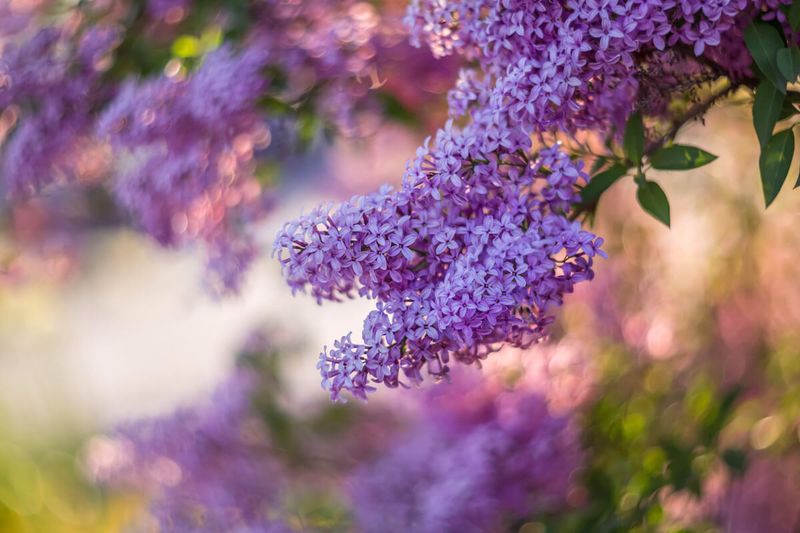
Lilacs, celebrated for their clusters of vibrant purple flowers, offer a sweet fragrance that signals the arrival of spring. Their scent is nostalgic, conjuring memories of garden strolls.
These shrubs flourish in cooler climates and are perfect for creating a fragrant hedge or focal point in gardens. Their blooms attract butterflies and hummingbirds, adding life to spaces.
Lilacs have a rich history, often associated with first loves and youthful innocence. Their scent is a timeless classic, offering a fragrant embrace each spring.
13. Scentless Plant 7: ZZ Plant
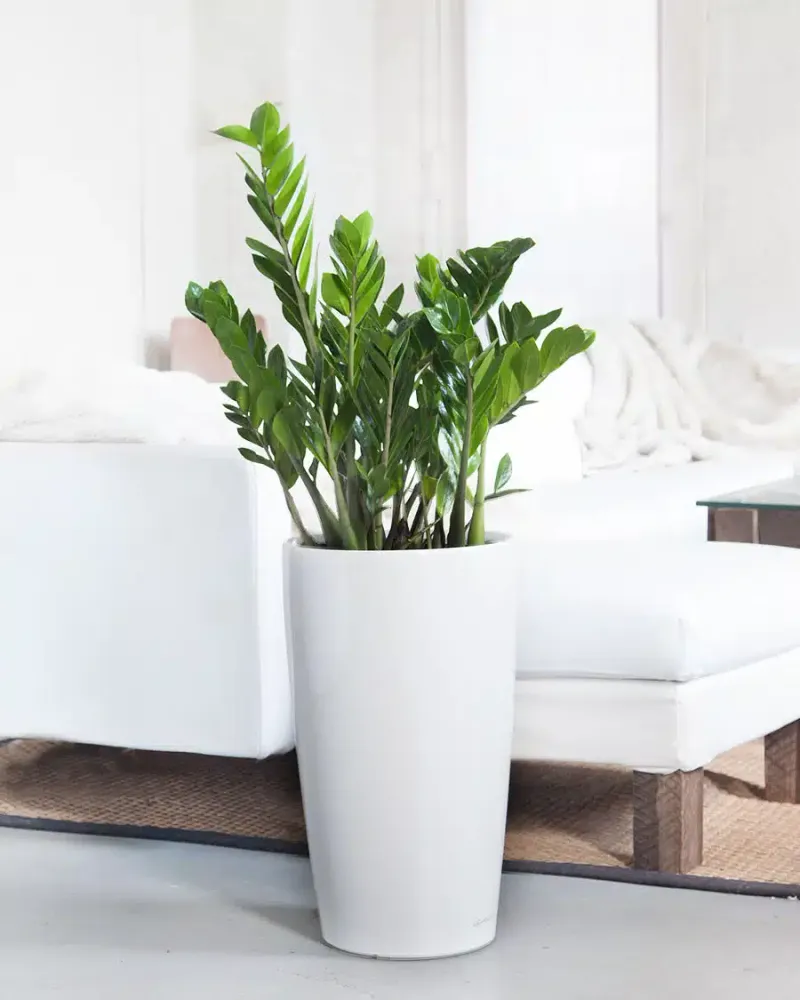
The ZZ plant, with its glossy, waxy leaves, is a favorite for modern interiors. While it adds elegance to any space, it lacks fragrance.
Renowned for its resilience and low-light tolerance, the ZZ plant is perfect for those seeking easy-care greenery. Its striking foliage brings a contemporary touch.
Though it’s a visual asset in homes and offices alike, the ZZ plant doesn’t offer any aromatic qualities. It stands as a testament to simplicity and endurance without scent.
14. Aromatic Alternative 7: Mint
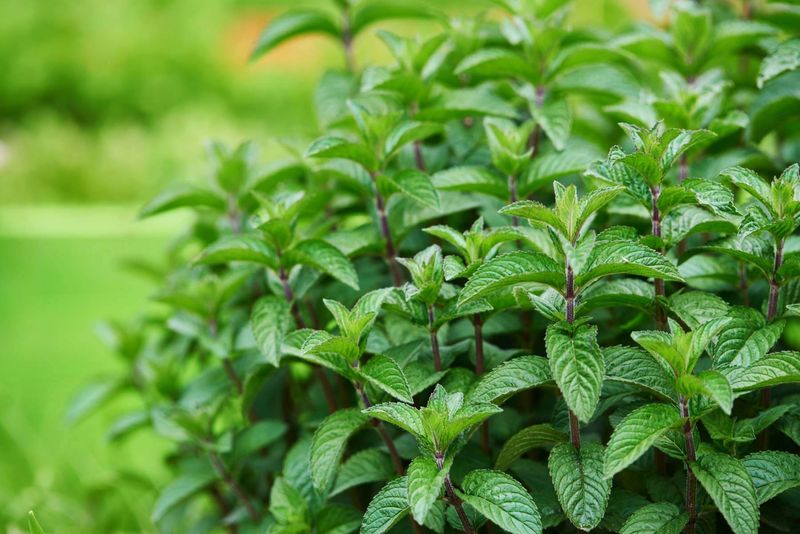
Mint, with its refreshing and invigorating scent, is a staple in both gardens and kitchens. Its aroma is synonymous with freshness, offering a lively addition to any space.
This herb thrives in moist, well-drained soil and can spread quickly, making it a prolific grower. Its leaves are often used in teas and culinary dishes.
Mint’s scent is not only inviting but also serves as a natural pest deterrent in gardens. It’s an aromatic powerhouse that transforms spaces with its crisp fragrance.
15. Scentless Plant: Bamboo Palm
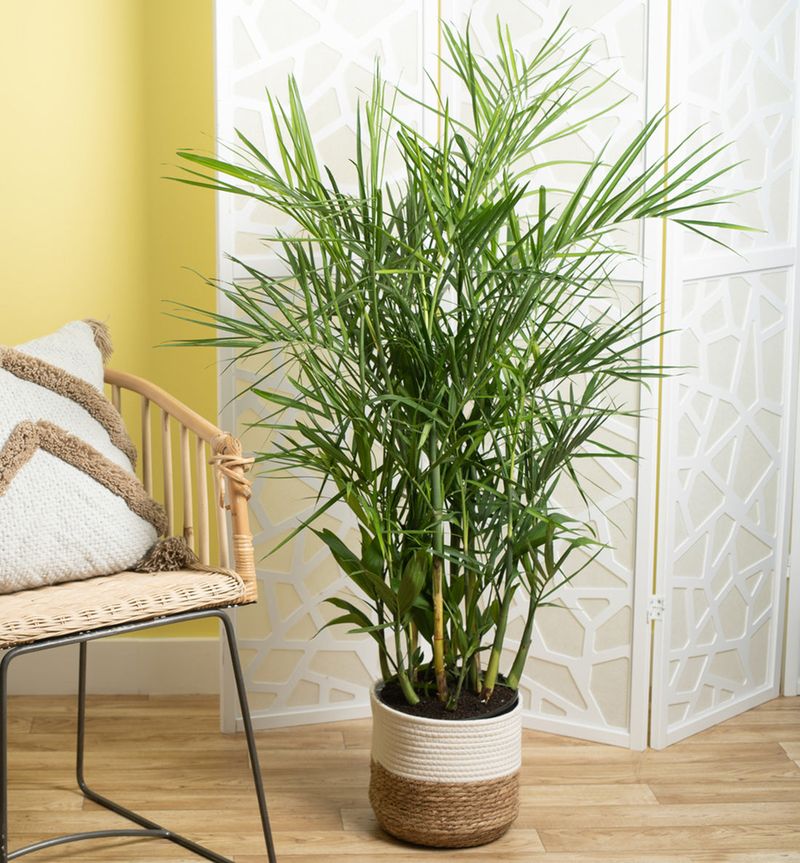
While the Bamboo Palm is known for its air-purifying properties and serene appearance, it lacks any notable fragrance. Its tall, arching fronds create a lush, tropical feel, making it a common choice for indoor spaces focused on aesthetics rather than scent. This plant offers a sense of tranquility but doesn’t contribute aromatically. Ideal for decorative purposes, the Bamboo Palm can elevate any room with its graceful structure. However, for those seeking a sensory experience that includes fragrance, other options might serve better to satisfy the aromatic craving.
16. Aromatic Alternative: Honeysuckle
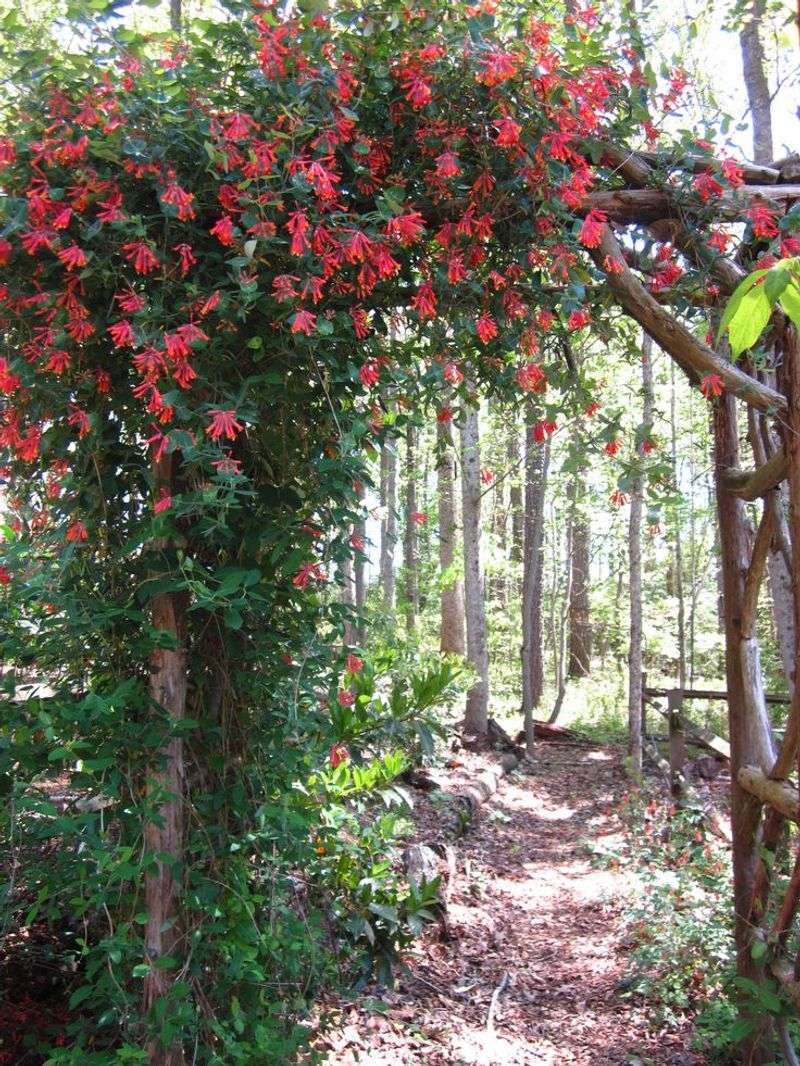
Honeysuckle, with its vibrant, trumpet-shaped blooms, offers a delightful scent reminiscent of warm summer evenings. This climbing plant thrives on trellises and fences, adding both visual appeal and a sweet aroma to your garden. Its fragrance attracts hummingbirds and butterflies, making it a lively addition to outdoor spaces. Each bloom is a testament to the plant’s natural beauty and aromatic charm. A nostalgic favorite for many, Honeysuckle can transform any garden into a fragrant paradise, offering both aesthetic and olfactory delight throughout the blooming season.
17. Scentless Plant: Cast Iron Plant
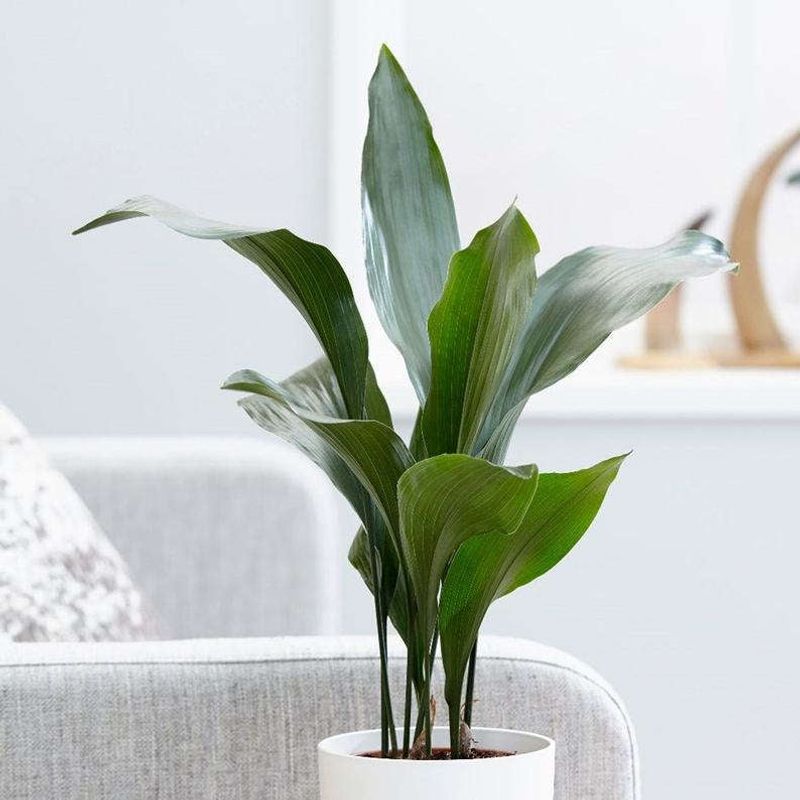
The Cast Iron Plant, known for its resilience and adaptability, boasts dark green, broad leaves that thrive in low-light conditions. Despite its hardy nature and ability to withstand neglect, this plant is unfortunately scentless. It’s a preferred choice for those looking for low-maintenance greenery; however, it doesn’t contribute any fragrance. Its primary appeal lies in its lush foliage and durability, making it suitable for spaces that require greenery without the need for aromatic enhancement.
18. Aromatic Alternative: Sweet Alyssum
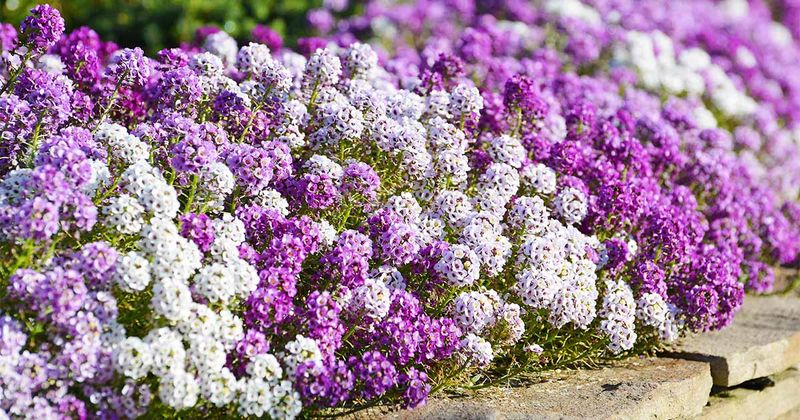
Sweet Alyssum charms with its tiny, delicate flowers that blanket gardens with gentle waves of white blooms. Its sweet fragrance is subtle yet pervasive, making it a popular choice for edging paths or garden borders. This plant attracts bees and other beneficial insects, promoting a lively ecosystem. Its low-growing habit and floral scent make Sweet Alyssum an excellent choice for adding both visual and aromatic joy to any outdoor setting, enhancing the sensory experience without overwhelming the senses.
19. Scentless Plant: Ficus
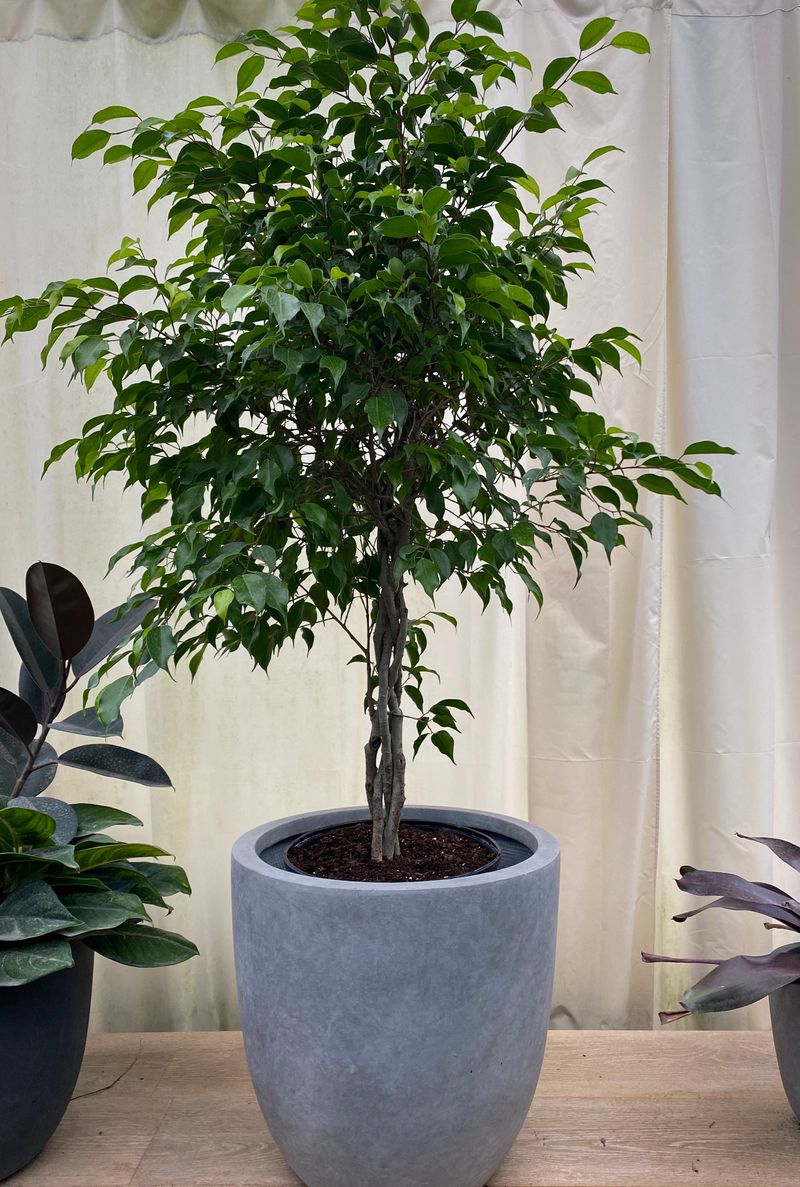
The Ficus, often seen as a staple in interior decor, offers lush, glossy leaves that add a touch of elegance to any room. Despite its visual appeal, the Ficus is scentless, making it less attractive for those seeking aromatic plants. It thrives indoors with minimal sunlight and can grow into a large tree, setting a natural backdrop in homes. While it contributes to the aesthetic ambiance, its lack of fragrance makes it a less ideal choice for those wishing to fill their spaces with natural aromas.
20. Aromatic Alternative: Lemon Balm
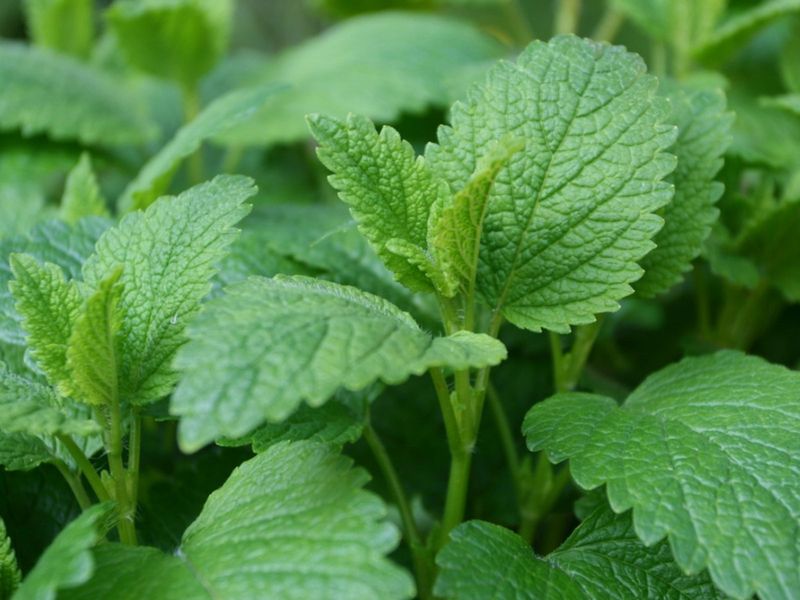
Lemon Balm, with its vibrant green leaves, releases a refreshing citrus scent that invigorates any garden space. Known for its calming properties, this plant is a favorite for herbal teas and culinary uses. Its aromatic leaves, when crushed, emit a zesty fragrance that uplifts the senses. Lemon Balm thrives in sunny spots, making it a perfect addition to herb gardens where both aroma and utility are valued. Its versatility extends to attracting bees, enhancing the lively atmosphere of any garden.
21. Scentless Plant: Corn Plant (Dracaena)
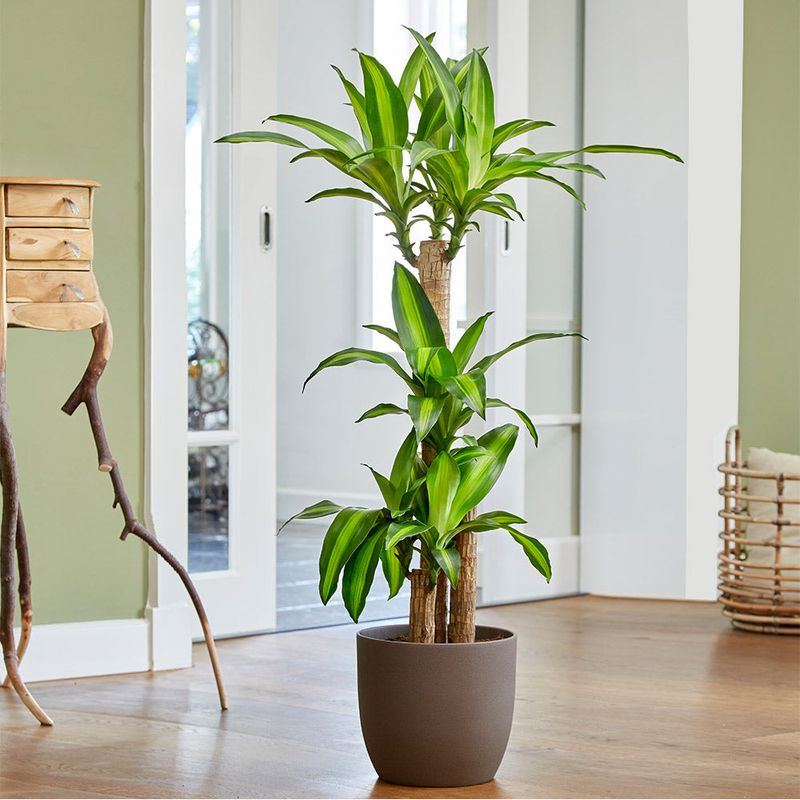
The Corn Plant, or Dracaena, is cherished for its striking foliage and easy-care nature. With long, arching leaves and a tree-like appearance, it creates a tropical vibe indoors. However, it lacks any notable fragrance, which may be a drawback for those desiring aromatic plants. It’s ideal for offices or homes needing greenery without the demand for heavy maintenance. While visually appealing, the Corn Plant doesn’t fulfill the aromatic needs of plant enthusiasts looking to enhance their sensory environment.
22. Aromatic Alternative: Hyacinth
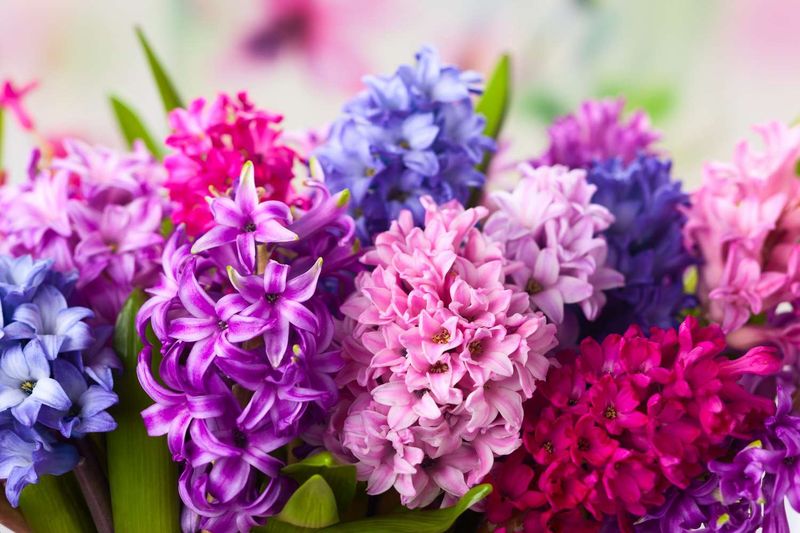
Hyacinths are celebrated for their rich, vibrant blooms and enchanting fragrance. These flowers offer a heady scent that permeates gardens and indoor spaces during their blooming season. Available in a variety of colors, Hyacinths add a splash of visual delight alongside their aromatic appeal. Planted in clusters, they create a stunning and fragrant display that captivates the senses. Ideal for pots or garden beds, Hyacinths are a perfect choice for plant lovers seeking both beauty and a lingering, sweet fragrance.
23. Scentless Plant: Aloe Vera
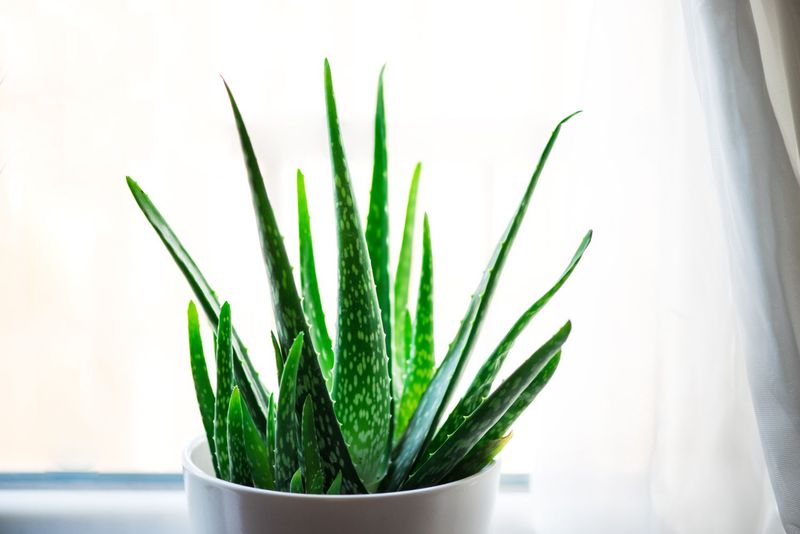
Aloe Vera is famed for its medicinal properties and distinctive, fleshy leaves. While it’s a beneficial plant to have around for skincare and healing, it lacks any significant aroma. Known for its easy care and succulent nature, Aloe Vera thrives in sunny spots indoors. It’s a practical choice for those seeking utility over fragrance. Despite its lack of scent, Aloe Vera is invaluable for its soothing gel, making it a staple in many households focused on natural remedies.
24. Aromatic Alternative: Chamomile
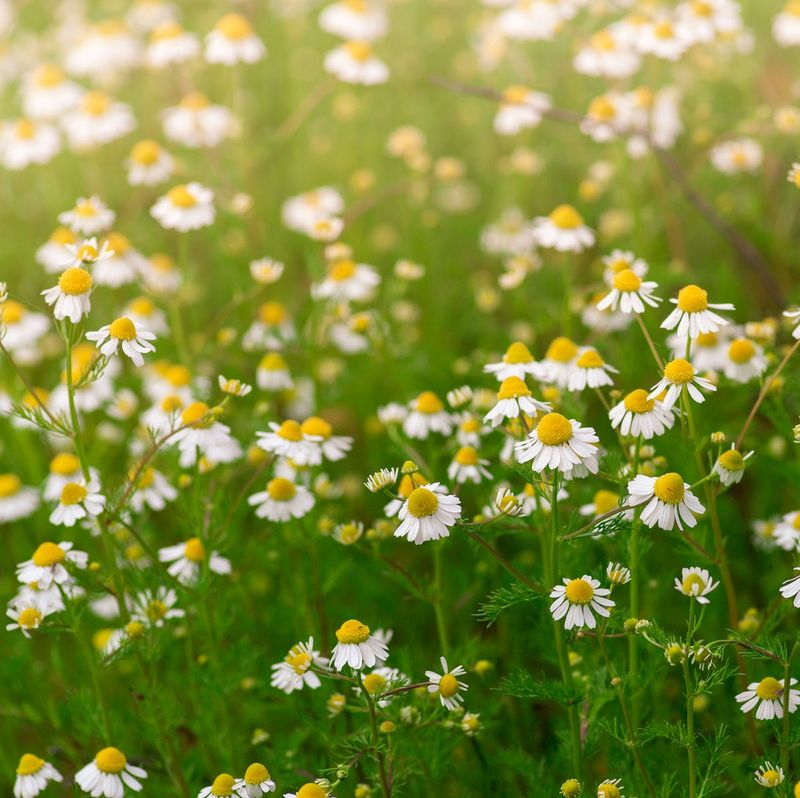
Chamomile, with its delicate white flowers, offers a soothing, apple-like fragrance that calms and relaxes. Often used in teas and herbal remedies, this plant is cherished for both its gentle scent and medicinal properties. Chamomile flowers bloom beautifully, adding a touch of elegance to gardens and enhancing the sensory experience with their subtle aroma. Ideal for creating a peaceful garden space, Chamomile attracts beneficial insects and provides a sweetly scented addition to any herbal assortment.
25. Aromatic Alternative: Freesia
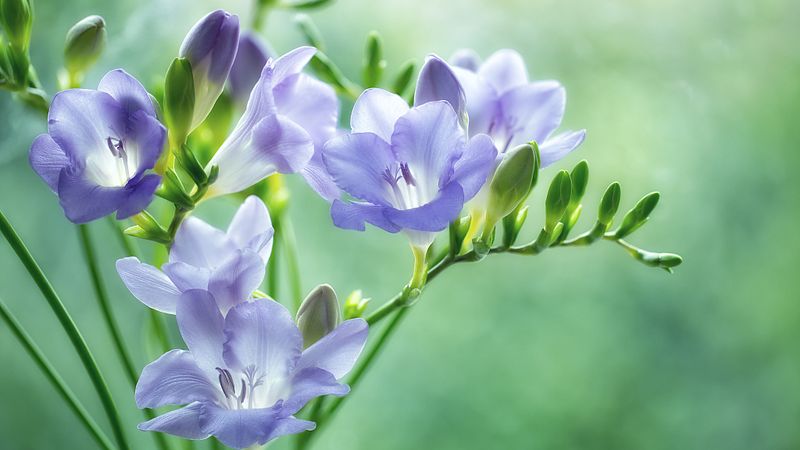
Freesias are known for their delightful fragrance and vibrant blooms. These flowers produce a sweet, citrusy scent that enlivens any room or garden. Available in various colors, Freesias provide both visual and aromatic pleasure. Their elegant, trumpet-shaped flowers make them a popular choice for bouquets and floral arrangements. Freesias thrive in well-drained soil, offering a fragrance that captivates and a beauty that enhances any setting. Their scent lingers, creating an inviting atmosphere wherever they are placed.
26. Aromatic Alternative: Meyer Lemon Tree
The Meyer Lemon Tree brings both beauty and a fresh, citrus aroma to gardens and patios. Known for its sweet lemons, this tree also offers a delightful fragrance from its blossoms and fruit. The scent is a fresh, invigorating citrus that brightens spaces and captivates the senses. Ideal for container planting, the Meyer Lemon Tree thrives in sunny spots and rewards gardeners with a bounty of lemons. Its dual appeal of fruit and fragrance makes it a must-have for citrus lovers.
27. Aromatic Alternative: Eucalyptus
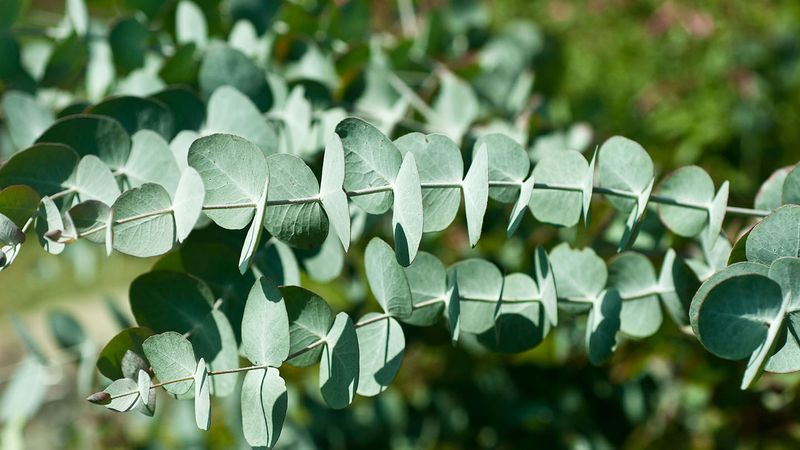
Eucalyptus trees are prized for their aromatic leaves that emit a refreshing, minty fragrance. This plant is often used in essential oils and natural remedies due to its invigorating scent and medicinal properties. Eucalyptus trees can grow quite tall, adding structural interest and aromatic benefits to gardens. Their striking, silvery leaves complement the fresh fragrance, creating a soothing and refreshing atmosphere. Perfect for those seeking a natural way to enhance their sensory landscape, Eucalyptus offers both beauty and aroma.
28. Aromatic Alternative: Thyme
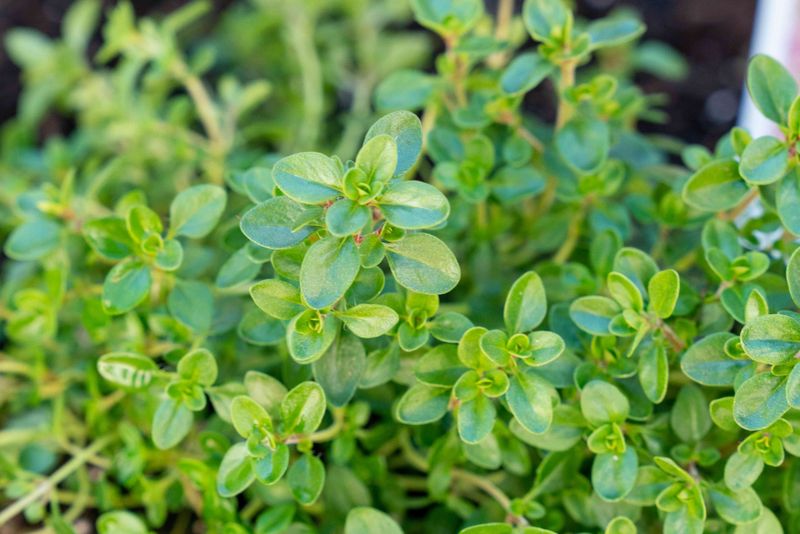
Thyme is a versatile herb known for its earthy aroma and culinary uses. Its small leaves pack a punch of flavor and fragrance, making it a staple in herb gardens. Thyme’s scent is savory and inviting, perfect for enhancing both garden aesthetics and culinary creations. Ideal for sunny spots, this herb attracts beneficial insects and thrives with minimal care. Thyme’s aromatic qualities make it an excellent choice for those who appreciate a garden filled with useful and fragrant plants.