
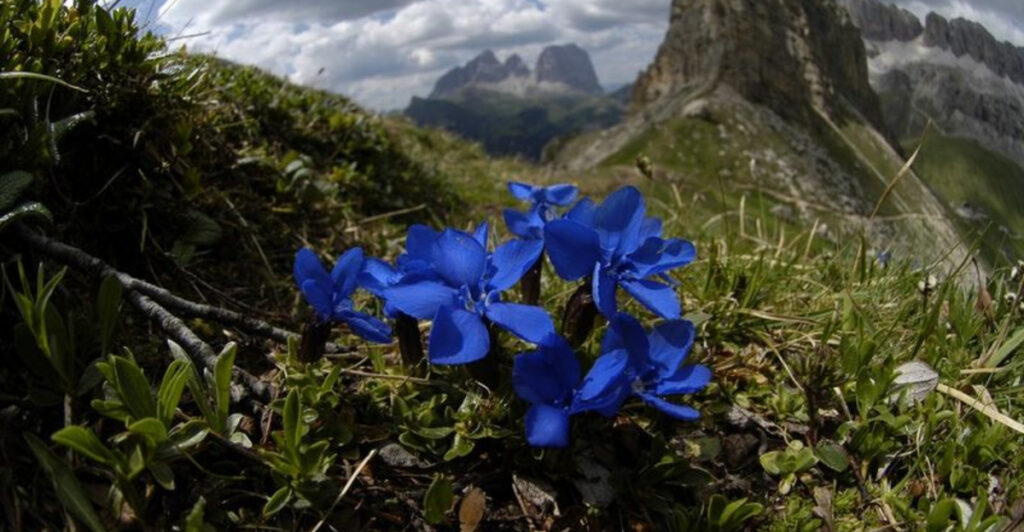
Blue perennials often go unnoticed in the vibrant world of gardening, overshadowed by their more colorful counterparts. However, these understated blooms have unique stories and qualities that deserve recognition. This article explores 15 lesser-known blue perennials, each with its own charm and secret attributes.
1. Blue False Indigo
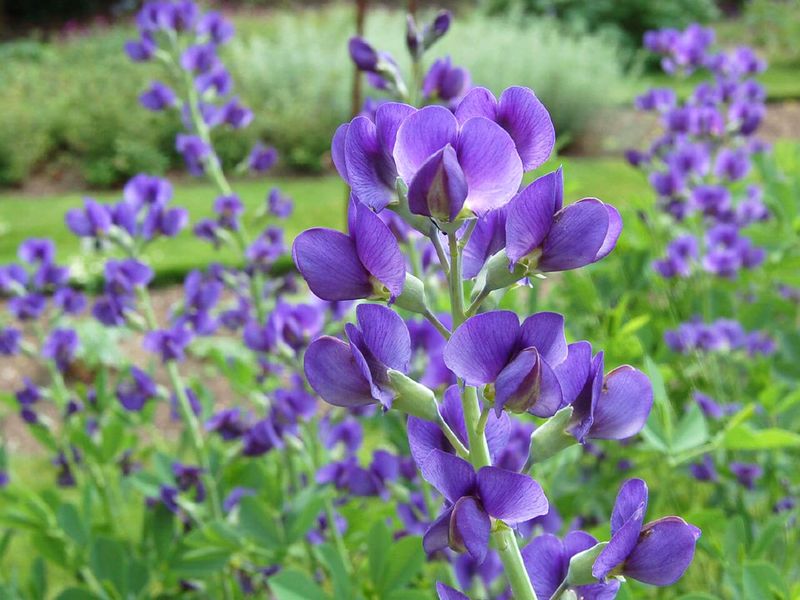
Blue False Indigo, known scientifically as Baptisia australis, boasts a subtle beauty often overshadowed by flashier blooms. Its tall spikes of blue flowers resemble lupines, adding elegance to gardens. Hardy and drought-resistant, it thrives in poor soil, making it a gardener’s ally.
Native to North America, this perennial has been used historically for dyeing fabrics, a testament to its rich color. Its deep roots improve soil health, benefiting surrounding plants. Despite its appeal, Blue False Indigo remains a hidden gem, quietly enhancing landscapes.
With its understated grace, it’s an unsung hero of the perennial world.
2. Himalayan Blue Poppy
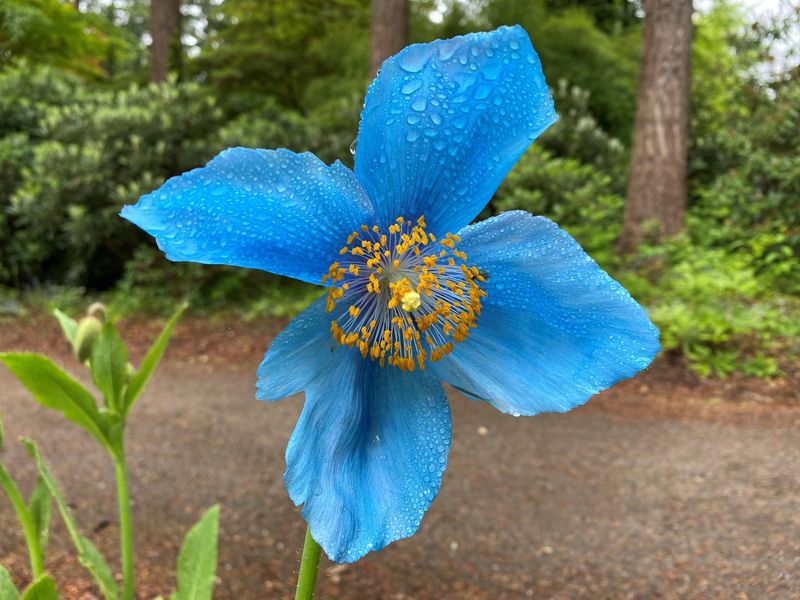
The Himalayan Blue Poppy, with its striking sky-blue petals, is a rare sight outside its native mountain ranges. Often considered the holy grail for gardeners, it requires cool, moist conditions to thrive. Its captivating hue and delicate texture make it a prized addition to any garden.
This perennial is not just beautiful but also carries cultural significance in its native habitat. It symbolizes dreams and aspirations, echoing its elusive nature. Successfully cultivating the Himalayan Blue Poppy is a badge of honor for any gardener, a testament to patience and dedication.
Its ethereal beauty captivates all who encounter it.
3. Gentian
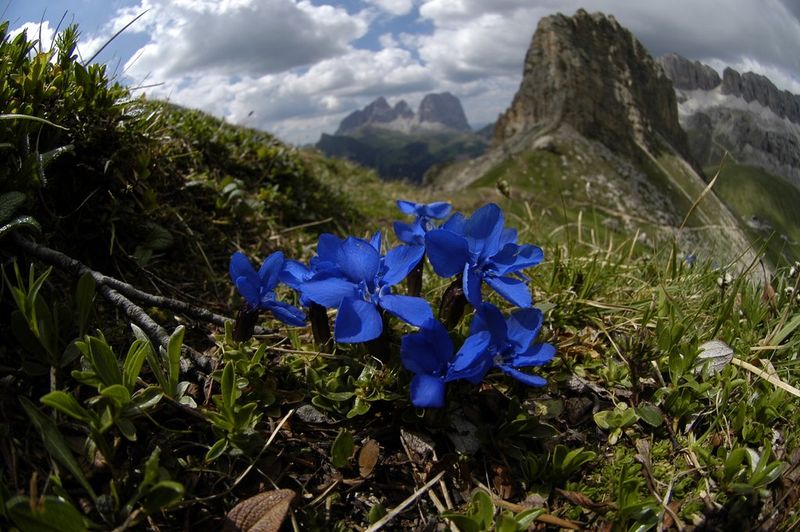
Gentian flowers, with their vivid blue color, are a sight to behold. These perennials thrive in alpine and temperate regions, where they dot the landscape with their trumpet-shaped blooms. Known for their medicinal properties, gentians have been used in traditional remedies for centuries.
Each bloom tells a story of resilience, surviving in harsh climates with grace. Their beauty is matched by their utility, as they play a role in supporting pollinators. Though not as common in home gardens, gentians offer a touch of wild elegance and natural charm.
Their presence is both captivating and beneficial.
4. Salvia Azurea
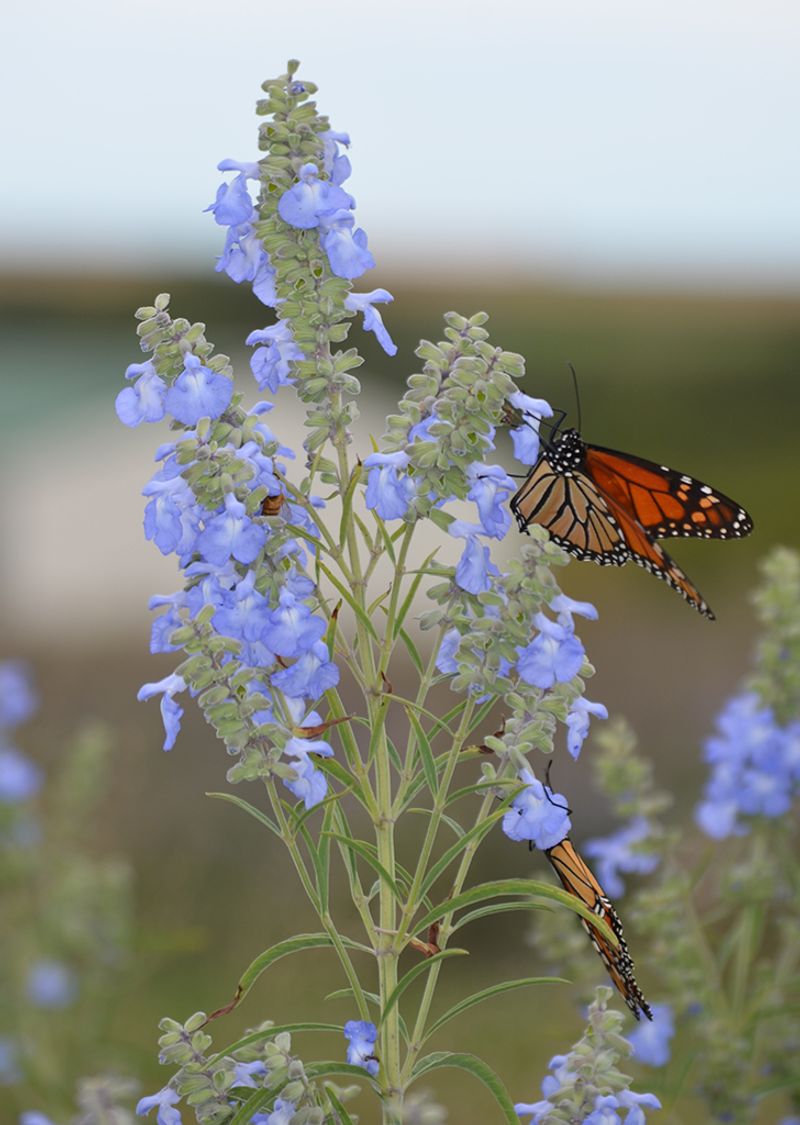
Salvia Azurea, commonly known as Blue Sage, is a towering perennial with sky-blue flowers that dance in the wind. Its tall stems and open blooms create a light and airy feel, perfect for adding height to garden borders. This perennial thrives in full sun and well-drained soil.
Native to North America, Blue Sage attracts bees and butterflies, making it an excellent choice for pollinator-friendly gardens. Its foliage releases a pleasant aroma when brushed against, adding sensory enjoyment to its visual appeal.
Despite its virtues, Salvia Azurea remains a well-kept secret among garden enthusiasts.
5. Brunnera
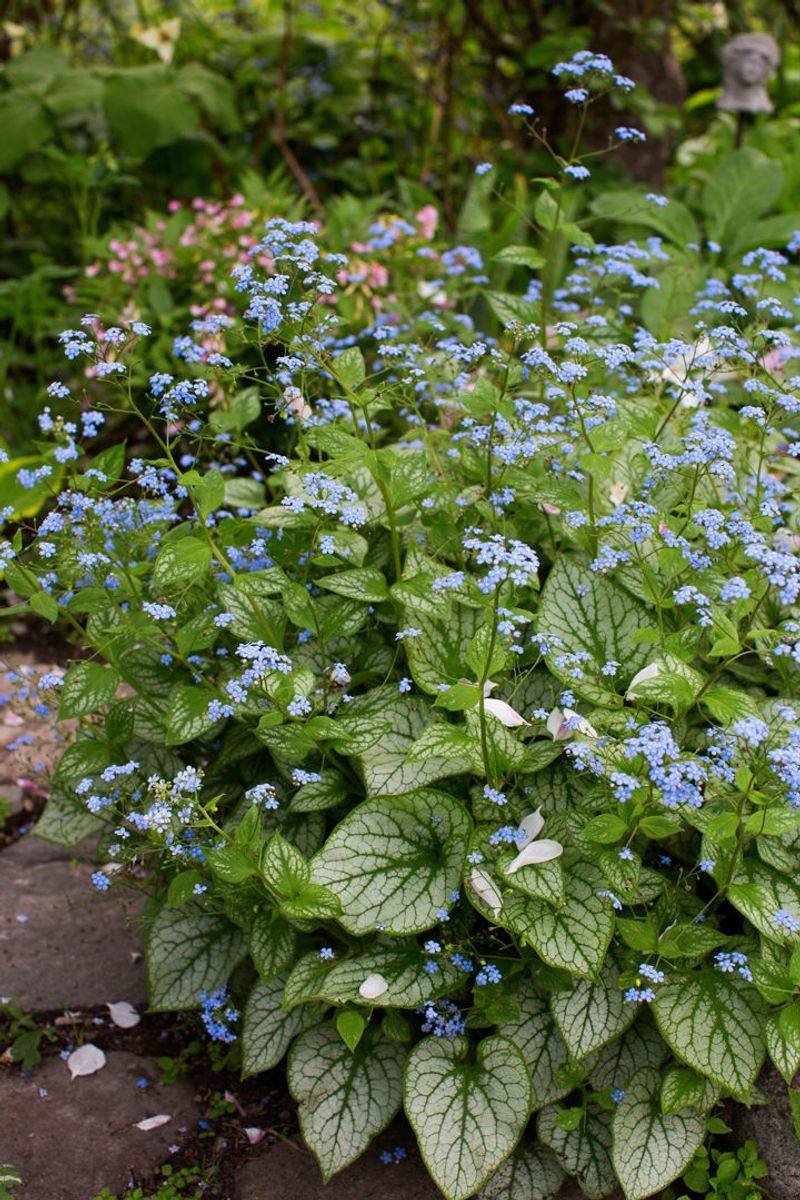
Brunnera, often likened to forget-me-nots, charms gardeners with its dainty blue flowers and heart-shaped leaves. This shade-loving perennial is perfect for brightening darker corners of the garden. Its leaves are not only decorative but also deer-resistant, making it a practical choice.
In spring, Brunnera produces a carpet of flowers that captivate with their simplicity. As the season progresses, its foliage takes center stage, adding texture and interest. Brunnera thrives in moist, well-drained soil, rewarding gardeners with low-maintenance beauty.
Its quiet elegance is a testament to nature’s subtle artistry.
6. Blue Star
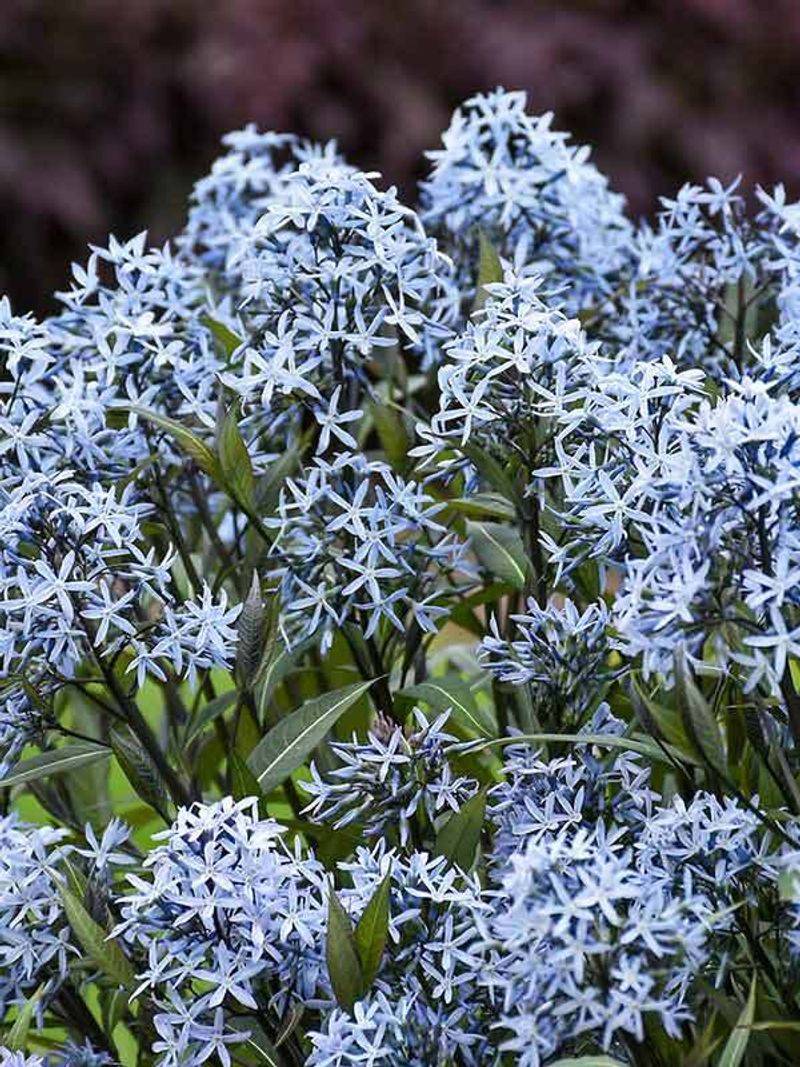
Amsonia tabernaemontana, commonly known as Blue Star, enchants with its delicate, star-shaped blue flowers that cluster atop feathery foliage. This perennial is a versatile addition to gardens, offering three-season interest: spring flowers, summer greenery, and brilliant fall color.
Blue Star’s low-maintenance nature makes it a favorite among gardeners seeking effortless beauty. It thrives in a variety of conditions, from full sun to partial shade, and is resistant to pests and diseases. Its adaptability ensures it fits seamlessly into diverse landscapes.
Quietly spectacular, Blue Star whispers elegance throughout the year.
7. Balloon Flower
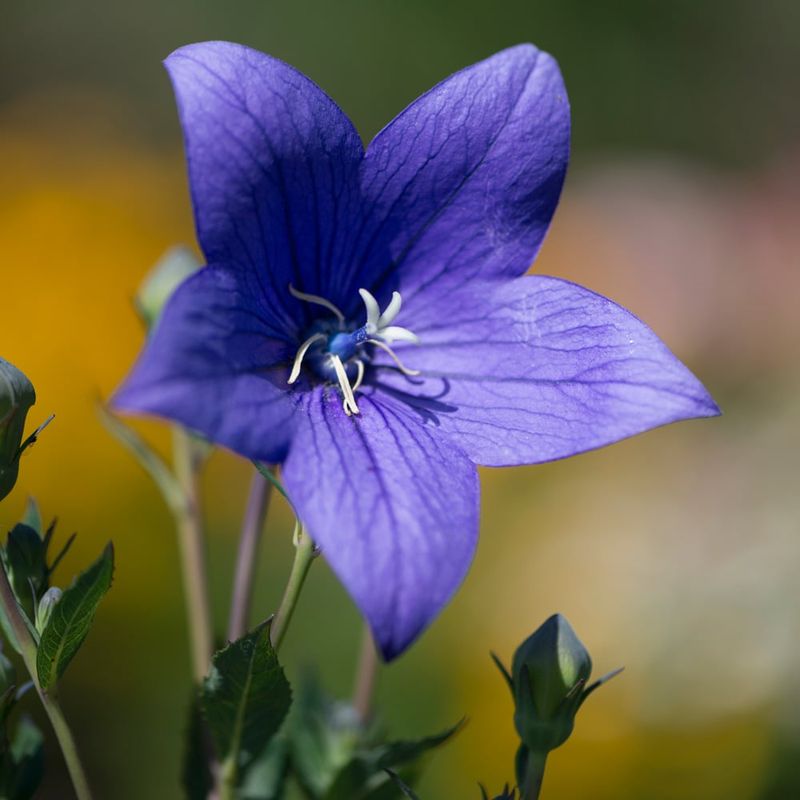
Balloon Flowers, or Platycodon grandiflorus, captivate with their unique balloon-like buds that burst into star-shaped blooms. Available in shades of blue, they add whimsy to any garden. This perennial is hardy and easy to care for, flourishing in well-drained soil.
Balloon Flowers’ playful buds are a delight for children and adults alike, offering interactive gardening fun. Their long-lasting blooms attract bees and butterflies, contributing to a biodiverse environment. As summer advances, their striking blue flowers create a colorful spectacle.
With charm and resilience, Balloon Flowers bring joy to garden landscapes.
8. Camassia
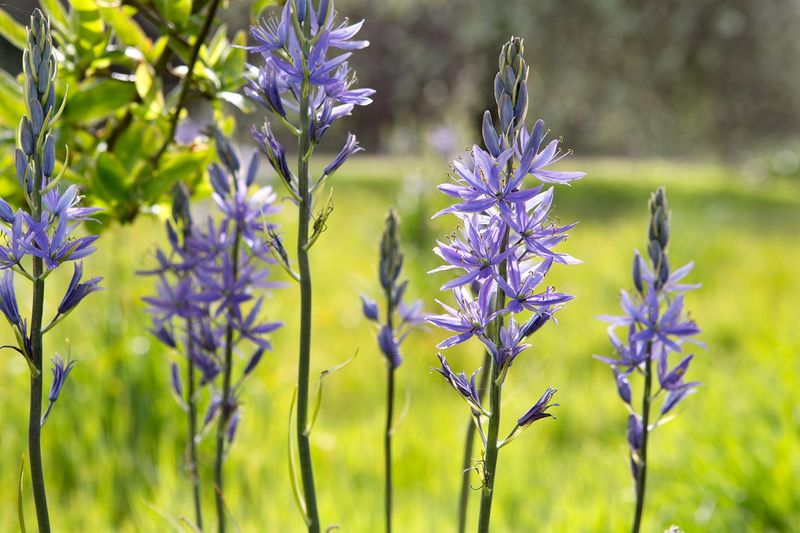
Camassia, with its spiky blue flowers, is a testament to nature’s elegance. This perennial, native to North America, flourishes in moist meadows and prairies. Its tall stalks and dense blooms create an impressive display, reminiscent of a sea of blue.
Camassia thrives in wet conditions, making it ideal for water gardens and rain gardens. Its bulbs were historically a food source for indigenous peoples, adding a layer of cultural significance. Despite its beauty and utility, it remains lesser-known among gardeners.
Camassia’s graceful presence is a reminder of wild beauty often overlooked.
9. Caryopteris
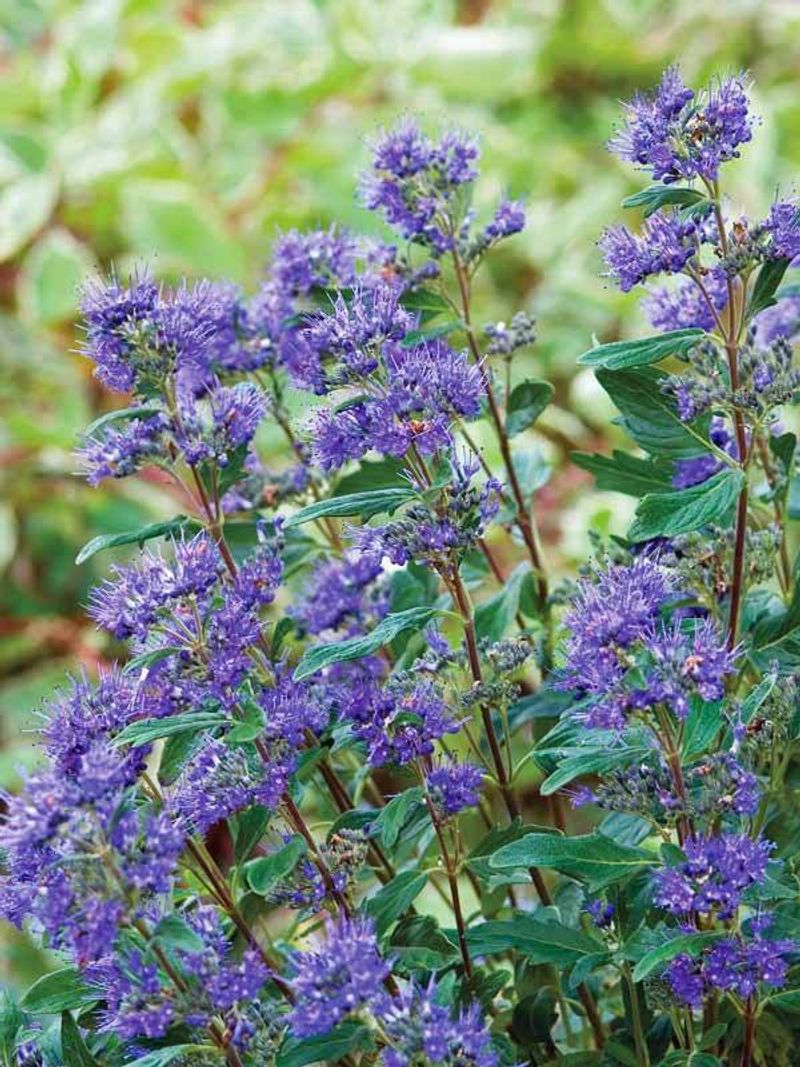
Caryopteris, often called Blue Mist Shrub, is a delightful perennial known for its clusters of blue flowers that bloom in late summer. Its silver-green foliage complements the vibrant blooms, creating a harmonious garden feature. This shrub thrives in sunny locations with well-drained soil.
Beyond its beauty, Caryopteris is a magnet for pollinators, attracting bees and butterflies with its nectar-rich flowers. It’s also deer-resistant, adding to its appeal as a low-maintenance choice for landscapes.
Caryopteris stands as a beacon of color and vitality in the late summer garden.
10. Anchusa
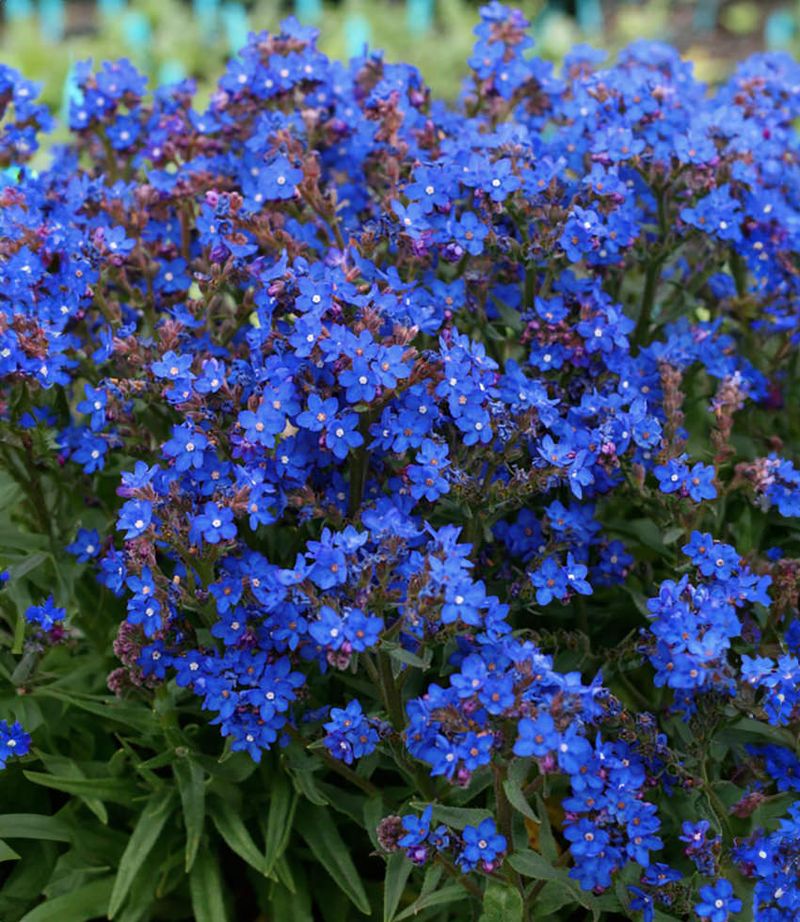
Anchusa, with its intense blue flowers, is a striking addition to cottage gardens. This perennial, often likened to the shade of the sky, produces clusters of small, vibrant blooms. Its long flowering season ensures a splash of color throughout the summer months.
Despite its delicate appearance, Anchusa is hardy and thrives in full sun and well-drained soil. It’s a favorite among pollinators, supporting garden biodiversity. Anchusa’s roots have been used historically for dyeing, showcasing its practical applications alongside its beauty.
Its vivid presence enlivens any garden with natural splendor.
11. Lungwort
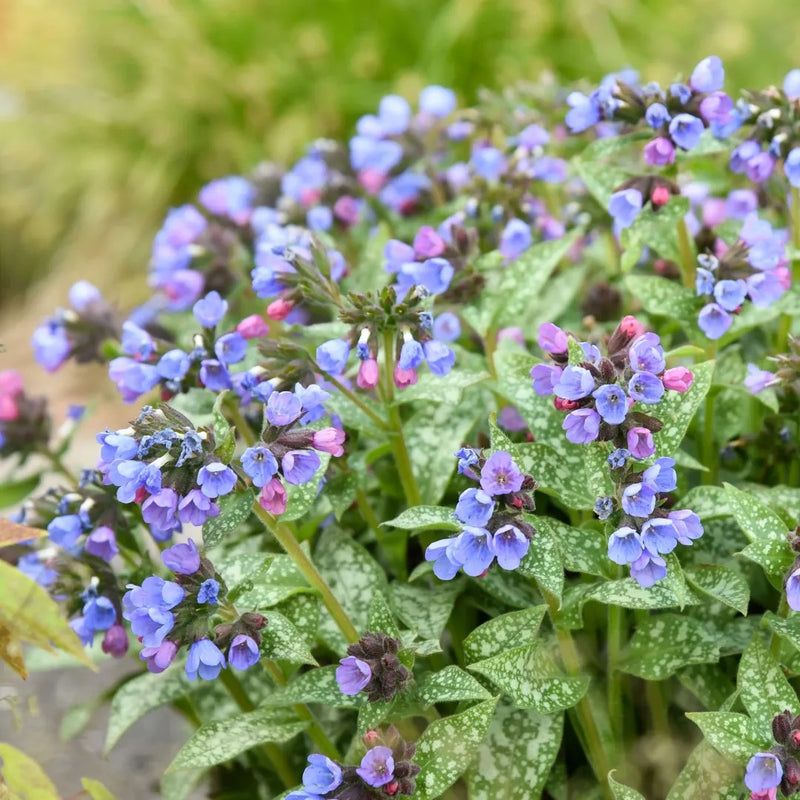
Lungwort, or Pulmonaria, enchants with its clusters of blue and pink flowers, set against variegated foliage. A shade-loving perennial, it brightens woodland gardens with its playful color changes. As the flowers mature, they shift from pink to blue, offering dynamic visual interest.
Historically, Lungwort was believed to have medicinal properties, used to treat respiratory ailments, which is reflected in its name. Its spotted leaves add texture, making it a favorite for shady spots.
Lungwort’s transformative blooms and historical roots create a garden experience rich in color and tradition.
12. Veronica
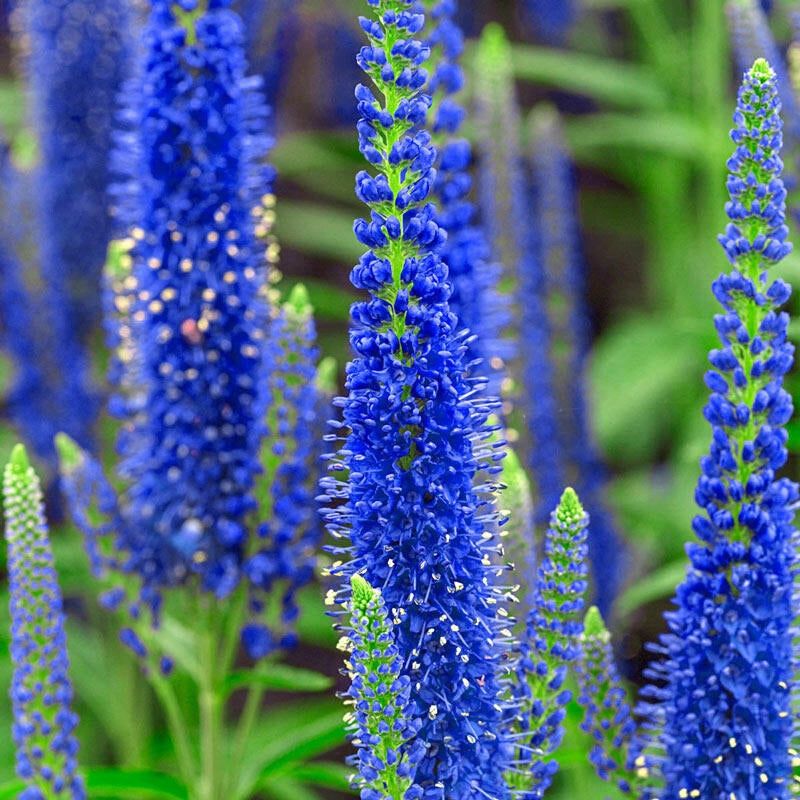
Veronica, also known as Speedwell, delights with its spires of blue flowers that rise above a mat of green foliage. This perennial is versatile, thriving in a variety of garden settings, from borders to containers. Its long blooming season ensures continuous color.
A favorite among gardeners, Veronica attracts pollinators, enhancing garden biodiversity. Its low-maintenance nature makes it an ideal choice for those seeking beauty without hassle. Veronica’s blooms were once used in herbal remedies, adding to its allure.
With its graceful spires, Veronica adds vertical interest and timeless charm to any garden.
13. Perennial Flax
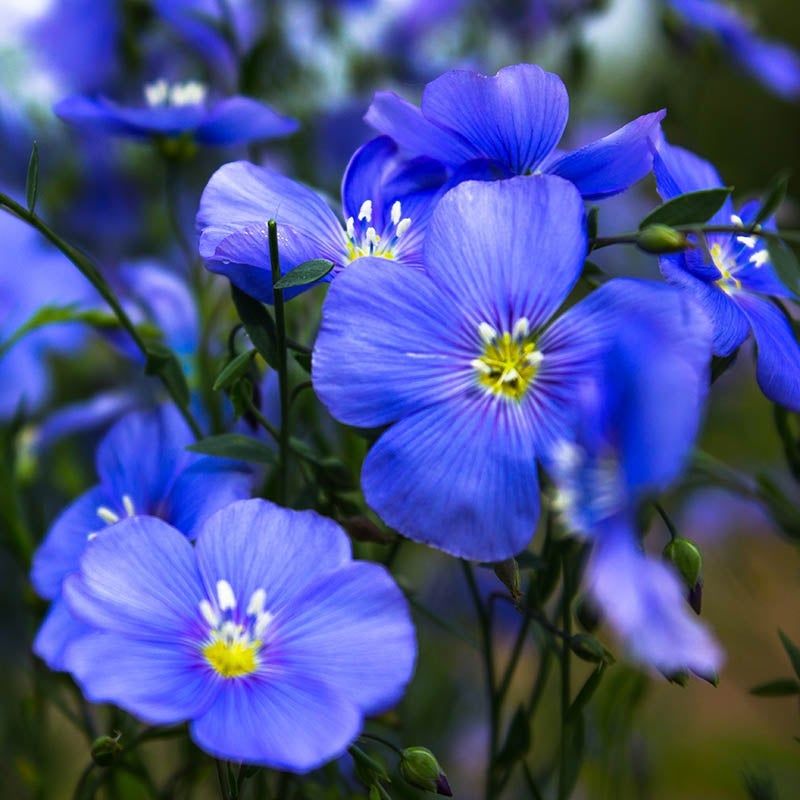
Perennial Flax, with its delicate blue flowers, brings a touch of airy elegance to gardens. This perennial, known scientifically as Linum perenne, is noted for its fine foliage and graceful blooms. Each flower lasts only a day, but new ones open daily, ensuring a continuous display.
Thriving in sunny, well-drained locations, Perennial Flax is drought-tolerant and easy to care for. Its slender stems and sky-colored flowers sway gracefully, creating a sense of movement.
Despite its beauty, Perennial Flax remains underappreciated, quietly adding charm and resilience to garden spaces.
14. Lobelia
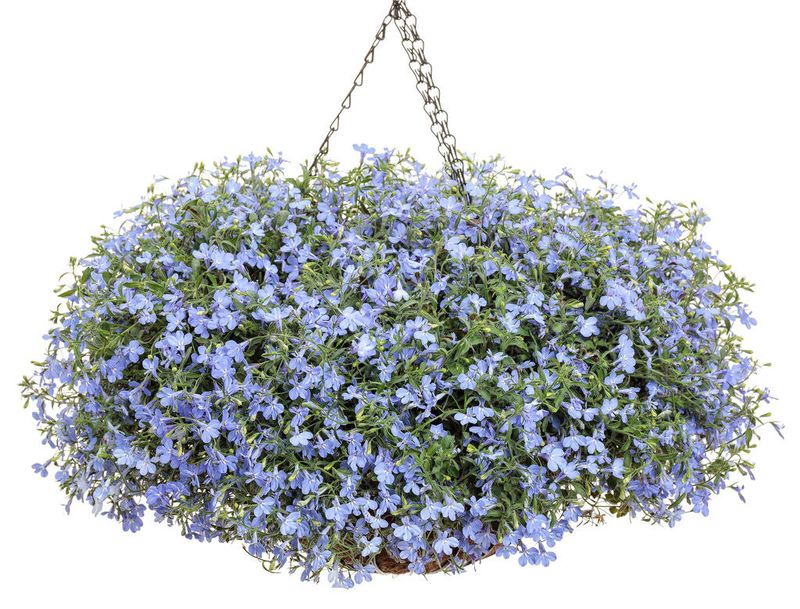
Lobelia, known for its vibrant blue flowers, is a versatile perennial that thrives in containers and hanging baskets. Its cascading blooms create a waterfall of color, perfect for brightening patios and porches. This plant loves moist conditions and partial shade.
Lobelia attracts hummingbirds, adding life and movement to garden spaces. Its compact size makes it ideal for small gardens, offering big impact with little space.
Despite its striking appearance, Lobelia is easy to grow, providing cascades of blue with minimal effort. It’s a jewel in any garden’s crown, offering elegance and vibrancy.
15. Echinops
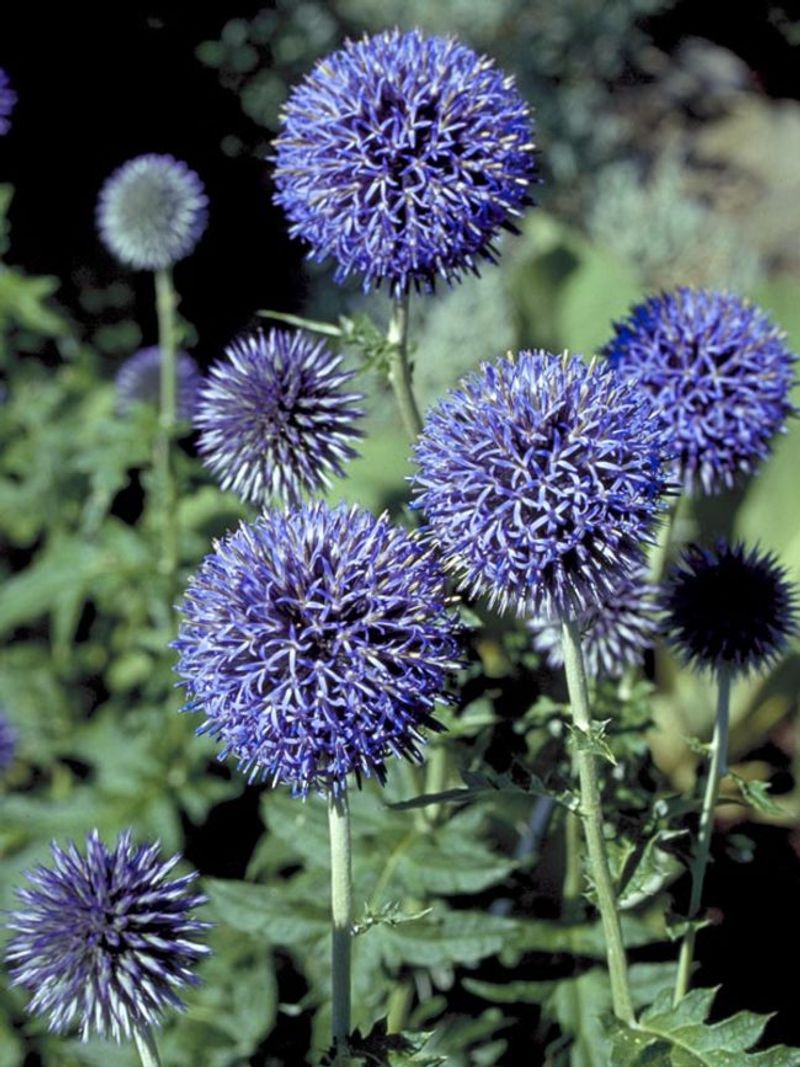
Echinops, or Globe Thistle, captivates with its spiky blue globe flowers that add architectural interest to gardens. This perennial thrives in sunny, well-drained spots, offering a striking silhouette against garden borders. Its unique texture and form make it a focal point.
Echinops is drought-tolerant, requiring minimal care once established. Its blooms attract bees and butterflies, supporting garden wildlife. Historically, its flowers were used in traditional remedies, adding a layer of intrigue.
With its bold presence and resilient nature, Echinops stands out as a statement plant in any garden landscape.