
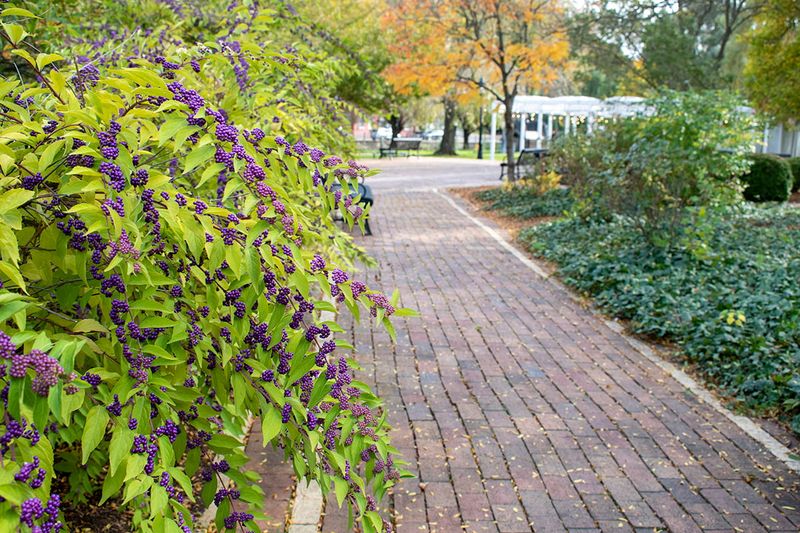
Some of the most useful shrubs in a North Carolina yard are the ones that never get much attention. This native plant puts on a show of bright purple fruit in late summer and fall, and birds may use it as a seasonal snack.
Fall can be a good time to get it in the ground, though the right timing depends on where you live and what the weather is doing. Here is how to decide if it fits your yard.
A North Carolina native with vivid seasonal fruit
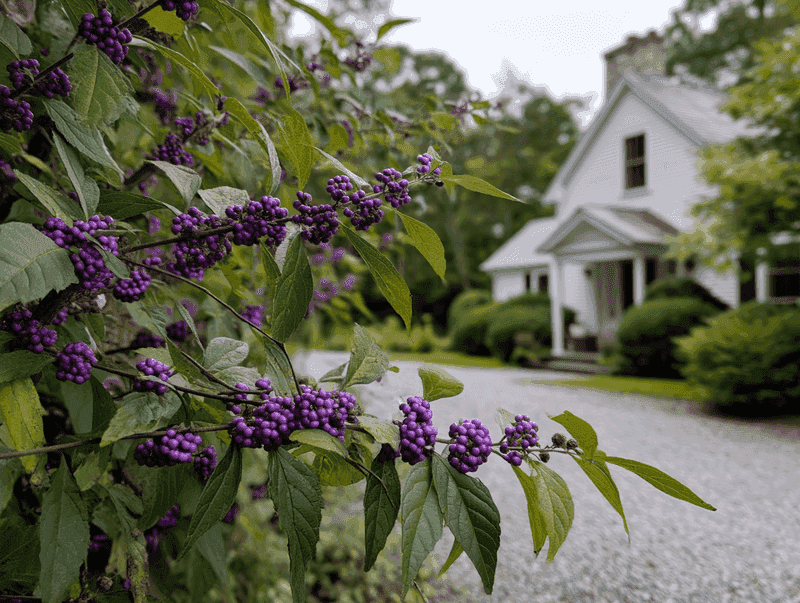
Few native shrubs announce themselves quite like American beautyberry (Callicarpa americana). NC State Extension’s plant profile lists it as native to North Carolina and adaptable across the Coastal Plain, Piedmont, and Mountains.
That range makes it a practical candidate for many yards, not just a few.
Calling it overlooked is an editorial opinion, not a measured ranking. No one has counted which shrub gets the least attention.
Still, many homeowners walk past it at the nursery because, for most of the year, it looks like a modest green shrub.
The payoff comes in late summer, when the stems fill with tight clusters of purple berries. It is deciduous, so the leaves drop in autumn and the bare, arching branches take over the winter scene.
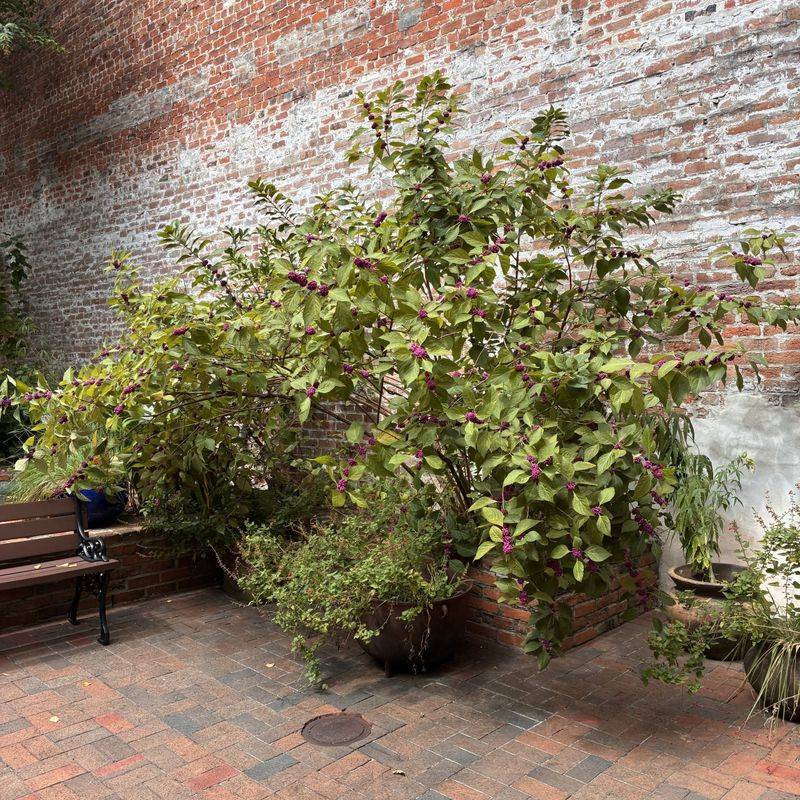
According to the Extension plant toolbox, it generally grows about 3 to 8 feet tall and 3 to 6 feet wide.
Picture a loose, rounded shrub about the size of a large armchair to a small sofa. That fits along a fence line, at the edge of a wooded border, or as a backdrop for shorter perennials.
If you have room for a shrub that size and want something native with a seasonal highlight, it deserves a closer look.
Fall can be a good planting opportunity, not a statewide deadline
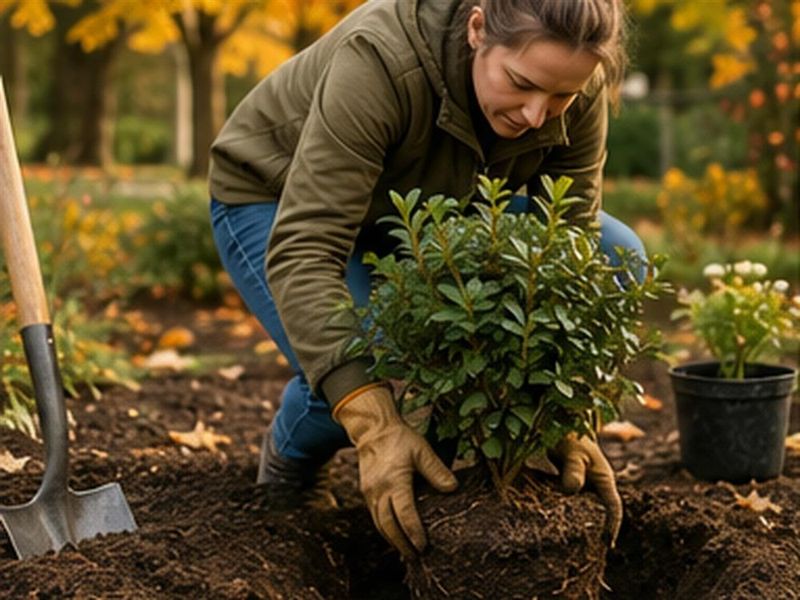
Autumn planting works in a woody plant’s favor for a simple reason. The air cools and the top of the plant slows down, while the soil often stays warm enough for roots to keep working.
NC State’s woody ornamentals guidance says late fall is a good time for many container-grown woody plants, and that fall planting works well for most native species.
The payoff is a head start. Roots get a chance to settle in before the stress of spring growth and summer heat arrives.
That is an advantage, not a promise, since plant health, site, weather, and aftercare all matter.
Roots do not grow all winter everywhere. The same guidance says they slow or stop once soil temperatures drop to roughly 40 to 45 degrees Fahrenheit.
A shrub planted after the soil has chilled will not be building much root.
Timing also changes across the state. Extension guidance from Beaufort County gives a typical window of mid-September to early December, and that applies to eastern North Carolina.
In the mountains, soils cool sooner, and small or recently transplanted plants can be pushed up by freeze and thaw cycles.
A simple check helps. Stick a soil thermometer a few inches down in the morning, look at the extended forecast, and ask a local Extension office about your area.
Those readings tell you more than any calendar date.
Match the planting site to beautyberry’s needs
Before you buy a plant, walk the yard with a notebook. Beautyberry does best in full sun to part shade, and the NC State plant profile notes it does not tolerate deep shade.
A spot under a dense evergreen canopy will likely disappoint.
Drainage matters too. The shrub wants well-drained soil, so skip low spots where water sits after a rain.
If a corner stays soggy for days, pick another location.
Size is the next check. With a mature spread of 3 to 6 feet and a height up to 8, it needs elbow room.
Measure from the nearest walkway, wall, or neighboring plant and leave space for the full width.
A site that fits is the best way to keep maintenance down. NC State’s wildlife landscaping publication explains that native plants can be relatively low-maintenance once established, as long as they suit the light, soil, and moisture conditions where they are planted.
Native status alone does not guarantee success. A young shrub still needs attention during its first seasons, especially watering during dry spells.
Good siting simply means you will be doing less rescue work later.
Plant the root ball wide, not deep
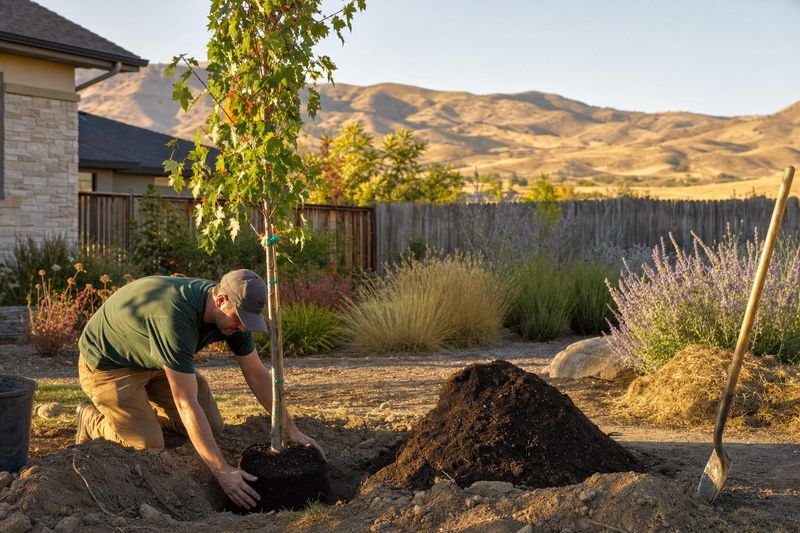
Start with the hole. NC State recommends digging it no deeper than the root ball and two to three times as wide.
Loosened soil on the sides gives new roots an easy path outward.
Slide the shrub out of its container and check the roots. If they circle the outside, tease a few loose with your fingers.
Then set the plant so the top of the root ball sits at or slightly above the surrounding grade.
Backfill with the soil you removed and press it gently to close air pockets. Water slowly and thoroughly so the soil settles around the roots.
The Extension Gardener Handbook backs this sequence for container-grown woody plants.
Finish with 2 to 3 inches of organic mulch, such as shredded hardwood or pine bark. Pull it back so it stays at least 6 inches from the crown of the plant.
Mulch piled against the stem holds moisture where you do not want it.
Plan on checking soil moisture through the first months, especially if fall turns dry. Good technique improves the odds, but it cannot promise a result, since weather and plant condition still play a part.
The fruit brings seasonal color and a possible food source for birds
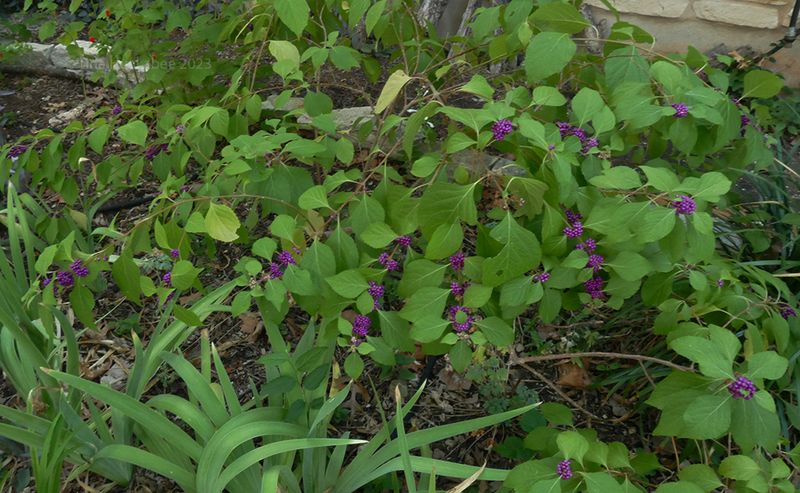
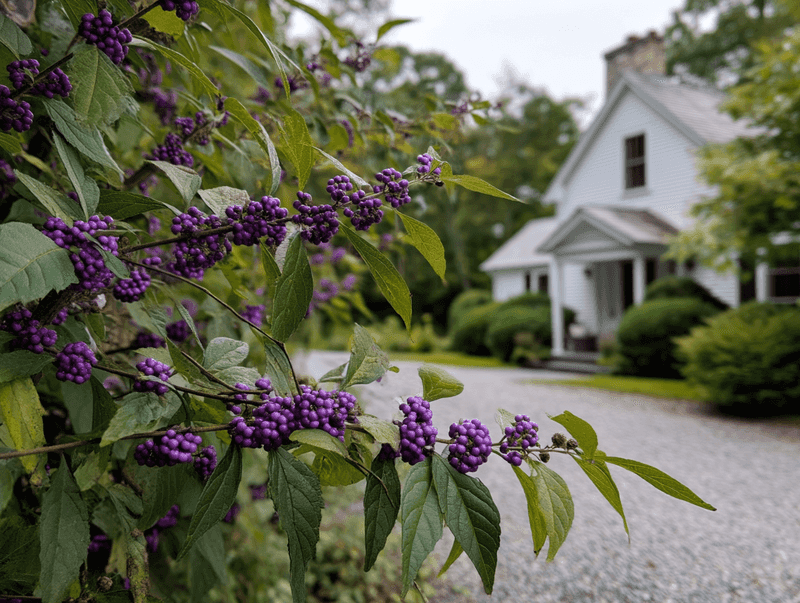
The beautyberry calendar has a few clear stops. Small flowers show up in late spring or early summer, and the purple-to-blue fruit develops mainly from August through October.
NC State’s plant profile says the berries may persist into early winter, so expect color for a while, not all season long.
Birds are part of the story. An NC State bird habitat table lists beautyberry fruit as available from August to November and names robins and mockingbirds among the birds that benefit.
Think of it as one seasonal food source in a yard, not a guarantee that birds will come to yours.
Fruit production may also improve when similar shrubs grow nearby, according to the same plant profile. That is a possibility worth considering if you have space for a small group, not something to count on.
Patience is part of the deal. NC State cautions that wildlife benefits from native plantings can take three to five years to become apparent.
Pair the shrub with other native plants that offer food and cover at different times of year. A single plant helps, but a varied planting gives wildlife more reasons to stick around.
Let your region and the weather guide the decision
Plant beautyberry only where the light and drainage fit, use the installation steps above, and check conditions at home first. NC State’s guidance and eastern-region advice both treat fall as an opportunity, not a countdown.
If your soil is still workable and your forecast looks mild, you may have room to plant. If a hard freeze is close or the ground is cold, waiting for spring is a sound choice.
A shrub in the right spot gets to work long before you notice it.