
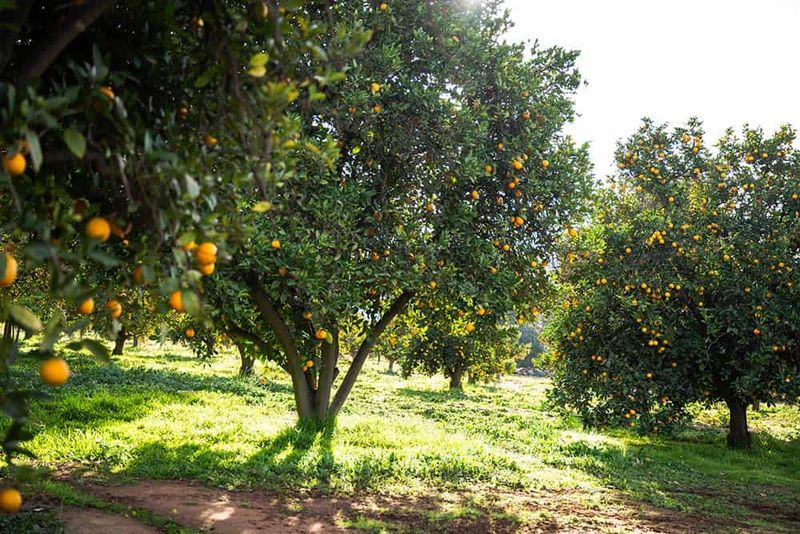
Your citrus tree does not own a calendar, but it does respond to the weather around it. When California nights cool and the first rains show up, some of your usual habits may need a tweak.
Others may not need to change at all. Here is how to tell the difference, so your tree stays healthy and you stop second-guessing every hose and fertilizer bag.
Adjust care as weather changes, not by the calendar
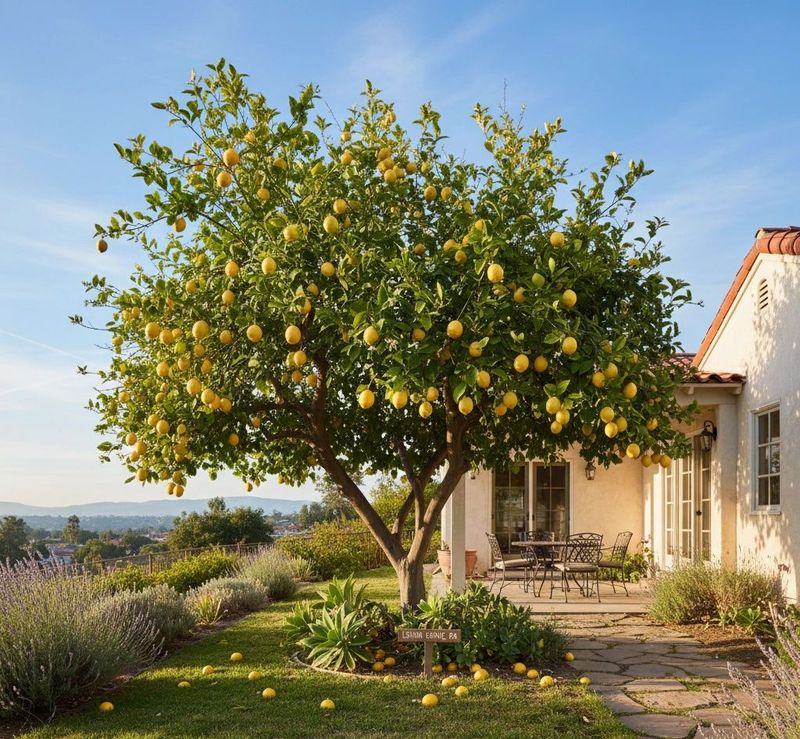
Cooler weather and seasonal rain may mean an established citrus tree needs water less often than it did in July. That is a useful shift, but it is not a rule that switches on the first chilly night.
Plenty of California yards stay warm and dry well into fall, and a tree there may still be drinking like it is summer.
Where you live matters a great deal. A coastal yard with foggy mornings, an inland valley that swings from hot days to cold nights, and a foothill lot with fast-draining soil will all behave differently.
Rainfall, soil type, drainage, and exposure to sun and wind change how fast the ground dries out.
The best guide is the tree and the soil under it. According to UC Master Gardeners of Santa Clara County, established trees should be watered less often as the weather cools, and irrigation should be skipped when it rains.
That is guidance about responding to conditions, not about following a set date.
California’s Mediterranean climate adds another wrinkle. Winters bring rain in some years and long dry spells in others, a pattern described in UC Master Gardener guidance from Alameda County.
So your plan has to stay flexible from one week to the next.
One more thing to keep straight: the goal of seasonal adjustments is sound tree care. Healthy roots, steady moisture, and sensible feeding protect the tree.
They are not a trick for sweeter fruit, a point we will come back to when we talk about tasting.
Think of the next several sections as a set of checks. Some will apply to your tree, and some will not, depending on its age, its pot or planting spot, and your local weather.
Let soil moisture guide established-tree watering
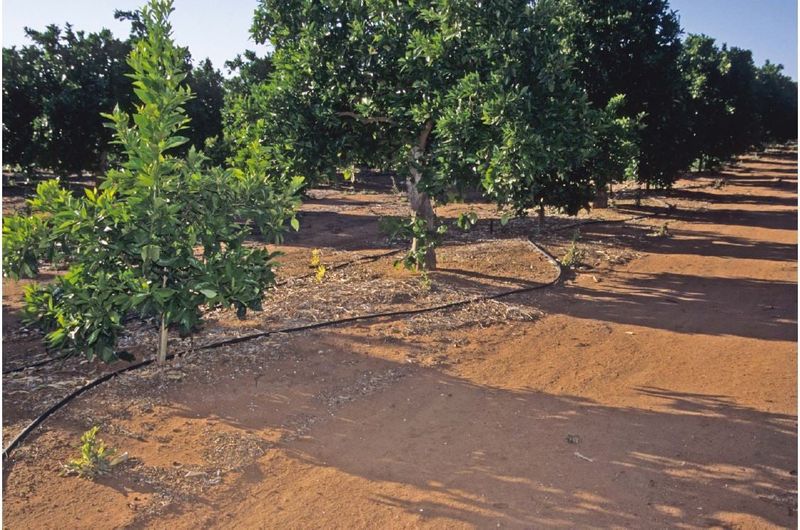
Before you turn on the irrigation, put your hands in the dirt. For an established tree planted in the ground, dig down under the canopy and feel the soil.
UC Master Gardeners suggest waiting until the top 3 to 6 inches have dried out before you water again, as laid out in their Growing Great Citrus guide.
A trowel, a long screwdriver, or even a finger works for the check. If the soil at that depth is damp and cool, the tree can wait.
If it is dry and crumbly, it is time. Check a few spots around the tree, since one side may get more sun or sit on a slope that drains faster.
Treat that depth as a starting point, not a law. Sandy soil dries fast and may need a look more often.
Heavy clay holds water for days and can stay soggy long after you think it should have dried. Your own soil and weather can override any number you read.
Where the water lands matters too. Aim it under the canopy and a bit past the drip line, which is the circle on the ground beneath the outer leaves.
That is where the feeder roots are working.
Keep water from pooling against the trunk. A wet trunk base invites disease, so shape a shallow basin or move emitters outward if puddles collect near the bark.
If you use drip lines or a timer, give the settings a fresh look as the weather shifts. A timer set for August will keep running in a cool, wet week unless you change it.
Check young and container trees more closely
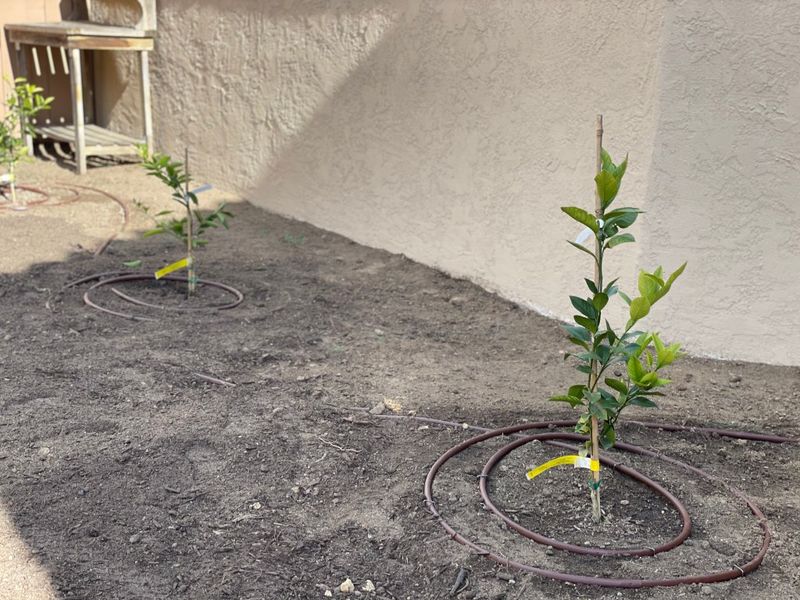
Not every citrus tree follows the established-tree playbook. A tree planted this year has a small root ball, and those roots have not yet spread into the surrounding soil.
The root ball should stay moist but not soggy, and the UC Master Gardener citrus guide makes that distinction for new plantings.
Checking means feeling the root ball itself, not just the soil a foot away. A new tree can sit in dry-looking native soil while its roots are still in the nursery mix, and either one can fool you.
Press a finger in near the trunk and see what is happening there.
Container trees have their own rhythm. A pot holds a limited amount of soil, so moisture can run out faster than it would in the ground.
A bigger tree in a smaller pot dries even quicker, and a dark pot in afternoon sun can heat up fast.
Tree age and potting mix both shape the pace. Fresh, loose mix drains and dries quickly, while older, compacted mix may hold water longer than you expect.
Lift the pot or poke into the mix rather than guessing.
As growth slows in winter, container trees often need water less frequently. That point comes from Texas A&M guidance on citrus, and it is a general pattern, not a California schedule.
Make sure drainage holes stay open so extra water can leave. A pot sitting in a full saucer can hold roots in standing water, which is the opposite of what you want.
Keep watering through dry winter stretches
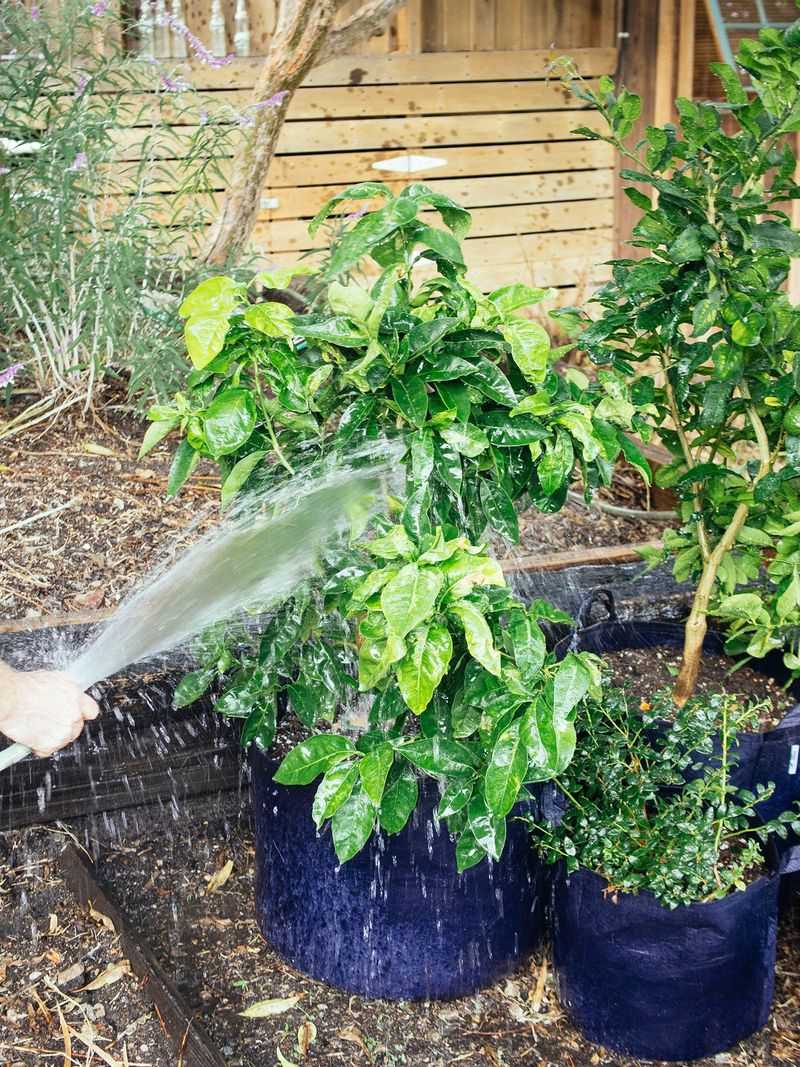
“Water less often” can slide into “stop watering” without anyone noticing. California winters do not always cooperate.
Some years bring steady storms, and others bring weeks of clear, dry skies, which is just the pattern described by UC Master Gardeners in Alameda County.
Citrus are evergreen. The leaves stay on through winter, and the roots keep working, so a tree can run short during a dry stretch even when the air feels cold.
A rainless month in January is a good time to look closely at your tree instead of assuming the season has handled it.
Let rainfall be your cue. A good soaking storm may cover you for a while, while a light sprinkle may barely wet the surface.
If the weather has been dry and the ground is drying out, supplemental water is reasonable, and you can skip it while it is actually raining.
The other side of the story is just as real. Too much water can contribute to root and crown rot, and cool soil dries slowly, so an extra drink can linger around the roots.
UC IPM’s watering guidance points out that overwatering is a common way to hurt citrus.
Warning signs of too much water include wilting leaves in wet soil, leaf drop, and a trunk base that stays damp or looks dark and weepy. Wilting can also mean dryness, which is why you should look at the soil before you decide.
The takeaway is balance. Dry spells call for a deliberate drink, and wet spells call for patience.
Avoid routine late-season nitrogen
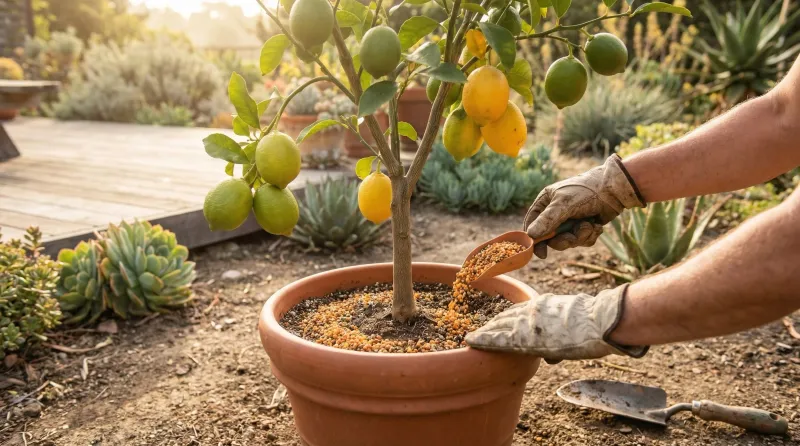
A bag of fertilizer in the garage can make fall feel like feeding season. For citrus, it usually is not.
Nitrogen is the nutrient most trees need, but timing matters more than most people expect.
According to UC IPM’s fertilizing guide, nitrogen is mainly applied in January or February, in May, and possibly in June. It also warns that late-season fertilizer can affect fruit quality, delay coloring, and roughen the rind.
There is a cold-weather angle as well. Nitrogen can push out soft new growth, and that growth is vulnerable when temperatures drop.
The California Department of Food and Agriculture’s citrus guidelines say nitrogen applications should be finished by early fall to reduce that late growth.
You may find advice that sounds different, and some of it is legitimate. UC IPM notes that organic materials such as manure or bloodmeal may be applied under the canopy in fall.
A UCANR article on fertilizer timing allows that nitrogen timing may stretch into early fall in some coastal Southern California settings.
Those exceptions do not add up to a blanket October feeding plan. Your local frost timing, the kind of fertilizer, the tree’s condition, and what you applied earlier all play a part.
A tree that got fed in May and looks fine likely does not need more.
If you are unsure, check the tree and your records first. Skipping a late feeding is rarely a problem, while an ill-timed one can cause trouble.
Diagnose yellow leaves before feeding
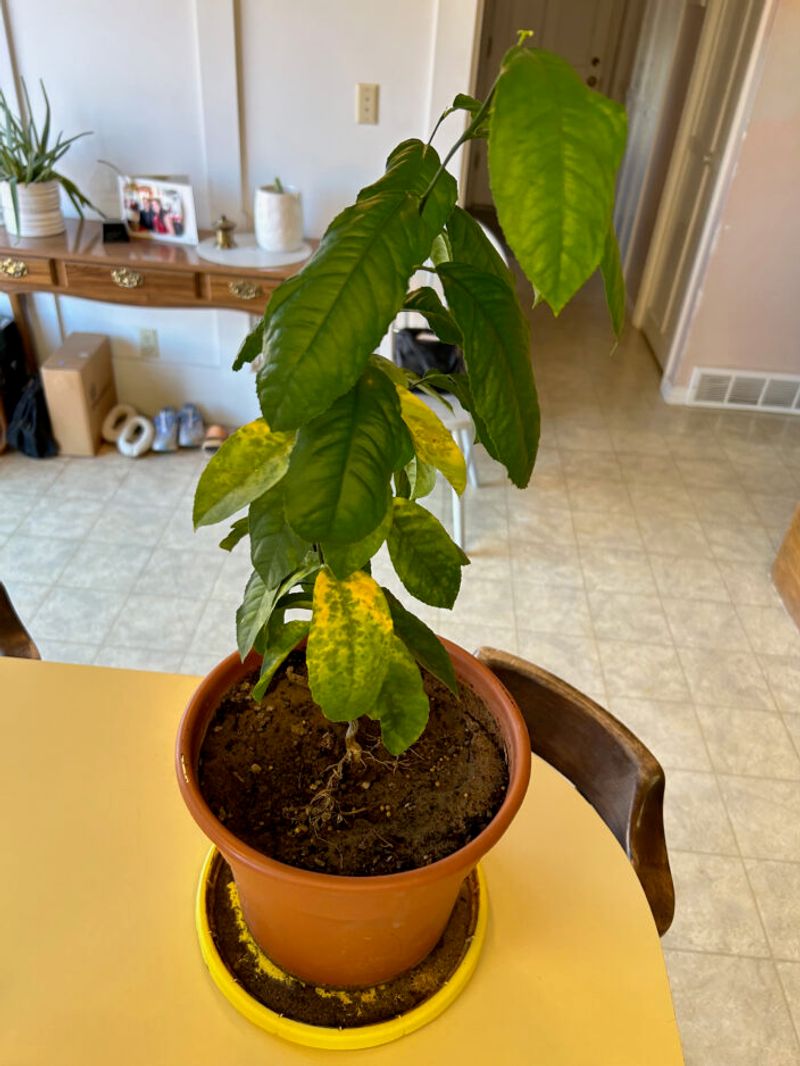
Yellow leaves in winter can make a citrus owner reach straight for fertilizer. Hold off for a moment.
Yellowing is a symptom, and nitrogen shortage is only one possible cause.
Cold, wet soil can reduce how well roots take up nitrogen, even when the nutrient is in the ground. UC Master Gardeners note that citrus may yellow in winter for this reason.
If nitrogen is adequate, leaves may green up on their own as the soil warms and dries.
So look at the conditions first. Has it been rainy and cold?
Is the soil soggy or the drainage poor? Is the tree in a pot that stays wet?
Those clues point to a soil problem rather than a hungry tree.
Next, consider the tree. Check how it was fed during the year, how old it is, and whether new growth looks healthy.
A tree that got its regular feeding earlier may simply be waiting out the cold.
Feeding a tree that does not need it carries real downsides. As UC IPM cautions, late fertilizer can affect fruit quality and rind condition.
Adding nitrogen to cold, soggy soil also does little good if the roots cannot use it.
A good approach is to wait and watch for a few weeks, fix any drainage or watering issues, and see whether the color returns as spring approaches. If the leaves stay pale once the soil has warmed and dried, that is a better moment to dig deeper into the cause.
Treat frost preparation as a separate watering decision
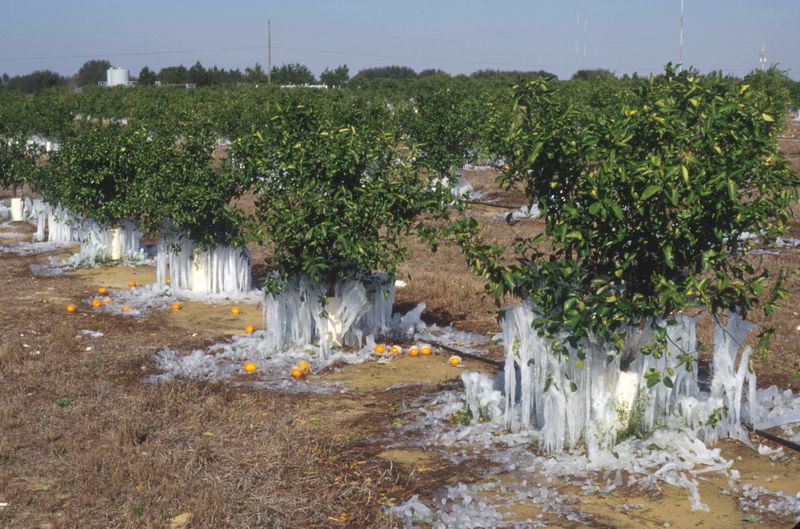
Frost prep is its own task, and it should not be confused with your regular seasonal irrigation. When a freeze is forecast, UC IPM advises irrigating dry topsoil at least three days beforehand.
Moist soil holds heat better than dry soil, which can help protect the roots and lower canopy.
Notice what that does and does not say. It is aimed at dry topsoil, ahead of a real forecast.
If the ground is already damp from rain, you probably do not need to add more.
It also does not mean flooding the yard or running sprinklers over the leaves all night. UC IPM explains that flooding and continuously wetting foliage are generally not landscape practices.
Ice buildup, standing water, and electrical hazards are real concerns.
Remember that one chilly night does not predict damage. According to UC IPM’s citrus cultural tips, cold injury depends on how long the cold lasts, the weather beforehand, the tree’s exposure, the variety, and how mature the fruit is.
A tree on a protected, south-facing wall faces different odds than one in an open low spot where cold air settles. Some varieties handle cold better than others, and a spell of mild weather beforehand can leave a tree less prepared.
So watch the forecast rather than the thermometer on a single evening. Water dry soil ahead of a predicted freeze, skip the extras, and keep your regular soil-checking habit the rest of the season.
Taste fruit instead of judging it by color
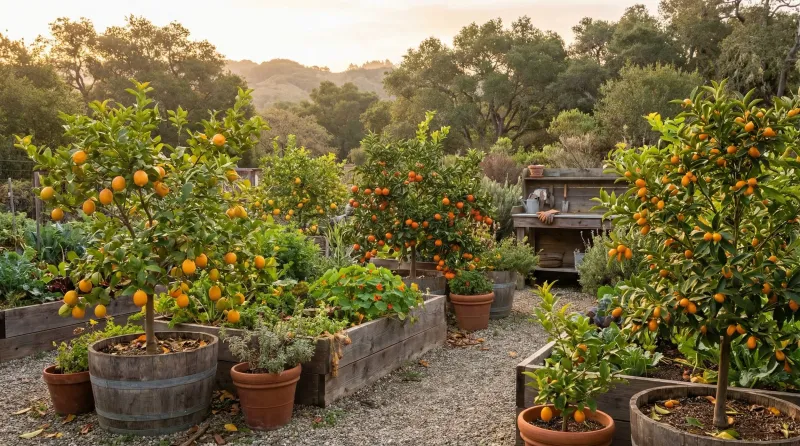
Few things feel more promising than the first orange-tinted rinds of the season. Cool nights can prompt that color change, according to UC IPM.
But a colorful rind is not proof that the fruit inside is sweet or ripe.
Color is a poor gauge of maturity. Some fruit can look fully colored and still taste sharp, while other fruit can hold a hint of green and be ready to eat.
Varieties differ, and so do local conditions, which is why a neighbor’s harvest date will not match yours.
Nothing in your watering or feeding routine is a guarantee, either. A change in care can keep a tree healthy, but it does not make fruit sweeter on its own.
Sound care protects the tree, and the fruit ripens on its own schedule.
The reliable test is simple: taste it. UCANR advises using taste rather than rind color to decide when to harvest citrus.
Pick one fruit, cut it open, and see how it is.
Do the tasting while fruit is still on the tree. Harvested citrus does not continue becoming sweeter, so a fruit picked early will not improve on the kitchen counter.
If the first sample is tart, wait a week or two and try another from the same tree. Keep a few notes on dates and flavor, and next year you will have a handy local guide of your own.
Follow conditions, not a fall formula

Soil moisture and rainfall steer irrigation, and your tree’s age and setup tell you how closely to watch. Late nitrogen stays off autopilot, as UC IPM advises, and yellow leaves get a diagnosis before a feeding.
When fruit starts to color, taste it instead of trusting the rind. Local weather and your own yard will shape every choice, so no two trees need exactly the same plan.
The UC Master Gardener guide is a solid companion for the details.
Your tree already knows the season, so let the soil and the fruit tell you the rest.