
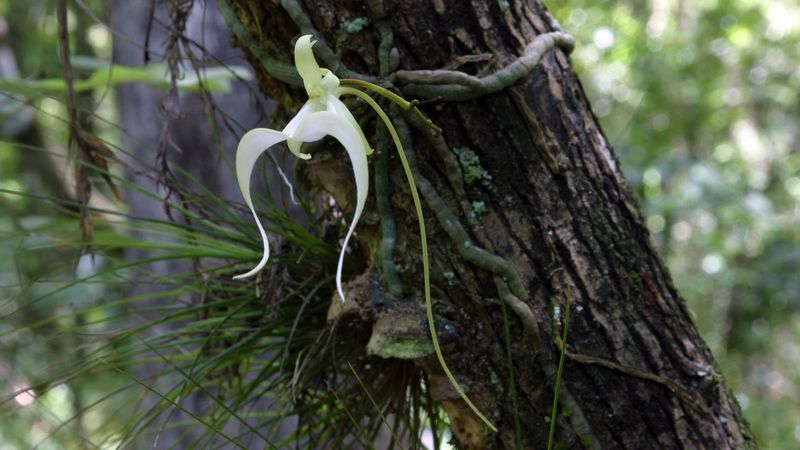
Hydrangeas look dreamy in photos, but many Florida yards make them struggle with heat, sandy soil, and sticky air. The good news is that Florida has native plants with big color, lush leaves, and wildlife value that fit our weather much better. These choices can bring that full, garden-party look without asking you to fight your climate every weekend.
1. Oakleaf Hydrangea
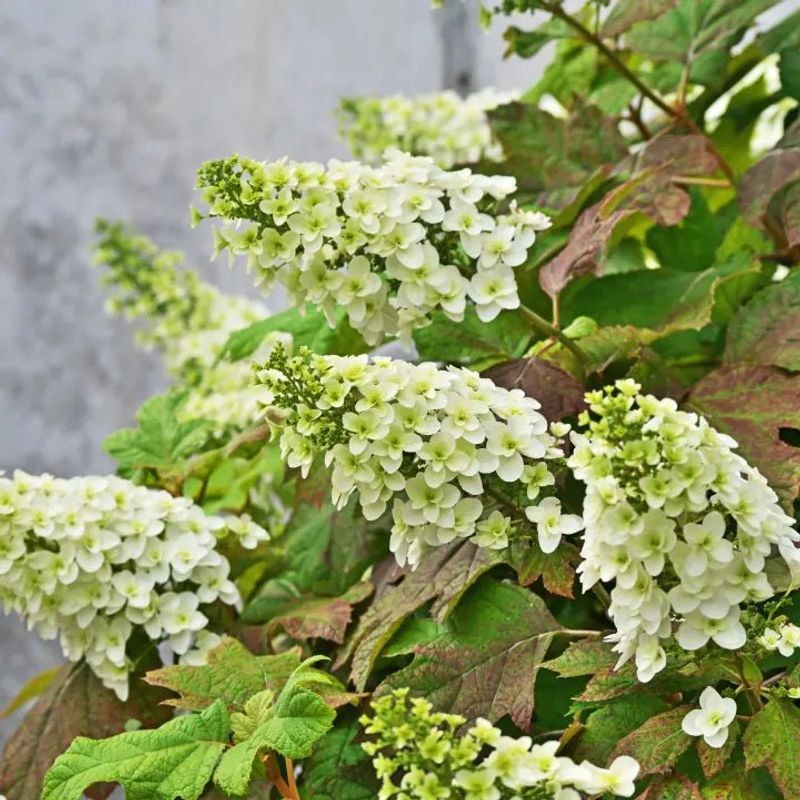
Here is the closest native swap for gardeners who still love the hydrangea look. Oakleaf hydrangea gives you bold leaves, creamy flower clusters, and a soft woodland feel, but it is far better matched to parts of Florida than the classic bigleaf hydrangeas sold for cooler climates.
Native to the southeastern United States and recommended in Florida-friendly landscapes, it performs best in North Florida and some protected Central Florida spots. Give it morning sun, afternoon shade, and soil improved with compost or leaf mulch, since pure sugar sand dries out too fast for a young plant.
The leaves are part of the show. In cooler areas, they can turn burgundy or bronze in fall, which is a rare treat in Florida gardens. The dried flower heads also add texture after the main bloom fades, so the shrub earns its space for more than one season.
Unlike many thirsty hydrangeas, oakleaf hydrangea can settle into a lower-maintenance rhythm once established. It is not a beach-dune plant or a full-sun parking-lot plant, but in the right shaded bed, it brings that romantic hydrangea mood with a native backbone.
2. Virginia Sweetspire
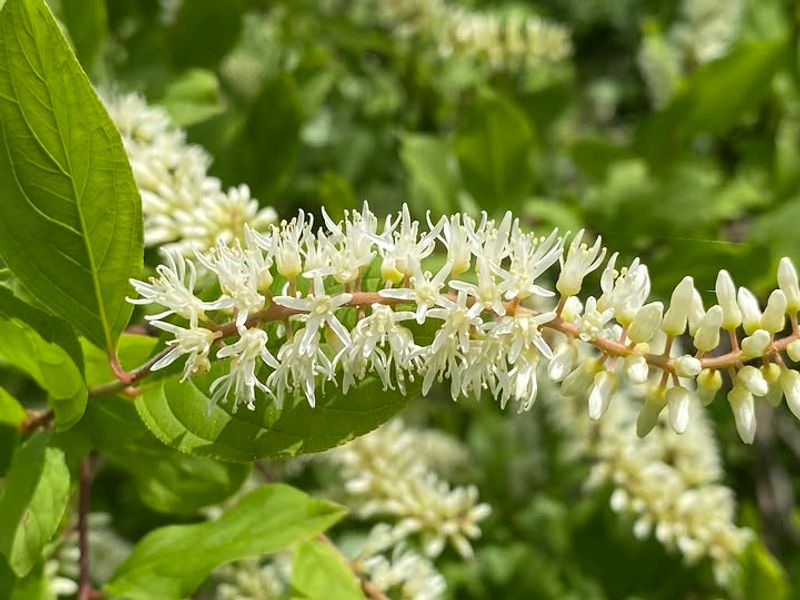
A soggy low spot in the yard does not have to become a mosquito-looking mess. Virginia sweetspire can turn those damp corners near downspouts, swales, or rain gardens into a graceful planting with white, fragrant flower tassels.
Florida gardeners often need plants that can handle both wet feet and dry spells, because summer storms and fast-draining sand do not always play fair. Sweetspire is useful because it tolerates moist soil yet can adapt once its roots are established. That makes it a smart pick for yards that flood briefly after heavy rain.
The flowers appear in arching sprays that feel lighter and more relaxed than hydrangea blooms. Bees and butterflies visit them, adding movement to the garden while supporting local wildlife. In North and Central Florida, the foliage may also blush red or burgundy in fall.
Plant it where it gets part sun to light shade for the best balance of flowers and leaf color. A loose mulch ring helps protect the roots, reduces weeds, and keeps sandy soil from baking during hot spells. If hydrangeas feel too fussy near a wet walkway, sweetspire may be the native shrub that finally makes that spot behave.
3. Firespike
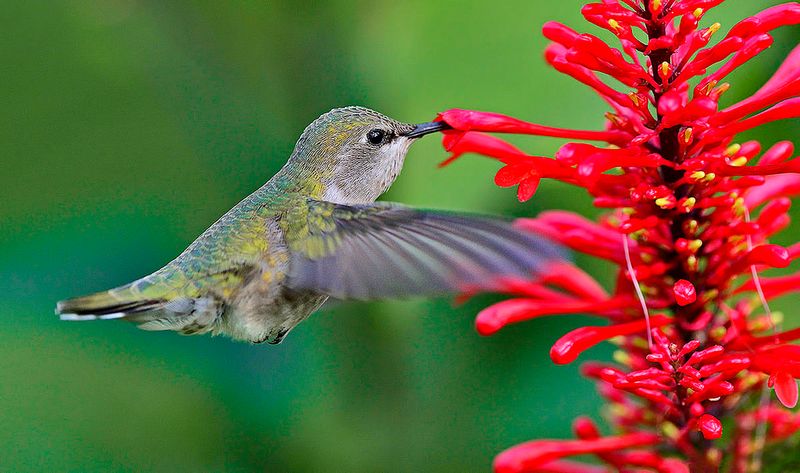
Hummingbirds seem to find firespike as if someone rang a dinner bell. Its upright red flower spikes bring a completely different kind of drama than hydrangeas, more tropical, more vertical, and much better suited to steamy Florida shade.
Firespike is native to Florida and shines in Central and South Florida gardens, especially where filtered light keeps the leaves lush. In colder North Florida winters, it may die back and return from the roots in protected sites. That comeback habit makes it feel tougher than it looks.
The plant is especially useful when you want color in a spot that is too shaded for many bright bloomers. Hydrangeas can sulk in Florida heat, but firespike often hits its stride during the warm, humid months. Red flowers show up strongly against fences, palms, and deep green foundation plantings.
Wildlife is the bonus. Hummingbirds, butterflies, and other pollinators use the blooms, so the plant does more than decorate. Place it where you can see it from a porch or kitchen window, then let the daily bird traffic become part of the show.
Give firespike moisture while it establishes, then mulch well to keep roots cool. It is a bold choice for gardeners who want the lushness people expect from hydrangeas, but with a Florida-native plant that leans into humidity instead of complaining about it.
4. Beautyberry
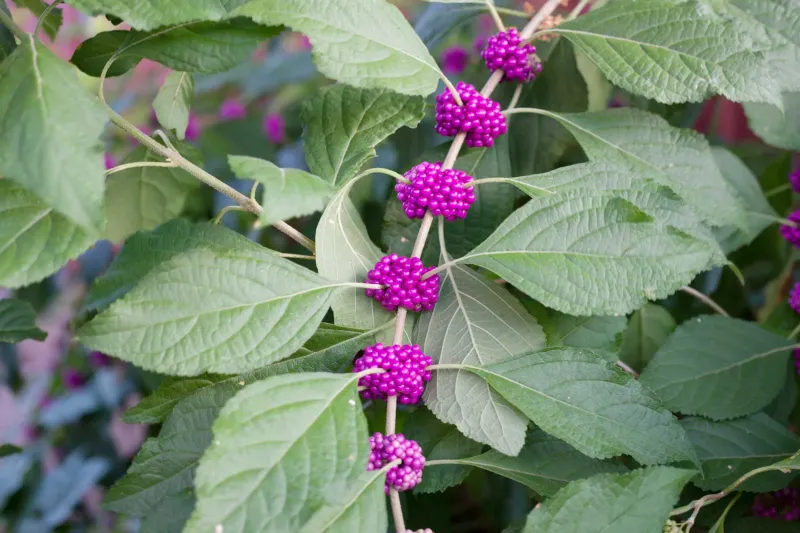
By late summer, beautyberry looks like it has been decorated with strings of purple candy. Few native shrubs offer such a surprising color moment, and that is exactly why it belongs on a hydrangea replacement list.
American beautyberry is a Florida native that handles heat, humidity, and sandy soil with far less fuss than many ornamental shrubs. Its spring flowers are small and modest, but the berries steal the season when clusters form along the stems. Birds notice them too, including mockingbirds and cardinals.
For homeowners who want a more natural garden, beautyberry fits beautifully along fence lines, woodland edges, and informal borders. It can take sun or part shade, though more sun usually means heavier berry production. In very dry sand, water it during establishment and mulch to help the soil hold moisture longer.
There is also a practical Florida angle. Crushed beautyberry leaves have a folk history of being rubbed on skin to help deter biting insects, and research has explored compounds in the plant connected to repellency. Treat that as a garden curiosity rather than a replacement for proven mosquito control, but it adds to the shrub’s local charm.
Prune in late winter if it gets rangy, because berries form on new growth. The result is a loose, wildlife-friendly shrub that gives Florida yards a color story hydrangeas cannot copy.
5. Walter’s Viburnum
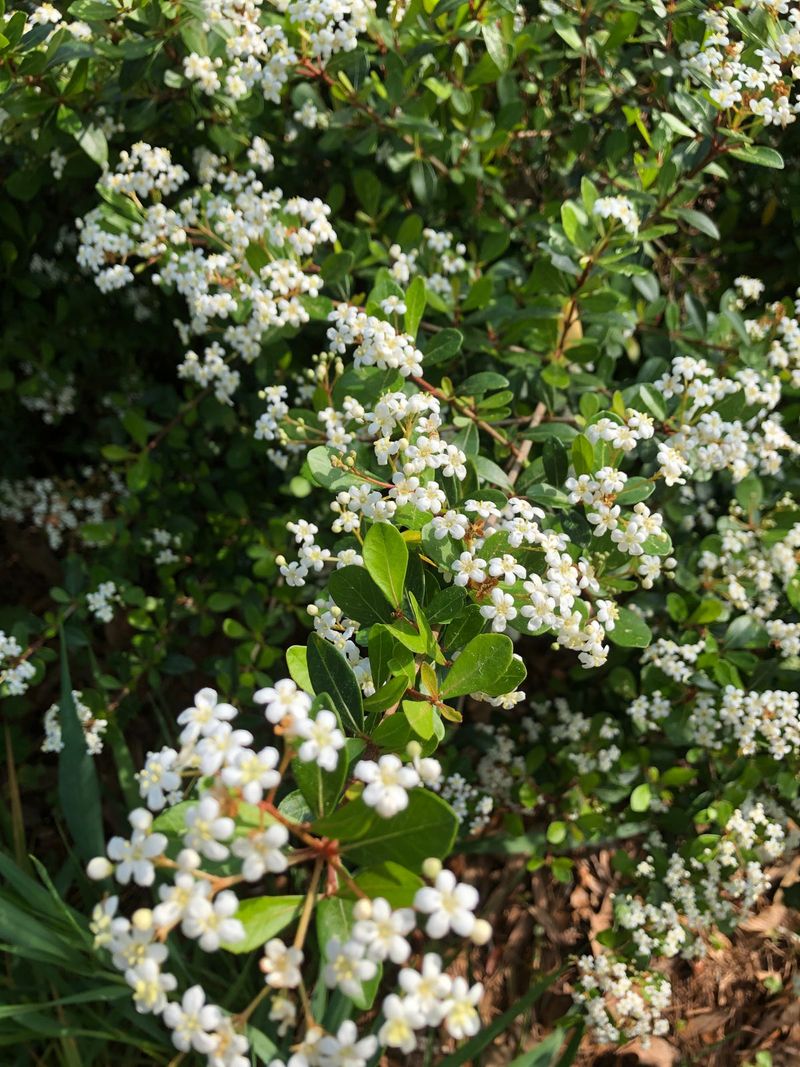
Some yards need a plant that can act like a polite green wall. Walter’s viburnum fills that role with evergreen leaves, spring flowers, berries for birds, and enough flexibility to work as a hedge, screen, or rounded shrub.
Compared with hydrangeas, Walter’s viburnum brings structure. It will not give you giant mophead blooms, but it offers a steady background that makes the whole garden look more finished. Small white flowers attract pollinators in spring, then berries can support birds later in the season.
Florida conditions are where this native shrub earns respect. It tolerates humidity, handles pruning, and can grow in sun to part shade depending on the site. Once established, it is more forgiving of sandy soil than many lush-looking ornamentals, especially if you start it with mulch and occasional deep watering.
Choose the form carefully. Some varieties stay compact, while the species can become a small tree if left alone. That range is useful, but it means gardeners should read the tag and match the plant to the space instead of planting first and asking questions later.
Walter’s viburnum is also a smart alternative to nonnative hedge plants that offer little wildlife value. For a Florida front yard that needs curb appeal, storm-season resilience, and less pampering, it is one of the most dependable native choices.
6. Coontie
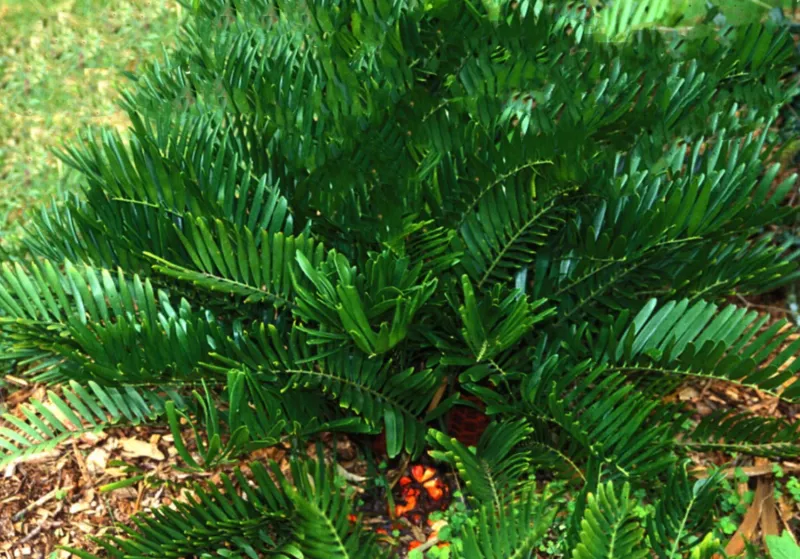
Not every hydrangea substitute needs flowers to earn attention. Coontie wins with texture, staying low, glossy, and sculptural even when the weather feels like a wet blanket.
This ancient-looking Florida native cycad is a workhorse for gardeners dealing with heat, humidity, and sandy soil. It suits foundation beds, pathways, pool areas, and mixed native borders where a tidy shape matters. Once established, it is impressively drought tolerant, which is a gift in yards where irrigation is limited or uneven.
The wildlife story is a major reason to plant it. Coontie is the larval host plant for the atala butterfly, a striking black butterfly with bright blue and red accents. In parts of South Florida especially, planting coontie can help support this once-rare native butterfly.
Coontie also handles wind better than many broad-leaved shrubs because its fronds are low and flexible. That can be helpful in hurricane-prone landscapes where brittle branches become a cleanup headache. It will not replace the bloom power of hydrangeas, but it balances showier plants and keeps beds from looking bare between flower cycles.
Use it in groups of three or five for a fuller effect. Just remember that coontie seeds are toxic if eaten, so place it thoughtfully in yards with curious pets or small children.
7. Simpson’s Stopper
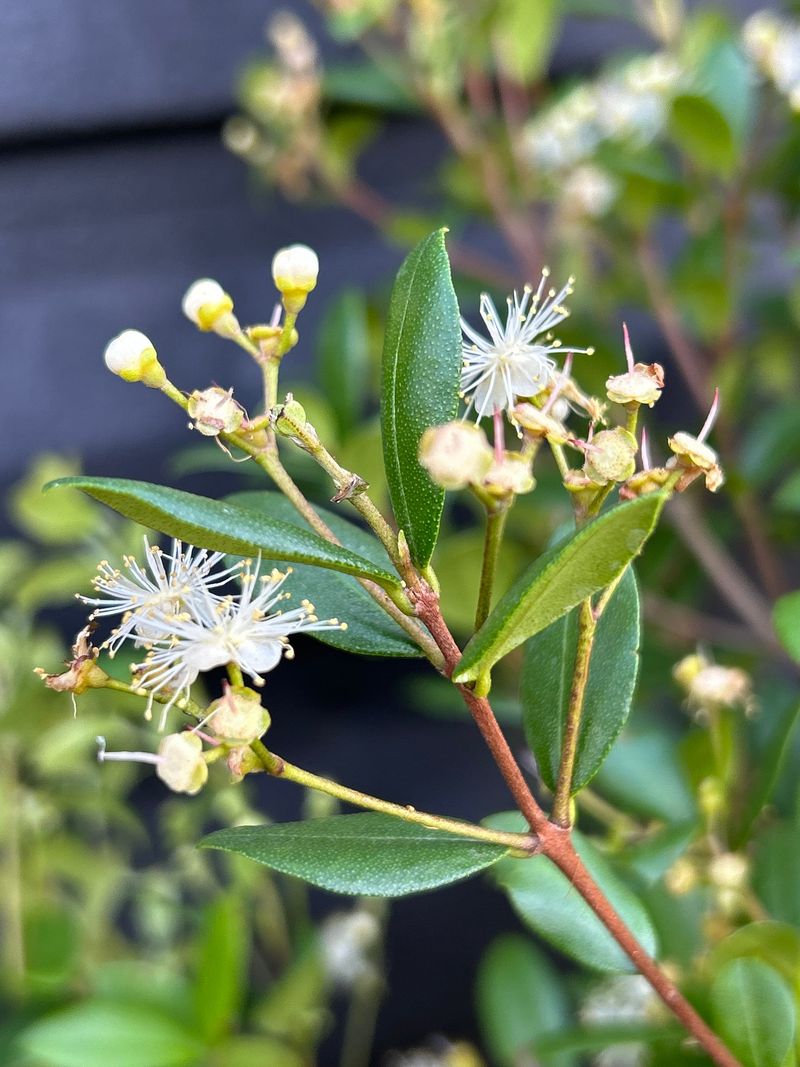
A garden that smells good after rain feels instantly more alive, and Simpson’s stopper can bring that quiet magic. Its small white flowers are not huge like hydrangea heads, but they are fragrant, pollinator-friendly, and followed by colorful berries that birds appreciate.
Native to Florida, Simpson’s stopper is especially valuable in Central and South Florida, where many traditional shrubs struggle with heat and humidity. It can be grown as a hedge, privacy screen, small tree, or informal wildlife planting. That versatility makes it different from the softer, thirstier hydrangea types people often try to force into the wrong place.
The plant has glossy evergreen leaves and a naturally dense habit, so it keeps working even when it is not blooming. It tolerates sandy soil once established and can handle coastal influence better than many common landscape shrubs. In storm-aware yards, a well-placed native screen can also help slow wind at ground level without becoming overly top-heavy.
Birds feed on the berries, and pollinators visit the flowers, giving this shrub more purpose than simple decoration. Prune lightly rather than shearing it constantly if you want flowers and fruit. A clipped hedge may look neat, but a looser shape gives wildlife more to use.
For Florida gardeners who want evergreen beauty, fragrance, and a plant that fits the climate, Simpson’s stopper is a graceful final answer to the hydrangea problem.