
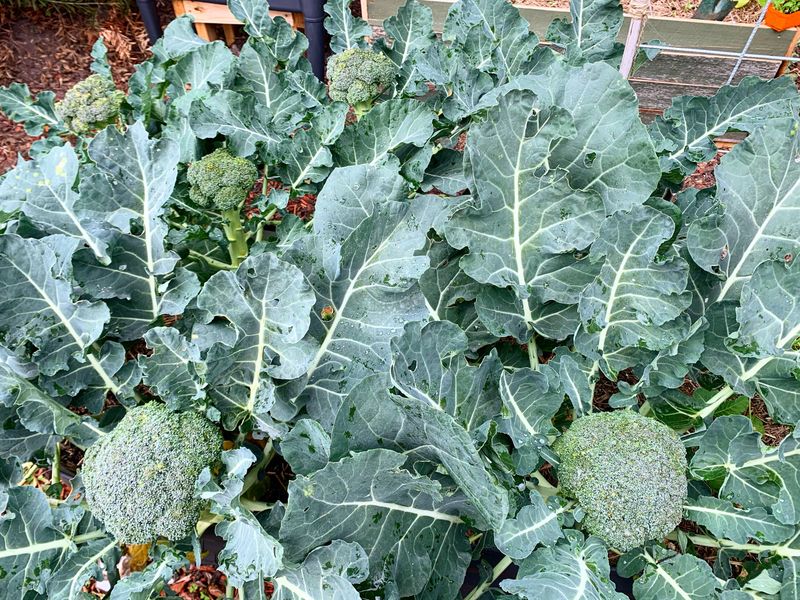
Plenty of gardeners yank their broccoli the moment the big center head is cut. But a healthy plant may keep growing and send out smaller shoots you can eat later.
Whether that happens depends on your region, your weather, and the plant itself. Here is how to harvest well and decide if a plant is worth keeping.
The central head may not be the last harvest
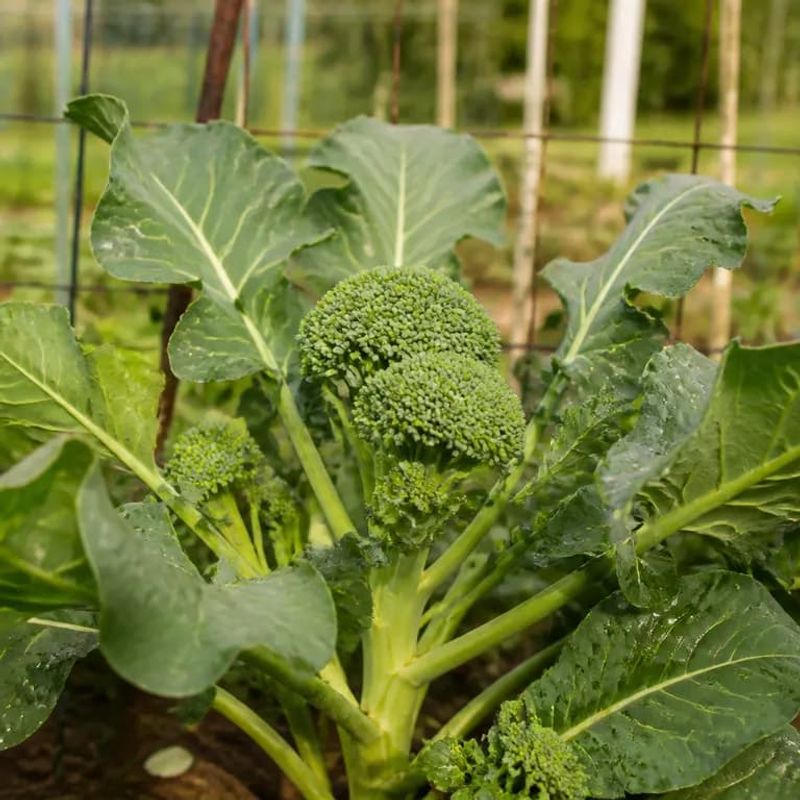
Cutting the big center head does not always mean the plant is finished. A healthy broccoli plant often keeps growing and may form smaller side shoots, so there is usually no rush to pull it out.
Both UF/IFAS guidance on broccoli and Texas A&M AgriLife advice on cole crops point to this possibility. UF/IFAS notes that some varieties continue producing after the main head is cut, and Texas A&M suggests leaving side sprouts for later harvest.
What matters is that the plant keeps growing. A leafy, vigorous plant has a chance at more harvests, while a stressed or bolting plant may not deliver.
Think of it as an opportunity, not a promise, and leave the plant in place to see what it does.
If the plant looks sickly, is flowering, or the season is turning too hot, pulling it and replanting is a perfectly sensible choice. Removing it after one head is not always a mistake.
Harvest the central head while its buds are tight
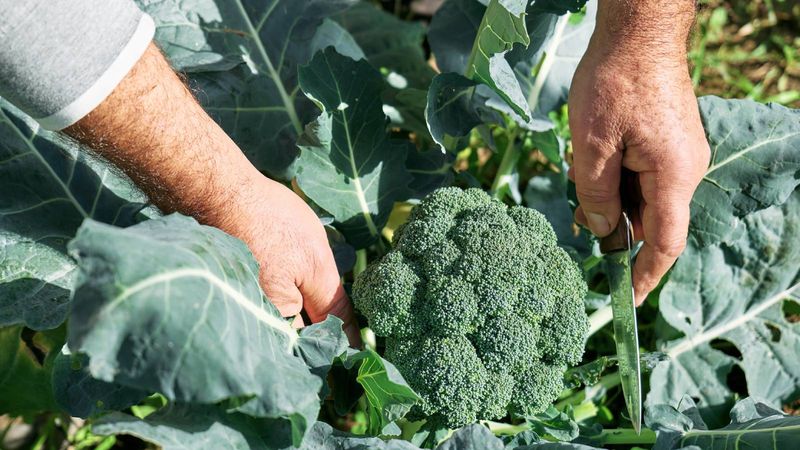
Timing the cut matters. Harvest the center head while the buds are compact and tight, before they loosen, turn yellow, or open into flowers.
Use a sharp knife or scissors so the cut is clean.
Leave some stem and the leaves attached to it. Those leaves keep feeding the plant.
How much stem to leave varies by source. Texas A&M’s fall gardening guide suggests cutting below the head and leaving 8 to 10 inches of stem with leaves attached.
A UF/IFAS Lake County newsletter suggests cutting about 3 to 5 inches below the head. Treat these as two examples, not one required measurement.
That same UF/IFAS newsletter recommends a 45-degree angle so water runs off the cut. That is one newsletter’s advice, and nothing reviewed shows the angle itself makes side shoots grow.
Other extension guidance simply says to cut below the head.
Look for shoots at the leaf joints
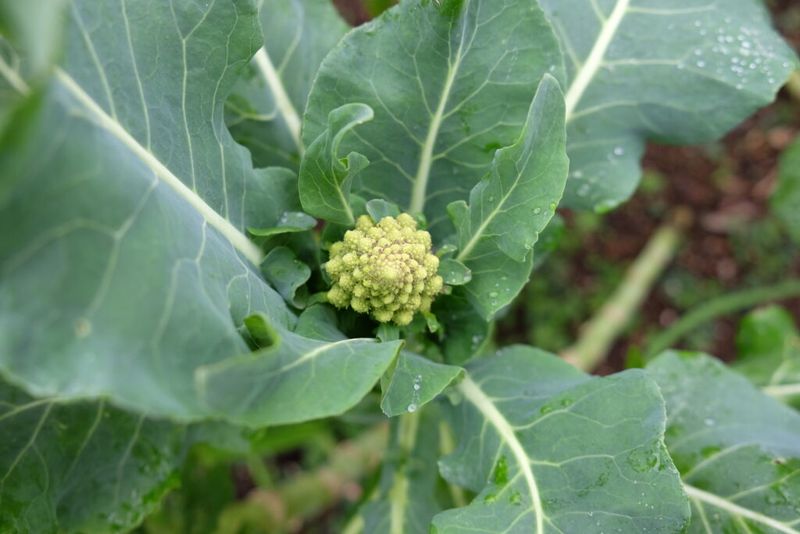
After the center head is gone, walk out every few days and check the plant. Side shoots form at the joints where the leaf stems meet the main stem.
They start as tiny green buds that are easy to miss under big leaves.
These shoots are much smaller than the central head, often closer to the size of a small floret or a couple of fingers. As Texas A&M AgriLife advises, leave the sprouts for later harvest rather than pulling the plant.
Pick them while the buds are still tight. Utah State University Extension describes harvesting side shoots regularly over several weeks.
Once tiny yellow flowers show, the flavor and texture decline.
Keep expectations realistic. Leaving the plant gives it a chance to make shoots, but it is not a guarantee of a useful harvest.
If nothing appears after a couple of weeks, the plant may be done.
Support growth with suitable varieties and care
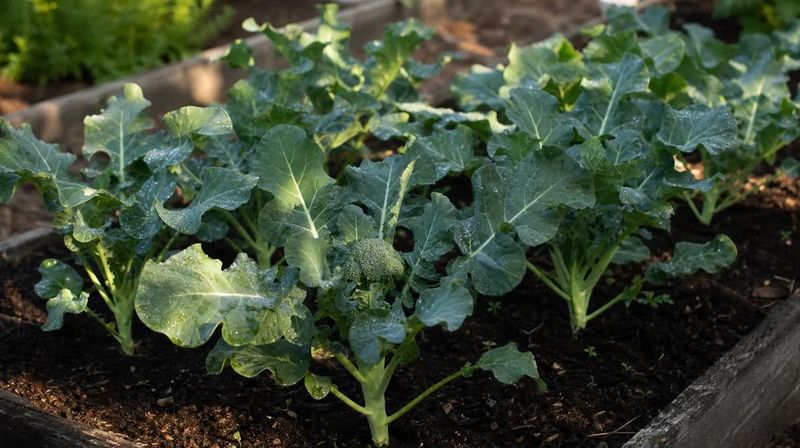
Variety choice can tilt the odds. For Florida, UF/IFAS lists options such as Waltham 29 and De Cicco, and says Waltham 29 continues producing after its main head is cut.
Texas gardeners have choices too. Texas A&M AgriLife lists varieties such as Green Magic and Packman, among others.
A variety name is a starting point only. It does not guarantee a particular yield or how long side shoots will keep coming.
Care counts after the first cut. Utah State University Extension notes that watering and fertilizing support side-shoot development.
Sources do not give a single schedule or amount, so follow the label on your fertilizer and water when the soil starts drying.
A plant that is fed, watered, and free of heavy stress has the best shot at continuing. Ask your local extension office which varieties do well nearby.
Use local planting windows to judge the season
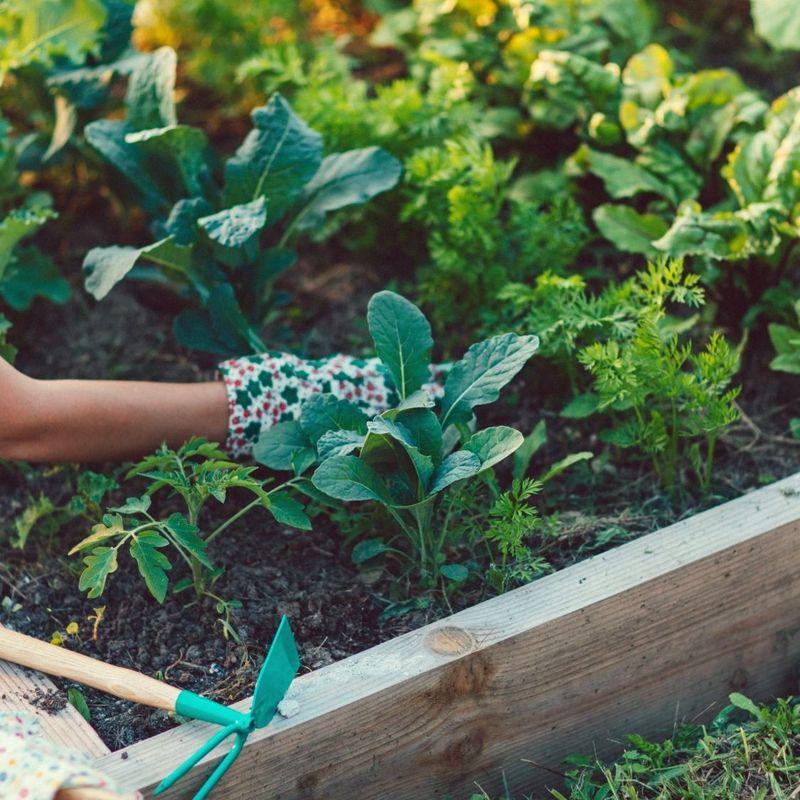
Winter does not look the same across Texas or Florida. North Florida, Central Florida, and South Florida have different transplant windows in UF/IFAS guidance.
Texas is just as varied, and Texas A&M’s fall guide gives different broccoli planting dates across five regions.
Broccoli is a cool-season crop. When it matures in warm weather, it can bolt or form poor heads, as described in UF/IFAS research on broccoli production.
A plant that bolts is unlikely to give you side shoots.
So the best move is to look up the planting window for your own area rather than copy a neighbor in another region. Planting at the right time means the plant grows through mild weather, which improves the chance it keeps producing after the first head.
This article does not offer a statewide calendar because none fits everyone. Your county extension office can point you to the right dates.
Expect a variable harvest, not an all-winter guarantee
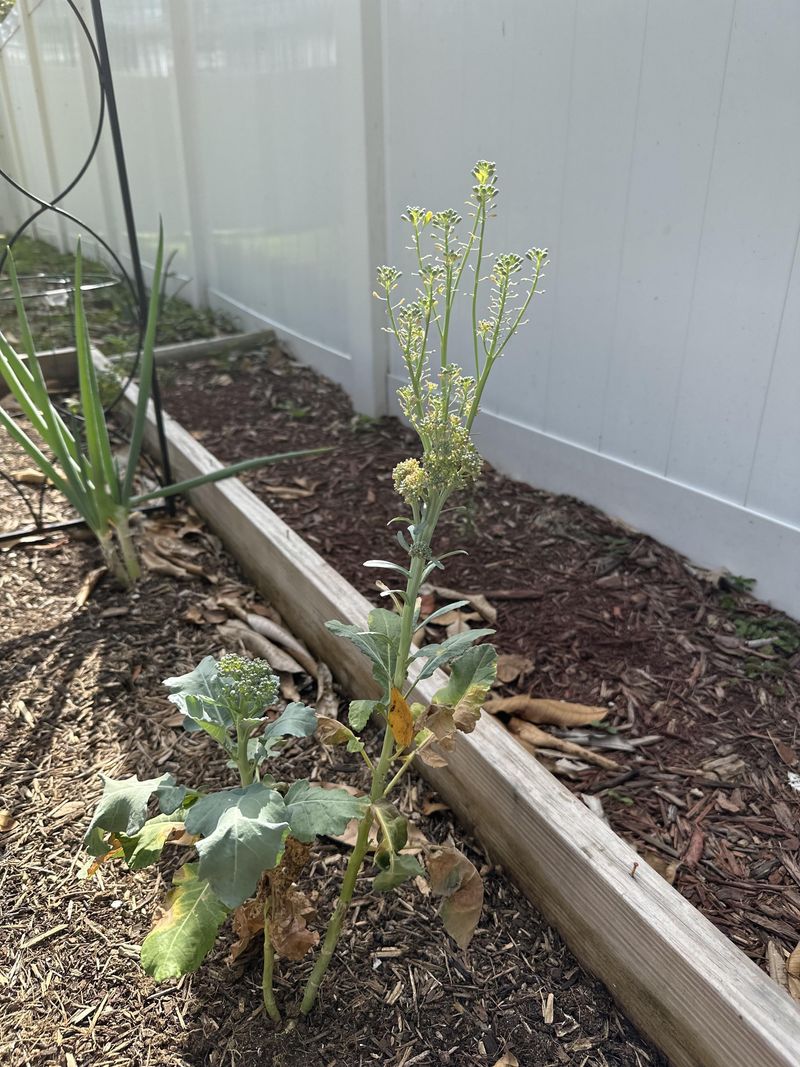
How long can side shoots last? Guidance differs.
Utah State University Extension describes harvests over several weeks, and Oregon State University Extension mentions a few more weeks for some varieties.
One California account from UC Master Gardeners of Santa Clara County reports up to three months in late fall or winter. That result does not guarantee the same in Texas or Florida, where variety, weather, and plant condition change the outcome.
Frost tolerance is not the same as steady growth. UF/IFAS advises protecting young, tender plants at 32°F or below, and Texas A&M says well-conditioned broccoli can survive down to 25°F.
Surviving a freeze does not mean shoots keep forming through it.
So keep a healthy plant in place, check for tight side shoots, and let local conditions decide how long it earns its space. Wash what you pick under running water, with no soap.
A plant that hands you a few extra florets is a bonus, and anything beyond that is a gift.