
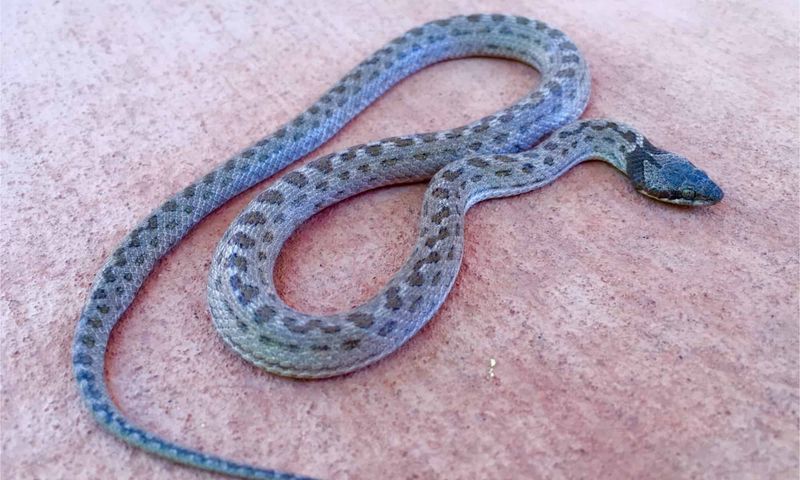
A small, slim snake slipping across the ground at dusk can make anyone jump. Many California homeowners react by grabbing a shovel, and that can mean losing a native animal that was just passing through.
The California night snake is a real local predator, but the story about what it does for your yard needs a closer look. Here is what it actually eats, when you might see one, and what to do if you do.
What its diet tells us—and what it does not
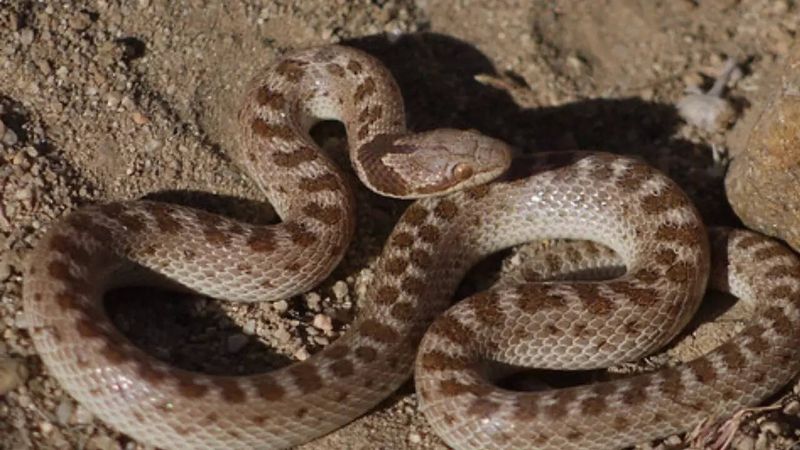
California State Parks lists lizards, small snakes, frogs, and salamanders as prey for the California night snake. That is a useful picture of what is on the menu.
It does not tell us how often each animal gets eaten.
A broader look at the whole group helps fill in the picture. A peer-reviewed feeding study found that nightsnakes in the genus Hypsiglena eat mostly lizards and reptile eggs, with other prey showing up less often.
The study uses older naming, so its results cover the wider group and are not a precise diet study of today’s California night snake alone.
A field note adds a local example. A published record from San Diego County describes a coast nightsnake eating a western skink.
Notice what all of this adds up to. These sources describe what the snake eats.
None of them show that it controls garden or household pests, so a yard benefit should not be promised. Lizards are native wildlife here, not pests by default, and a night snake eating one is simply nature at work.
A small snake active after dark
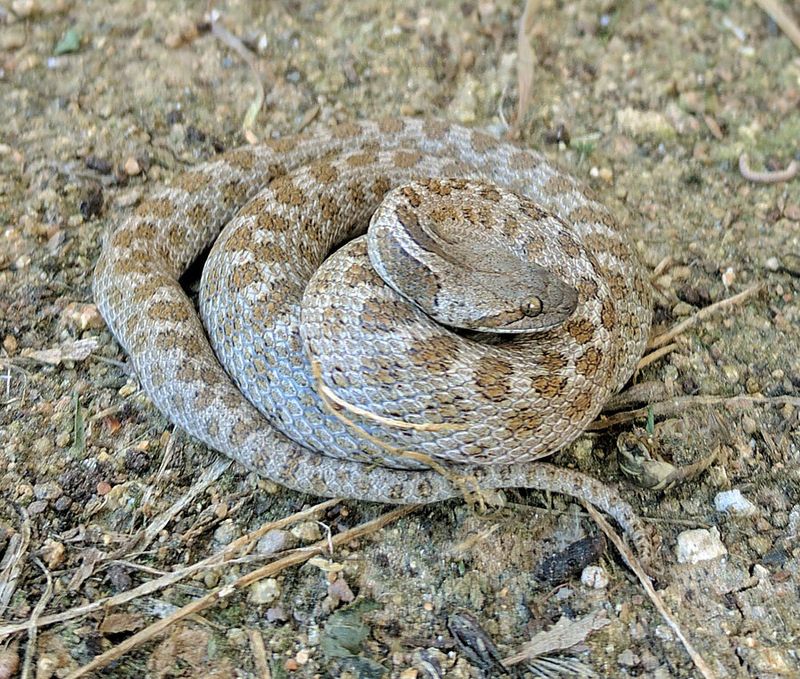
Size is the first thing people misjudge. California State Parks describes the California night snake as slender and generally 12 to 26 inches long, with most measuring only 8 to 12 inches.
That is closer to the length of a pencil than a garden hose.
Its schedule matches its name. The snake is mostly nocturnal and is also reported to be active around dawn and dusk.
Daytime sightings are therefore less likely, which is part of why people rarely notice these animals at all.
Treat these details as reported traits, not a checklist. Individual snakes vary, and size and timing cannot reliably tell you which species is in front of you.
A young snake of another kind can be small too, and many snakes move at dusk.
If you spot a slim snake in the evening light, the sensible move is to watch from a distance rather than try to name it on the spot.
California has two distinct nightsnakes
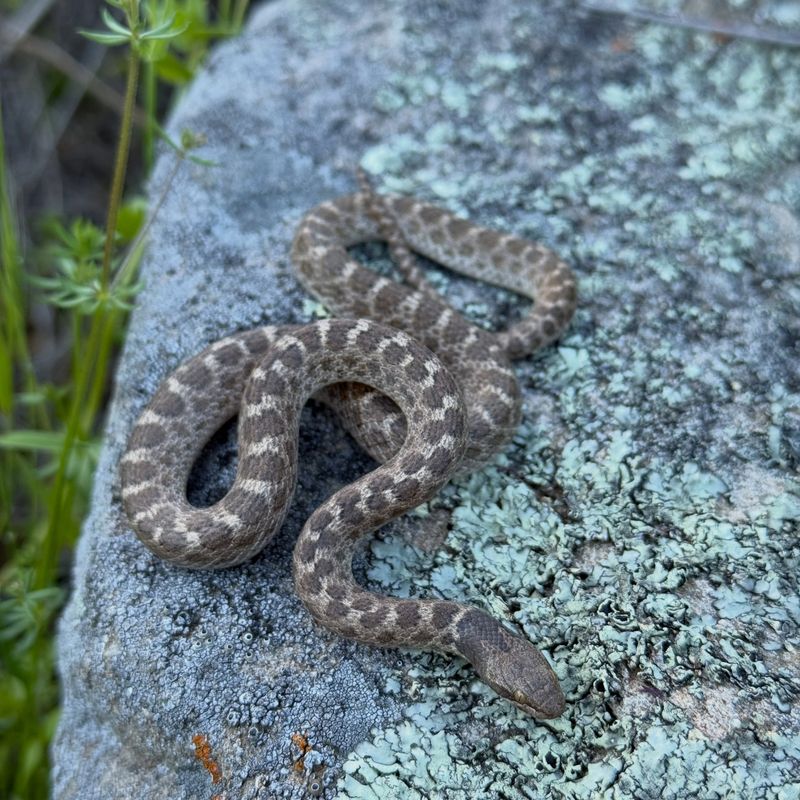
Names can get tangled here. “California night snake” commonly points to a California form of the coast nightsnake, Hypsiglena ochrorhyncha. A specialist reference on California reptiles covers that form and the history of its common names.
The desert nightsnake, Hypsiglena chlorophaea, is a different species that also lives in parts of the state. The California Wildlife Habitat Relationships account for the desert nightsnake notes this separation from the coast species.
Why does it matter at home? Facts about one nightsnake do not automatically apply to the other.
A diet note, a range map, or a size figure may describe one species and be only loosely true of its cousin.
So when you read about a “nightsnake,” check which one the writer means. Older papers often lump them together under a single name, which is one more reason to read diet claims with some care.
A patio encounter is possible, not established as typical
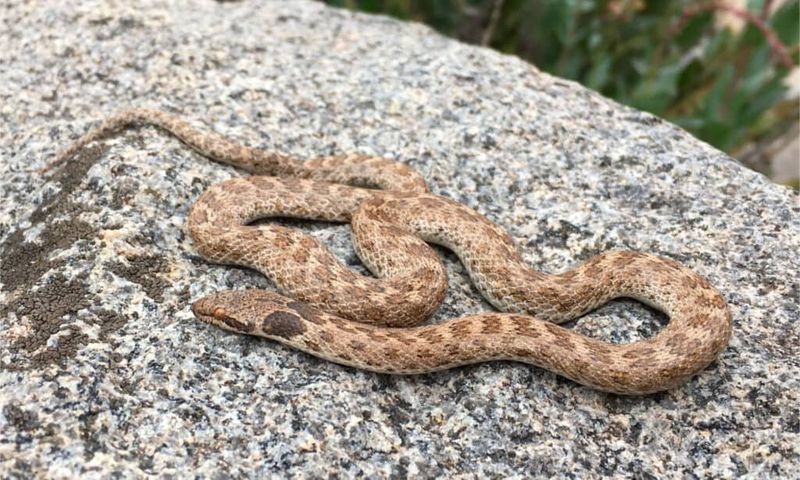
Could you ever see one near your home? It can happen.
A published natural history note records a coast nightsnake in a front yard in San Diego County.
That single record shows an encounter is possible. It says nothing about how often it happens, and it does not mean night snakes live on patios or go looking for houses.
Most people will never see one.
Timing explains why a sighting would be rare. Because the snake is nocturnal and active at dawn and dusk, a person is most likely to cross paths with one while taking out the trash, watering at twilight, or walking a dog after dark.
A practical habit helps in any California yard near open land: carry a flashlight at night and look before stepping into dark corners. That keeps you and the wildlife out of each other’s way.
Give a snake space and avoid a quick identification
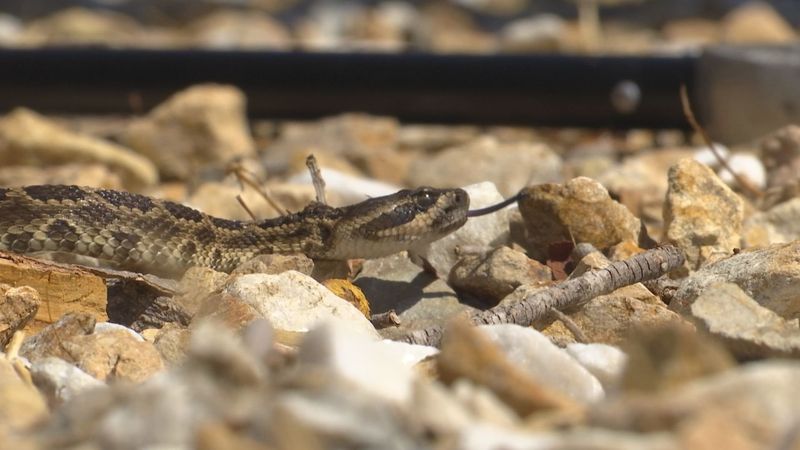
The best response is also the simplest: step back, leave the snake alone, and bring children and pets inside or well away. Most snakes move on by themselves when nobody crowds them.
On risk, be accurate without panic. California State Parks says the night snake may produce mild venom, that bites should be avoided, and that the venom does not typically cause death or illness in most people.
So “usually not dangerous to people” fits better than “harmless.”
Resist the urge to name the snake in a glance. The same State Parks guide describes vertical pupils for the night snake, while rattlesnakes have elliptical pupils, so “slit pupils mean rattlesnake” would lead you astray.
Pupil shape and a quick look are not a safe way to decide what you are seeing.
Fish and Wildlife is clear on the next step. CDFW advises against handling snakes, dead or alive.
If you are unsure what it is, do not approach, touch, or move it.
Get qualified help if you want it removed
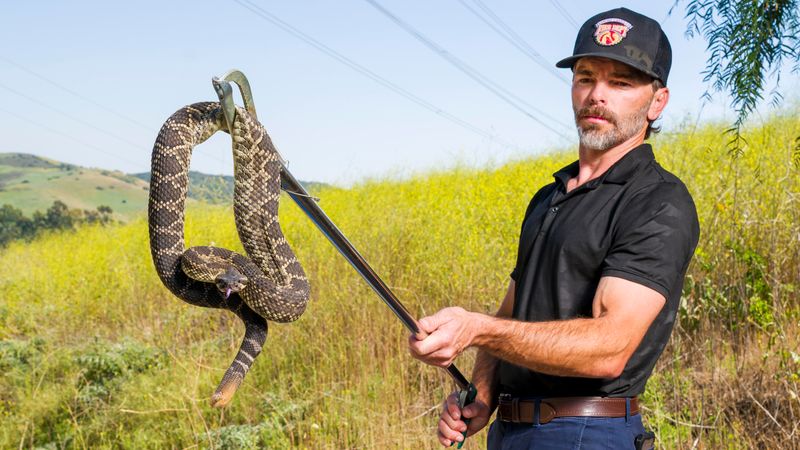
If a snake keeps turning up and you would like it gone, call someone trained for the job. Trying to catch, kill, or carry one off yourself is how most bites and needless snake deaths happen.
For removal advice, the University of California’s pest program offers guidance on hiring a qualified snake-removal professional. That page is about rattlesnake management, not night snakes specifically, but the safety logic of leaving the work to a trained person carries over.
Your local wildlife agency or a licensed removal service can also help you sort out what is in your yard.
Until help arrives, keep a calm distance and keep pets indoors. Skip the shovel, and skip any hope that the snake is doing yard work for you.
A small, shy animal can pass through a garden at dusk and be gone by morning, and giving it room is usually all the stewardship it needs.