
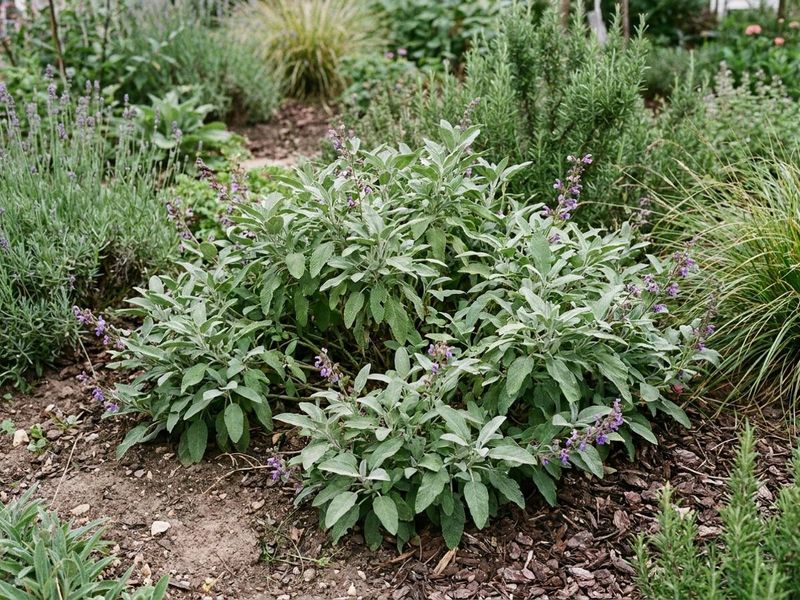
Few herbs smell as much like fall cooking as sage. Its soft, gray-green leaves go into soups, stuffing, and roasted squash, and the plant keeps looking good in many North Carolina yards when other herbs fade.
Gardeners often hear that sage also keeps pests away, but the real story is narrower. Here is how to grow it, overwinter it, and use it wisely.
Common sage is the herb for savory fall cooking
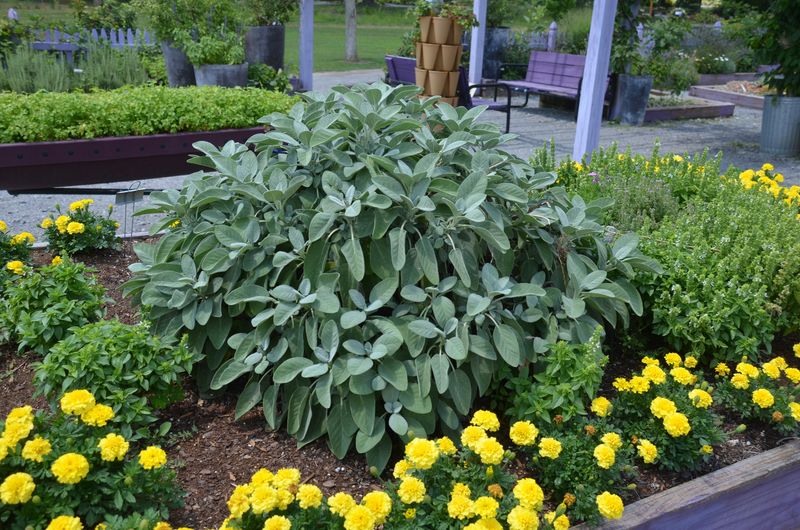
The herb in question is common culinary sage, Salvia officinalis. Its thick, soft leaves are packed with aroma, and University of Maryland Extension describes sage as an aromatic herb used in cooking.
Cooks reach for it when the weather cools and pots of soup start simmering.
Think white bean soup, chicken and dumplings, butternut squash bisque, and sweet potato stew. A few chopped leaves, or a handful fried in butter and floated on top, add a warm, peppery, almost piney flavor.
Whole leaves can also simmer in the pot and be lifted out before serving.
For North Carolina gardeners, sage is a handy choice because it is a perennial that stays useful into winter. You can snip fresh leaves from the garden instead of buying small packs at the store.
One or two plants usually supply a household.
You may have heard that sage keeps pests off garden beds. That claim goes further than the facts.
Sage may be less attractive to slugs and snails, which is a smaller and more specific point, and later sections explain what it does and does not mean. Plant sage mainly for the kitchen, and treat any pest benefit as a small bonus.
Give sage sun, drainage, and winter protection
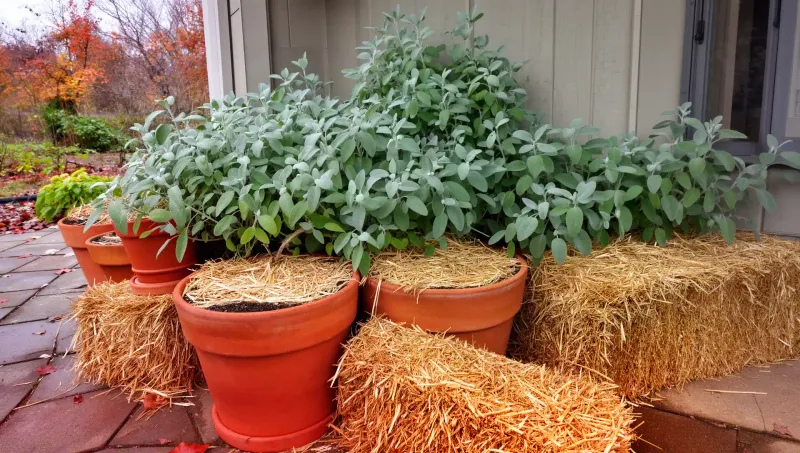
Sage is not fussy, but it does insist on two things: full sun and very well-drained soil. University of Maryland Extension notes these needs.
Heavy red clay that stays wet is the most common reason sage struggles in the Piedmont. A raised bed, a mound, or soil loosened with coarse grit and compost gives the roots room to drain.
NC State Extension lists sage as normally winter-hardy in the mountains, Piedmont, and Coastal Plain. In its herb winterizing guidance, it recommends a light mulch and some wind protection.
Normally hardy does not mean immune, though, and a harsh winter can still damage plants.
If you garden in western North Carolina, skip severe cutting after early September. Late hard pruning pushes tender new growth that may not toughen up before cold arrives.
Light harvesting for the kitchen is fine.
After a severe winter, resist the urge to cut out brown stems right away. Scratch a stem gently or look for green tissue and new buds first.
Prune apparently dead growth only after you confirm which stems are truly gone, since many plants resprout from wood that looks lifeless at first glance.
Sage itself may be less attractive to slugs and snails
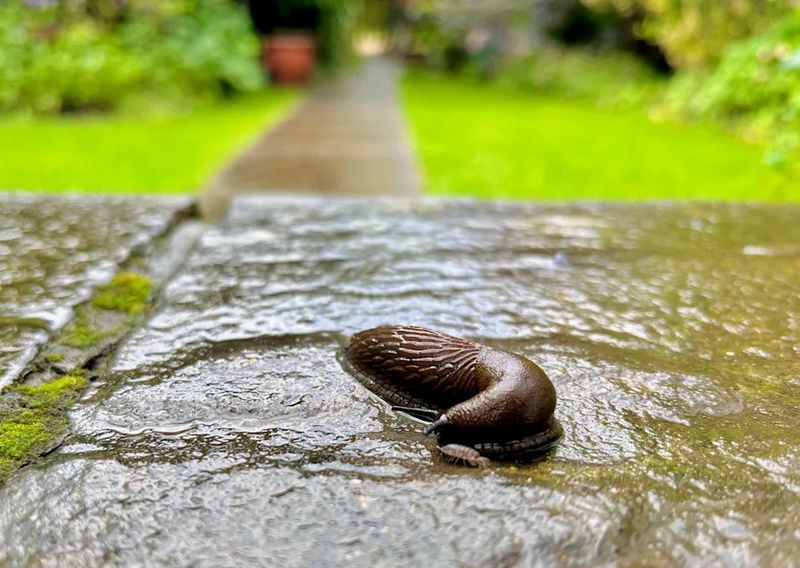
Here is the pest-related point that holds up. The UC Statewide IPM Program lists sage among plants that are less attractive to slugs and snails.
In practice, that means your sage plant itself may get chewed less than lettuce, hostas, or tender seedlings.
Notice what that statement does not say. It describes how appealing the plant is to these animals, which are mollusks rather than insects.
It does not say sage drives them away from the plants around it.
A slug that skips the sage can still cross the bed to feast on your lettuce or strawberries. So a row of sage beside the vegetables is not a shield, and one plant will not protect a whole bed.
The finding also stops at slugs and snails. It tells us nothing about aphids, caterpillars, beetles, or mosquitoes.
Keep it as a small reason to feel good about sage, not a reason to skip other pest steps.
A greenhouse result does not prove broad garden protection
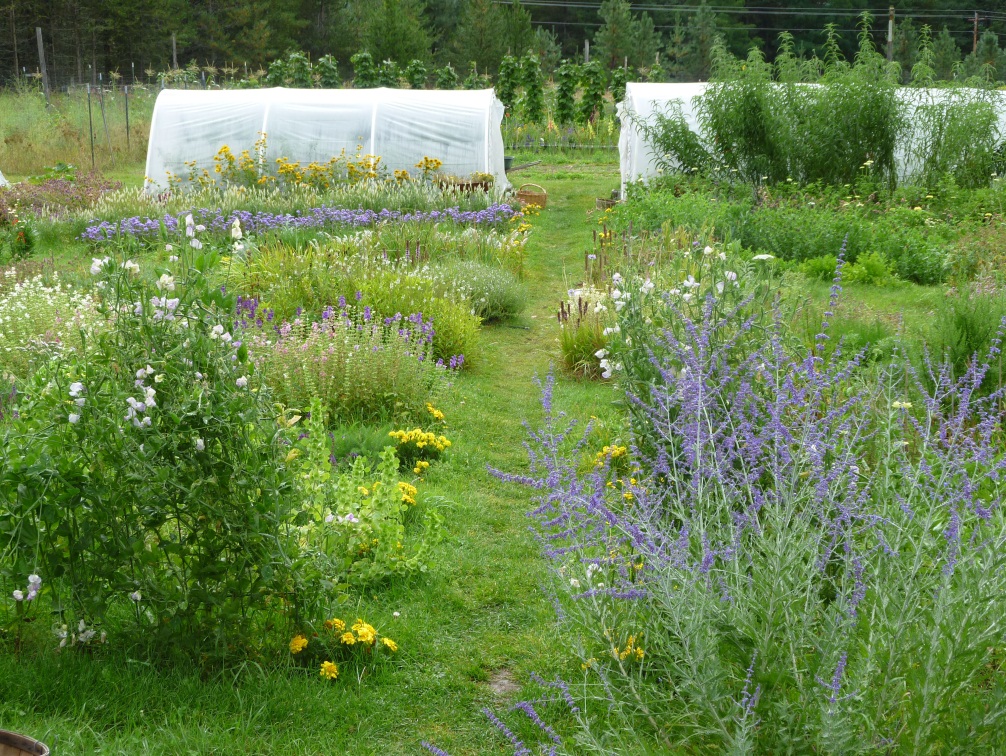
One study often comes up in sage conversations. A small greenhouse study on herbs and egg-laying found fewer diamondback moth eggs on Brussels sprouts grown among sage or thyme.
That is a real result, but look at how narrow it is: one moth, one crop, and a greenhouse.
A greenhouse is a controlled space. Outdoors, wind, weather, neighboring plants, and many other insects change the picture.
Nothing in that study shows the same effect in a North Carolina backyard bed or with other pests and vegetables.
On the other side, Clemson Extension cautions that broad claims about aromatic plants masking crop scents and keeping insects away have not held up well to scientific testing. It also notes that landscape plantings of aromatic herbs have not been shown to repel mosquitoes.
The practical takeaway is simple. If you grow Brussels sprouts or other brassicas, tucking in a sage plant will not hurt.
Still, check leaf undersides for eggs and caterpillars as usual, and do not count on the herb to do the work.
Use direct controls when slugs or snails damage crops
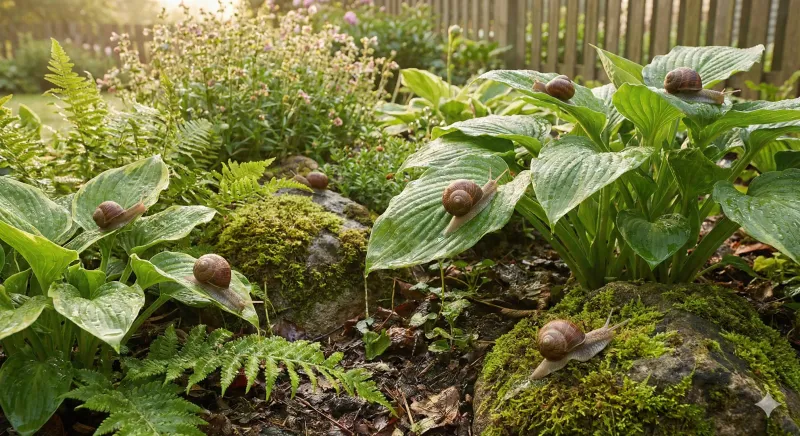
When slugs or snails are actually chewing your crops, direct steps work better than hoping a nearby herb will help. The UC IPM guidance on snails and slugs offers several practical options.
Handpicking is simple and effective in small beds. Go out after dark with a flashlight or in the early morning, and drop what you find into a bucket of soapy water.
Doing this for a week or two can noticeably cut numbers.
Next, take away what they like. Water in the morning so the soil surface dries before night, and clear out boards, pots, dense groundcover, and leaf piles that give them daytime hiding spots.
Fewer damp, shady shelters means fewer slugs nearby.
For a bed you care about most, copper barriers can be placed around its edge. Choose one bed rather than the whole yard, and make sure no leaves or mulch form a bridge over the copper.
Sage can sit in this plan as a plant slugs tend to leave alone. Consider it a small supporting choice, never a guarantee.
Use sage as a cooking herb, not a health remedy
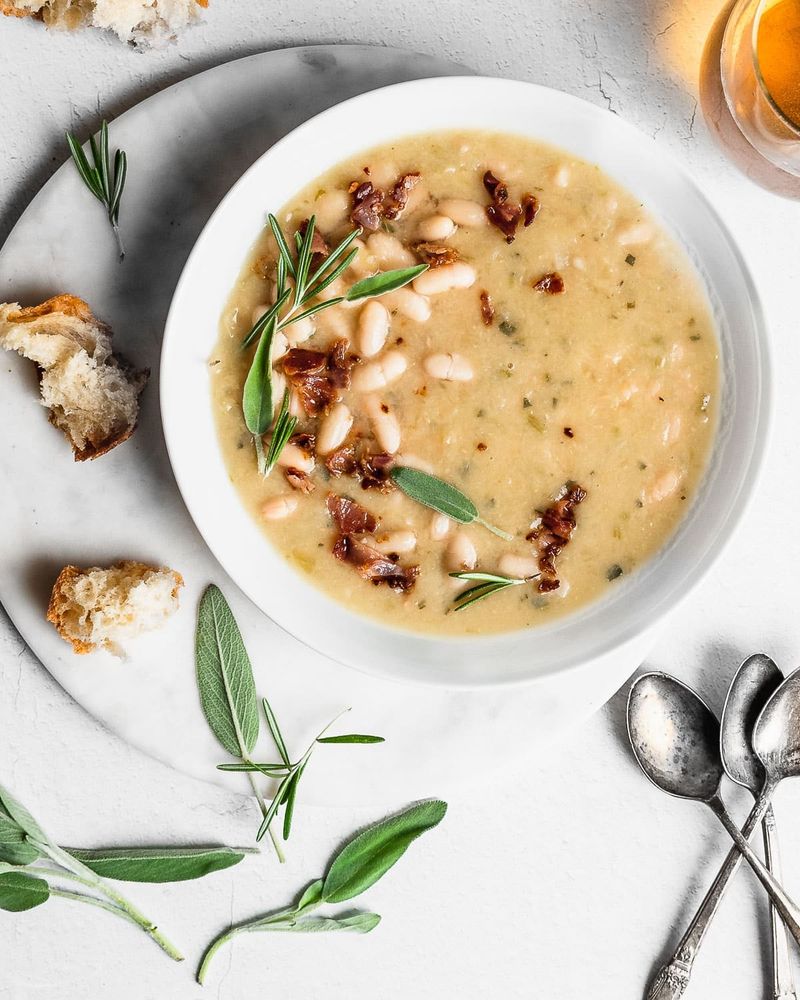
Keep sage in the kitchen, in ordinary food amounts. A few leaves in a pot of soup or a sprinkle over roasted vegetables is exactly how the herb is meant to be used.
The National Center for Complementary and Integrative Health notes that large amounts or long-term use of common sage may be unsafe because it contains thujone.
That caution is a good reason to treat cooking leaves and concentrated sage essential oil as different things. Do not swallow essential oil, and do not treat sage as a medicine.
This article makes no health claims for it.
The garden takeaway is just as plain. Plant sage for flavor, give it sun and drainage, and enjoy a plant that slugs and snails may pass over.
If they are still after your lettuce, the targeted controls from UC IPM are what will help.
A sage plant by the kitchen door pays off every time the soup pot comes out.