
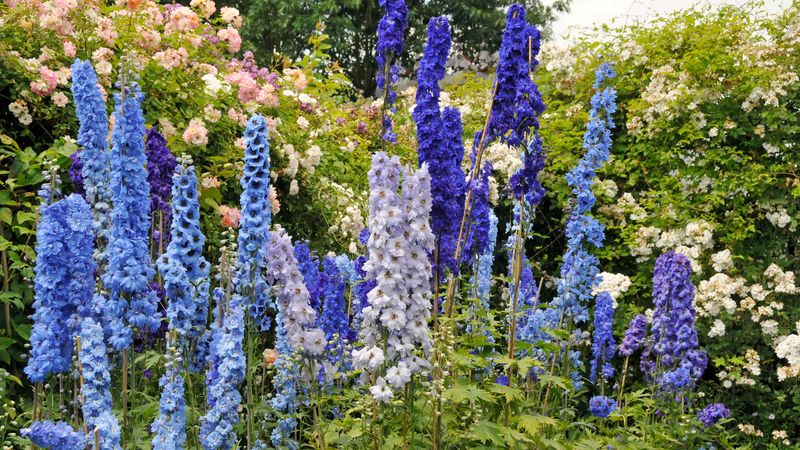
Delphiniums are one of those plants that stop you in your tracks when they bloom, then leave you wondering what to do once those tall spikes start to fade. The good news is that faded flower stalks are not the end of the story. Removing each spent spike promptly is the single most useful thing you can do to encourage another flush of flowers later in the same season. The payoff is real, but it is smaller and more conditional than gardening folklore sometimes suggests.
What the first faded spikes really mean
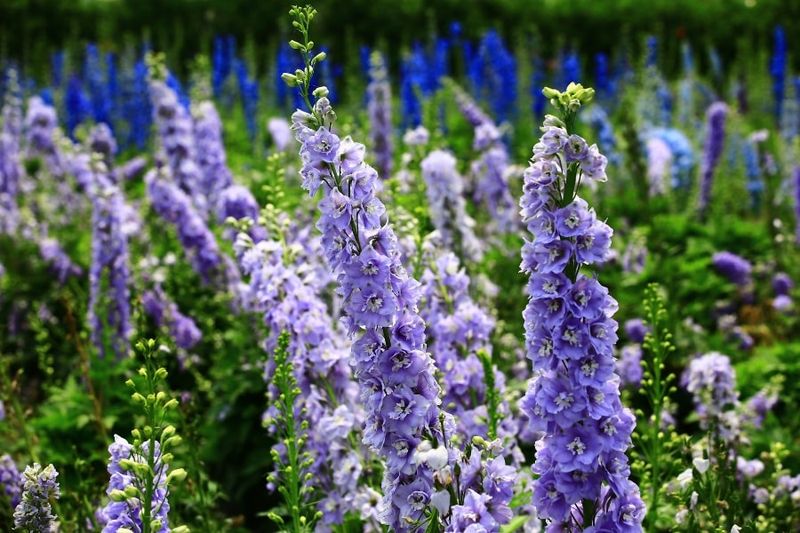
Faded flower spikes on a perennial delphinium are a signal to act, not a sign that the season is over. The plant still has energy in its roots and fresh basal leaves, and those new shoots at the base are exactly what a second flush of flowers grows from. Removing spent stalks promptly gives that basal growth room and resources to develop.
The guidance here applies primarily to perennial garden delphiniums and the common hybrid types most US home gardeners grow, such as the Pacific Giants and Elatum group cultivars. Annual delphiniums and the plants commonly sold as larkspur belong to the same genus but follow different growth patterns, so they do not necessarily respond the same way. RHS guidance on annual delphiniums treats them as a separate category with different management needs.
The evidence-based expectation is this: Iowa State Extension specifically notes that a second flower display is possible after deadheading, but it will not be as large or full as the first flush. North Carolina Extension and the RHS perennial delphinium guide both support deadheading as worthwhile practice, but neither claims the plant doubles in fullness the following year. Prompt deadheading is a reasonable, well-supported step; just keep your expectations calibrated to what the research actually shows.
How to remove one spent flower stalk
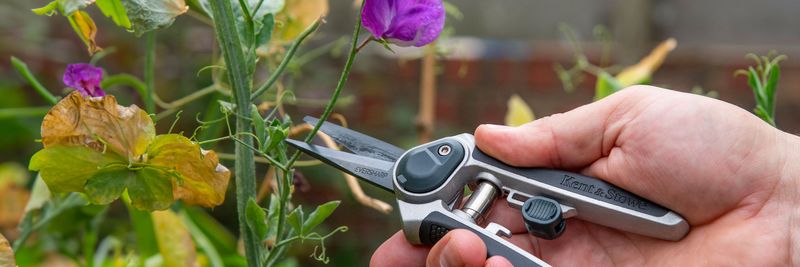
Sharp, clean pruners are the starting point. Wipe the blades with a dilute bleach solution or rubbing alcohol before you begin, especially if you have moved between plants. A dull or dirty blade can crush tissue and carry disease from one plant to another.
Work one stalk at a time. As soon as a flower spike has finished blooming or the top florets begin to look spent and papery, cut that stalk. Gardeners’ World recommends cutting spent delphinium spikes back to the basal foliage, which means stopping just above the cluster of leaves and new shoots at the base of the plant. If no fresh growth is present at ground level yet, cut to just above the lowest healthy leaf rather than taking the stalk all the way to soil level.
A ground-level cut is only appropriate when it will not clip or injure developing basal shoots.
Do not remove new leaves or side shoots in the process. Those are the plant’s working tissue and the source of any repeat flowering. The RHS perennial delphinium growing guide and the RHS Sunkissed cultivar guidance both emphasize protecting that basal regrowth during deadheading.
Always wear gloves. North Carolina Extension identifies delphinium as toxic, noting that the foliage may irritate skin and that the plant contains alkaloids that are seriously poisonous if eaten by people or animals. Keep children and pets away from cut material, and wash your hands after handling the plant even if you wore gloves.
Expect a second flush, not a doubled plant
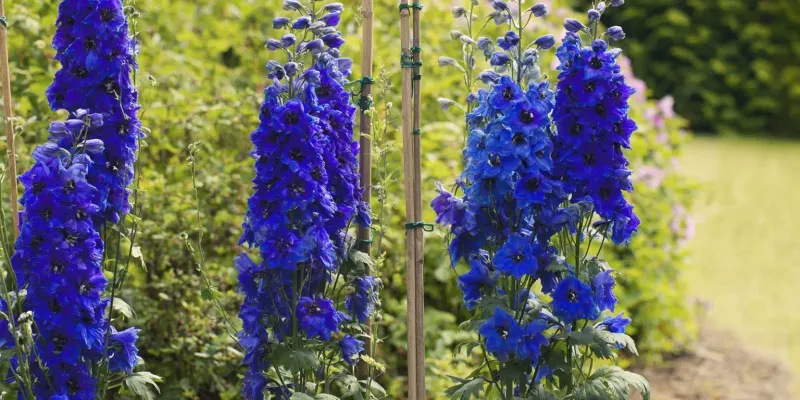
Removing old flowering stalks can encourage a second round of blooms later in the same season, typically in late summer or early fall. That second display is worth having, but it is usually shorter, less densely flowered, and less dramatic than the main spring or early-summer flush. Iowa State Extension is direct about this: the repeat bloom will not match the first in size or fullness, and gardeners should plan accordingly rather than expecting a mirror image of the original display.
North Carolina Extension’s profile of Delphinium elatum supports deadheading for encouraging repeat bloom without overstating the result. The same-season benefit is real and conditional: cultivar, plant health, available growing time before cold weather, and local climate all influence whether a second flush appears at all.
Deadheading can reduce the plant’s investment in seed production, and Iowa State’s deadheading guidance for herbaceous ornamentals notes that preventing seed set can support later flowering in some plants. That is a reasonable explanation for why the practice helps, but it does not mean all plant energy is redirected into roots, and it does not guarantee a fuller plant the following spring. Iowa State’s perennial bed maintenance guidance confirms that seed development can weaken some perennials, but the effect varies by species and growing conditions. Same-season rebloom and next-season plant size are separate outcomes, and the evidence supports only the first.
Leave healthy basal growth in place
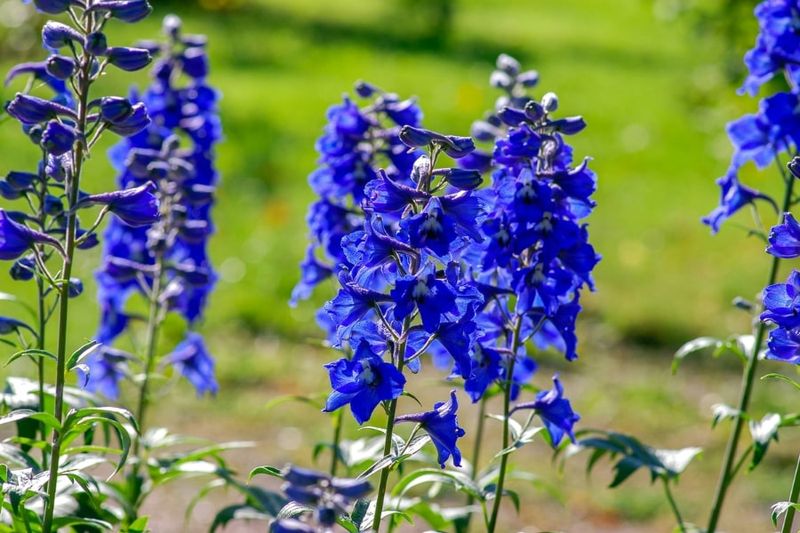
Post-bloom deadheading and end-of-season cleanup are two completely different operations, and mixing them up is one of the most common mistakes gardeners make with delphiniums. When you remove a spent flower stalk, you are cutting only that stalk. The healthy basal leaves, the fresh side shoots, and any new growth at the crown of the plant all stay exactly where they are.
Stripping away that basal foliage immediately after flowering removes the plant’s ability to photosynthesize and recover. The leaves are still working, capturing sunlight and building the resources the plant needs for its second flush and for overwintering. The RHS perennial delphinium guide recommends cutting old leaves only after they have died down, typically after the first frosts of autumn. That is when the final cleanup happens, not in the days immediately following the first bloom.
In colder climates, Oregon State Extension’s spring pruning guide advises removing flower stalks while allowing foliage to remain in place until spring, giving the plant maximum time to store energy before dormancy. If your winters are mild, follow the plant’s lead: wait until the foliage naturally yellows and collapses before cutting it back. Either way, the rule is the same: deadhead the finished spikes now, and let everything else stand until the plant tells you it is done for the season.
Support the plant with moisture and drainage
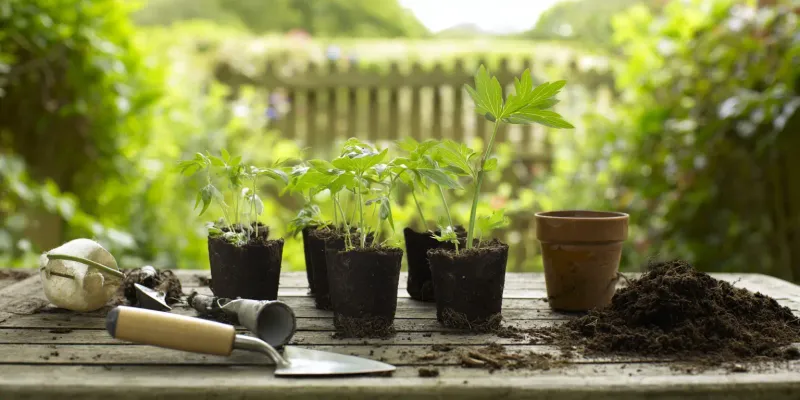
After cutting spent spikes, consistent soil moisture is one of the most practical things you can provide to support a second flush. Delphiniums prefer fertile, well-drained soil, and Missouri Botanical Garden’s delphinium profile notes that these plants can suffer crown and root problems when they are planted too deeply or kept in poorly drained conditions. Adequate moisture is the goal; saturated soil is a hazard.
Where practical, water at the soil surface rather than overhead. UC IPM’s delphinium management guidance advises avoiding overhead irrigation because splashing water and persistently wet foliage contribute to several common delphinium diseases, including black leaf spot, crown rot, and stem rot. A soaker hose or careful hand watering at the base of the plant is a better approach than a sprinkler that wets the leaves and crowns.
North Carolina Extension’s delphinium profile supports the importance of well-drained, fertile soil for healthy plant performance. If you see black spots on leaves, stem collapse, crown rot, powdery mildew, unexplained yellowing, or stunted growth, those symptoms require attention to drainage, plant spacing, sanitation, and irrigation practices, not simply a pruning adjustment. Cutting the plant back will not resolve a disease or drainage problem on its own. On the fertilizer question, maintain whatever regular feeding program you already use for your beds; there is no strong evidence that a heavy dose of fertilizer after cutting improves results, and it can encourage weak growth or worsen disease conditions.
Climate and plant age set the limits
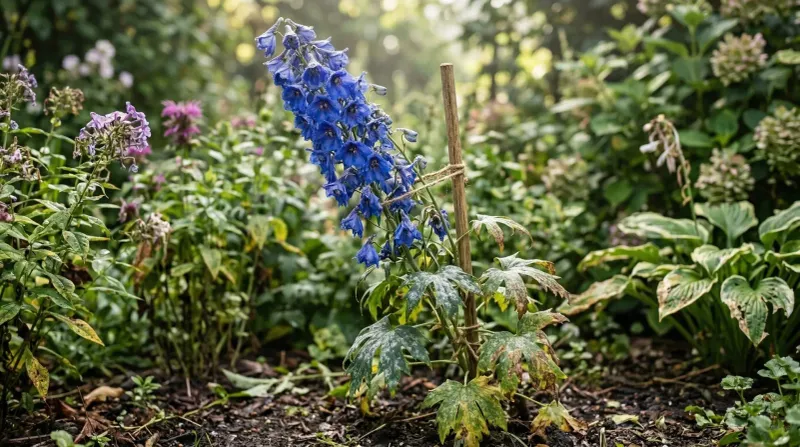
Geography matters more than many gardening guides admit. Delphiniums are cool-summer plants, and Missouri Botanical Garden places Pacific hybrid delphiniums primarily in USDA Zones 3 to 7, with a clear warning that they often struggle through hot, humid summers. If you garden in Zone 8 or warmer, or in a region where summer heat and humidity arrive early and stay late, a post-bloom cut may produce little or no substantial second flush regardless of how carefully you prune.
North Carolina Extension notes that delphiniums can be difficult in humid climates south of Zone 7, where heat stress compounds the challenge. In those regions, a smaller or absent second flush is a climate outcome, not evidence that you pruned incorrectly. Cultivar choice also matters: some newer, more heat-tolerant selections may perform better in warmer zones, but the classic tall hybrids are genuinely cool-climate plants.
Plant age is the other variable that often goes unmentioned. Iowa State Extension reports that many delphinium hybrids last only two or three years, while North Carolina Extension gives a general lifespan of roughly three to five years for the species. A plant that returns weakly or fails to rebloom in its third or fourth season may simply be reaching the end of its natural lifespan. Blaming the pruning cut in that situation overlooks the most likely explanation: short-lived perennial behavior that no amount of deadheading can reverse.
Use this honest post-bloom rule
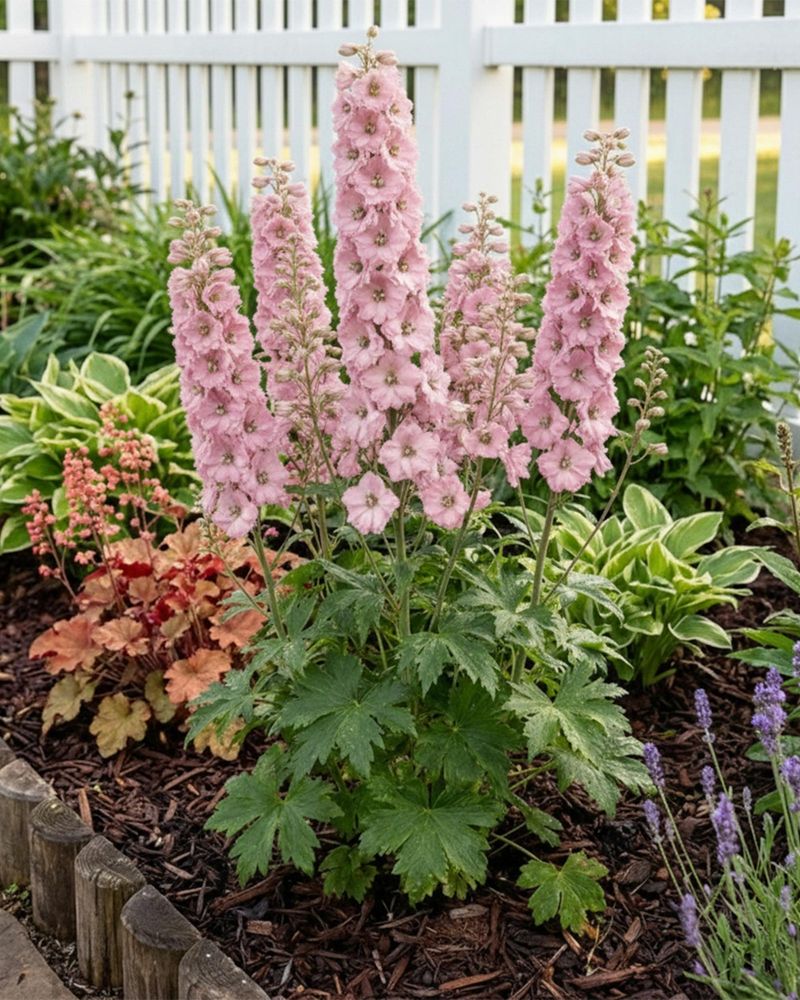
Remove each finished spike individually as soon as it looks spent, cutting just above or down to the basal foliage and new shoots without injuring them. Keep healthy leaves and fresh basal growth in place. Maintain steady soil moisture in well-drained ground, and water at the soil surface where you can.
The supported benefit of this practice is a possible, usually smaller, second flush of flowers later in the same season. Iowa State Extension and the RHS perennial delphinium guide both back that outcome. What the evidence does not support is a guarantee of doubled fullness or a significantly larger plant the following year.
If your plant returns weakly, factor in climate, plant age, cultivar, and any disease symptoms before assuming the pruning was the problem. UC IPM’s delphinium guidance is a useful reference for diagnosing disease and drainage issues that pruning alone cannot fix. A shorter second bloom on a well-tended plant is a success; a plant that has simply lived out its natural span is not a failure.