
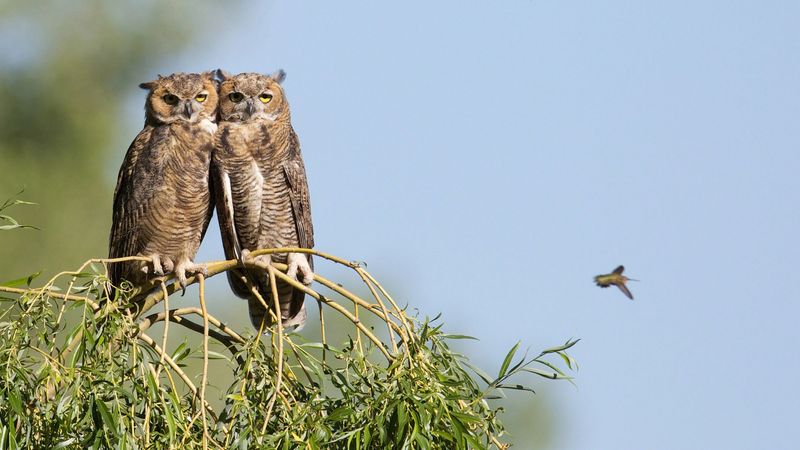
Rats love messy corners, fallen fruit, and quiet places to hide. Owls love places where they can perch, nest nearby, and hunt after dark. The right Florida plants can make your yard more useful to owls while also improving shade, habitat, and storm resilience. Plant smart, keep poison out of the food chain, and your nighttime pest patrol may get much stronger.
1. Southern Live Oak
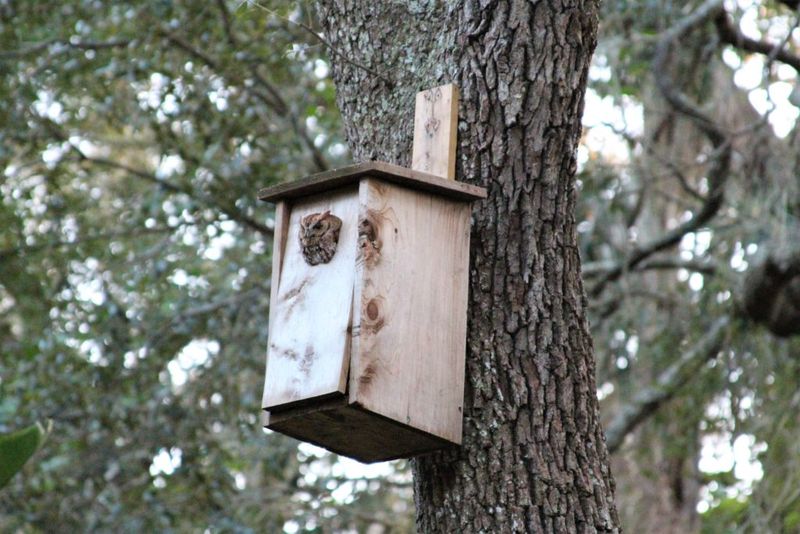
A big old live oak can feel like the night watchman of a Florida yard. Its wide limbs create the kind of sturdy lookout posts that owls use when they sit still, listen, and drop suddenly onto moving prey.
Southern live oak is Florida-native and well suited to many parts of the state once established. It handles heat, sandy soil with organic mulch, salt breeze in some coastal areas, and strong winds better than many weaker wooded trees when it has good structure.
What makes it different from smaller wildlife plants is height and architecture. Barred owls and great horned owls need safe, elevated perches, and live oak gives them several layers of hunting stations over time.
For rat control, the value is simple. Rats crossing a fence line, compost area, or fruit-tree edge are easier for an owl to spot when there is a clear perch nearby. Avoid rodent poison, since poisoned rats can sicken or kill the owls you are trying to invite.
2. Slash Pine
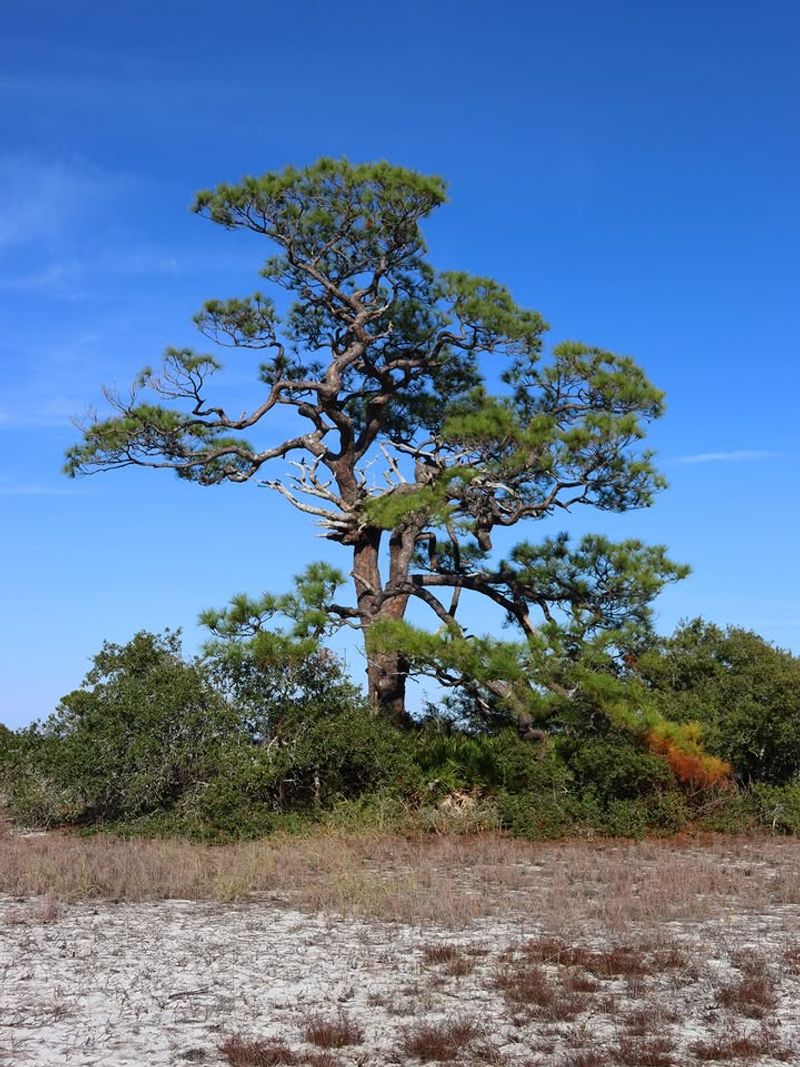
Listen to a pine stand after sunset and you may hear more than wind in the needles. Slash pine gives a yard a wilder edge, especially on larger Florida lots where owls can use tall trunks as quiet hunting towers.
Native slash pine is a strong choice for well-drained sandy soils, which many Florida gardeners know all too well. Once roots settle in, it needs far less pampering than thirsty ornamentals, and the fallen needles create a natural mulch layer that supports insects and small wildlife.
Owls are not drawn by flowers here. They are drawn by height, cover, and the open sightlines under the canopy. Great horned owls often use tall trees for roosting and scanning, while nearby brush and groundcover may hold the small mammals they hunt.
Plant slash pine where it has room to mature, not squeezed against a roof or power line. After hurricanes, inspect for broken limbs and lean, but do not strip the yard bare of all natural cover. A clean but habitat-rich pine area can reduce the cozy, hidden rat routes that make pests feel safe.
3. Sabal Palm
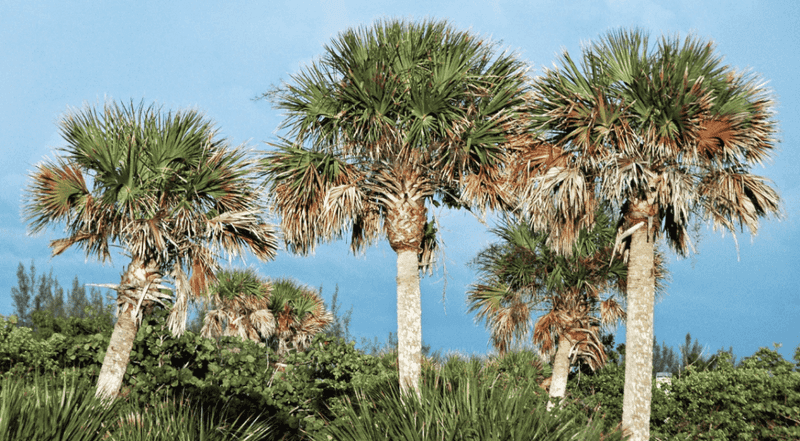
Few plants say Florida as clearly as a sabal palm. Better yet, this state tree can offer owls a tall resting spot without turning your whole yard into a dense thicket.
Sabal palm, also called cabbage palm, is native, tough, and highly adapted to Florida heat, rain, dry spells, and salty air in many coastal locations. It fits yards where a spreading oak would be too large, though it still needs enough space for the crown and falling old fronds.
Its special role is vertical structure. Owls may use palms as temporary perches, especially when the tree stands near open ground, a canal edge, a fence line, or a patch of shrubs where rats travel at night.
Do not over-prune it into a skinny feather duster. Leaving a healthy, natural crown is better for the palm and for wildlife. Remove only dead or dangerous fronds when needed, especially before storm season.
Rats sometimes use palm skirts or crowded plantings as shelter, so keep the base tidy and avoid piles of debris. A sabal palm works best as a lookout, not as a rat apartment.
4. Gumbo Limbo
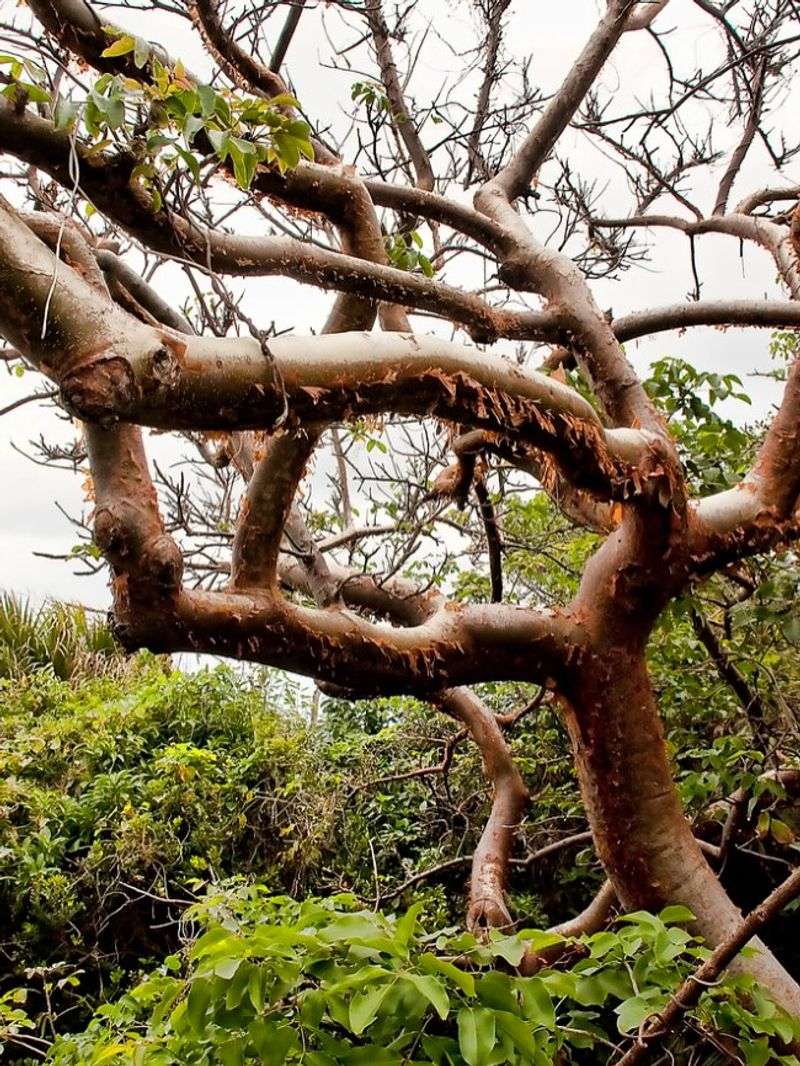
That coppery peeling bark makes gumbo limbo look like it came with a story. In South Florida yards, it also brings the kind of broad, living structure that helps build a real nighttime hunting zone.
Gumbo limbo is native to South Florida and the Keys, so it is not the right pick for every county. Where it belongs, it grows fast, tolerates heat, and handles coastal conditions better than many delicate landscape trees.
Its owl value comes from a mix of shade, branch strength, and tropical cover. A mature gumbo limbo can provide daytime resting spots, while openings around the trunk give owls room to watch for rats moving between hedges, sheds, and fruit trees.
Gardeners often love it because it can recover well from pruning and storm damage compared with brittle exotics. Still, place it thoughtfully and give it room, since fast growth near a house can become a maintenance problem.
Pair gumbo limbo with clean ground management. Pick up fallen fruit from nearby trees, thin overcrowded shrubs, and skip anticoagulant baits. The plant can help bring predators closer, but good sanitation makes rats take bigger risks in the open.
5. Wax Myrtle
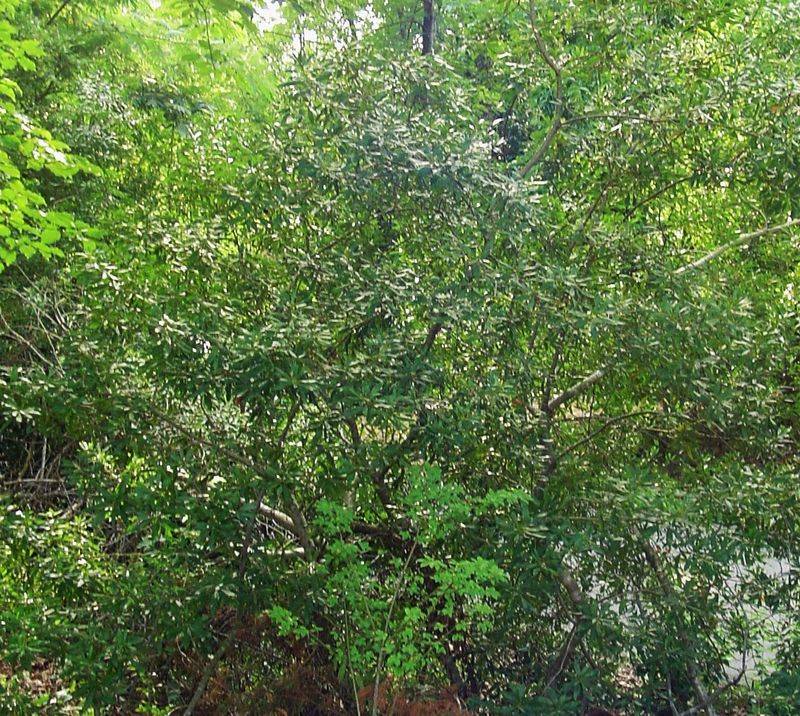
A fence line with wax myrtle feels alive even when nothing obvious is blooming. Birds tuck into it, insects use it, and after dark the shrub edge can become a place where owls watch for careless rodents.
Wax myrtle is a Florida-native evergreen shrub or small tree that handles sandy soil, wet spells, and heat with little drama once established. It can be kept as a screen, allowed to grow into a loose small tree, or used as a transition between open lawn and taller canopy.
Its difference is edge habitat. Owls often hunt along boundaries, where cover meets open space. Rats like to run along fences and hedges, but a nearby perch above a wax myrtle line can turn that hidden highway into a risky route.
Keep the lower area from becoming a trashy tangle. Rake out junk, avoid stacking pots or lumber behind the shrubs, and prune enough to prevent a perfect rat tunnel.
Wax myrtle also feeds wildlife with small waxy berries, especially for birds. That broader food web matters because a yard that supports native life is more likely to attract predators than a sterile landscape of bare mulch and clipped exotics.
6. Saw Palmetto
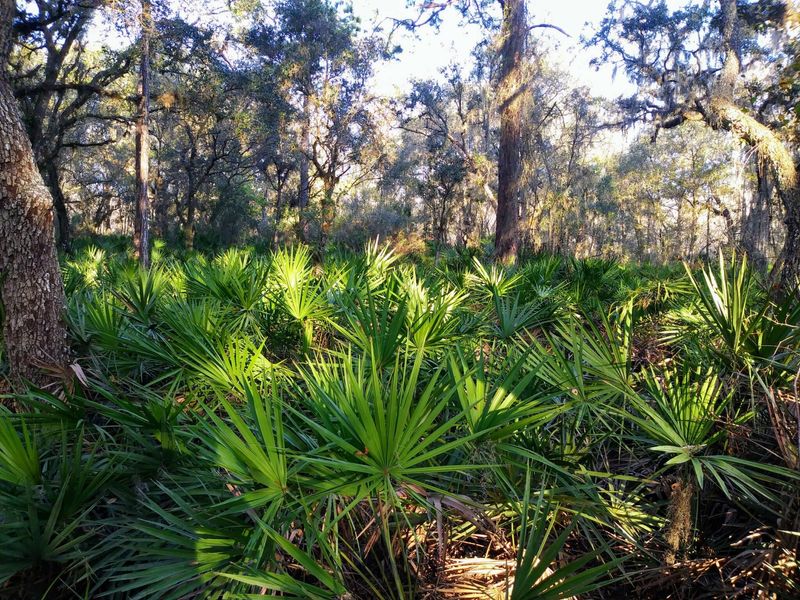
At first glance, saw palmetto looks a little too rugged for a tidy yard. Used in the right spot, though, it can give a Florida landscape the layered, native feel that owls recognize as good hunting country.
Saw palmetto is native and famously tough, thriving in dry, sandy soils where many ornamental shrubs sulk. It is best for larger beds, naturalized corners, and properties that can handle its spreading form and sharp-edged texture.
Unlike a tall perch tree, saw palmetto works closer to the ground. It supports insects, lizards, and small wildlife, which helps create a busy food web. Owls are often drawn to places where prey activity is steady, especially near open sandy paths or mowed edges.
There is a catch, and Florida gardeners should take it seriously. Dense low cover can shelter rats if it is mixed with garbage, fallen fruit, pet food, or clutter. The goal is native structure, not neglect.
Place saw palmetto away from doors, chicken feed, and storage areas. Keep a clear strip beside walls and fences so rodents cannot move unseen. When balanced with open hunting lanes and tall perches, this plant can be part of a yard that feels less comfortable for rats.
7. Beautyberry
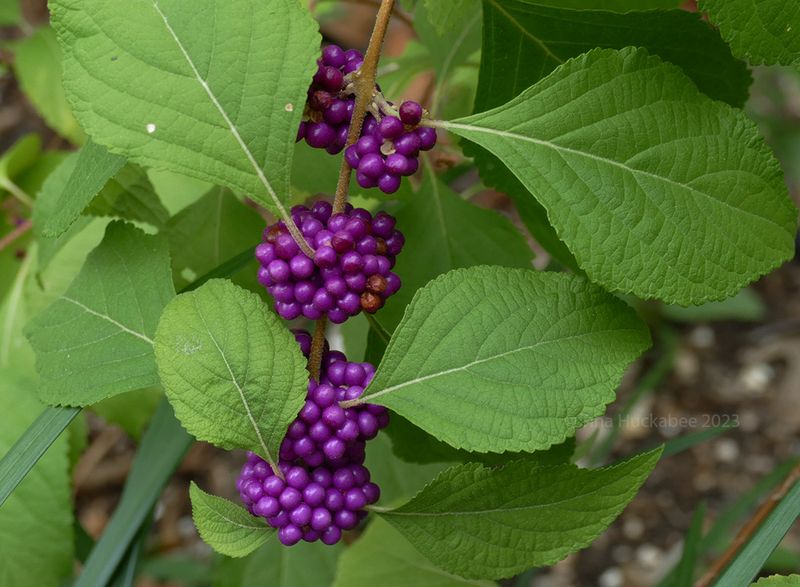
Those bright purple berries look almost fake the first time you notice them. Beautyberry brings color to a Florida yard, but its bigger gift is turning a plain planting bed into a lively native feeding stop.
American beautyberry is native to Florida and grows well in part sun to light shade, especially with a little mulch to help sandy soil hold moisture. It can handle casual gardening better than many fussy shrubs, and it bounces back nicely after pruning.
Beautyberry does not bring owls because owls eat the berries. Instead, it attracts birds and insects, thickens the habitat, and helps create the busy movement that predators notice. A yard with native shrubs, leaf litter, and tree perches often becomes more active at dusk than a yard made only of turf.
Its best use is near, but not jammed against, taller owl perches such as live oak, pine, or sabal palm. Leave some open ground nearby so hunting birds can see movement.
For rats, avoid turning beautyberry beds into hiding spots. Pick up fallen fruit from edible plants, do not leave pet food outside overnight, and keep mulch at a sensible depth. The shrub supports the good kind of wildlife while your habits remove the easy rat buffet.
8. Firebush
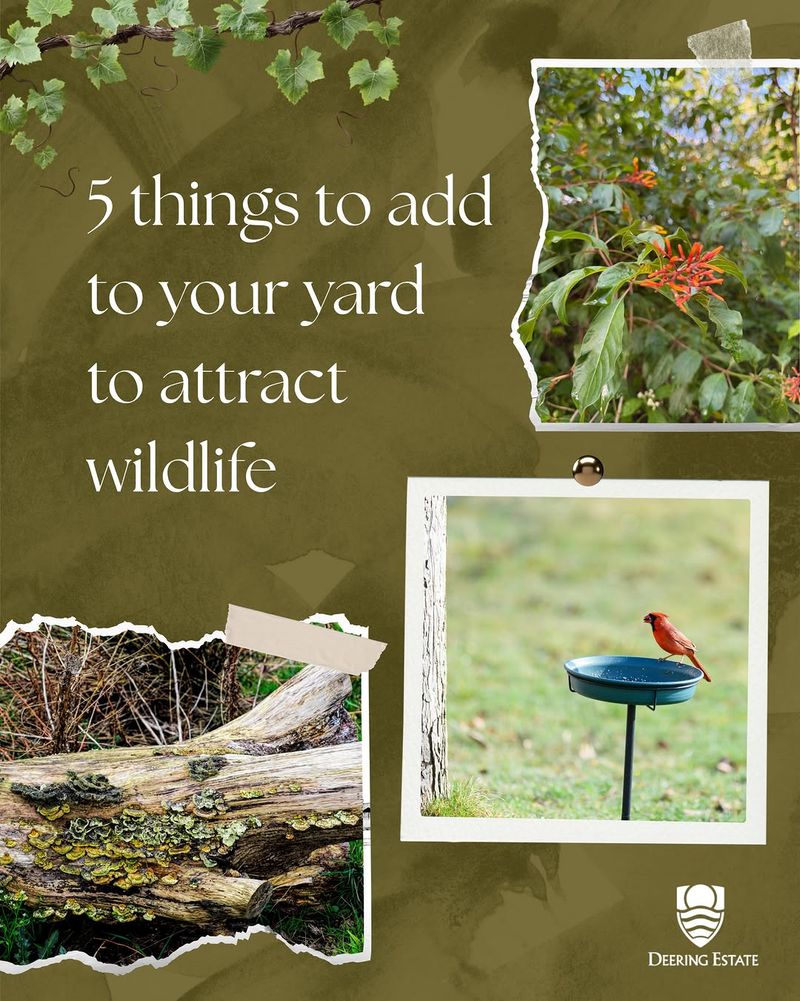
Firebush is the plant that makes a hot Florida afternoon look cheerful instead of tired. Its red-orange flowers bring hummingbirds and butterflies by day, while the habitat it supports helps make the yard more interesting after dark.
Native firebush is a smart Florida choice for gardeners who want low-maintenance color without begging a plant to survive summer heat. It prefers sun to part sun, handles sandy soil with decent establishment care, and can be pruned to fit smaller spaces.
Its role on an owl-friendly list is different from the big perch plants. Firebush builds daytime insect activity and native diversity, which supports lizards, frogs, and small animals around the garden. Predators pay attention to yards where life is always moving.
Use firebush near patio edges, sunny wildlife beds, or the outer edge of a larger native planting. Keep it away from creating a tight, hidden corridor along the house, since rats love covered routes beside walls.
One practical trick is to combine firebush with a nearby open patch of ground or short grass. Rats crossing that gap after visiting a messy compost bin or fruit drop are more visible to owls perched above. Beauty for you, danger for pests.
9. Simpson Stopper
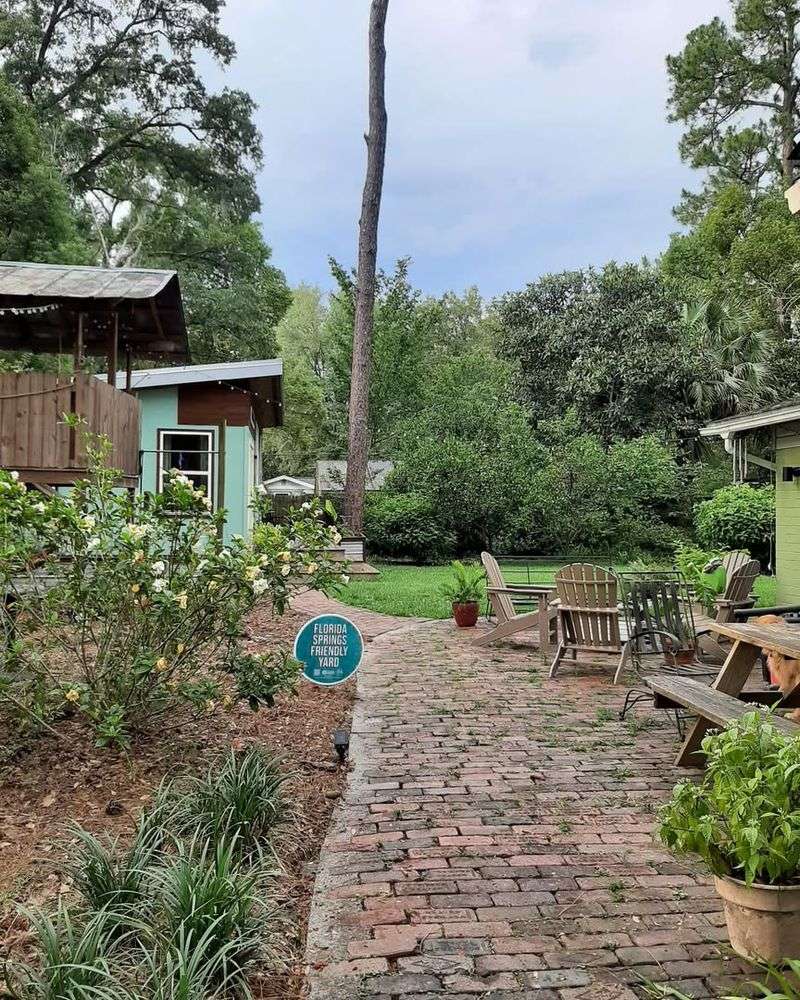
Small yards need owl strategy too, not just giant trees. Simpson stopper gives Florida gardeners a neat native shrub or small tree that can fit tighter spaces while still adding berries, cover, and structure.
Native to Florida, Simpson stopper is valued for glossy evergreen leaves, fragrant white flowers, and red berries that birds enjoy. It performs well in many Florida landscapes, including coastal areas, once established and planted in the right light and drainage.
What earns it a place here is its tidy usefulness. Not every owl-friendly yard needs a wild thicket. A well-placed Simpson stopper can soften a fence, support birds, and create a living edge near a taller perch without becoming a maintenance headache.
Prune it as a small tree if you want visibility underneath, or keep it as a shrub where screening is needed. In rat-prone yards, visibility matters. Dense, unbroken cover along walls can hide pests, while lifted canopies and open gaps make movement easier for predators to spot.
For best results, combine Simpson stopper with clean habits. Secure trash lids, harvest ripe fruit quickly, and use snap traps in protected boxes instead of poison when control is needed. Plants invite the hunters, but smart yard care helps the rats disappear soon after.