
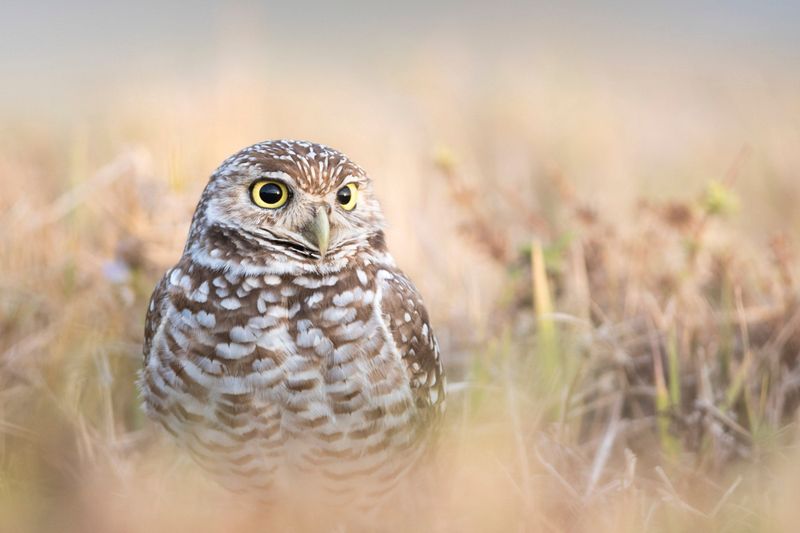
Rats love messy yards with easy food, dark hiding spots, and no natural pressure. Owls can change that by hunting at night, but they need a yard that feels safe, layered, and alive. The right Florida plants can help create that kind of space while also handling sandy soil, heat, storms, and pests. Here are nine plant choices that make your yard more inviting to owls and less comfortable for rats.
1. Southern Live Oak
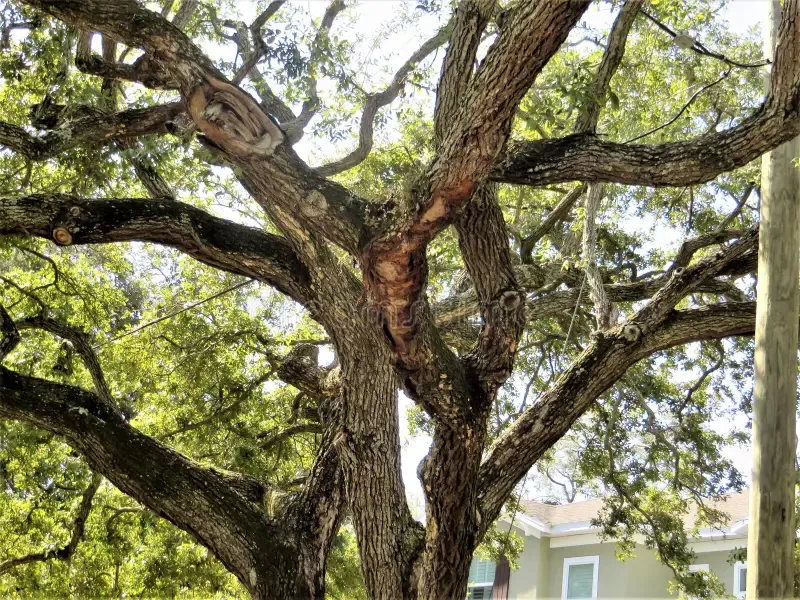
Big, old-looking branches are the kind of real estate owls notice first. Southern live oak gives a Florida yard height, shade, and strong limbs that can serve as lookout points for barred owls, great horned owls, and other nighttime hunters.
What makes this tree different is its long-term value. It is not a quick fix, but it can become the backbone of a wildlife-friendly yard for decades. The broad canopy supports insects, small birds, lizards, and other life, which helps build a healthier food web instead of a sterile landscape where rats have fewer natural checks.
Live oak is also a Florida-tough choice when planted with enough space. Once established, it handles heat, wind, and sandy soils better than many ornamentals, though young trees need careful watering while roots settle in. Avoid planting it too close to foundations, septic areas, or power lines because this tree wants room to spread.
For owl-friendly design, leave a few lower natural branches where safe, and keep the ground below from becoming a clutter pile. Owls need perches and clear flight paths, while rats love junky cover. A live oak gives you the perch part beautifully, but smart cleanup keeps the advantage on the owl side.
2. Slash Pine
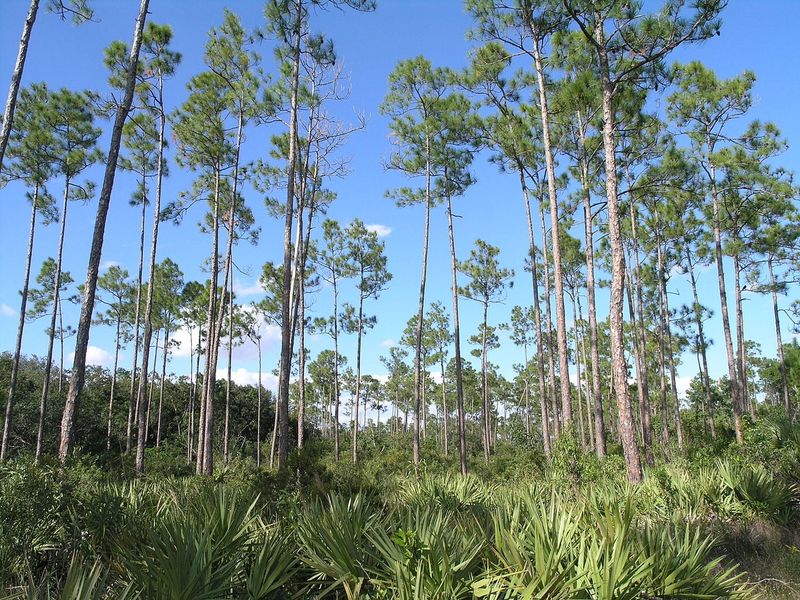
A tall pine can feel like a watchtower in the middle of a flat Florida neighborhood. Slash pine brings that vertical structure, giving owls a high place to pause, scan, and listen for movement after sunset.
Unlike broad-canopy shade trees, slash pine has an open, airy shape that works well with native grasses and shrubs underneath. That layered look matters because owls often hunt along edges, not in tangled chaos. A pine with open sight lines can help create the kind of hunting lane where rodents have fewer safe routes.
Florida gardeners also appreciate that slash pine is built for many local conditions, especially sandy, acidic soils. It can take heat and periods of dryness once established, and it brings a natural Florida feel that pairs well with muhly grass, beautyberry, coontie, and saw palmetto. In storm-prone areas, choose healthy nursery stock and give trees space, because crowded or weakened pines can become hazards.
One small bonus: pine needles make a useful mulch in many Florida landscapes. Keep the mulch layer tidy rather than piled against trunks, and do not let fallen debris stack into rat shelter. The goal is a clean woodland edge, not a hidden rodent apartment complex.
3. American Beautyberry
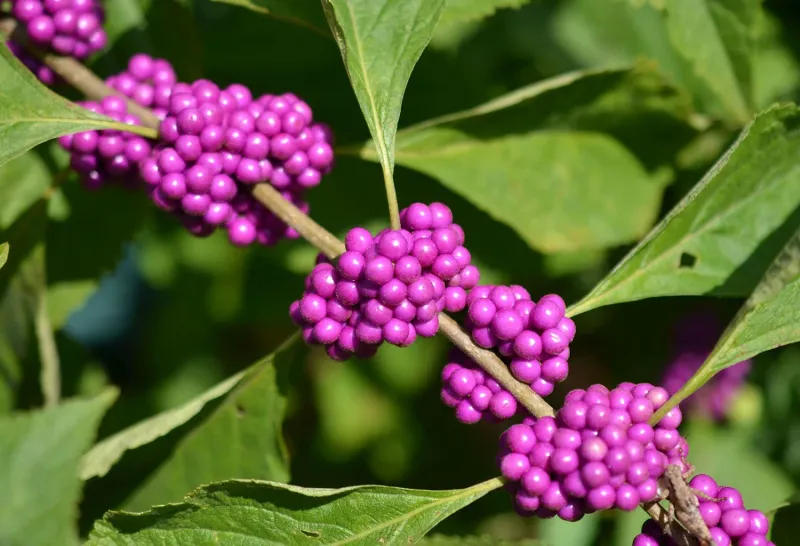
Those bright purple berry clusters look almost too colorful to be native, like someone decorated the shrub with tiny beads. American beautyberry earns its place because it feeds birds while adding middle-height cover that helps a yard feel alive without turning it into a rat maze.
Owls are not coming for the berries, of course. The value is indirect. Beautyberry draws songbirds and supports insects, which adds activity to the landscape and helps build the broader backyard ecosystem that predators recognize as productive territory. A quiet, lifeless yard rarely feels as useful to wildlife as one with layers and movement.
For Florida homeowners, beautyberry is a practical pick because it handles part shade, filtered sun, and many sandy soils once established. It can look a little wild if ignored, so prune it with a light hand in late winter to keep it open and attractive. That openness matters because dense, unmaintained shrub piles can give rats daytime hiding places.
Plant beautyberry along a fence, near a pine edge, or under the edge of a live oak canopy. Give it room, keep fallen fruit and leaf litter from building up near sheds, and pair it with taller perch trees nearby. It becomes a colorful support player in an owl-friendly yard, not the main stage, and that is exactly why it works.
4. Walter’s Viburnum
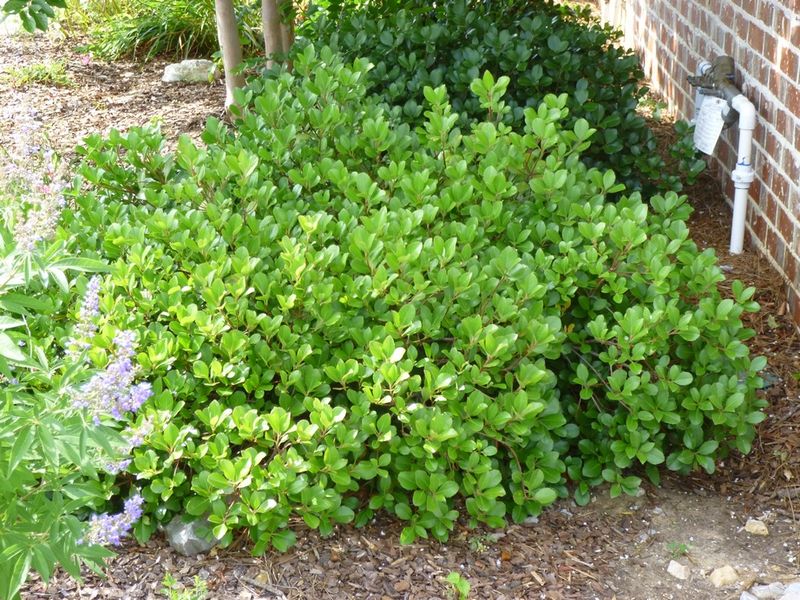
A hedge does not have to be a dark wall where pests disappear. Walter’s viburnum can form a Florida-native screen that gives birds shelter and nesting cover while still staying neat enough to avoid becoming a rodent hideout.
The difference with this shrub is control. It can be grown as a small tree, clipped hedge, or loose wildlife border, so it fits both tidy suburban yards and more natural gardens. Its spring flowers attract pollinators, and its berries feed birds, helping create the kind of busy habitat that supports a full backyard food chain.
In Florida’s sandy soil, Walter’s viburnum usually performs best with decent moisture while getting established, then becomes fairly dependable in the right site. It can handle sun to part shade, but it should not be treated like a plant you can cram anywhere and forget completely. Good spacing, mulch, and occasional pruning make the difference between a healthy screen and a thicket that traps humidity and clutter.
For rat pressure, keep the lower stems lifted slightly or trimmed so you can see what is happening at ground level. Owls hunt best when rodents have to cross open spaces. A well-managed viburnum hedge gives wildlife structure above while denying rats the secret tunnels they prefer below.
5. Saw Palmetto
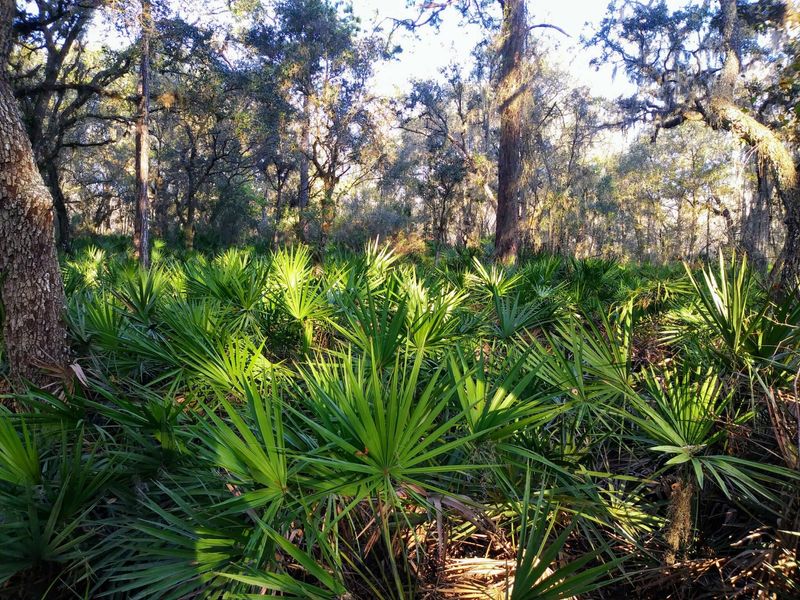
Few plants say old Florida as clearly as saw palmetto. Its fan-shaped fronds bring a scrubby, natural look, and when used carefully, it can add wildlife value without turning your yard into an untouchable jungle.
Here is the trick: placement matters more with saw palmetto than almost any plant on this list. In open pine landscapes, it is part of a native system that supports insects, birds, and small animals. That activity can help make a yard more attractive to predators like owls, especially when tall perch trees stand nearby.
In a small yard, however, saw palmetto should not be jammed against sheds, wood piles, chicken feed, garbage cans, or AC units. Rats love protected corners. Use saw palmetto as a spaced accent or natural border where you can still inspect the ground and keep debris cleaned out.
Its strength is toughness. Saw palmetto is adapted to heat, sandy soil, drought, and Florida’s rougher weather moods once established. It is a slow-growing, set-and-forget style plant when placed correctly, which appeals to gardeners who do not want constant fussing.
Think of saw palmetto as habitat texture, not hiding-space permission. Pair it with open mulch, pine needles, or native groundcovers, and leave nearby lawn strips or paths where owls can spot movement. Used with discipline, it adds Florida authenticity and supports the larger owl territory effect.
6. Firebush
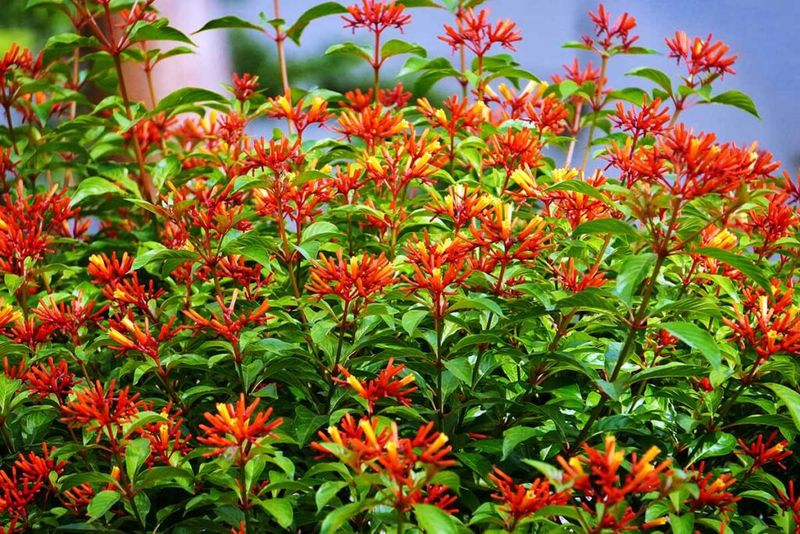
Firebush brings the party before sunset. Hummingbirds, butterflies, and pollinators crowd its orange-red flowers, and that burst of life helps turn a plain yard into a more active habitat that wildlife notices.
Its role in an owl-friendly yard is not about giving owls a perch. Firebush is more like the restaurant sign for the lower levels of the food web. Flowers support insects, insects feed lizards and birds, and a more active landscape can become part of a healthier predator-prey system. Owls are more likely to use areas that offer structure, prey movement, and safe nearby roosting options.
Florida gardeners like firebush because it can be low-maintenance in the right spot. It handles sun, heat, and sandy soils once established, and it can bounce back from pruning. In warmer parts of the state it may grow large, while in cooler areas it can freeze back and return.
To keep firebush from helping rats, do not let it become a dense mound touching fences, storage bins, or house walls. Prune lightly to keep air moving through the plant and rake out heavy debris underneath. Its best use is near open edges, where pollinators get flowers and owls still get visibility over the ground.
7. Muhly Grass
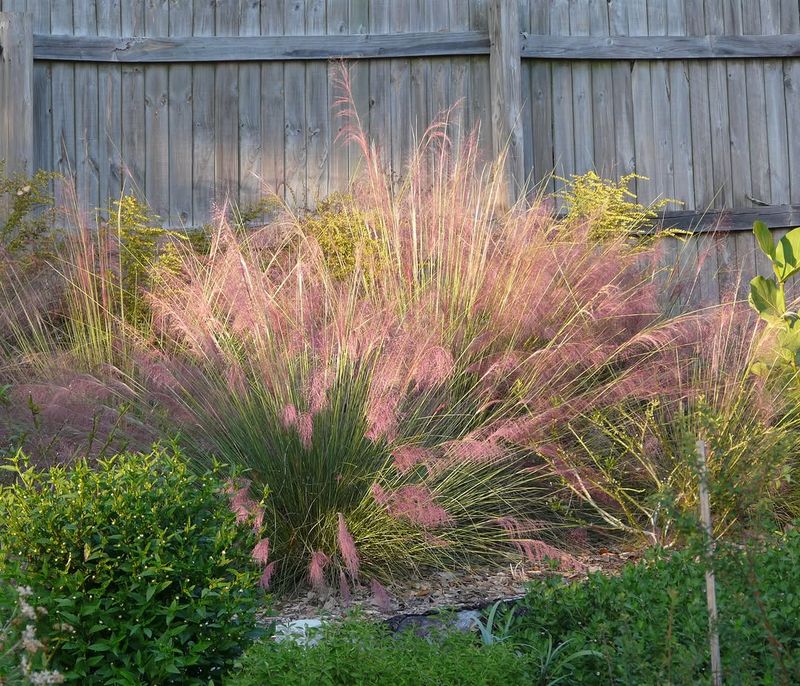
When pink muhly grass blooms, it looks like a soft cloud landed in the yard. That beauty is useful too, because muhly grass adds habitat without creating the heavy, woody cover where rats often settle in.
Compared with shrubs, muhly keeps things lighter. Its fine blades and airy plumes provide seeds, shelter for small beneficial creatures, and a natural edge along paths or planting beds. At the same time, it does not usually form the kind of solid, dark hiding zone that makes rodent control harder, especially if you cut it back once a year.
For Florida conditions, muhly grass is a strong choice because it tolerates sandy soil, sun, drought, and salty breezes in many areas once established. It fits coastal yards, inland landscapes, and low-water beds where fussier plants fade. Give it full sun for the best color and avoid overwatering, since soggy soil can make it sulk.
Owls need to see movement, and muhly can help create those clean edges between open space and planted areas. Plant it in drifts near taller trees or along a fence line, leaving gaps instead of one continuous hiding strip. The result feels designed, Florida-friendly, and much less welcoming to rats than overgrown hedges or stacked clutter.
8. Coontie
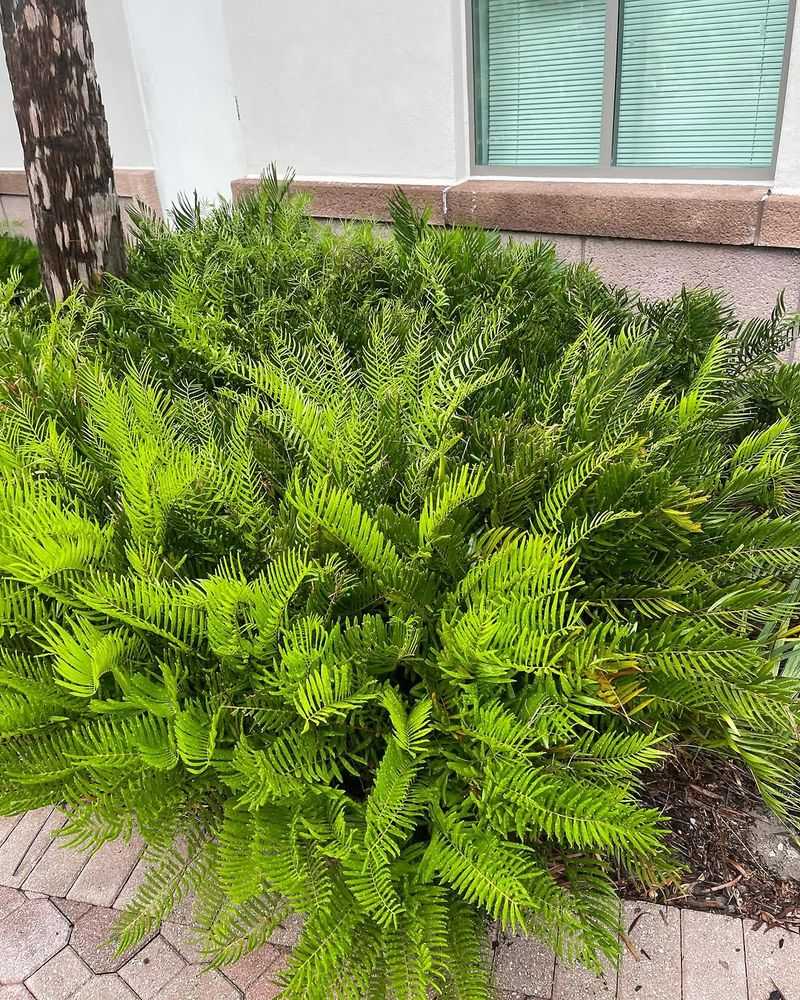
Coontie has a quiet, tidy charm that works in places where bigger shrubs would feel like too much. Its glossy, fern-like leaves make a clean low layer under trees, near walkways, or around patios without demanding constant attention.
The special value here is structure at ankle height. Coontie fills bare sandy spots and supports the rare atala butterfly where that butterfly is present, yet it stays compact enough that homeowners can still see around it. For rat management, that visibility is a big deal. Low plantings should not become mystery zones.
Coontie is Florida native and well-suited to heat, dry spells, and sandy soils once established. It grows slowly, which can be a blessing for gardeners who are tired of trimming runaway ornamentals. It also handles part shade, making it useful beneath live oaks or along the brighter edge of a pine planting.
Because all parts of coontie are toxic if eaten, place it thoughtfully if pets or children chew plants. In normal landscape use, it is a durable native choice with a polished look.
In an owl-minded yard, coontie works as the neat floor layer beneath taller habitat. Keep mulch thin, remove fallen palm fronds or trash nearby, and avoid crowding it with dense shrubs. Clean layers make rats nervous and give nighttime hunters a better chance.
9. Dahoon Holly
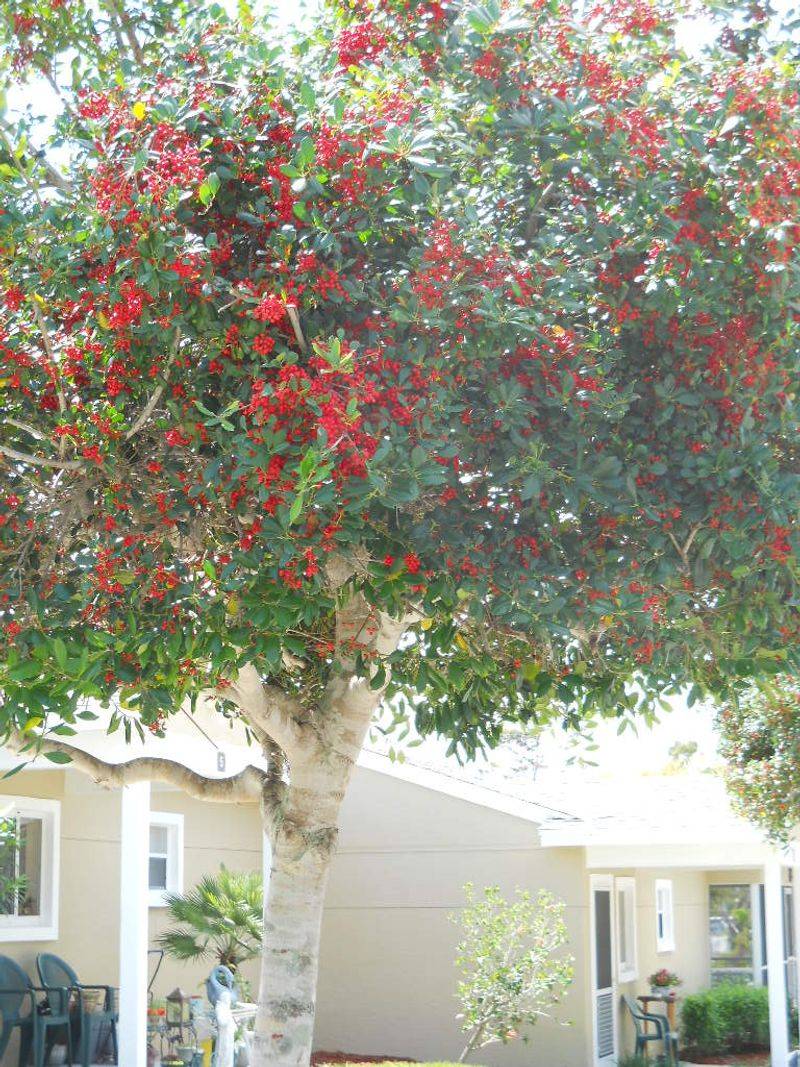
Some Florida yards stay damp after storms, and not every native plant enjoys wet feet. Dahoon holly stands out because it can handle moist areas while still offering the height, berries, and bird value that help shape a wildlife-rich yard.
Its red berries feed birds, and its evergreen form adds year-round structure. For owls, the benefit is partly about creating a layered landscape with small trees, shrubs, and open ground nearby. A yard with varied heights gives predators more places to rest and watch, especially when paired with taller trees or a safe nest box location.
Dahoon holly is especially useful for low spots, rain garden edges, and Florida landscapes that flood briefly during summer storms. It prefers moisture more than many dryland natives, so do not treat it like a desert plant. In the right site, it can become a handsome small tree rather than a thirsty problem child.
To keep the rat message clear, manage fallen berries and leaf litter near patios, sheds, and pet feeding areas. Wildlife fruit is helpful, but food piles beside human structures can invite trouble. Give dahoon holly space, prune for a visible trunk as it matures, and keep the ground around it readable.
Used this way, it becomes a storm-smart native that supports birds, adds vertical interest, and helps your yard feel more like hunting territory than rat territory.