
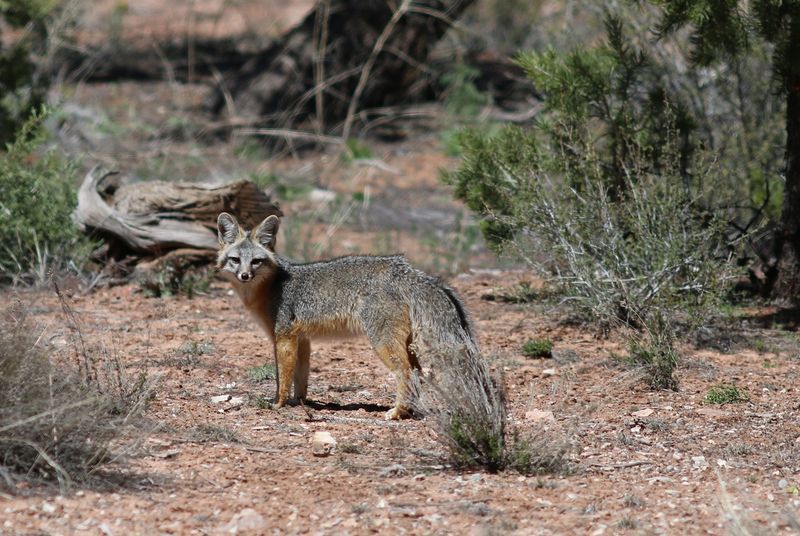
A slim, gray-coated animal slips along your fence after dark, and your first thought is probably, wait, was that a fox? Gray foxes are native Texas wildlife, and some of what they eat is rodents.
That makes it tempting to call them free pest control for your compost pile. The real story is more careful, and it comes with simple steps that keep both your yard and the wildlife safer.
A fence-line sighting is not proof of rat control
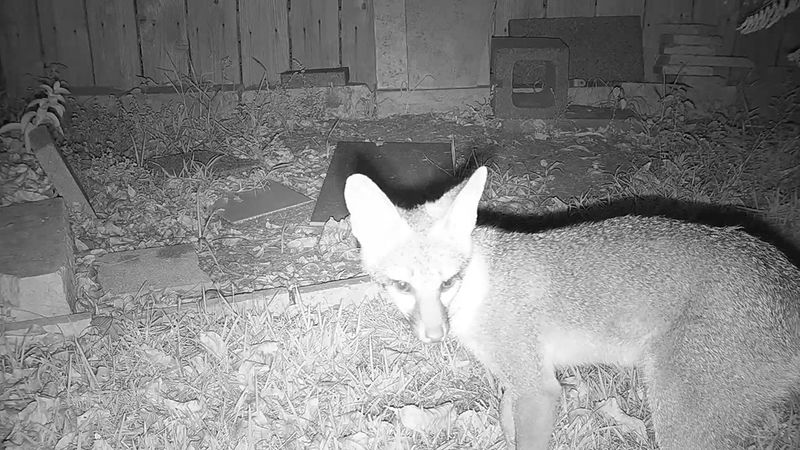
Gray foxes may eat rodents, but seeing one pass your fence does not mean fewer rats are raiding your compost. Nobody can say that a fox on your property is hunting the particular rats visiting your pile.
Even if it does catch a few, that is not the same as a drop in rat activity.
The Texas Tech species account lists white-footed mice, woodrats, cotton rats and other small mammals among the foods gray foxes eat. Those are mostly native rodents.
The rats that show up at compost are often a different group, so the match is loose at best.
Two studies show why predator sightings are tricky to read. A 2020 camera study in Raleigh, North Carolina found a small positive link between prey detections and wild canid detections in yards.
It did not show that foxes made prey numbers fall, and it found that feeders and other yard food also shaped which animals turned up.
Then there is a 1975 study on Virginia poultry farms. When researchers removed gray foxes heavily, overall woodmouse density did not change, and another predator increased.
It is old and from a different place, and it did not test city rats or Texas compost. Still, it is a good reminder that one predator rarely controls a prey population on its own.
So enjoy the sighting, but treat it as a nice bit of nature, not a rat plan.
Rodents are only one part of the menu
Gray foxes are native to Texas and live in most of the state. According to Texas Parks and Wildlife, they are mostly nocturnal, which is why so many people only catch them in a porch light or on a camera.
Their menu is wide, covering small mammals, birds, eggs, acorns, fruit and insects.
Small mammals do show up on that list. The Texas Tech account names white-footed mice, woodrats and cotton rats, along with other small mammals.
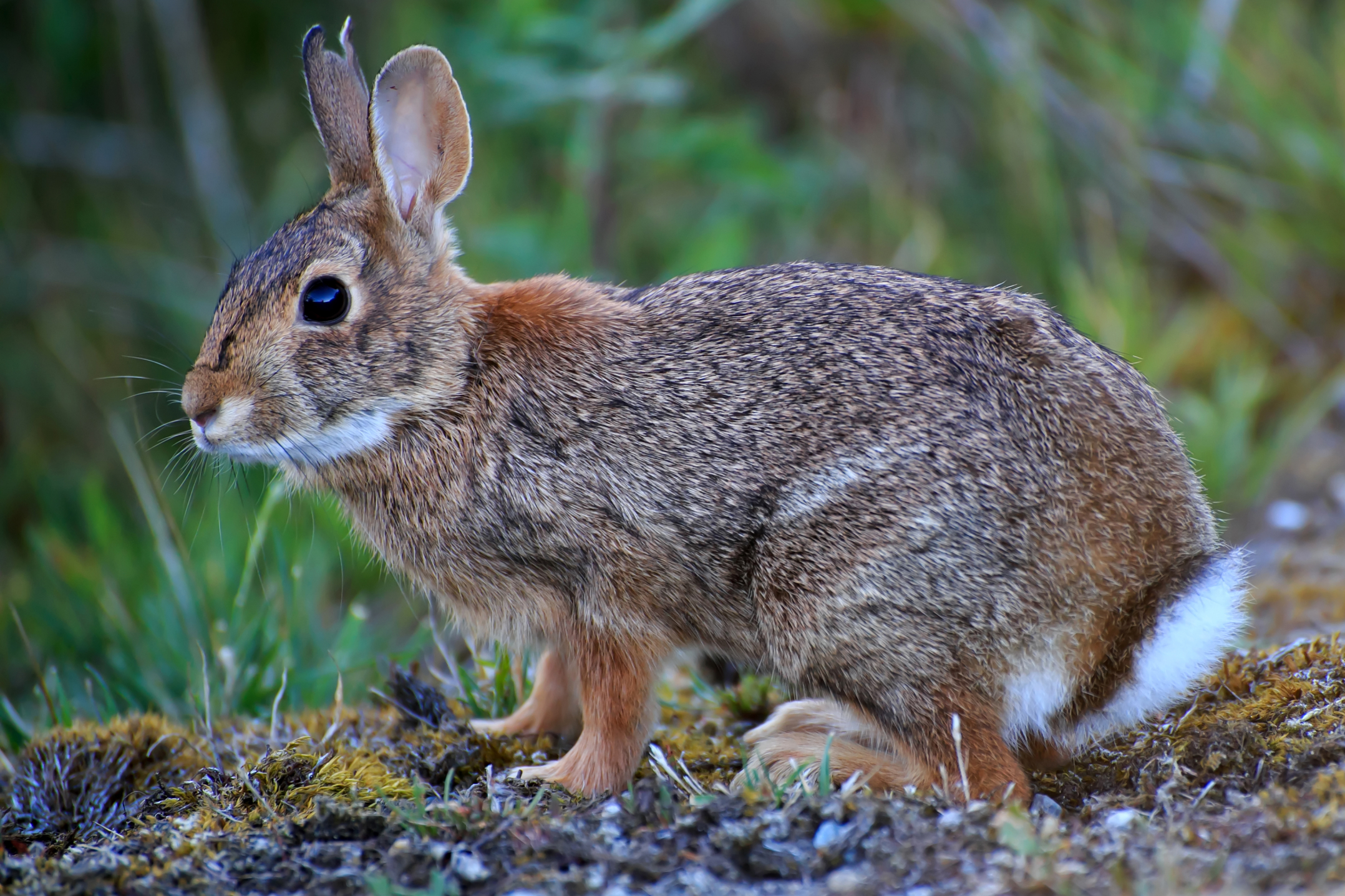
Yet the same account says cottontail rabbits are the most important item, and that the diet shifts with the seasons.
Think of a fox as a diner who orders whatever is easiest that week. In a season heavy with fruit or insects, rodents may drop down the order.
When rabbits are plentiful, they may get more attention.
That is why a general diet list cannot tell you what the fox at your fence ate last night. It does not reveal whether it visited your compost, hunted near it, or skipped rodents entirely.
Without watching the animal or studying its droppings, no one can say.
The fair takeaway is simple. Gray foxes are opportunistic predators that can eat rodents, and that is all this evidence lets us say.
Can you be sure it was a gray fox?
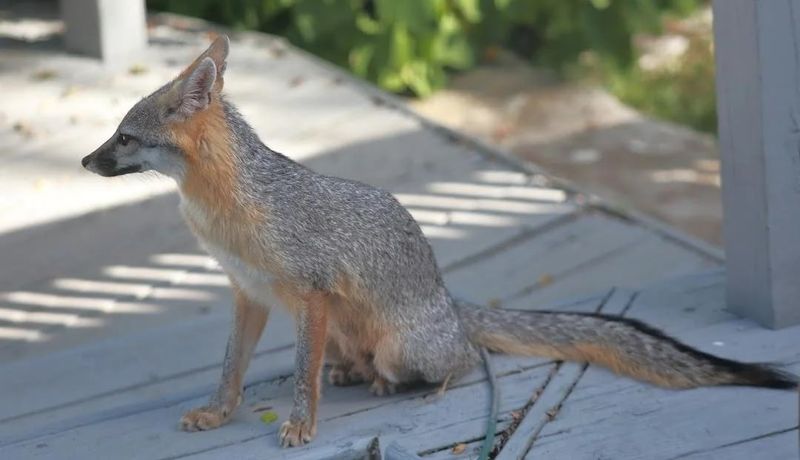
A quick glimpse of a long-legged shape at night can fool anyone. Gray foxes live through most of Texas and are mostly nocturnal, so a night sighting fits.
But a fit is not a confirmation, since other animals can look similar in poor light.
Shadows, headlights and distance all change how an animal looks. A neighbor’s cat, a coyote pup or a stray dog can seem like a fox for a second or two.
Naming the species from a brief view is mostly guesswork.
The Texas Wildlife Identification Guide from Texas Parks and Wildlife describes the markings and range of the gray fox. Compare what you saw with those features, like coat color and pattern, rather than relying on memory.
The best tool is a clear photo. A trail camera or a phone shot from a window, taken from a safe distance, gives you something to check against the guide.
If you cannot get one, it is perfectly fine to say you saw a fox-like animal and leave it there.
Secure compost instead of relying on a fox

Rat-proofing starts with the pile itself, not the wildlife around it. Washington State University Extension gives practical advice on rats in compost that works well for Texas yards too.
A fox sighting does not make any of these steps optional.
Bury fresh food scraps in the middle of the pile instead of leaving them on top. Keep the pile moist and turn it regularly, since a busy, active pile is a less comfortable place for rodents to settle in.
Secure the lid so nothing can push or lift its way in. If your bin sits where rodents could burrow underneath or chew through the sides, add strong quarter-inch wire mesh.
Hardware cloth with small openings is the kind of material to look for.
Be realistic about results. No method makes compost completely rat-proof, so check the pile now and then for burrow holes, gnaw marks or droppings.
If you already have a steady rodent problem, a passing fox will not fix it. Tighten up the bin first, and respond to the problem directly instead of waiting for wildlife to solve it.
Let the fox pass without attracting it
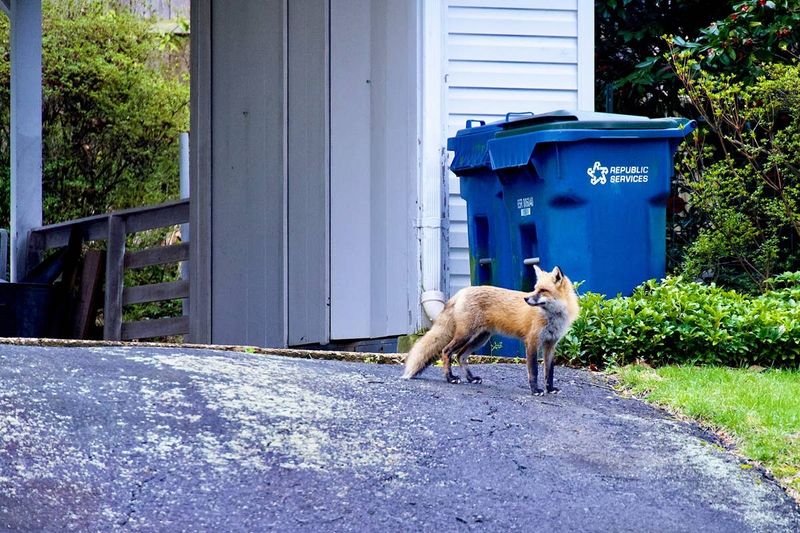
Here is what a fox-friendly yard really means: a wild animal can pass through without being approached, handled or fed. That is the whole definition.
It does not mean setting out snacks or building a cozy den spot.
The Texas Department of State Health Services, in its wildlife and rabies guide, advises leaving wildlife alone and not hand-feeding it. It also suggests securing garbage and not leaving pet food out overnight.
Walk your yard before bedtime like a quick checklist. Bring pet bowls inside, close trash can lids tightly, and make sure nothing edible is sitting on the ground.
Those habits keep foxes and other animals from treating your home as a regular snack stop.
Do not toss scraps near the fence to encourage a visit. Food draws animals closer to people and pets, and it can bring rodents too.
A fox that passes through and moves on is the best outcome.
Watching quietly through a window is a perfectly good way to enjoy your night visitor.
Rodenticide can reach wildlife through bait or prey
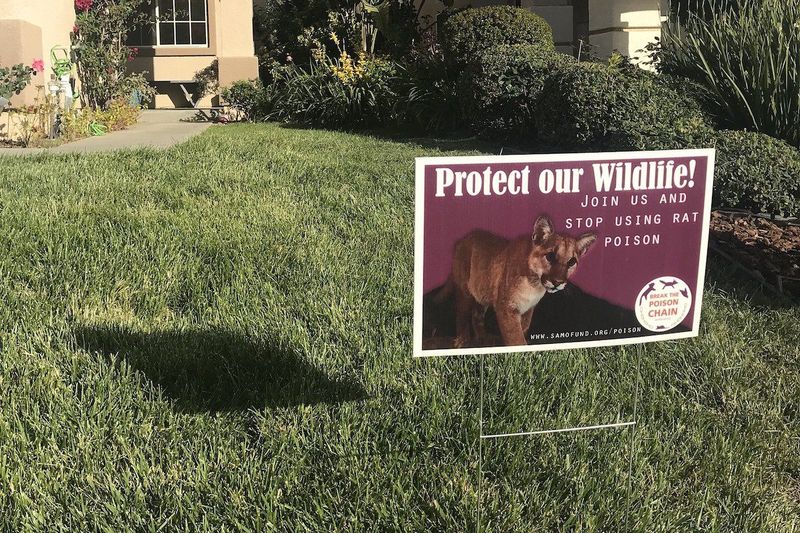
Rodent poison does not stay neatly inside the rodent. According to the National Pesticide Information Center fact sheet on rodenticides, wildlife can be poisoned by eating the bait directly.
They can also be poisoned by eating a rodent that has taken the bait.
That second path matters for anyone who likes having foxes, owls or hawks around. A poisoned mouse or rat can be an easy meal, and the poison can move up to the animal that eats it.
So poison is not a way to look after wildlife, and it is not risk-free for them.
If you decide to use rodenticide outdoors, read the product label and follow it closely. Labels spell out how and where the product can be used.
The same source also advises collecting and safely disposing of poisoned rodents. Checking regularly and removing any you find keeps them from becoming food for another animal.
Because of these risks, sealing up compost and removing food sources is usually the place to start.
Keep your distance and respond to warning signs
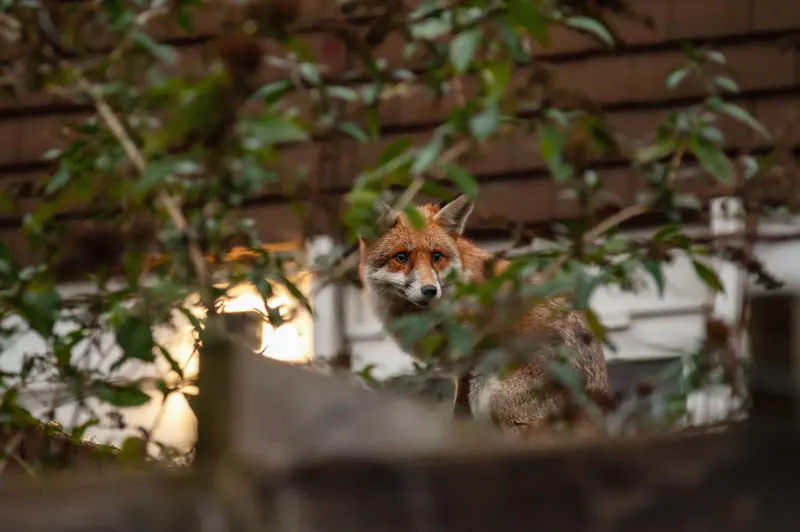
Most fox sightings are simply a wild animal going about its night. Watch from a distance, keep pets inside or leashed, and never try to approach or touch it.
That is ordinary wildlife viewing.
Some situations call for action. The Texas Department of State Health Services lists unusual behavior and abnormal difficulty walking, eating or drinking as warning signs.
Think of an animal that seems confused, stumbles, or struggles to swallow.
Do not try to diagnose rabies by looking. The same guidance says people cannot tell by appearance alone.
A fox out in daylight is not automatically sick either, since foxes sometimes move around at odd hours for ordinary reasons.
If an animal is acting strangely, stay away from it and call local animal control or a rabies-control authority. Keep children and pets back, and let trained people handle it.
If anyone is bitten, wash the wound and seek medical advice promptly. Do not wait to see how it looks later.
Foxes are best admired from a distance, and calm caution covers the rest.