
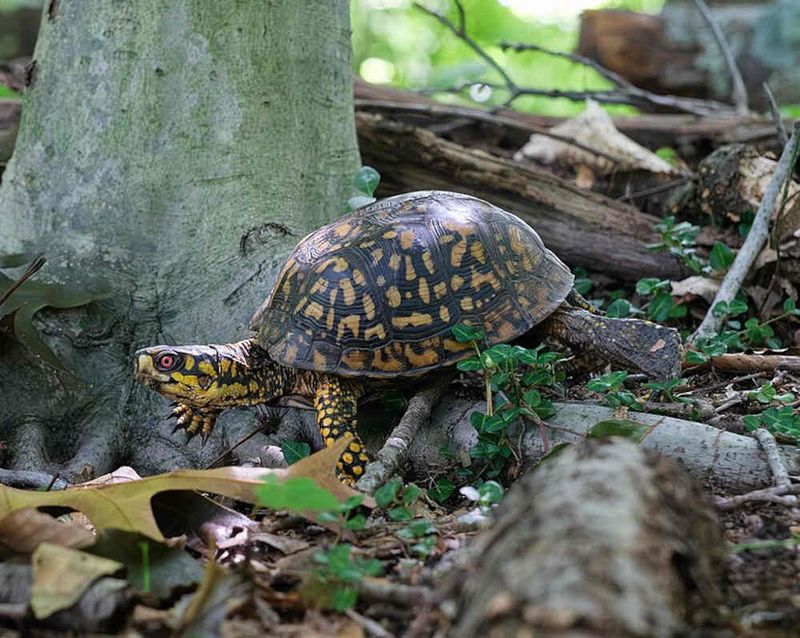
Finding a box turtle slowly crossing your garden beds is one of those moments that makes you stop and stare. Most North Carolina homeowners wonder if it means something good, something bad, or something in between. The honest answer is that it means something specific about the land around your yard, and understanding what that is can help you make a few smart, low-effort choices that protect both your family and your wildlife neighbors.
The Visit Points to Connected Habitat, Not Luck
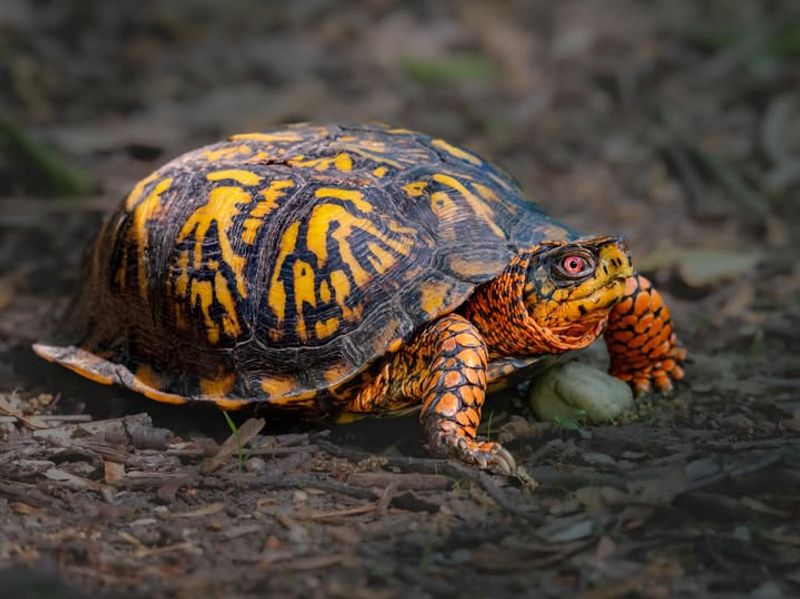
When a turtle shows up between your tomatoes and your hostas, the most useful way to read that moment is as an ecological clue rather than a stroke of fortune. The visitor is most likely an eastern box turtle, Terrapene carolina carolina, North Carolina’s only native terrestrial turtle and the official state reptile. Its domed shell, hinged plastron that closes completely, and high-domed shape distinguish it from any aquatic turtle that might wander from a nearby pond.
What the appearance can reasonably tell you is this: your property sits within or near habitat that this turtle is already using, or along a movement route it travels. North Carolina Wildlife Resources Commission documentation on eastern box turtles confirms that the species uses forests, forest edges, fields, neighborhoods, and suburban backyards across the state, from the Blue Ridge foothills to the coastal plain. A garden sighting is not rare in any of those settings.
What the visit cannot tell you is whether your yard is perfectly healthy habitat, whether the turtle chose your garden over all others, or whether some charm or omen attached itself to your afternoon. Folklore about box turtles and good luck is longstanding and warm, but it does not track with how the animal actually moves through the landscape. One visit is one data point. The defensible interpretation is that your garden connects to usable box-turtle habitat somewhere nearby, even if that habitat is patchy or partly developed.
That connection is worth knowing about, and it is a more actionable piece of information than luck.
Your Garden Is One Piece of a Larger Turtle Route
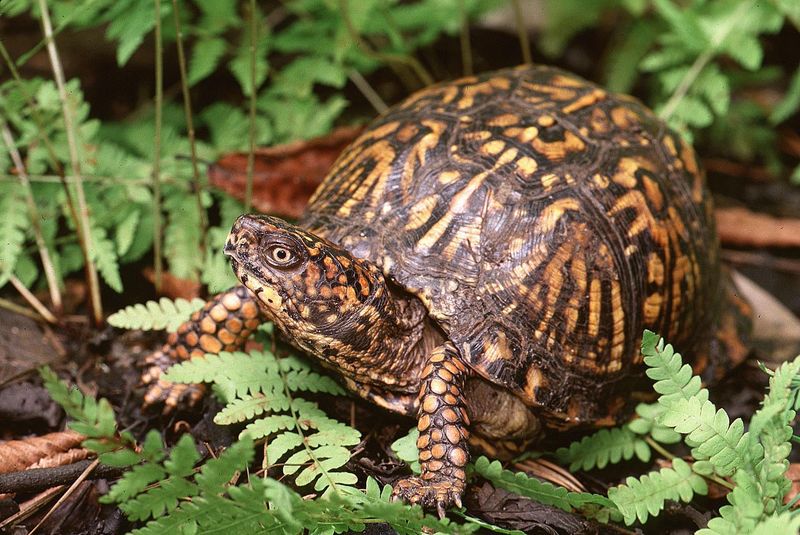
A box turtle moving through your garden beds is probably not treating your yard as a self-contained world. Eastern box turtles commonly travel through a mosaic of wooded patches, shrubby edges, open fields, mowed lawns, drainage corridors, and moist refuges, using whatever combination of resources the surrounding landscape offers. Your garden may be one stop among many rather than the destination.
USGS research on eastern box turtle movement and resource selection shows that these turtles navigate complex landscapes and are not confined to a single habitat type. Home range size varies considerably depending on habitat quality and landscape structure; published figures for the species range from roughly two acres to more than ten, so no single number applies to every turtle in every North Carolina yard. What matters more than any specific acreage is that the turtle has been traveling, and your property fell within that travel zone.
NC State Extension guidance on reptiles in backyard settings notes that more developed landscapes can fragment habitat and push turtles into closer contact with roads, pets, and lawn equipment. That fragmentation is exactly why a sighting carries a practical message. A Transportation Research Board case study on road-based habitat fragmentation for eastern box turtles found that road mortality is one of the most serious population-level threats the species faces, particularly because box turtles are slow to mature and produce few offspring each year.
Habitat use also shifts across North Carolina’s regions. A turtle in the Piedmont may rely on a different mix of hardwood fragments and suburban corridors than one near the coast or in the mountains. The sighting is a reason to reduce hazards in your specific yard, not a signal to redesign the entire neighborhood planting scheme.
What Might the Turtle Be Finding in the Garden Beds?
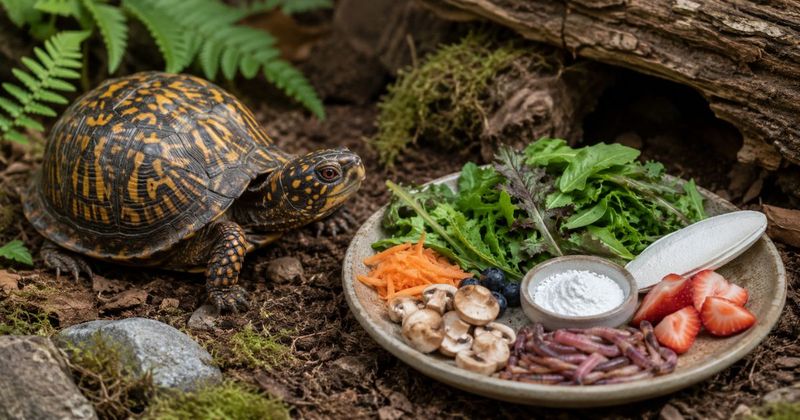
Garden beds offer a surprisingly varied menu at ground level, and that variety probably has more to do with the turtle’s visit than any single plant you chose to grow. Eastern box turtles are opportunistic omnivores with a broad palate. North Carolina State Parks reptile records document a diet that includes mushrooms, wild berries and other fruits, flowers, insects, earthworms, slugs, snails, salamanders, small vertebrates, carrion, and some plant material. A garden bed with loose, biologically active soil supports several of those food types at once.
Beyond food, the turtle may be responding to physical conditions in and around the beds. NCWRC’s eastern box turtle species profile explains that turtles seek damp leaf litter and loose soil for cooling during hot periods, sunny open patches for warming in the morning, and fallen logs, dense plantings, or other cover for shelter and protection from predators. A garden that mixes shaded damp corners with sunnier open edges can meet several of those needs in a small space.
Weather timing matters too. Activity in North Carolina box turtles often increases after rain, and turtles may move toward moist areas, drainage swales, or shaded beds during dry summer stretches. A sighting in July or August, especially after a recent rain shower, is consistent with a turtle seeking moisture and cooler ground temperatures rather than seeking out one particular plant you installed last spring.
NC State Parks habitat guidance for box turtles reinforces that the combination of food, cover, moisture, and temperature regulation draws turtles to an area, not a single named species. Crediting one plant with the visit overstates what a single observation can show. The more accurate reading is that your garden supports enough ground-level biological activity to make it a reasonable stop on a longer route.
A Box Turtle Is Not a Dependable Tick-Control Service
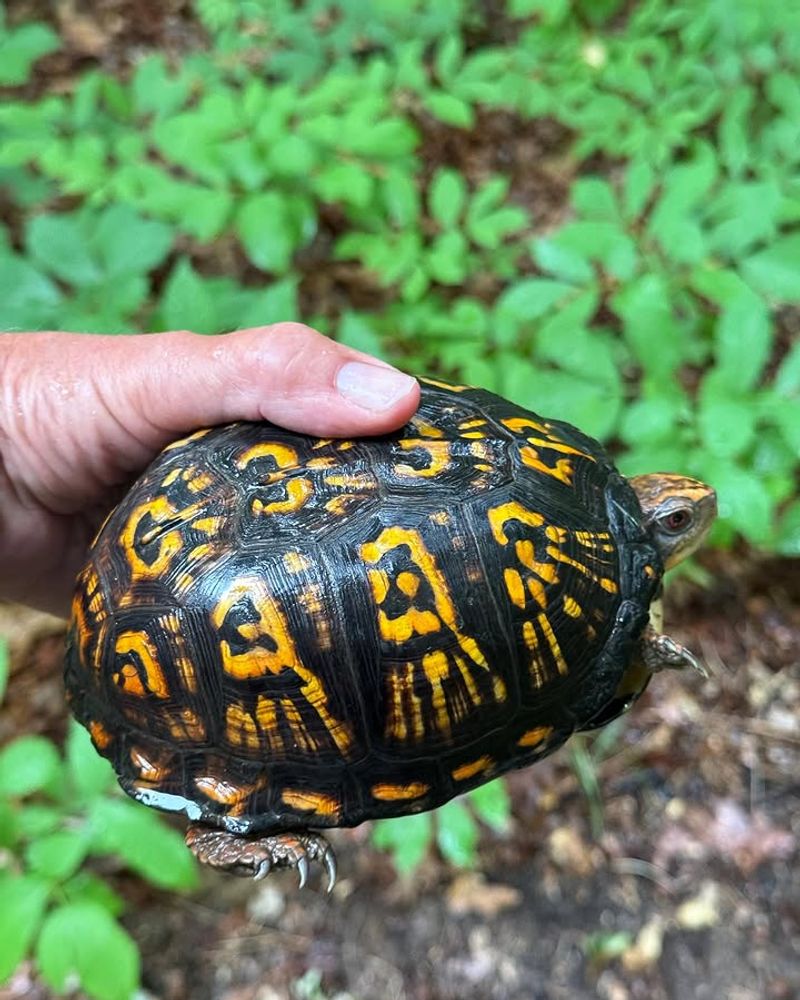
The idea that a box turtle will quietly patrol your yard and keep ticks in check is appealing, especially during a North Carolina summer when tick anxiety is well-founded. The problem is that the documented diet does not support that promise. Eastern box turtles do eat insects and invertebrates, including slugs, snails, earthworms, and various ground-level bugs, as confirmed by state reptile records. But no reliable North Carolina or federal source establishes that they consume enough ticks to meaningfully reduce the tick population in a residential yard or lower the risk of tick-borne illness for your family.
A broad diet is not the same thing as targeted pest management. Framing a box turtle as a tick-control service sets up an expectation the animal cannot reliably meet, and it may lead homeowners to skip other precautions they actually need. Ticks in North Carolina yards require a layered response: personal protective measures, habitat adjustments, and when necessary, targeted treatment.
When pesticides are part of that response, EPA guidance on reducing pesticide impacts on wildlife recommends reading and following the product label carefully, applying only where needed, and avoiding broadcast spraying in areas used by nontarget wildlife. NCWRC suburban backyard stewardship guidance similarly advises cautious pesticide use as part of responsible yard management. A turtle’s presence in the garden is a reason to be thoughtful about what you spray, not a reason to skip tick prevention altogether.
The turtle reflects a yard with some functioning food-web activity at ground level. That is genuinely good news. It just does not translate into a pest-control guarantee.
The Safest Response Is to Leave a Healthy Turtle in Place
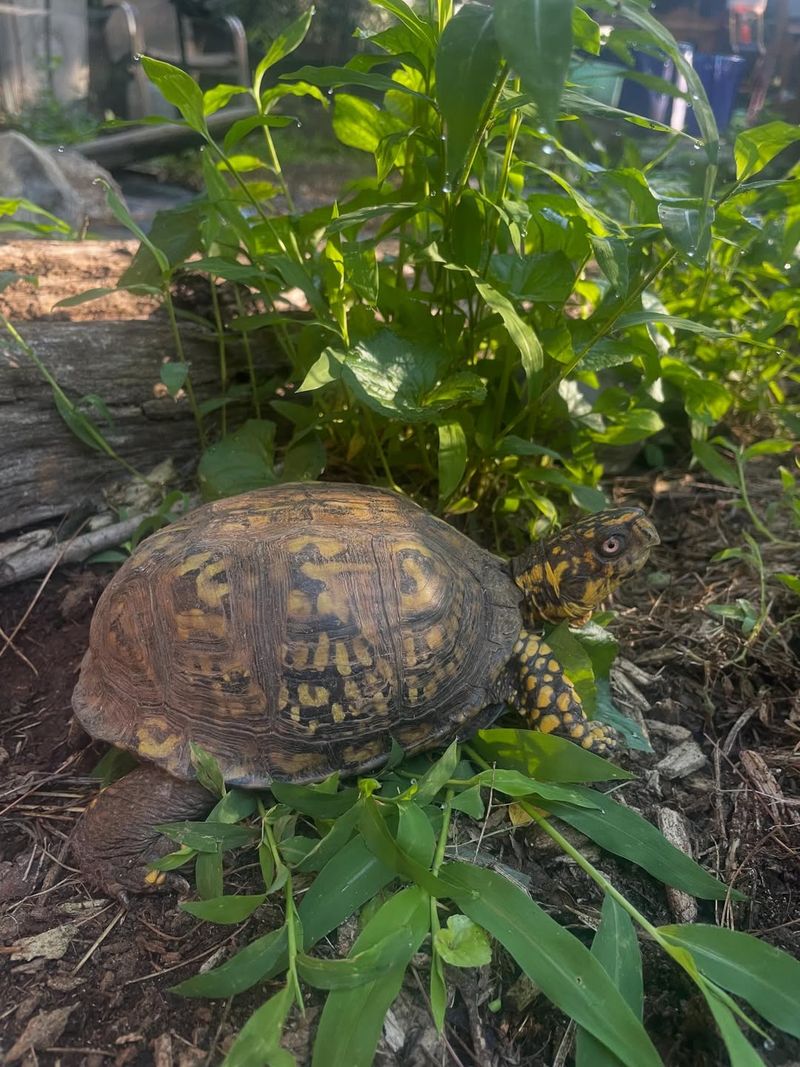
Watching a box turtle move through the garden is genuinely satisfying, and the best thing most homeowners can do in that moment is exactly that: watch. Picking it up, carrying it somewhere that seems safer, offering it food, or deciding to keep it temporarily are all well-intentioned responses that can cause real harm to the animal.
NCWRC guidance on eastern box turtles is direct on the relocation question: box turtles have strong site fidelity and should not be moved to a park, a wooded area, or another location that seems more suitable. When a turtle is displaced from its home range, it often attempts to return, crossing roads, entering unfamiliar territory, and facing hazards it would not have encountered if left alone. A well-meaning drop-off in a nearby greenway can become a death sentence.
The one narrow exception is a turtle in immediate road danger. If the animal is about to be struck by traffic, move it only far enough to clear the hazard, set it down on the side toward which it was already traveling, and step back. NCWRC recommends keeping the move as short as possible, generally under 50 feet, to avoid disrupting its homing behavior. That is the full extent of the intervention a healthy turtle needs from you.
If contact with the turtle is unavoidable, wash your hands thoroughly with soap and water afterward. CDC guidance on reptiles and amphibians notes that reptiles can carry Salmonella even when they appear completely healthy, and that children younger than five, older adults, and people with weakened immune systems face higher risk from reptile-associated illness. NCWRC’s injured wildlife guidance reinforces that observation without handling is the safest default for wild turtles that show no signs of injury. Keep children and curious dogs at a comfortable distance, let the turtle set its own pace, and it will almost certainly move on when it is ready.
Injury and a Dug Patch Call for Different Decisions
A box turtle that pulls into its shell and stays completely still is doing exactly what evolution shaped it to do when it feels threatened. That behavior on its own is not a sign of illness or injury. Give the turtle quiet space, check back in an hour or two, and you will likely find it gone. The shell closing is armor, not distress.
Injury looks different. Bleeding from any part of the body, a visibly cracked or broken shell, a limb that appears crushed, or an obvious wound are the signals that warrant action. NCWRC guidance on injured and orphaned wildlife is clear that extended home care is not appropriate for most wild animals, and only licensed wildlife rehabilitators may legally provide ongoing treatment in North Carolina. If you find a turtle with obvious trauma, contact a licensed reptile rehabilitator rather than attempting to clean wounds, tape the shell, or house the animal yourself.
Your state wildlife agency can help you find a qualified contact.
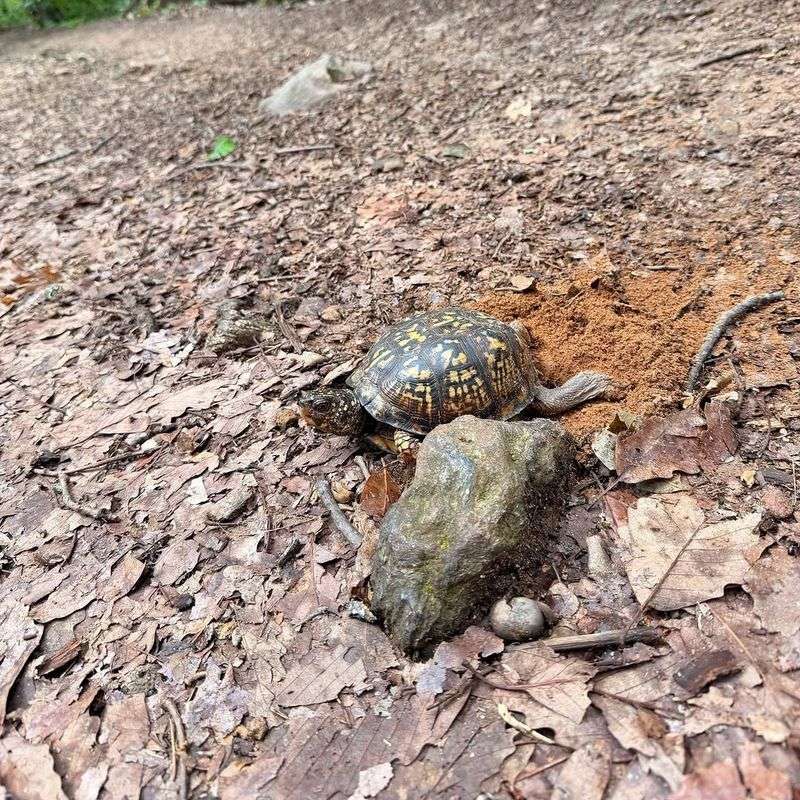
NCWRC’s eastern box turtle page also addresses what to do if you find a freshly disturbed patch of soil in your garden. A female box turtle will dig a shallow hole, lay roughly three to six eggs, cover the nest, and leave without returning. The soft, irregular depression she leaves behind is easy to mistake for animal digging or soil disturbance from other causes.
NCWRC says no protection is required for the nest, but a small square of chicken wire or hardware cloth can deter predators if you want to give the eggs a better chance. The critical detail: any temporary cover must be checked regularly and removed according to NCWRC’s instructions rather than left in place until hatching. A forgotten cover can trap hatchlings or prevent them from reaching the surface after they emerge. Follow the agency’s specific timeline and monitoring guidance rather than assuming the cover can stay indefinitely.
Make the Yard Safer Without Trying to Attract Turtles
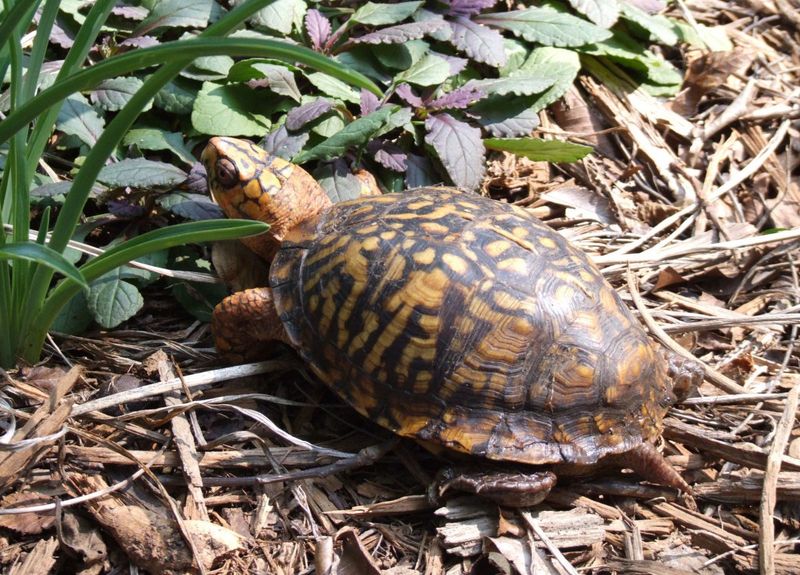
The most useful shift in thinking after a box turtle sighting is moving from “how do I attract turtles” to “how do I stop this yard from being a hazard.” Turtles that move through your neighborhood are already navigating a landscape shaped by human decisions. Small adjustments on your property can make that navigation less dangerous without requiring a complete yard overhaul.
NCWRC suburban backyard habitat guidance recommends retaining some natural ground cover, keeping leaf litter in low-traffic corners, and adding cover features like brush piles or fallen logs where space allows. These steps support ground-level invertebrate activity and give turtles and other wildlife places to shelter and regulate body temperature.
Limiting pet disturbance matters too. Dogs can injure turtles quickly and without warning, and even a dog that does not bite can stress an animal enough to cause it to abandon a nesting area or flee into traffic. Supervise outdoor pets during the warmer months when turtle movement is highest, and fence garden areas where possible.
NC State Extension’s backyard reptile and amphibian guidance suggests that native plantings and layered vegetation support a broader range of wildlife, including the invertebrates that turtles and other animals depend on. NC State Extension’s native plants handbook can help you identify species suited to your specific region and soil conditions, whether you garden in the mountains, the Piedmont, or the coastal plain. What works in a Buncombe County yard may differ from what suits a Johnston County or Brunswick County garden.
Pesticide habits deserve a second look as well. EPA tips for reducing pesticide impacts on wildlife recommend applying products only where needed, following labels precisely, and avoiding treatments in areas where nontarget animals are active. A yard that supports ground-level life is worth protecting from broad-spectrum applications that wipe out the invertebrate base turtles and other native wildlife rely on.
Read the Sighting as a Responsibility, Not a Promise
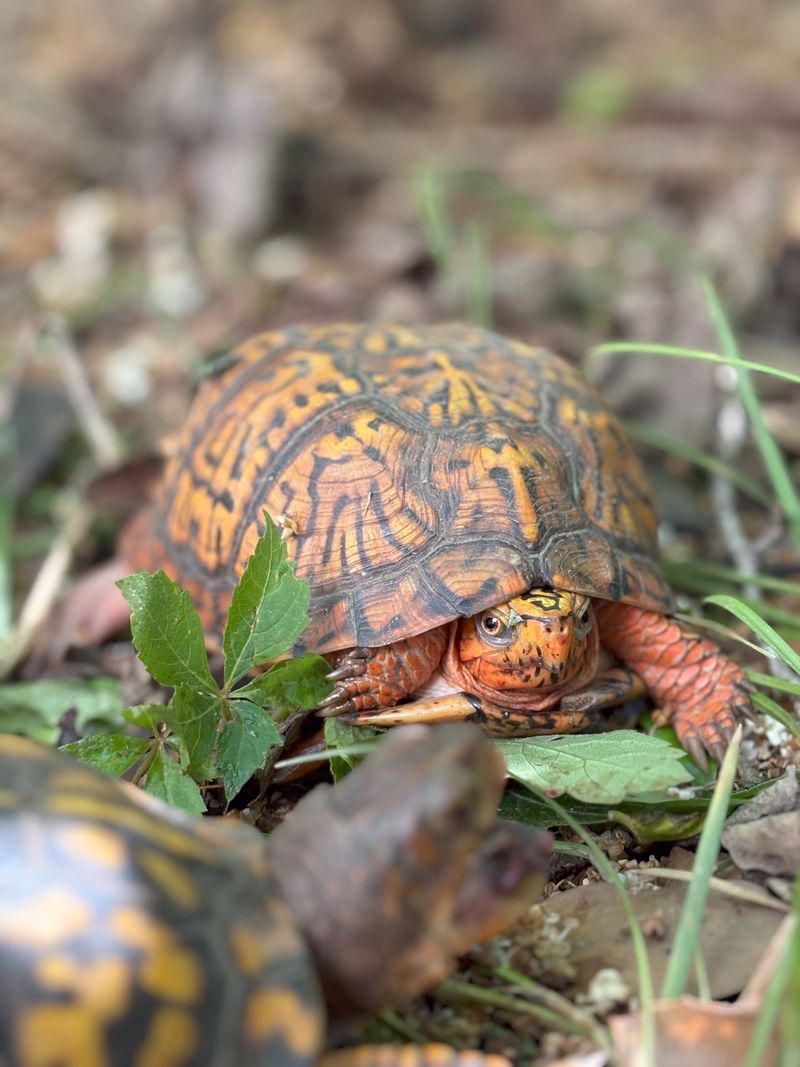
A box turtle in your garden does not certify your yard as a wildlife sanctuary, identify one plant as the cause of the visit, or promise that ticks will thin out by fall. What it does tell you is that your property connects, in some way, to a landscape the turtle is already moving through. That connection is worth respecting.
NCWRC guidance gives North Carolina homeowners a clear and achievable priority list: leave a healthy turtle where it is, reduce immediate hazards like roaming pets and unnecessary pesticide use, respond appropriately if you find obvious injury or a nest, and hold onto the modest habitat features that let wildlife move through the neighborhood. None of those steps require a major project or a significant budget.
Box turtles are long-lived animals that move slowly through a world full of fast-moving hazards. A yard that does not actively harm them is already doing something meaningful. The turtle that crossed your garden beds this morning was not delivering a verdict on your gardening skills. It was just passing through, and now you know the route runs through here.