
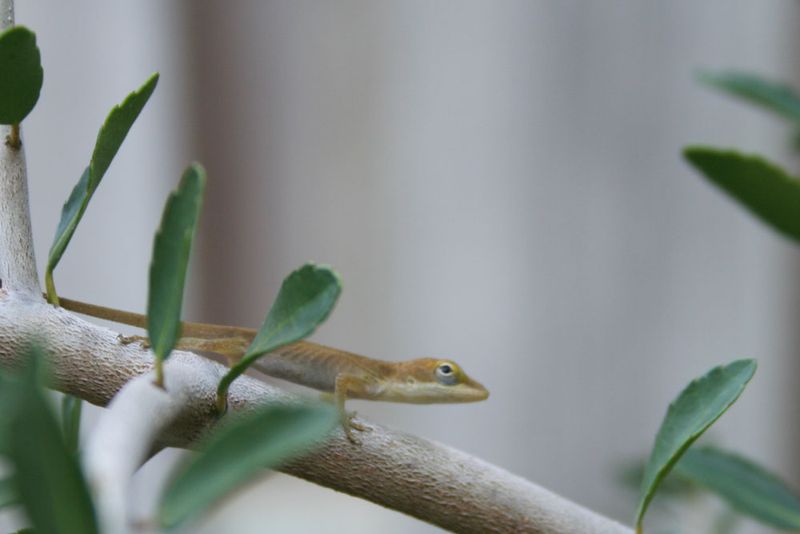
One morning you notice the usual flicker of green on the fence post is gone, and a week later you still haven’t spotted a single anole in the yard. For many North Carolina homeowners, that quiet absence feels like a signal that something is wrong. Understanding what it might actually mean, and what it definitely does not mean, can save you from unnecessary worry and point you toward changes that genuinely help your yard’s wildlife.
A Missing Anole Is a Clue, Not a Diagnosis
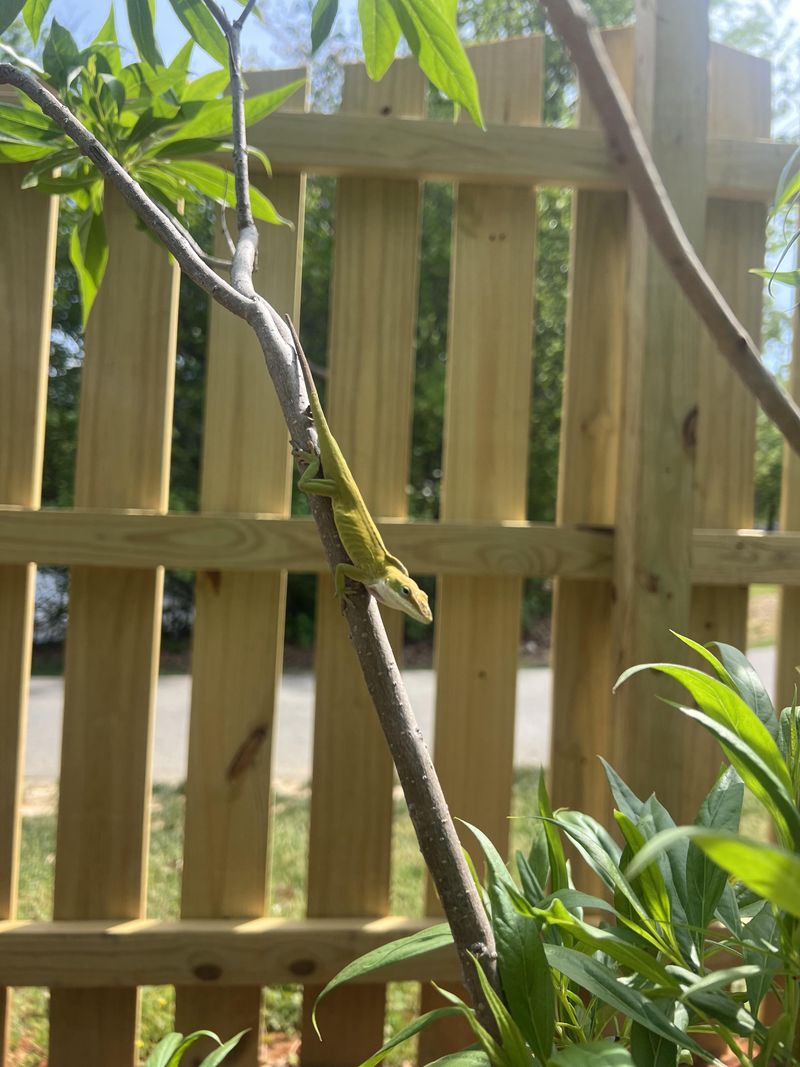
Fewer anoles in your yard is worth paying attention to, but it is not, by itself, proof that your yard’s ecosystem is falling apart. Green anoles (Anolis carolinensis) are native to North Carolina and generally common across the state, from the coastal plain through the Piedmont and into the foothills. That said, the state has conducted relatively little targeted lizard monitoring, so sweeping conclusions about population trends are hard to support from a single yard observation.
The 2025 North Carolina Wildlife Action Plan describes the green anole as common and notes that no established, breeding population of nonnative brown anoles had yet been detected in the wild statewide at the time of publication. That context matters: a statewide anole collapse is not a conclusion you can draw from not seeing lizards in your flower beds for two weeks.
What a sudden drop in sightings can reasonably do is prompt you to look more carefully at what changed in your yard. Something may have shifted, whether in vegetation, cover, nearby landscaping, or seasonal patterns. Treating that absence as a clue rather than a verdict is exactly the right starting point. The sections ahead will help you figure out what to look for and what you can actually do about it.
The Lizards May Have Changed Locations, Not Left the Yard
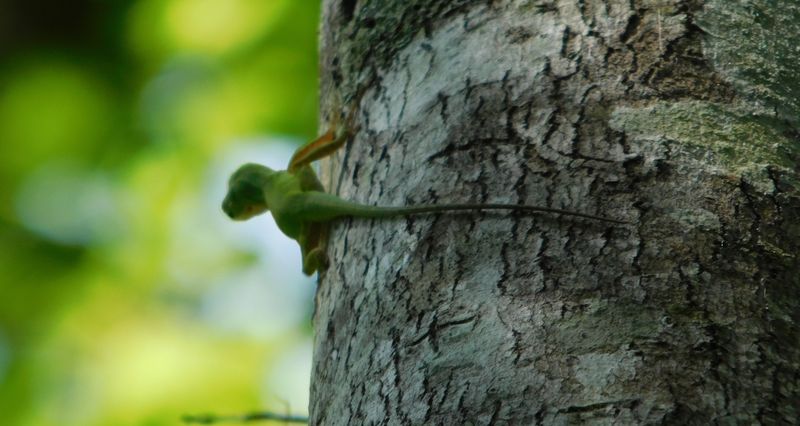
Green anoles spend most of their time well above ground level. University of Michigan’s Animal Diversity Web describes the species as primarily arboreal, favoring trees, shrubs, tall grasses, fences, walls, and other vertical structures near homes. A homeowner who scans only the flower bed or the base of the porch steps may walk away convinced the lizards have vanished when the same animals are actually resting on a branch six feet up or pressed flat against a shaded section of fence.
Perch height is not fixed, either. Research published in Animal Behaviour found that green anoles in areas where brown anoles were also present shifted toward higher perches, a behavioral adjustment that made them harder to spot at eye level. Even without a competing species in the picture, changes in local predators or prey can nudge anoles into different spots in the same yard. A hawk patrolling the area, a neighborhood cat working the garden, or a temporary dip in ground-level insects can all cause the lizards to redistribute rather than disappear.
Color adds another layer of confusion. Green anoles can shift to brown or olive depending on temperature, stress, and background, so a homeowner who searches for bright green lizards may overlook the same animals sitting in plain sight. If your sightings dropped off suddenly, the first question is not “Where did they go?” but rather “Where else should I be looking?” Checking shrub interiors, tree trunks, fence rails, house walls, and taller grasses before concluding the yard is empty is a practical and low-effort first step.
What Changed in the Yard?
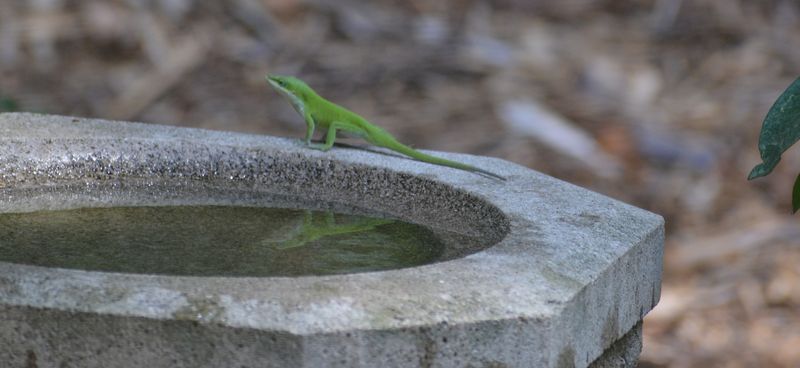
When anoles become harder to find, something in the yard usually shifted. The challenge is that several things can shift at once, and pinpointing a single cause without evidence from your specific yard is not possible. What you can do is run through the most plausible local explanations and check each one honestly.
Habitat structure is often the first place to look. A peer-reviewed study in Frontiers in Ecology and Evolution describes a formerly detectable urban green-anole population becoming much harder to find after habitat was removed. Trimming large shrubs, removing dense vegetation, cutting back climbing plants, or clearing brush can eliminate the vertical structure anoles use for perching, hunting, and shelter. If significant pruning or landscaping happened recently, that is worth noting as a possible factor.
Pesticides are another consideration, though not always in the way people expect. Insecticide applications can reduce the beetles, flies, and other arthropods that anoles eat, making the yard a less rewarding hunting ground even if the lizards themselves were not directly exposed. NC State Extension recommends using pesticides only when necessary and following integrated pest management principles, partly because broad applications can harm nontarget wildlife indirectly. Importantly, fewer anole sightings do not automatically mean fewer insects; the lizards may simply have moved.
Weather and season matter too. Green anole activity slows as temperatures drop, and their behavior becomes less conspicuous during cooler stretches even in summer. Research on the species’ physiology, including work cited in the ILAR Journal and a University of Tennessee study on winter behavioral ecology, confirms that seasonal variation in activity is real and significant. A cool, rainy week in July can produce the same quiet yard as a structural habitat change, so timing matters when you are trying to figure out what happened.
Nearby landscaping changes, a new predator moving through the neighborhood, or even construction noise and foot traffic can also push anoles into less-disturbed corners of the yard. None of these explanations is confirmed for your yard without observation, but each is worth considering before drawing a conclusion.
Brown Anoles Are Worth Checking, but Not Assuming
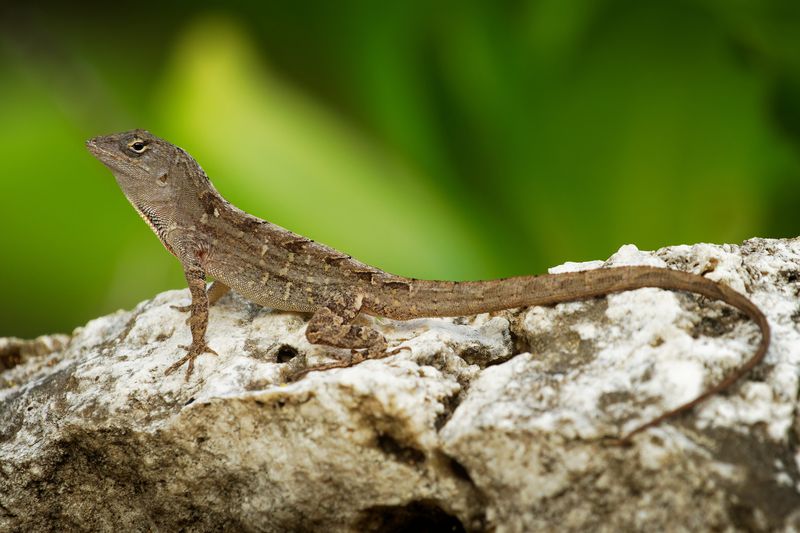
When green anoles seem to disappear, some homeowners wonder whether a nonnative species moved in and took over. Brown anoles (Anolis sagrei) are a reasonable thing to check for in North Carolina, but the situation calls for precision rather than alarm. The North Carolina Biodiversity Project’s reptile records show that brown anole sightings in the state are geographically scattered and frequently linked to nurseries, greenhouses, landscaping centers, or plants transported from areas where the species is established. A sighting in your yard or neighborhood is not automatic proof that the species has displaced green anoles in your area.
State wildlife sources reinforce that careful distinction. The 2025 North Carolina Wildlife Action Plan, which also flagged brown anoles as a species of concern worth watching, reported that no established, breeding wild population had yet been detected statewide at the time of publication. That finding does not mean brown anoles are absent everywhere in North Carolina right now, but it does mean that describing them as a confirmed statewide invasive force displacing green anoles is an overstatement.
The strongest evidence for brown anoles affecting green-anole behavior and abundance comes from Florida and other regions where both species have lived alongside each other for years. A study in Animal Behaviour documented green anoles shifting to higher perches in the presence of brown anoles, and ongoing debate in the scientific community continues over the extent of that competition’s long-term effects. Applying those findings directly to a North Carolina yard, where an established brown-anole population has not been demonstrated, requires a significant leap.
If you spot a brown or olive-colored lizard and suspect it might be a brown anole, resist labeling it without more evidence. Native green anoles regularly appear brown. A clear photograph showing multiple identifying traits, or confirmation from a local naturalist or wildlife professional, is a much more reliable path than a quick glance.
A Repeatable Check Can Separate Absence From Invisibility
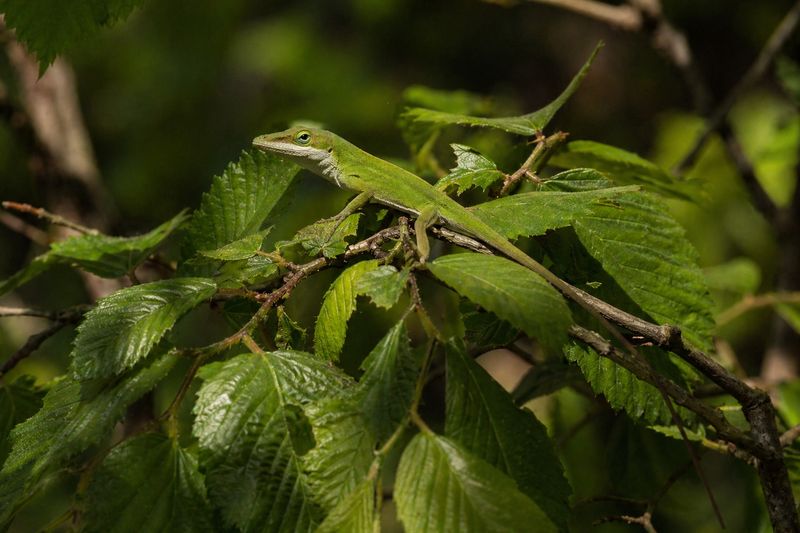
Before concluding that anoles have left your yard, a repeatable observation routine is worth running. The goal is not to conduct a formal wildlife survey but to give yourself enough consistent data to tell the difference between lizards that moved and lizards that are genuinely gone. A single quick look at the garden on a cloudy afternoon does not provide that answer.
Start by picking a time when anoles are most reliably active. According to Animal Diversity Web, green anoles are diurnal and tend to be most visible during warm, sunny stretches of the day when they bask and hunt. Check the same locations at roughly the same time on several different warm mornings before drawing conclusions. Expand your search area beyond flower beds: scan shrub interiors, tree trunks from base to mid-canopy, fence rails, house walls, porch posts, and any tall grasses or ornamental plantings near the yard’s edge.
Seasonal timing also changes what you should expect to see. Green anoles slow down during cooler weather, and a stretch of overcast or rainy days can make an otherwise active population nearly invisible. If your sightings dropped during a cool spell or in early fall, compare those results to observations taken during a warm, sunny week before deciding the lizards are gone.
Color is a real source of confusion. North Carolina DEQ field resources and species accounts confirm that green anoles can shift to brown or olive tones depending on temperature, stress, and surroundings. A lizard that looks brown on a wooden fence may be the same green anole you saw last month. If you spot an unfamiliar lizard and suspect it might be a brown anole, the NC Biodiversity Project’s brown-anole records describe key identifying traits.
Take a clear photo and seek expert confirmation rather than guessing from a quick glance.
Restore the Structure Anoles Use
Once you have looked at what may have changed in your yard, the most practical response is to restore the physical features that anoles and other small reptiles actually use. This does not require a major landscaping project. Many of the most effective improvements are things most homeowners can do on a weekend without spending much money.
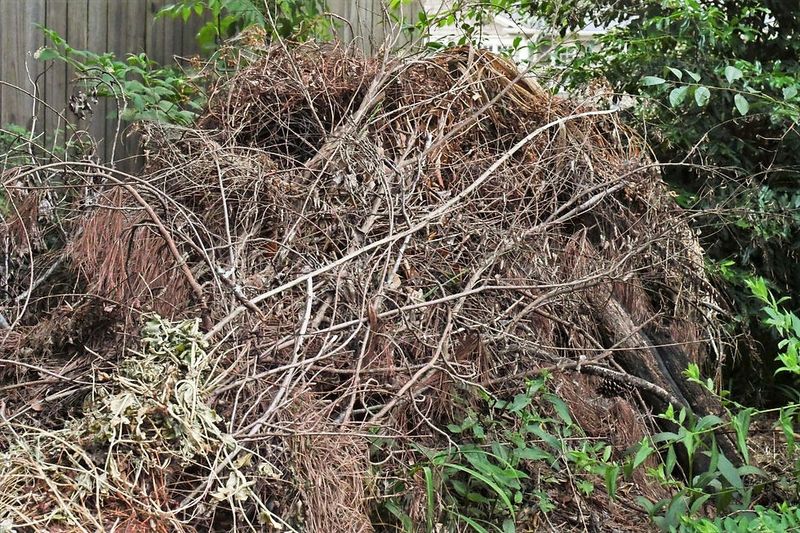
NC State Extension’s guide to reptiles and amphibians recommends retaining natural cover such as dead vegetation, logs, brush piles, and rock piles where they are not a safety or aesthetic concern. These features provide shelter from predators, thermal regulation spots, and hunting grounds for the insects anoles eat. A brush pile tucked against a back fence or a small rock stack near a garden bed costs nothing and can meaningfully improve habitat quality for multiple reptile species.
Vertical structure matters just as much as ground-level cover. Research in Frontiers in Ecology and Evolution links anole detectability directly to available perch structure in urban settings. If shrubs were removed recently, replanting native species that provide dense foliage and branching structure can help. Native plants adapted to North Carolina’s Piedmont, coastal plain, or mountain conditions also tend to support the local insect communities that anoles depend on for food, which makes them a more ecologically useful choice than non-native ornamentals.
Fences, trellises, climbing plants on walls, and even stacked firewood can all serve as anole habitat when they are positioned in areas with some sun exposure and nearby vegetation. The key is providing a range of heights and textures so the lizards have options for basking, hiding, and hunting.
Keep realistic expectations in mind. Restoring structure improves conditions and may make anoles more likely to remain in or return to your yard, but no habitat feature guarantees their presence. The goal is to make your yard a place where anoles and other small reptiles can thrive if they are in the area, not to engineer a specific population outcome.
Protect the Food Web Without Promising Pest Control
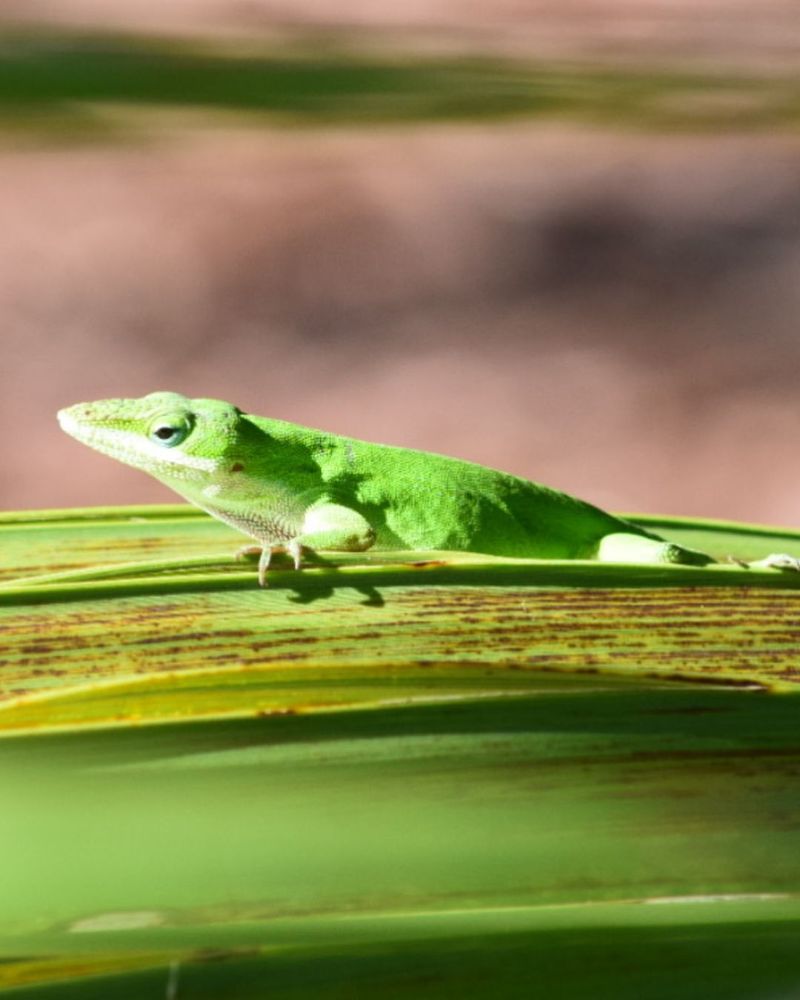
Green anoles eat a wide variety of insects and other arthropods. Beetles, flies, crickets, and spiders all appear in their diet, according to Animal Diversity Web’s species account. That makes them genuinely useful members of a yard’s food web, but it does not make them reliable tools for controlling mosquitoes, ticks, or household pests. The available evidence does not establish that encouraging anoles will meaningfully reduce disease-carrying insects around your home, and presenting them that way sets up an expectation they cannot consistently meet.
Protecting the insect community that anoles depend on starts with being thoughtful about pesticide use. NC State Extension recommends applying pesticides only when necessary and as part of an integrated pest management approach, which means identifying the actual pest problem, choosing the least harmful effective option, and following the product label precisely. Broad applications of insecticides can strip the yard of the beetles, flies, and other arthropods that anoles hunt, making the yard less hospitable even if the lizards themselves are not directly harmed.
One detail worth flagging: organic or botanical pesticide products are not automatically safe for nontarget wildlife. NC State Extension’s pesticide safety guidance is clear that “organic” labeling describes an ingredient’s origin, not its toxicity profile. Some botanical insecticides are highly toxic to beneficial insects. The same label-reading discipline that applies to conventional products applies to every pesticide you use.
NC State’s organic gardening resources offer practical guidance on minimizing chemical pressure while still managing genuine pest problems.
Domestic pets deserve specific attention. Outdoor cats are efficient lizard hunters, and even a single free-roaming cat can significantly reduce reptile activity in a yard. Keeping cats indoors is one of the most direct things a homeowner can do to protect anoles and other small wildlife. Restricting dogs from dense garden areas during the warmer months can also help by reducing disturbance to the spots where anoles shelter and forage.
Eliminating every wild predator, though, is neither practical nor ecologically sound. Hawks, snakes, and other native predators are part of the same food web, and broad predator removal can create its own imbalances.
Observe First, Then Make Careful Changes
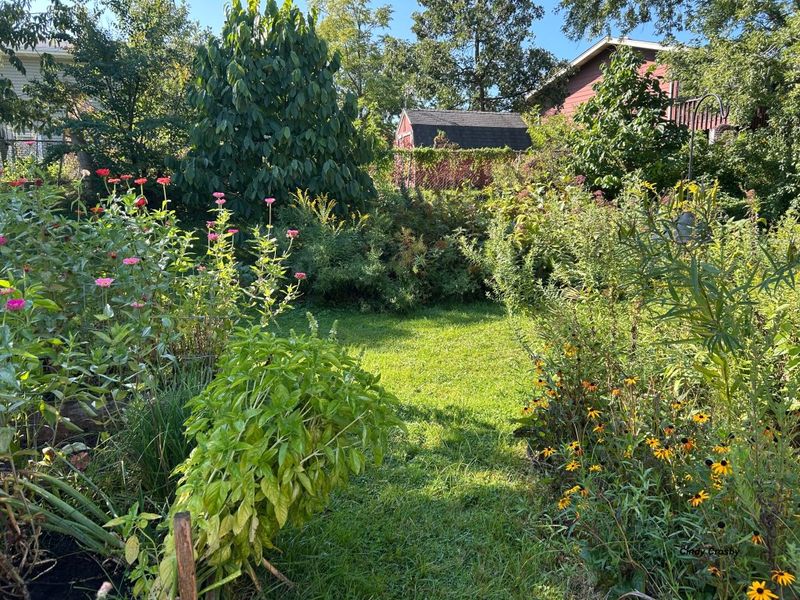
Disappearing anoles are a prompt to pay closer attention to your yard, not a confirmed sign that something has gone seriously wrong. The most useful response is a patient one: observe consistently over several warm, sunny days before drawing conclusions, check higher perches and denser vegetation rather than just ground level, and account for seasonal slowdowns and color changes before assuming the lizards are gone.
From there, the practical steps follow naturally. Preserve or restore vertical structure and natural cover. Reduce pesticide pressure by following NC State Extension’s integrated pest management recommendations and applying products only when a specific problem justifies it. Keep cats indoors and limit dog access to sensitive garden areas.
If you spot an unfamiliar lizard, take a photo and seek expert identification rather than acting on a guess. Animal Diversity Web’s green-anole account is a reliable starting point for understanding what you are actually looking at.
One action to avoid entirely is releasing captive anoles or moving lizards from another yard into your own. Beyond the ecological risks of introducing animals to a location where they may not belong, North Carolina regulates the possession and movement of certain nonnative species. The NC Wildlife Resources Commission’s restricted-species permit information outlines applicable rules. Moving lizards is not a shortcut to a healthier yard; a yard improved through better habitat and reduced chemical pressure is far more likely to support anoles over time than one stocked by hand.
A yard that earns its wildlife back, one perch at a time, tends to keep it.