
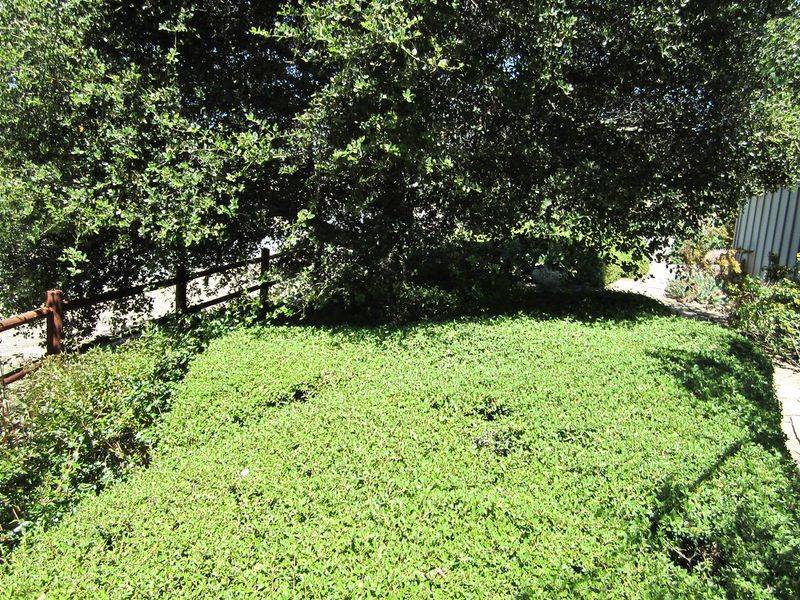
Walk under almost any Central Texas live oak and you will likely find hard, dusty ground where nothing much wants to grow. Grass sulks, mulch washes thin, and roots poke up everywhere.
One low native plant called horseherb, also known as straggler daisy, is worth a try in spots like this. Here is what it can do, what it cannot promise, and how to plant it without hurting your tree.
Horseherb suits many Central Texas dry-shade sites
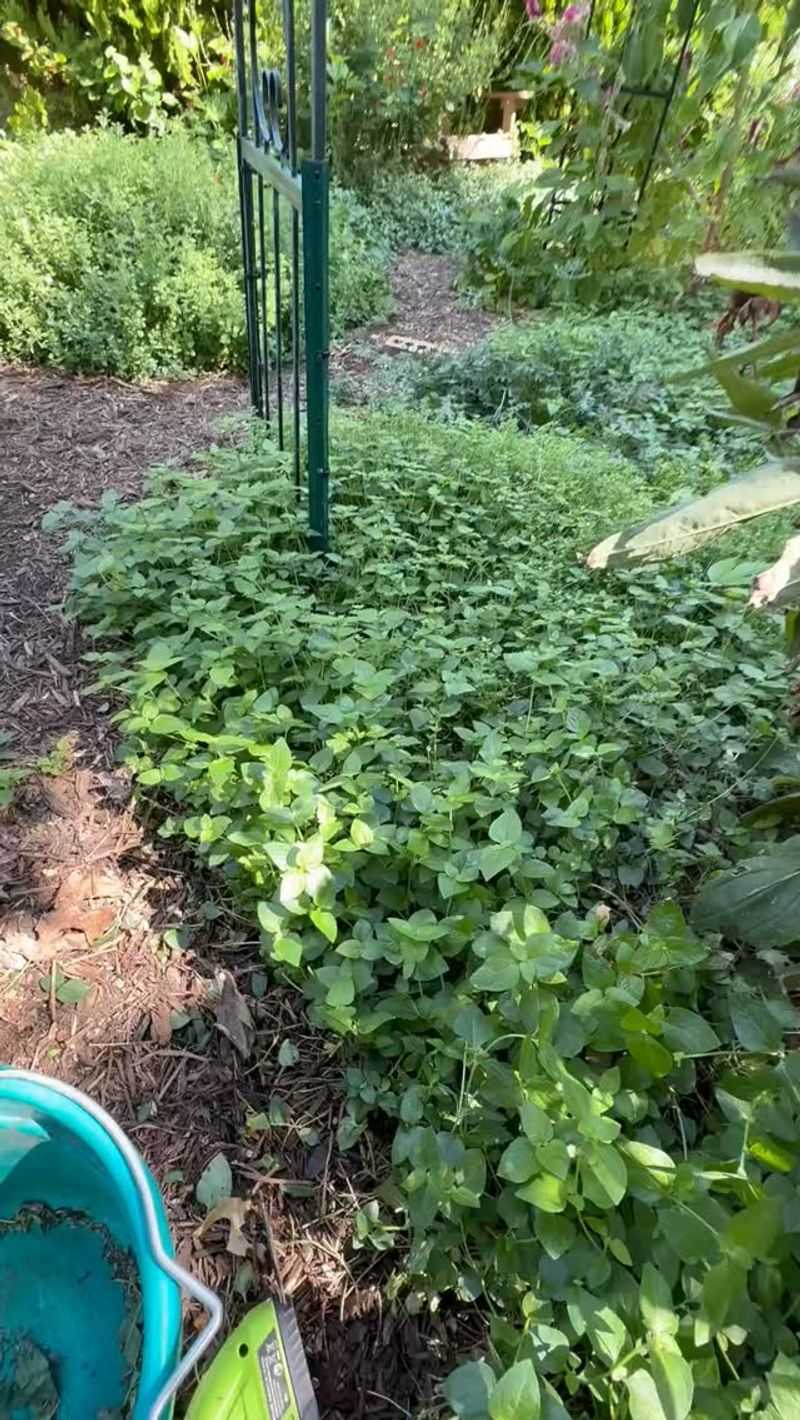
Horseherb (Calyptocarpus vialis), also called straggler daisy, is the one plant this article puts forward for the bare ground under your live oak. It is a low native that handles the kind of dry shade where many plants give up.
The City of Austin’s Watershed Protection plant guide lists horseherb for dry shade, very low water use once established, and tolerance of some foot traffic. It also identifies the plant as native to the Blackland Prairie and Edwards Plateau.
That is a specific range, so horseherb should not be called native to every corner of Texas.
The Denton County Master Gardener guide also recommends it among native shade groundcovers. It describes the plant as native to south and south-central Texas and adaptable elsewhere in the state.
Think of horseherb as a good candidate, not a sure thing. Under a live oak, results depend on how dense the canopy is, what the soil is like, how much moisture reaches the ground, how many roots compete, and how often people walk through.
A site that checks most of those boxes gives horseherb a fair shot. A site that fails several may need a different plan, and the sections ahead cover that too.
What to expect from a horseherb patch
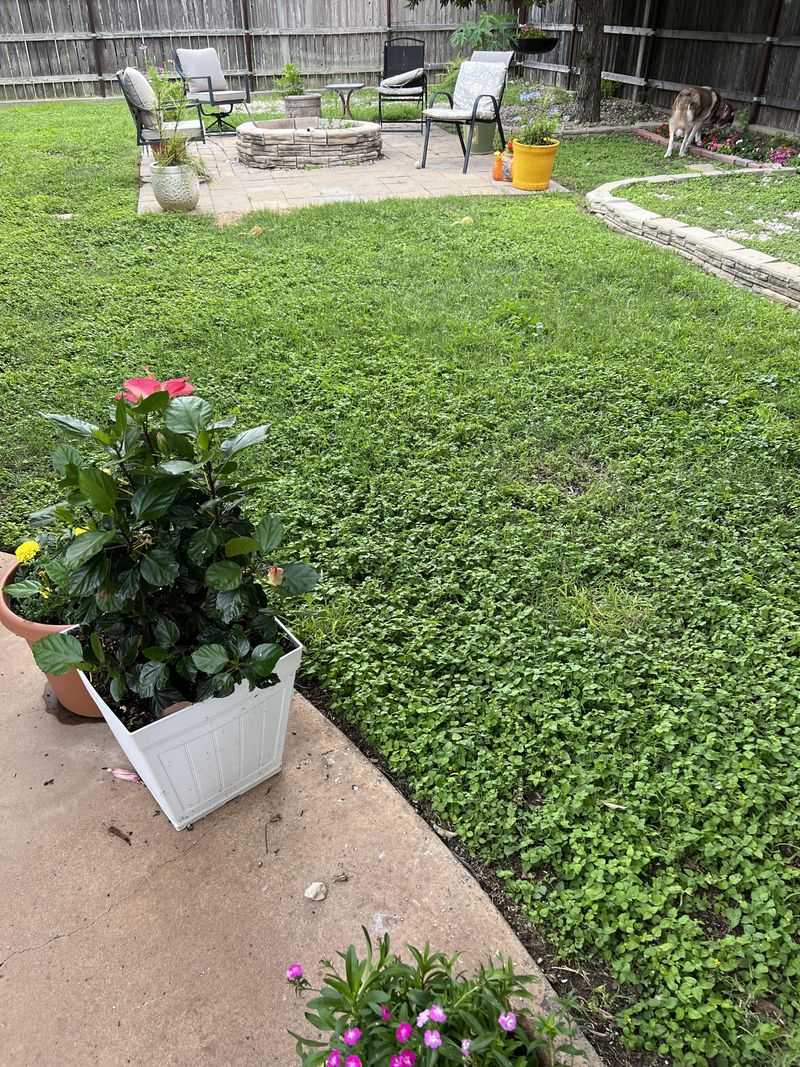
Picture a loose, low mat rather than a thick lawn. The Austin plant guide describes horseherb as a sprawling perennial about 8 to 10 inches tall, with small yellow flowers and a semi-evergreen habit.
Semi-evergreen means it may lose some leaves or look ragged during hard cold or deep drought. Do not count on year-round green.
Plan on a plant that bounces back when conditions improve.
The Native Plant Society of Texas says horseherb covers spots as grass thins or dies. It does not push out healthy grass.
So if your oak shade has patchy turf and bare gaps, horseherb may slowly move into the openings.
Coverage takes time, and it may stay patchy. Some gardeners will get a nice green mat in a season or two.
Others will see only scattered clumps where shade is heavy or roots take most of the moisture.
A fair way to judge it: watch a small test area for a full growing season before deciding to plant more widely. If the first patch spreads into gaps and looks decent in spring and summer, you have a good sign.
If it stalls, you have learned something cheaply.
Plant into gaps without cutting through oak roots
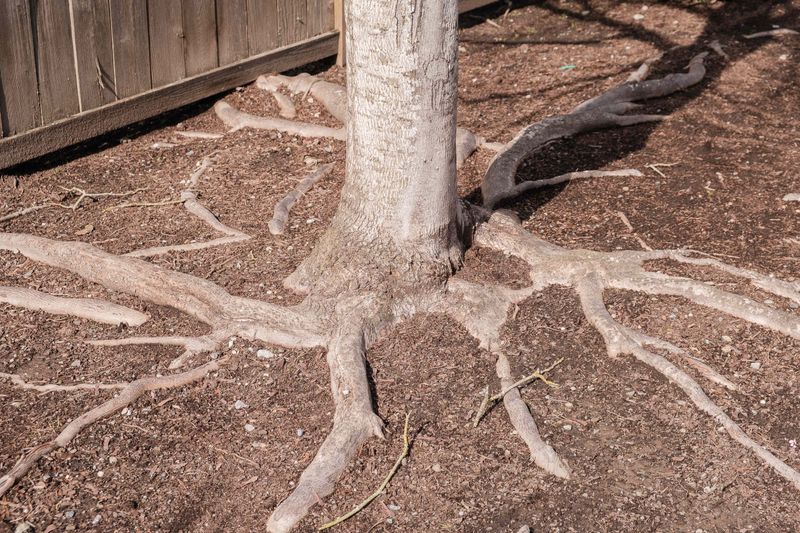
Live oak roots do most of their work close to the surface. Digging there can do real harm, so the goal is to plant around the roots, not through them.
Texas A&M Forest Service warns that root severance, soil compaction, and grade changes can harm established trees. The Forest Service is not giving a horseherb planting recipe here.
The advice below is a practical way to follow its warning.
Choose small divisions or rooted plants that need only a small hole. Look for existing gaps between roots and bare pockets of soil.
Use a hand trowel and stop if you hit a thick root. Just move a few inches and try again.
Skip the tiller. Do not trench, and do not cut surface roots to make room.
Avoid piling in lots of new soil or topsoil over the root zone, since that changes the grade and can limit oxygen and moisture reaching the roots.
Stay off the area with heavy equipment, and avoid repeated stomping while you work. Compacted soil hurts roots and also makes it harder for new plants to settle in.
Be honest about the trade-off. Any planting adds another living plant to a root zone, so go slowly and keep the disturbance small.
Plan for supplemental water during establishment
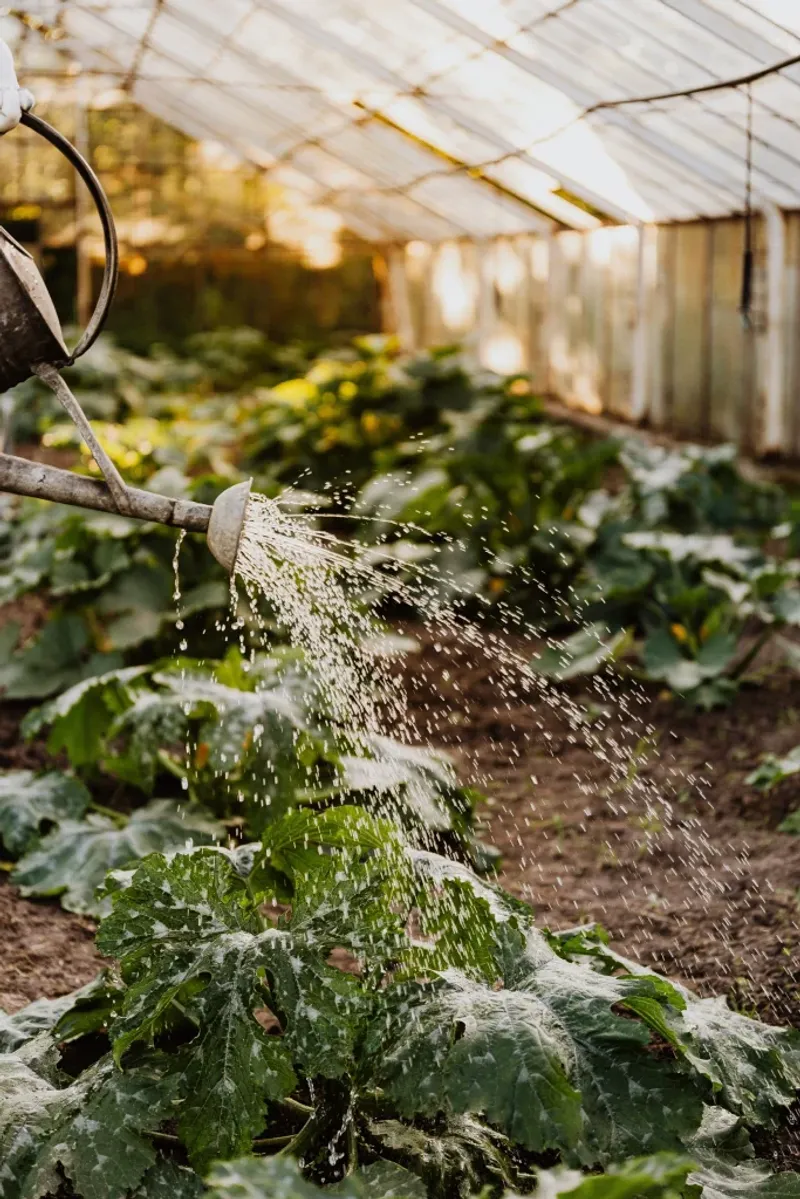
Horseherb earns its low-water reputation only after it has settled in. A new plant has a small root system and cannot yet handle a dry spell on its own.
The Denton County Master Gardener guide recommends supplemental water during the first year. That is the part of the story that catchy “no water” claims leave out.
The Austin guide’s “very low water” label describes established plants. Keep that distinction in mind when you set up your yard routine and your expectations.
No exact schedule fits every yard, so watch the plants and the soil. Dry ground under a live oak can be tough, because the tree’s roots pull moisture too.
Check new plants often, especially during hot, dry stretches. Wilting leaves or crisp edges are a clue that the plant needs a drink.
Water in a way that soaks the area slowly, instead of splashing the surface. Follow any local watering restrictions in your city.
If a plant struggles even with attention, the site may be too dry or too dark for it.
As the plants root in and spread, you can pull back on extra watering and let the established patch handle more on its own.
Manage runners and plan for sourcing
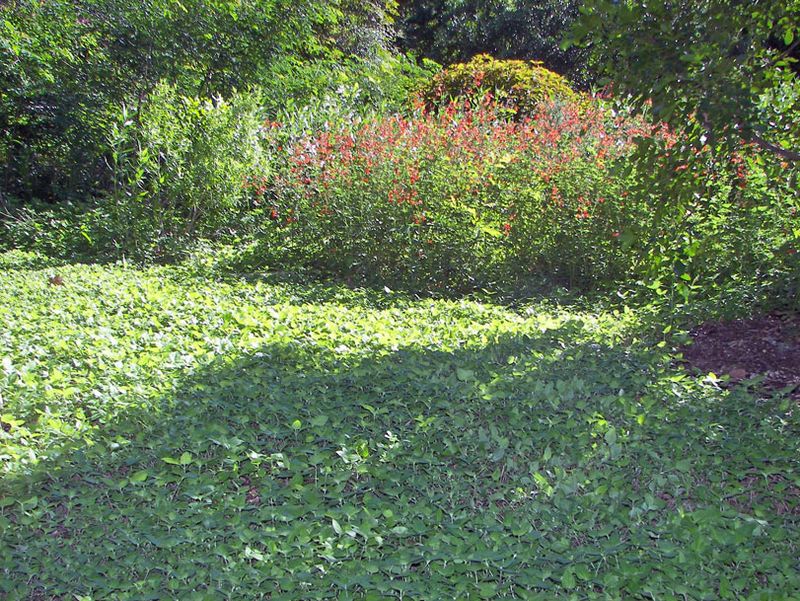
Horseherb moves by runners, also called stolons, that creep across the soil and root as they go. That habit is how it fills gaps, and it is also why you will want to keep an eye on its edges.
The Austin guide notes that horseherb can be mowed to manage its height. If it gets leggy or wanders where you do not want it, a trim keeps things tidy.
Check the borders of your patch a few times a season. Pull or trim runners that drift into beds or walkways.
This is light upkeep, not a big chore, but it does need some attention.
Sourcing can be the harder part. Horseherb may be difficult to find commercially, as noted in Native Plant Society of Texas guidance.
Do not expect to find flats of it at every big-box store.
Try local native plant sales, plant society events, and independent nurseries that carry Texas natives. Ask whether they have it or can get it.
A neighbor with a healthy patch may also be willing to share a few rooted pieces, which can double as small divisions for minimal-dig planting.
Patience helps here. A few plants placed well can do more than a rushed purchase of something that is not a good match.
Choose mulch when dense shade limits groundcover
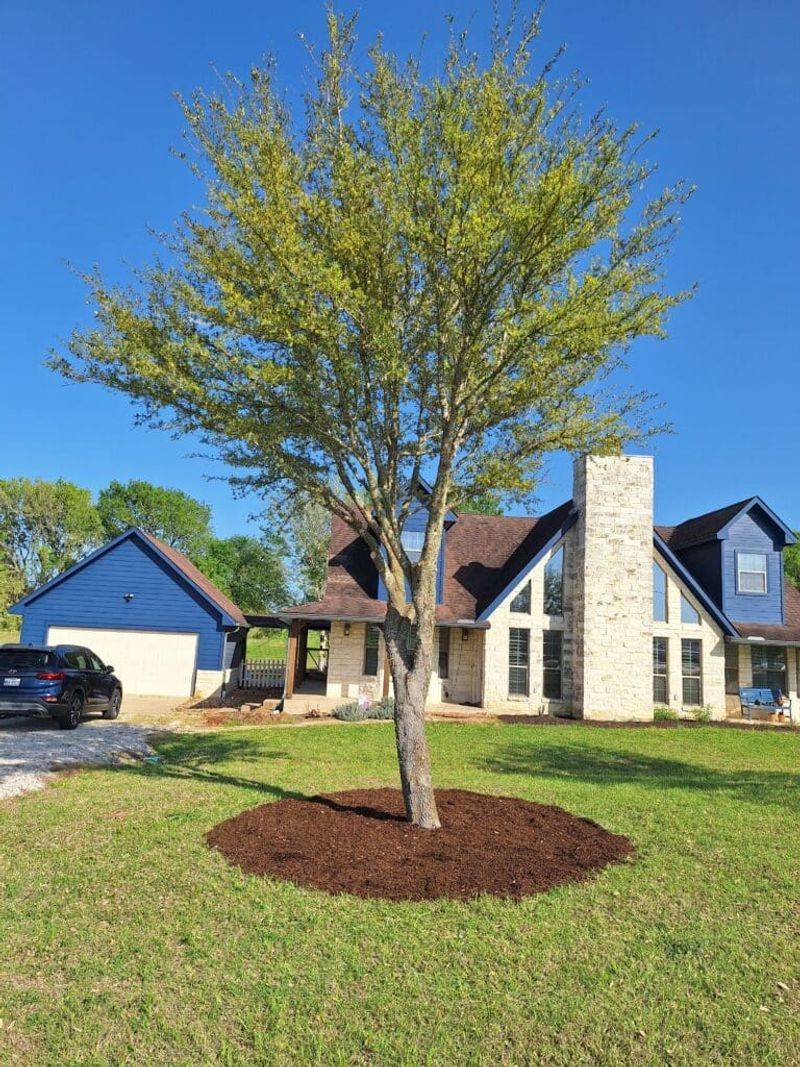
Sometimes the best groundcover is no groundcover. Under a very dense canopy, few plants will thrive, and choosing mulch is a sound decision, not a failure.
In an Ask Extension response about a Travis County site, the expert said few native groundcovers may succeed in extreme shade. Horseherb was named as one possibility, but not a sure thing.
If your oak casts deep shade, planting proves hard, or horseherb fails to take, mulch is a good fallback. It also makes sense as a first step while you test a small patch of horseherb nearby.
Texas A&M Forest Service recommends a 2 to 3 inch mulch layer, spread evenly and kept off the trunk. It also notes that mulch reduces water loss and competition.
Keep mulch from piling against the trunk. A thick volcano of mulch is not what the Forest Service is recommending.
Pull it back so the base of the tree stays visible.
Do not think of groundcover as automatically better for the oak than mulch. Each has a place, and the right pick depends on how much light reaches the ground and how easily you can plant without disturbing roots.
Match the groundcover choice to the site
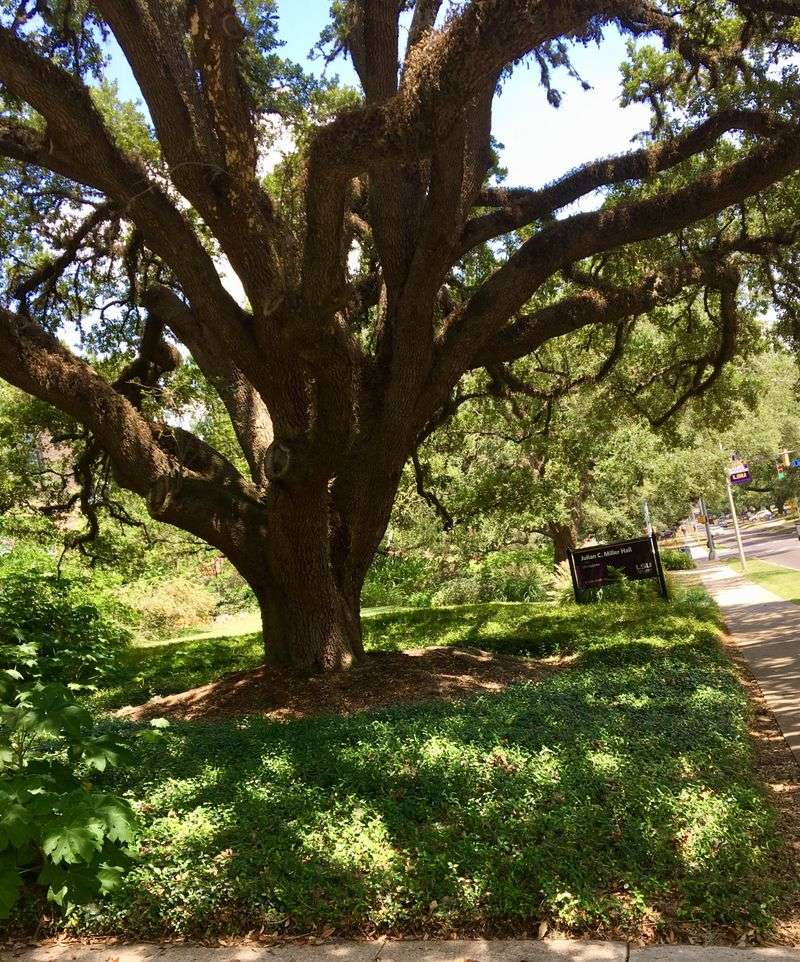
Try horseherb where the shade is dry but not the darkest, and where you can slip plants between roots without digging deep. Budget for first-year watering, and give it a season to show what it will do, as the Austin guide suggests for dry-shade sites.
Where shade is extreme, mulch is a fair answer, as an Ask Extension response points out. Under an oak, a modest result done gently beats a perfect plan that costs the tree its roots.