
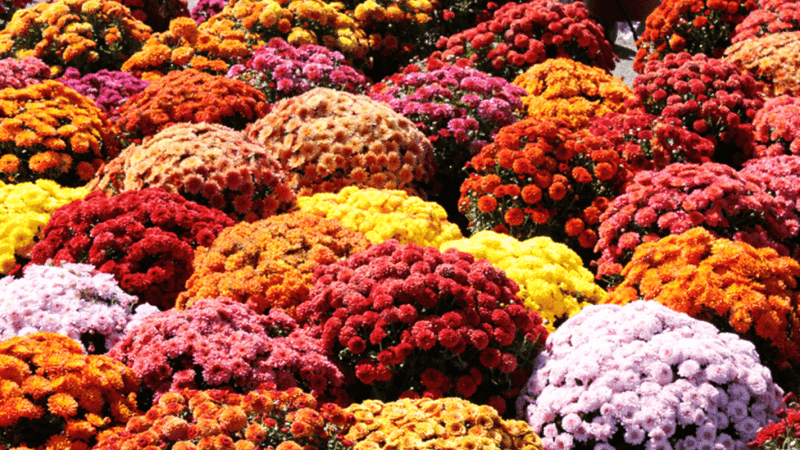
Autumn in the South can be just as colorful as spring if you plant the right flowers at the right time. The catch is that many fall bloomers need to go in the ground now, while the soil is still warm and roots have time to settle.
Wait too long and you miss the whole show. Here are nine flowers to plant right away so your yard glows with color when the cooler months roll in.
1. Chrysanthemums (Garden Mums)
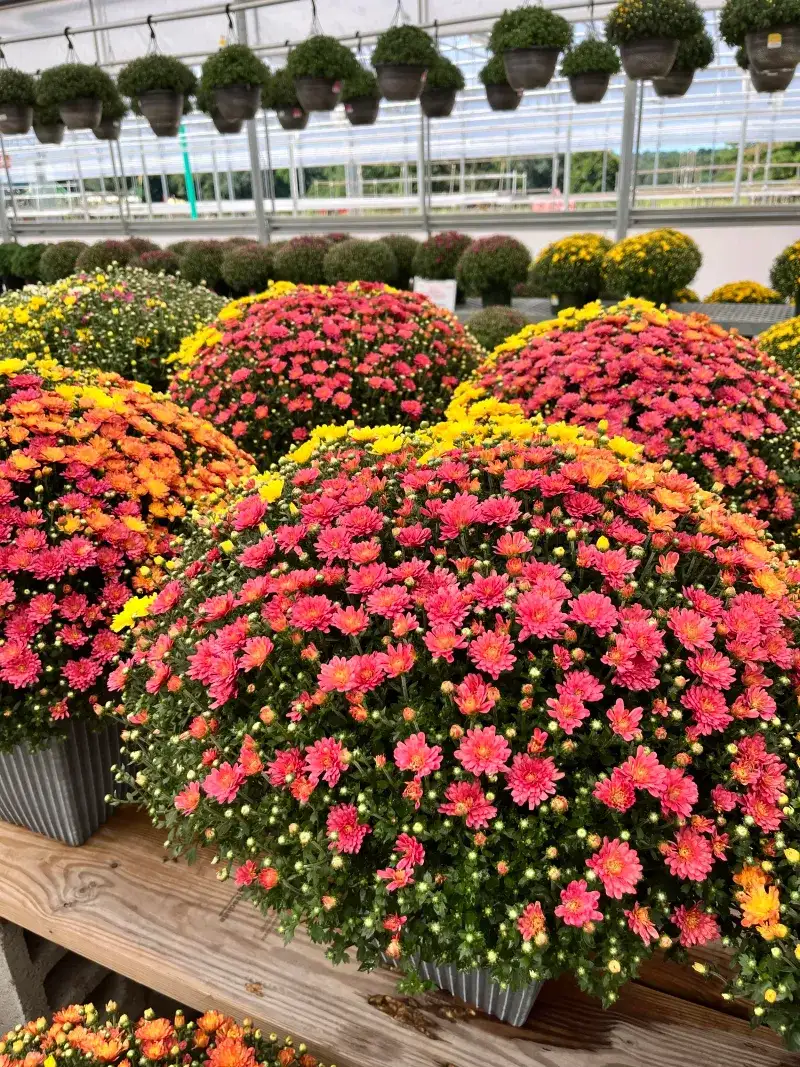
Nothing says autumn quite like a mounding pile of mums covered in blooms. Garden mums are the workhorses of fall color, and they reward you fast when planted early enough to root in.
For Florida and Texas gardeners, getting them in the ground now matters more than up North. Warm soil helps roots grab hold before shorter days trigger those thick clusters of gold, rust, burgundy, and purple flowers.
Plant them in a spot with at least six hours of sun and give the soil good drainage so the crowns do not sit soggy. Pinch back leggy stems early to encourage a fuller shape later.
Water consistently during the establishing weeks, since stressed mums can drop buds before they open. A slow-release feeding when planting often improves the bloom load.
Fun fact: many nursery mums sold in fall pots are treated to bloom on cue, but ones planted now settle in as tougher garden perennials in warmer zones. Use them along walkways, front steps, or clustered in beds where you want a big, dependable punch of seasonal color.
2. Pansies and Violas
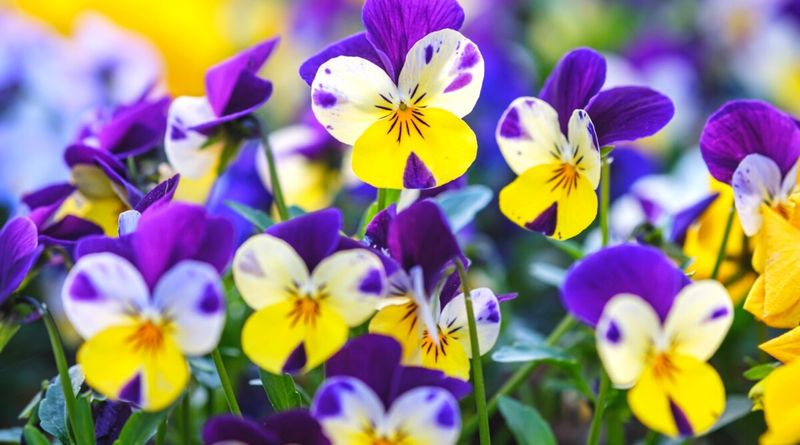
Cheerful little faces that shrug off cool nights, pansies and violas are the champions of long-lasting Southern color. In Florida and much of Texas, they can bloom straight through fall and deep into winter.
Timing is everything here. Set them out while daytime temperatures are easing down, and they will establish before the coolest stretch arrives, giving you months of nonstop flowers.
Violas are the smaller, tougher cousins, throwing out dozens of tiny blooms, while pansies bring larger, showier faces in nearly every color combo you can imagine.
Plant them in full sun to part shade with rich, well-draining soil. Deadheading spent blooms keeps the plants tidy and pushes fresh flowers, so a quick pinch every few days pays off.
They shine in containers, window boxes, and the front edge of beds where their color sits at eye level. Because they stay compact, they will not swallow neighboring plants.
A light, regular feeding can help them keep pumping out blooms during the long Southern cool season, making them one of the best returns on a small planting effort.
3. Ornamental Kale and Cabbage
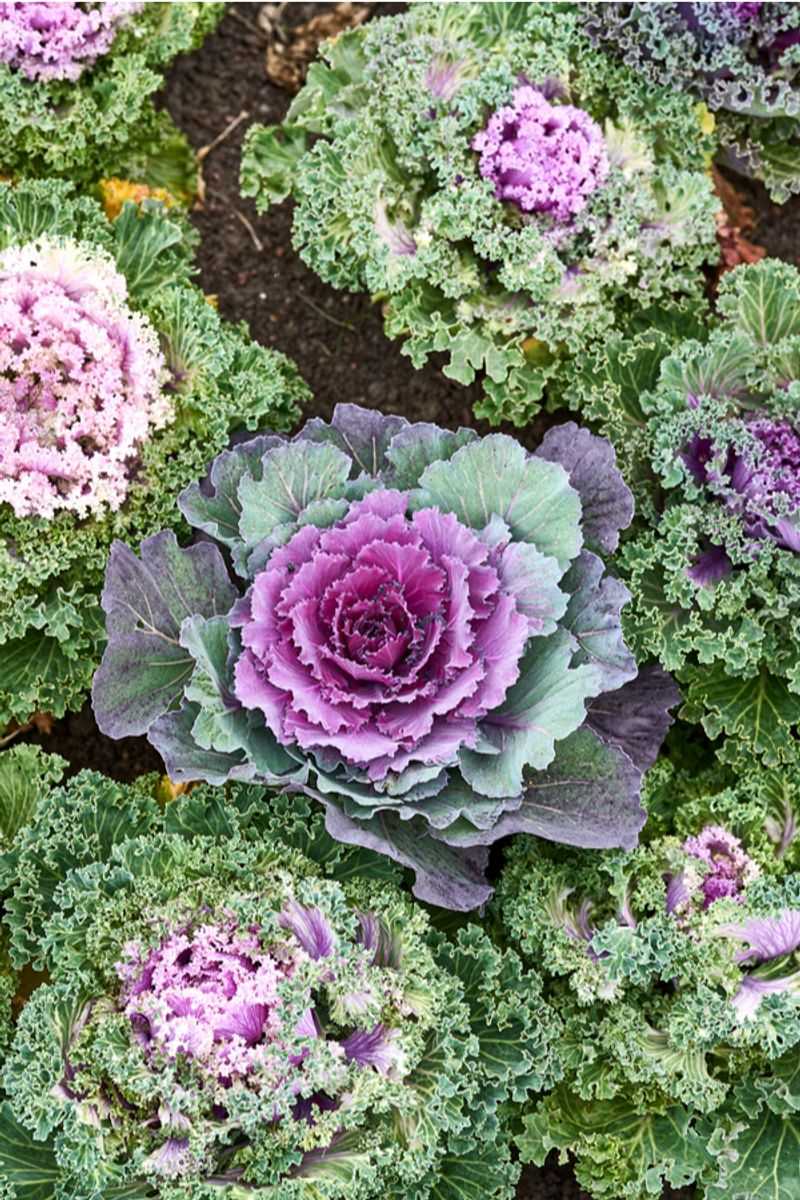
Here is a plant that gets prettier as the weather cools. Ornamental kale and cabbage do not really flower, but their ruffled rosettes of purple, pink, cream, and green look like giant blossoms all season.
The trick is planting now while it is still warm so the plants bulk up before the color intensifies. Cooler nights actually deepen those pinks and purples into something almost neon.
Give them full sun and steady moisture, and space them so each rosette has room to spread into its full round shape. Crowding leads to floppy, stretched-out plants.
They pair beautifully with pansies and mums, adding bold texture that flowers alone cannot match. In a mixed bed, they read as the anchor everything else circles around.
Watch for cabbage loopers, since these leafy plants can attract chewing caterpillars. Hand-picking or a targeted control can reduce the damage before it gets ugly.
For Southern yards, they are one of the most reliable ways to keep beds looking full and colorful long after summer annuals have faded and been pulled out.
4. Snapdragons
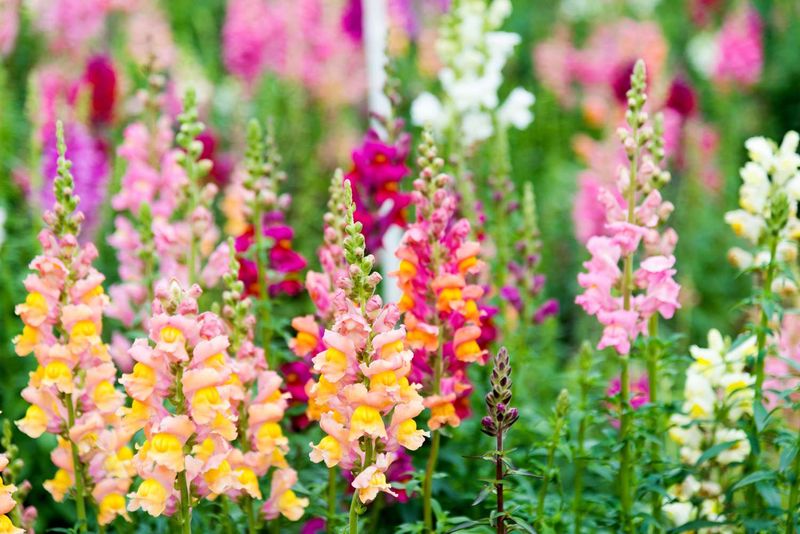
Give a snapdragon bloom a gentle squeeze and the little “dragon jaw” opens up, a trick that has delighted kids for generations. Beyond the fun, snapdragons deliver tall spikes of color that most fall annuals cannot touch.
In the South, they actually prefer the cooler side of the year, which makes now the moment to plant. Set them out and they will send up spires of pink, red, yellow, orange, and white as temperatures drop.
Full sun brings out the most blooms, and well-draining soil keeps the roots happy. Taller varieties may need a little support in windy spots, while dwarf types stay upright on their own.
Snap off finished flower stalks to encourage a second flush, since these plants often rebloom when tended.
Their vertical shape adds height and drama behind low growers like violas, creating layers in the bed. Pollinators appreciate them too, giving your fall garden a bit of buzzing life.
For cut-flower fans, snapdragons last well in a vase, so you can bring that autumn color right inside onto the kitchen table.
5. Marigolds
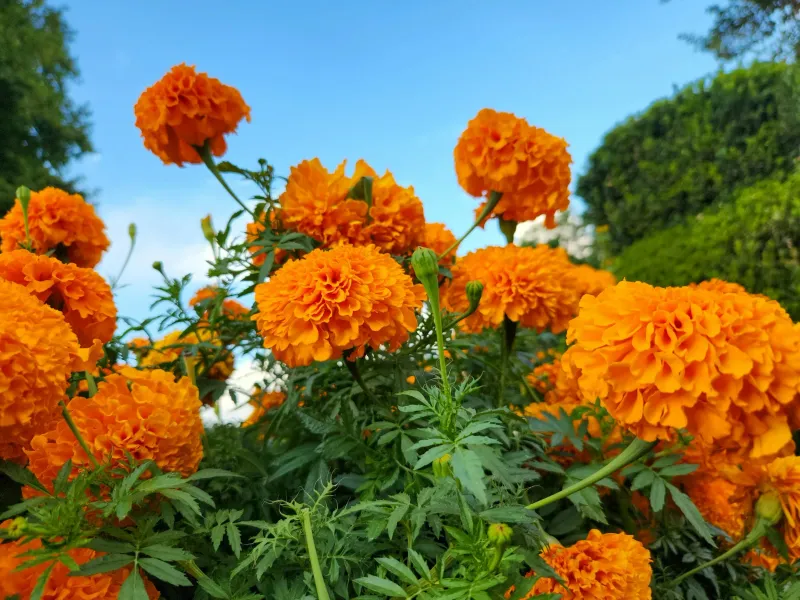
Few flowers glow like a bed of marigolds catching late-day sun. Their fiery oranges and golds practically echo the colors of the season, making them a natural fit for autumn plantings across the warm South.
Because they love heat, marigolds planted now will keep blooming well into fall in Florida and Texas, long past when they would quit in cooler regions.
They ask for very little: full sun, decent drainage, and the occasional deadhead to keep flowers coming. Overwatering is about the only way to disappoint them.
Gardeners have long tucked marigolds around vegetable beds because their scent may help discourage certain pests. Whether or not they solve every problem, they earn their spot with sheer color and toughness.
Sizes range from tidy little edging plants to towering African types that reach knee-high or more, so there is a marigold for every corner of the yard.
Did you know? Their strong scent comes from the foliage, not the flowers, which is part of what makes them a classic companion plant.
For an easy, budget-friendly burst of fall warmth, they are hard to beat.
6. Celosia (Cockscomb)
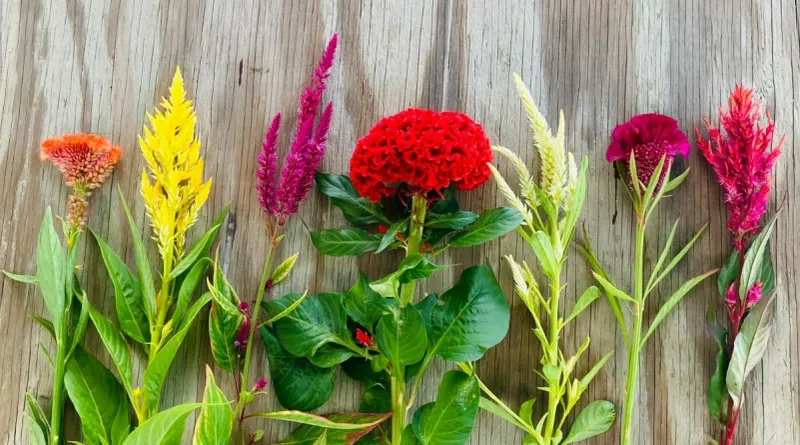
Run your fingers over a celosia bloom and you will feel why it stops people in their tracks. Some varieties look like flames, others like folded velvet brains, all in shockingly saturated reds, oranges, and magentas.
Heat is this plant’s happy place, so Southern gardeners get an extended run of color by planting while the weather is still warm. Celosia keeps performing when many spring annuals have long given up.
Plant it in full sun with well-draining soil and it practically takes care of itself, handling humidity and dry spells with ease. Too much shade is about the only thing that dulls it down.
The plume types add feathery height to the back of a bed, while the crested cockscomb types bring wild, sculptural texture up front.
Blooms also dry beautifully, holding their color for indoor arrangements that last for weeks. Cut them just as they peak for the best results.
If you want a fall garden that looks a little different from everyone else’s mums, celosia delivers unusual shapes and jewel-tone color that photographs like something out of a magazine.
7. Dianthus
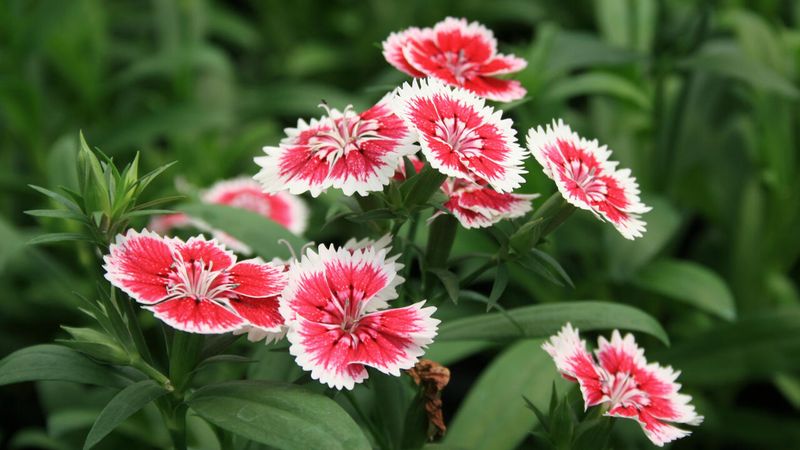
Lean in close and many dianthus varieties give off a sweet, spicy clove scent that surprises first-time growers. Beyond the fragrance, these fringe-edged flowers bring soft pinks, reds, and whites right when the garden needs a refresh.
Cool weather suits them perfectly, so a planting now sets them up to bloom through the mild Southern fall and often well beyond. They handle light frost far better than most tender annuals.
Give them full sun and soil that drains freely, since soggy roots are their biggest enemy. A slightly gritty bed keeps them thriving.
Their low, mounding shape makes them ideal for edging paths, filling containers, or tucking between taller bloomers where their tidy clumps knit everything together.
Snip off spent flowers and many types will rebloom, stretching your color show even further into the season.
Butterflies often drop by for a sip, adding gentle motion to the bed. For gardeners who want something low-maintenance, sweetly scented, and dependable in cooler months, dianthus quietly earns a place near the front of every autumn planting plan.
8. Calendula (Pot Marigold)
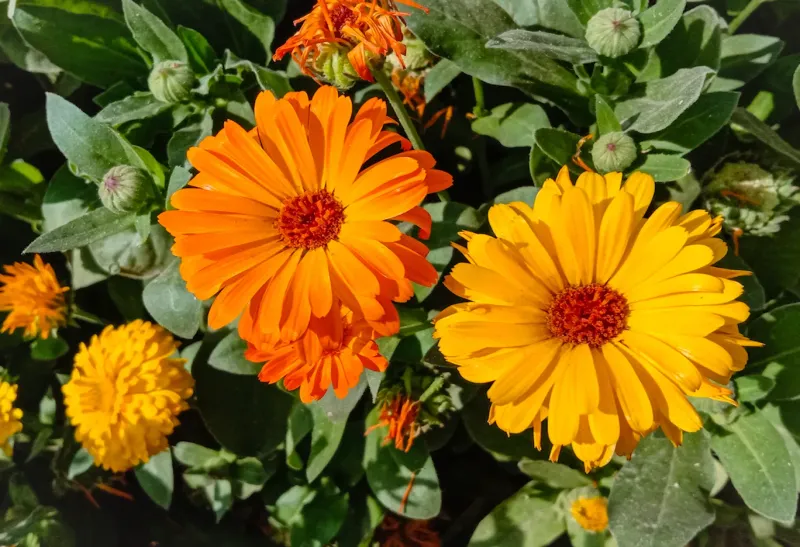
Often mistaken for its cousin the marigold, calendula is its own charming plant with daisy-like blooms in cheerful yellow and orange. It carries a bonus: the petals are edible and have been used in kitchens and remedies for centuries.
Cooler weather brings out its best, which is exactly why now is the moment to plant in Southern gardens. It will flower steadily through the mild fall and shrug off light chills.
Full sun and average, well-draining soil are all it really wants. Regular deadheading keeps the plant blooming instead of setting seed, so a quick daily pass pays off.
Beyond looks, calendula draws in beneficial insects and pollinators, adding life to the yard while brightening beds and borders.
Try tossing a few fresh petals over a salad for a pop of color, or let the blooms simply do their job of warming up a cool-season garden.
Did you know? Calendula has long been called the herb of the sun, valued in old gardens for both beauty and use.
For gardeners who like flowers that pull double duty, it is a delightful choice.
9. Petunias
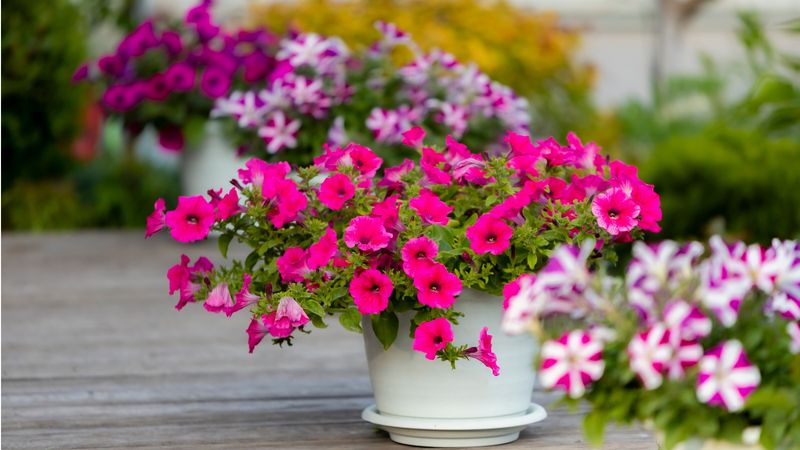
Trailing over the edge of a pot or spilling across a bed, petunias bring a soft, flowing color that few other flowers match. Their trumpet-shaped blooms come in nearly every shade, from deep purple to candy pink to crisp white.
Here is the Southern advantage: while petunias fry in peak summer heat, the cooler fall stretch in Florida and Texas can give them a strong second life. Planting now takes advantage of that gentler window.
They want full sun and steady moisture, plus soil that drains well so the roots never stay waterlogged. A regular feeding often improves how heavily they bloom.
Pinch back leggy stems and remove faded flowers to keep the plant full instead of stringy. This small habit makes a big difference by midseason.
Spreading and wave types are perfect for hanging baskets and containers on the porch, while mounding types fill garden gaps fast.
Because they root and bloom quickly, petunias are a smart pick when you want visible color sooner rather than later. For an easy container refresh heading into fall, they deliver an instant, cascading burst of brightness.