
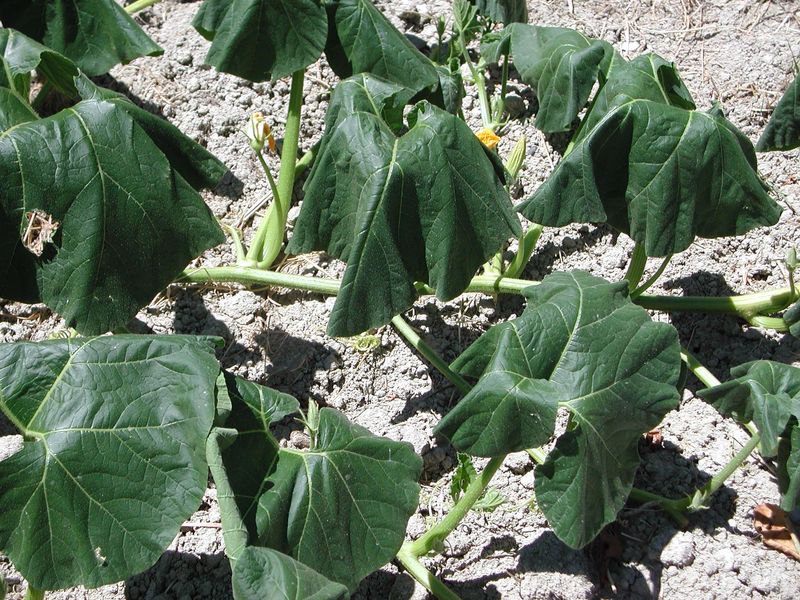
You walk out to your bean patch expecting a harvest and find a carpet of fallen blossoms instead of swelling pods. The plants look lush and keep flowering, but almost nothing is sticking.
Late-summer heat is almost always part of this story, and checking what happened overnight is the smartest first move you can make.
A wall of blossoms with no pods usually signals reproductive heat stress
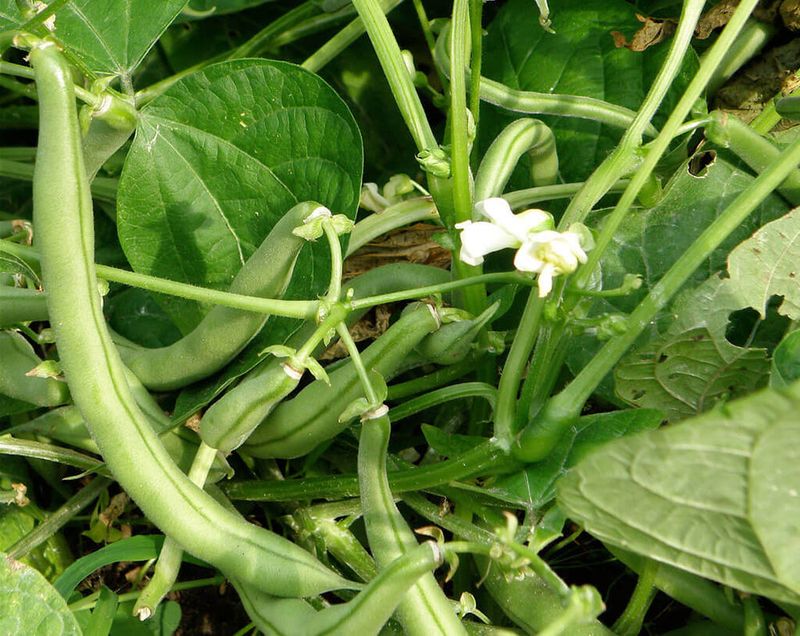
Snap bean plants are wired to flower generously, but producing a pod is a different commitment entirely. When you see a flush of blossoms dropping cleanly while the rest of the plant looks reasonably healthy, heat stress is the leading explanation, and warm overnight temperatures are the first condition worth checking.
That does not mean warm nights are always the only cause, but they are a practical place to start the investigation.
Extension sources consistently group high daytime temperatures, warm day-and-night conditions, and soil-moisture problems together as the main reasons bean flowers fall without setting pods. UC IPM’s blossom-drop guidance specifically identifies temperatures above 90 degrees F and low soil moisture during blossoming as causes.
Utah State and Iowa State both point to heat above roughly 90 to 95 degrees F and drought as common culprits, and Texas A&M AgriLife bean production guidance describes blossom drop occurring during high-heat periods.
Healthy-looking foliage that is simply dropping flowers without other symptoms points toward heat or moisture stress rather than disease or insects. If the leaves are also distorted, mottled, yellowing with halos, or the stems show injury, the diagnosis shifts and a later section covers those warning signs.
For now, the clean blossom drop on an otherwise vigorous plant is the signal that heat management belongs at the top of the checklist.
Why warm nights can stop a bean flower from becoming a pod
Bean flowers do not need a bee to set a pod. Common snap beans are self-pollinating, meaning pollen released inside the flower can fertilize the same bloom without any insect help.
That fact matters because it rules out “not enough bees” as the first suspect when an entire flush of flowers falls off.
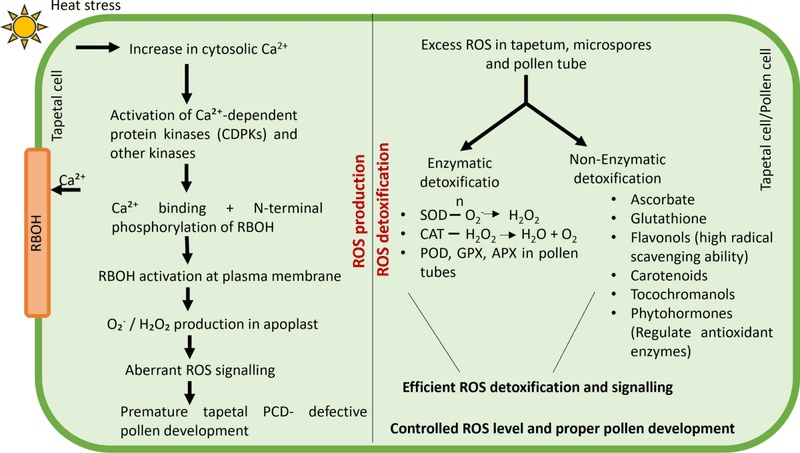
What heat actually disrupts is the internal reproductive process. High temperatures can reduce pollen viability, prevent anthers from opening and releasing pollen properly, slow or stop pollen-tube growth toward the ovule, and damage the female reproductive tissues themselves.
Controlled research on common bean found reduced pod and seed set under day-and-night temperature regimes such as 32/27 degrees C (90/81 degrees F) and 37/26 degrees C (99/79 degrees F). A review of high-temperature tolerance in common bean documents that reproductive injury can occur at multiple stages, not just at one moment in the flower’s development.
Nighttime temperatures draw particular attention because plants cannot cool themselves through transpiration after dark the way they can during the day. Snap-bean research from Rutgers identifies hot nights as a major cause of poor pollen release and reduced pod quality.
One important caution: temperature response varies by bean type, cultivar, how long the plant is exposed, and what growth stage the flower is in when the heat hits. There is no single overnight number that guarantees blossom drop for every snap bean in every garden.
Check the night low, the daytime high, and the soil before choosing a fix
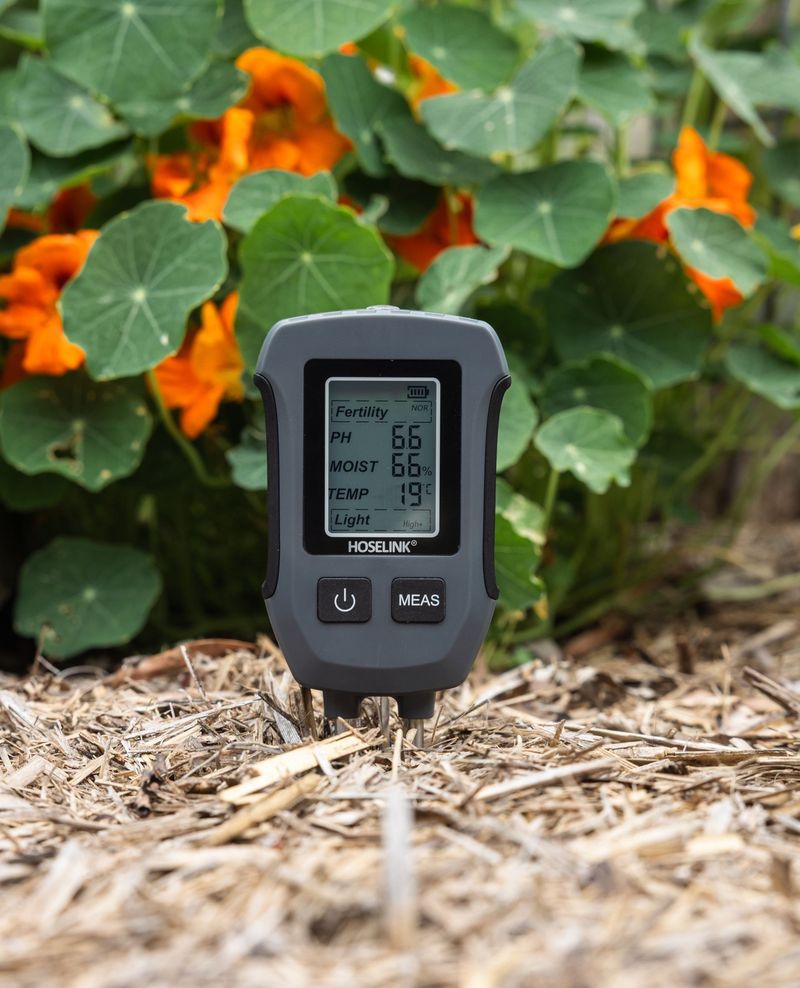
Before reaching for a solution, spend a few minutes gathering actual numbers. Pull up the overnight low for your specific location, not just the daytime forecast city-wide.
A weather station a few miles away may read several degrees cooler than your raised bed sitting on a concrete patio, so a personal thermometer placed near the plants at night gives you the most useful reading.
After confirming the overnight low, check the daytime highs. UC IPM notes that temperatures above 90 degrees F during blossoming commonly contribute to blossom drop, and both Utah State and Iowa State Extension describe heat above roughly 90 to 95 degrees F as a common cause.
Those figures are practical reference points, not guarantees that pod set will fail at exactly that temperature in your garden.
One data point that sometimes circulates is a blackeye-bean production study from UC Davis reporting pod-set reductions above a 63-degree-F minimum night temperature and much larger losses near 80 degrees F. Those findings come from blackeye beans grown under California field conditions and cannot be applied as a universal rule for common snap beans in your Florida or Texas garden.
Use the study as context, not as a cutoff. After checking temperatures, press two fingers an inch or two into the soil near the root zone.
Dry or crumbly soil at that depth means drought stress is compounding the heat, and moisture becomes the next priority.
Even moisture protects the crop from adding drought stress to heat stress
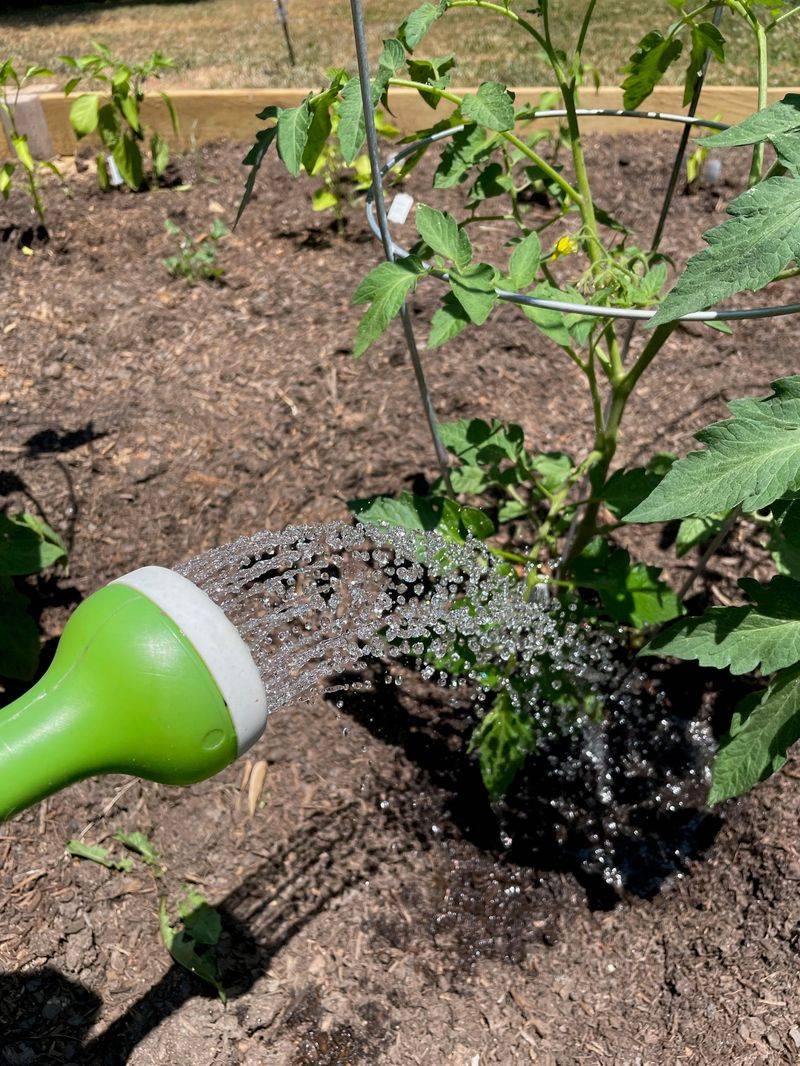
Once you know the soil is dry or inconsistent, steady moisture becomes the most immediate thing you can control. Water deeply enough to wet the full root zone, which for snap beans typically means soaking down six to eight inches.
Shallow, frequent sprinkles train roots upward and leave plants more vulnerable during the hottest part of the day.
USU’s legume irrigation guidance and UF/IFAS watering advice both recommend watering thoroughly while avoiding prolonged saturation. Waterlogged soil cuts off root oxygen, invites root disease, and can be just as damaging as drought.
The practical approach is to water deeply, wait until the top inch or two of soil feels dry, and water again. Iowa State recommends roughly one inch of total water per week for many vegetable gardens as a flexible starting point, but that number requires adjustment for your soil type, recent rainfall, plant size, and how hot the weather has been.
Mulch is the other half of this equation. Spreading two to three inches of straw, shredded leaves, or compost around the plants, but keeping it an inch or two away from the stems, slows evaporation and moderates soil temperature.
Delaware Extension and K-State Extension heat-stress guidance both recommend organic mulch as a practical tool for protecting vegetable roots during extreme heat. Mulch will not fix warm nights, but it removes one stressor from a plant that is already under pressure.
Daytime shade can lower the load, but it cannot cool the night
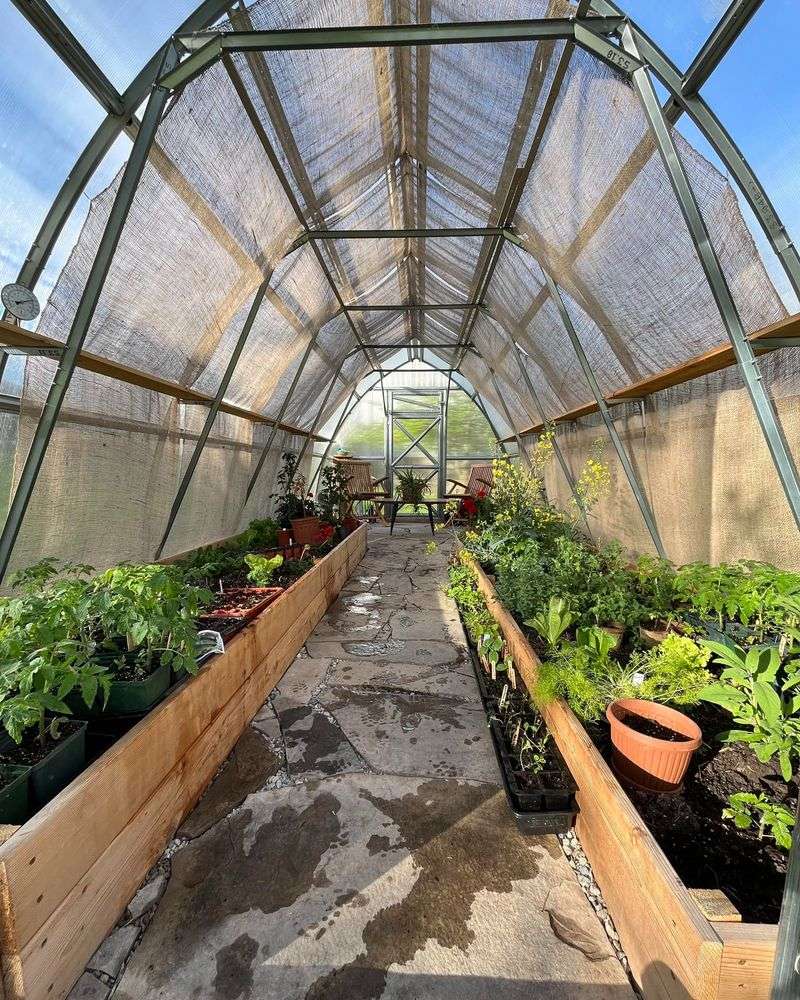
After soil moisture is addressed, temporary shade is the next tool worth considering. The goal is to reduce the intensity of midday and afternoon radiation, which can push leaf and soil temperatures well above air temperature.
A properly installed shade structure buys the plant some relief during the hottest hours without cutting off the light it needs to keep growing.
Delaware Extension reports that 30 percent shade cloth can provide useful cooling for many vegetables. The critical word is “properly installed.” A covering draped directly on the foliage with no air space can trap heat and raise temperatures rather than lower them.
Build or borrow a simple frame, leave several inches of open space on the sides, and check underneath with a thermometer on the first hot day to confirm the structure is actually helping.
Shade cloth cannot make warm nights cool. Once the sun goes down, air temperature is driven by regional weather, not by a fabric covering your plants.
If overnight lows are consistently high, shade is a daytime mitigation measure and nothing more. Watering method also matters here.
Drip irrigation or a soaker hose delivers water directly to the root zone, and UF/IFAS and UMass Extension disease management guidance both link overhead watering with increased disease risk in dense plantings. Water early in the morning if overhead watering is your only option, giving foliage time to dry before evening.
A new planting window may beat forcing pods through the heat wave
Sometimes the most productive decision is to stop waiting for a heat-stressed crop to recover and start planning a better-timed planting instead. A plant that keeps flowering during extreme heat may never set pods reliably until temperatures drop, and that window can be weeks away in Florida or Texas.
Before pulling anything, check whether local planting calendars actually support a fall crop.
Florida gardeners have real options. UF/IFAS legume production guidance lists snap-bean planting windows that include August through September for North and Central Florida and September through April for South Florida.
The Florida Vegetable Gardening Guide can help confirm the right window for your county. Texas gardeners should count backward from the expected first freeze date.
Texas A&M AgriLife’s fall vegetable gardening guide recommends timing fall bean plantings roughly 8 to 12 weeks before the first expected freeze, depending on location and bean type.
Whatever your location, match the planting window to the maturity date printed on the seed packet. A 55-day bean planted too late will not mature before frost, no matter how carefully you water it.
Heat-adapted cultivars are worth exploring for future seasons, but make sure any recommendation matches your specific bean type. Snap-bean, lima, southern-pea, and yard-long-bean varieties are not interchangeable, and a heat-tolerant label on one type does not transfer to another.
Other symptoms change the diagnosis
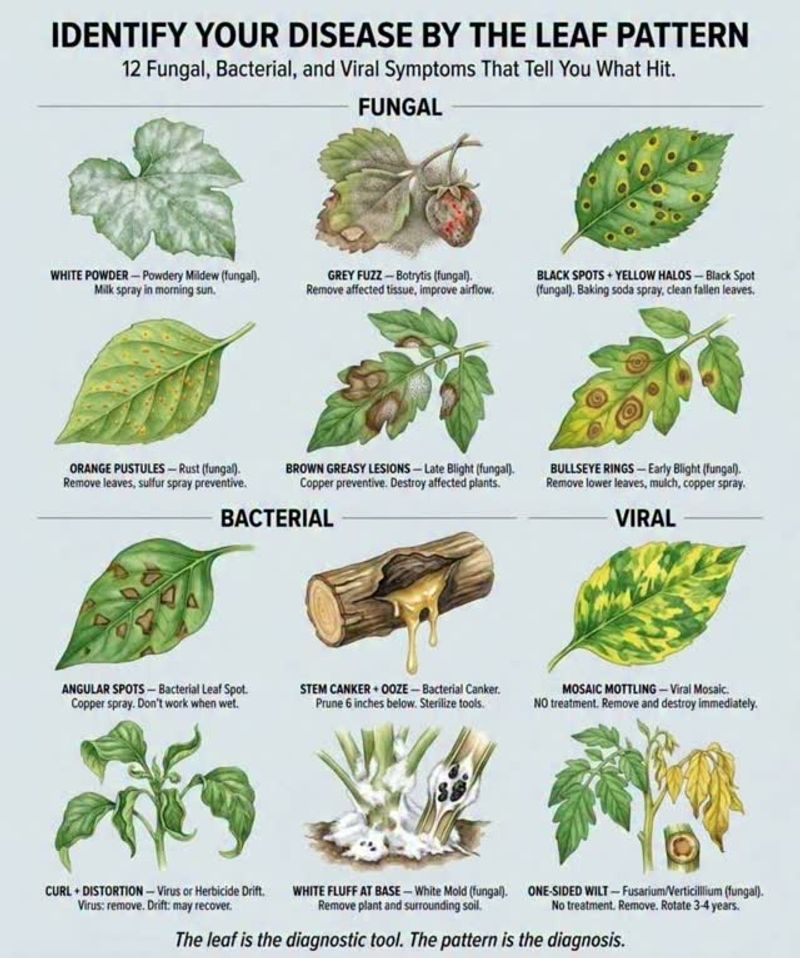
Heat and drought are common explanations, but they should not become the automatic answer for every case of missing pods. The plant’s leaves, stems, and any developing pods are the most reliable clues that something else is at work.
Clean blossom drop on an otherwise vigorous plant fits the heat-and-drought picture. The diagnosis shifts when you see leaf distortion or curling, mosaic mottling, yellow halos around spots, bronzing, wilting that does not recover after watering, stem injury, skeletonized foliage, or malformed pods.
Cornell’s snap and dry bean virus factsheets describe the leaf mottling and distortion patterns associated with common mosaic viruses. University of Minnesota Extension and Iowa State both list bacterial and fungal diseases, insect feeding, and root problems as additional causes of poor pod set that look different from straightforward heat stress.
Two other possibilities deserve a mention. Excess nitrogen can push a plant toward lush vegetative growth while slowing flowering and pod set, so adding fertilizer is not a default fix for a struggling bean crop.
Ozone injury is a less common edge case, but UC IPM notes that ozone can bronze bean leaves and affect fruit set in areas with matching air-quality conditions. Do not treat ozone as a likely explanation without characteristic leaf bronzing and a known pollution event in your area.
And for readers who have considered hand-pollinating: because snap beans self-pollinate, routine hand pollination will not solve a problem caused by damaged pollen or heat-injured reproductive tissue. Managing temperature and water stress is a more direct path than trying to compensate for heat damage flower by flower.
Start with the overnight low, then protect the roots and reassess
The practical path forward starts with a single number: the actual overnight low near your plants. If warm nights are confirmed, check daytime highs and soil moisture to understand the full picture before deciding on a fix.
UC IPM’s blossom-drop guidance and USU’s legume irrigation advice both point toward steady root-zone moisture as the most immediate controllable factor once heat is identified.
From there, add mulch to slow evaporation, consider ventilated daytime shade if midday heat is intense, and use drip or soaker irrigation to keep foliage dry. If the heat wave shows no sign of ending and your local planting calendar supports a fall crop, a fresh planting timed to cooler conditions may outperform any rescue effort on the current crop.
Warm nights are the first thing to check, not proof that every case has one cause. A bean that flowers freely but sets no pods is telling you something specific about its environment, and the overnight thermometer is where that conversation begins.