
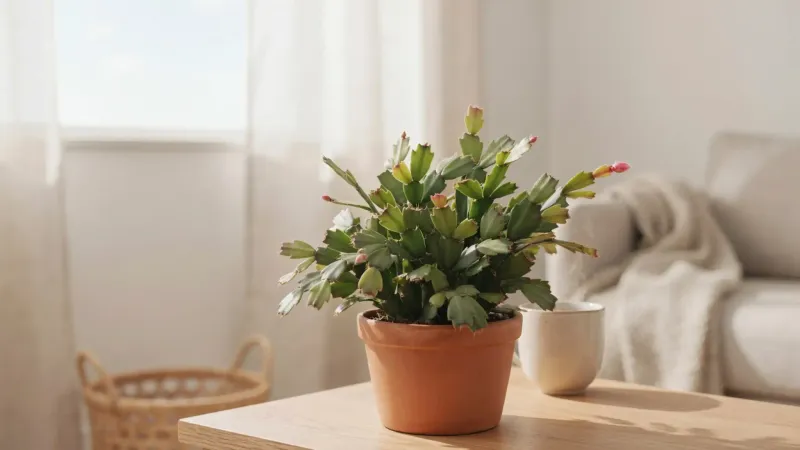
Pink tips on your Christmas cactus are a good sign, and the color alone does not mean the buds are about to fall. The best way to help them is steady care: bright, indirect light, a stable spot, and watering based on how the potting mix feels.
A few small habits make the difference between a plant that holds its buds and one that sheds some. Here is how to handle the stretch from pink tips to the first open flower.
Pink tips can be part of a developing flower bud
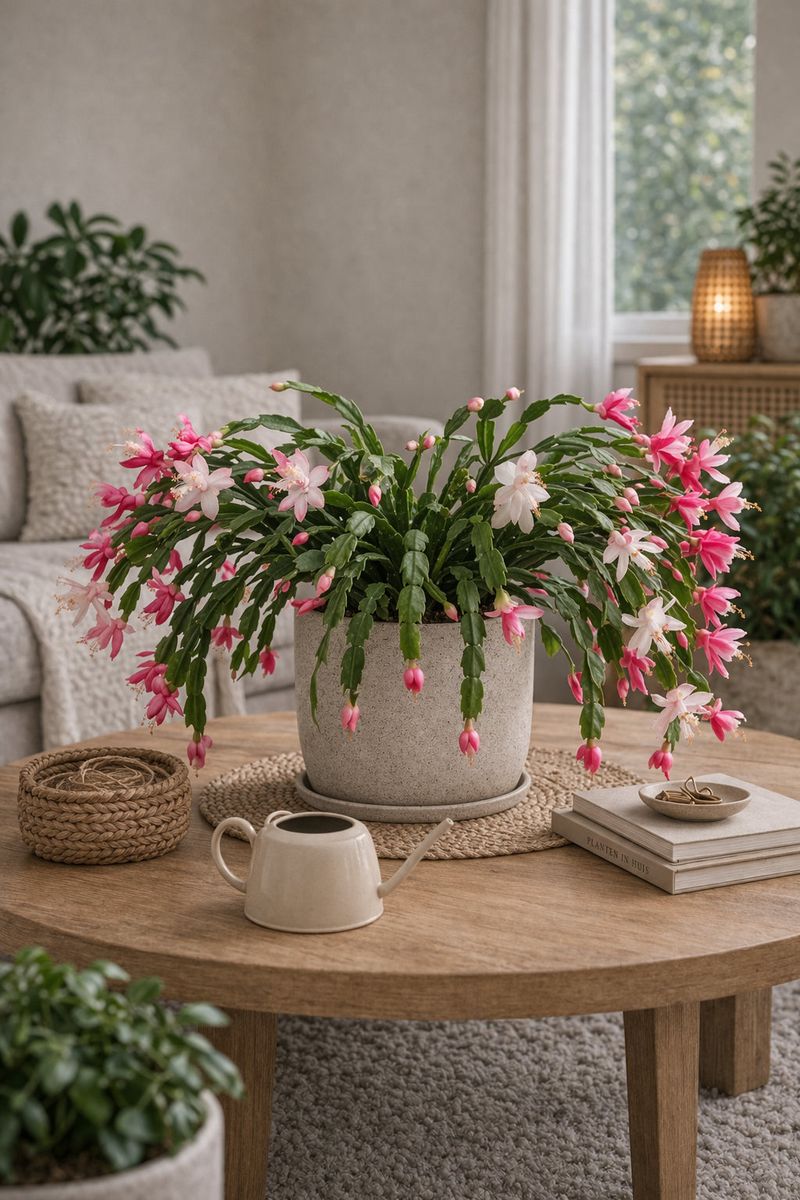
Take a breath if you spot pink at the ends of your cactus stems. Schlumbergera flower buds form at the stem tips, and NC State’s plant guide lists pink among the flower colors in this genus.
That makes pink tips consistent with developing buds.
The color by itself does not tell you the buds are about to drop. Pink tips are not a sign of stress, and the guidance reviewed for this article does not describe any special treatment for them.
There is no secret spray or trick to apply.
What helps is plain, steady care while the buds swell. That means good light, a settled location, and sensible watering, all covered in the next sections.
Think of this stage as a waiting game where your main job is to avoid disruptions. Buds are delicate, and a plant that is left alone in good conditions gives them the best chance.
No step can promise every bud will open, but steady habits improve the odds.
Choose bright, indirect light and keep the plant in place
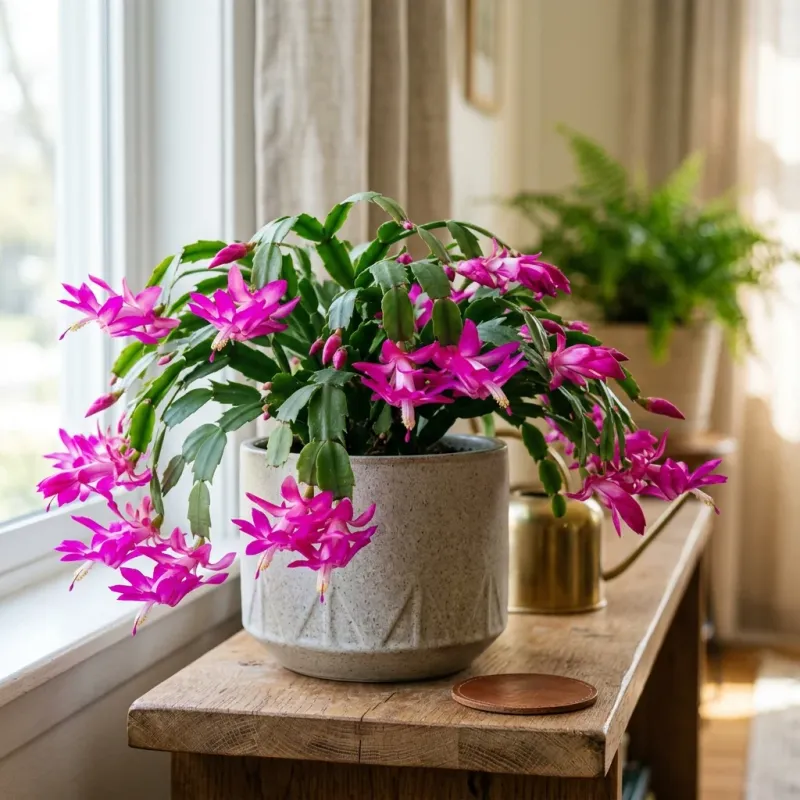
Light is the easiest thing to get right. Set your cactus where it gets bright but indirect light, such as a spot a few feet from a sunny window or behind a sheer curtain.
Harsh midday sun straight through glass is more than these plants need.
Once you find a good spot, leave the pot there. Iowa State Extension advises avoiding moves while buds are developing, since a new location can change light, temperature, and humidity all at once.
Even turning the pot every few days to even out growth is a change you can skip for now. If you want to keep track of the plant’s position, a small mark on the saucer helps you keep it facing the same way.
This is about stability, not a rescue. Keeping the plant in place does not guarantee every bud will open, but it removes one common source of disruption.
Iowa State says you can move the plant for display once flowers begin to open, which gives you something to look forward to.
Protect developing buds from abrupt temperature changes
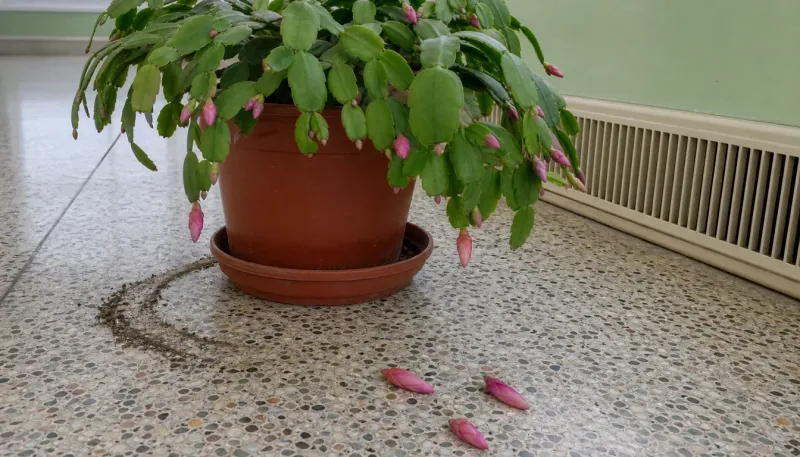
Walk around your plant’s spot and check what is nearby. According to University of Minnesota Extension, cold drafts, direct heat, and sudden swings in temperature, light, or humidity can contribute to bud drop.
A windowsill that gets icy on winter nights can be a problem. So can a spot right above a heat vent or beside a fireplace, where warm, dry air blows across the plant.
Here is a simple placement check. Hold your hand where the plant sits on a cold morning and again when the heat is running.
If you feel a distinct chill or a blast of warm air, shift the plant slightly away from that source, or better yet, fix the issue with a curtain or vent deflector.
Avoid carrying the pot between rooms with very different conditions, such as a chilly porch and a warm kitchen. Visible buds do not need a special cool treatment.
They just need conditions that stay fairly even from day to day.
Water by checking the mix, not the calendar
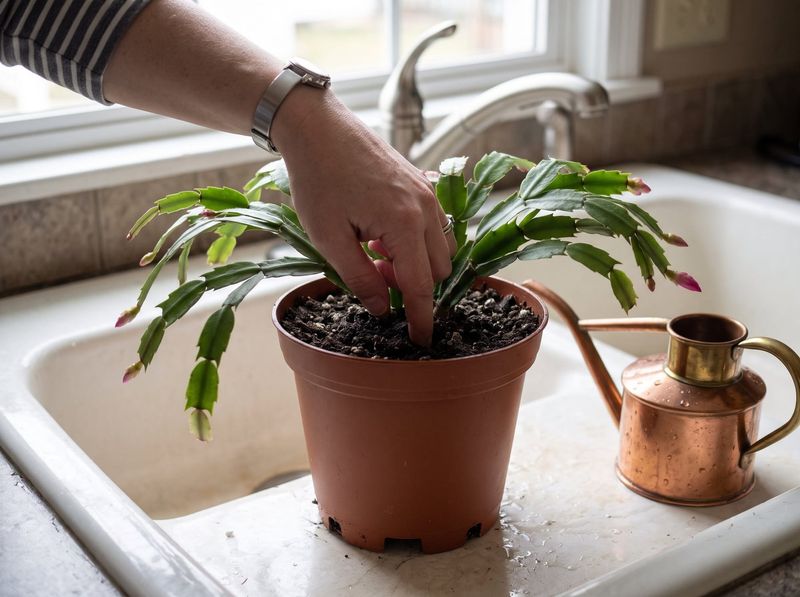
Skip the weekly watering schedule and use your finger instead. Push it into the mix about an inch deep.
If it feels dry, water, and if it still feels damp, wait a day or two and check again.
Advice on this topic can sound contradictory, so aim to avoid extremes. UF/IFAS suggests watering when the top inch feels dry and letting the excess drain.
Iowa State cautions against both too much dryness and overwatering during bud development.
Use a well-draining mix and a pot with drainage holes. Empty any water that collects in the saucer or decorative outer pot so the roots are not sitting in it.
If the plant looks wilted but the mix is wet, more water is not the answer. University of Minnesota Extension notes that waterlogged mix can contribute to root rot, so a drainage or root problem may be the cause.
Skip last-minute rescue routines
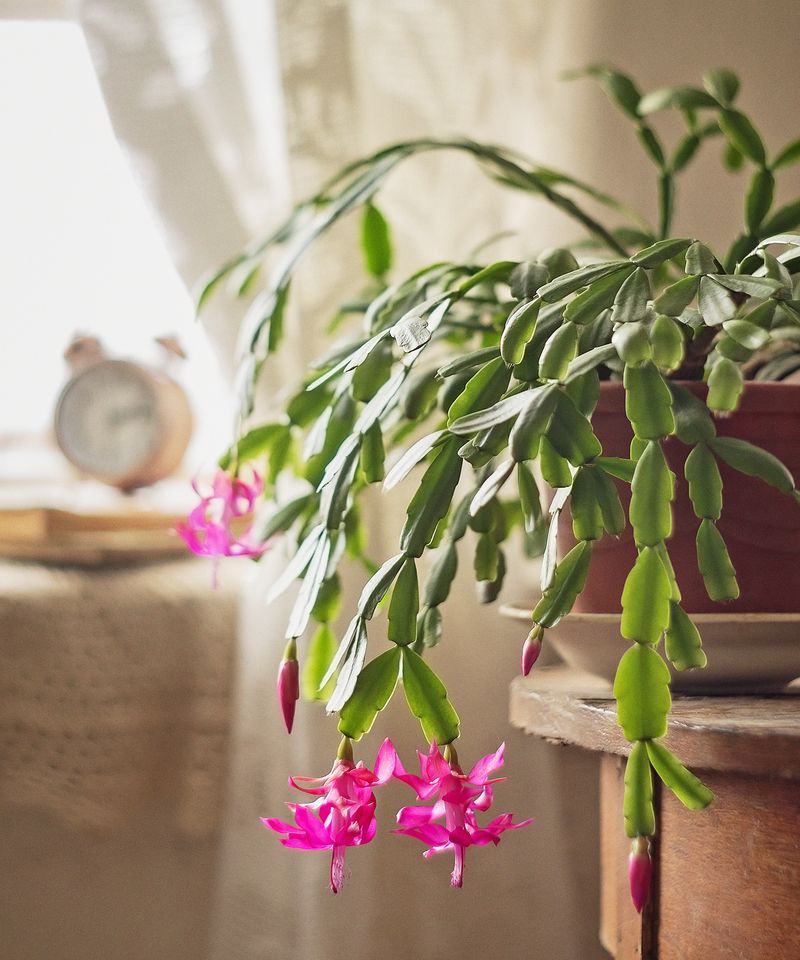
When buds appear, it is tempting to try something dramatic. The better move is to put the extras away.
Repotting, pruning, fertilizing, misting, humidity trays, Epsom salts, and carrying the plant to a bathroom are not proven ways to save visible buds.
The same goes for darkness. Short days and cool temperatures help trigger flowering in the first place, as described by University of Minnesota Extension.
Once buds are showing, that job is done, so there is no reason to start a dark-closet routine now.
Moving the plant around is also a risk. Iowa State Extension advises against it during bud development, and pruning is work for outside the budding period.
If you want a next action, make it a quick check of light, location, and the mix’s moisture. Those basics do more for visible buds than any special treatment.
A dropped bud does not always mean you did something wrong
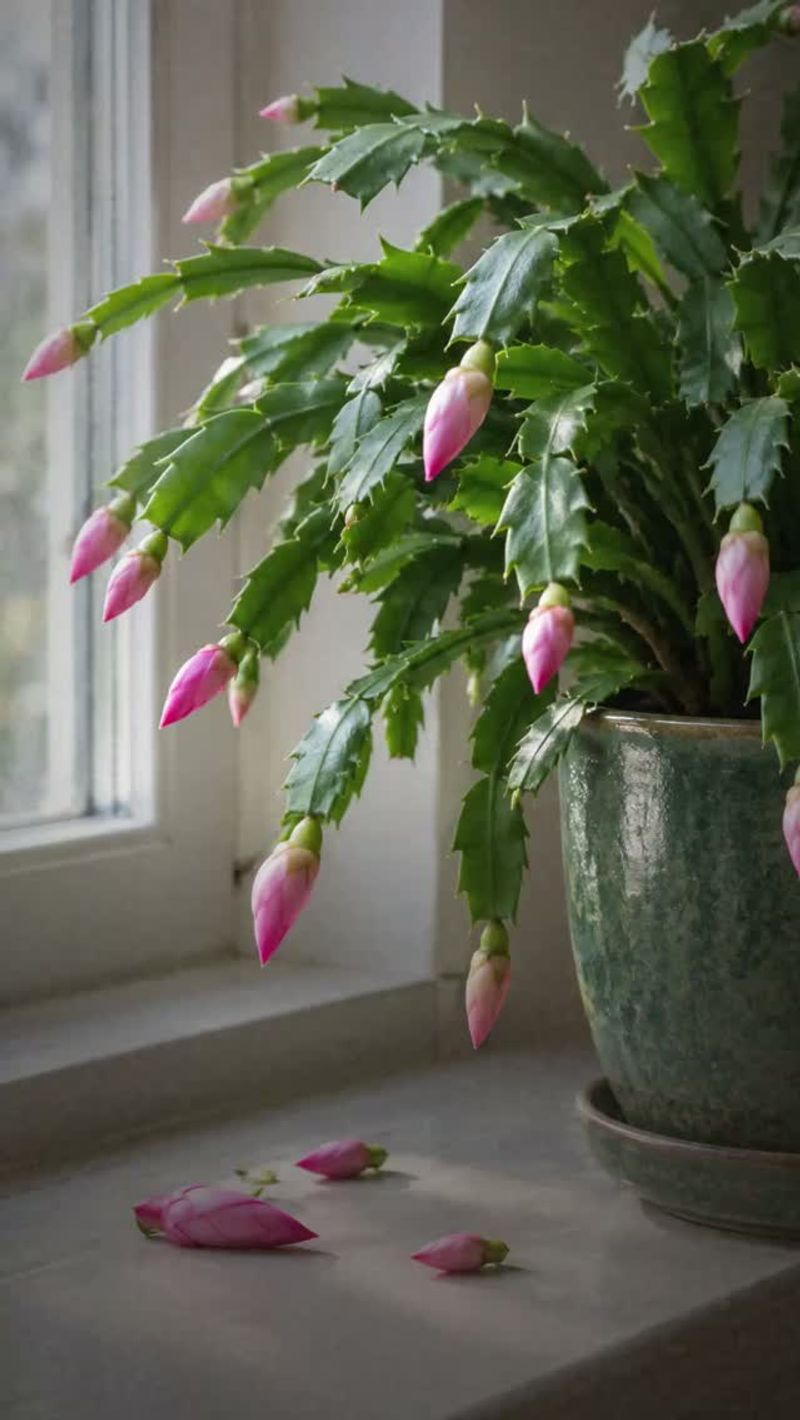
Finding a bud or two on the table is discouraging, but it is not always your fault. Sudden shifts in the plant’s surroundings and watering extremes can contribute to bud drop, according to University of Minnesota Extension.
The same source notes that a plant may also self-prune. If it formed more buds than it can support, it can shed some on its own, and the rest may go on to open.
When buds fall, run a calm review. Has the pot been moved lately?
Is it near a draft or a vent? Has the mix been bone-dry or soggy?
If you find a clear cause, correct it gently and keep conditions steady.
If you find nothing, there may be nothing to fix. Iowa State describes multiple possible causes, and even careful care cannot guarantee every bud will open.
A plant with plenty of buds left is still on track.
Move the plant for display when flowers begin opening
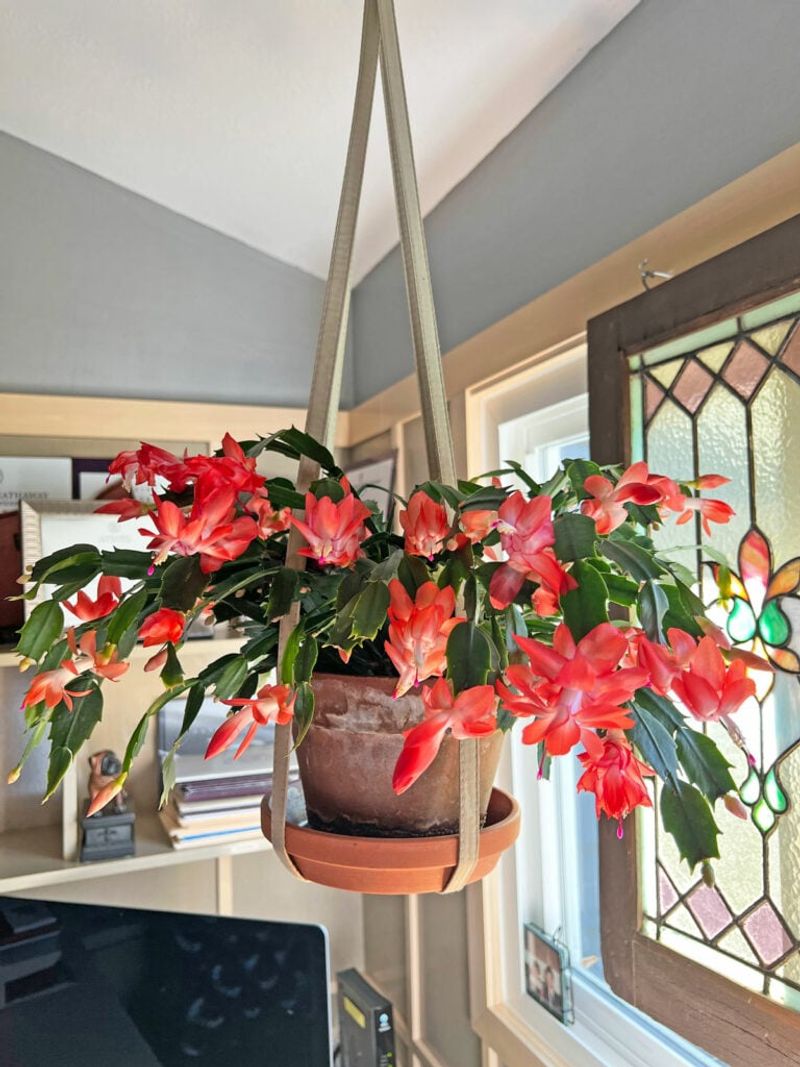
The first open flower is your signal. Iowa State Extension says you can move the plant for display once flowers begin to open, so a mantel, table, or entryway is now fair game.
Keep the move sensible. Pick a place with decent light, away from drafts and heat vents, and keep up the same moisture checks as before.
Display is about enjoying the blooms, not a treatment for the buds that remain.
As for timing, do not count on a bloom date. Plants sold as Christmas cactus may actually be Thanksgiving cactus or hybrids, and flowering time varies by type and cultivar.
Yours may open before December, near it, or after.
If neighbors’ plants bloom earlier or later than yours, that is normal. Watch the buds swell and the color deepen, and let the plant set the schedule.
A cactus that opens on its own timeline is still doing its job.