
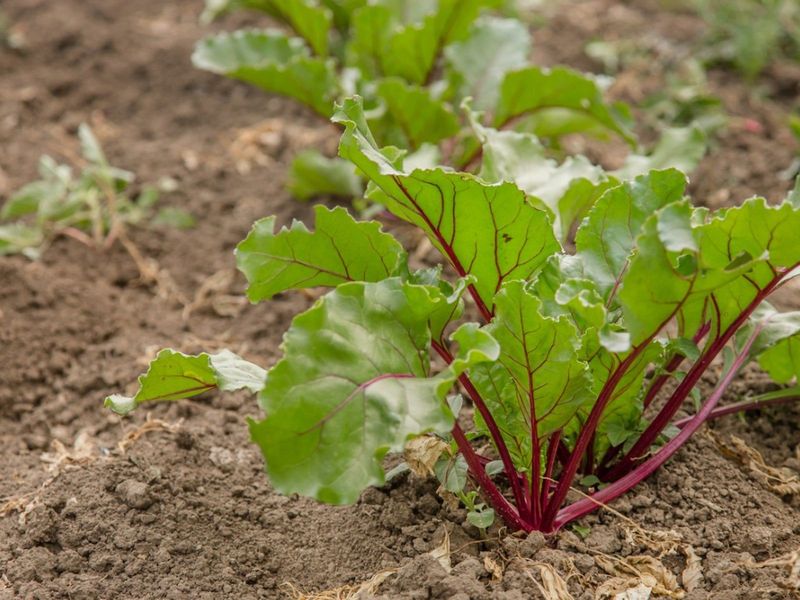
You sowed beet seeds in late summer, watered faithfully, and waited – only to find a row of pale, wobbly seedlings that look more like they are reaching for a distant light than settling in to form roots. Before you blame the heat entirely, it helps to know that thin emergence and leggy growth are actually two separate problems with different causes.
Getting that distinction right is the fastest way to figure out what your garden actually needs right now.
Thin emergence and leggy growth need different diagnoses
A sparse row and a row of floppy seedlings can look similar at a glance, but they usually tell different stories. Sparse emergence – meaning few seedlings appeared at all – most often points to a germination problem: soil that was too hot or too dry, a crusted surface that blocked sprouting seeds, uneven moisture, old seed, seeds planted too deep or too shallow, or early seedling disease.
Leggy growth is something else entirely.
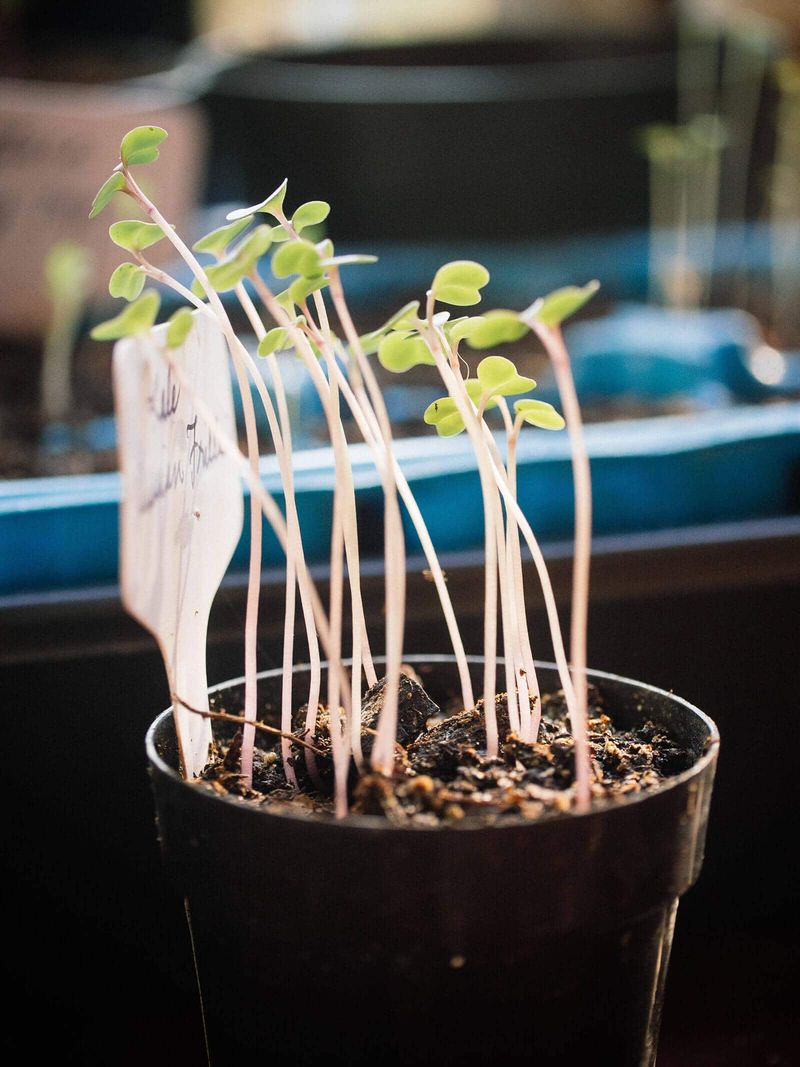
When seedlings do emerge but then grow long, weak, and floppy rather than sturdy, the more direct explanation is usually inadequate usable light, excessive shade, crowding, or a cover left in place too long after the seeds sprouted. According to Penn State Extension guidance on diagnosing poor plant health, stretched, elongated growth in seedlings is closely associated with insufficient light rather than heat stress alone.
Heat can weaken the whole system, but it does not by itself make stems stretch.
Before you change anything in the bed, take a moment to look carefully. If very few seedlings came up, you are dealing with a germination or emergence failure.
If seedlings came up in reasonable numbers but are now long and limp, focus your attention on light and crowding. The timing matters too: if seedlings flopped within days of emergence, ask whether a cover was still on the row or whether a nearby structure or plant was blocking sun during the critical first week.
Heat can undermine emergence before seedlings stretch
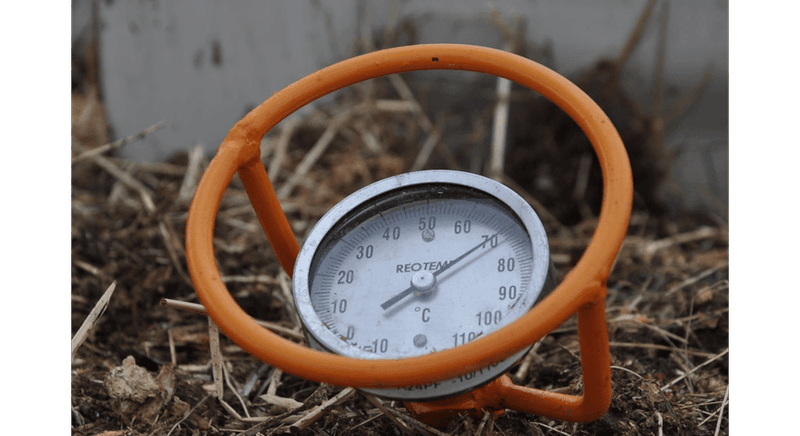
Beets are a cool-season crop, and hot soil is genuinely hard on germinating seeds. Utah State University Extension’s beet growing guide notes that beet seeds germinate best in a soil temperature range of roughly 55 to 75 degrees Fahrenheit, and that germination rates decline as temperatures climb above about 80 degrees.
That 80-degree figure is a useful warning point, not a hard cutoff – cultivar, seed age, moisture level, and soil salinity all influence the actual threshold, so check the seed packet and your local conditions rather than treating any single number as absolute.
Beyond temperature, the surface condition of the bed matters enormously. Soil that dries out between waterings, develops a hard crust, or stays unevenly moist can produce a patchy, thin stand even when the seeds themselves are viable.
Texas A&M AgriLife Extension recommends keeping the top layer of soil consistently moist during germination, and notes that a light-colored mulch or fine sand spread over the seeded area during hot weather can help hold moisture and moderate surface temperatures at the seedbed level – not over emerged plants, but during the sowing and germination window.
Fall planting windows vary considerably across the South. Texas A&M’s fall vegetable gardening guide lists beet sowing dates ranging from mid-August in the warmest Texas regions to mid-December in cooler ones.
Florida, Georgia, and neighboring states have their own regional calendars. Sowing when soil conditions are still too hot makes establishment less reliable – but it does not make germination impossible, especially when moisture is carefully managed.
Low light creates the stretched appearance
Seedlings that emerge and then grow long and weak are responding to a light shortage, not just heat. When stems reach and stretch rather than thickening up and staying compact, the plant is essentially searching for more usable sunlight.
Penn State Extension’s seed and seedling biology resource identifies insufficient light as a direct cause of the spindly, elongated growth that gardeners often call legginess.
Shade presents a real tradeoff during late-summer sowing. A little temporary shade during the hottest part of the day can protect germinating seeds and very young seedlings from scorching heat, and UGA Extension notes that shade can help with seedling establishment when temperatures are running high.
The problem is that too much shade, or shade that continues too long, can produce exactly the weak, stretched growth you are trying to prevent. The goal is bright overall light with only brief midday protection if the heat is severe.
Row covers and fabric tunnels are often used to hold moisture and buffer temperature swings, but Penn State Extension’s guidance on sowing annual seeds warns that coverings left on too long cause seedlings to stretch from lack of sunlight. Remove or ventilate covers as soon as seedlings emerge.
Clear plastic is not a good routine solution over a hot summer bed – it can trap excessive heat and make conditions worse. Fabric covers that are vented or lifted during the day are a safer option, and they should come off promptly once germination is complete.
Restoring full, direct light is the single most important step for seedlings that have already begun to stretch.
UGA Cooperative Extension’s variety and seed saving guide also emphasizes that seedling vigor depends on good light access from the start – a reminder that the window for correcting a light deficit is short once stems begin to elongate.
Multigerm beet fruits can crowd a row quickly
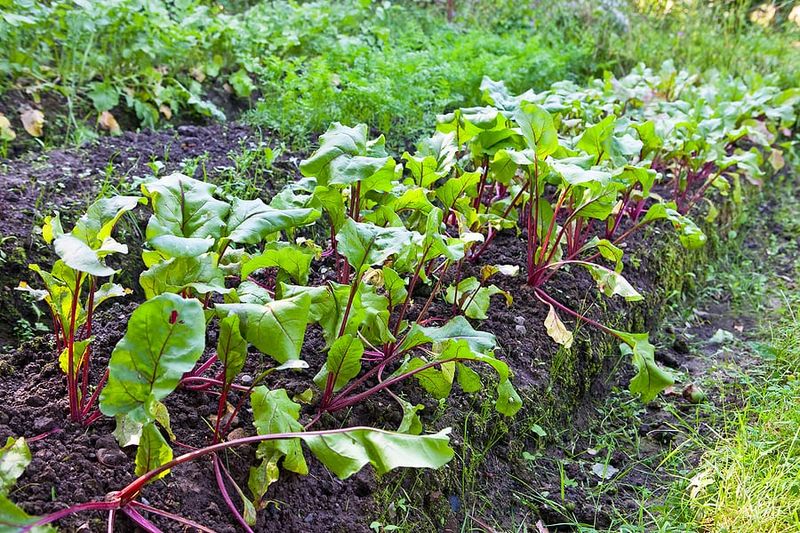
Even a carefully spaced sowing can turn into a crowded mess fast, and the reason comes down to how beet seeds are actually structured. What most gardeners call a beet seed is technically a multigerm fruit – a dried cluster that commonly contains two to six individual seeds packed together.
Texas A&M AgriLife Extension notes that each fruit can produce multiple seedlings, and the Southeastern Vegetable Crop Handbook reports two to five seedlings emerging from many of these multigerm seeds.
A cluster of four or five seedlings competing for the same small patch of soil will block each other’s light, compete for water, and limit root development for all of them. Crowded seedlings tend to grow taller and thinner as each plant stretches toward available light – which is one reason a row that looks full can still produce weak, spindly plants.
Thinning early makes a real difference. Most extension guidance recommends thinning to roughly 2 to 4 inches apart, with the wider spacing favored when you want larger roots.
Tender young thinnings make good salad greens, so nothing goes to waste. Keep in mind that thinning improves growing conditions and gives remaining plants better access to light, water, and root space – but root size also depends on cultivar, soil quality, moisture, and how much of the season remains.
Thinning helps; it does not guarantee any particular outcome on its own.
Rescue living seedlings with light, moisture, and space
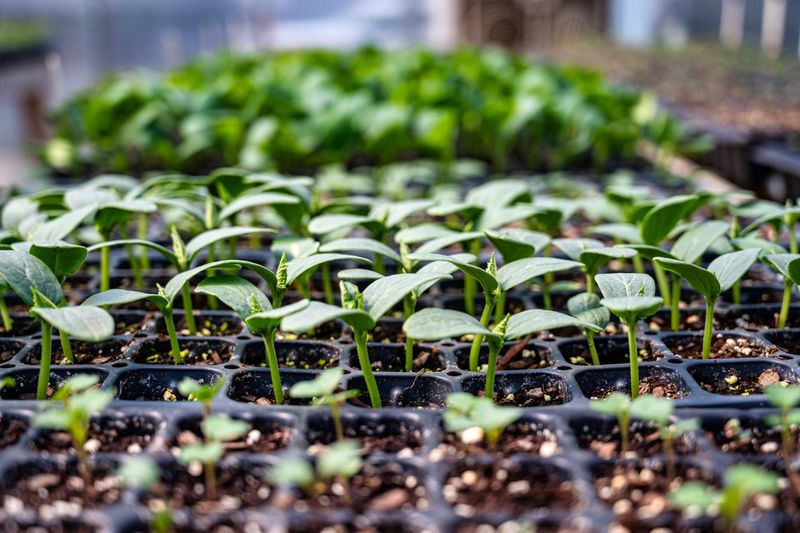
When seedlings are still upright and showing green growth, there is a reasonable chance of improving the stand without starting over. Work through a short checklist before doing anything else.
First, check whether a cover is still over the row – if it is, remove it or ventilate it immediately and get the seedlings into full light. Second, look at spacing: if multiple seedlings are emerging from single seed clusters, thin them now rather than waiting.
Crowding compounds a light problem and slows recovery.
Moisture management matters throughout this process. Penn State Extension emphasizes keeping the seedbed evenly moist during early establishment.
Utah State University Extension recommends roughly 1 to 2 inches of water per week as a general starting point for beets, though actual needs vary with soil type, rainfall, and temperature. The goal is consistent moisture without waterlogging – saturated soil can slow root development and create conditions that favor disease.
On the topic of mulch or sand: a light-colored layer spread over the seedbed during sowing and germination can help moderate soil temperature and hold surface moisture. Once seedlings have emerged and are growing, that material should not be piled over foliage or used in a way that blocks light.
Leggy seedlings need more light, not more covering.
Pay close attention to the base of each seedling. University of Minnesota Extension’s seedling troubleshooting guide explains that seedlings collapsing at the soil line or showing thin, rotted stems near the base may be suffering from damping-off, a fungal condition encouraged by wet, warm, low-light conditions.
Collapsed seedlings of that type rarely recover. A seedling that simply flops from legginess is different from one that has rotted through – knowing which you are looking at determines whether rescue or reseeding is the better path.
Reseed a failed stand in a better-prepared bed
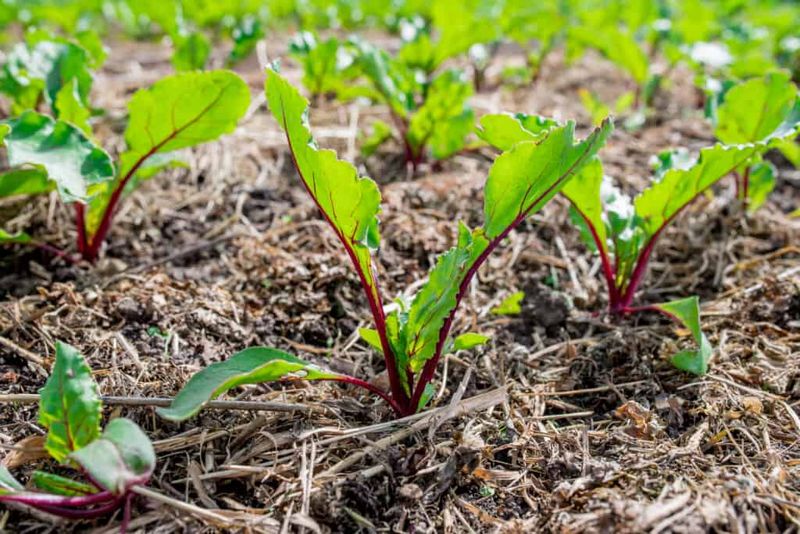
Sometimes the honest assessment is that the original row cannot recover. If very few seedlings came up, if a large portion have collapsed at the soil line, or if the remaining plants are severely weakened and not responding to improved light and moisture, reseeding into a freshly prepared bed is usually the more reliable option.
Trying to nurse a badly failed stand through the rest of the season rarely produces a useful harvest.
Direct seeding is the preferred approach for beets because their roots do not tolerate disturbance well. University of Minnesota Extension’s vegetable planting guide notes that root crops are generally direct-seeded because moving them can disturb root development or produce misshapen roots.
Transplanting is not automatically impossible, but reseeding into a better-prepared bed is the more dependable rescue for a stand that is badly damaged.
Soil preparation matters more than many gardeners expect. Beet roots develop poorly in compacted clay, rocky beds, areas with poor drainage, or spots where tree roots are competing for water and nutrients.
Texas A&M AgriLife Extension’s soil preparation guidance recommends loosening soil to a good depth and improving drainage before planting root crops. Raised beds can be a practical solution in heavy Southern soils or low spots that stay wet after rain.
Check your regional fall planting calendar before reseeding. Extension guidance on midsummer planting for fall harvest reinforces that timing a reseed to land in a cooler window – rather than repeating the same late-summer conditions – gives the new stand a better chance.
A failed first planting does not end the fall season if enough of the growing window remains.
Plan the next sowing around conditions, not a calendar slogan
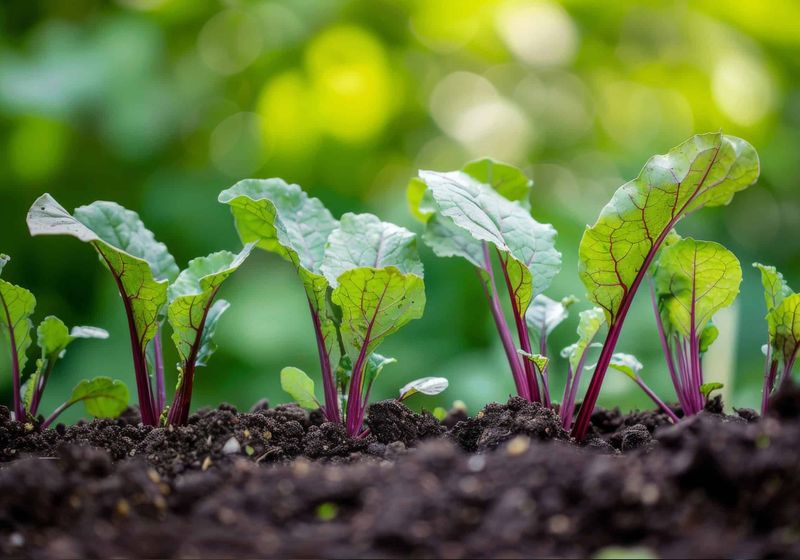
Recovery from a weak first stand – and avoiding the same outcome next time – comes down to a handful of decisions made before the seeds go in the ground. Start with a regional planting date rather than a generic “late summer” target.
Utah State University Extension and UGA Cooperative Extension’s fall vegetable gardening guide both emphasize that timing should reflect local conditions, not a one-size-fits-all date.
Prepare a loose, well-drained bed, keep the surface evenly moist during germination, and use only brief midday shade if heat is intense – then remove any cover as soon as seedlings break the surface. Thin the multigerm clusters early so each remaining plant gets adequate light and root space.
Penn State Extension’s seed and seedling biology resource makes clear that seedling quality depends on both good germination conditions and sufficient light after emergence – managing only one side of that equation leaves the other problem in place.
A weak first stand is a diagnosis, not a verdict. The fall beet crop is still possible when there is time left in the season and the underlying conditions – light, soil, moisture, and timing – are addressed together rather than one at a time.